
Translated material
War
1545th day. Tell Meduza what you think about the Ukrainian Armed Forces’ strikes on Moscow, Perm, Tuapse and other Russian cities. Has the war become closer to you personally?
Since February 24, 2022, Meduza has been broadcasting live about the Russian-Ukrainian war. We publish your letters every day because we are sure that we need to continue talking about the war. The Ukrainian Armed Forces are increasingly launching attacks on Russian cities. Perm, Tuapse, Cheboksary, Ryazan, Moscow - it seems that tomorrow drones can fly absolutely anywhere in Russia. What difference has this made in your life? Has the war become closer to you personally? Are you afraid for yourself and your loved ones? Do you think that attitudes towards war in the country are changing - and how? The feedback form is inside this article. You can read the previous day's review here .
Russia
On May 17, Ukraine launched the largest strike on Moscow during the entire war, using several dozen drones. In Moscow, according to authorities, three residential buildings were damaged and 12 people were injured. In addition, as Moscow Mayor Sergei Sobyanin said, one drone fell near the entrance of the oil refinery in Kapotnya.
In the Moscow region there was more destruction - residential buildings were damaged, there was a fire at the Solnechnogorsk loading station, which is used for the distribution of petroleum products. Three people were killed in the region, including an Indian citizen, and four were injured.
This is what Meduza wrote about on May 17 and the day after the attack:
- War. 1544th day . Ukraine's attack on Moscow is perhaps the largest of the entire war. There are dead and wounded
- Moscow and the Moscow region - after unprecedented Ukrainian attacks. Photos and videos
- How has Ukraine been targeting Moscow with drones throughout the war? The intensity of Ukrainian attacks over the past two years has increased tenfold
- “The cat stood on end.” That night, Moscow and the Moscow region faced the largest attack by Ukrainian Armed Forces drones since the beginning of the war. Here's what residents of Khimki and Kurkino told Bereg about it
- The same day in Moscow. In the southeast, the consequences of Ukraine's largest strike are being eliminated. Pioneers march on Red Square. Photos
- Ukrainian drones are not only hindering the Russian offensive. They truly took the war deep into Russia and into Moscow. Does this bring Ukraine closer to victory? Great analysis of the new stage of the drone war
- Moscow has suffered its deadliest drone attack in four years of war. How to behave correctly in the face of such blows? How to protect your home? And what to do if you are in a danger zone? Useful instructions from Meduza for Russians
- Moscow: comes under the heaviest blow from the Ukrainian Armed Forces since the beginning of the war. Russian TV channels: we don’t know anything, let’s better talk about our Sarmat missiles. The attack, which killed three people,was barely mentioned in news reports.
The war was now felt in Russian cities that are far from the front. Tell us what you think about it.
World
While the United States is bogged down in a war with Iran, Europe is “under pressure” to find someone to serve as special envoy for peace talks between Russia and Ukraine—both Moscow and Kiev are open to it, Politico writes .
Europe has already rejected the proposal of Vladimir Putin, who advocated that former German Chancellor Gerhard Schröder, who has close ties with Russia, become the negotiator. Ukrainian Foreign Minister Andrei Sibiga jokingly told Politico that “Putin might as well appoint Russian-friendly actors Steven Seagal or Gerard Depardieu.”
The publication notes that the obvious candidate is the head of European diplomacy, Kaya Kallas. Although she has long been against direct negotiations with Russia, now she also advocates choosing a negotiator and is ready to become one herself. “I think I can see through the traps that Russia is setting,” she previously told reporters.
However, three EU diplomats believe that Callas’s anti-Russian stance will not allow her to become a special envoy - Putin will oppose her. “Unfortunately [because of her position] she has excluded herself from the list of candidates for this post,” said one diplomat.
Other candidates include:
- Former German Chancellor Angela Merkel. In the past, she worked with both Vladimir Putin and Vladimir Zelensky. However, as Politico notes, many Europeans believe that because Merkel's past mediation efforts have failed, she is not a suitable candidate.
- President of Finland Alexander Stubb. Previously, he had already acted as a mediator in negotiations in Finland and said that he was ready to participate in a peaceful settlement between Russia and Ukraine. But, according to the publication, he will need broader support in the European Union, and Moscow may oppose his candidacy due to the fact that Finland is a member of NATO.
- Former Italian Prime Minister Mario Draghi. The Italian economist and statesman is widely respected in Europe and is not considered overly hawkish or sympathetic to the Kremlin. However, Draghi has not publicly said that he wants to participate in the negotiations.
Sources close to Kyiv told Politico that the negotiator should have strong support from the European Union, but not represent the bloc itself, which Putin does not trust. This could point to figures such as Norwegian Foreign Minister Espen Bart Eide, a great expert on the Middle East, or Indian Foreign Minister Subrahmanyam Jaishankar, who communicates with both Russia and Ukraine.
Politico concludes that the biggest obstacle to choosing a negotiator is not Putin or Zelensky, but “the inability of Europeans to agree among themselves.”
War in photographs
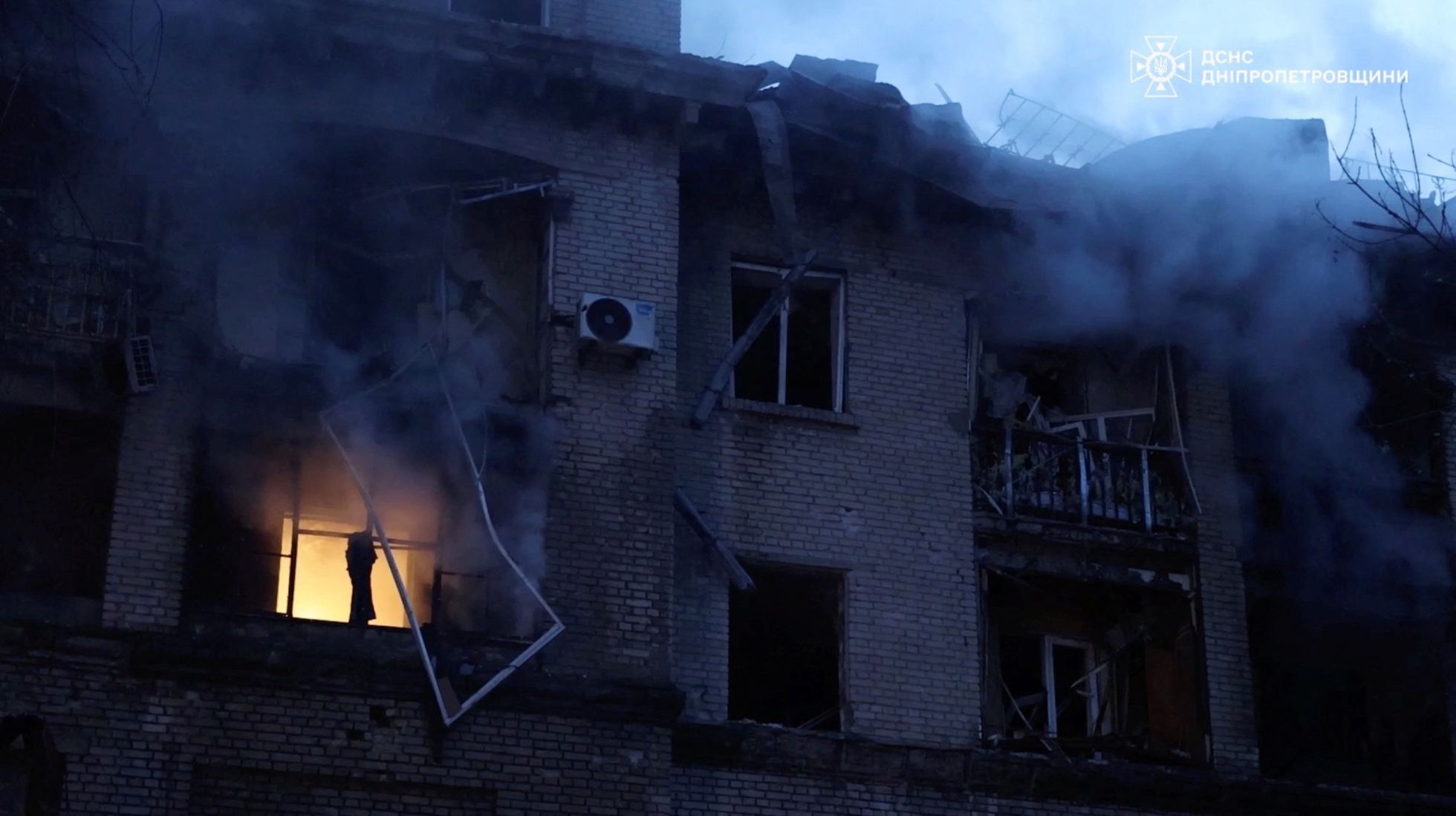
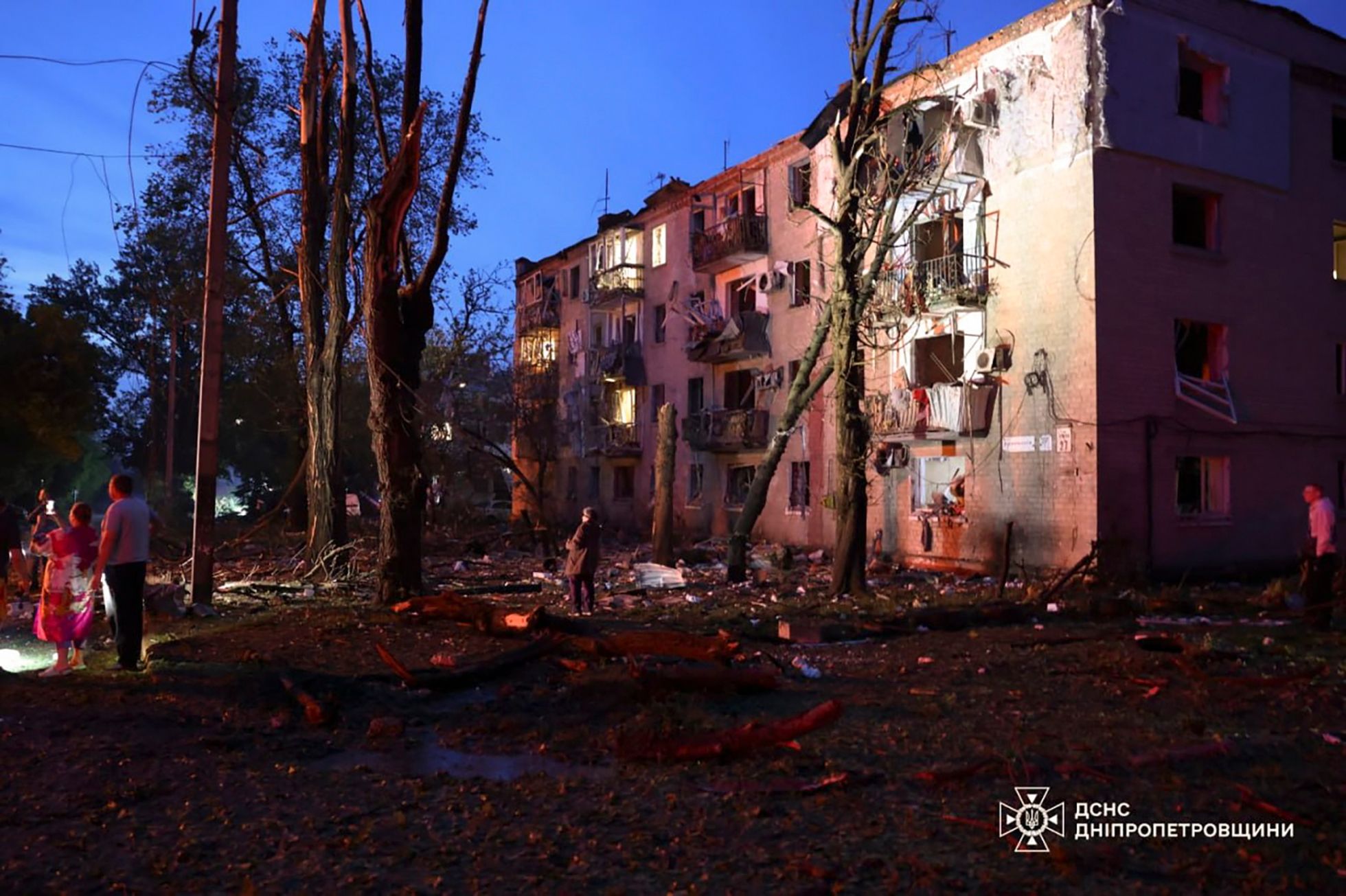
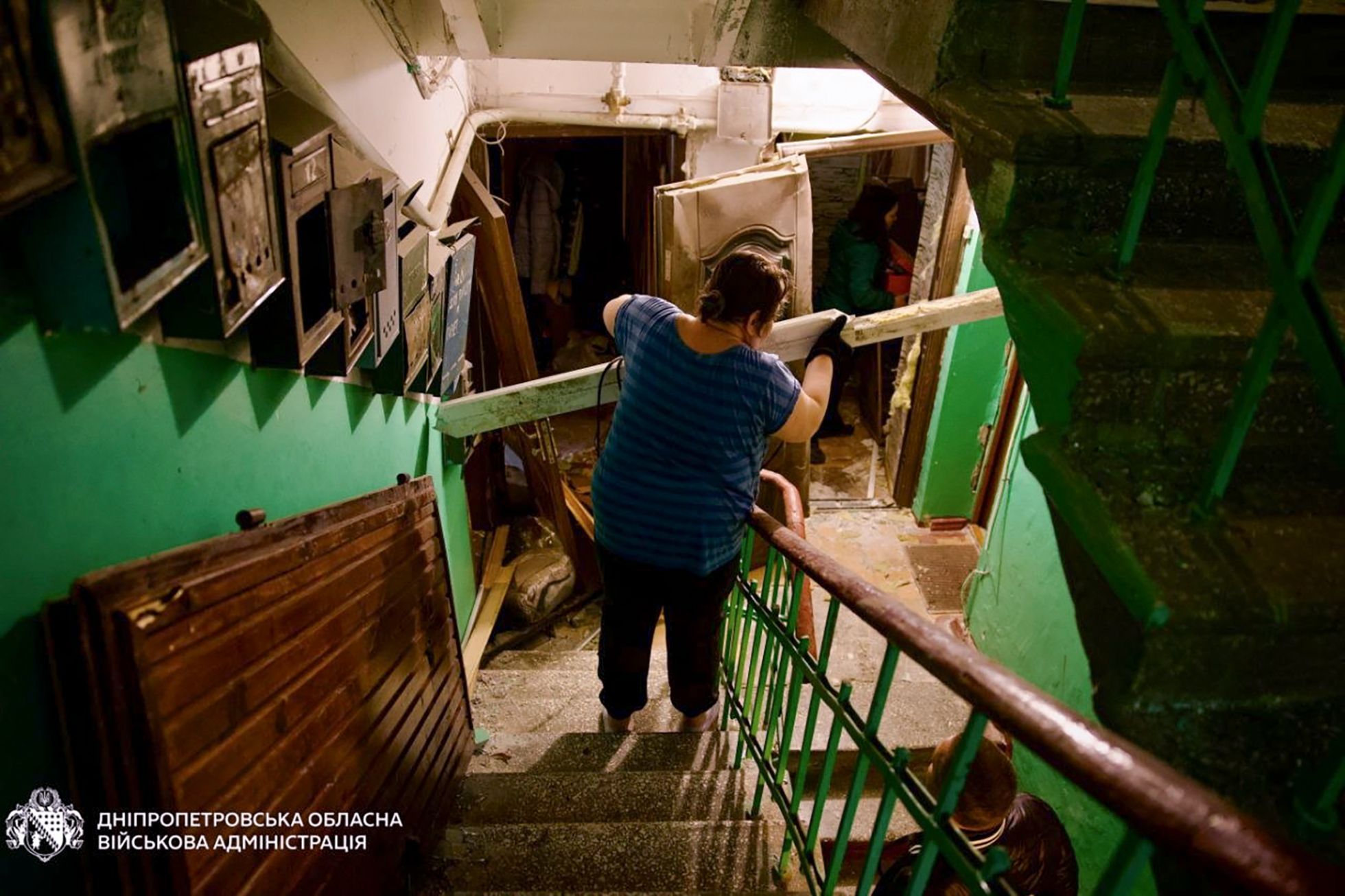
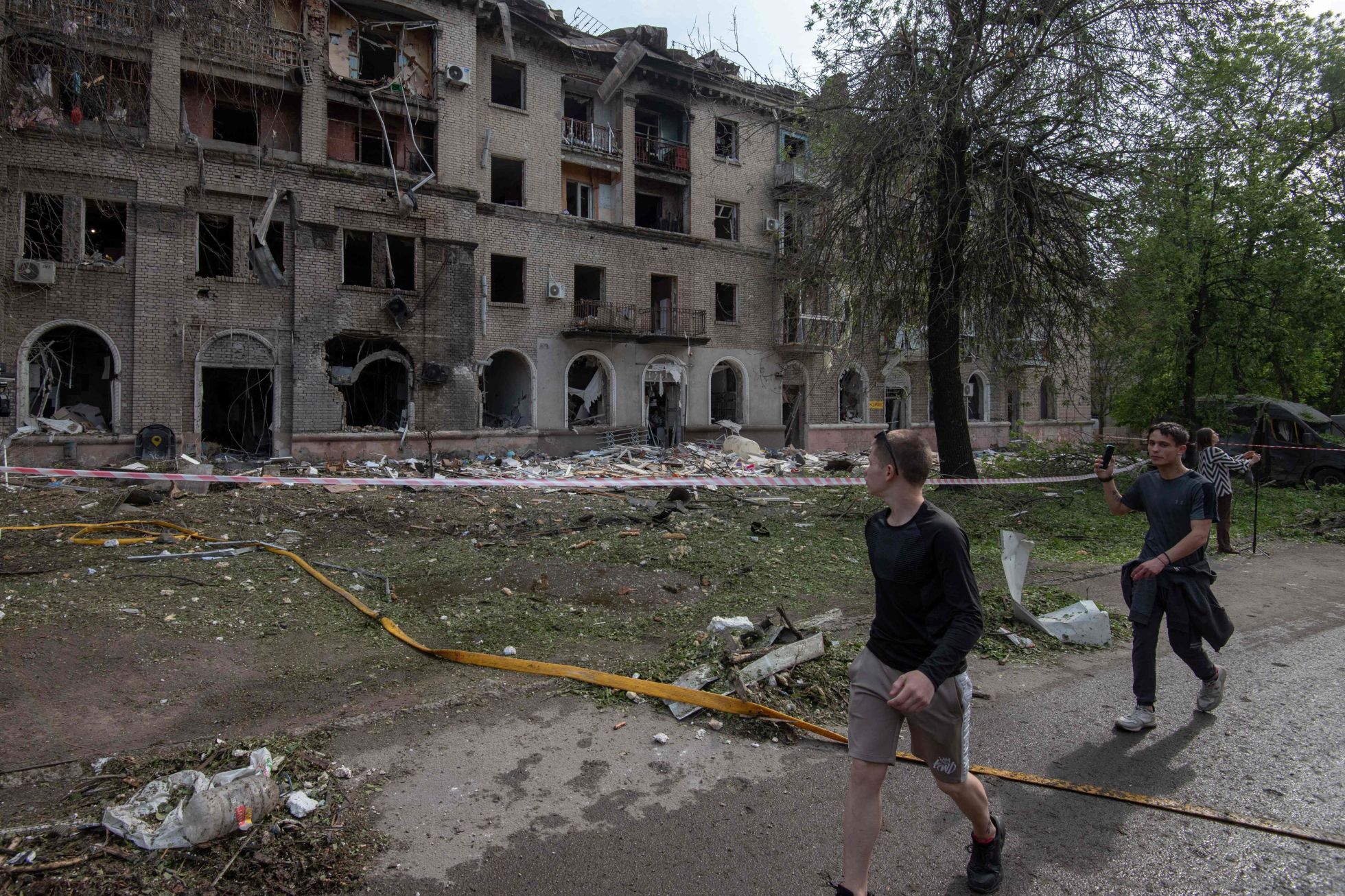
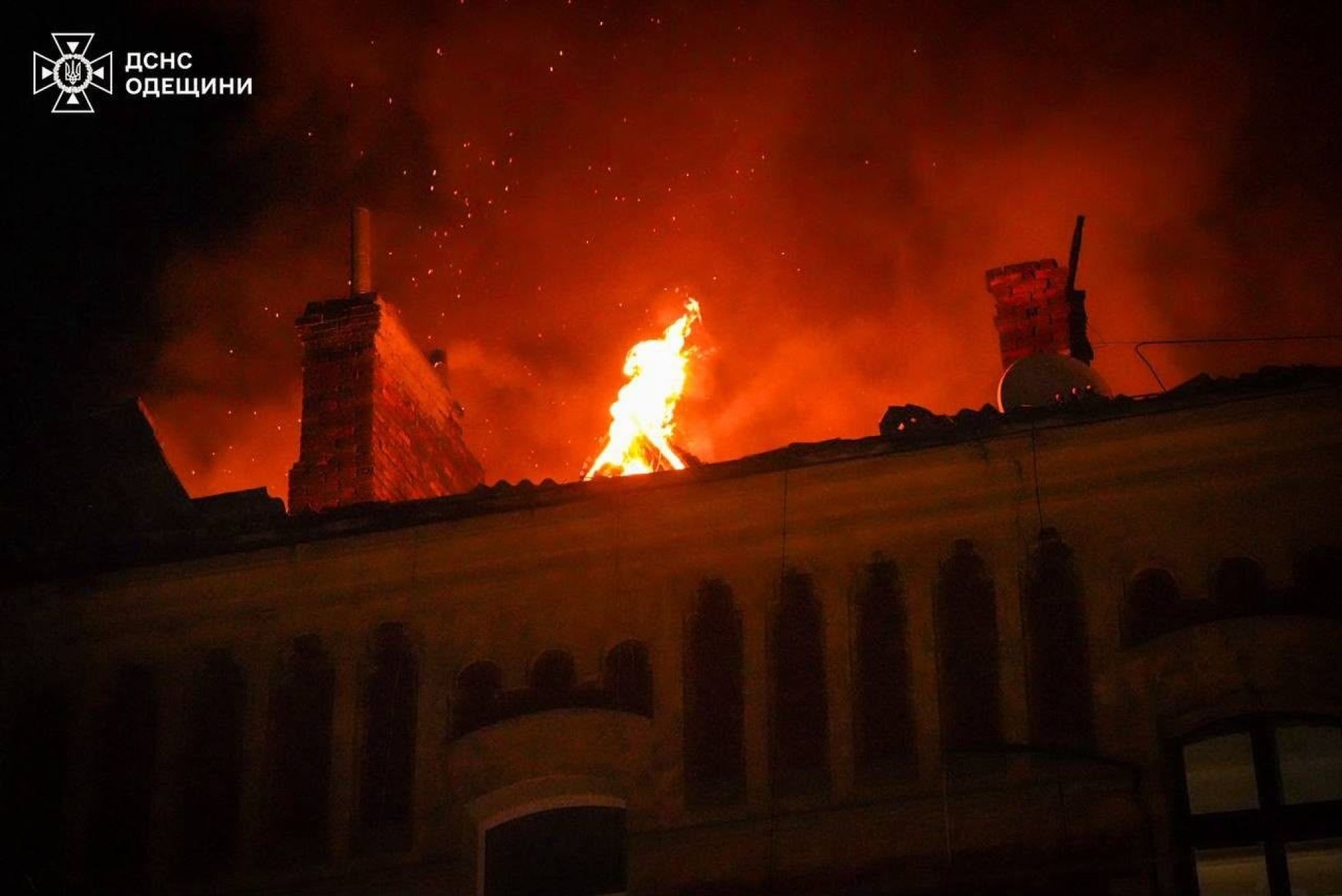
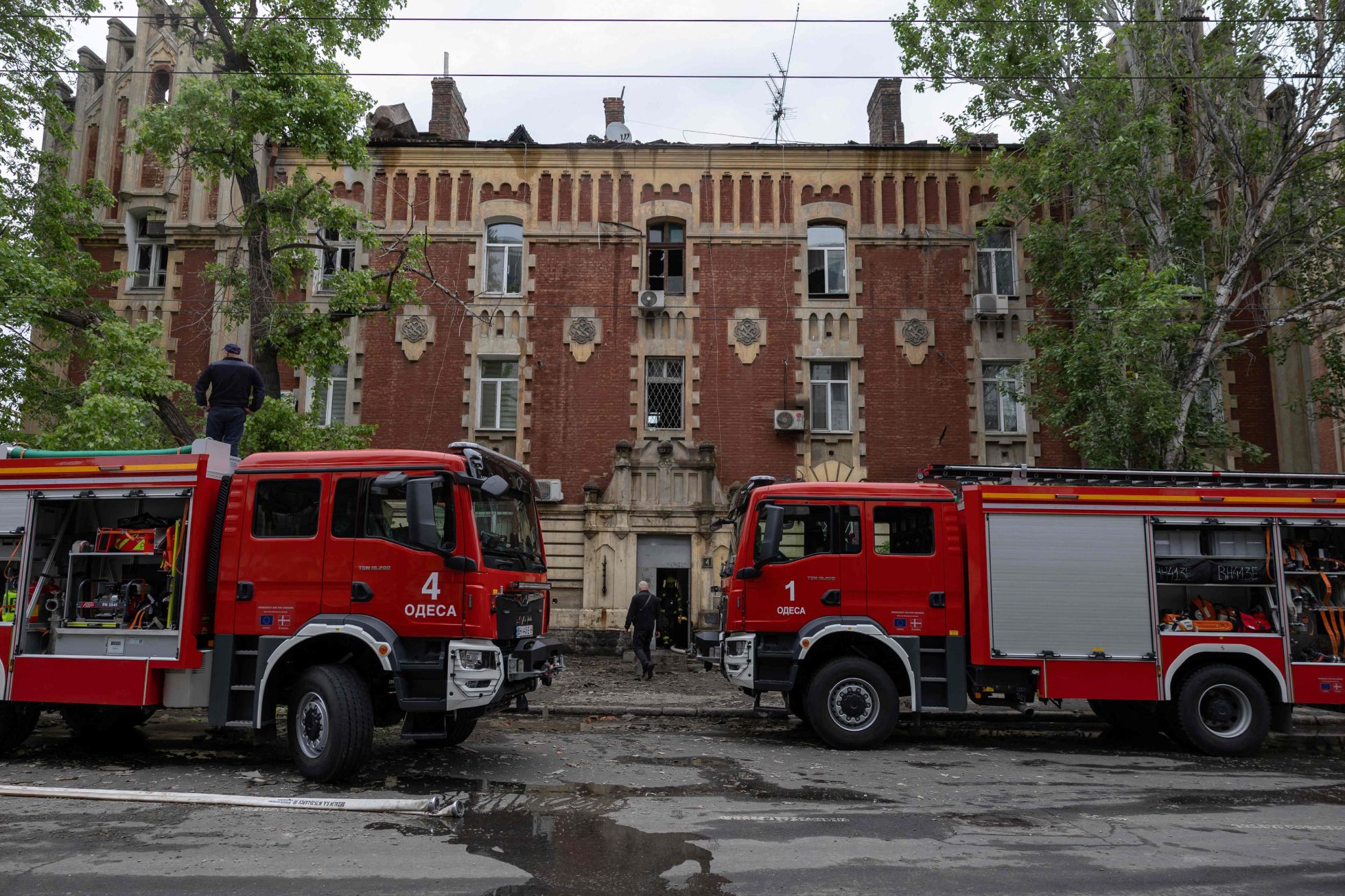
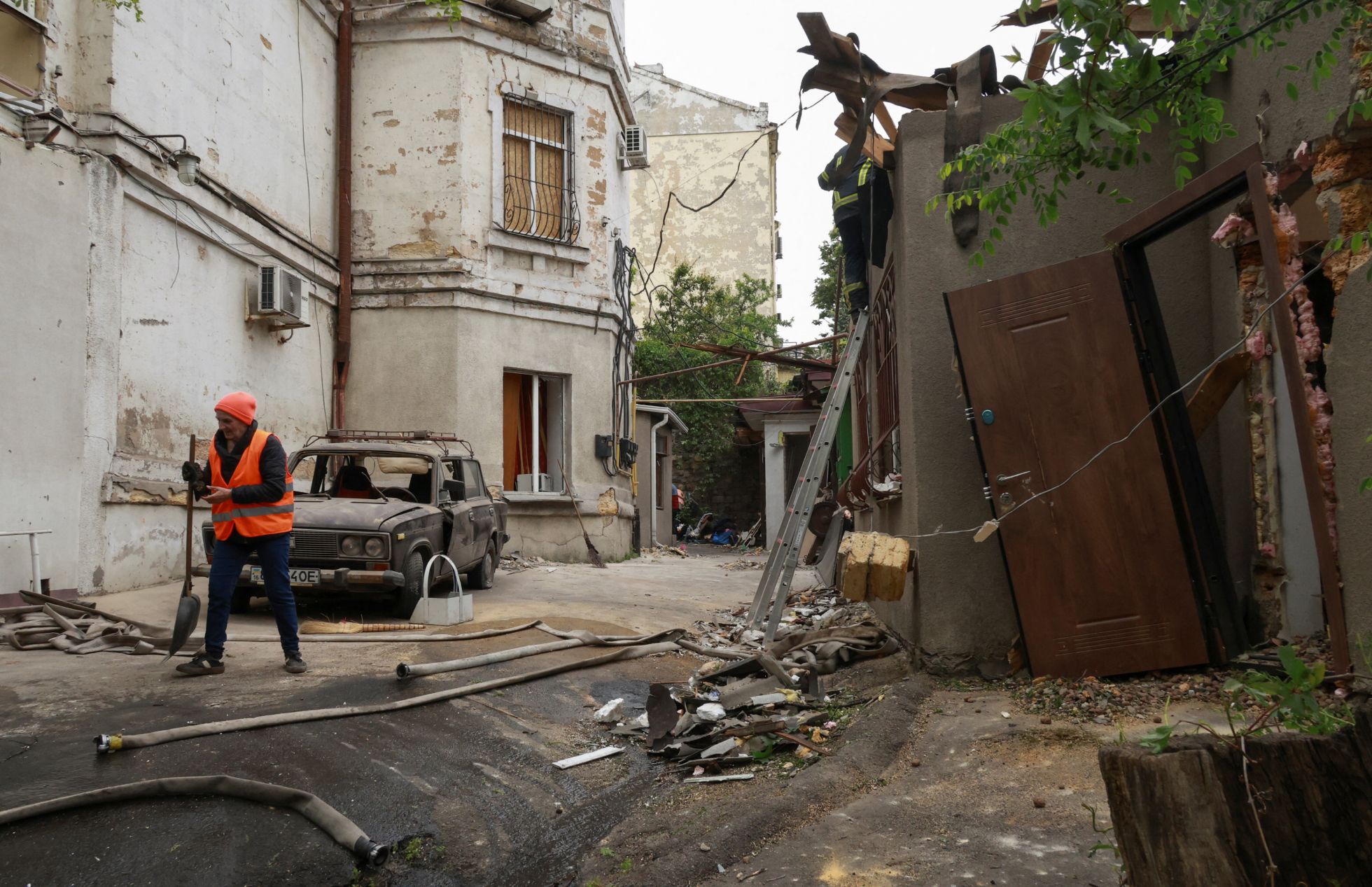
On the night of May 18, Russian troops launched attacks on the Dnieper, Odessa and other cities of Ukraine. The head of the Dnepropetrovsk regional military administration, Alexander Ganzha, said that a residential area was attacked in the Dnieper. 18 people were injured, including a two-year-old girl and a 10-year-old boy. Two people were injured as a result of a Russian drone strike in Odessa.
Dnieper
Odessa
War through the eyes of Meduza readers
How we choose letters
Meduza's readers live in different countries and have different attitudes towards the war. We publish your letters to see this event through your eyes. Our editors try to present all points of view, even if they do not coincide with the editorial position. However, in accordance with the Meduza code, we do not publish messages that contain “hate speech,” justify the murder of civilians, or express direct support for an aggressive war.
Marina . I have always championed humanism, the value of human life. But when my Ukrainian friends whispered: “I am a terrible person! I felt joy when I saw on the news how the Russians were killed. I didn’t think that I could rejoice in the death of people,” then I answered: “You don’t rejoice in the death of people. You are reacting to accumulated rage for the suffering you have endured.”
Today [May 17] I saw how my hometown survived the arrival. I saw a familiar house gaping with black windows broken by the blast wave. And I experienced the same thing as my Ukrainian friends - relief. I asked myself: “Am I really happy that other people’s lives are being ruined?” And I found an inner truth: I feel better because there is hope that those who were blind, those for whom war is only on TV, but you can feel like part of a “great power”... I really wanted to reach such people.
War is not “we are strong, and they are crests.” War is when the same people kill the same people. War is not what you see on TV. And not something that confirms strength and greatness. War is something that instantly destroys the lives of people, including children. Simply because someone is obsessed with their idea and those around them believe in it. But this is an illusion.
War can affect absolutely everyone. Ruin anyone's life. How could you remain silent? How could you be happy? How could you persuade yourself: “Well, let them do what they want, it doesn’t concern me anyway, I’m an apolitical person.”
I really hope that humanity will overcome the obsession with illusory ideas. I really hope that those who rejoiced will understand that they are exactly the same people as those whose bodies are being pulled out from under the rubble somewhere in Kyiv, Kharkov or Donetsk.
We are all vulnerable, even if it seems like we are not. And it is the awareness of this vulnerability that gives rise to humanity, empathy, and the experience of equality. Unfortunately, sometimes the price of this awareness is extremely high.
But without it, war may seem like a good move.
I really hope that every day there will be more and more Russians returning to reality.