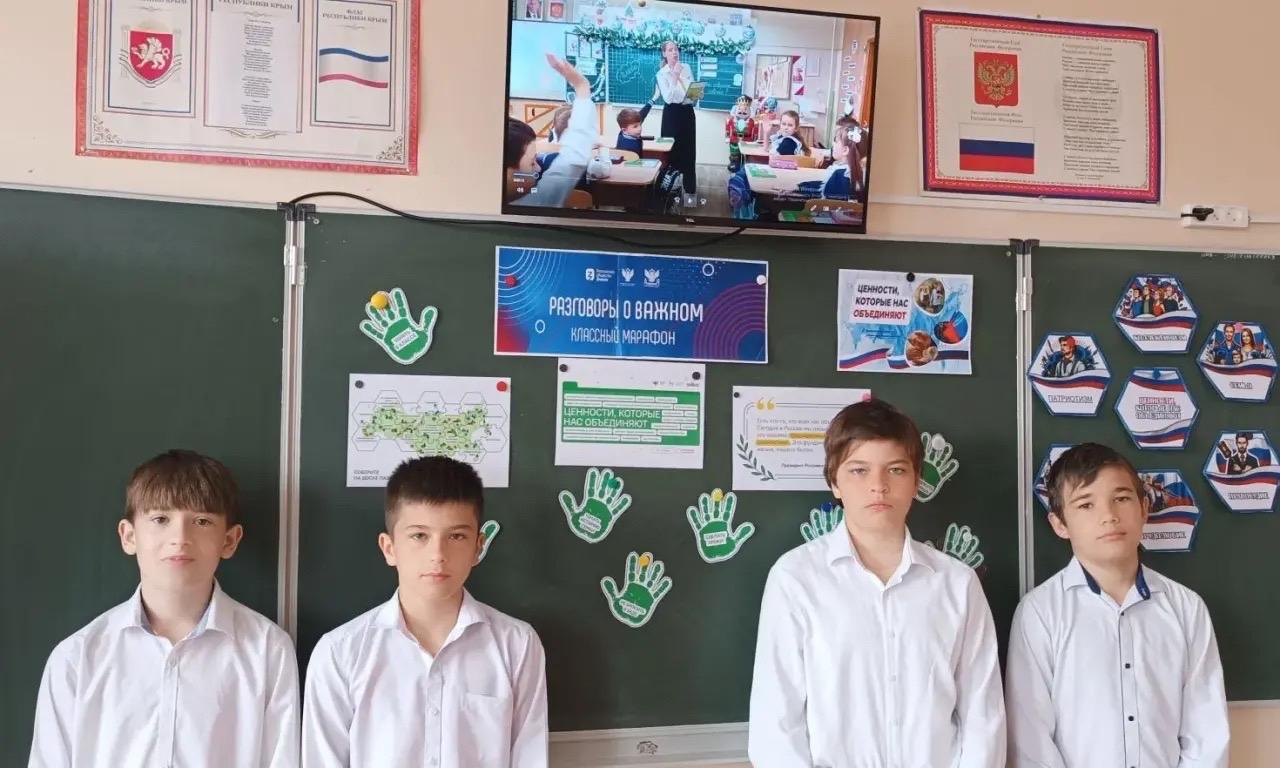
Translated material
"The values that unite us"
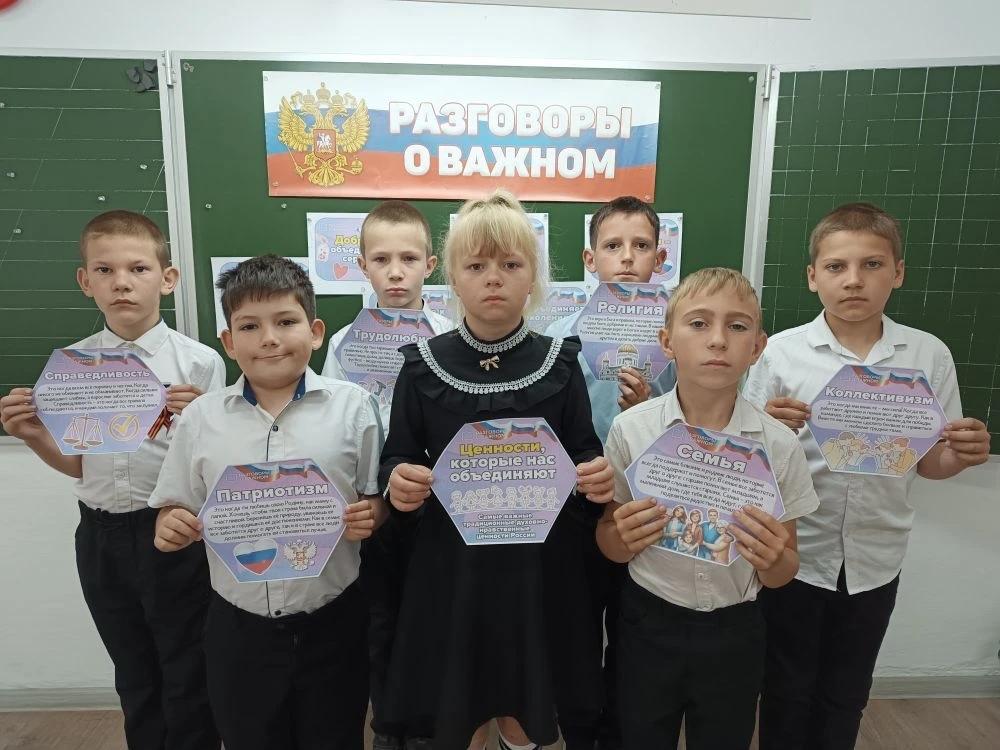
On May 18, Russian schools held the last lesson of this academic year, “Conversations about the Important,” dedicated to “traditional Russian spiritual and moral values.” The lesson actually became the final consolidation of the main themes of the whole year - patriotism, collectivism, service to the state and “the priority of the spiritual over the material.”

Schoolchildren were explained that traditional values help “to feel part of a single people, contribute to the strengthening of society and the development of the country.”
As examples of people who embodied these values, teachers had to talk about the doctor Fyodor Gaaz, the Tsar’s adviser Fyodor Rtishchev, the philologist Dmitry Likhachev and the director of the Kremlin museum Nikolai Zakharov - people who lived “not for themselves,” but for the sake of society. At the same time, Likhachev’s arrest in the 30s on charges of counter-revolutionary activities is mentioned as “difficult life trials” that “did not break the scientist.”
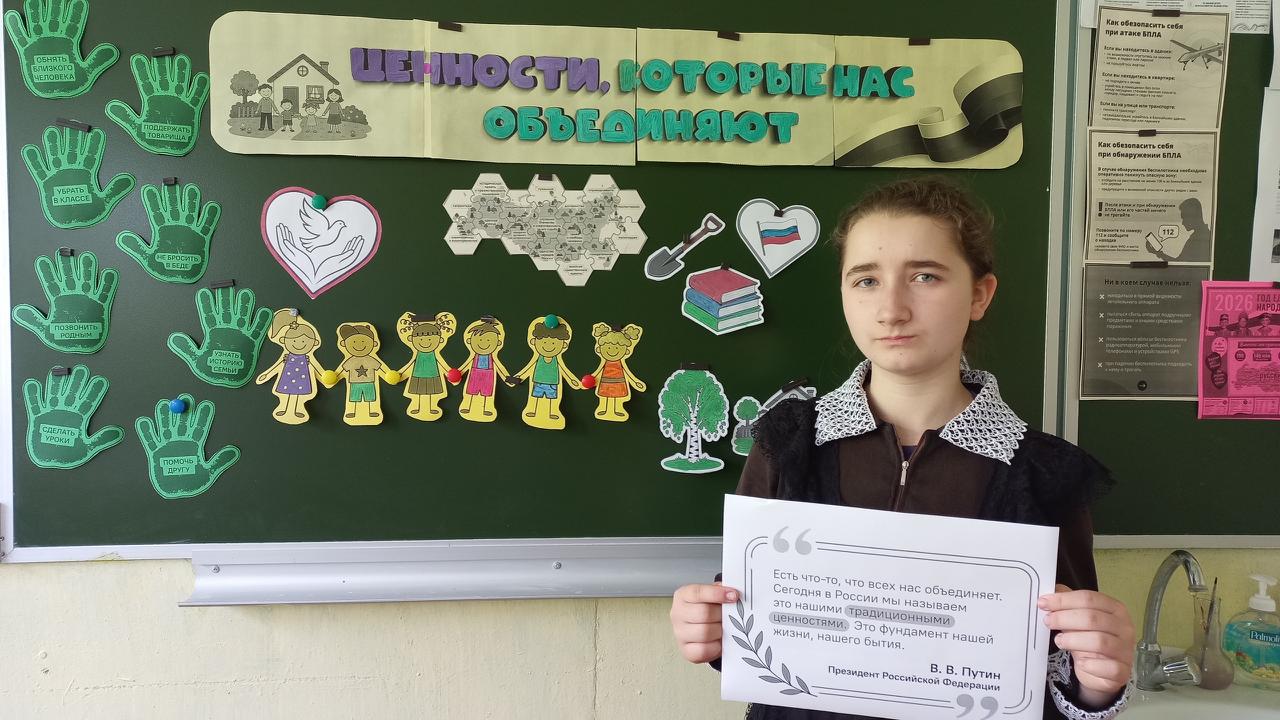
A separate block was dedicated to patriotism. The children were asked to define the meaning of the word “patriotism”, as well as give examples of “real patriotism”, based on materials from previous lessons.
“Spiritual and moral values help us not to get lost, not to make terrible mistakes, and to have a straight path ahead of us, paved by those who lived before us and did everything possible for us to become worthy people and citizens of our country,” the teacher’s phrase according to the script.
A mandatory part of the lesson for high school students was watching “BesogonTV,” this time specially recorded for “Conversations about Important Things.” The video begins with an excerpt from the film “The Barber of Siberia,” in which Mikhalkov’s character gives a speech:
“The Russian soldier is brave, persistent and patient, therefore we will not win.”
Further, Mikhalkov explains to schoolchildren that corruption , Internet blocking and public discontent are not real problems, but a tool of external forces with the help of which they are trying to divide and “sway” the people.
Mikhalkov ends his speech by defining patriotism as “putting the national interests of your country first under any circumstances.” He invites those who have doubts to answer the question, “ What would those who fought for the country say about you?” , and calls patience not a weakness, but “the ability to endure difficulties without blaming everyone around.”