
Translated material
Millions of debts in grocery stores, bears on the streets. Irina Kravtsova tells how Sedanka lives - Russia’s first “village of military valor” at the end of the world, from where almost all the men went to the front
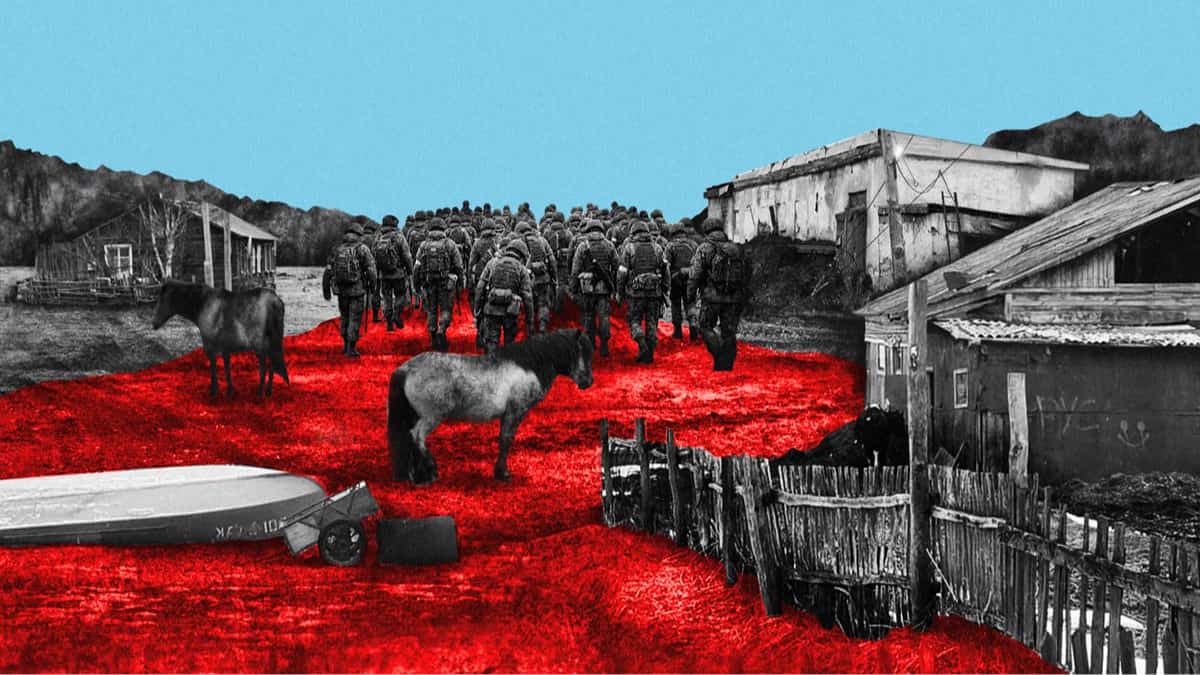
Irina Kravtsova tells how Sedanka lives - Russia’s first “village of military valor” at the end of the world, from where almost all the men went to the front
In March 2026, the first settlement appeared in Russia, officially awarded the title “Village of Military Valor” in connection with the war in Ukraine. It became Sedanka - a village of two and a half hundred people in a remote corner of Kamchatka, where mainly representatives of indigenous peoples live. More than half of the men of military age left for the war, many of whom had already died. Irina Kravtsova decided to find out how the new status affected a small village at the end of the world, talked with residents of Sedanka and surrounding villages and reconstructed a picture of life in a place where people accumulate millions in debt to grocery stores, skinny bears walk the streets, and a trip to the front may be the only option for employment.
The material was first published in the Novaya Gazeta Baltiya publication.A black and white fungus invades the homes of Sedanka residents every spring. It grows everywhere: on the walls, floor and ceiling, forming growths and creating terrible black spots around itself. Residents of apartments cut it off with knives, dilute a strong saline solution (brine) and irrigate the walls, but this does not always save and in any case only temporarily.
Sedanka is a very remote village, even by Kamchatka standards. The road from the village to the capital of the region, Petropavlovsk-Kamchatsky, takes about ten hours (bus plus helicopter flight) or, in the summer, two days by all-terrain vehicle. Among the residents of Sedanka there are many who have never traveled outside the regional center and have never been to Petropavlovsk-Kamchatsky, let alone the rest of Russia.
Now about 250 people live in Sedanka - mostly Koryaks and Itelmens, representatives of the indigenous peoples of the North. Almost no one here has their own home: everyone is registered in municipal houses for one or two owners or in wooden two-story barracks. All these buildings, including the school , are in disrepair. Most houses are corroded by this same fungus.
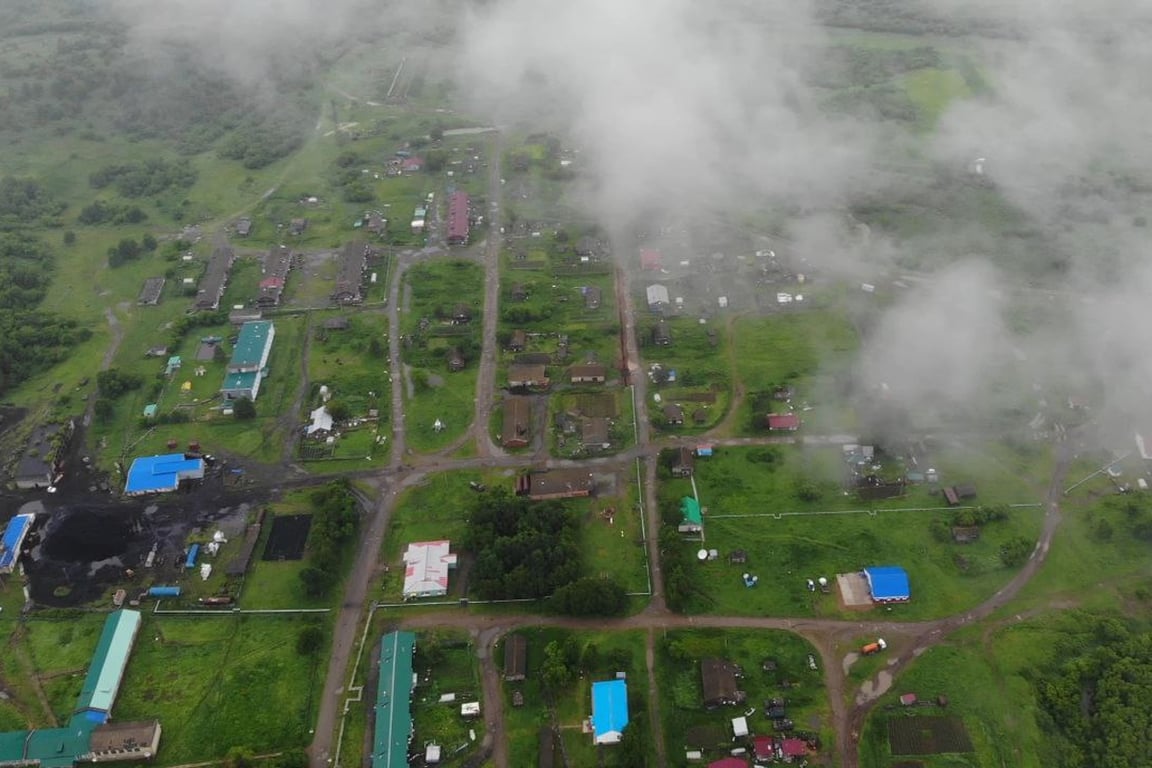
Many houses do not have central heating or running water. People prepare their own firewood and go to the forest to the spring. Sedanka used to have a public bathhouse, but it closed in the 2000s. Now those who were able to build their own, others wash at their neighbors or at home in a basin.
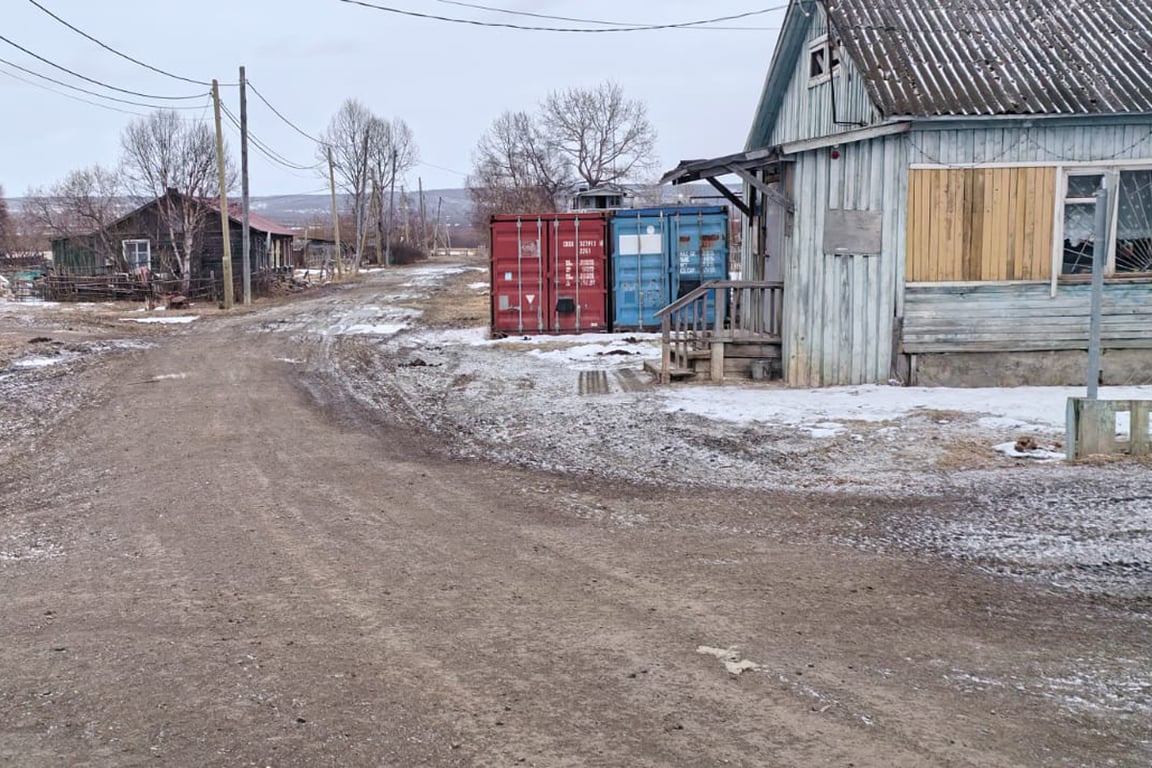
Residents of local barracks, who are lucky to have water and a home toilet in their apartments, suffer from problems with the sewage system: it breaks every now and then. The pipes in the houses are eaten away by rust and have never been repaired. In spring and summer, the landscape in Sedanka looks apocalyptic. Throughout the village, “lakes” appear from liquid that leaked from broken pipes. The locals frown and cover their noses, and wild and domestic animals, whose meat the villagers then eat, drink water from these puddles. There are mountains of garbage lying all over Sedanka: it has not been removed for months.
Wrappers and food packaging are chewed by ownerless cows (their owners have died, and neighbors cannot take them in - there is nothing to feed them), wild horses and hungry bears.
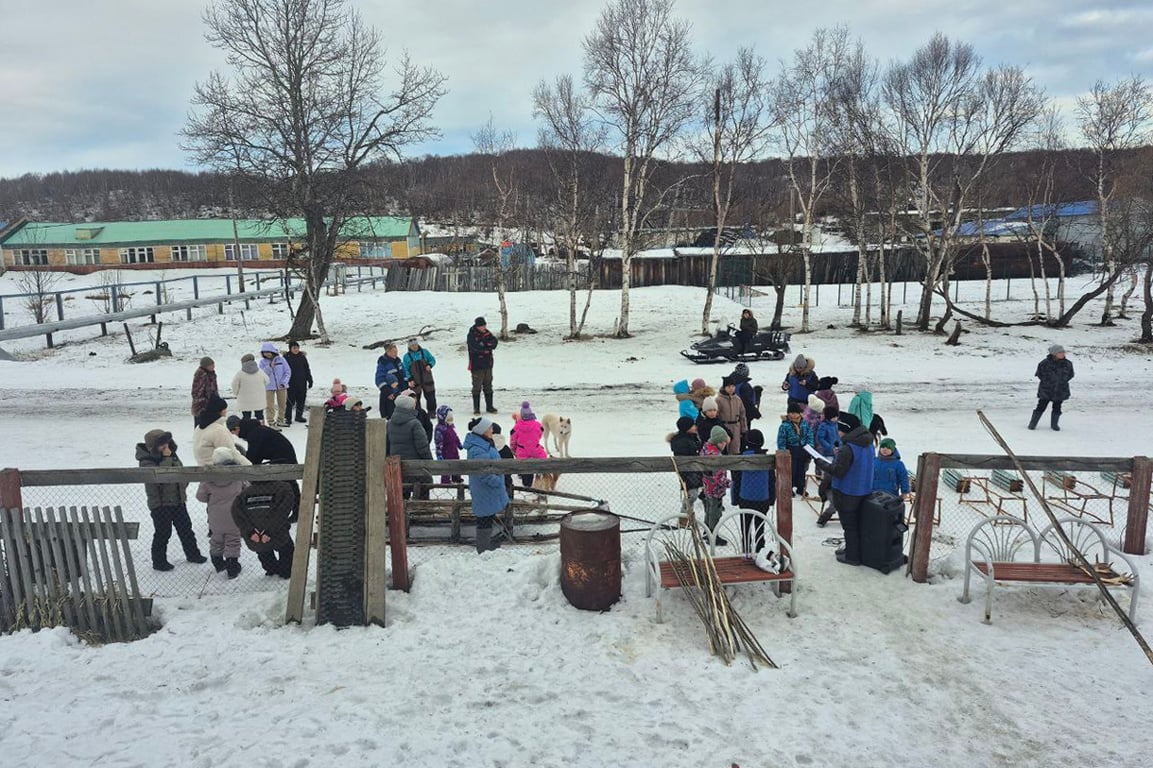
It wasn't always like this. During Soviet times, according to local residents, Sedanka flourished. People were well-fed and busy. Women worked in a rural sewing shop, sewing traditional winter clothes and shoes from reindeer skins: high boots, kukhlyankas, torbaza, kanayty, ichigi and fur mittens. The men worked on a state farm specializing in reindeer husbandry, on a farm, and in fish cooperatives. In their free time they could hunt and fish more or less freely.
After the collapse of the USSR, all agricultural enterprises closed, and with the introduction of new laws limiting fisheries, the residents of Sedanka lost the opportunity to lead a traditional way of life. Since 2002, the village population has decreased by a third. The main thing that the remaining forces spend is trying to survive.
There is no work in the village. The men who were lucky enough to make it in time got a job in a local boiler room, the rest subsisted on occasional part-time jobs and poaching. The Napana River flows near Sedanka, and it does not allow you to die of hunger: pink salmon, coho salmon and chum salmon are found here. True, to catch this fish you need to receive quotas from the state. All around is endless tundra. In the summer, Koryaks and Itelmens collect lingonberries, shiksha, honeysuckle, cloudberries, blueberries and cranberries there. And in the fall, mushrooms: boletus, boletus, boletus, tremulous mushrooms, chanterelles, milk mushrooms and champignons.
Recently, the local population has acquired a new source of income - albeit far beyond the borders of their native village. Of the 67 men over 18 years of age who lived in Sedanka, more than half - 52 people - had voluntarily gone to fight by the time this publication was published. 19 of them died. Their mothers and wives were left without male help, especially necessary in the difficult conditions of rural life in the Far North. Now they are forced to pay their neighbors to help them with vital things: chop wood, bring water, repair stoves and always-burning wiring. When you live in dilapidated housing, the need to repair something arises every day.
Having visited Sedanka in August 2025, the Governor of the Kamchatka Territory Vladimir Solodov shared his impressions in his Telegram channel. “Kamchatka is a land of strong people,” he was convinced . “Every family here lives a story of courage.” Solodov decided to award Sedanka the title “Village of Military Valor,” and the regional parliament supported this initiative: so in March 2026, Sedanka became the first settlement in the country awarded this status “for services in a special military operation.” Before this, in Russia there were only hero cities, as well as “cities of military glory” (since 2006, this title was awarded to 47 cities for heroism shown during World War II) and “cities of labor valor”; a new status was actually invented for Sedanka. “Behind the title [Sedanka] are real people, their choices and heroism. With their incredible courage, they forever inscribed the name of their small homeland in history,” the governor grandiloquently described the situation.
Shortly after this, 35-year-old Itelmen Svetlana Zakharova, the wife of the deceased military man and the mother of his four children, went to an appointment at the Ministry of Local Self-Government in Petropavlovsk-Kamchatsky. She wanted to find out what privileges or opportunities their new status gave the villagers. According to Zakharova, they answered her: “Well, look. It happens that you did something good, they patted you on the shoulder for it and gave you a certificate. The certificate is your reward. What other privileges do you want to receive?
When Grigory Kotty, as he himself says, was a “little doll,” the adults overlooked it - he fell head first and pinched a nerve. Since then, the entire right side of his body has been paralyzed. He walks and can do a lot on his own, but it’s hard for him to talk.
Grigory is 46 years old, he has a second, non-working disability group. His parents were reindeer herders and led a traditional nomadic lifestyle: they lived in the tundra in a tent - a portable conical hut covered with animal skins. My father tended reindeer, and my mother took care of the housework: she cooked fish soup, baked bread, and sewed hats, clothes and shoes from reindeer skins. Grigory and his older brother spent the entire school year in Sedanka with their grandparents, and during the summer holidays they went to their parents and roamed with them.
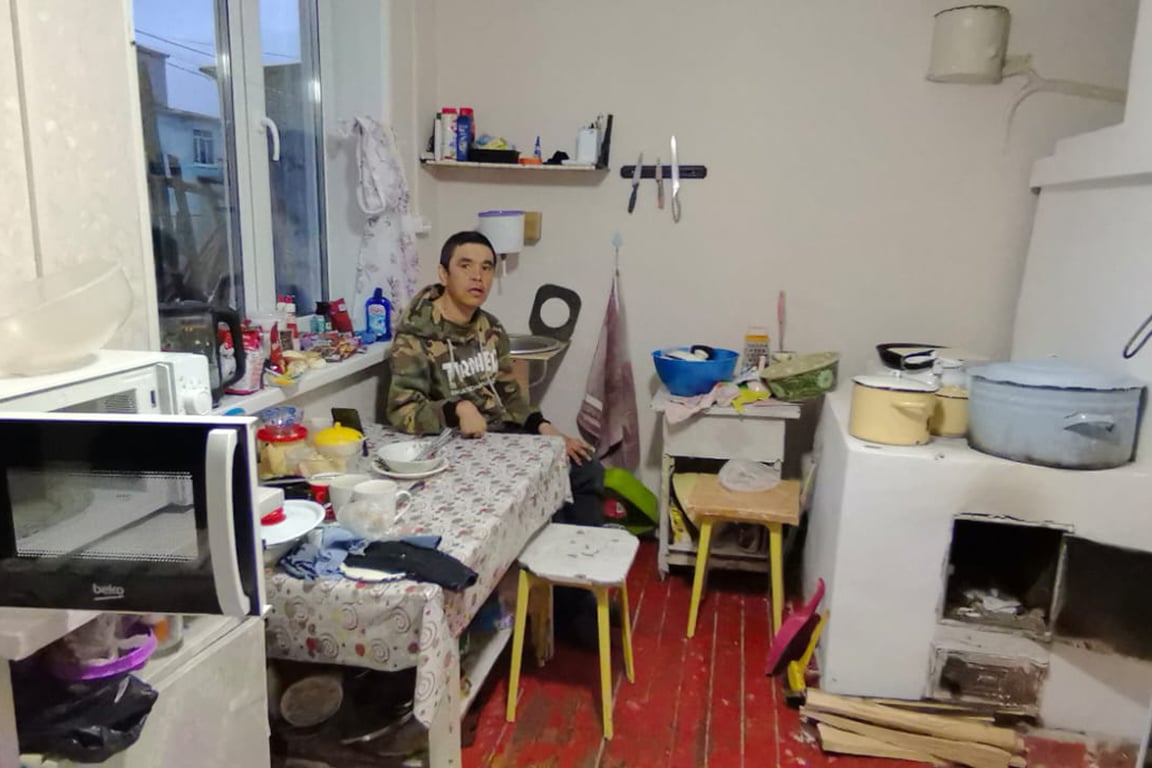
Now Grigory and his mother - she turned 71 this year - live in Sedanka together in two rooms of a very old, crumbling wooden house for two families. Cotta’s older brother and two sisters long ago moved to Petropavlovsk-Kamchatsky, where they have a family and work, but the younger one, Evgeniy Antonov, had a worse situation in life. He remained in Sedanka, lived restlessly, and often drank:
“He gets a job as a laborer, then in a firehouse, works there for a month, goes on a drinking binge, and gets fired,” says Grigory.
Sometimes Evgeniy would get drunk and tell his family: “I’ll go there [to SVO]!” - but they didn’t believe. And then he really took off and flew away to fight on the other side of the continent.
“I don’t know why he went there.” He didn’t tell us anything,” Cotty recalls excitedly. This happened in the winter of 2023. “He came up to me and said: “Grishka, borrow the money.” I ask: “Why?” - “For a ticket.” - "Where?" - “To Ukraine.” I say: “You tell mom, then I’ll borrow it for you.” In the evening, 38-year-old Evgeny Antonov came to the kitchen where his brother and mother were sitting: “Sorry, I didn’t tell you anything - I know you won’t let me in...” The next morning he flew away.
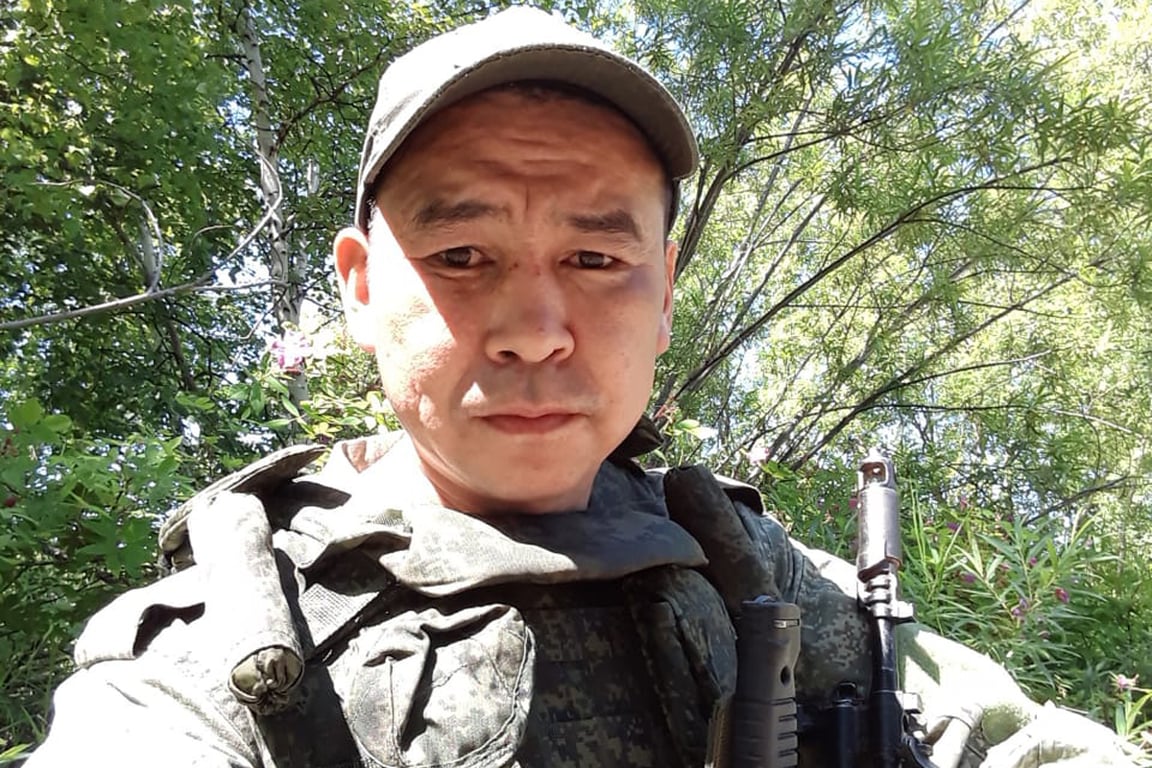
During the almost year that Antonov spent at the front, he was wounded several times and, as a result, was sent home on leave. According to Cotta, his brother was private, and even living in the same house, they hardly spoke to each other, except when they sat down to drink together. Taking it to his chest, Antonov confessed to his brother: “Grishka, I found my place. I feel good there." Cotty knows that his brother has killed people, but he did not share the details with him.
“Some security officers, when they come to Petropavlovsk-Kamchatsky on vacation, walk around the city in uniform,” notes Kotty. “And Zhenya immediately went to the store, bought himself ordinary clothes and wore them. He said: “Why the hell be proud? Am I some kind of hero, walking around in uniform?” Nevertheless, during his service, Antonov was awarded the Zhukov Medal and the Order of Courage.
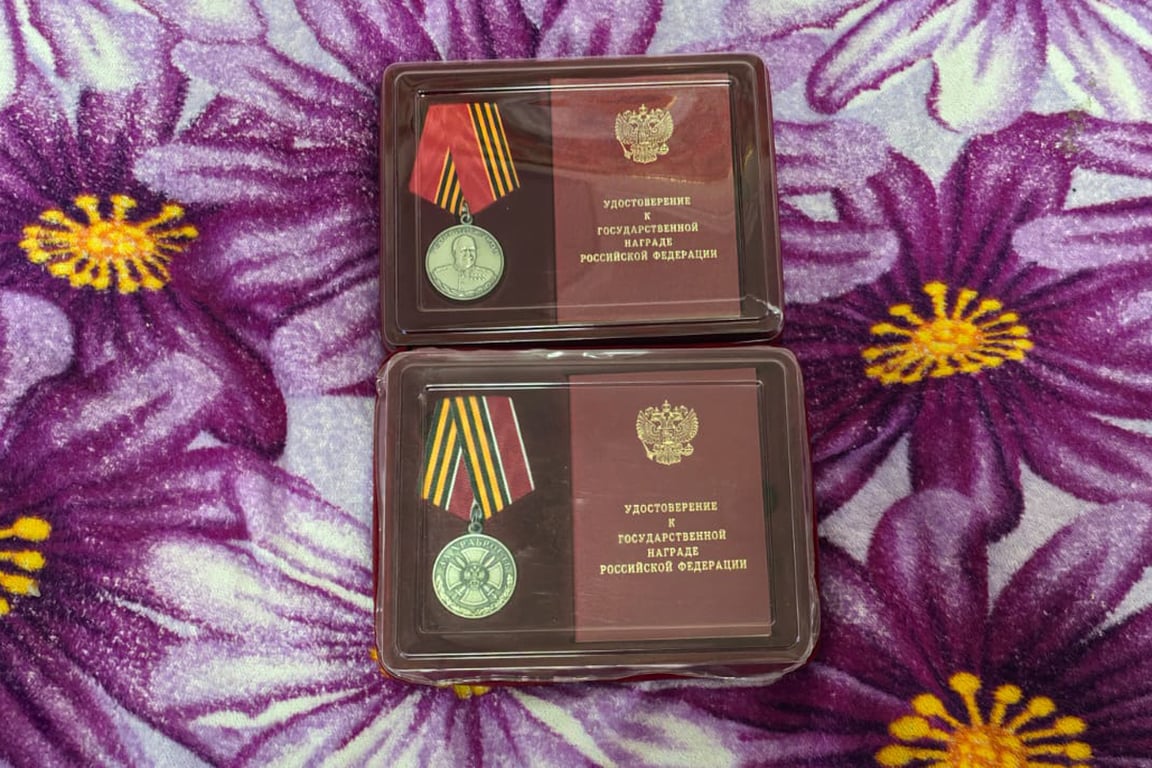
The second time, when his brother was brought home wounded, according to Cotta, the man in uniform accompanying him came up and said: “You are the older brother - talk to him. I left him a place here in Petropavlovsk-Kamchatsky so that he could serve in the city.” Cotty passed this on to his brother, but he “didn’t want to.” “I’ll go there [to the front],” Evgeniy answered. - I have family there, brothers. I’m already used to it there.”
“He couldn’t live without war,” says Kotty. “They took him away for the third time, and that was the end of it.”
In September 2024, Evgeniy Antonov wrote to his family for the last time and never got in touch again. Soon the family received a call from the village council, informed that he was missing, and offered to recognize him as dead, but his brother and mother refused. A year later, they called again and offered to still recognize Antonov as dead, specifying that then the family would finally receive “coffiners” for him.
“We didn’t want payment, we said: “Until it’s found, we won’t recognize it.” And they answered: “You won’t find him there anymore,” says Kotty.
In the end, the family agreed.
When the money arrived (according to Cotta, eight million rubles), Amale Antonova divided it equally between her remaining four children. The first thing Cotty did with his money was to pay off his and his mother’s debts in Sedanka grocery stores - there are three in total, and the Antonovs owed a lot in each: 400, 300 and 200 thousand rubles, respectively.
Having almost a million rubles in debt in grocery stores, according to Sedanka residents, is a common thing. In Kamchatka, products are generally very expensive, and in remote villages, where goods can barely be delivered, even more so. A liter of milk in Sedanka now costs 320 rubles, a dozen eggs - 280, chicken - 480 rubles per kilo.
“Everyone lives like this here,” says Kotty. — Pensions are small, there is no work. They borrow until payday, and then the money comes, people give it back and again borrow for the same amount.
His words are confirmed by Andrei Antonov (not a relative of the Antonov family), a 57-year-old Aleut from the village of Palana, located in the same area as Sedanka. From 2022 to 2026, he was a local deputy from A Just Russia, and now works as a security guard at a tuberculosis dispensary.
“My sister was engaged in business in the [village] Lesnaya [in the Tigil region],” he says. “She has accumulated two debt books. When she finished conducting this activity, I told her: “Well, this is for memory. No one will return these debts to you.” And these debts remained uncovered, she forgave them. People go to stores in desperation.
A man needs to feed his family. So he comes and says: “If you don’t write me a loan now, we will starve, my children will die.”
Since all the people know each other, the seller meets halfway and writes down the debt.
And such huge sums, of course, happen. This is very common.
According to Andrei Antonov, he himself lives exactly the same way: he borrows until retirement from “Katyukha,” his son’s wife, who works in a store in Palana:
- And that’s it, she writes down my products to herself. When she experiences force majeure, she calls: “Dad, I’m on fire.” Then I reborrow somewhere and give it to her.
In Sedanka itself, until recently there were four grocery stores, now there are three left - and one of them, according to rumors, is on the verge of bankruptcy.
Grigory’s pension is 26 thousand, his mother’s is 25.
- How would we pay off this debt if there was no payment for my brother? They would give it away little by little,” he explains.
Many people in Sedanka engage in poaching to give money to stores. In summer and winter, buyers from the city travel through the villages of Kamchatka.
- In the summer, you go to the river, catch a fish, lay it out right on the shore - you go to the car to hand over the caviar. In winter, we bring them smelt,” says one of the local residents. - Of course, this is illegal. When the cops arrive, they arrest these buyers.
During the season, locals manage to sell caviar for 500-600 thousand rubles - this is in the best case, if the fish “goes”.
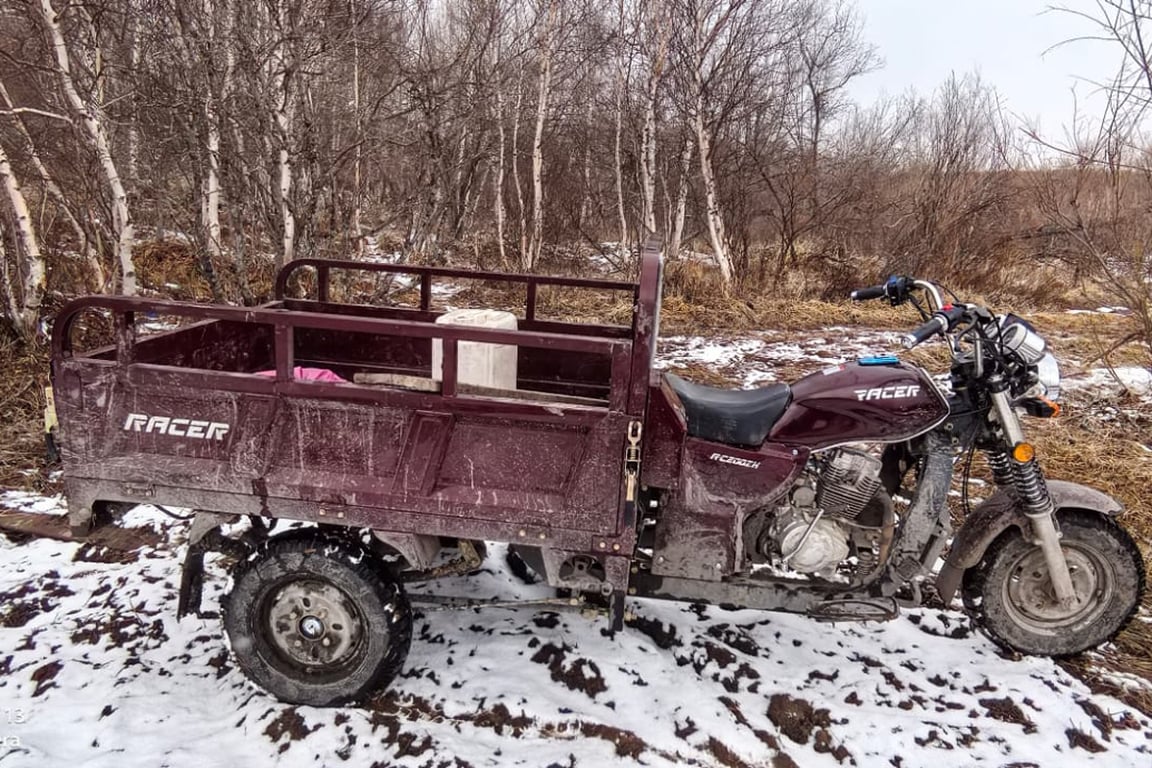
Also from the portion of the payment he received for the death of his brother, Grigory bought himself a motorcycle “to take his mother to the store and to go get water” to a spring outside the village: there is no running water in their wooden house. Previously, Cotty was forced to ask neighbors for help, but now he takes 20-liter bottles and gets on a motorcycle.
Just returning from the spring, Kotty takes photographs and immediately sends me rural streets, a kindergarten littered with garbage, dilapidated houses. “A village forgotten by God. Like after the war,” he comments sadly.
In 2025, the Governor of the Kamchatka Territory, Vladimir Solodov, promised to allocate funds “for the major renovation of several apartments in which the families of SVO participants live.” Two families were lucky in Sedanka, one of them happened to be the Antonovs. In April 2026, workers were sent to Grigory Cotta and his mother, but they, in his words, “clumsily made cheap cosmetic repairs” inside the dilapidated wooden house.
— Our house was built in 1953. It is rotten, crumbling and shaking. The rubble has collapsed, which is why the floors are icy,” says Grigory. “The workers inserted plastic windows into the rotted crowns and filled them with foam around them. And if you pierce the crowns with your finger, you get a hole, everything is rotten. We have fungus in the basement at home. It hasn’t been outside yet, but now it will be, because they covered the walls with plasterboard - it will get damp in there, and the fungus will spread throughout the house.
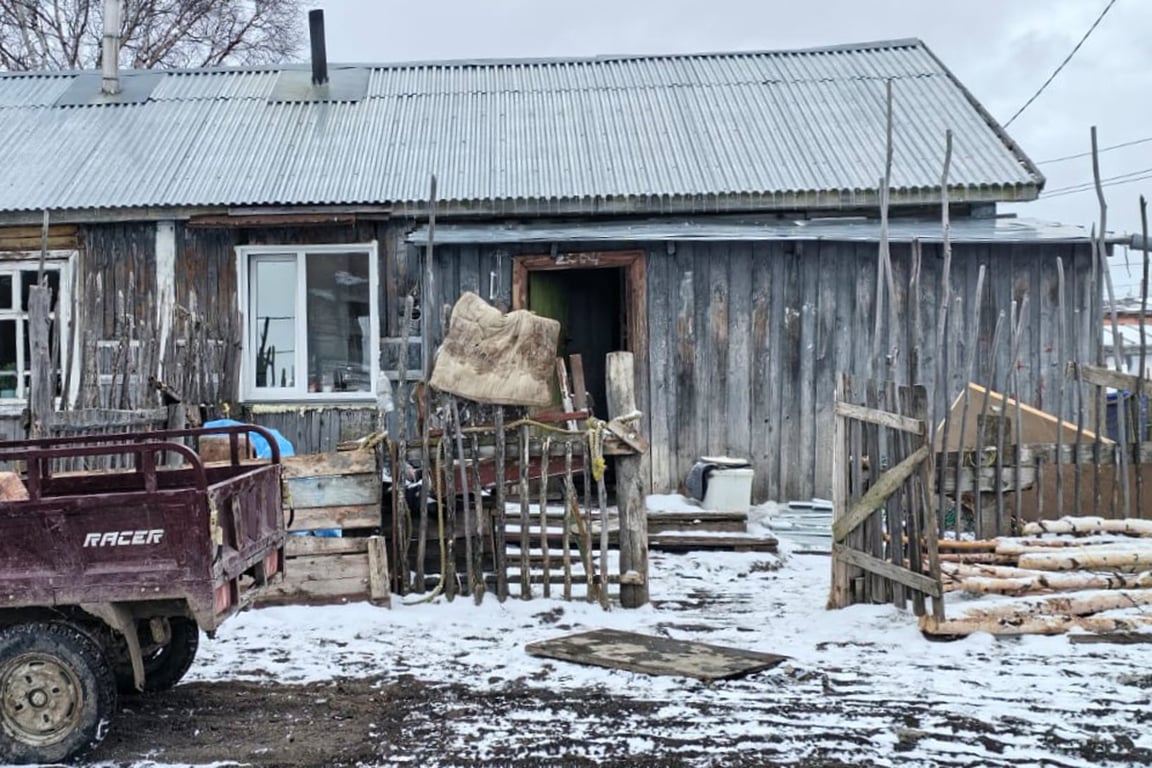
We talk with Grigory at the end of April, while his mother is preparing dinner - boiled potatoes with balyk. There is still snow in some places in Sedanka. And that night, he reports, a bear wandered through the village.
Amale Antonova does not believe that her son died.
“I also think he’s alive,” Grigory admits. “My mother and I sit in a group on Telegram, where they periodically publish news that someone at the front has died or gone missing. Sometimes they write about someone that he has disappeared, some have even been buried, and then they are found and appear three years later - where do they come from? It seems to me that Zhenya is alive. He just left and is walking around somewhere.
Kotty himself says that he would go to the front only to find his brother there and bring him back home.
50-year-old Lamutka (this is another Far Eastern indigenous people, the same as the Evens) Anna Koerkova, a short, large woman with a short haircut, works as a cook at the Sedankin school, so she goes to work in the dark, before dawn. Walking quickly, she looks around cautiously.
“The bears here have become completely crazy,” she says. — Recently I went out onto the balcony to hang laundry, and a bear was standing right under the window, next to my dog. I really wanted to screw her. I started yelling and swearing - the bear turned around and left.
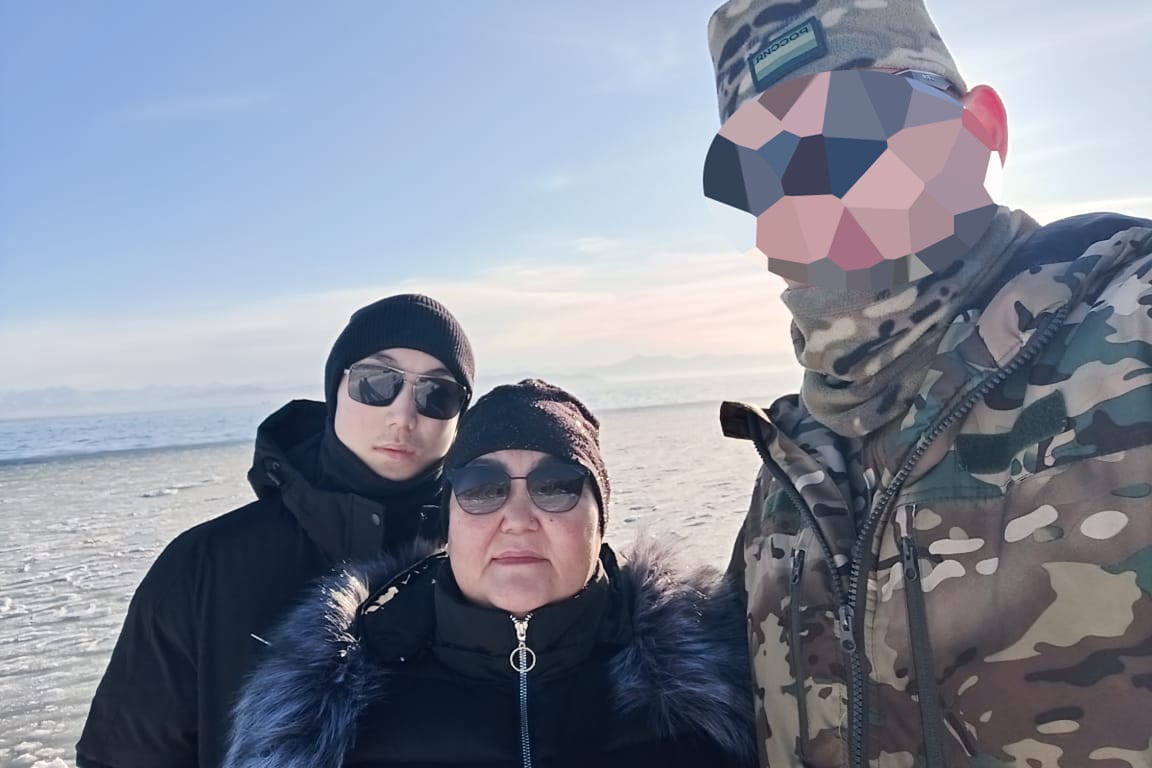
Previously, Koerkova had encountered a bear on the street in the middle of the day. She was standing with her sister-in-law near a grocery store, when suddenly a long-legged, thin bear appeared right next to them. Frightened women ran into the store, and the animal ran down the street. Five minutes later shots were heard - “the men shot him.”
In general, many bears live in Kamchatka. Therefore, in many settlements in the region, game wardens work - people who ensure a balance between the conservation of unique wildlife and hunting management. They track and, if necessary, shoot man-eating bears that pose a threat to people in the forest or near populated areas. Moreover, unlike an ordinary man with a gun, they often try to “come to an agreement” with the bear, simply drive him out of the village and disperse peacefully.
Unlike many other villages in Kamchatka, there are no game wardens in Sedanka.
“The bears have nothing to eat here either, so they come to us.” But if you don’t kill them, they will eat us,” says Koerkova.
The bodies of the animals are then taken to a garbage dump outside the village and burned.
Residents of many Kamchatka villages have long suffered from the fact that fish farmers catch too much fish in local rivers and leave bears hungry.
“Many rivers in the area are completely dead, all the fish have been drained from them,” Kamchatka game warden Dmitry Lobov told me in 2020. “And no one even thinks about the fact that the bear should receive its fish ration.” People row for themselves as much as they can, but the bear has nothing left.
Governor Vladimir Solodov also agreed that many of Kamchatka’s fish rivers are now “overfished and exhausted.” The lack of food forces bears to go to human habitation - to the smell of landfills with food waste.
The barracks where Anna lives on the first floor are in disrepair.
— Our balcony is swaying, the floors are all warped. When you go to hang your laundry, you fall through, one foot gets stuck in the boards in the floor, then the other. There are huge holes in the floor in the toilet and bathroom. Not long ago they replaced the flooring there, but the fungus ate everything again. Everything is rotting,” she says.
Electricity is also bad: the lights don’t work in one place or another, sockets have to be changed every now and then, and recently Anna was woken up in the middle of the night by her 15-year-old son because the wiring was smoking.
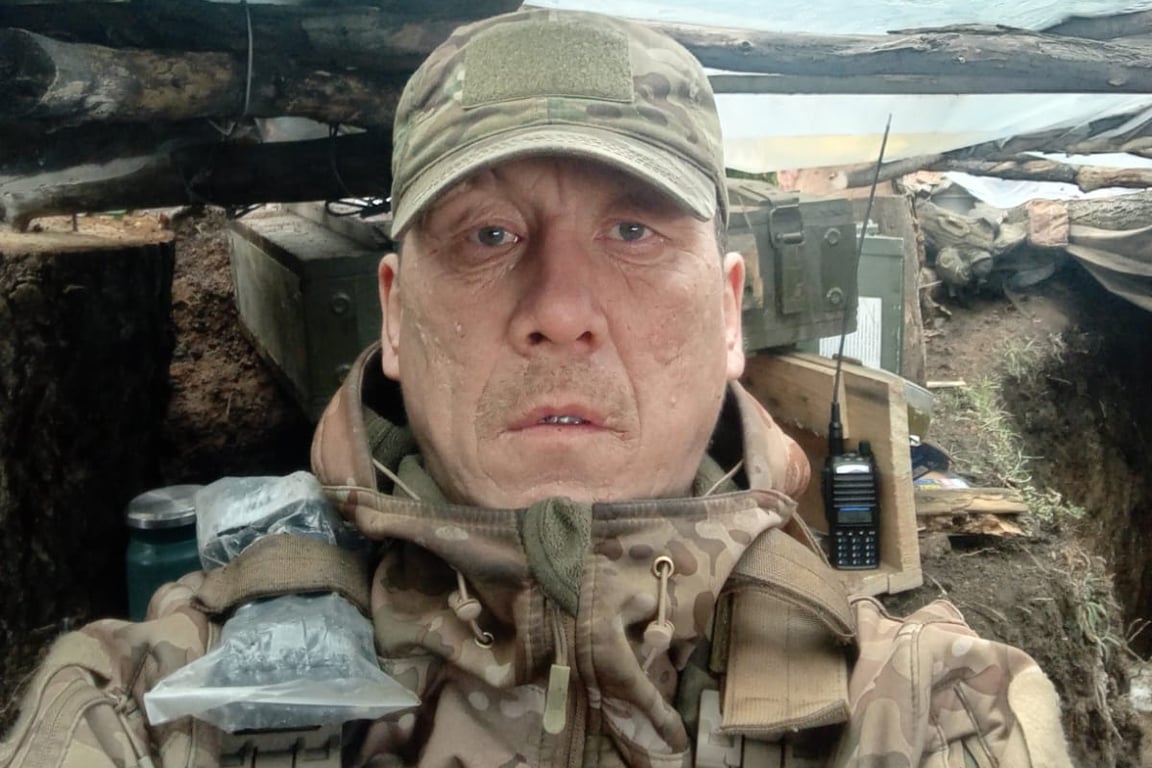
The Koerkova family has three rooms at their disposal. Until recently, she lived there with her husband and two sons, but in 2022, almost immediately after the start of the full-scale invasion of Ukraine, her husband, Vladimir Akeyev, who had previously worked part-time jobs and seasonal fishing, left for the front. When he went on his first vacation, he brought the family a mountain of gifts: most of them had to be carried in trunks all the way from Moscow - everything there is much cheaper than in Kamchatka. Vladimir’s two sons received a TV and a laptop, and all of his grandchildren—children of daughters who already live separately—received a bicycle.
“He gave me a lot of things too,” Anna admits, laughing shyly. - Jacket, blouses, bag, gold earrings, ring, perfume.
This vacation turned out to be the first and last for Vladimir Akeyev. In October 2024, at the age of 45, he died , both legs were torn off.
Koerkova learned that her husband had been killed only on the fourth day. At that time, she worked as an assistant teacher in the Sedanki kindergarten.
— In the first days at work, all my colleagues already knew, but I didn’t yet. We have many families of esveoshniks, they communicate with each other. Everyone already knew from their own people that my husband was dead, but they were afraid to tell me. We waited for the commander to call me, but he didn’t,” says Koerkova. “I went to work, everyone smiled at me, everyone looked at me, but I didn’t even know what they were doing. Then the eldest son came. I say: “Why isn’t dad calling?” My son knows that I have constant blood pressure and my heart suffers.
He says: “Mom, calm down. Mom, dad is gone." - “How come?” - I ask. "Well, dad died"
- speaks. Naturally, I started getting hysterical.
Vladimir Akeyev was buried in a closed coffin.
“They brought everyone in zinc coffins with windows, but for some reason mine didn’t have a window,” Anna recalls. “I looked and couldn’t find this window in the coffin to look at it. But the commander said: “It’s definitely your husband there, we closed it [the coffin] ourselves.”
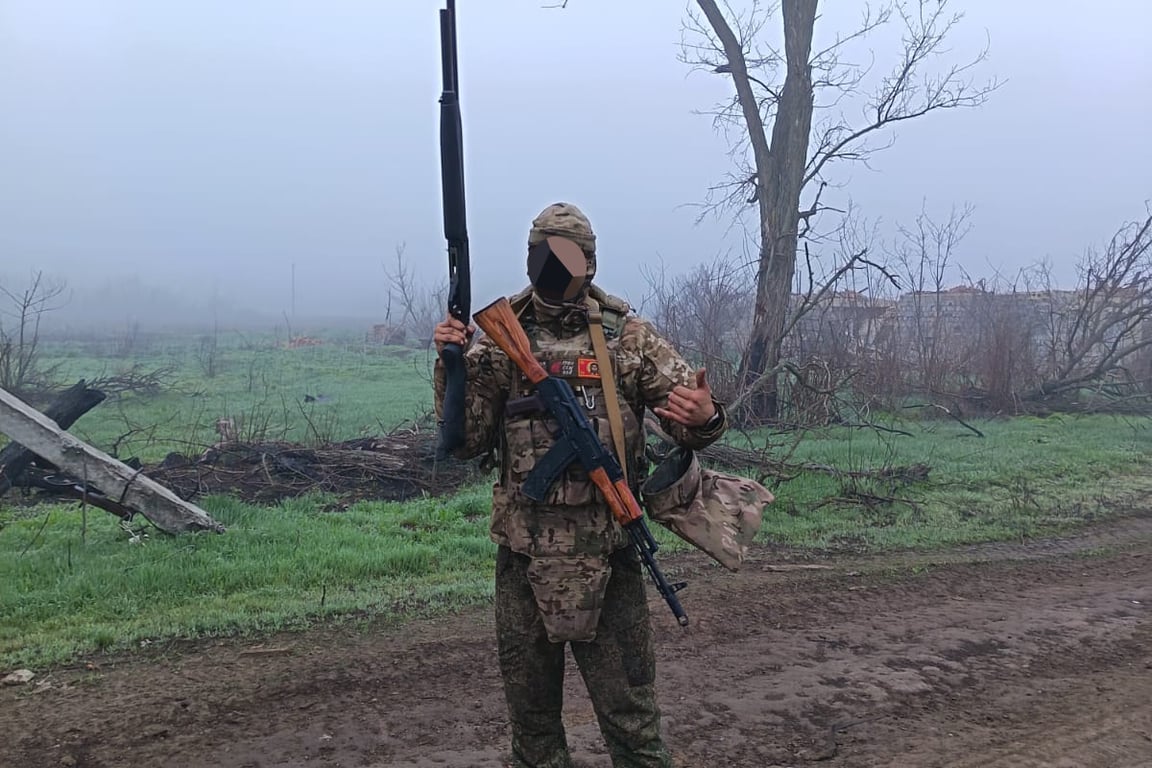
A year after his father’s death, in February 2026, his eldest son, 25-year-old Ivan, also went to the front. Unlike many of his neighbors, Ivan had a job in Sedanka: he served as a sewer man, drove a KamAZ truck and pumped out sewers in houses. Koerkova tried to dissuade her son, but he did not listen to her and flew away anyway: firstly, “because he did not serve in the army and really wanted to repay his debt,” and secondly and most importantly, because he wanted to get rid of his criminal record.
“He was sentenced because he was a child,” says Koerkova. “He served two years in a general regime colony and returned.
In fact, at the age of 20, Ivan Akeyev was convicted of sexual assault against a minor. After leaving prison, he had to go to the regional center twice a month for eight years to check in.
“He had to wait three years, but he didn’t want to anymore,” says his mother. “And when I got to the front, they called me from the military registration and enlistment office and said: “That’s it, Anna Petrovna, he’s no longer a criminal.” His criminal record was cleared” (according to the law, a criminal record is expunged after receiving a state award or upon completion of service).
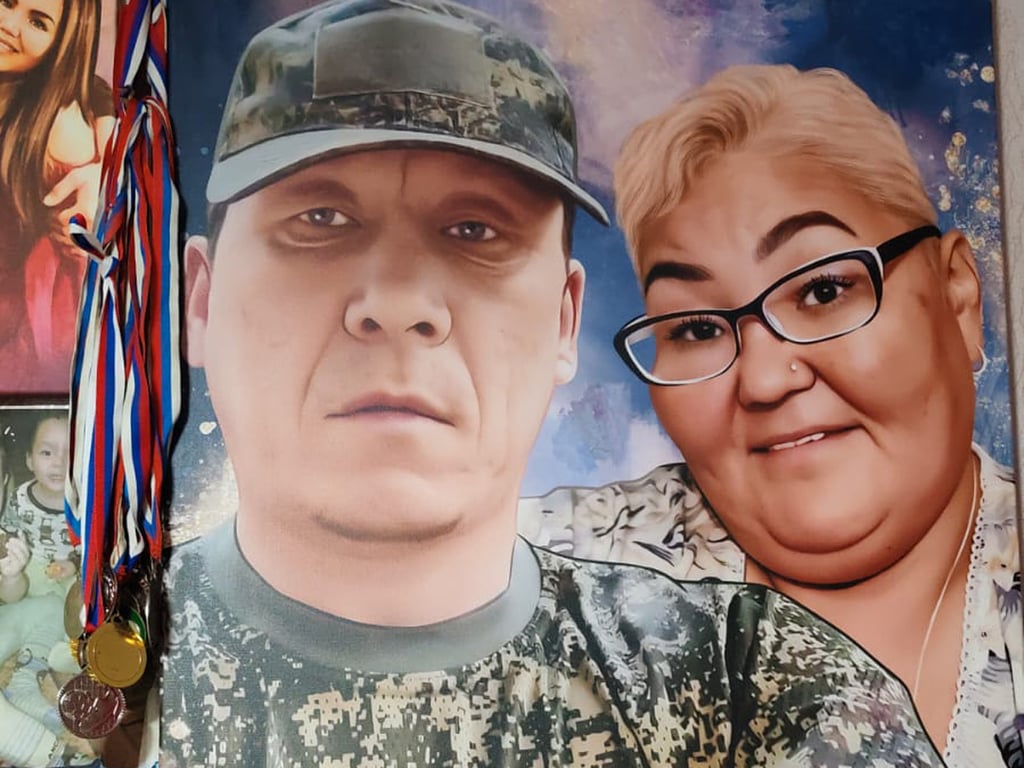
From the payments that Koerkova received for the death of her husband, she also distributed his debts in grocery stores that had accumulated over the past few years - a total of 1.3 million rubles. I also bought my sons a motorcycle and an ATV. Anna did not touch the share of her youngest son, 15-year-old Alexander:
- When he grows up, we want to move to the city - I don’t know if it will work out.
According to her mother, Sasha misses her a lot and posts photos of her father on social networks with the words: “I miss you very much.”
Now they and their mother are worried about their older brother. Anna Koerkova says that she takes sedatives all the time so that her blood pressure does not jump, and sleeps three to four hours a day:
- I'm constantly waiting. My husband could go three months without calling when he was in position. And now my son... This is the second time he hasn’t called for several weeks. I wait for a call day and night, I cry constantly.
Among the other gifts that her husband brought her was a music speaker. Now she listens to her “your music” - songs that Vladimir transferred to his wife: “Farewell” by the group “NeAngely”, “Well, how beautiful you are” by the performer “Kamazz”, “I will call you my beloved” by Sergei Odintsov, and also a composition by Artem Toto called “Nobody Needs War”.
In July 2023, Itelmen Svetlana Zakharova celebrated her birthday in Sedanka - she turned 32 years old. Among those who called her with congratulations that day was her ex-husband, Alexander Chevvin, who was at the front at that moment. This was their last conversation.
Energetic, lively Zakharova talks very excitedly about what she and her neighbors have to face. She and Chevvin have four children: the eldest daughter is 18 years old, the youngest son is six. They divorced in 2022, but continued to live together in a three-room apartment in a two-story barracks. Svetlana then worked as a librarian, and her husband was a foreman in a local boiler room.
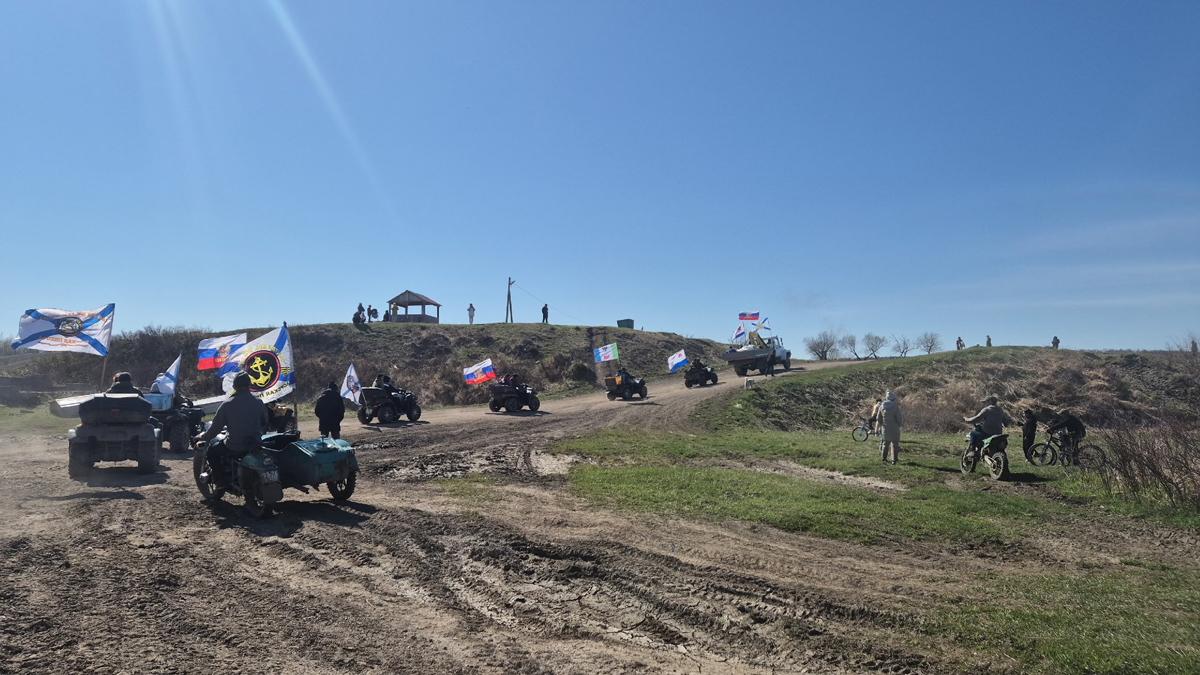
In 2023, together with other villagers, Alexander voluntarily went to the front.
“It was a surprise for all of us,” says Svetlana. - Of course, we dissuaded it. And the children were crying here, and his old mother. But he made a decision; it was impossible to dissuade him. He said that he wants to set an example for his son, he wants to be a hero in his eyes.
For the first few months, Chevvin and his neighbors from Sedanka dug dugouts. Periodically, he called his ex-wife from there and asked to send money: “Light, I need a chainsaw here, send some money. We need to buy a car here, we have to chip in 30 thousand, come.” At some point, Alexander said that they had found a house in which they would live, but they needed to buy a thermoelectric generator. To raise the required amount, Zakharova and Chevvin’s mother chipped in each time.
“We sent them there endlessly for everything.” But it’s not about the money,” Zakharova clarifies. “It just turns out that President Vladimir Putin says: “Support for the soldiers of the Northern Military District, support for the families of the Northern Military District,” back and forth. It sounds nice, but in reality it is not. We are like [serf] peasants.
A few days after Zakharova's birthday, Chevvin was sent into battle. He chose the call sign Kutkh - in honor of the Itelmen raven god, whom folk tales consider to be the creator of Kamchatka. According to Svetlana, Alexander was assigned as a grenade launcher operator in a forest belt near the Donbass village of Nikolskoye. His position was hit by a tank, and Chevvin was thrown into the dugout.
“On that day, July 16, our fellow villagers, who were not far from his position, heard on the radio: “Kutkh died,” recalls Svetlana.
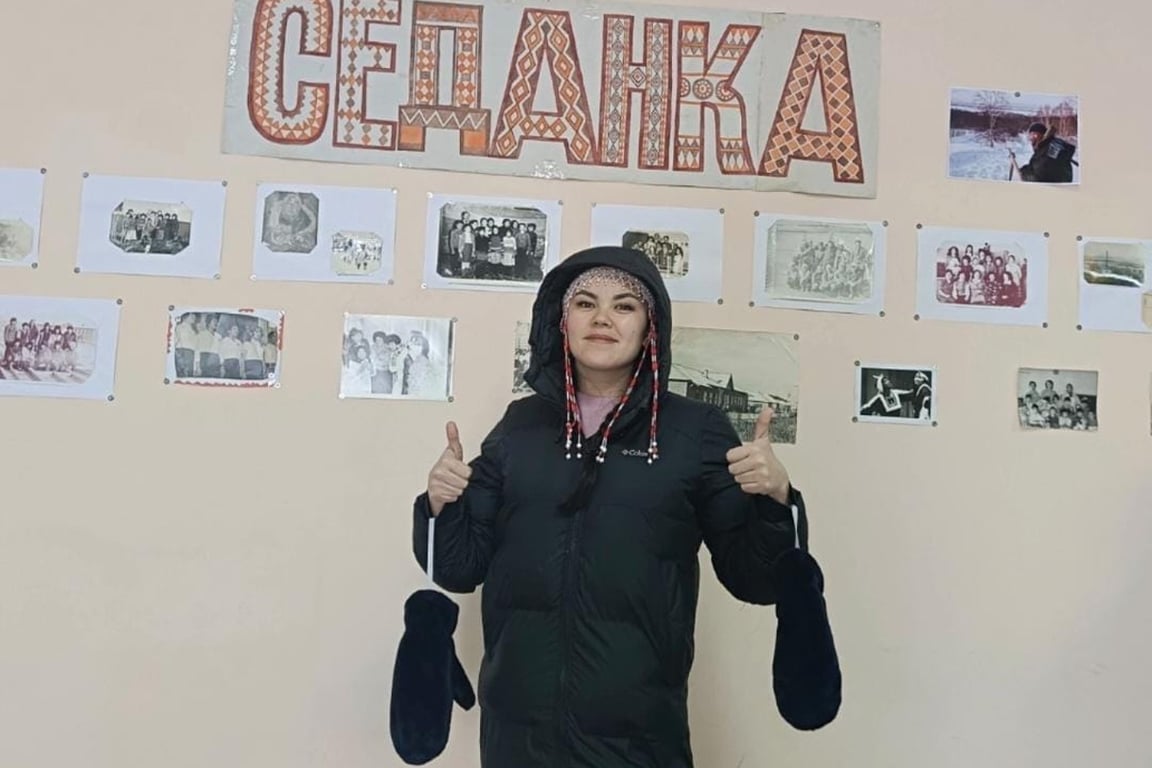
The Ministry of Defense officially recognized Chevvin as dead only a year later. It took almost another year to bring the remains to Kamchatka - they arrived in Petropavlovsk-Kamchatsky in May 2025. Usually, coffins with fallen military personnel are delivered to Sedanka from the regional capital by helicopter, but Zakharova decided to go to the city herself “to open the zinc and identify [her husband] by his teeth.” To this she was told that if she opened the coffin, she would have to take the body home herself. In the case of Sedanka residents, this means taking the coffin by car to the Bystrinsky district, then transferring to an all-terrain vehicle and driving to the village for another two days.
“Then they admitted that they didn’t even find him entirely, there was only a fragment of his leg in the coffin,” says Svetlana. “I ask: “What if the rest is found?” What will you do with these remains?!” It's simply absurd. These are very, very scary things.
Zakharova knew from the wives of other participants in the war that a search was underway in the place where her ex-husband died, so she wrote a letter to the Ministry of Defense asking her to keep her husband’s leg in the morgue until the rest of the fragments of his body were found. But time passed, and there was no news.
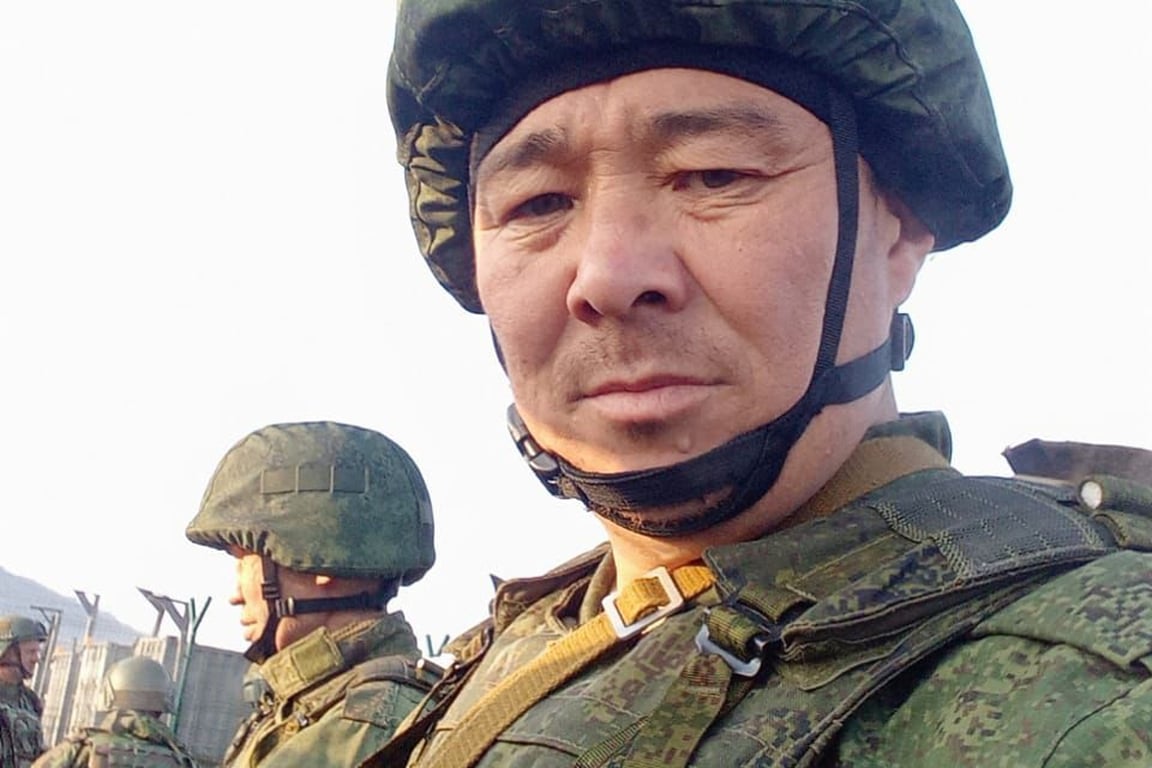
“His old mother was worried that his leg was lying somewhere unburied,” says Svetlana. “So in the end she agreed to bury only the leg.”
“They brought it to us by land, on an all-terrain vehicle,” she continues. “But we didn’t mind, because he himself constantly rode all-terrain vehicles with us and knew this area. And we, based on superstitious notions, decided that we should let him travel through his native lands.
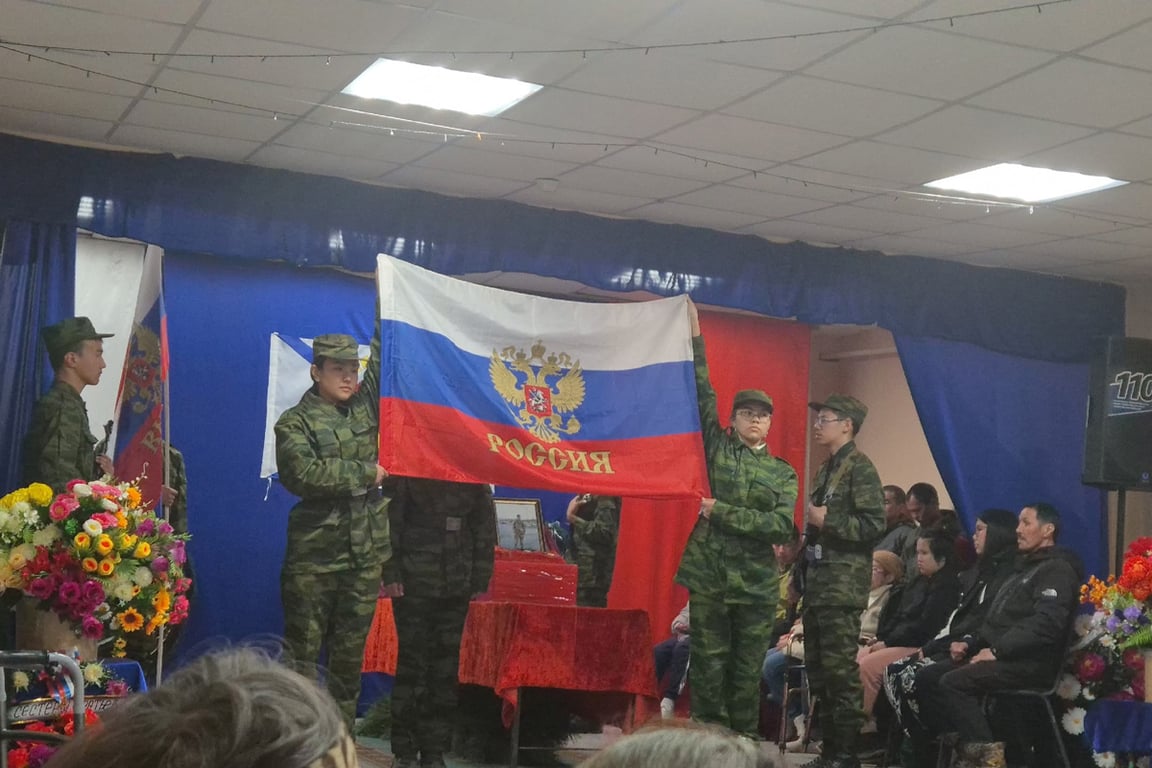
The coffin was placed in the local House of Culture - and then everything was the same as with all the other dead residents of Sedanka. On the first day, everyone could say goodbye to Alexander Chevvin; the next day, a solemn ceremony took place with speeches at the microphone and a detachment of high school students in camouflage who held the Russian flag, standing in formation at the coffin.
“During the presidential elections, one hundred percent of our village residents always voted for Putin,” says Zakharova (in fact, in the area that includes Sedanka, Putin received a little more than 85% of the votes in 2024). - How has it changed now?
If you walk around the village and listen, everyone just says: “Nothing [good] will happen,” and waves their hand.
People are somewhat disappointed. The village, one might say, is in mourning. Now they are increasingly silent. They don't believe in anything. There is desperation.
In 2020, Svetlana Zakharova created a volunteer movement in her native Sedanka. Together with several neighbors, they “came to the pensioners, chopped and brought them firewood, helped them make repairs, and somehow found money for it themselves.” Zakharova soon realized that physical help was not enough: neighbors need to protect their rights, they need help with improving their living conditions, and for this they need powers. Just that year, elections of people's deputies were held in Sedanka - Zakharova put forward her candidacy, won and became the chairman of the local Council of Deputies.
To protect the rights of her neighbors, she wrote letters to the prosecutor's office and the district administration, but the answer was either replies or silence. As Chairman of the Council, she went to sessions of the district parliament to the district administration in Tigil, each time making a round trip that took two hours by boat, but it was little better there.
“It turned out that at these meetings no one is addressing the problems of residents,” says Zakharova. “People there were just drinking tea and, without thinking, raised their hands to vote for what the head would say. And he only spoke about the regional center, Tigil. I asked: why isn’t the question raised about national villages, Sedanka in particular? They shut me up there, yelling: “You don’t need to say anything.”
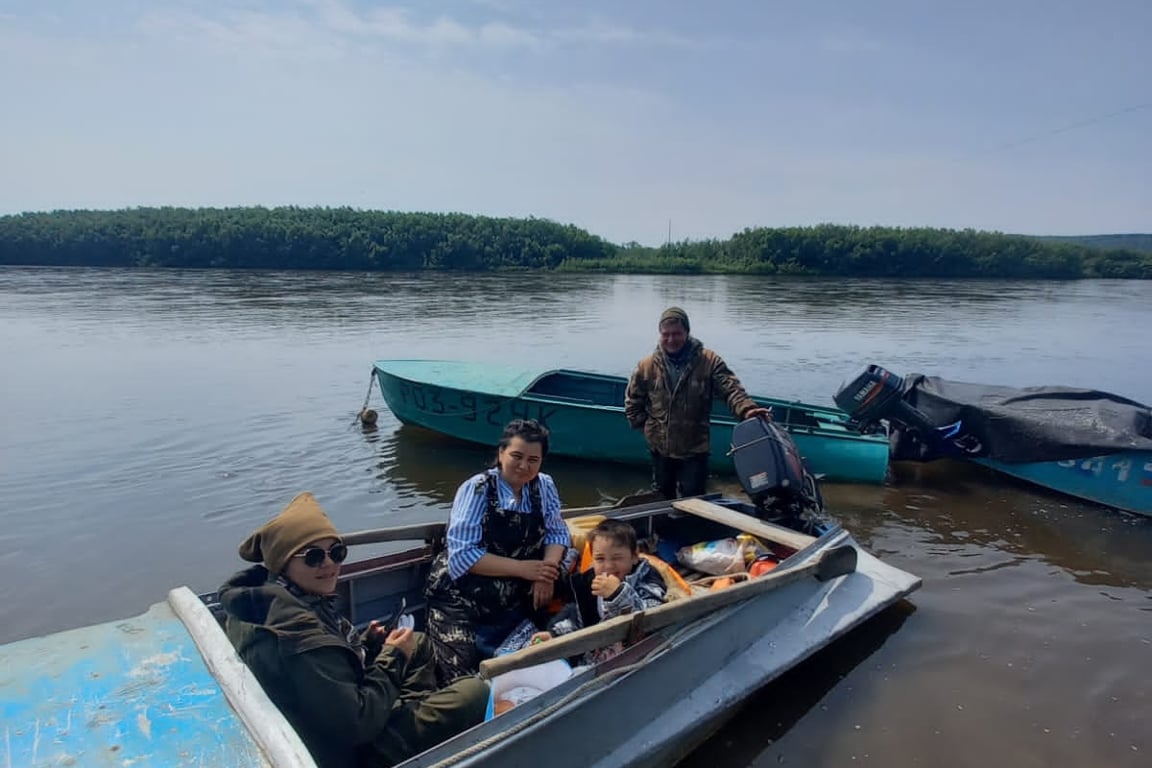
Even the fact that Zakharova invited government officials to document the situation did not help solve the problems of her fellow villagers.
— A retired grandmother lives in a house with two owners. No one lives in the second half of the house, it is not heated, so fungus grows there in the damp and cold and creeps into my grandmother’s house,” she gives an example. “I asked the fungal houses to be dismantled and treated. She wrote to the administration and brought the prosecutor’s office to her home. They saw all this, recorded it, but two years have already passed and there is no result.
Trying to understand what was happening, Svetlana began to study federal laws on guarantees of the rights of indigenous peoples of the Far North and came to the conclusion that they are not respected in Kamchatka.
For example, local authorities annually set fishing limits for indigenous peoples of the North (IMNS): in 2025, the quota was 200 kilograms of fish per year per person. Representatives of the indigenous minorities from Sedanka consider the very existence of these limits to be a violation of their rights, pointing to a clause in the law that states that “fishing in order to ensure the traditional way of life of indigenous peoples is carried out without a fishing permit.”
“Without permission,” emphasizes Andrei Antonov from Palana. “And they force us to get permits for what belongs to us by birthright, and they also set limits on how much they allow us to catch.
“We don’t need anything unnecessary: we just want to be able to lead a traditional way of life, which our ancestors led from time immemorial,” explains Zakharova. “We live on the spawning Napan River, and our access to it is illegally restricted. On TV they talk about how much we are entitled to, but in reality the entire territory of traditional natural resource management was distributed to private fishing companies. They scare us, drive us away from our family fishing trips, and impose huge fines that we are unable to pay. There is no work in Sedanka - the indigenous indigenous peoples were forced to become poachers in order to somehow feed their families and pay off their debts. And our families are large, with many children.
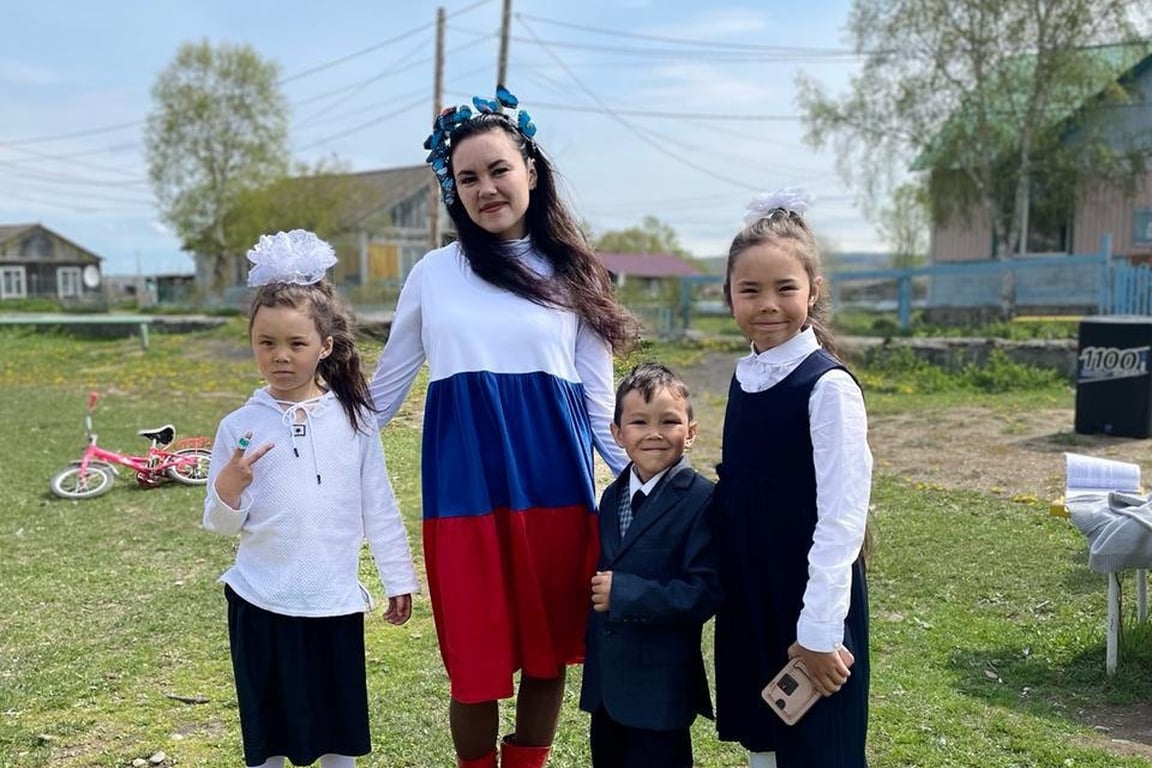
Zakharova gives examples of how her neighbors are not allowed to live. In August 2025, 68-year-old Egor Belousov, a resident of Palana, went fishing with his family.
“The police arrived, didn’t introduce themselves, and took away the 12 fish that Belousov caught. Since he did not submit an application in advance, he was accused of being a poacher,” says Belousov’s neighbor Andrei Antonov. — They opened a criminal case against him and issued a fine of 132 thousand. Since the story became public, the matter was hushed up. Now it is in the process of further investigation.
Grigory Cotta from Sedanka was also fined for fishing.
“I’m fishing, inspectors arrive,” he recalls. “They know me, they ask: “Grishka, are you poaching again?” I say: “The pension is small, damn it, they don’t hire you, why the fuck am I going to eat you?” They say: “Well, that’s right, Grishka.” And let's fine me.
According to him, in the end, the police appreciated that Grigory was “clean,” put a barrel for burning garbage, and simply took 500 rubles from him—in fact, a bribe.
“Indigenous peoples have been so intimidated that they are already afraid to go out to the river,” says Andrei Antonov. — A fine of 11 thousand for a [fish] tail. Five tails is already a criminal matter. 55 thousand is already damage [caused to the state], and a criminal case is automatically opened. This is all a form of destruction of the indigenous way of life and foundations.
In 2022, Svetlana Zakharova founded the district association of indigenous minorities of the Tigil region to join forces with her comrades-in-arms. Over time, residents of neighboring villages, including Andrei Antonov, also joined it. In particular, they intend to fight for representation - so that more people from indigenous minorities appear in the government of the Kamchatka Territory. So far this is far from the case: according to Zakharova, representatives of the association are not even invited to meetings.
“We come there ourselves,” says Svetlana. — I take the microphone and ask why officials do not comply with federal laws regarding indigenous minorities? And the ministers answer that with this issue I am “discrediting the authorities.”
In 2023, according to Svetlana Zakharova, the head of the Tigil region, Andrei Prigoreanu, “promised to provide the families of the SVO participants with everything they need.” And in December 2024, a video appeared on the website of the Tigil administration, where an official says that he provides constant assistance to the relatives of the military: a certain headquarters was allegedly created, “which works on a constant basis”: volunteers are engaged in “assisting in the procurement and delivery of firewood,” as well as major repairs and solving other everyday problems. “After all, when everything is good at home, there are no complications and no problems, and service is easier,” concluded Prigoreanu (the video was later deleted from the administration’s website, but the residents saved it and shared it with me).
As Svetlana Zakharova says, almost all of this is not true. No volunteers were ever sent to Sedanka to help the families of war participants, and firewood was brought to them only a year after that Prigoryan video, and only “in the form of a one-time action.”
“If they do something, then they throw this handout like a bone to be torn to pieces,” says the activist.
Zakharova collected written confirmation from neighbors that no help was provided to them. These statements are at the disposal of the editors. “In April 2023, I voluntarily signed a contract to participate in the Northern Military District and throughout the entire time I fulfilled my duty to the Motherland responsibly and conscientiously. I am currently on leave due to injury. Меня и всех моих боевых товарищей, участников СВО из села Седанка, очень возмутил видеоролик, записанный главой Тигильского района Пригоряну. Подтверждаю, что никакой помощи моя семья не получала ни разу. Дрова, ремонт, огороды и т. д. — всё делаем сами, за свой счет, и никакой поддержки и помощи не было. В связи с чем выражаю недоверие главе Пригоряну», — говорится в одном из них. «Нам еще семь месяцев назад обещали оказать помощь в виде ремонта, починить электрику, полы в ванной комнате и т. д. Никакой помощи по сей день не было. Бесчестно поступать так с Героями России и их семьями», — говорится в другом.
При этом осенью 2024 года по инициативе губернатора в Седанке установили памятник «участникам СВО».
— Ну, красивый памятник. А что он нам дает? — говорит Светлана. — Людям с жильем нужно помочь, с доступом к рыбалке, с трудоустройством: участники СВО возвращаются домой, а им работать негде.
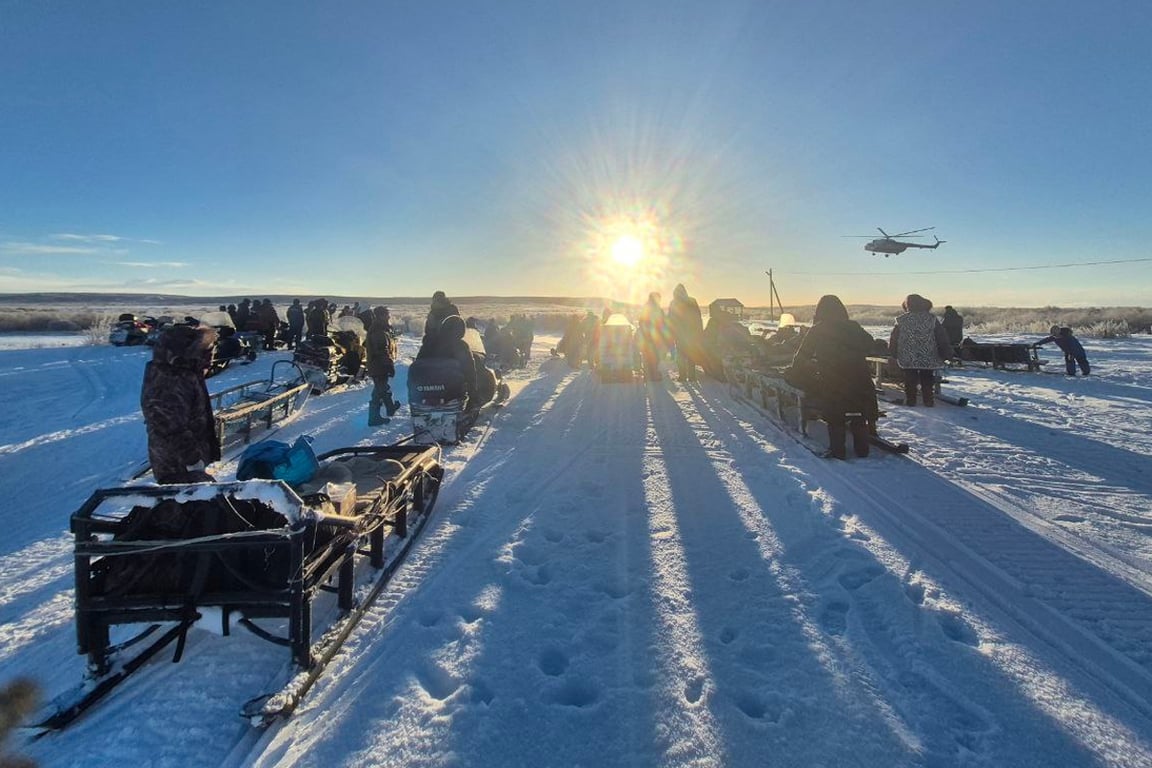
В августе 2024 года Захарову уволили из библиотеки «по статье» — по ее словам, она улетела в Петропавловск-Камчатский за два дня до отпуска, и ей предъявили это как прогул.
— Авиасообщение у нас нерегулярное, когда улетишь, когда нет, поэтому я так сделала, — объясняет Светлана. — Я попросила подругу подменить меня, обычно в отдаленных селах всё понимают и входят в положение. Тем не менее этой ситуацией воспользовались и безжалостно меня уволили. Я потом просила меня восстановить — у меня четверо детей, их отец погиб на СВО… Но заведующая ответила, что это дело принципа. Я уверена, что это сделано с подачи Пригоряну.
Захарова говорит, что на этом репрессии не закончились: «прессовать» начали людей, которые поддерживали ее инициативы.
— Школьного бухгалтера сократили одним днем, — рассказывает она. — А у нее муж на СВО, двое детей. Я захожу, она ревет. Человеку обидно. Другую жену эсвэошника тоже сократили за высказывания об отсутствии помощи со стороны чиновников.
Сама Захарова теперь устроилась на работу социальным педагогом в школе, а еще занимается «музеем СВО» — так называют «школьный уголок героя»: Светлана собирает информацию и составляет биографии погибших, а также проводит мероприятия, где показывает видеоролики и рассказывает о «героях Седанки, которые ушли на СВО».
— Я [раньше] уважала, боготворила Путина. У меня такая вера была, я думала: Господи, он меня спасет, и вот так я буду идти по закону, по Конституции, — объясняет Захарова. — Ничего не получилось. Я начала заниматься политикой, и у меня возникли препятствия.
Некоторое время назад мне прислали сообщение: «За вами наблюдает ФСБ», — и всё такое. Меня шугали. Мне звонили и угрожали, требуя, чтобы я перестала поднимать шум.
Мне написали: «Вы находитесь в группе риска из-за того, что вы собираете людей, которые за геноцид». Я отвечаю: «Вы что такое говорите?» У меня муж там погиб, у меня брат и дядя там сидит [на СВО]».
Не найдя понимания у местных властей, в марте 2025 года представители коренных малочисленных народов Камчатки провели сход в библиотеке имени Степана Крашенинникова в Петропавловске-Камчатском. Туда приехали около 70 человек из разных муниципалитетов региона. Звали туда и губернатора, но он не пришел — со стороны властей присутствовала только представитель правительства Камчатского края Элеонора Лысянская. «В селах повсеместно разруха, безработица, недоверие к местной власти. На родовых землях, где веками жили коренные народы Камчатки, царствуют рыбопромышленники. — говорила в своем выступлении Светлана Захарова. — Люди, искренне любящие свою землю, вынуждены уезжать, покидать родные села. Если власть не одумается и не начнет помогать, национальные села останутся только в истории». По итогам схода его участники направили резолюцию на имя Владимира Путина.
— Нас [окружную ассоциацию КМНС Тигильского района] знают, но именно в системе власти нам ничего не удалось добиться, — констатирует она в разговоре с «Новой газетой Балтия». — И знаешь, я уже ни во что это не верю.
Когда Седанку объявили селом воинской доблести, никаких торжественных мероприятий в ней самой не проводилось.
— Объявили там где-то, далеко, а в селе мы просто узнали об этом, и всё, — говорит Захарова.
— Никаких позитивных изменений после присвоения звания не произошло, — добавляет Анна Коеркова. — Всё как было, так и есть. А, ну разве что в нашей двухэтажке начали чинить крышу две недели назад. Крыша дырявая была, шифер давно сгнил. Туда даже невозможно было залезть, что-то починить.
Часто в ответ на требования жителей Седанки решить жилищные проблемы чиновники злятся и говорят, что село вообще «скоро закроют». В том смысле, что им проще расселить жителей аварийных домов по другим населенным пунктам, чем наводить порядок на месте. Захарова и сама поначалу, когда только стало известно о гибели ее бывшего мужа, «очень хотела уехать». Но со временем передумала.
— Я хочу здесь в селе построить себе дом, — говорит она. — Я сама деревенская, я родилась в Седанке. Мне нравится заниматься нашей традиционной жизнедеятельностью. Мне хотелось бы всё-таки побороться и сохранить наше село. Здесь есть актив, есть люди, которые готовы взять на себя эту ответственность. Народ — это очень большая сила. Меня радует, что народ просыпается. Они хотят справедливости.
Автор: Ирина Кравцова