
Translated material
Why didn't anyone buy the Rizhsky Station?
On April 27, the auction for the Rizhsky Station in Moscow failed - there were no buyers for the historical building, put up for 4 billion rubles. Why was the lot not of interest to investors? Can an old train station get a new life and still retain its transport function? And why is the sale of Rizhsky just the tip of the iceberg? We discussed all this with railway transport historian Yuri Egorov.
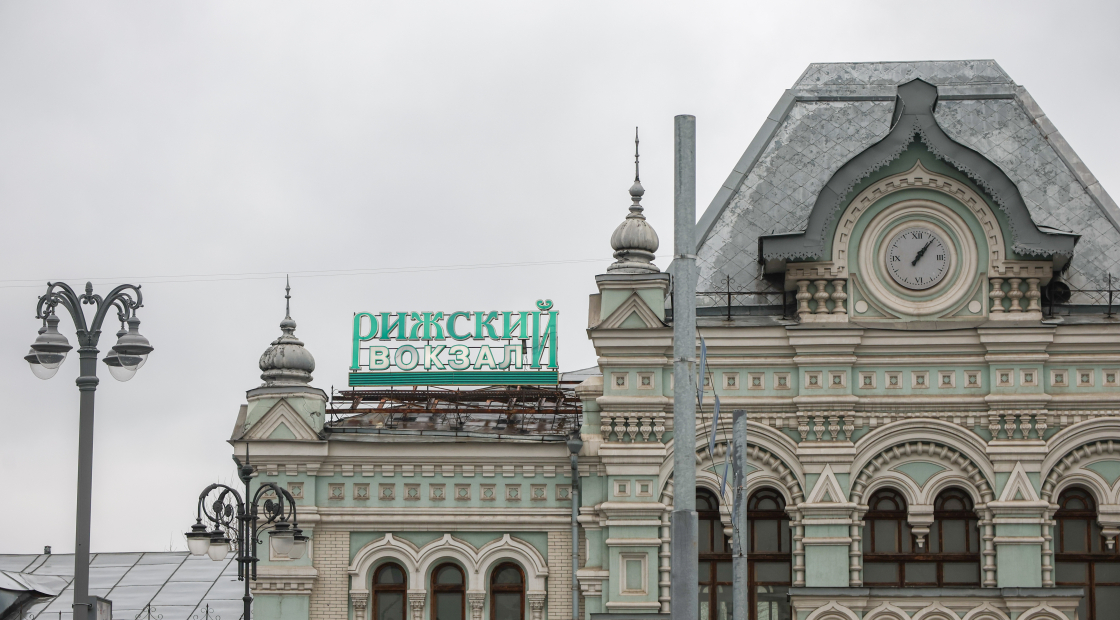
Rizhsky Station © Shatokhina Natalia / Global Look Press
Russian Railways were unable to find a buyer for the Rizhsky station building, and the auction failed. What is this connected with?
From the point of view of the average investor, it is not very clear what to do with this building. What is most terrible for them is that this is a cultural heritage site.
That is, [for an investor] any action is an examination, it’s a pile of papers. Accordingly, it is impossible to demolish it, it is impossible to build on it, the building remains as is. Therefore, instead of it, it will not be possible to build some tower of fifty or five hundred floors, and this is not interesting for the average Moscow investor.
On May 4, the auction for the sale of the Likhobory depot also failed. Do you think it's for the same reasons?
Probably yes, although from the point of view of the average Moscow developer, who needs meters first of all, it’s a little simpler. On the one hand, there are more protected objects themselves, there are three of them. On the other hand, among them there are several more buildings that do not have monument status. That is, the territory is large, but there are more or less few [historical] buildings. I was a little surprised that these auctions did not end in anything.
What needs to change so that buyers for the Rizhsky Station building can still be found?
First, we need to reduce the price, maybe we can offer them something else [add objects to the lots], but there is no universal solution. We need to make sure that people or companies are interested in buying them. Moreover, buy it specifically for the device.
In principle, everything is spelled out in the law - any function of the object is permitted if it does not harm the protective status. The Rizhsky station is no longer used as a station: those two long-distance routes from where the last trains departed to Pskov and Velikiye Luki, and once to Riga, are no longer there; a forest has been planted in their place.
It is clear that if we pour water into the building and open the swimming pool, it will be harmful, this cannot be done. And opening Pyaterochka would be fine, as long as you don’t turn the building into a corporate brand.
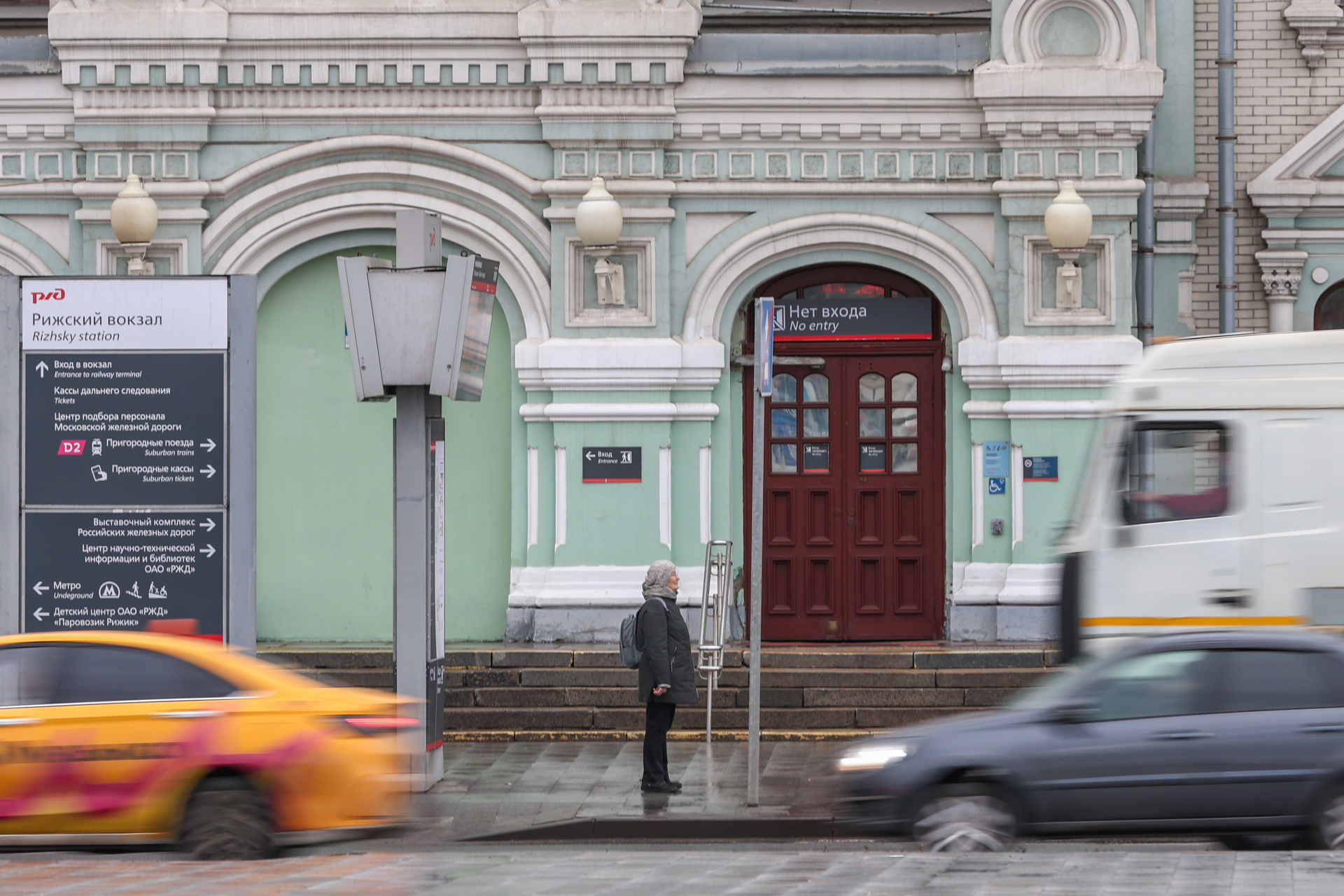
Entrance to the Rizhsky Station building © Shatokhina Natalia/Global Look Press
Does the city need a Rizhsky railway station?
Objectively, it is really not very needed; the station has not been operational for several years. By the way, passengers are not very happy with this, because if previously they traveled to Velikiye Luki directly from the Rizhsky station, now they travel from the Belorussky station, and this is plus four hours to the road.
Small towns and villages - Volokolamsk, Shakhovskaya, and everything in between - all trains used to stop there without exception. It’s all wilderness on the one hand, but on the other hand, you get to the station, board the train, and three hours later you’re in Moscow. Now people don't have this opportunity.
Is it possible to talk about a trend towards the closure of historical train stations?
This story has been going on for more than ten years, but now it has reached large train stations. For example, Uglovka station [on the St. Petersburg - Moscow line]: there was a small wooden station where one grandmother sat, she was also a cashier, a cleaner, and a caretaker. You can buy a ticket there, you can just wait for the train not on the street, but somewhere warm.
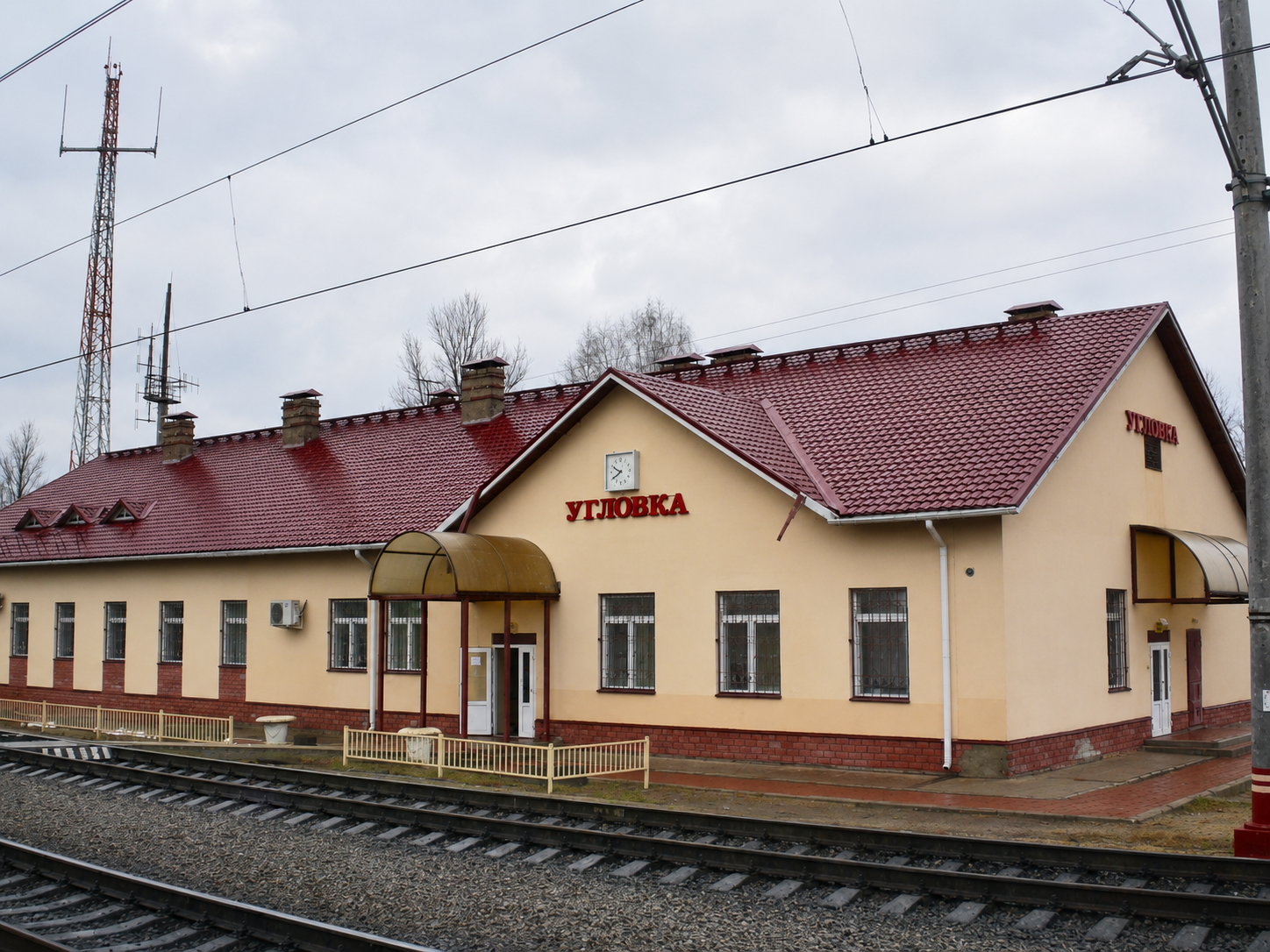
The wooden station building at Uglovka station was demolished and a new one was built instead © 2024 Railway Archive by Studio Petukh
And then Russian Railways came up with an idea: “Oh, let’s save money, let’s retire grandma, demolish the station, and everyone will be fine.” As a result, it turned out that this class of small stations practically disappeared. They are closed, demolished... Instead, as a rule, there is a canopy on four poles and a traveling cashier in the carriage.
It's the same with the houses for the trackmen. Near the border of the Tver and Moscow regions, Russian Railways once built an entire road to this house in order to get to it and demolish it.
A special love is to sell the water tank as scrap metal. Well, what is this for Russian Railways with multi-billion dollar turnover? No, it turns out that this is important - you have to come, destroy the water tower, spend ten times more money [on demolition], but then turn the tank into scrap metal and earn several thousand rubles.
Which station could be next?
For example, Kursky Station in Moscow - it is generally unclear what will happen to it. Even before 2019, I went to an appointment with the head of the Moscow City Heritage Alexei Emelyanov, and he then directly said: “we will reject all applications [for inclusion in the OKN list] for Kursk.” The building is interesting though!
Take its glass façade—we still tend to criticize such things, but Europe looks at them as an important stage in the development of architecture. At the same time, the building has a “zest” - an old train station of the 19th century is hidden inside.
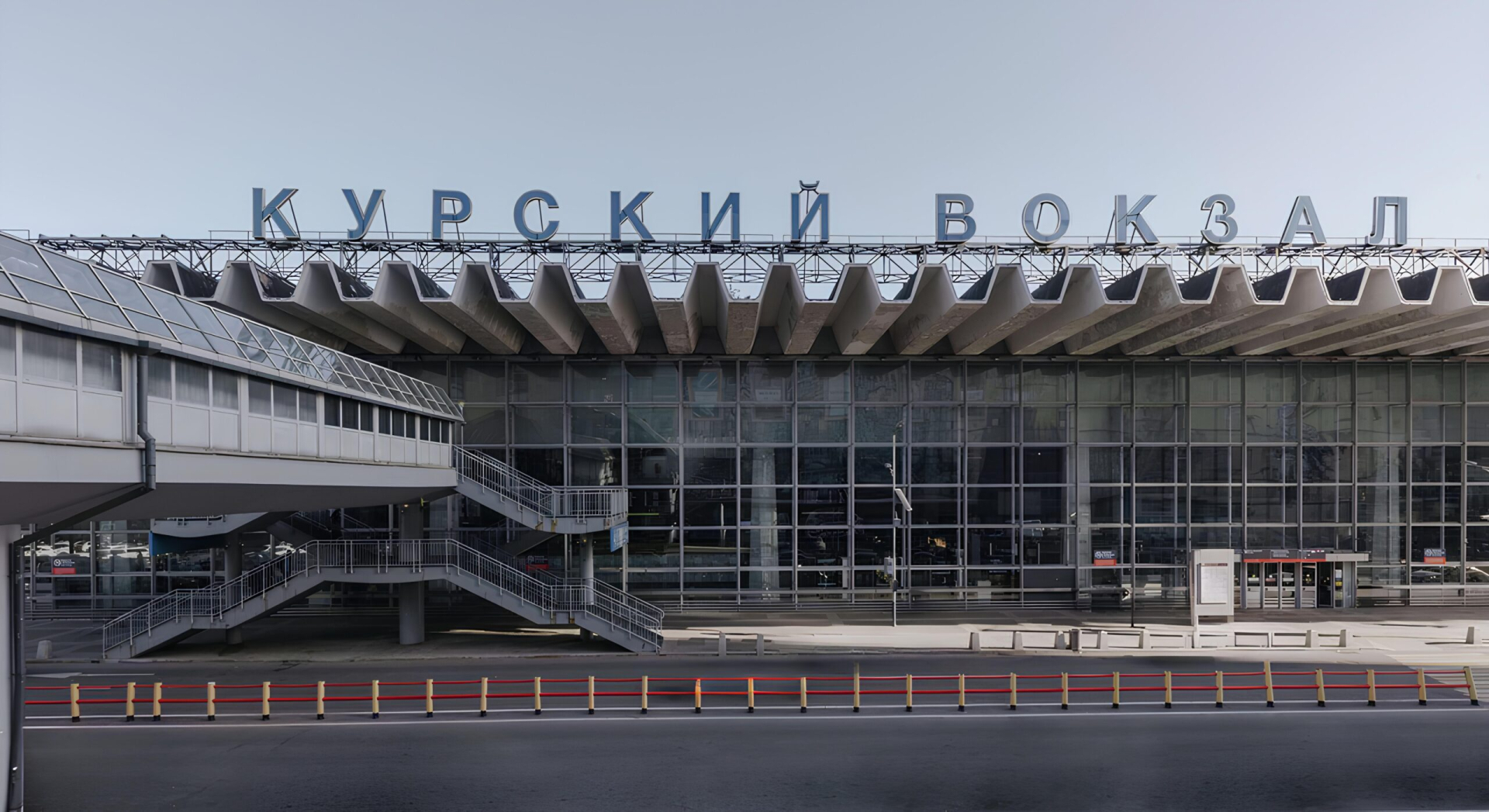
Kursk Station © Kursk Station
Completely different proposals constantly arise regarding Kursky: from “cleaning and patching up” to the idea of demolishing the glass Soviet part and restoring the station designed by the architect Orlov. Although it is clear that the historical building will be too small - that is why it was reconstructed in Soviet times. There is also a radical option - demolish everything and build a new one.
But the load at the station has really dropped significantly: everything that was possible went to Vostochny, and some of the trains simply cannot be returned technically. The same thing, by the way, is with the Savelovsky station: long-distance trains were removed from there in the late nineties, only electric trains remained. Such inactive stations - not necessarily small, but simply with low passenger traffic - are precisely at risk.
Can revitalization of train stations, like in Ivanovo, save Moscow train stations?
I really liked the story with Ivanovo. It was put in order and included in the urban environment. Exhibitions, concerts and performances take place there. And this, in fact, is very consistent with the very origin of the word “station”. If you had said the word “station” at the beginning of the 19th century, no one would have thought about the passenger building at the station. It was an entertainment pavilion - with music, food, and a cultural program. So the current revitalization is, in a sense, a return to the roots. The station is not only a transport function, it is part of city life.
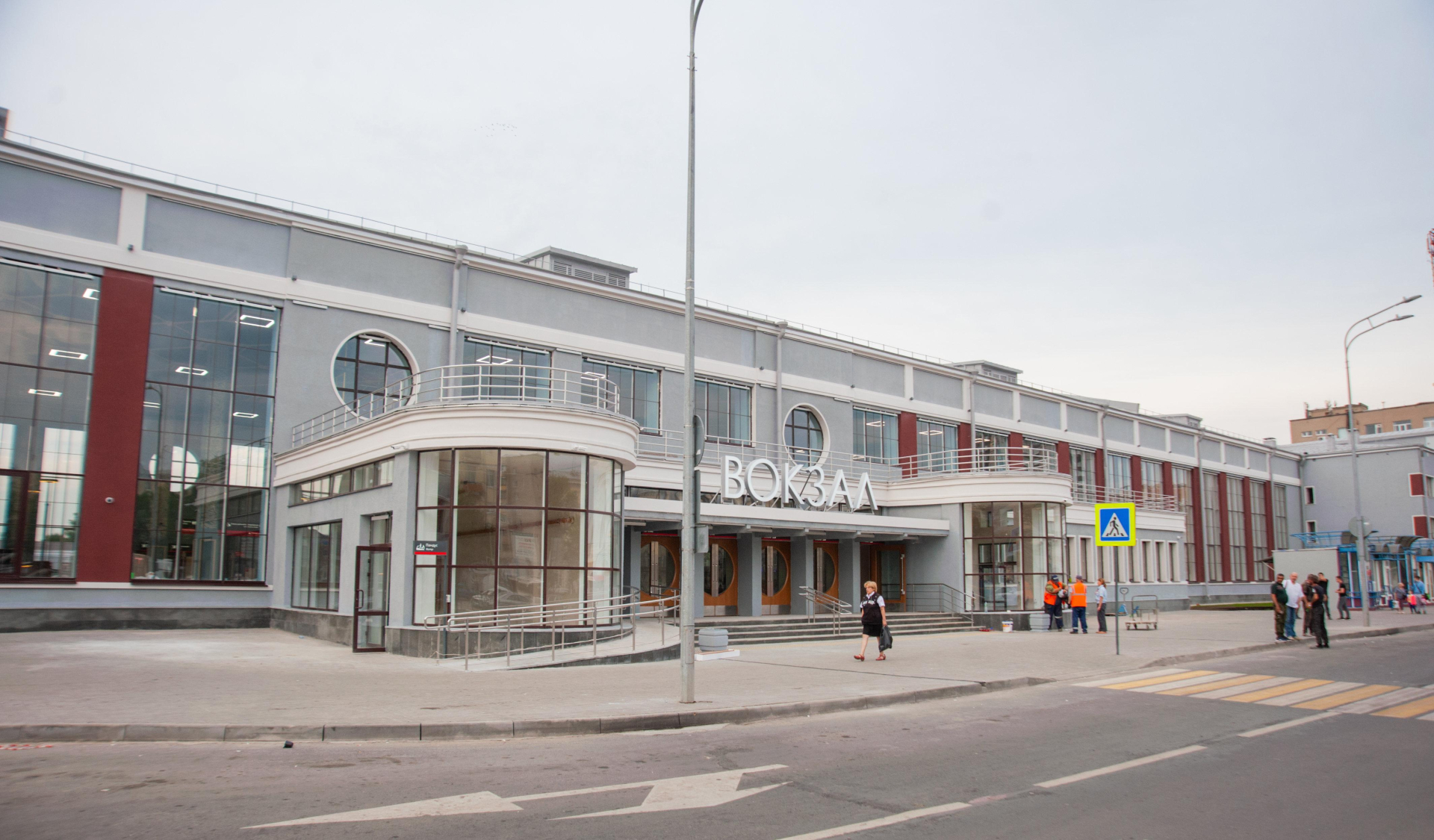
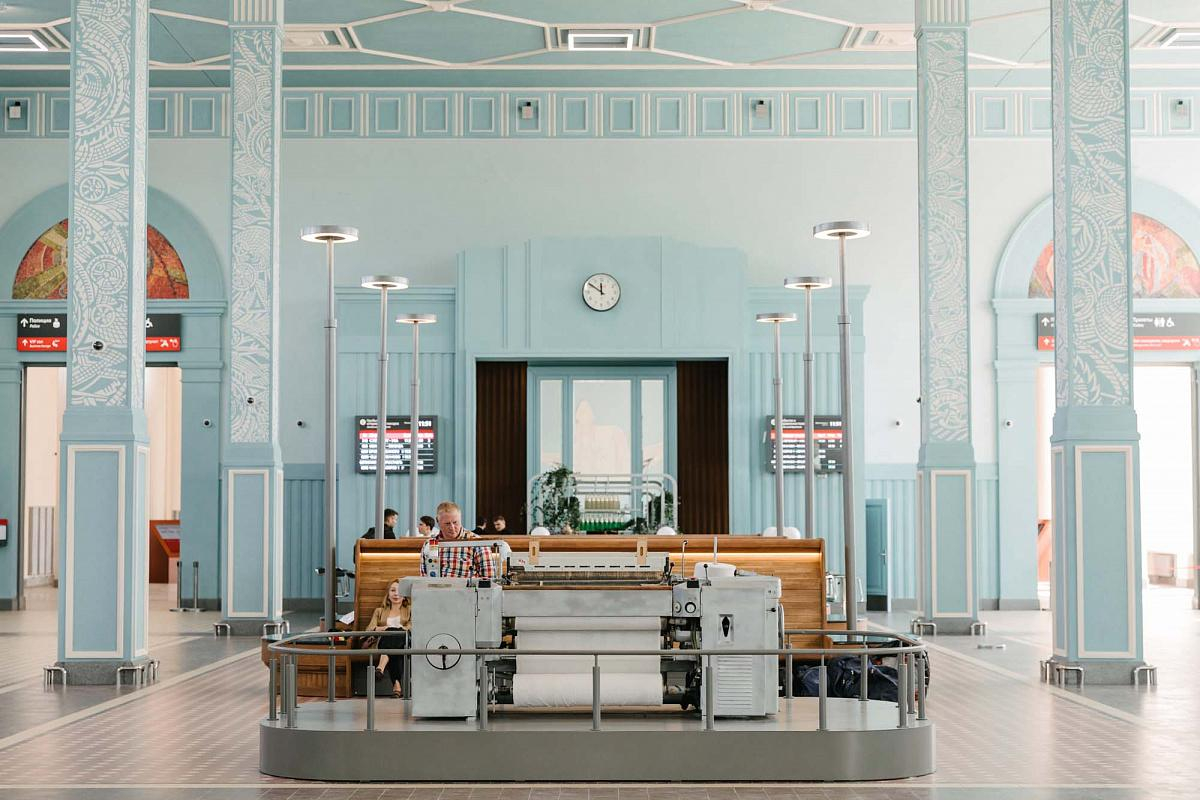
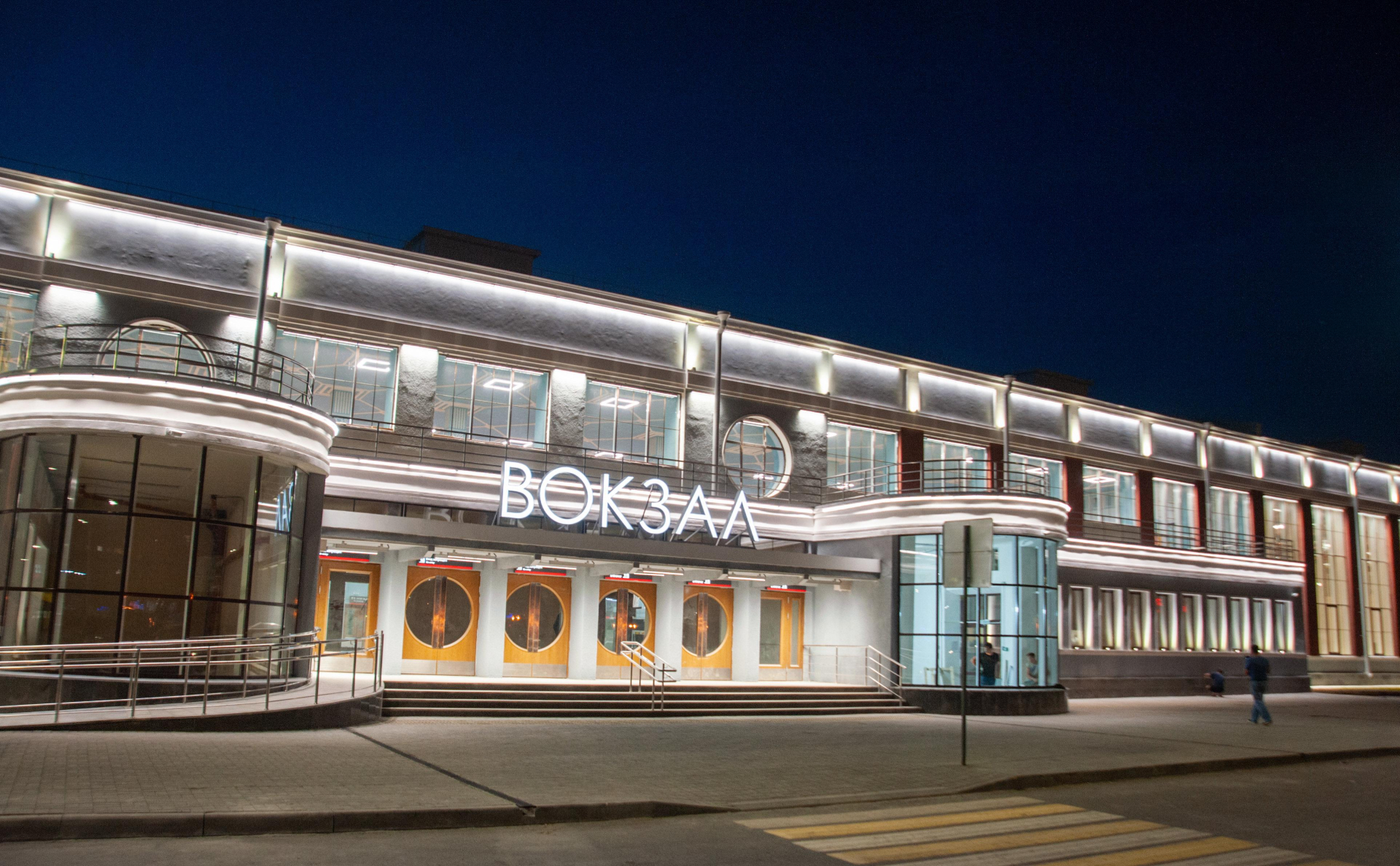
There is also, for example, Rzhev-Baltiysky: the railway museum was moved there, and it turned out great. Previously, the museum was huddled somewhere in a rest house for locomotive crews, occupying several rooms, but now half of the station building has been given to it. At the same time, the station itself was put in order.
So, revitalization is still better than sale?
Certainly. If there is a station, then there are passengers. And people need to maintain normal conditions. It’s one thing to wait on a platform for a train in the rain or snow, and quite another to sit in a warm waiting room.
If there is extra space, it can be used for some additional functions. And, as the same Ivanovo Station shows, one does not interfere with the other at all. Moreover, if a person has a long layover, it is better for him not to just sit and be bored, but, for example, to watch an exhibition or concert. That is, in the end it’s good for everyone.
Is it possible to find a compromise between heritage preservation and economic benefits?
In my opinion, you can, for example, not try to sell a conventional abandoned hut two by two meters for the price of a good apartment in the center of Moscow. It is clear that you can write any price, but objectively no one will buy it.
This can be transferred into private hands for a reasonable price, or transferred to municipalities. It is clear that there will not be a universal solution for everything, but such a conversation can be had - at least when it comes to heritage.
Another problem is that all this is very difficult to protect as monuments . And here the point is not even in holes in the legislation, but in the fact that the approach itself needs to be slightly changed.
We've been talking about this for about fifteen years now. Our law is essentially designed for individual objects. Conventionally: there is a house where Pushkin lived, a security zone has been outlined around it - and that’s it. And the railway is an ensemble. Moreover, it is extended: hundreds, sometimes thousands of kilometers. And this applies not only to railways - these are also water systems of the 18th century, and old highways with post stations, bridges, and travel palaces. These are all ensembles too. And for such objects there is simply no normal category of protection.
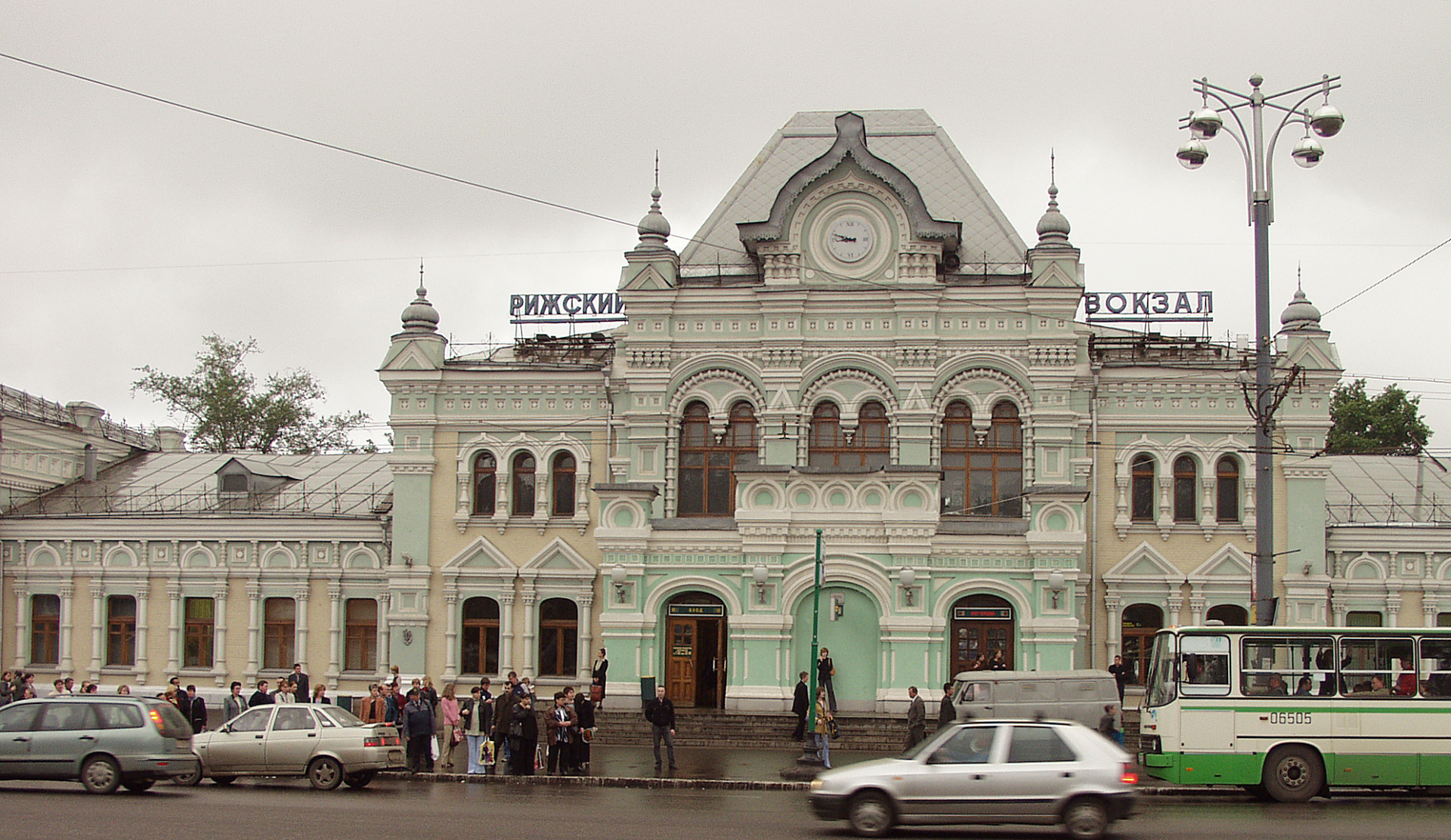
Panorama of Rizhsky Station © Alexei Moschenkov/Global Look Press
Plus [the railway ensemble is often] a typical development. It is clear that the railway did not order a unique station for each station - they took a standard design and installed identical buildings at stations of the same class. And this is normal, this is part of the very logic of the railway.
At the same time, you cannot simply cover the entire highway with a security zone, because then Russian Railways will quite rightly say: how can we maintain this? If you have to run around for approvals to replace one rail, it won’t work.
Therefore, protection should be discrete: if there is a historical object, there is a zone around it; if there is no object, then the railway operates as usual . And then a conditional five percent of the territory will fall under protection, and not everything in a row.
It is necessary to change the approach both on the part of the state and on the part of Russian Railways. Because Russian Railways often has the following logic: if a building is a monument, then there should be a museum there. Although, in general, the function can be any.
What makes railway architecture an important part of cultural heritage?
The same architects who built the main streets of cities almost always did something for the railway. The same Konstantin Ton. Everyone remembers him from two stations - in Moscow and St. Petersburg. But he also designed the service railway buildings and the locomotive depot in Moscow. That is, the same person made the Cathedral of Christ the Savior, the Grand Kremlin Palace, the train stations, and the depot. And that's great.
The same thing - Shekhtel, Shchusev, Dushkin, Ivanov-Shits. Railway architecture is a huge layer of heritage, but it has just been perceived for a long time as something purely technical.
Although it is difficult to study. After all, this is a functioning railway, with all the restrictions. In the nineties and two thousand it was easier, but now sometimes you stand and think whether to take out the camera or not. Because there are problems.
Literally last fall: I was standing with a friend, photographing an old track barracks on the former Ryazan-Ural road. People drive up: “What are you doing here? What if you’re up to something?” Okay, I had a recording of my lecture on this road on my phone. I show: here I am, here is the lecture. They say: “Oh, okay then.”
And the archives are also largely closed or scattered in different places. But the topic is still incredibly interesting. Sometimes absolutely fantastic things are unearthed.
And the deeper you dive into it, the more you understand how intertwined the history of railways is with the history of the country in general. Some unexpected people, unexpected projects, political decisions constantly pop up there.