
Translated material
From the Ozero cooperative to Telegram: which natives of the North-West made it to Forbes
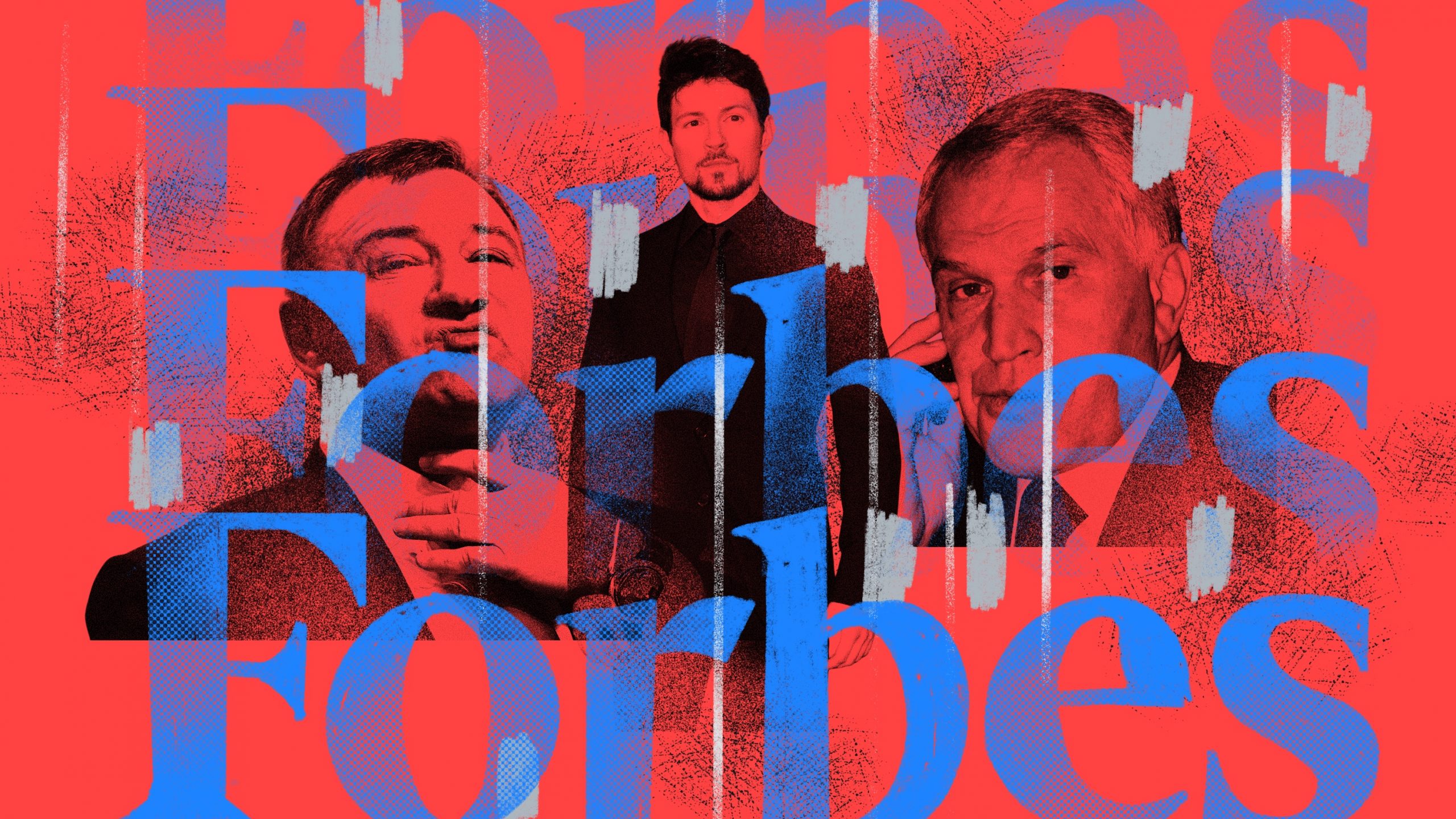
The North-West of Russia remains one of the main regions of origin of Russian billionaires - from Vladimir Putin’s partners in the Ozero cooperative to the creators of global IT companies who have long lived outside the country. Some made their fortunes from government contracts, raw materials and infrastructure, others from games, instant messengers and the international market. But almost all the largest capitals in the region turned out to be connected in one way or another either with the state or with the export of Russian resources.
For the second year in a row, “Chronicles.Media” has been studying the new Forbes ranking of Russian billionaires and telling which natives of the North-West have retained their place on the list of the country’s richest people, who got there for the first time and how the capital of the North-Western elites is changing in the fourth year of war and sanctions.
People from the Lake
The traditional heroes of all Forbes lists are Vladimir Putin’s former partners in the Ozero dacha cooperative: the Kovalchuk and Rotenberg families.
The richest of them is the chairman of the Russian Hockey Federation, Arkady Rotenberg, with a fortune of $5.3 billion, occupying 34th place in the Russian Forbes ranking. Its main assets are the companies Mostotrest (96.7%), Natsproektstroy (48%) and the TPS Avia Holding company (35%), which controls the international airports of Sheremetyevo and Domodedovo.
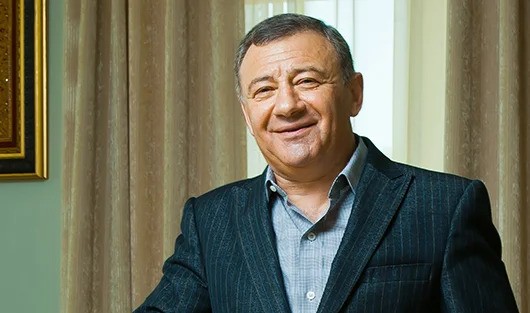
Boris Rotenberg, brother of Arkady, president of the Sochi football club, ranks only 129th in the Forbes ranking with a fortune of $1.3 billion. According to the publication, his fortune comes from the sale of assets, primarily SMP Bank.
There is also a third representative of the family in the Forbes ranking - Igor Rotenberg, son of Arkady. He ranks 57th in the ranking with a capital of $2.5 billion. Forbes characterizes him as a private investor, but Igor Rotenberg’s most successful investments are those that were sold to Gazprom or other state-owned companies.
Yuri Kovalchuk, another co-founder of the Ozero cooperative, with a fortune of $2 billion, took 66th place in the Forbes ranking. He is the richest representative of the second clan of “lake” billionaires. The businessman’s main assets are shares in Rossiya Bank and the Sogaz insurance group. Separately, it is worth noting such an asset of a businessman as his son Boris Kovalchuk, who has headed the Accounts Chamber of the Russian Federation since 2024.
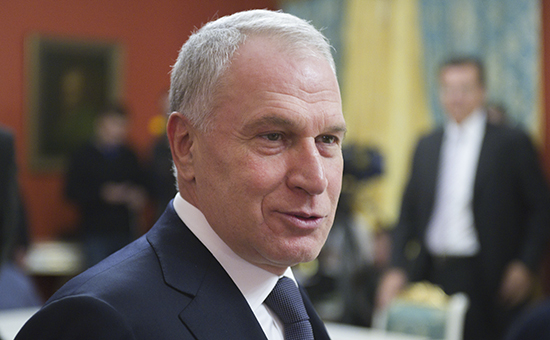
Both families, natives of Leningrad, are now under international sanctions.
Digital Billionaires
In the technological sphere, the leaders among natives of the North-West are Igor and Dmitry Bukhman, who were born in Vologda and graduated from Vologda State University. They started their mobile game development business in 2004 in the Vologda region, and later moved it to Ireland. Their most famous games are Township, Gardenscapes and Homescapes.
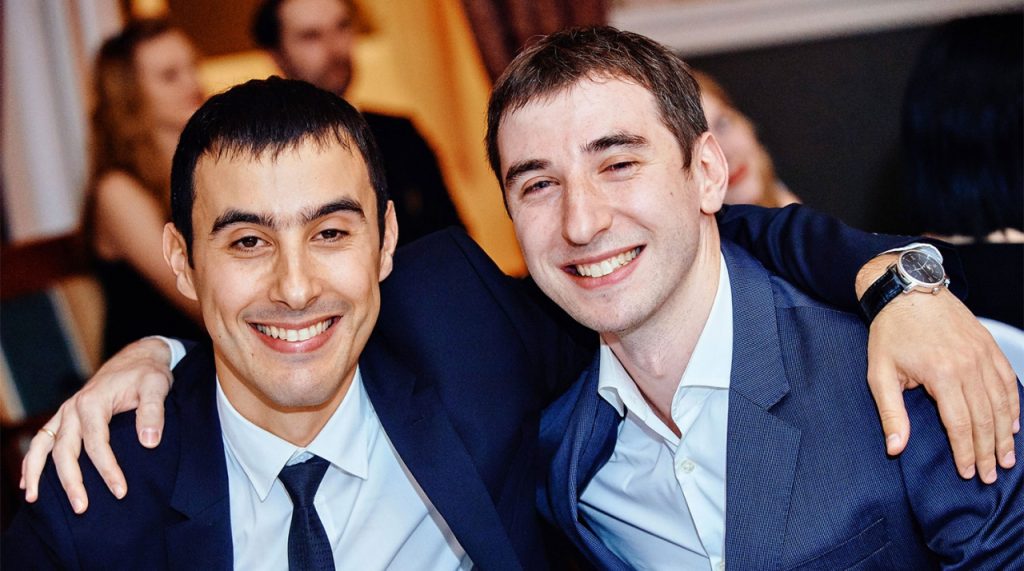
Following Russia's invasion of Ukraine, the brothers closed their offices in Russia and Belarus, but maintained an office in Kyiv.
Both brothers also have Israeli and British citizenship. The fortune of each of them is estimated at $13.6 billion.
Of course, the most famous Petersburger in the IT field is Pavel Durov. He broke the Bukhman brothers' record for citizenship - Pavel has four: Russia, the United Arab Emirates, Saint Kitts and Nevis, France, but fell sharply behind in terms of capital. According to Forbes, his fortune is estimated at $6.6 billion in 2026, although the year before it was $10.5 billion more.
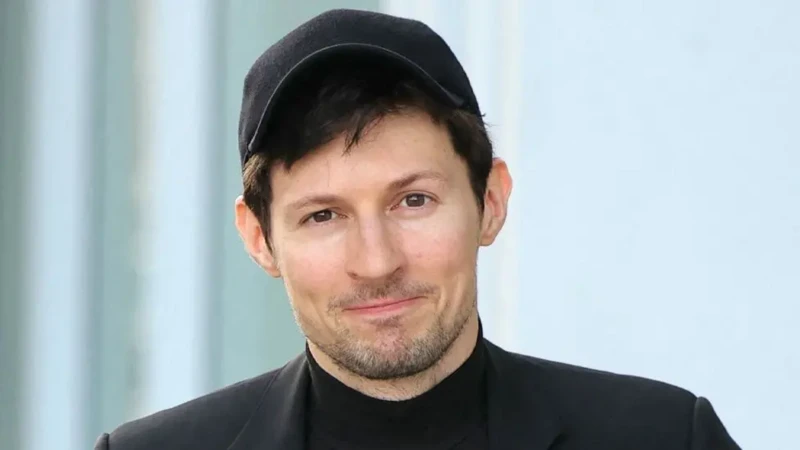
Durov's fortune has almost halved amid Telegram's problems in France and the company's growing debt load. But the businessman has had more difficult times, so he traditionally looks to the future with optimism.
Billionaires of the resource economy
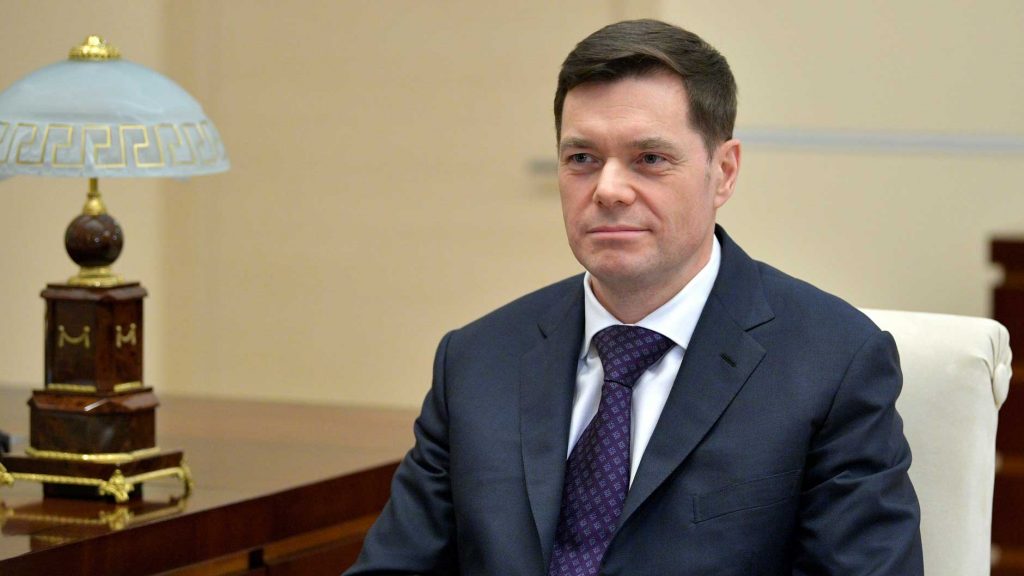
The undisputed leader among industrialists in the north-west is Alexey Mordashov, a native of the Vologda region, owner of Severstal. With a fortune of $37 billion, he topped the all-Russian Forbes rating. Over the year, his fortune increased by $12.3 billion. The growth of capital of Mordashov and his family is associated with rising prices for gold, which is mined by his company Nordgold. In 2019, Mordashov transferred part of the shares of the gold mining company Nordgold and the tourism operator TUI to his sons. Two years later, he regained control of the companies, and later transferred everything to his wife Marina.
Another industrialist born in the northwest is Anatoly Sedykh. With a net worth of $3 billion, he ranks 50th in the Forbes ranking. A native of Zapolyarny, Murmansk region, Anatoly Sedykh owns the United Metallurgical Company. According to its own estimates, just a few years ago the company played a leading role in Russia in the market of railway wheels, truck springs, pipelines for nuclear power plants and thermal power plants, and pipeline connecting parts.
The north-west of Russia is rich in forests. And great wealth is made from it too. A native of Sebezh, Pskov region, Boris Zingarevich and St. Petersburg resident Zakhar Smushkin are co-owners of the Ilim group, one of the largest producers of paper, cardboard and pulp in Russia. The fortune of each of them is estimated at $1.9 billion.
Once a co-owner of the Ilim group was former President Dmitry Medvedev, who was involved in the legal aspects of the company. It is unknown how much the partnership with the future president of Russia helped Ilim’s business.
The North-West is also a fishing industry. Russia's chief fishing industrialist Vitaly Orlov was born in Murmansk. This year, he lost almost half of his fortune: from $2.1 billion, it dropped to $1.2 billion. This is due to the fact that EU sanctions were imposed on the Norebo group of companies, which belongs to Orlov, last year. The company stopped selling fish to the profitable European market, and Norway completely closed its territorial waters to Norebo vessels. Neither China nor the domestic Russian market bring in the same income as they did from European buyers.
Developers from the Northern capital
The second largest city in the country, St. Petersburg, is the birthplace of the largest developers.
The owner of the LSR group, Andrei Molchanov, “stayed with his own” this year - his fortune has been estimated at $1.3 billion for the third year now. Like many on this list, he is connected to Vladimir Putin - his stepfather Yuri Molchanov worked with him at St. Petersburg State University. And the head of LSR himself represented the Leningrad region in the Federation Council from 2008 to 2013. Today his company is one of the largest developers in St. Petersburg.
The fortune of the owner of another large St. Petersburg developer, Settle Group, Maxim Shubarev, is estimated at $1.2 billion. His company is known for large state contracts for the reconstruction of historical sites of the city: the Konstantinovsky Palace, Mikhailovsky Castle, the Arch of the General Staff and many others.
Logistics of big money
A native of St. Petersburg, Vadim Vikulov is one of the largest exporters of Russian grain. His company Aston received the second largest quota for grain exports - more than 2 million tons. However, the businessman has little to do with his hometown. Its activities are concentrated mainly in the south of Russia. Vikulov is a debutant in the rating; this year his fortune increased by $950 million and reached 1.5 billion.
Another St. Petersburger from the Forbes list is Michel Litvak. In the 60s of the last century, his family moved from the USSR to Belgium. He returned to Russia in 1991 as an experienced businessman. He immediately founded the Russkiy Mir company.
Now the businessman owns the OTEKO transport holding, which controls the transshipment of coal and oil on the Taman Peninsula in the Krasnodar Territory. In 2019, Litvak received Russian citizenship. However, he prefers to live in the UAE. His fortune is estimated at 1.4 billion.
Consumer market
Co-owner of the Orimi Trade company, which owns such tea and coffee brands as Greenfield, Tess, Jardin, Princess Nuri, Jockey, Sergei Kasyanenko was included in the Forbes list for the first time this year - his fortune is estimated at $1.1 billion. A stable business almost independent of war and sanctions allowed Orimi Trade to continue to earn money and pay dividends to its owners: Kasyanenko and his business partner Alexander Evnevich have received almost 90 billion rubles in dividends since 2013. Another billionaire who made a fortune in the food industry is Grigory Anikeev. He was born in the Komi Republic, but now represents the Vladimir region in the State Duma from the United Russia party. Anikeev is a newcomer to the list of billionaires, his fortune is estimated at $1.3 billion. He made it in the production of sausages - the company ABI Product, owned by the deputy, produces products under the brands “Vyazanka”, “Hot Thing”, “Starodvore”, “Bavarushka” and “Yadrena Soot”.
Rich widow
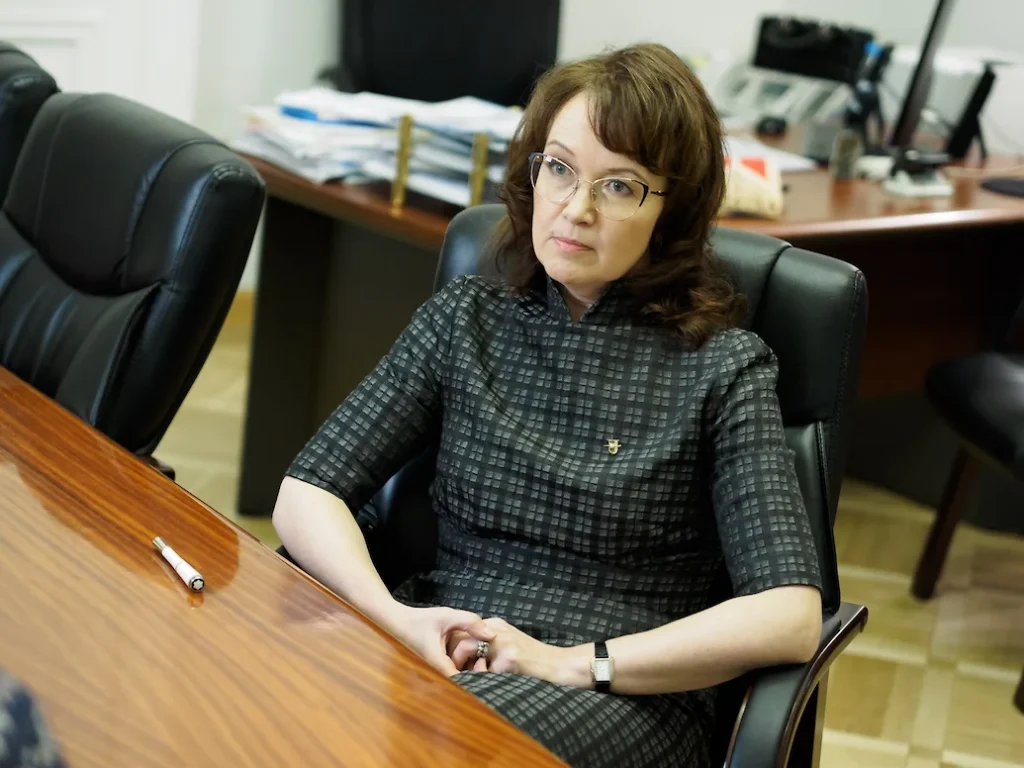
The only woman on our list is the widow of the famous St. Petersburg businessman Vladimir Kogan, Lyudmila. She owns 82% of the shares of Uralsib Bank, which she inherited from her husband. The bank's stake and other enterprises of Lyudmila Kogan are estimated by Forbes at $1.3 billion.
If you look at the list of northwestern billionaires as a cross-section of the Russian economy, then almost all of the largest fortunes turn out to be associated with the same areas: raw materials, infrastructure, exports or the state.
In recent years, some of the heroes on this list have changed their countries of residence and received new citizenships, while others have transferred assets to relatives or faced sanctions. But the model itself has hardly changed. The Northwest continues to produce billionaires either close to the state or around large export markets - from metal and fish to grain and coal. Messengers from this list stand out, but they are also prohibited.
Ilya Krasnov