
Translated material
We moved to South Africa and loved it
Anna Vasilyeva (last name changed at the request of the heroine) lived all her life in Moscow. After the start of a full-scale war with Ukraine, Anna left for Bali, and from there to South Africa, where she no longer wants to leave, despite the remnants of apartheid and the high crime rate. Anna told Kholod about why she and her husband are afraid to walk the streets after sunset, but don’t want to leave - and what South Africa has that outweighs its shortcomings.
There is high crime here, it is difficult to find housing and it is impossible to get legalized. But there are also advantages 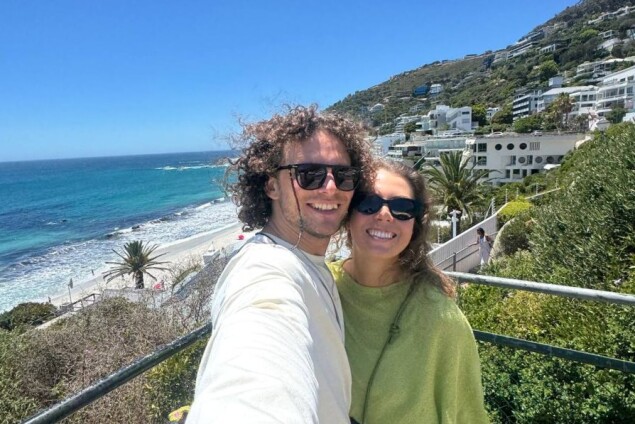
I was born and lived all my life in Moscow. Before Covid, I was organizing tours and photography. Life was ideal: you could travel anywhere in the world for 10 thousand rubles. Now I remember 2018 and shed tears: then Moscow was the most comfortable city to live in. After Covid, the war began, but I didn’t leave right away - I didn’t have such a goal. However, the entire year 2022 was very busy. I didn’t understand what would happen next, and I just decided to go on vacation to Bali for a while. In September, I left for what I thought was a month.
In my first week in Bali, I met my future husband Artem. He, unlike me, did not plan to return to Russia: he is a former military man. We decided to live abroad, although I only had one suitcase with me. As a result, we lived in Bali for about eight to nine months, and I could no longer stay there: I didn’t want to live on the island, I needed a city.
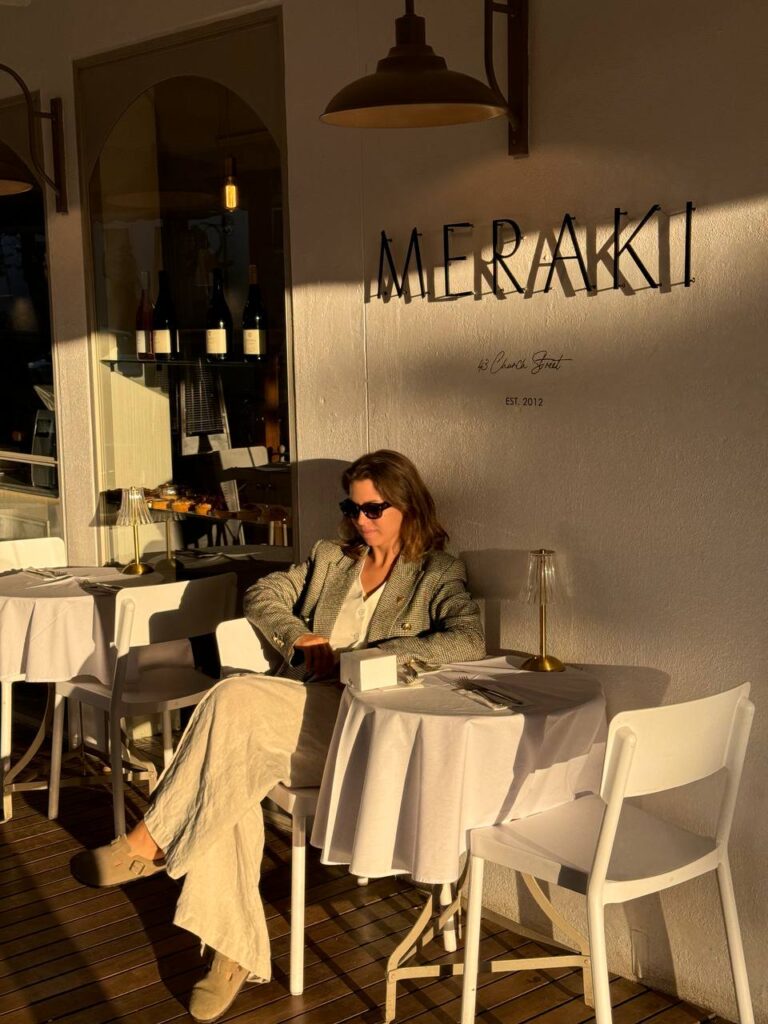
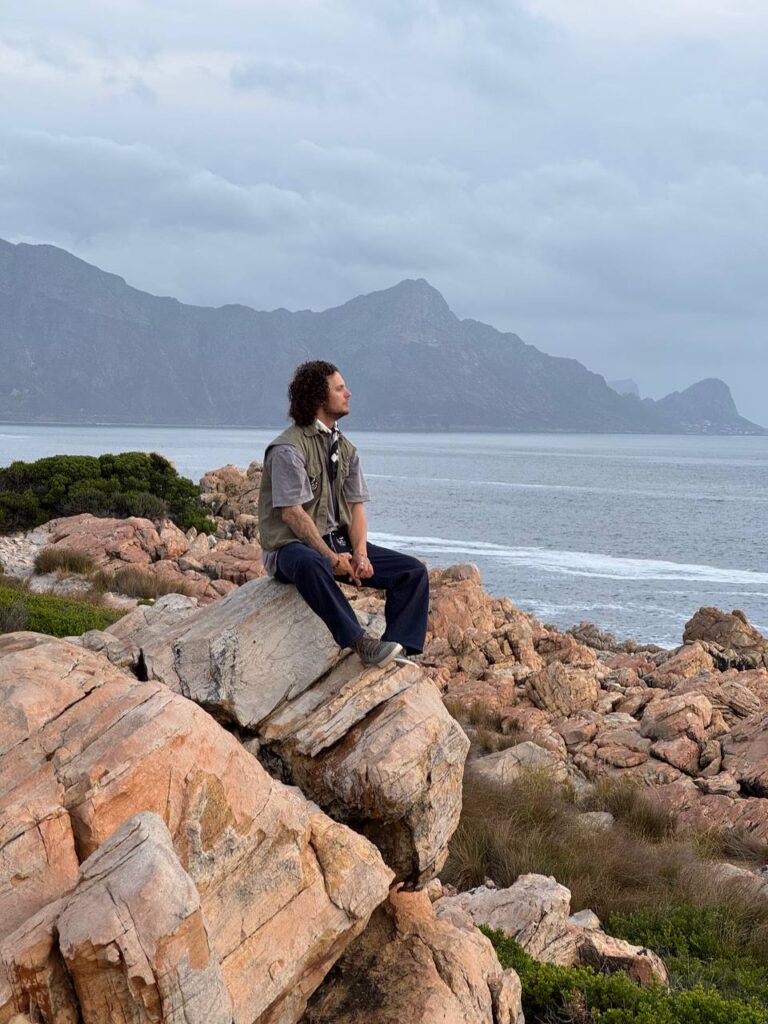
We began to look for a compromise: Artem wanted to surf, and I wanted to be able to dress up and go to the theaters. The time zone was also important: if you work on Moscow time, living, for example, in Latin America would be difficult. Portugal was close to me - I wanted to live there, but with legalization everything was not easy: I would have to work in a European company or lower my level of comfort due to high prices.
I was put off by the level of danger. As a result, the only place where there is both surfing and a big city was Cape Town. Artem persuaded me for a long time, and we decided to try. Then, in 2022, it was as if there were no compatriots in South Africa - I didn’t find a single Russian-language episode on YouTube about Cape Town, and I saw only a couple of posts on Instagram. We tried to search for information on the Internet, but there were only old posts that advised us to stay at home and not go out anywhere. Then I thought: “They probably don’t kill people there. I hope so." I was put off by the level of danger that people were writing about.
Before moving to Cape Town, we were in Kazakhstan - it was great there, a similar mentality, native language, but of course there was no ocean for surfing, as Artem wanted. We also lived a little in Georgia - we almost went crazy there, because there was a lot of negativity, bad food and high housing prices.
In the summer of 2023, I returned to Russia for a short time to thoroughly pack my things. I sold a lot of houses in Russia: I realized that asceticism is a very cool thing.
Hard contrast
In August 2023 we arrived in Cape Town. Russia has a visa-free regime with South Africa; a stamp is given upon arrival. At the airport we were greeted strangely: they said that we had to order a taxi with luggage, but we ordered a regular one.
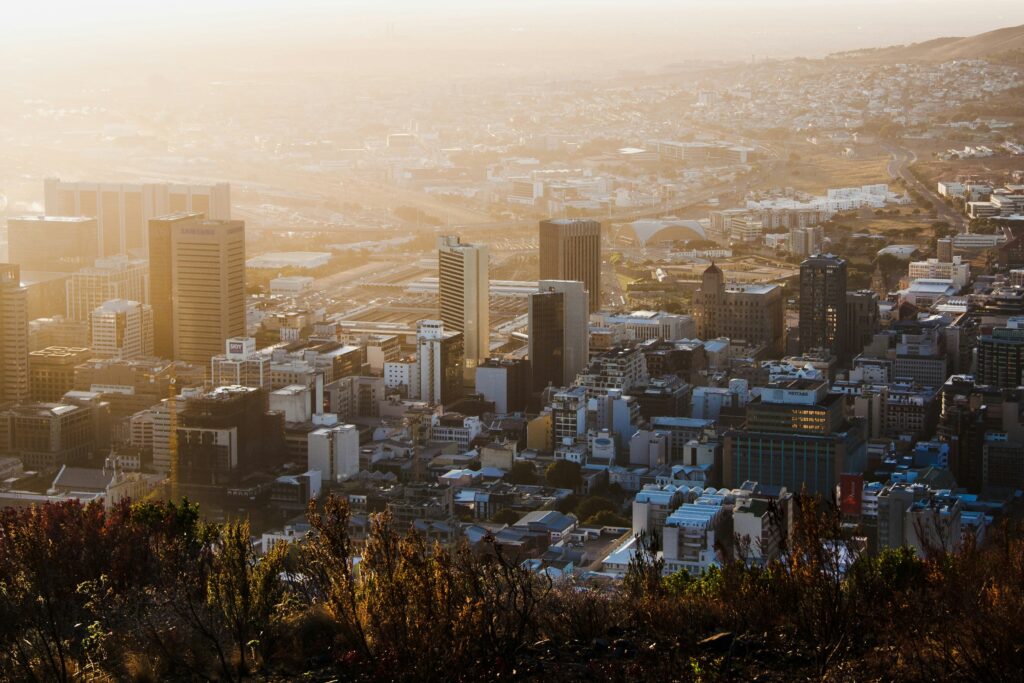
In Georgia, we almost went crazy. At first it was terribly scary: we read on the Internet about South Africa, and it seemed that we would be killed at the very first step. It was scary even to take a taxi. At the same time, it was incredibly beautiful all around: nature, mountains, houses. When we first moved in, I saw an incredibly beautiful sunset.
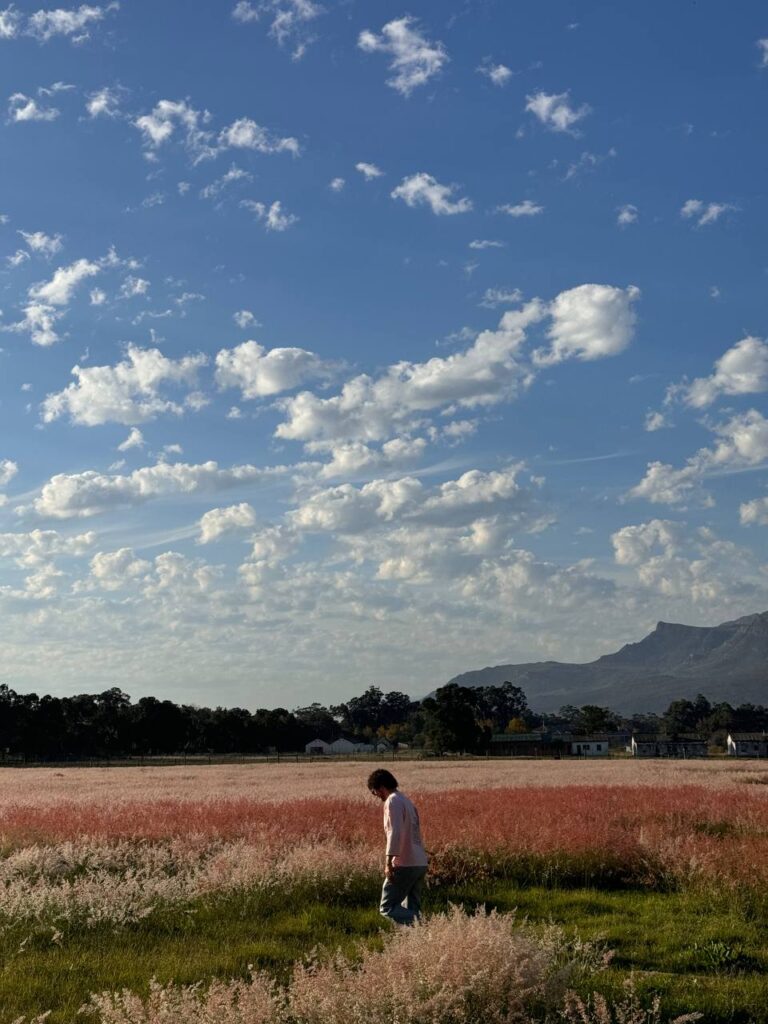
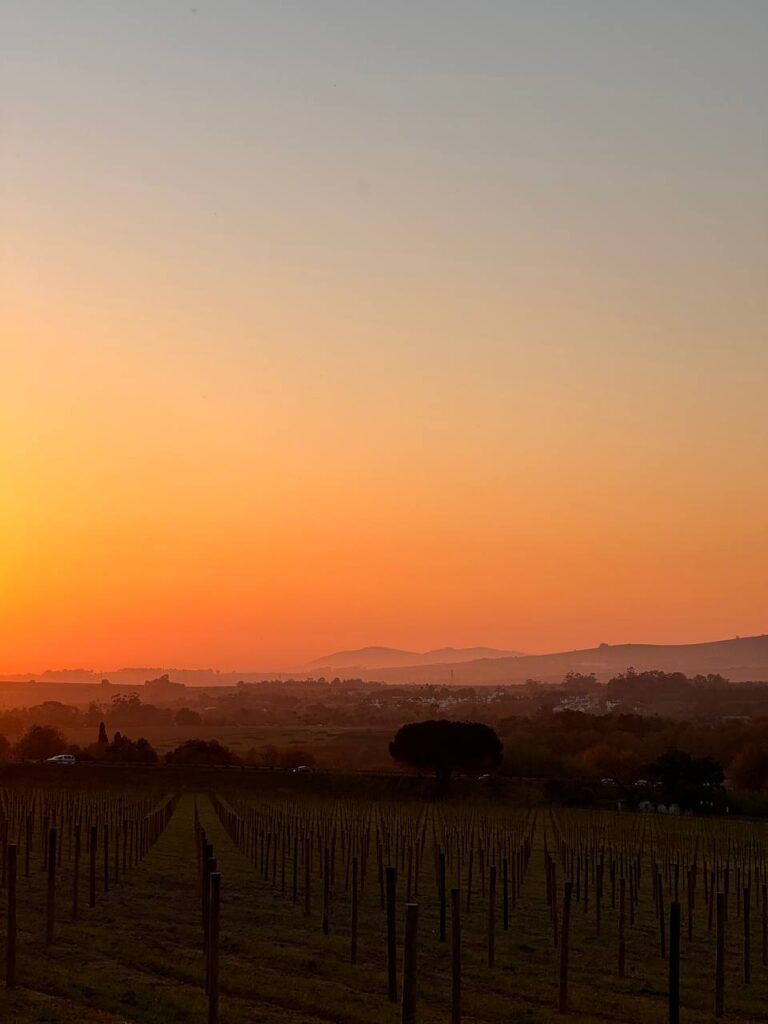
We arrived in the mid-season, when it is still cold in Africa - this is just the beginning of spring (calendar autumn), and in comparison with Georgia, where it was hot, we felt a strong contrast. But there were no problems with choosing housing - we rented a house for $600 a month.
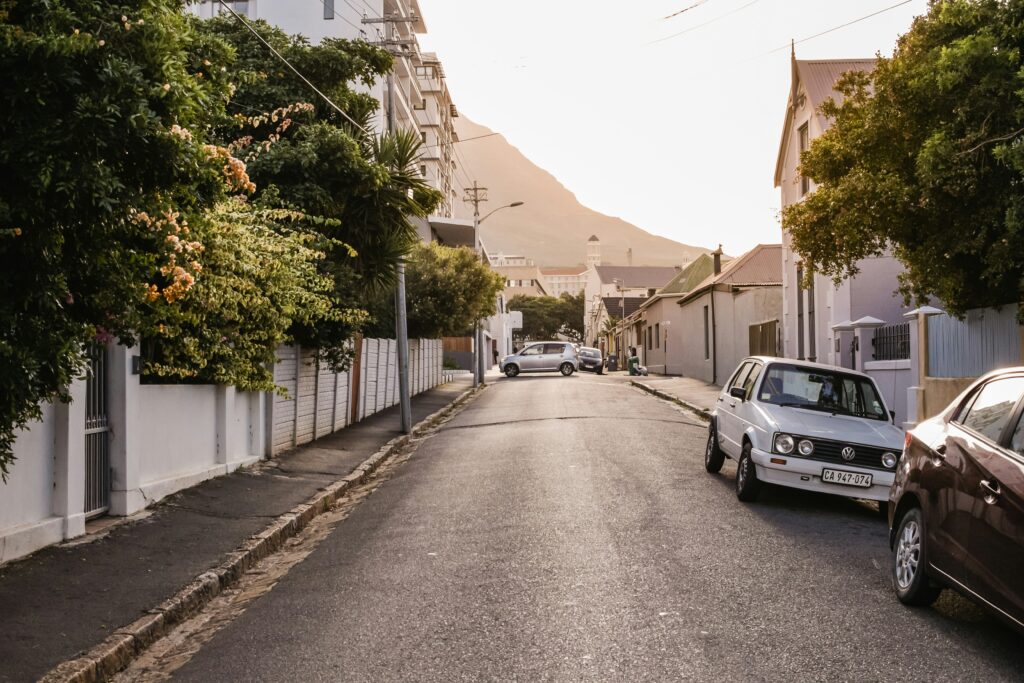
In Africa, after sunset, white people sit at home. In Cape Town, it is very popular to build large houses and rent out some of them. It can be so isolated that you don’t even see the owners: you have a separate entrance and gate. We had a small part of the house: a bedroom, living room, kitchen and bathroom, our own local area and a view of the mountain.
When you're in Cape Town for the first time, it seems like you shouldn't go beyond the fence of your house at all. In the first hours we thought: “What are we doing? In Africa, after sunset, white people sit at home.”
But we got hungry and ordered a taxi. At the first traffic light, a homeless man approached the car - we were very scared. Now we no longer pay attention to such things, but then it seemed that this was a killer who would break our window.
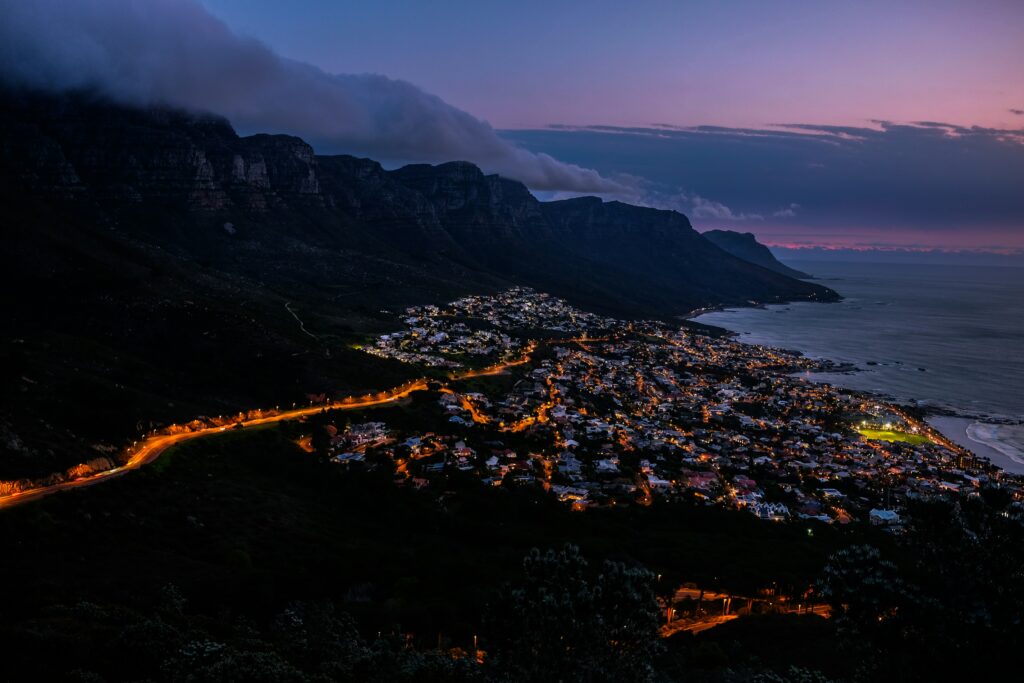
We arrived at a complex with a grocery store, parking and McDonald's, where we planned to eat. The taxi driver dropped us off at the entrance to the grocery store - we only had to walk 300 meters to McDonald's, but we were so intimidated that we didn't go. It was dark, the lights weren’t on—we were afraid to even walk through the parking lot and decided to just buy something at the supermarket.
But when we went to the grocery store, we thought that this was the best store in the world: it had everything and even more. All the products stood neatly on the shelves, arranged by color, there was a lot of fresh herbs, cottage cheese and sour cream, all types of coffee and cereals - even buckwheat.
We thought: “Are we really in Africa now?” It was a very stark contrast to our previous mood.
Fierce heat and ideal products
For the first year of living in Cape Town, we were in limbo and moved every month from one temporary housing to another - we found it either on Airbnb or through locals. It seemed to us that we would soon fly away from there. We even had plans to go study other countries, but after a year we decided that we would stay. By that time we had settled down: we had acquired our things and began to feel at home. Initially, we only had a suitcase, but now we have 12 huge flowers, a bicycle and a car.
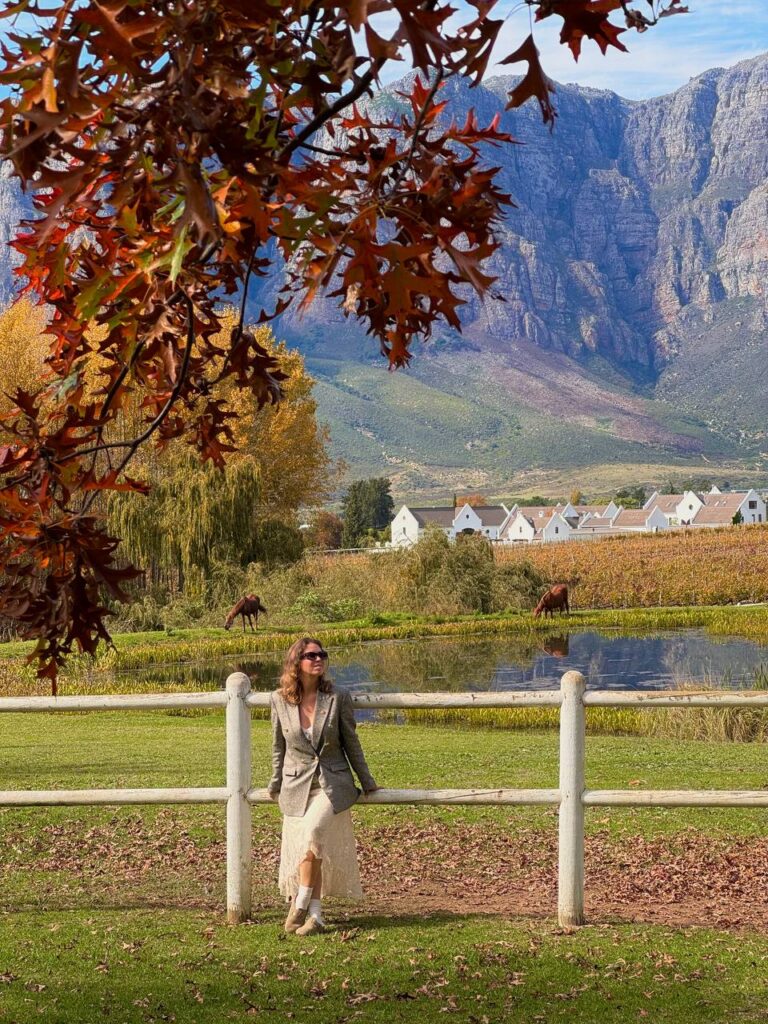
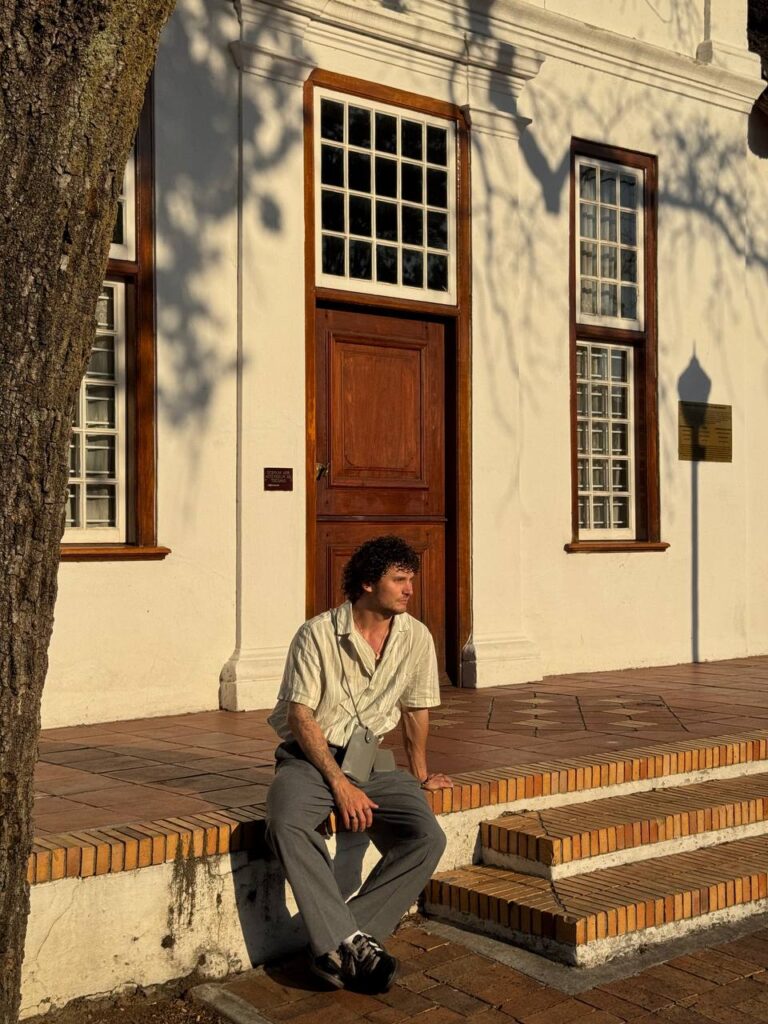
We bought a car a year after moving, and it became an anchor for us. In 2023, it was very difficult to find a car, but now the Russians have already opened car sharing here. At first we had a cheap and old manual Hyundai Atos. It was difficult to drive without an automatic transmission - and also with left-hand traffic and mountainous terrain: sometimes you stopped on a slope and were supported from behind.
$5000 costs the basic minimum in Cape Town for two people. We also decided to stay because we really liked the nature in Cape Town. This city combines a lot of things: there is the light charm of Europe, mountains that can be seen from the window, beautiful sunsets and the ocean - it’s only 10 minutes away.
From December to February it is fiercely hot here - the further you are from the ocean, the hotter it is. The maximum temperature is 35–37 degrees depending on the area: for example, in the city of Stellenbosch it can be 40 degrees, and 50 kilometers later in coastal Hout Bay it is only 25. Along with high temperatures come strong winds and frequent forest fires - because of this, everything is hazy and smog. I don’t really like the heat - I like the local winter, when it’s cool and rainy. This season is similar to Russian autumn, and at night in July it can be -2 degrees.
The high quality of the products was also important to us. This was especially noticeable in contrast to Georgia, where the food supply was not very good - for example, frozen cottage cheese was sold there. In Africa, the food is very good: any avocado is perfectly ripe, any fresh orange is perfectly tasty. True, the quality of food in restaurants varies: in one place it will be great, in another - not so much.
For the first time I saw that gasoline became cheaper
Over the three years of living in Cape Town, our expenses have increased significantly - now the level that we had at the beginning for two thousand dollars a month can no longer be maintained. I work here as a photographer and blogger, Artem is a remote worker.
I calculated our expenses for December - it turned out to be about five thousand dollars for two, excluding expenses on gifts. This includes housing, car maintenance, groceries, utilities, internet, telephone and entertainment. This is the basic minimum to feel good in Cape Town and not live in a barracks. However, you can also get a little worse: renting a car is cheaper, living in an apartment, going to the grocery store is easier. If you have children, you will add expenses for school - English or German will cost several thousand dollars a month.
But there are also advantages: there is no increase in prices for gasoline and food, but it happens the other way around. For example, gasoline was 22 rand, but in December-January it became 20 - that’s less than 100 rubles. For the first time in my life, I saw that gasoline was cheaper than yesterday. However, the war in the Middle East drove up prices and at its peak a liter cost R30.
Everyone knows about the increase in the cost of gasoline in advance: the authorities publish an official document, after which sellers can raise prices. In Russia they change almost every day. Now gasoline prices have returned to approximately the same level, although the day before the sharp increase there were huge traffic jams at gas stations - in some places they even stopped selling gasoline or only gave a maximum of 30 liters per person.
Despite the relative availability of fuel, flights within Africa are very expensive. When I flew to Victoria Falls for a day in Zimbabwe, I paid $600. Compared to Latin America, where flights cost $30–50, it is expensive and long. In addition, there is nowhere to fly - the choice of countries is small, and flying, for example, to Morocco costs incredible money, because there are no direct flights.
## Expensive and empty housing
Our biggest expense item is housing. Over three years, prices have risen and become hellish. Now the same house that we rented at the beginning for $600 a month will cost about three to four thousand dollars during the season. Some tourists say they pay $1,800 a month for a studio in the center.
Rent of a studio could cost $1800 per month. For example, my friends rented a two-room apartment with windows facing the courtyard, with old furniture and mold from humidity for four thousand dollars. When I hear about such prices, I think that I should have bought real estate: here they make money on renting out housing any way they want.
We really had thoughts of buying a house, but it is very difficult to withdraw money to South Africa due to strict monitoring. And when buying real estate, you are not guaranteed either a residence permit or permanent residence. Buying a house without documents carries huge risks and you may at some point be denied entry.
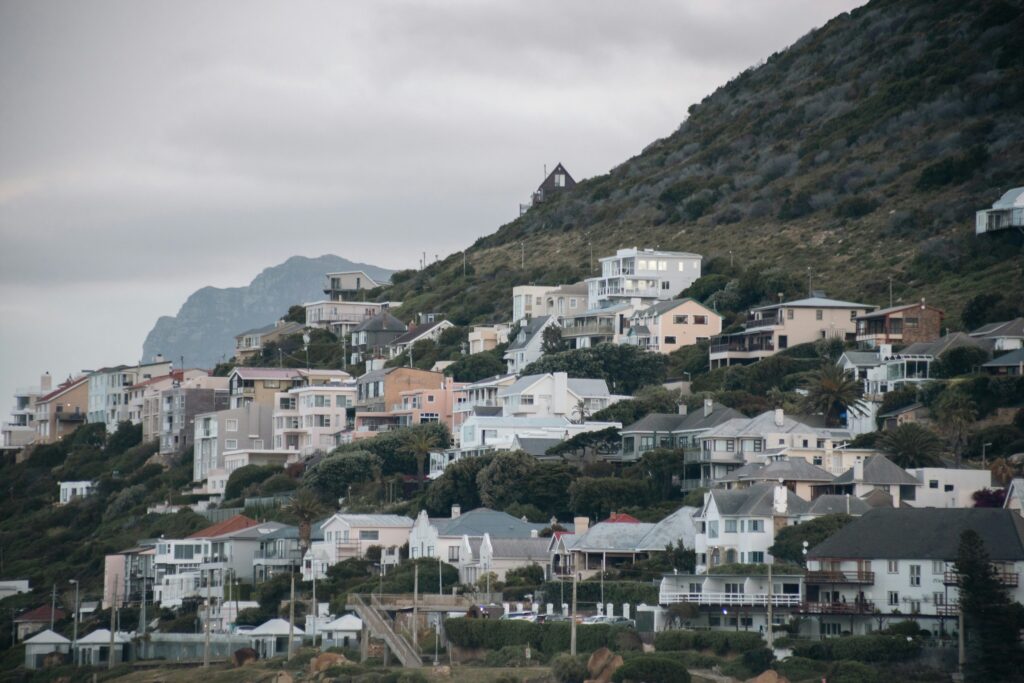
The problem is not only the cost of housing. The search itself is a big pain. Tourists most often look for accommodation on Airbnb, but the prices there are crazy. It’s hard to find long-term housing because the market is small: there are few offers, and demand is very high. In addition, we start from the area: in South Africa it is very important to choose a safe one.
Housing here is rented without furniture and a kitchen: no stove, no refrigerator, no washing machine - at best there will be a countertop. You just move into an empty box, and you need to buy everything for life. Rare furnished options were rented out only for a short period of time: five to six months, while the owners left for a while.
Buying furniture is expensive, so we had to look for temporary options. First, we found an ideal temporary option, and then we moved into a house with furniture, in which we have been living for a year and a half. It is located in a suburb like Zelenograd in Moscow, and costs us $1,600. If you look at areas closer to the center, prices can be five to ten thousand dollars. And when the contract is extended, the price necessarily increases.
Old order
In South Africa we communicate mainly with Russian speakers. Making friends here is difficult: the distances are long, people live in different areas, and many come for a short time. In the first year we became friends with one couple, but they moved away. There are those who live here for a long time with children, but they seem to be separate clans.
As a photographer, I have enough communication with clients on set, but Artem was sad at some point. There are acquaintances and friends, but there will be no close friends.
In South Africa there is a strong division between blacks and whites. Only 30 years have passed since the abolition of apartheid - this is very little, only a few generations have changed. They won't throw tomatoes at you for being white, but the gaps in education and access to jobs still exist.
What is the policy of apartheid? Apartheid policy was a system of racial segregation in South Africa from 1948 to 1994. For most of this period, people of different races were settled in different territories: the word "apartheid" from the Afrikaans language spoken by the white colonists can be translated as "separation." Although, according to the 1946 census, almost 70% of the population of South Africa was black and only slightly more than 20% white, almost all major cities were classified as “white South Africa”: representatives of indigenous peoples could only get there with a special pass as low-skilled labor.
Blacks were prohibited from living in the same areas as whites, studying together, being treated in the same hospitals, and having sexual contact with them. Africans, mainly belonging to the Bantu peoples, had to live in special reservations - Bantustans .
Black South Africans actively resisted apartheid. The leader of this movement was Nelson Mandela - later one of the most famous political prisoners of the 20th century, who spent 27 years in prison. In 1990, the white president of South Africa, Frederik Willem de Klerk, released Mandela, after which he became vice president of South Africa, and in 1994 he replaced de Klerk as president. The apartheid period ended, after which the country experienced an economic decline and a sharp increase in crime. At the same time, in many areas, the superiority of the white population still persists: for example, the average income of a white family is five times higher than that of a black family.
We do not feel direct aggression or discrimination. But it looks strange: you, a white man, are sitting in a restaurant, and a black man is working as a servant. It's as if nothing has changed.
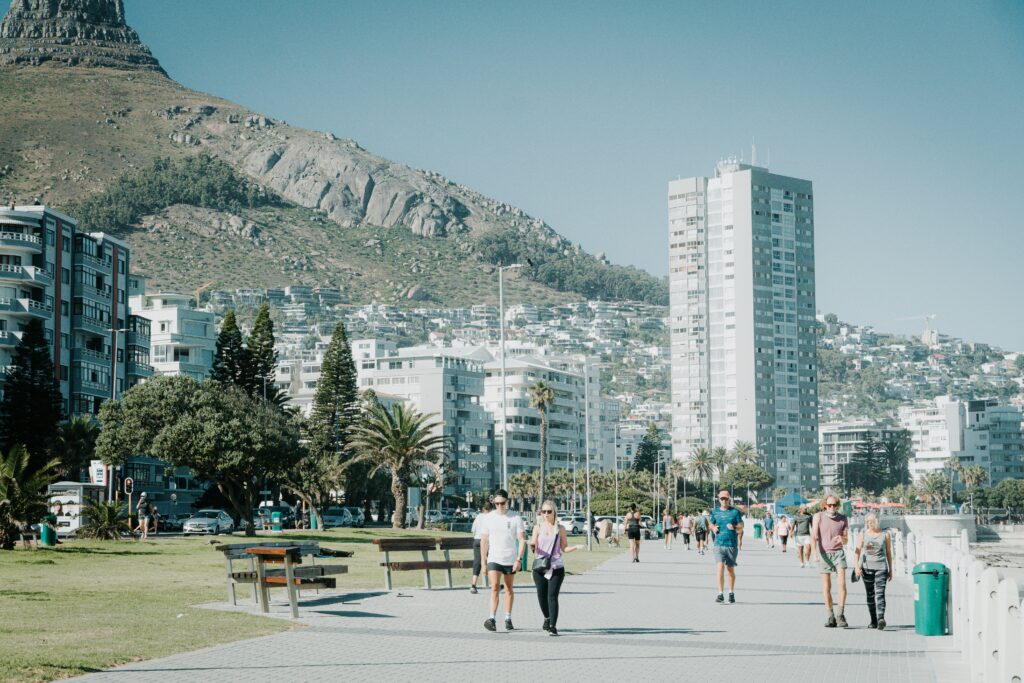
Now, according to locals, it is easier for a black to get a job than for a white, which is why many whites are leaving the country. The white population is about 8–10%, but owns 90% of the land and resources, all the wineries and expensive houses. There are rich blacks, but it's less than 1%.
You can't let your guard down
Cape Town has poor urban infrastructure: there is essentially no public transport. There are only electric trains and one bus, but only people from the poor, who are dark-skinned in this country, travel on them. It is considered unsafe for us to ride them.
In general, in terms of infrastructure and security, there is a big contrast between the regions. Those areas where mostly richer whites live are clean, tidy. Neighborhoods where predominantly black people live tend to be dirty and full of trash. Yesterday I came to such an area: due to the strong wind, garbage simply flies away. And after five minutes by car - it’s already a normal place. There are a lot of such contrasts in Cape Town.
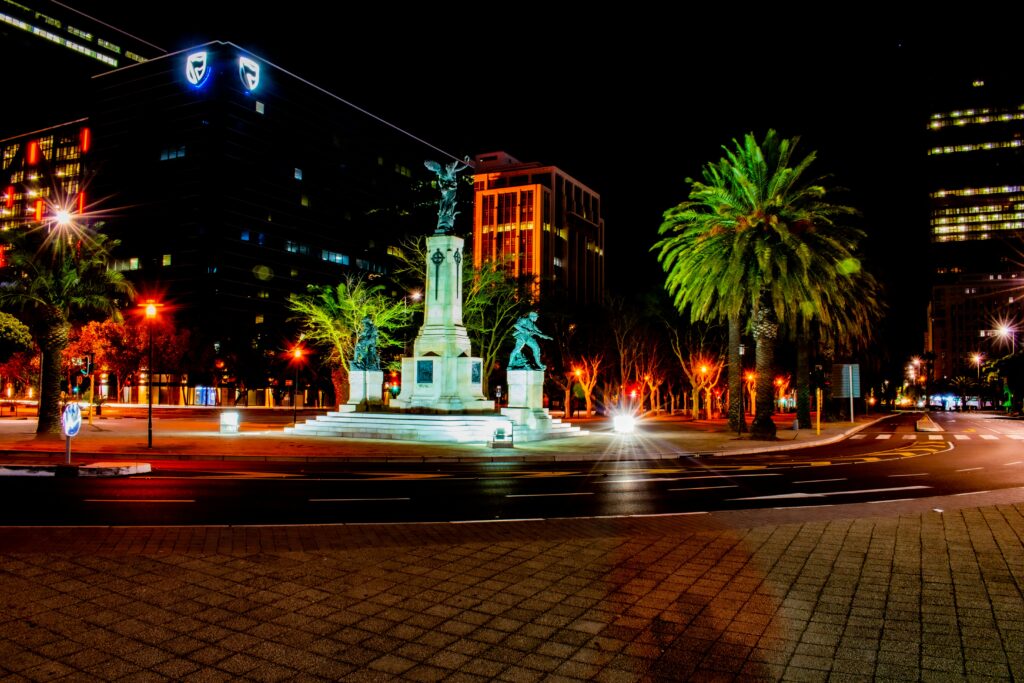
Crime here is not a myth. In our area, houses were recently robbed, although security guards are there around the clock. Tourists often talk about how their car windows were broken, their phone was stolen, or they were approached with a knife on the street. After almost three years of living in this city, we realized that you cannot stop being afraid, otherwise you will relax, lose your vigilance and may put yourself at risk.
Basic safety rules - do not go out on foot in the evening, even from the car to the restaurant. I practically never walk - I always go by car. Don't attract attention with a phone sticking out of your pocket. If you put your phone on a tripod outside, it will definitely not remain. But there is no such thing as people coming up and threatening me with a gun.
Catching Zen
You can only make an appointment with a doctor two weeks - or even more - before the appointment date. We are already getting used to this and catching zen. For example, now we are planning a wedding, and contractors may not respond for three days. I used to be furious, but now I understand that the person is busy - the locals respect themselves very much.
Women's clothing is bright colors and designed for large butts. All medicine is in English - this is one of the official languages. There may be a beautiful clinic overlooking the ocean like in American films, but in the doctor’s office there will be carpet on the floor, and open vaccines and syringes on the table. Our Russian doctor would simply turn gray from this. At the same time, all medicines are sold only by prescription: even a canister for asthma cannot be bought just like that.
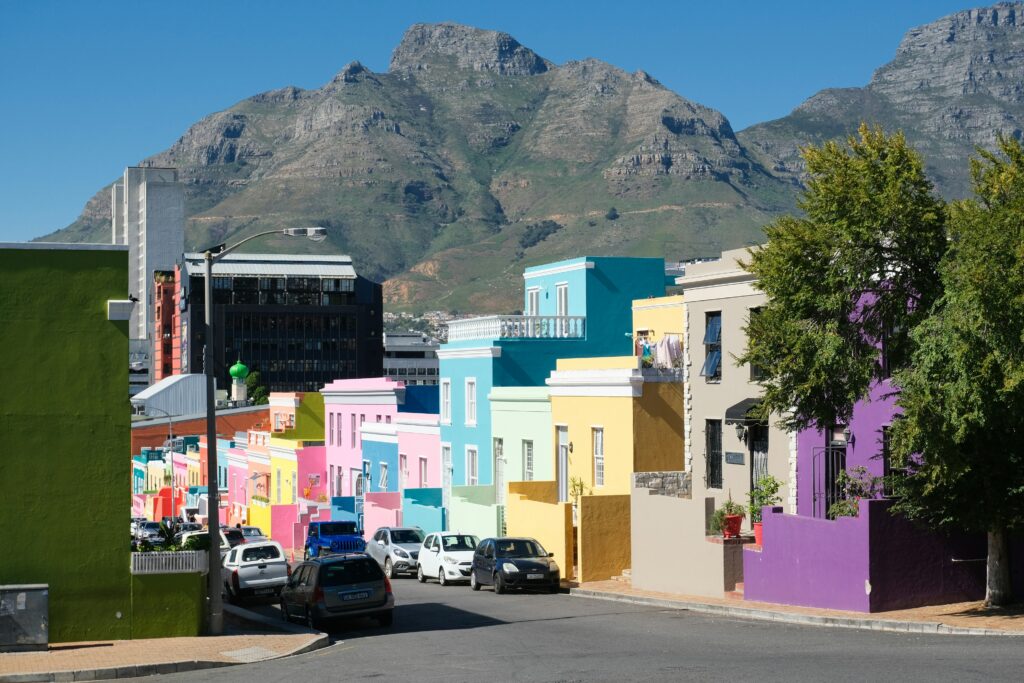
On Sundays, shops close at 12 noon - except in the center and other tourist places. When you are used to a comfortable life in Moscow, you have to adapt. There is also no fast delivery, so everything has to be taken more simply. If you suddenly run out of eggs, then in 10 minutes no one will bring them to you.
There are only two large shopping centers here, one of which is very touristy, where you will always hear Russian speech. The entire mass market is African: women's clothing is brightly colored and designed for big butts. All collections are also African. It’s difficult for me to compare with Russian prices, I don’t know them, but, for example, I bought a linen dress for about 10 thousand rubles.
When my clients ask where to buy things in Cape Town, I answer: “Wildburys”. In fact, in Russia there is now easy access to a lot of things.
It is impossible to legalize
Now I don’t know where we will live in a year or two. Вопрос с визами остается подвешенным. Легализоваться хочется, но как — непонятно. В ЮАР это сделать сложнее, чем в Европе: в страны ЕС россиянам хотя бы можно получить визу, а тут таких кейсов просто нет. Все, кто живет здесь, либо состоят в отношениях с местными, либо въезжали по безвизу.
Мне кажется, существование ВНЖ в ЮАР — лишь слухи, потому что люди могут жить тут по 15 лет, так его и не получив. Дело в том, что в ЮАР жесткая миграционная политика, потому что вокруг много бедных стран, откуда едут мигранты. Рассказывают, что, когда на Рождество хуже работал миграционный контроль, в страну прибежало 40 тысяч человек (число нелегальных мигрантов в ЮАР оценивается в три миллиона человек, это около 5% населения страны, при этом депортировать удается не более 50 тысяч человек в год. — Прим. «Холода») . С визами жестко: власти не хотят, чтобы в стране жили даже те, кто приносит деньги.
В теории можно получить учебную или пенсионерскую визу (специальное разрешение на проживание для пожилых людей с доходом свыше 2,2 тысячи долларов в месяц, которые хотят переехать на длительный срок. — Прим. «Холода») . Мы не попадаем ни под один из критериев для этих виз, да и не знаем кейсов, чтобы кто-то официально здесь что-то получил.
К тому же нам мешают и проблемы с жильем: если мы уедем на время, придется искать дом заново. С субарендой здесь сложно: если узнают, что ты сдал съемную квартиру, тебя могут просто выписать из контракта. Мне не хотелось бы переезжать и заново привыкать к месту — это сложно.
Автор: Маша Матвеева
Фото: предоставлено Анной