
Translated material
Neo-Nazis who killed dozens of people escaped severe punishment
Artur Ryno and Pavel Skachevsky became famous in the late 2000s when they were caught and convicted of brutal murders. They chose their victims at random: they attacked people of non-Slavic appearance in Moscow. They acted mercilessly: they cut off the ear of one of the dead, having previously stabbed him more than 50 times. However, despite the number of crimes and their cruelty, they could not be sentenced to life imprisonment. Ryno came out in 2017 and now runs a business in the center of Moscow. “Cleansers of the city” - in the material “Cold” .
They attacked people to “cleanse” Moscow 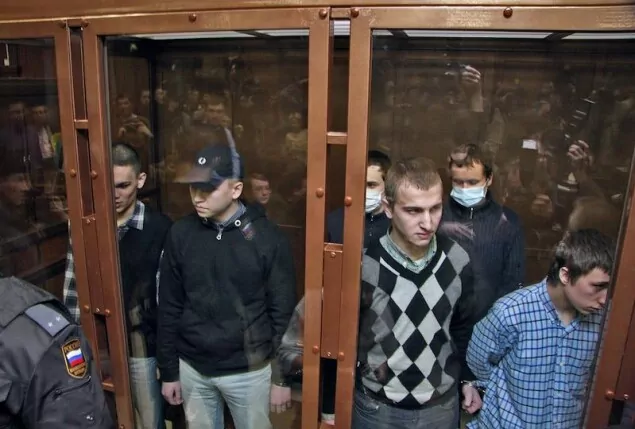
On the site you can also see the works of masters and read friendly reviews. The owner of the studio is Arthur Atman, a master with 10 years of experience . He tells himself that he worked in a tattoo parlor in Yekaterinburg, and moved to Moscow in 2017.
However, Arthur's real name is Ryno. And in fact, this is a brutal killer, responsible for at least 20 deaths.
Strange child
Arthur Ryno was born in Yekaterinburg in 1989 into a family of artists. The father, a Chukchi by origin, abandoned the family shortly after the birth of his son and died almost immediately - allegedly crashed in a car. He was only 24 years old.
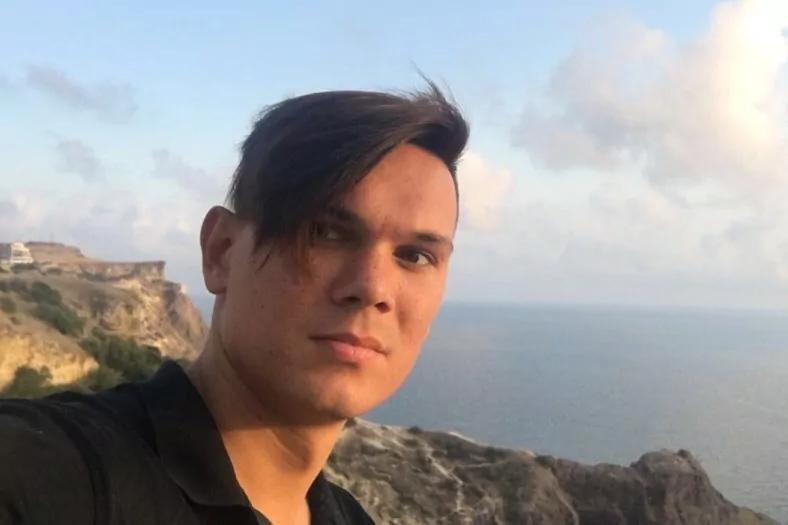
Arthur was raised by his mother Svetlana. She worked as a methodologist in the cultural department of the Yekaterinburg diocese of the Russian Orthodox Church and at the same time taught fine art in several schools. There she organized exhibitions for children and took them on excursions. Friends said that Svetlana is a talented artist.
At the same time, Svetlana was described as a very authoritarian woman. One of Ryno’s class teachers noted that she always walked next to her son and was aware of what was happening to him.
Friends said good things about Arthur himself: they called him quiet and calm. Neighbors trusted him and often asked him to look after their children. According to them, he knew how to cook and even canned vegetables himself.
Arthur changed several schools. From fifth to ninth grade he studied at school No. 148. The director of this school, Tatyana Surmyatova, described him as a strange, but not cruel child.
“I still remember him: a tall, awkward teenager, quiet and unsociable. But there was no aggression or cruelty in him,” said Surmyatova.
Surmyatova also recalled that Arthur often broke his hands, at least four times in four years. One day a boy walked in a cast for a very long time. When asked why it had not yet been removed, he replied that they had lost the insurance policy and he could not go to the hospital. Then the director called Svetlana and asked her to restore the policy and take Arthur to the doctor.
Ryno studied poorly and often missed classes - both at school No. 148 and at school No. 119, where he went for only a month in the tenth grade. The director of school No. 119 said that he tried to make friends with his classmates, but they did not support him and did not accept him. As a result, a “conflict situation” arose in the class, and Arthur had to leave. The director did not say what exactly happened.
Disputes also arose at school No. 166, where Arthur studied in grades 10–11. There, Arthur’s mother Svetlana worked as an additional education teacher. According to Ekaterina Zyrina, Ryno’s class teacher, he often missed lessons, but his mother knew everything and brought certificates.
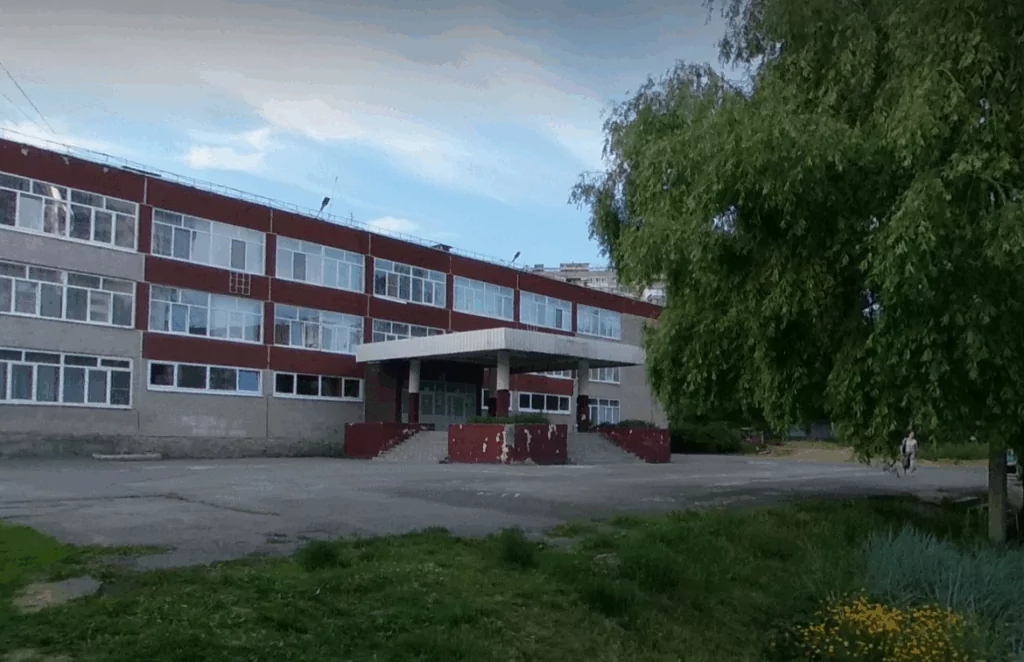
She also said that Arthur always sat alone at the last desk. The class was humanitarian: 17 girls and he was the only boy. Colleagues suggested transferring him to another class, but his mother was against it. After classes, Ryno left, although the class was very friendly: they often met after classes and went to discos together. Arthur did not take part in any events.
“He gave the impression of an intelligent, kind boy. He was not arrogant, he was not cheeky. Besides, my mother was always there…” said Zyrina.
In his senior year, Arthur changed dramatically in appearance: he shaved his head, began to wear a black bandage and black gloves. Then he got into a fight with someone and received a head injury. Then Artur Ryno’s lawyer will tell you that he had conflicts with people from Chechnya who “tried to put the entire school under control.”
“Arthur opposed this, for which he was severely beaten by Chechen teenagers and ended up in intensive care,” said Artur’s lawyer Artem Timushev.
Arthur passed the exams in a gentle manner: only presentation and algebra. After school, he followed in his parents' footsteps and went to art school. The mother decided that her son needed to go to Moscow. “It was clear that my mother was very eager to go to Moscow and wanted to take her son with her,” Zyrina explained.
Icon painter
In 2006, Arthur Ryno entered the Moscow Art School of Applied Arts to major in icon painting. At first he lived in a dormitory with his peers. Arthur's mother wanted to live with him, but the school administration did not allow it. Later, Svetlana moved to an apartment in the very center, on Smolenskaya embankment.
What was Moscow like in 2006? The city was rapidly growing rich, being built and requiring cheap labor. The capital has turned into a huge melting pot. Thousands of migrants from Central Asia and Transcaucasia arrived daily at construction sites, markets and taxi services.
But Moscow was not hospitable. The city was suffocating in traffic jams, spontaneous trade and sharp social stratification. On the outskirts, in depressive bedrooms and industrial areas such as Golyanovo, Biryulyovo or Vykhino, a generation of young people grew up who felt like strangers.
They went to right-wing processions - Russian marches. They shouted slogans “Russia for Russians”, united into nationalist groups, and the most radical ones attacked migrants in different cities of the country. And besides, they filmed it on video. All this happened with at least tacit consent, and even with encouragement from the authorities.
At the school everything was the same as at school: Arthur was described as a strange, slightly sick and kind guy. The director later recalled that Arthur spoke about “those who came in large numbers,” but “without malice, without cruelty.”
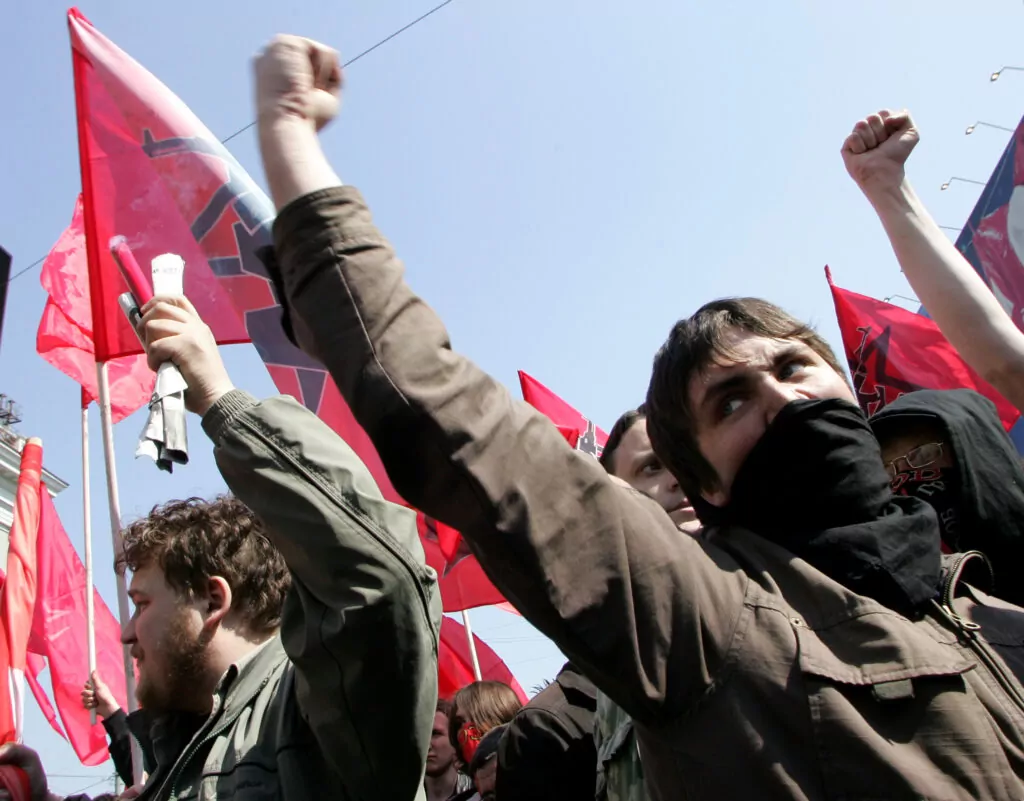
Only one episode from life at the school shows what cruel words Arthur could say. Joseph Braslavsky, a teacher at the school, recalled this. According to him, over the years of teaching, he had the desire to hit a student for rudeness only once - in a conversation with Ryno.
“I scolded him for breaking the rules in the hostel: the boys made a hole in the balcony so that they could climb in at night. And he says to me: “What’s your business? I’ll light another candle on your grave,” Braslavsky said.
Teachers and classmates did not know what Arthur did in his free time. Like many at that time, I went to Internet cafes and sat on forums. And at some point he met a man with whom he would commit his most terrible crimes.
"Happy Walks"
His name was Pavel Skachevsky. He was a young Muscovite, in 2006 a second-year student at the University of Physical Education and Sports, a skier. His father, a security guard at a private security company, was also fond of this sport. Pavel graduated from school with a gold medal, he had a category in alpine skiing.
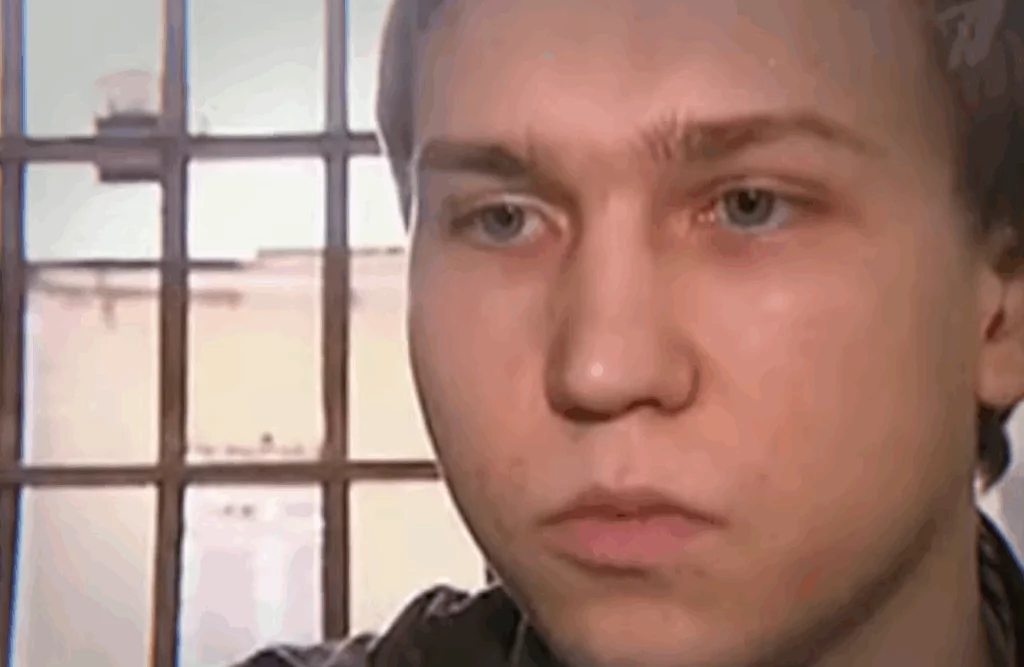
Friends called him kind, sympathetic and serious. He took part in the annual Moscow student games, and also served as a judge in children's sports competitions. The organizers noted his judging as very good.
Investigators would later say that Arthur and Pavel met at a football match. When exactly this happened is unknown. But they didn’t become friends because of football or love of learning. They were united by the ideology of “cleansing the city.”
At the end of the summer of 2006, at the Cherkizovsky market, they showed for the first time what they were capable of. It was a huge complex of retail outlets, the size of the entire Arbat district. Almost half of the workers there were migrants, so he was an excellent target for neo-Nazis.
On August 21, 2006, a bomb exploded in the market there. As a result of the explosion, 14 people were killed and 47 were injured. On the same day, one merchant from this market - Chinese Shibo Zhao - was beaten and stabbed several times by someone. The whole event was filmed and posted on the Internet. The video was called “Happy Walks.”
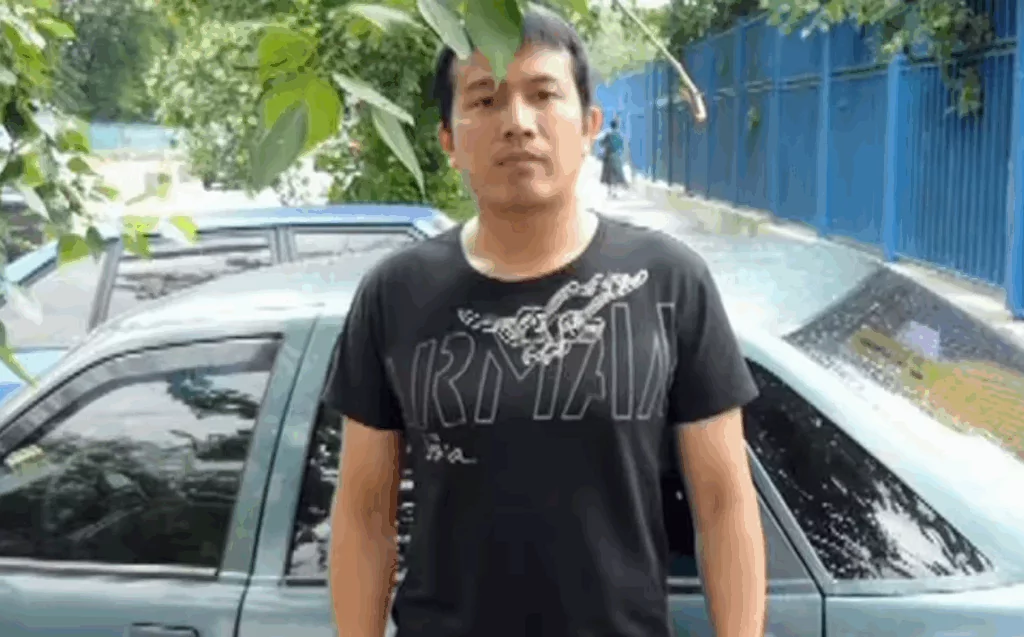
Despite being stabbed in the chest five times, Zhao survived, and law enforcement began searching for the perpetrators. Soon the mastermind of the terrorist attack was found - it was neo-Nazi Nikolai Korolev from the SPAS organization. It turned out that its members had previously attacked foreigners: in April they killed an Armenian teenager in the subway, and in May they killed Chinese businessman Li Zhiwei. However, if the explosion was the work of SPAS supporters, they had nothing to do with the beating of Shibo Zhao.
Investigators began to search further. Videos of the attack on Shibo Zhao were posted by a user with the nickname “White Wrath.” But the search was complicated by the fact that he sent the video not from home, but from an Internet cafe. In the 2000s, for an hourly fee, visitors could play video games or communicate virtually, which the slow home Internet often did not allow. In addition, this made it possible to remain unidentified by IP address.
Only a few months later it turns out that Shibo Zhao was beaten by Ryno and his friends.
Football fans
Ryno and Skachevsky were not the only members of the gang. For example, a young girl named Svetlana Avvakumova entered there, and she filmed a video called “Happy Walks.” Later, she managed to avoid prison - she was acquitted, as was another gang member - schoolboy Nikolai Dagaev - he was also in the company that attacked Zhao. The names of three more participants in the “Joyful Walks” could not be established.
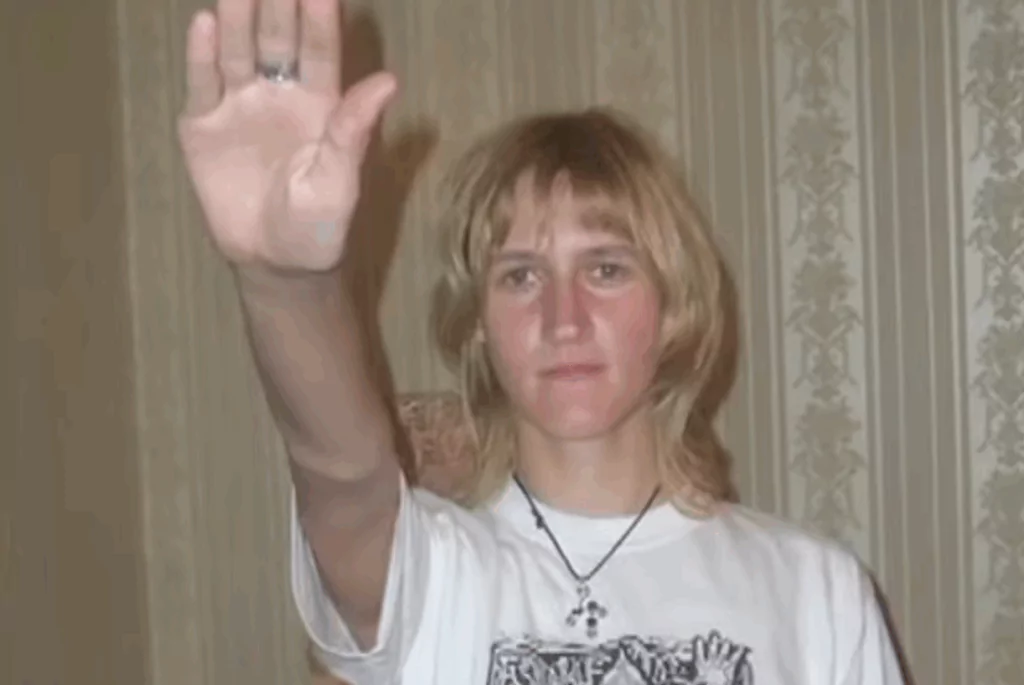
Avvakumova said that soon after the publication of the video she broke off all relations with Ryno and Dagaev. But Arthur quickly found new like-minded people. His battle group included Ivan Kitaykin, a loader at the Bratislavskaya fair, Alexander Anikin, a freshman at the Industrial Academy, Vitaly Nikitin, a salesman, and also college students Roman Kuzin and Denis Lavrinenkov. All of them, according to investigators, were football fans and attended rock concerts together. Then, in preparation for the attacks, they communicated via email.
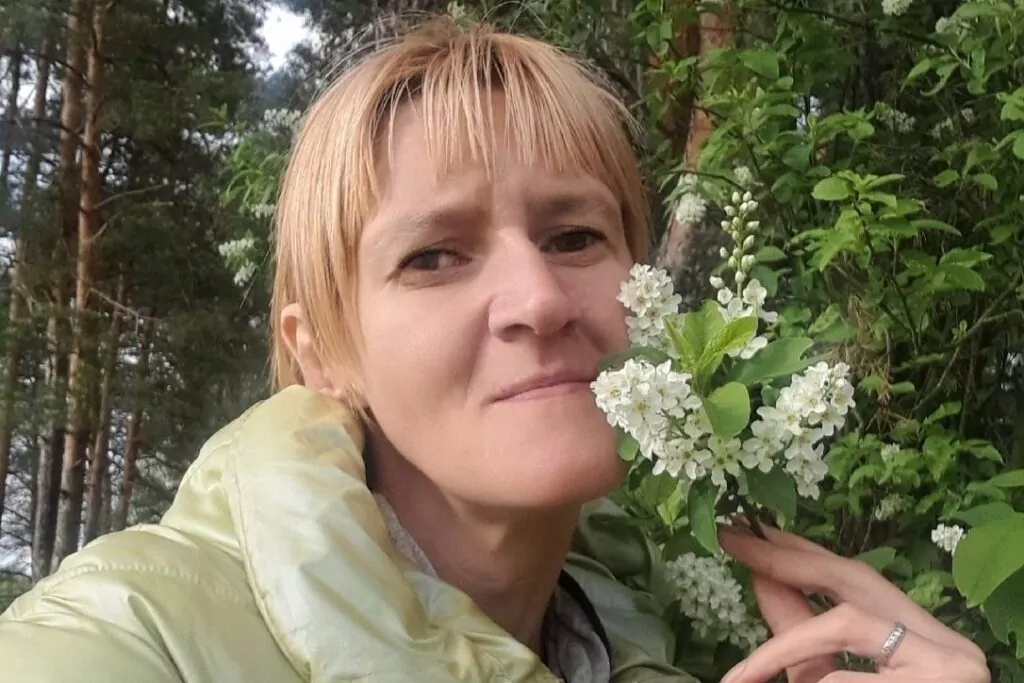
What happened to Avvakumova? Svetlana spent 10 months in a pre-trial detention center and then was released. After this, she joined the Slavic Union, a neo-Nazi organization that was banned in 2010. And then she decided to become a municipal deputy from the Communist Party of the Russian Federation, but failed.
Then Svetlana decided to engage in human rights activities: she joined the Russian Human Rights Committee and fought for the rights of “prisoners of conscience ” - the same nationalists who killed migrants.
Little by little, Svetlana’s political activity faded away. Now she posts conspiracy theories on VKontakte. The Kholod journalist asked her for a comment, but she simply blocked her in response.
To make it difficult for witnesses to identify them, gang members went looking for victims with their faces covered, wore reversible jackets, or tried to take a second set of outerwear with them. Over the course of several months, starting on August 21, 2006, they, according to investigators, committed a total of 32 attacks and murders.
The nationalists inflicted dozens of stab wounds on their victims. They did not kill women and, according to investigators, “were proud to be such knights.” But one of the killed (journalists at the trial recorded only his last name, Azimov) was stabbed 56 times. And then Ryno cut off his left ear. Skachevsky loved to attack with a hammer and therefore received the nickname Hammer among the rest of the gang.
“There were even several attacks a day. They even exchanged knives. With each attack, the knives no longer turned into knives, but into some kind of cutlasses,” said state prosecutor Maria Semenenko
The media in the 2000s described details of several crimes. For example, on January 5, 2007, near the Akademicheskaya metro station, Ryno, Skachevsky and others stabbed to death Russian citizen Sergei Chebulov. Three days later, gang members beat two citizens of Tajikistan. One was punched and managed to run away. The second was stabbed eight times and died.
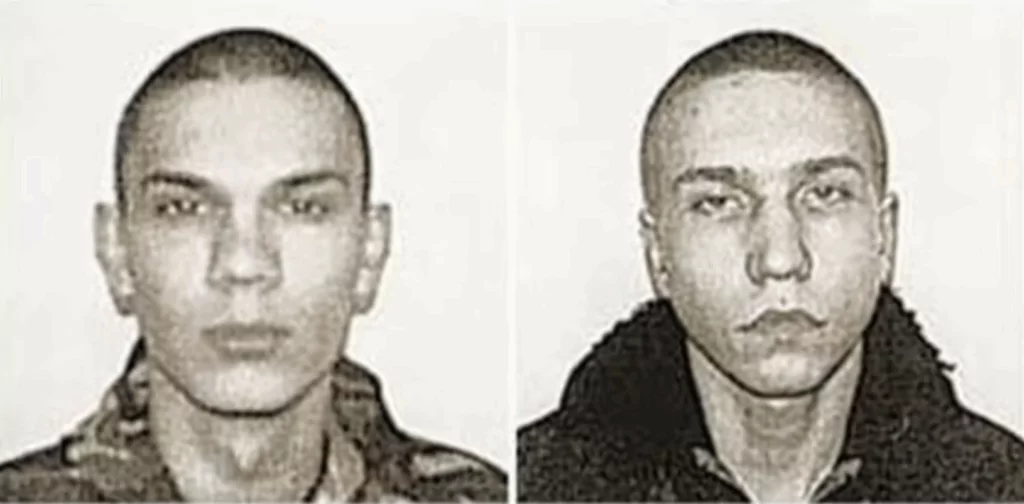
The group members committed their crimes in 2006 and 2007. Details about them came out in court, but in fact it is still not known for certain how many people they killed. This often happens in cases involving neo-Nazis because they did not plan their attacks, but attacked people randomly. Then they ran away, not knowing whether the person had died.
But one day Ryno and Skachevsky failed to escape.
## "Take the money"
On the evening of April 16, 2007, businessman Karen Abrahamyan, general director of the Garmed insurance company, was returning home. His wife Martha and children were waiting for him there. At some point, Marta heard a scream from the street and, going to the window, saw her husband being beaten by two teenagers.
Martha later recalled that her husband told them: “Take the money, just stop hitting with knives!” But the criminals did not need money. They finished off the man and ran away - they jumped onto a tram.
Karen did not die immediately - he remained lying at the entrance of the house on Kedrov Street until he was taken by ambulance to the hospital. There he was able to say that he was attacked by two teenagers. The very next day he died from loss of blood.
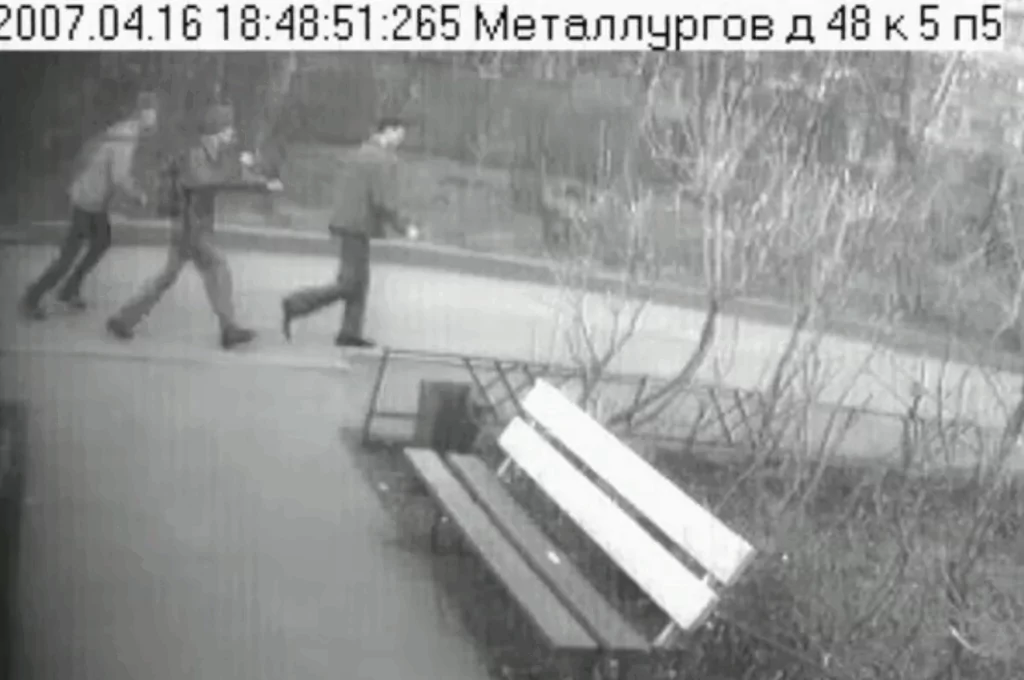
But unfortunately for the killers, Martha was not the only witness to the crime. At the same time, Abrahamyan’s neighbor approached the house: in the “Criminal Russia” program he was called Nikolai Ovechkin. He followed the attackers, saw them board the tram, and then pointed out the car to private security officers. After two stops the tram was blocked.
The suspects were taken to the police station. They turned out to be Arthur Ryno and Pavel Skachevsky. Soon they found their friends - first they found three, and by January of the next year - four more. Many, as they said in “Criminal Russia,” refused to open the doors to operatives, so apartments were broken into with the help of the Ministry of Emergency Situations. The detainees were found with videos of scenes of beatings and murders, drawings with swastikas and nationalist books.
Arthur Ryno did not lock himself away. Although Moscow Deputy Prosecutor Vladimir Yudin said that those arrested were involved in 20 murders, Ryno took credit for 37. He described the details of the crimes: where the victim stood, what kind of knife it was, where exactly the blows were struck. And although by June of the same year he refused to testify, his guilt was considered proven for 22 crimes.
Later it turned out that among those killed by him were Russians. Muscovite Maxim Lavrik was stabbed to death on April 4, 2007: he was seen near the Preobrazhenskaya Ploshchad metro station, where they had come specifically to look for “non-Russians.” He looked like a Caucasian - his thick eyebrows confused the criminals. They followed him to the entrance of house No. 12 on Bolshaya Cherkizovskaya and attacked him from behind.
Lavrik was 37 years old, he worked as a manager and got married two weeks before. But this murder broke the life of not only him and his family. As it turned out, another person was convicted of the crime of the Ryno gang.
Rudenko case
On the evening of April 7, 2007, 19-year-old Maxim Rudenko was drinking beer with friends near the Preobrazhenskaya Ploshchad metro station when a local police officer approached him and asked for his documents. Then a patrol arrived, grabbed everyone and took them to the Preobrazhensky police station. There they began to demand that he tell about how he killed Lavrik.
Rudenko did not understand what happened. Then, according to Komsomolskaya Pravda, they began to beat him - not only with their hands, but also with a shoe insole, inside of which screws and bolts were sewn. Rudenko did not confess until the threats intensified: according to him, they threatened that they would put a “stick in his ass”, and then take a photograph and send him to prison.
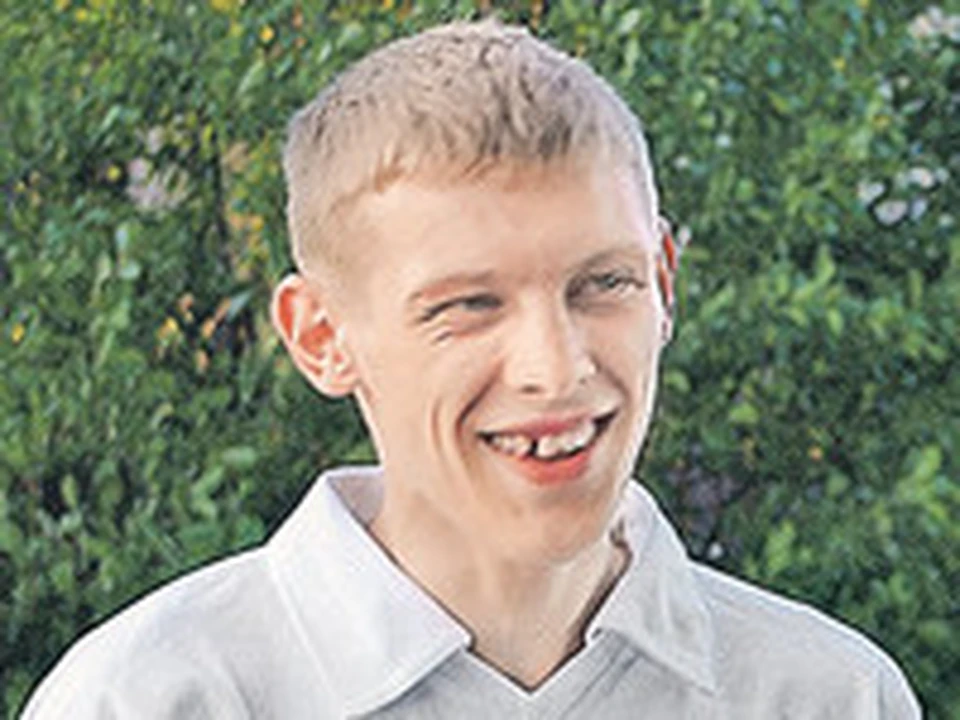
Then Rudenko had no choice but to admit guilt. According to the CP, investigator of the Preobrazhensk Prosecutor's Office Yuri Rykov was called to him, who wrote down the following story from the dictation of the detectives: Max Rudenko was sitting on a bench, Lavrik passed by, Rudenko asked him for money - Lavrik got angry, broke the bottle, and went begging with a “rose”. He, in defense, pulled out a knife and struck Lavrik more than 50 times.
To be on the safe side, we decided to conduct an “investigative experiment.” But Rudenko did not know where the investigation needed, building 12, building 2, on Bolshaya Cherkizovskaya, and brought the investigative team to Pervaya Pugachevskaya. It's just a five minute walk. Then law enforcement officers, according to Komsomolskaya Pravda, were outraged and showed Rudenko where the place of Lavrik’s murder was located.
Relatives stood up for Rudenko. From the pre-trial detention center, he gave his mother a note: “I didn’t kill anyone, I’m sorry for everything.” Оксана Руденко через знакомых нашла для сына адвоката, и спустя две недели он отказался от показаний, заявив, что его избили в ОВД. Адвокат и мать поминутно восстановили хронологию событий и составили ему алиби. Преступление совершили в 20:22. Руденко в это время играл в Warcraft на компьютере у друга.
Следователей это не убедило. Они сказали: «Противоречий с версией обвинения не видим».
Какие еще были противоречия? К делу приобщили куртку со следами крови, найденную у Руденко. Защита утверждала, что незадолго до задержания Максим подрался с приятелем. Адвокат настаивал на генетической экспертизе крови. Но никто ее не провел.
Следствие утверждало, что Руденко опознали свидетели. Соседка убитого говорила, что увидела из балкона как убегали трое молодых людей. Когда ей показали одного Максима, она подтвердила, что видела именно его. Позднее, когда Руденко уже освобождали, ее вновь спросили, как вообще она могла разглядеть лицо человека, если смотрела на него сверху. Девушка якобы ответила: «Ну не видела, но я же верю милиции».
В декабре 2007 года суд приговорил Максима Руденко к 14 годам лишения свободы с отбыванием наказания в колонии строгого режима, после чего невинно осужденного этапировали в Тамбовскую область. К этому времени Рыно уже признал, что это он убил Лаврика, но дело Руденко пересматривать не стали. Потом следователи скажут, что они сначала не поверили словам Рыно — из-за того, что в деле было много убийств, каждый случай нужно было проверять отдельно.
К октябрю 2007 года следствие окончательно установило, что Лаврика убил Рыно, и Руденко среди его сообщников не было. Один из следователей (имя в СМИ не раскрывается, его обозначают буквой Н.) написал гособвинителю об этом, но ему ответили, что приговор Руденко законный и обоснованный. Даже сам Рыно попросил мать связаться с семьей Руденко и рассказать правду, но и это не помогло.
Только в 2009 году, в мае, следователь Н. поехал в командировку в Тамбов, где поговорил с Руденко. Тогда же он заново допросил всех свидетелей, отправил окровавленную куртку на экспертизу, которая подтвердила, что крови Лаврика на ней нет. И даже после такого повторного расследования прокуратура отказалась инициировать пересмотр дела.
Только с третьего раза у следователя Н. получилось убедить прокуратуру пересмотреть дело. Приговор Руденко отменили в 2010 году.
Руденко провел в заключении три года и два месяцаВ отношении выбивавших показания следователей из ОВД якобы завели уголовное дело, но до суда оно так и не дошло. Невиновный получил компенсацию в 3 миллиона рублей вместо запрошенных восьми.
10 years
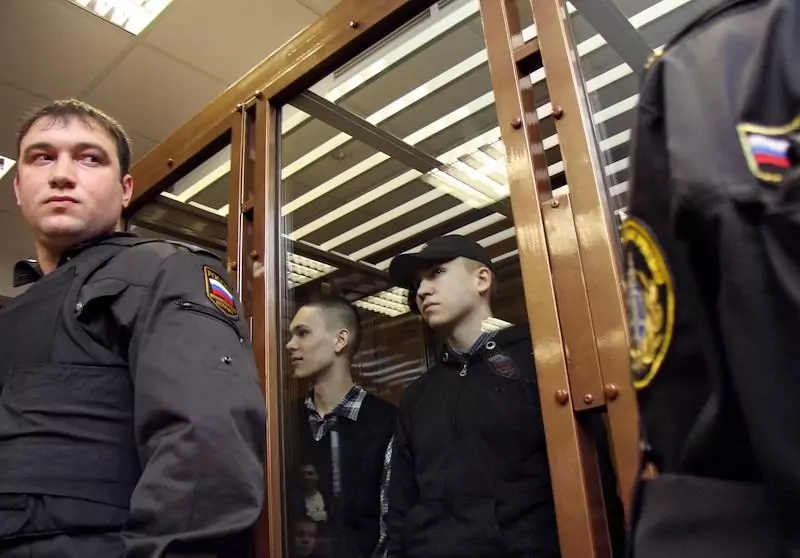
2 декабря 2008 года присяжные признали семерых из девяти подсудимых в деле Рыно виновными в 32 убийствах и покушениях на почве расовой ненависти или вражды. Первый приговор им огласили 15 декабря: участников группировки признали виновными в 19 убийствах. Потом добавили еще несколько покушений и убийство Лаврика, но срок остался прежним.
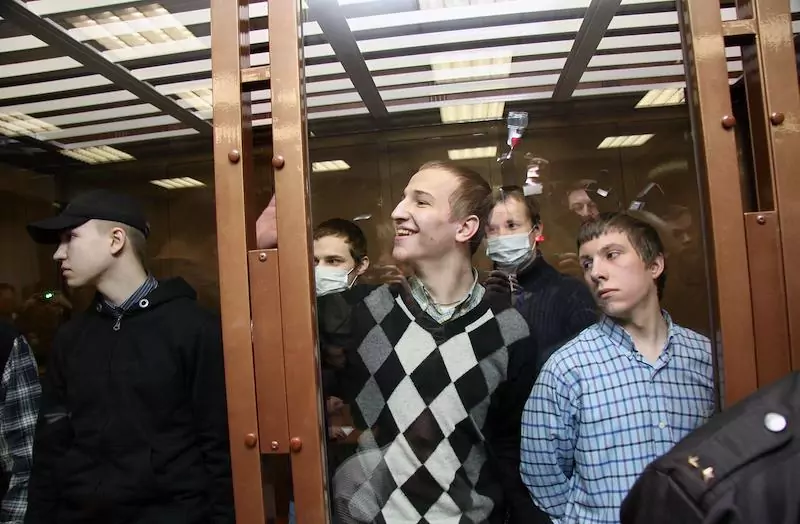
Артур Рыно и Павел Скачевский получили по 10 лет. Дело в том, что они совершали преступления, будучи несовершеннолетними, и это был максимальный срок, который давали в таких случаях. И сколько бы ни добавлялось преступлений, срок не мог измениться.
Сколько получили другие члены группировки? Больше всех — студент колледжа Роман Кузин, которого признали виновным в десятке убийств и которому на момент их совершения уже исполнилось 18 лет: 20 лет строгого режима. Мама Кузина в разговоре с «Холодом» рассказала, что ее сыну осталось отсидеть всего три года.
Виталий Никитин получил 12 лет строгого режима. Иван Китайкин — девять лет строгого режима. Им на тот момент тоже уже исполнилось 18.
Александра Аникина отправили в колонию общего режима на девять лет. Дениса Лавриненкова — на шесть. Они на момент преступлений не были совершеннолетними.
Двое — Светлана Аввакумова и Николай Дагаев — были оправданы. Против их осуждения выступили шесть из двенадцати присяжных. По закону при таком равенстве принимался наиболее благоприятный для подсудимого ответ.
В СМИ нулевых история получила огромный резонанс. Тогда писали, что отец Рыно — чукча. И он якобы возомнил себя белым героем, хотя сам был нерусским.
Мотивацию Павла Скачевского объясняла его мама в разговоре с журналистами. Павел жил неподалеку от улицы Гурьянова. Там в ночь с 8 на 9 сентября 1999 года взорвали жилой дом, и в результате погибло более сотни человек — из-за этого, по словам его матери, «сын стал очень нервным» и не мог «нормально заснуть». Потом следствие скажет, что теракт организовали северокавказские националисты.
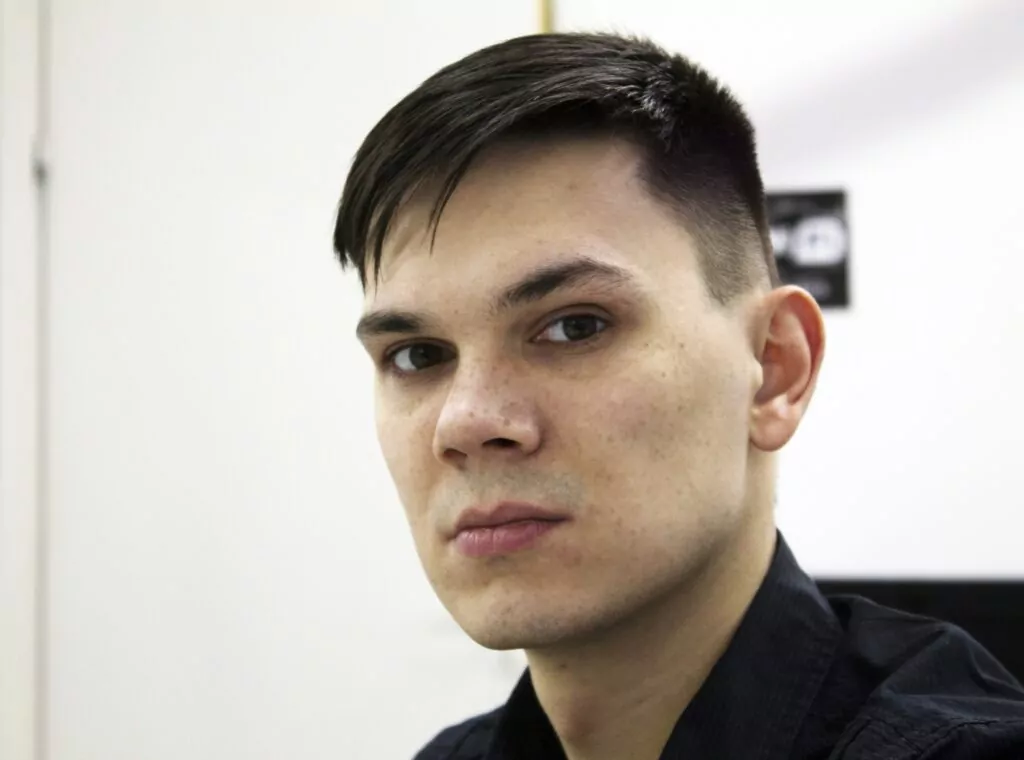
Суд обязал осужденных выплатить в общей сложности 4 миллиона рублей семье своей последней жертвы — Карена Абрамяна. Его вдова потом говорила журналистам, что пожертвует деньги в детские дома.
«Эти уроды убили моего мужа на глазах у детей <…> Один из мальчиков, он выбежал спасать отца, до сих пор заикается. А Скачевский в суде говорил, что хотел оставить землю белым детям», — говорила Марта Абрамян.
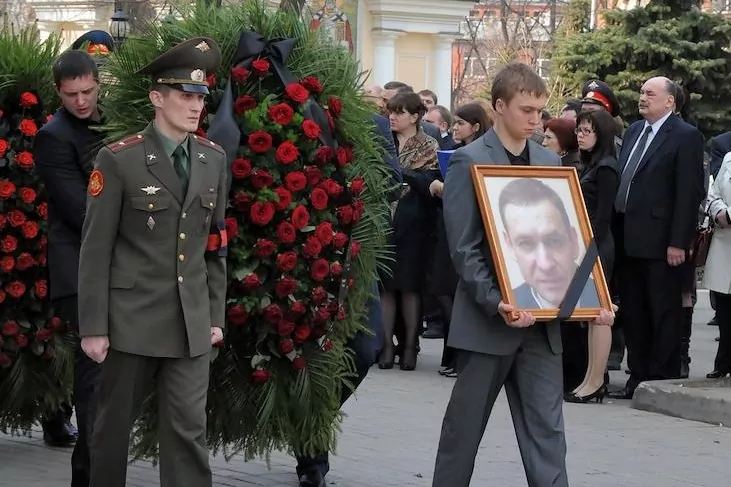
8 апреля 2010 года дело банды рассматривали во второй раз. Судья Мосгорсуда Эдуард Чувашов оставил наказание для Рыно и Скачевского без изменений, а Кузину увеличил срок — на два года, с 20 до 22 лет, хотя прокурор просил добавить пять. Через четыре дня после этого Чувашова убили.
За что убили Чувашова? К тому моменту его уже знали в националистических кругах. В феврале того же года он приговорил к заключению участников организации «Белые волки», совершавших в Москве нападения сразу после Рыно и Скачевского. В том же году в интернете появилась аудиозапись, в которой, как утверждалось, Чувашов, разговаривая с одним из «Белых волков», в ответ на заявление скинхеда о том, что приезжие безобразно ведут себя в России, ответил, что и русские за границей подчас ведут себя так, что их порой хочется «вешать и убивать».
Пресса нулевых писала, что за это Чувашов был включен в «черный список» националистов. Его убили около 08:30 утра у его дома. Неизвестный несколько раз выстрелил в него и скрылся. Судья умер до приезда врачей. На тот момент ему было 47 лет. У него осталась жена и двухлетняя дочь.
Следствие сразу поняло, что дело было в профессиональной деятельности судьи. В марте 2011 года следствие определило убийцей Чувашова неонациста Алексея Коршунова. Но до суда дело не дошло: в октябре того же года находившийся в международном розыске Коршунов погиб в результате случайного подрыва собственной гранаты в Запорожье, когда совершал пробежку на стадионе.
Коршунова называли сообщником убийц адвоката Станислава Маркелова и журналистки Анастасии Бабуровой.
Украл дочь
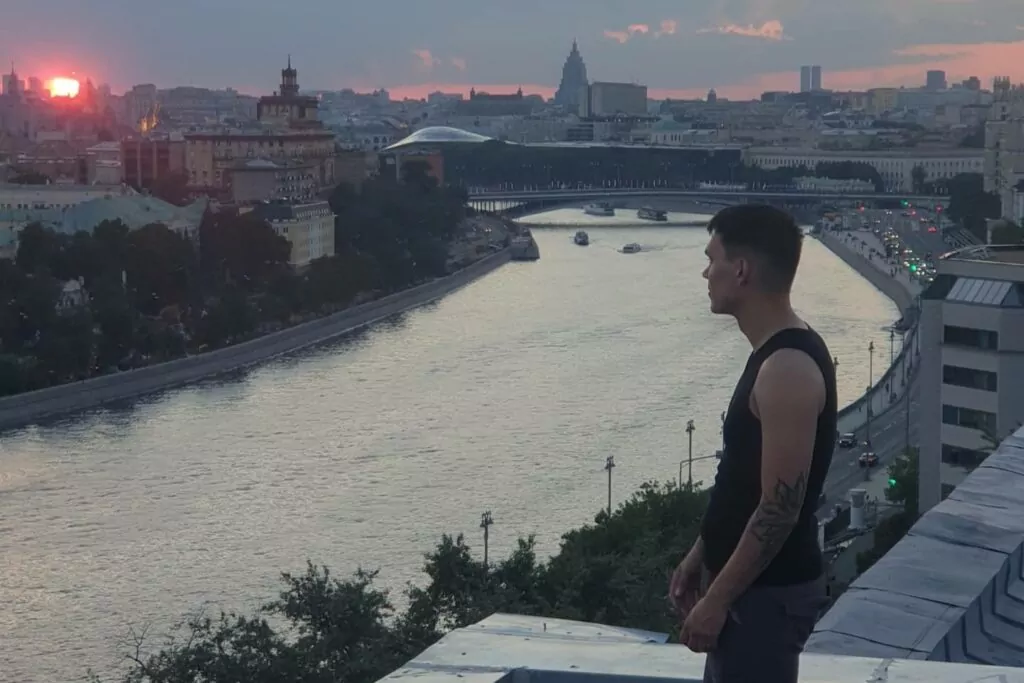
Артур Рыно отсидел 10 лет и вышел на свободу в 2017 году. После этого он открыл тату-салон, где работал несколько лет, не привлекая внимания журналистов. Но в 2022 году он попал в заголовки СМИ — за то, что забрал ребенка у бывшей жены.
С Валентиной Атман, чью фамилию взял Рыно, он познакомился как раз в своей студии. Она устроилась туда мастером по пирсингу в 2018 году. Тогда она понятия не имела, с кем связалась. «Он сначала произвел впечатление такого веселого, дурашливого человека. Ухаживал за мной, дарил цветочки, знаки внимания оказывал. Вот, я купилась, повелась», — рассказывала она в разговоре с «Холодом».
Артур, по словам Валентины, скрывал свое прошлое: говорил всем, что он переехал в Москву из маленького города в 2017 году. Но перед тем как начать с ним отношения, она узнала от более информированной подруги, что это за человек. Это ее, однако, не остановило.
«У меня есть впечатление, что, может быть, это легенда какая-то, которую придумали. Когда банду собирают, да, там есть обязательно какой-нибудь мальчик, который тянет на себя <…> Я больше поверю, что это его мамаша переубивала кучу людей, а он на себя все это взял, чтобы мамку, не знаю, выгородить», — говорила она в интервью «Холоду».
Никаких законных оснований полагать такое нет. Хотя, как следует из профиля Светланы Рыно во «ВКонтакте», она сама придерживается националистических взглядов, в преступлениях сына она не была замешана.
Валентина призналась, что особо не общалась с Артуром на тему тюрьмы и его взглядов — видимо, пыталась защитить свою психику. Он сам рассказывал ей немного: отшучивался и говорил только, что его били.
В 2020 году Валентина и Артур поженились. Тогда у пары уже была дочь — Ярослава. Но брак продлился недолго: в 2022 году Артур и Валентина разъехались. Но сохранили дружеские отношения и вместе воспитывали Ярославу.
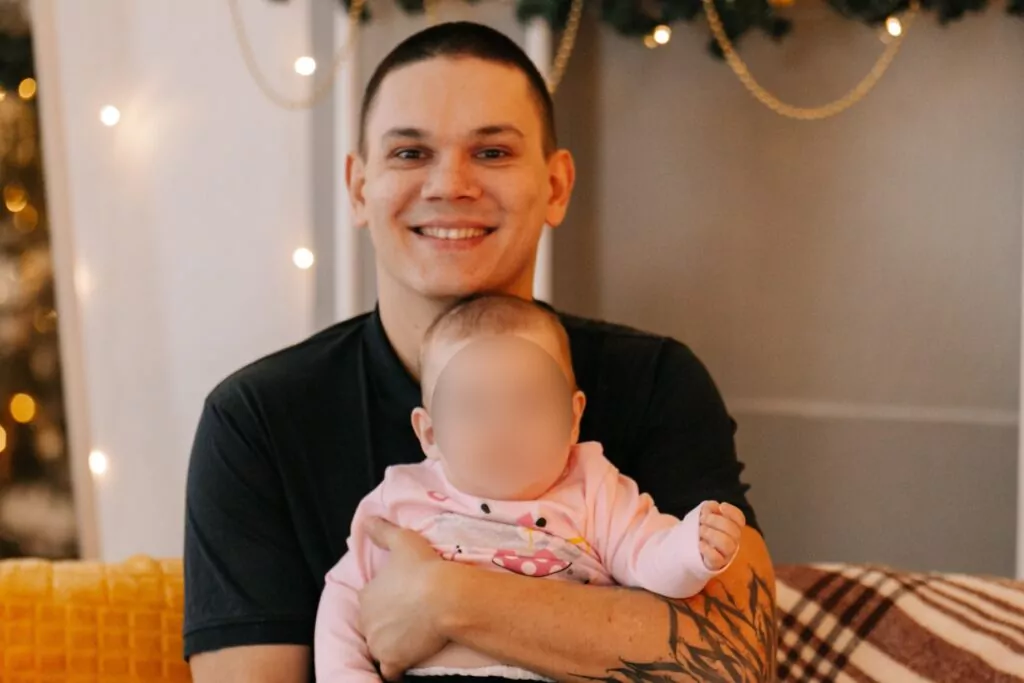
Когда Валентина поняла, что она не успевает работать и следить за дочкой, она обратилась к бывшему мужу. «Он мне говорил: “Я тебе помогу, и моя мама [поможет], это же Ярославина бабушка. Мол, все хорошо, давай она там у нас проживет” <…> Я повелась, думала, вроде отношения нормальные, я в любой момент могу приезжать», — рассказывала Валентина «Холоду».
Со временем Валентина поняла, что дочь настраивали против нее: она, например, перестала называть ее мамой и обращалась к ней по имени. Тогда она не удержалась и забрала ребенка к себе. Но однажды, когда Ярослава была у родителей Валентины, Артур ее забрал и спрятал.
Ребенка прятали в Павловском Посаде — там у Светланы есть дача. Валентина рассказывала СМИ, что спустя несколько дней после пропажи ребенка подумала, что ребенок может находиться там. Она рассказала, что нашла адрес дома в приложении доставки, так как до этого что-то туда заказывала, и решила съездить туда с друзьями. Девочку нашли на детской площадке рядом с домом, после чего Валентина вызвала полицию.
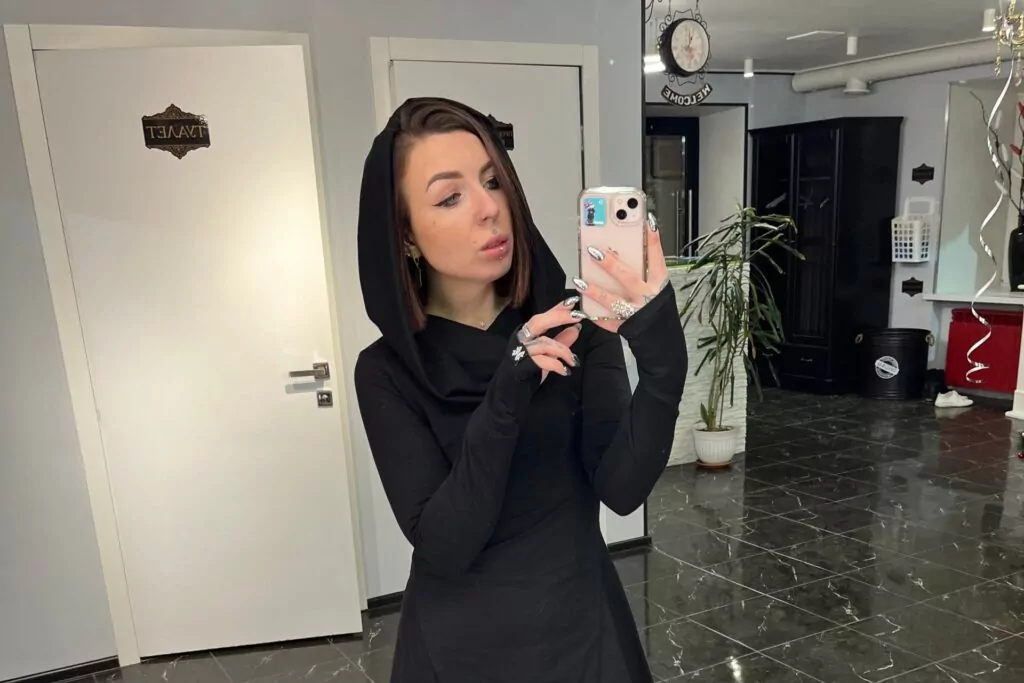
Ребенка Валентина тогда забрала. Спор за дочь продолжился в суде. Рыно доказывал, что Валентина не справляется со своими обязанностями и злоупотребляет алкоголем. Но в суде заняли сторону Валентины. В марте 2025 года ребенка оставили с мамой. С тех пор Валентина и Артур почти не общаются.
Во время подготовки видео о банде Рыно «Холод» обращался за комментариями к Артуру и его матери, однако все запросы они проигнорировали. Лишь после выхода ролика об этом деле на ютуб-канале «Холода» Рыно связался с журналисткой издания и потребовал удалить видео.
Авторы: Рая Хачатрян, Марина Кирюнина
Фото: Андрей Стенин / Коммерсантъ