
Translated material
DOOM veil
Islamic leaders from the Spiritual Administration of Muslims were detained in five regions. But first there were denunciations: from “patriots” and “destructologist” Silantiev

Photo: Valery Sharifulin / TASS
For the first time in the post-Soviet history of Russia, mass detentions of Islamic leaders took place in the country - not from banned Islamist groups (such as Hizb ut-Tahrir *), but from the Spiritual Administration of Muslims of the Russian Federation (DUM RF), which is completely loyal to the Kremlin. During the period from May 12 to 22, the Mufti of Mordovia Rail Asainov, the former Mufti of Karelia (now the head of the Islamic school in Moscow) Visam Ali Bardvil, the influential Ingush theologian Akhmed Tangiev, the Mufti of North-West Russia Mohammed Henni, the adviser to the Mufti of the Saratov region Nidal Akhmed and several employees of the Spiritual Administration of Muslims of Mordovia were detained in different regions of the country.
While it is not clear what they are suspected of, some of the detainees remain in custody, while others have been released on their own recognizance. They are united only by belonging to the structures of the Muslim Spiritual Directorate of the Russian Federation and the Council of Muftis of Russia, headed by 66-year-old Sheikh Ravil Gainutdin. Experts agree that this blow could be aimed at him and at the Muslim Spiritual Board of the Russian Federation as a whole.
How could Muslim leaders, who owed their careers to the democratic processes in the Islamic Ummah of Russia in the 1990s and the education received in Arab countries, not please the authorities?
HELP "NEW"
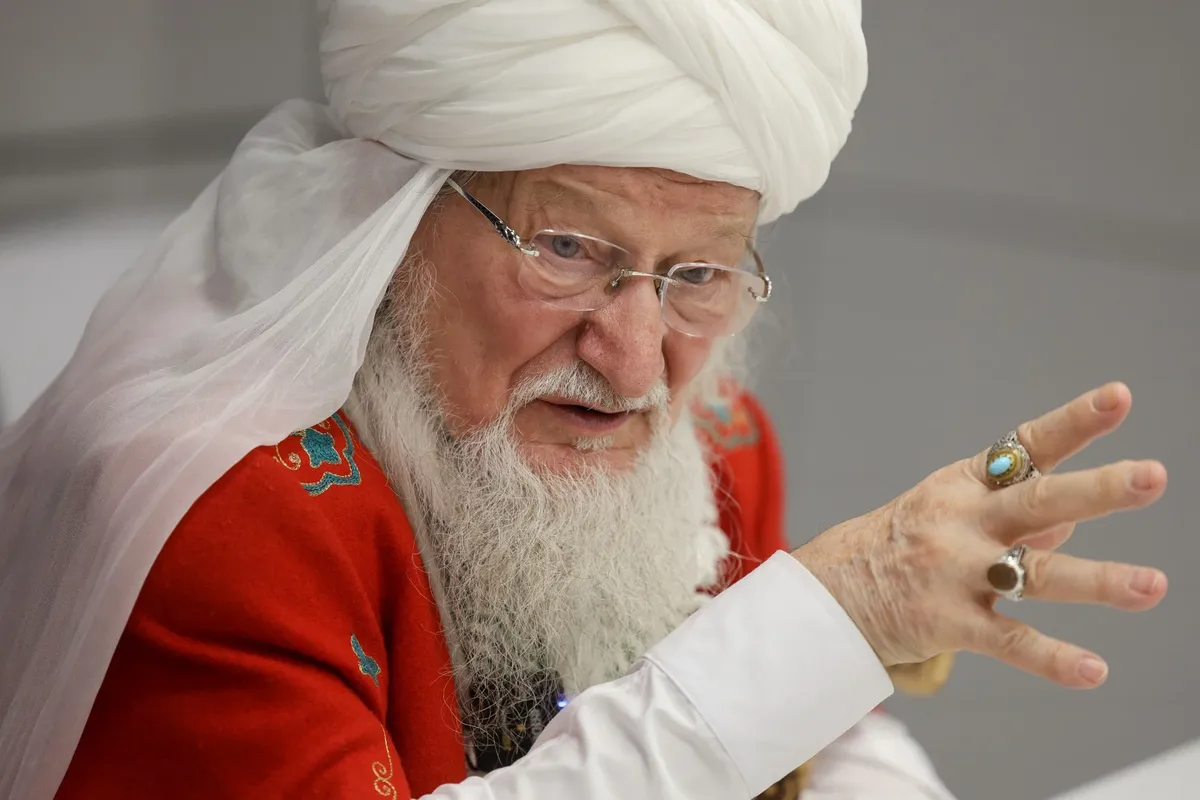
According to various estimates , from 15 to 20 million Muslims live in the Russian Federation (including up to 2 million in Moscow). After the repressions of the 1930s, Muslim administrative centers in the USSR were recreated in 1943–1944, almost simultaneously with the Moscow Patriarchate. In most of the territory of the RSFSR, mosques were managed by the Spiritual Administration of Muslims of the European Part of the USSR and Siberia, with its center in Ufa, which in the early 1980s controlled about 180 communities. In 1992, it was transformed into the Central Spiritual Administration of Muslims (CDUM), the permanent head of which has been Mufti Talgat Tajuddin for 46 years. Among Muslims who are not members of the TsDUM, he has a reputation as a protege of the CPSU and the KGB, and is criticized on moral grounds and for being too close to the Russian Orthodox Church.The most successful alternative to the Central Muslim Spiritual Directorate is the Russian Muslim Spiritual Directorate, headquartered in Moscow, created by a number of regional Muslim Spiritual Directorates in 1994. Since its founding, the Muslim Spiritual Directorate of the Russian Federation has been headed by Sheikh Ravil Gainutdin, head of the Islamic Center of Moscow. Tadzhuddin accuses the Russian Muslim Spiritual Board of “Wahhabism and extremism,” while, by his own admission , Gainutdin and his supporters represent the modernist direction of Islam. The Central Spiritual Directorate and the Spiritual Directorate of the Russian Federation are loyal to the Kremlin, equally support the Northern Military District and receive awards from Vladimir Putin. However, Ravil Gainutdin allows himself to speak from a human rights position, demanding permission to build mosques in Moscow or the repeal of the bill banning collective prayers in the residential sector.
The Central Spiritual Directorate of Muslims and the Spiritual Spiritual Directorate of the Russian Federation, taken together, are subordinate to less than half of the approximately 7,000 Russian mosques; the majority is part of the structures of the Coordination Center for Muslims of the North Caucasus. In addition, the Spiritual Assembly of Muslims of Russia and the Dumas of Tatarstan and Dagestan operate independently.
Persons involved
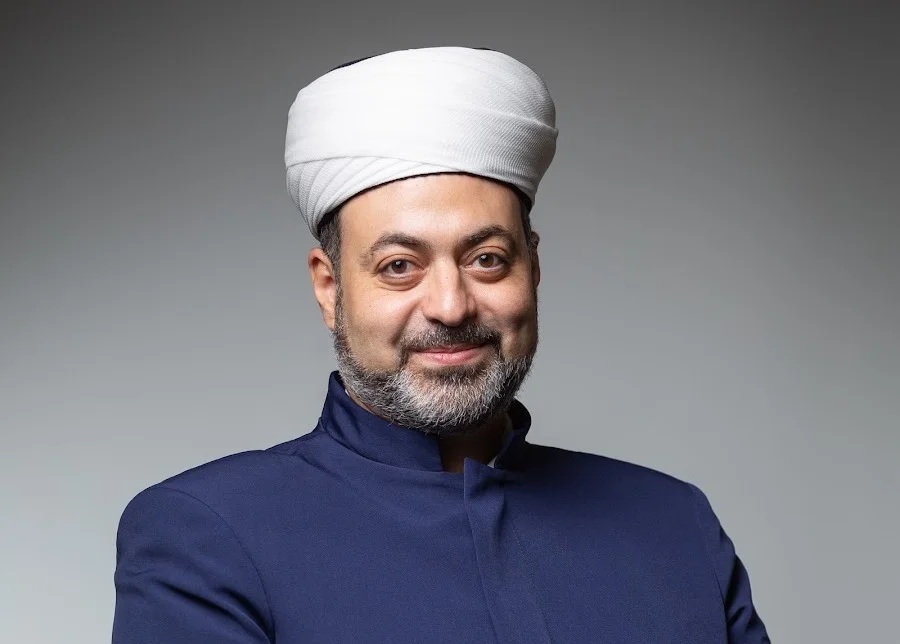
On May 20, TASS reported the arrest for 15 days of the former mufti of Karelia and the Murmansk region as part of the Muslim Spiritual Directorate of the Russian Federation, a native of Libya , Wisam Ali Bardvil . After moving to Moscow ten years ago, Bardvil became the imam of the mosque in South Butovo (which can be closed under the new Russian law, since it is located in the residential sector), a member of the Council of Ulema (scholars) of the Muslim Spiritual Directorate of the Russian Federation and an adviser to the chairman of the Council of Muftis of Russia, that is, Sheikh Ravil Gainutdin. Bardvil received theological and psychological education both at Western European universities and at educational institutions in Turkey and Saudi Arabia. According to the police, the imam allegedly resisted its employees at Sheremetyevo airport and “tried to escape,” which sounds at least strange. Islamic experts interviewed by Novaya are confident that the imam is subject to the usual scheme for Russian political prisoners, when administrative arrest under a flimsy pretext precedes a more serious - criminal - charge and placement in a pre-trial detention center.
Roman Silantiev, head of the “laboratory of destructology” at Moscow State Linguistic University, and in the past an Islamic scholar from the Russian Orthodox Church and author of the scandalous book “The Recent History of the Islamic Community of Russia,” has already been informed that Bardvil and other arrested Arab imams will be “charged with terrorism.”
According to Silantiev, who is privy to the secrets of the investigation, the European Institute of Humanities in the French Chateauchinon, where Bardvil received his first education almost 30 years ago, was decided to be considered “a cell of the Muslim Brotherhood movement,” recognized as terrorist in the Russian Federation. Bardvil’s participation in the establishment of the European Assembly of Imams and Religious Teachers, which until recently did not raise questions among the Russian authorities, and in the Council of Muslim Europeans, which until 2020 was called the Federation of Islamic Organizations in Europe, is interpreted in the same spirit.
Wisam Ali Bardvil had not previously been seen in conflicts with the Russian authorities; he was awarded medals and orders of the Muslim Spiritual Board of the Russian Federation and the Council of Muftis of Russia.
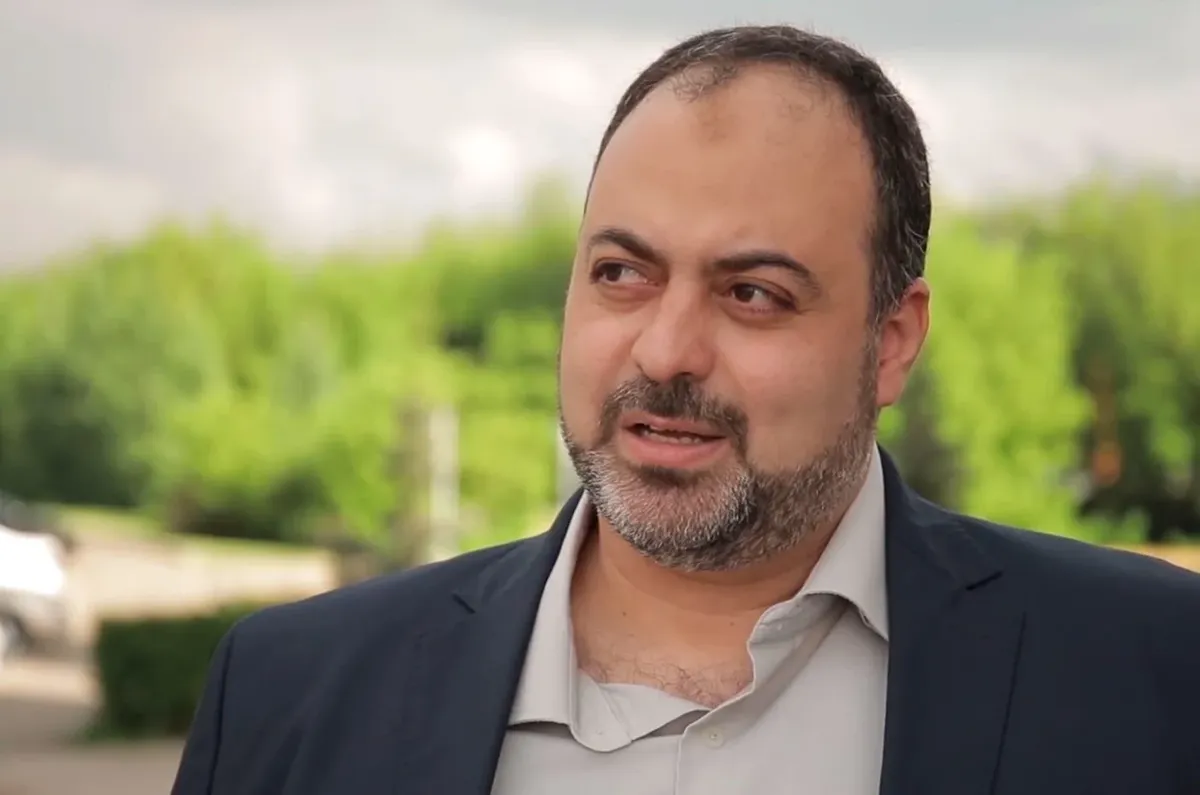
In the Prigorodny region of North Ossetia, on May 12, FSB officers detained the former imam of Petrozavodsk and Bardvil’s deputy at the Duma of Karelia, the famous Ingush theologian Akhmed Tangiev . There is no official information about his status (even his relatives and lawyer are not provided with it), but, according to unofficial data, Tangiev was transferred to St. Petersburg. This respectable religious figure collaborated with the government of Ingushetia and hosted a program on the republican TV channel Magas.
Pro-government telegram channels recalled the news from 2008 (!) about Tangiev’s official meeting as the Petrozavodsk imam with an employee of the US Consulate General. The protocol event, which did not arouse any interest then (the imam spoke about the freedom of Muslims in Karelia and their fruitful cooperation with the Russian Orthodox Church and the authorities), in current realities is interpreted as a “report” to the enemy “resident”.
The detained representatives of the Islamic clergy of Arab nationality also include the chairman of the centralized religious organization "Community of Muslims of the North-West", called the Mufti of the North-West as part of the Muslim Spiritual Directorate of the Russian Federation, Mohammed Henni , and the adviser to the Mufti of the Saratov region, Nidal Awadallah Ahmed .
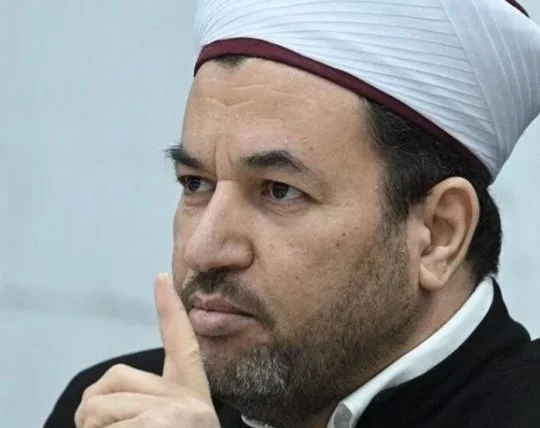
The first is called a “comrade-in-arms” of Wisam Bardvil and one of the authors of the encyclopedia “Islam in the North Caucasus,” which the Moscow City Court recognized last year as “extremist material.” The grounds for this recognition were, one might say, technical: the text mentioned the “Chechen Republic of Ichkeria”* (and its officials, that is, militants) without a note recognizing it as a terrorist organization. Nidal Ahmed is a Palestinian who taught at the Sheikh Said madrasah in Saratov.
Back in 2016, he was given a warning about the inadmissibility of contacts with foreign intelligence services, because a Palestinian told an employee of one of the embassies about the Islamic life of the Saratov region. Since then, Ahmed was probably “taken for a pencil”.
Finally, the last person involved in the high-profile arrests - the Mufti of Mordovia and member of the Public Chamber of the Republic, Rail Asainov - is already free. According to the official website of the Muslim Spiritual Directorate of Mordovia, he and several other employees of the Muslim Spiritual Directorate of Music were detained on May 19 on suspicion of trying to bribe the head of the master’s program “Islamic Economics and Finance” at the Mordovia State University. According to Novaya's sources in the Mordovia Spiritual Directorate of Music, we are talking about a gift for which students collected money after the session to express their gratitude to the leader. Detractors claim that the mentioned program was founded after Asainov became the mufti of Mordovia in 2023, and it was allegedly planned to “master” budget funds through it. Even if this is so, it is not clear what the crime is here.
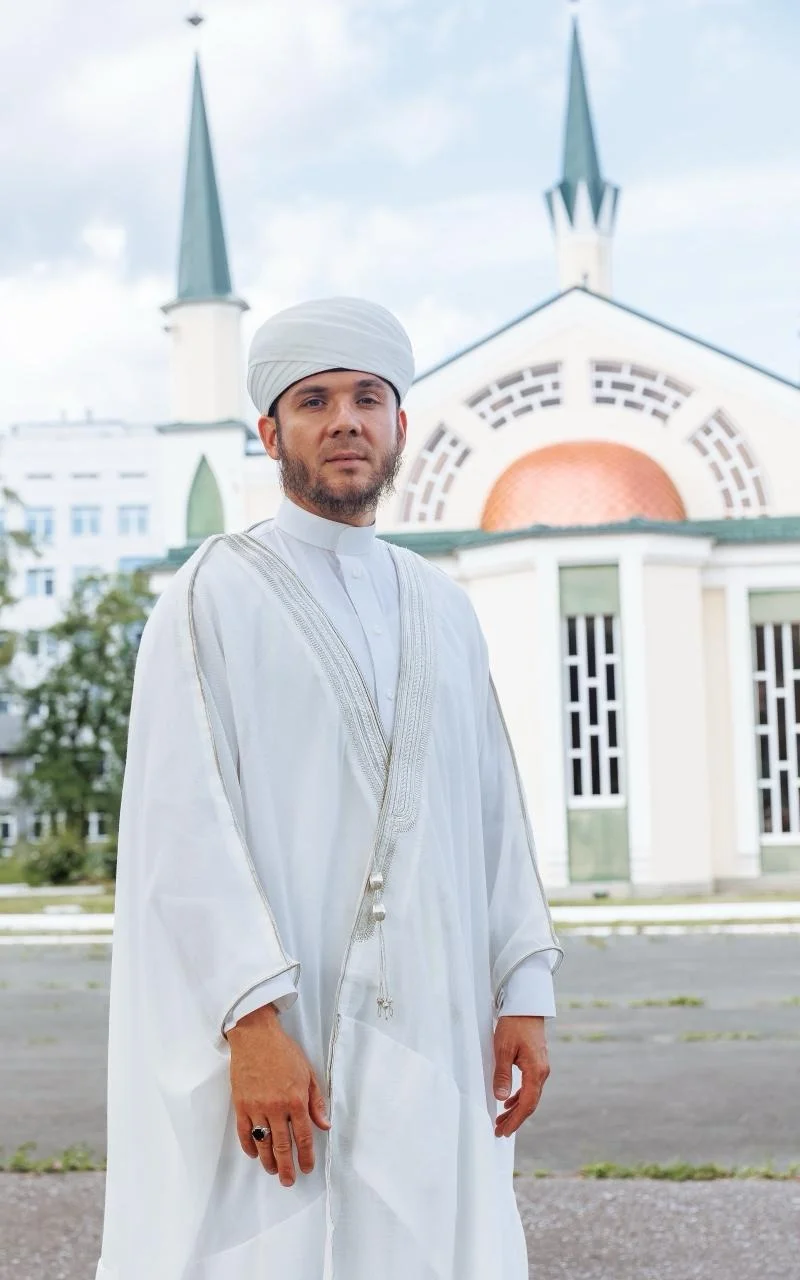
The website of the Muslim Spiritual Directorate of Mordovia recalls the absolute loyalty of the Mufti, who actively supported “the participants of the Northern Military District and members of their families,” and for organizing “assistance to the liberated regions” received gratitude from the head of Mordovia, the Ministry of Defense and individual units of the Russian Armed Forces, and repeatedly traveled to the Northern Military District zone.
The Telegram channel of Roman Silantyev gives “tips” to the investigation, recalling that Asainov was born in the Tatar village of Belozerye, Romodanovsky district of Mordovia, which was allegedly “called the leader in the number of terrorists per capita,” and also studied for eight years in Saudi Arabia. But it seems that Asainov’s case was decided not to be combined with the cases of detained Arab imams: the mufti was released on his own recognizance, and already on May 22 he preached in the cathedral mosque of Saransk.
Versions
What lies on the surface: all the detainees are officials (sometimes quite high-ranking) of Muslim structures that are members of the Muslim Spiritual Directorate of the Russian Federation - an officially recognized large centralized religious organization, the head of which is a member of the Council under the President of the Russian Federation for interaction with religious associations. As a rule, representatives of radical or alternative Islamic movements are detained in the Russian Federation; occasionally, law enforcement officers express complaints against individual representatives of the official Muslim Spiritual Movements. The current detentions are the first precedent of this kind, and experts interviewed by Novaya interpret it as a “warning to Gainutdin.”
Political scientist and Islamic scholar, author of the telegram channel “Nerussky” Rinat Mukhametov, recalled in an interview with Novaya:
The competent authorities have long sent signals through Roman Silantiev that there are claims against Ravil Gainutdin and his structures. “Now they have moved from threats and political pressure directly to forceful actions,” the expert notes. “If the detainees are charged and then convicted as members of extremist or terrorist associations, then it will not be difficult to take one step to bring charges against Gainutdin himself. It is clear that the decision on this should not be made by investigators, but at the level of Putin.”
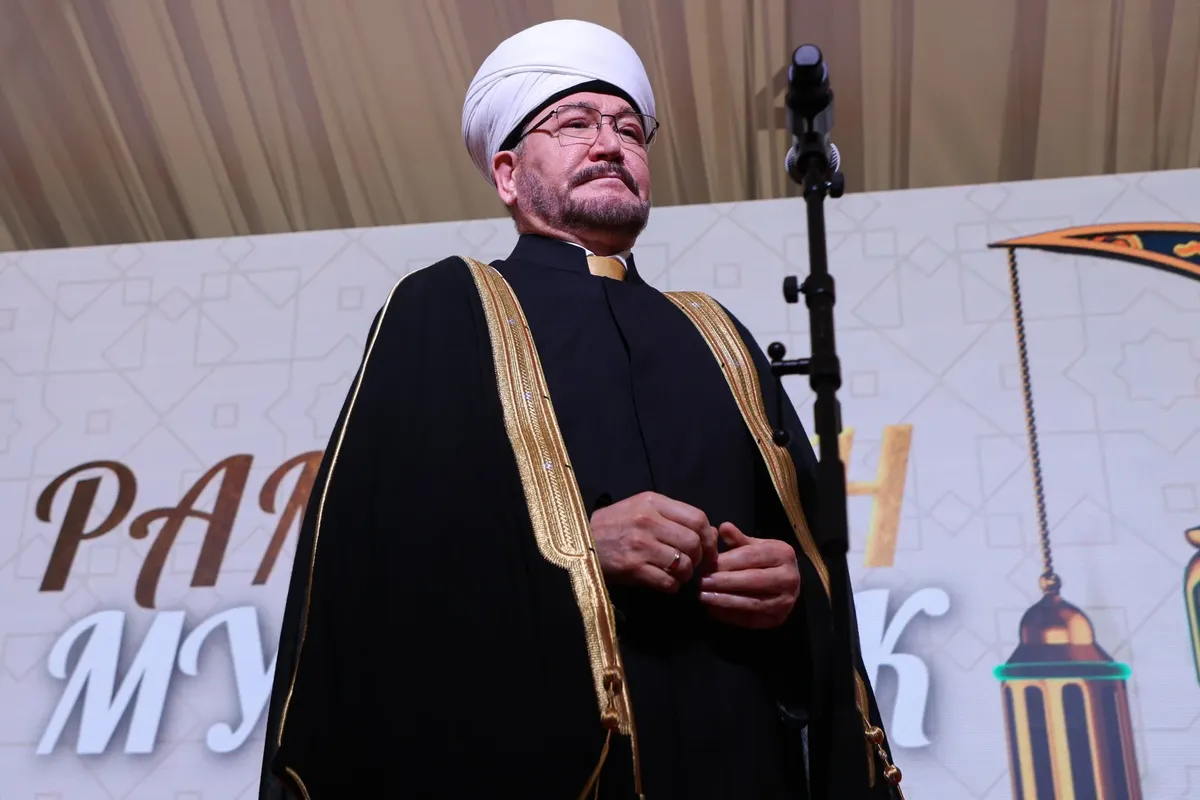
At the time of writing this article, there was no official explanation for the ongoing campaign from law enforcement agencies or commentary from the Russian Spiritual Spiritual Directorate. The closest action of Mufti Ravil Gainutdin, which to some extent can be regarded as “protest,” took place on May 6, on the eve of Victory Day. On this day, the sheikh sent Vladimir Putin his objections to the bill banning religious services and even the preaching of faith in residential premises and non-residential parts of apartment buildings (Novaya noted the unconstitutionality of this bill). Gainutdin’s appeal caused a sharp rebuke from the Orthodox-patriotic channel “Tsargrad”, owned by billionaire Konstantin Malofeev, in the style of a political denunciation.
Recalling the shortage of mosques in big cities, Gainutdin writes:
“For centuries, the functioning of religious communities in Russia was based on the joint, community conduct of life cycle rites, including in their living quarters. In today's conditions, they have been supplemented by social events in support of a special military operation... Appeals from religious organizations to state authorities and local governments for the allocation of land plots for the construction of religious facilities, cultural centers, and for the allocation of premises for prayers, for the most part, remain unheeded. Believers are forced to use residential and non-residential premises for prayers.”
According to the mufti, the criminalization of such prayers will provoke the growth of radical sentiments among Muslims.
Earlier, in October 2023, Gainutdin already wrote to Putin:
“Raids by law enforcement agencies during Friday services at mosques, wholesale checks of parishioners, delivery of detainees directly from the mosque to military registration and enlistment offices have become more frequent... Mosques are one of the main institutions for the socialization of migrants. But our capabilities are limited due to the catastrophic lack of infrastructure - mosques and Muslim cultural centers in cities with a population of over a million."
“The Russian Spiritual Council openly goes against Putin,” Tsargrad is graphically indignant. The channel writes about its Muslim compatriots in a humiliating, mocking manner: “The owner of an illegal prayer room will no longer be able to justify himself by saying that the people in the room are his friends and relatives. And the fact that they were packed like sardines into a barrel is a pure coincidence.” “Tsargrad” refers to the same Roman Silantiev’s appeal to the Prosecutor General’s Office from February of this year with a demand to liquidate the Muslim Spiritual Directorate of the Russian Federation for activities “growing into extremist.” Silantyev justified his demand with the “Russophobic and Christianophobic” actions of the Muslim Spiritual Directorate of the Russian Federation: a fatwa on the permissibility of polygamy in Islam, the protection of the right of Muslim women to wear hijabs and niqabs, and the placement in the office of the first deputy of Gainutdin Damir Mukhetdinov of paintings depicting the feast of the Mongol princes after the Battle of Kalka and the capture of Moscow Prince Vasily the Dark by the Tatars.
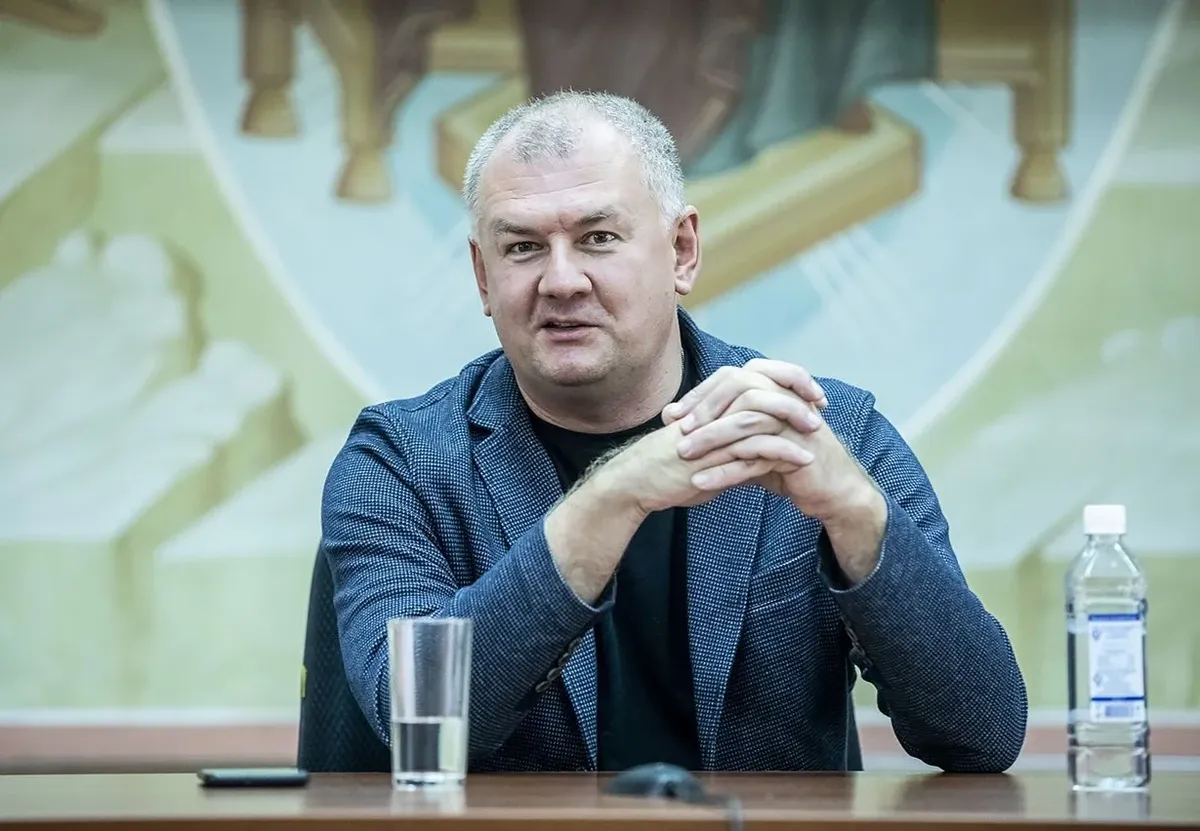
As Novaya already noted in connection with Silantiev’s “examination” in the case of Zhenya Berkovich and Svetlana Petriychuk,
the founder of the “science of destructology” is not seen in excessive initiative - all his initiatives, if not directly emanating from competent structures, are at least coordinated with them.
With regard to detained clergy of Arab origin, most likely, the main “working version of the investigation” will be the topic of their contacts (real or fictitious) with the Muslim Brotherhood*. On the one hand, this movement is recognized as terrorist in Russia. On the other hand, reminds Rinat Mukhametov, the Muslim Brotherhood is not so much an organization as an ideology, even a methodology that implies preaching Islam in more modern ways, active social work, and the development of education. It’s not a fact that they even exist as an organization with a fixed membership.” The ban on this movement in the Russian Federation did not prevent Putin from meeting and having official relations with the late Mohammed Morsi when he was president of Egypt.
Morsi led the Freedom and Justice Party, the political wing of the Muslim Brotherhood. The Palestinian Hamas, with which the Russian Federation maintains relations, is a branch of the Muslim Brotherhood.
In general, as the story with the Afghan Taliban shows, the Russian authorities easily remove the terrorist status even from clearly radical structures (as the Taliban look compared to the Muslim Brotherhood), if this corresponds to foreign policy interests.
...No matter how loyal the Spiritual Spiritual Directorate of the Russian Federation may be, it “comes from the 90s.” The very idea of alternative spiritual centers of the same confession, natural in a democracy, seems to be a challenge in an authoritarian-totalitarian system. Especially when the alternative center allows itself to criticize the decisions of the authorities, albeit cautiously.
In the fifth year of the SVO, the mobilization social model requires stricter control over confessions and a more vertical structure for managing them. For this purpose, the good old TsDUM, tested by the Soviet authorities and the KGB, is better suited than the practically confederal DUM of the Russian Federation, consisting of many regional DUMs and associations, allowing a certain freedom of opinion.
As Rinat Mukhametov says,
“With all his loyalty to the state, Gainutdin tries to derive his legitimacy from the support of the active part of the Muslim community, therefore he must take into account their interests and requests. This is a kind of analogue of systemic liberals, who, although they work for the authorities, always remain under suspicion.”
The arrest of Gainutdin himself looks unlikely today, but a softer scenario of squeezing him into retirement with the subsequent integration of the remnants of the Muslim Spiritual Directorate of the Russian Federation into a more loyal and proven structure is quite possible.