
Translated material
All this jazz
How this music was able to survive in Armenia even during the time of Stalin

International Jazz Day, 2017. Photo: yerevan.am
On the evening of April 30, I made my way through the crowd along the steps of the Cascade, trying to find an empty seat with my friends. For the fourth year in a row, I have traditionally celebrated International Jazz Day here, on these steps, among a huge number of people who came here for exactly the same thing - to listen to live music wafting through the warm spring air.
In recent years, International Jazz Day at the Cascade has become one of the main musical traditions of Yerevan - a free open-air festival that attracts thousands of people every year. The cascade has long become not just an architectural complex, but one of the main public spaces in Yerevan. Here they make appointments, go for walks in the evenings, hold exhibitions, concerts and city festivals. Huge steps naturally turn into an amphitheater, and the open space creates the atmosphere of a large street concert and a real celebration.
The history of the annual concerts is connected with International Jazz Day, established by UNESCO in 2011 to remember jazz as a language of freedom, communication and understanding between cultures. This day is celebrated around the world with concerts, educational programs and cultural events that bring together musicians and audiences from different countries. Yerevan joined the international initiative, and the concert became one of the city’s favorite traditions. The organization involved the Yerevan City Hall, Armenian jazz associations and local musicians.
The main idea of the holiday is to make jazz accessible to everyone and take it out of closed concert halls directly into the urban space. That is why the festival has always been and remains free.
Over the years of its existence, both Armenian musicians and international jazz performers have performed on the Cascade stage. For example, in 2016, one of the guests was Cameroonian bassist and vocalist Richard Bona, a world-class musician who has collaborated with Pat Metheny and Bobby McFerrin. More than once the world-famous percussionist, leader of the unique ethno-jazz composition of the Armenian Navy Band, Arto Tunchboyajyan, was also a guest of the festival. His performances invariably turned into one of the central events of the program - with a characteristic combination of improvisational jazz, ethnic motifs and powerful stage energy.
However, the festival stage at the Cascade is only a natural continuation of the long and exciting history of Armenian jazz.
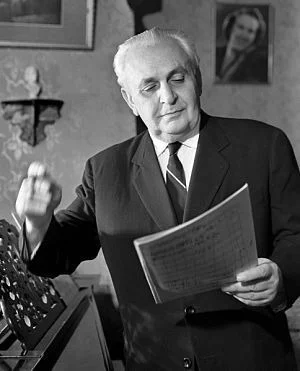
The first jazz bands appeared here in the 1920s, but little is known about this period. In the 1930s, the orchestra of composer and trumpeter Tsolak Vartazaryan, which performed at the Moscow cinema, was one of the first to perform jazz. The group was one of the few jazz ensembles in the city inspired by the eccentric new genre that shook the Soviet musical community. The contribution of these musicians to the development of jazz in the country, their experiments and curiosity have become an important part of Armenian musical life: the once niche underground genre has come to the fore in a few years.
Despite the difficult attitude of the Soviet government towards jazz, in 1938, on the initiative of the government of the republic, the State Jazz Orchestra of Armenia was created under the leadership of composer and cellist Artemy Ayvazyan and Tsolak Vartazaryan - the country's first professional jazz band. The main difference between this orchestra and all others of that time is the primacy of national melodies in the music performed. The ensemble presented unique and subtle arrangements of urban folklore and Armenian folk songs, as well as works by contemporary Armenian composers, which became its calling card. The band’s original call sign, which opened all concerts, was Ayvazyan’s famous “Armenian Rhapsody”. During World War II, the Armenian State Jazz Orchestra toured hospitals and the front lines, performing for Red Army soldiers and bringing the restorative sound of Armenian jazz to the war-torn country, performing both domestic works and foreign hits.
After the end of World War II, jazz in the USSR was effectively banned, which remained until the death of Joseph Stalin in 1953.
Any Western influence was perceived as an ideological deviation, and jazz fell under the same restrictive filter. Against the backdrop of the campaign against “kowtowing to the West,” the Armenian jazz orchestra found itself in a slightly milder zone of pressure - it became the only group of its kind that was not disbanded under Stalin, but was renamed the State Variety Orchestra in order to appear more acceptable to proletarian tastes. In fact, it was no longer a jazz orchestra in the usual Western sense, but something else - a form of modern Armenian music that grew out of the jazz language. The orchestra channeled Armenian melodic and rhythmic patterns through its jazz structure, and this is what made it extremely popular throughout the Soviet Union.
In 1954, conductor and pianist Konstantin Orbelyan organized a pop quintet at the Armenian Radio. At the same time, new jazz groups began to appear in the Nairi cinema, in the Park of Communards in Yerevan and at other venues.
The beginning of the 1960s, which went down in history as the Khrushchev Thaw, was accompanied by a weakening of censorship. Despite this, the attitude towards jazz in the Soviet republics still remained controversial. In his 1963 “Declaration on Music in Soviet Society,” Khrushchev stated that there would be no more direct bans on music, although he still called some types of jazz cacophony. Formally, jazz was no longer prohibited, but restrictions remained, especially in access to Western musicians and specialized literature.
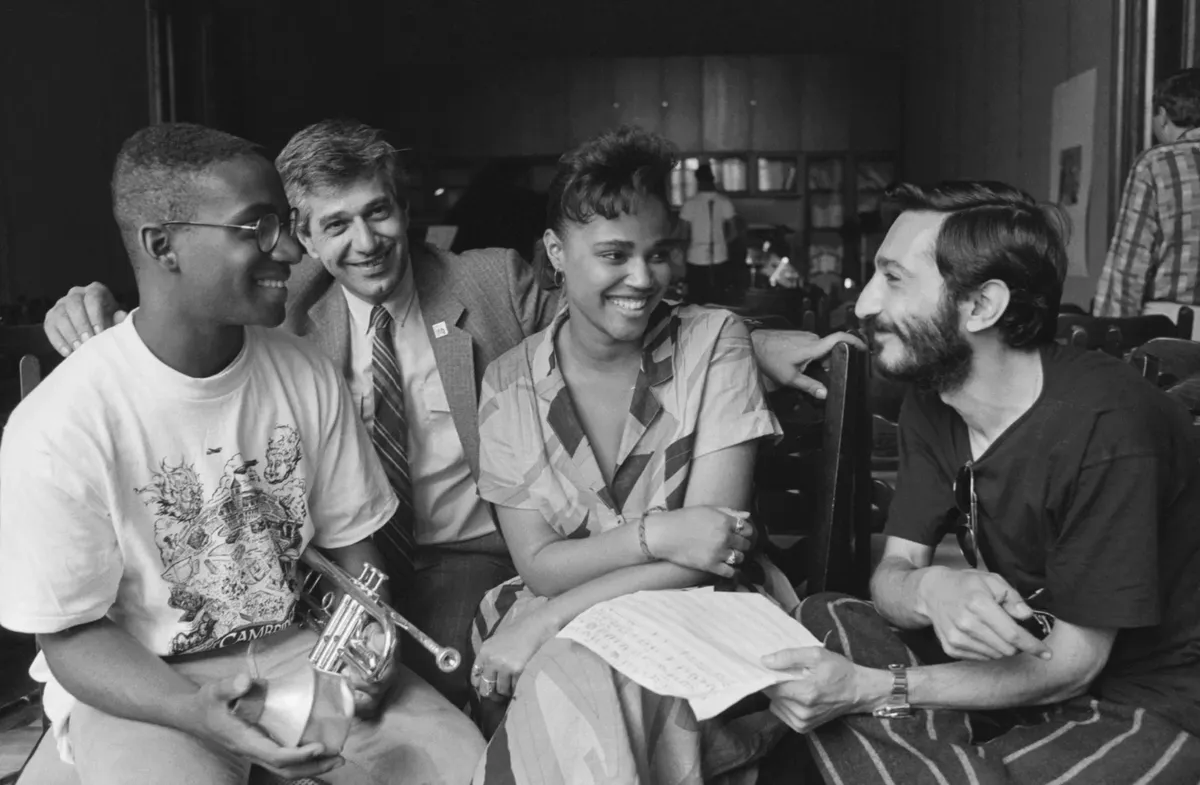
On the international stage, major jazz performers also showed interest in Armenian music. The music of composer Aram Khachaturian attracted the attention of musicians such as Bill Evans and Miles Davis. In his autobiography, Davis wrote: “I listened to his music and was especially fascinated by all the unusual modes he used.” The influence of Armenian classical and folk music on jazz continued to develop in subsequent decades.
In 1963, pianist Levon Malkhasyan, together with drummer Armen Tutunjyan, nicknamed Chico, and double bassist Arthur Abrahamyan, created the Levon Malkhasyan Trio in Yerevan - the first small jazz ensemble in Armenia, which performed at the Composers' Union, the Philharmonic and other concert venues in the city. Later, saxophonist Alexander Zakharyan joined the team, and the trio became a quartet. It was this group at the Linguistic Institute that turned out to be one of the key points in the formation of the city’s jazz culture: musicians performed at youth evenings, organized jazz concerts, and gradually a lively club environment was formed around them, which over time expanded beyond Yerevan and became noticeable at festivals throughout the Soviet Union.
In the 1970s, the Armenian jazz scene broke out of the Union. The State Variety Orchestra of Armenia, led by Konstantin Orbelyan, became the first Soviet jazz orchestra invited to the USA. They performed 25 concerts around the country, with the final one at Lincoln Center in New York. The repertoire included both Armenian works and American jazz classics - for example, the melodies of Count Basie and Stan Kenton. Over 36 years of work, Orbelyan transformed the semi-professional composition into a serious modern orchestra, and in 1979 he received the title of People's Artist of the USSR.
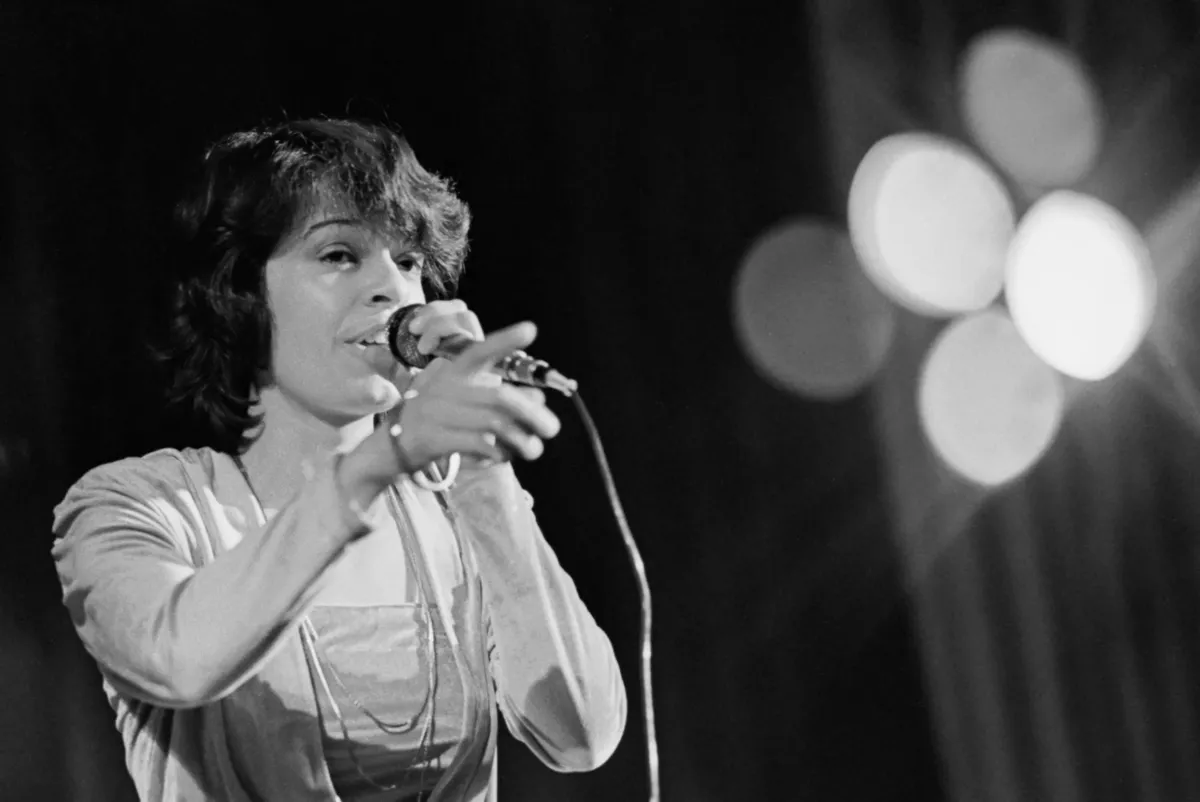
In the next decade of the 20th century, Tatevik Hovhannisyan became one of the main figures of Armenian jazz: she began singing as a child in a radio and television orchestra, and at the age of 17 she became a soloist in the Orbelian orchestra. She was called the Armenian Ella Fitzgerald and the first lady of Soviet jazz. When asked what is the main reason for pride in her musical career, Tatevik replied: “I want to emphasize that I consider my main achievement to be the development and popularization of Armenian ethnic jazz far beyond the borders of my native Armenia - in collaboration and co-authorship with American musicians who deeply and sincerely loved this music. What is especially important for me is that we managed to merge two of the richest musical cultures – jazz and Armenian folklore.”
In the 1990s, Orbelian left for San Francisco, and the orchestra's work was interrupted. However, in 1997, the group was revived as the State Jazz Orchestra of Armenia under the direction of composer and pianist Armen Martirosyan. The group toured the USA, received awards and released two albums, continuing the new life of Armenian jazz.
After the collapse of the USSR, the war in Karabakh and the economic crisis, the jazz scene went through a difficult period, but did not die. Even at that time, concerts continued to take place in Yerevan, small lineups gathered, and the musicians themselves maintained the continuity of the tradition that was formed in the middle of the 20th century.
Over time
jazz in Armenia also naturally fit into the new urban reality: new generations of performers, clubs and festivals appeared, and the genre again became part of the everyday musical life of Yerevan.
And now a whole century has passed - a whole century of amazing music, completely its own music, which is unlike any other in the world. And I'm sitting on the steps of the Cascade, enjoying the warmth of the last April evening, and listening to all this jazz.