
Translated material
Do they want to take everything? The Duma allowed to seize the property of relocants

Those who left the country risk losing the opportunity to dispose of property in Russia
The State Duma adopted a law allowing the seizure of property of Russians abroad if they have committed administrative offenses against the interests of Russia. 384 deputies voted for the law; there were no votes against or abstentions. From September 1, 2026, Russian citizens who left the country but left behind an apartment, car, dacha or bank deposit risk losing the opportunity to dispose of this property, for example, due to a post on social networks.
Also in the issue: Arrests and searches before Eid al-Adha . The FSB took on representatives of the Islamic clergy . Political scientist Ruslan Aisin comments. Dangerous social contract . How a program to help the poor turned into a conveyor belt of criminal cases . Economic commentator Boris Grozovsky comments

Those who left the country risk losing the opportunity to dispose of property in Russia
by Radio Liberty Text copied width px height px The URL has been copied to your clipboard
No media source currently available
0:00 0:58:53 Download media file
The new law is actively commented on. Some fear that now all relocants will be deprived of their property remaining in Russia, and something urgently needs to be done in order to hide their belongings before September 1, while others see the legislative changes primarily as a political signal.
For example, lawyer Nikolai Polozov on his Facebook, reacting to this bill, wrote : “The Russian state is finally formalizing a new model of ownership: property belongs to you exactly as long as you are politically loyal to the regime... In essence, the Kremlin is telling emigration: you can leave Russia, but your apartment, accounts, business and property remain hostage to us.”
Maxim Olenichev , a lawyer at the First Department human rights project, explains how to relate to these legislative changes, who will be affected by the changes, and whether they should be afraid:
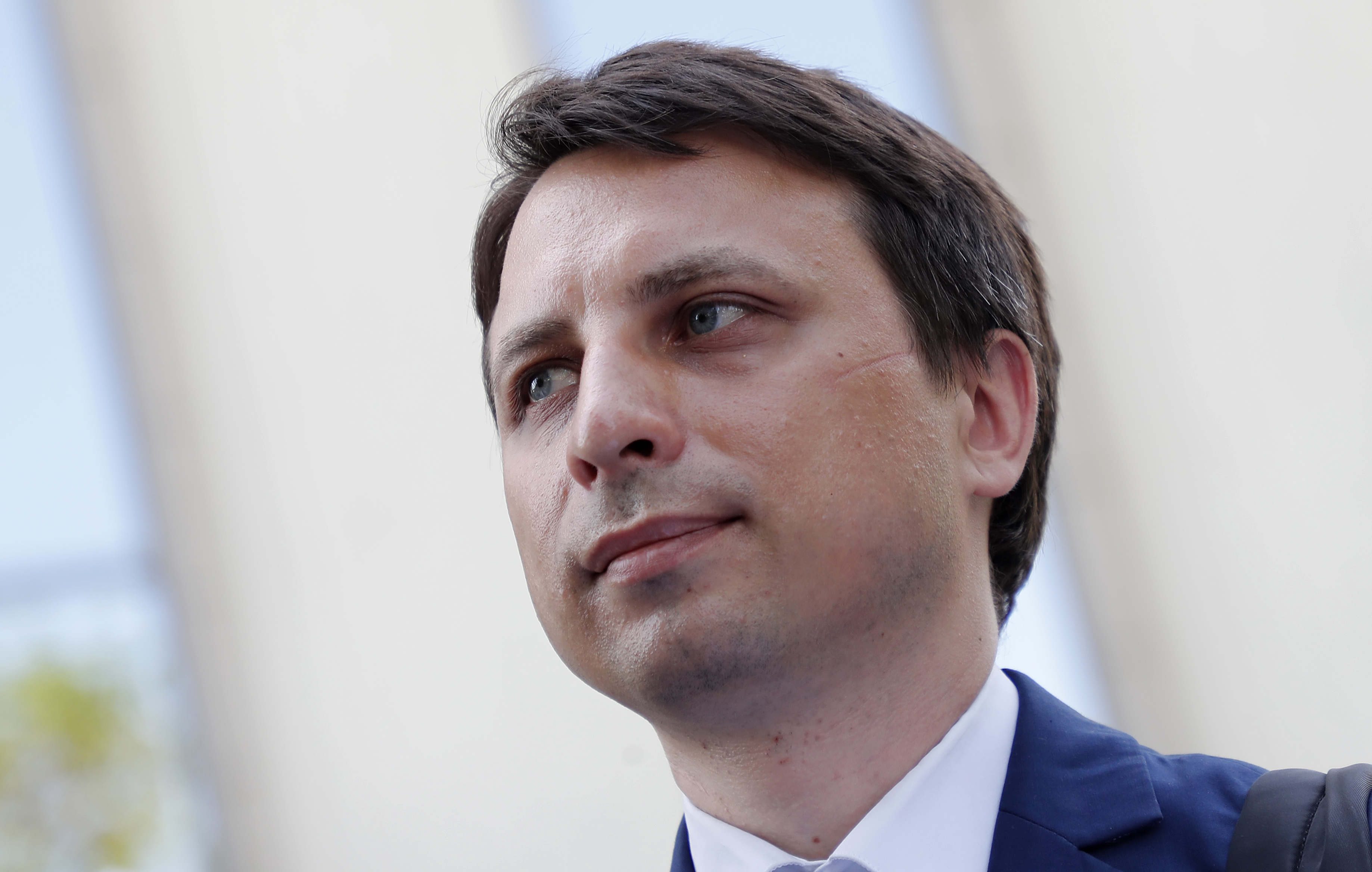
– Well, of course, this is a tougher punishment for criticizing the Russian authorities, the activities that the Russian authorities are now conducting, because the list of articles for which arrest can be imposed is political: violation of the law on foreign agents, participation in the activities of undesirable organizations, obvious disrespect for public authorities (we also have such an article in the Code of Administrative Offences), discrediting the armed forces - that is, for expressing an opinion. And, in fact, Russians who have gone abroad, but continue to speak out on these topics, may be subject to the influence of this law, because the scheme of the law is structured as follows. If the Russian authorities have identified a violation, one of those that I have listed, they can draw up a protocol on an administrative violation. Along with this protocol, when transferring the case to court, they may ask the court to seize the property of the Russians who left. This arrest will remain in effect until the fine is paid, and only after that the arrest can be lifted. That is, this is not a confiscation of the assets of Russians who left, but this is a story about the fact that Russians who left and against whom a case of an administrative offense is being considered under these political articles will not be able to sell or rent out their property, but will bear the costs of maintaining it. But, I repeat, this arrest can be lifted when the punishment is completed.
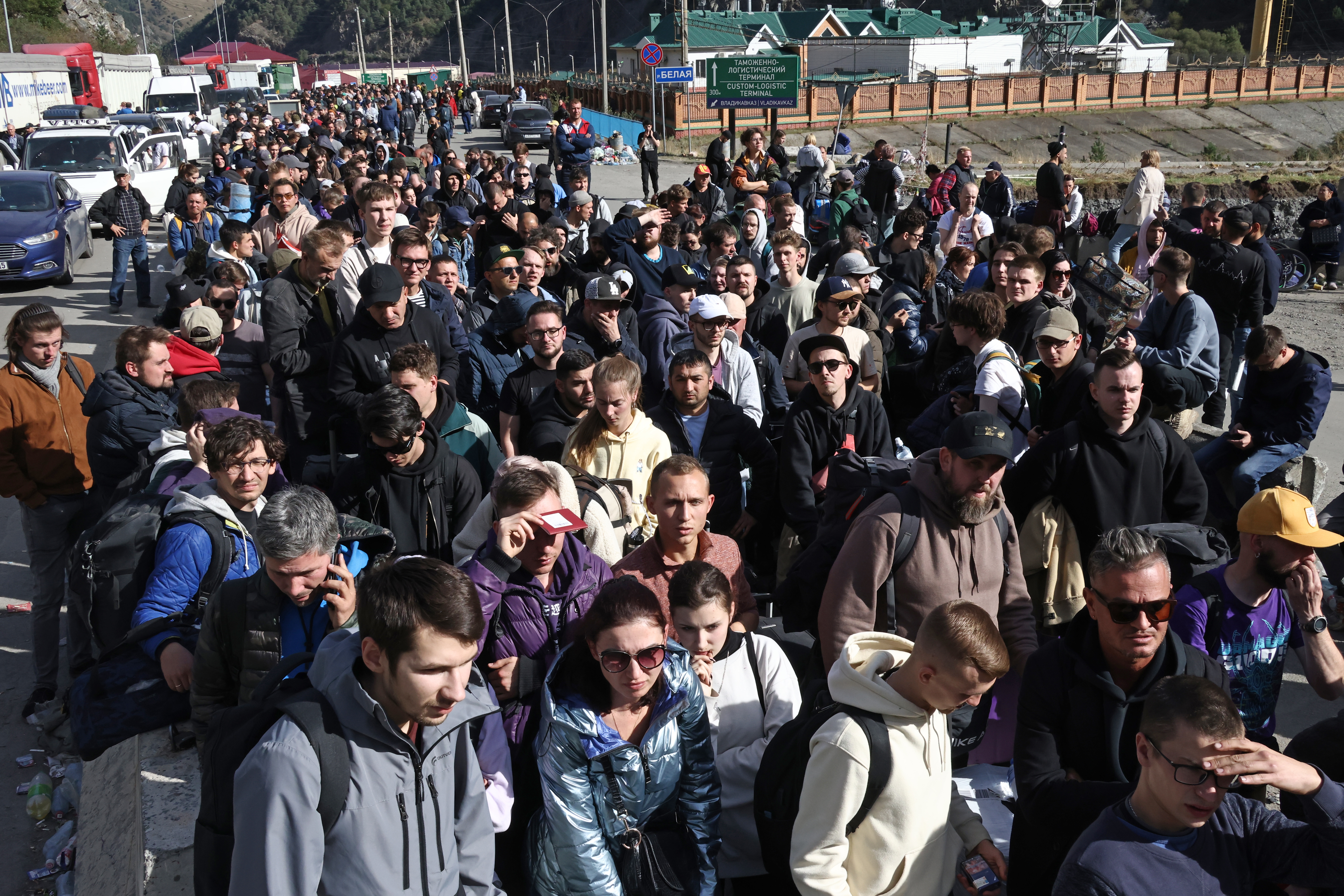
Of course, this is a tougher punishment for criticizing the Russian government
– If a person is fined 15 thousand rubles or even 300 thousand, does this mean that all his property remaining in Russia, for example, an apartment and a dacha, which are worth disproportionately more, will be immediately seized? Or just a dacha? Will the amount of the fine and the value of the property be taken into account at all?
– From the wording in which the State Duma adopted the law, it follows that the amount of the fine does not matter in any way under these political articles. Conventionally, they can be fined 1,000 rubles, but the court can seize all of a person’s property in Russia. For funds in bank accounts, for an apartment, for a dacha, for a car. Thus, a person will be deprived of the opportunity to dispose of property for one violation. Let me remind you that at this moment the judge has not yet made a decision to find the person guilty, but has already imposed some interim measures in order to seize this property. But after a decision on a fine, if a person does not have money, the amount of the fine can be repaid at the expense of the seized property. But first of all, of course, the bailiffs will write off amounts from bank accounts. And only then, if there are insufficient funds in bank accounts, can they proceed to the sale of property. It must be proportionate to the amount of the fine in case of sale. But if interim measures are taken, when the case has not yet been considered, property for any amount may be seized under these political articles.
– Can bailiffs begin enforcement proceedings when a person doesn’t even know that he had some kind of fine in Russia? And sell, for example, an apartment to pay off a fine of 50 thousand? How can this procedure be influenced at all?
– If the fine is 50 thousand rubles, then the bailiffs will not sell the apartment, because the value of the property that is subject to sale must be commensurate with the fine that the court will impose. That is, in this format, if a fine of 50 thousand rubles is imposed and all property is seized, including an apartment, then such arrest will remain until the person pays the fine.
This arrest is imposed only on political charges and until a person is found guilty
It is important to say a few more things about this bill. Firstly, this arrest is imposed only under political articles (Administrative Code of the Russian Federation) and before a person is found guilty. Secondly, if a person has left the country and it is impossible to bring him personally to court to consider a case of an administrative offense, the state is obliged to appoint a public defender for him. He is involved at the expense of the state, but then, when the case is considered, the legal costs will be borne by the departing Russian. He personally may not know that such a case will be heard in court. A court-appointed lawyer will work for him. This is a novelty in Russian legislation regarding administrative offenses. Never before in Russia has a rule been introduced that when the state brings a person to justice in cases of administrative offenses, he must still pay the legal costs associated with the lawyer assigned to him.
– You named the articles, upon presentation of which the authorities will be able to seize the property of relocants. Among the definitions for which a person can be punished is “an offense against the interests of Russia.” What is this? You must understand what you cannot do to avoid being fined.
If a person calls Russia’s war in Ukraine a war, this also contradicts the interests of the Russian state
– In the current format, the interests of Russia are understood as the interests of the current Russian government. For example, in Russia the concept of traditional values is quite widespread; there is a Presidential Decree on the approval of these specific values. And everything that contradicts them will be considered actions against the interests of the Russian state. Or if a person calls Russia’s war in Ukraine a war, this also contradicts the interests of the Russian state. It is not some values that are specified in the Constitution that should guide, including state bodies, that are taken. In this case, the interpretation of the interests of the Russian state is carried out by specific officials and politicians who currently lead our country.
This bill has been considered within the State Duma for more than two years. But judging by the restrictions that legislators are gradually introducing, it can be assumed that they will not stop only with this law. This is a stage of additional pressure on those who do not hesitate to express themselves regarding the actions that the Russian authorities are taking today in Russia and Ukraine. It is important to understand that the Russian authorities will pull the strings that Russians who have left still connect with the country. In particular, this is property, connections with relatives, and so on. And, if you have already decided to completely leave the country, and there is an opportunity to take your property out of Russia, this is probably a good option. Because in this case, the Russian authorities will have fewer ways to apply pressure for words, for expressing a free opinion,” concludes Maxim Olenichev.