
Translated material
The FSB missed the terrorist attacks
The shuttle traders from Grozny told their relatives that they were going to Baku to buy goods. However, a few days later their names appeared in the news - they were accused of a double terrorist attack. Two planes taking off from Domodedovo exploded in the sky almost simultaneously. It is still unclear how the women managed to smuggle the bombs, and the FSB is hiding a lot. 90 people died in the tragedy. What happened on this day - in the material "Cold" .
It was a week before Beslan: suicide bombers blew up two planes. How did this happen? 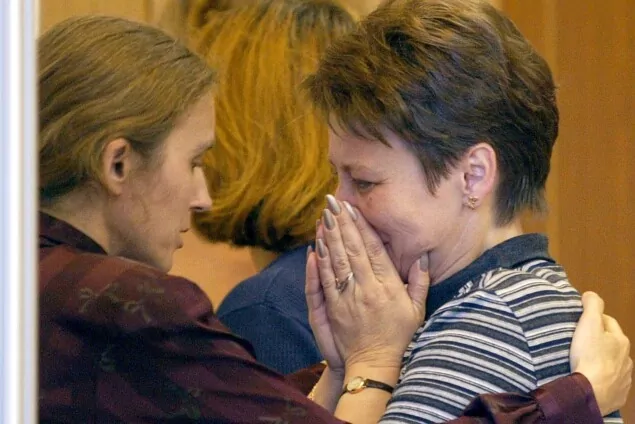
In the evening there was the usual commotion at Domodedovo airport. Airport controls at that time were very different from today. There were no frames or turnstiles at the entrance—any person could enter the building without hindrance. But only people with tickets were allowed into the departure area.
At about 21:40, a Tu-154 plane took off from Domodedovo on a flight to Sochi. After 50 minutes, a Tu-134 appeared in the sky, flying to Volgograd. But they were not in flight for long: at approximately 22:55, with a difference of one or two minutes, communication with these two aircraft was lost. They crashed.
Soon the wreckage of the planes was found . One is in the Tula region, the second is in the Rostov region. It quickly became clear: there were no survivors. 90 people died.
Expertise
The whole country learned about the tragedy on the morning of August 25. Then the investigation began. The news said that only one thing is known for sure: both planes took off from Domodedovo, gained altitude, and then suddenly fell. What happened was anyone's guess.
Several versions have been put forward. The head of the FSB public relations center, Sergei Ignatchenko, spoke about engine failure, pilot errors and weather conditions. But there were obvious problems with all of these versions.
What were the problems with these versions? When an engine fails, pilots usually have time to report it to the ground.
The version about pilot errors also looked dubious: the crews had extensive flight experience. The likelihood that they would be wrong at the same time was not so high.
The crash could not be attributed to the weather either: the temperature that day did not drop below 13 degrees Celsius. For flight, this is even better than the conventional plus 28: the air is denser. Moreover, neither weather forecasters nor crew members complained about the weather conditions.
There was only one option left - a terrorist attack. Although the FSB initially denied this version, all the facts spoke in its favor. The wreckage of the Tu-134 was scattered over tens of kilometers. This is only possible in one case: if the plane breaks up while still in the air. And since the pilots did not have time to contact the ground, it means everything happened instantly.
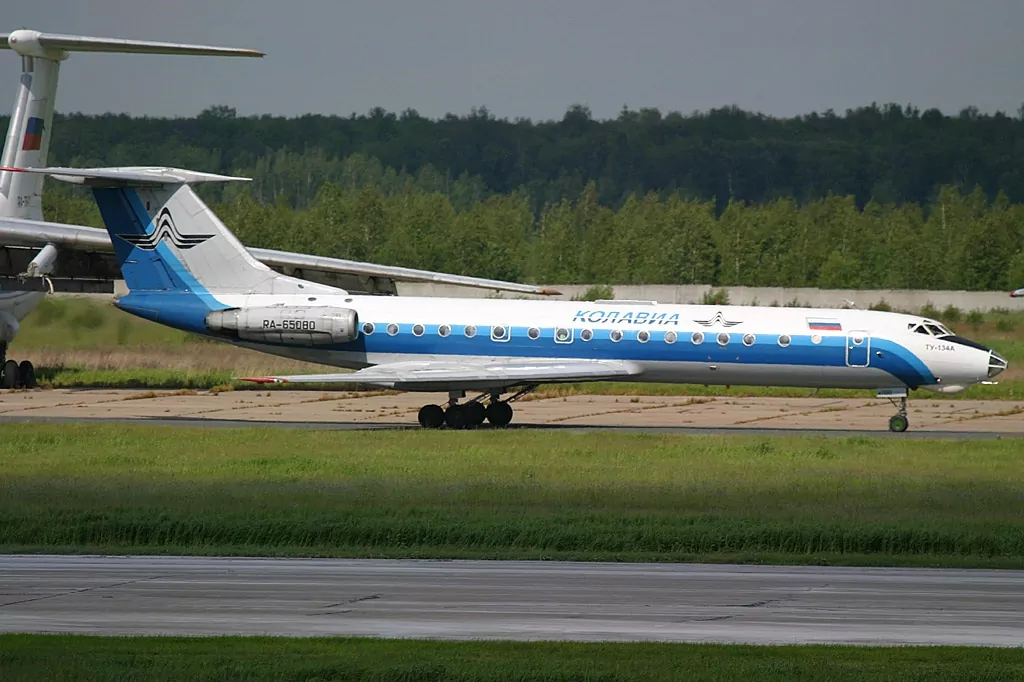
There was another remarkable moment: earlier that day in Moscow, a bomb had been detonated at a bus stop on the Kashirskoye Highway - right on the road leading to Domodedovo. The media and the public began to speculate that the catastrophe in the sky and this explosion were connected. Whether this is true or not is still unknown.
Be that as it may, the results of the examination soon came, and the fact of the terrorist attack was proven. First, the FSB reported that when examining the wreckage of the Sochi plane, traces of explosives were found. The next day it turned out that the same thing was found on parts of another aircraft. In both cases, the substance included hexogen.
What is hexogen? This is a powerful and sensitive explosive. It is used in military production, in controlled industrial explosions, and as a component of solid rocket fuel.
RDX is not usually used in its pure form, so experts speculated that the planes were blown up with plastite or elastite, industrial explosives based on RDX. The bombs, as it turned out after examination, were detonated at the rear of the aircraft, not far from the engines.
The names of the alleged perpetrators appeared in the media a few days after the explosion. And soon the whole country heard the terrible word “terrorist attack” again. And twice: first on August 31 near the Rizhskaya metro station in Moscow, and the next day - September 1, 2004 - in Beslan. As it turned out, the plane explosions were directly related to the terrorist attack in Beslan, and the logic of this connection was revealed later.
Last seconds
After the disaster, both the media and authorities tried to find out what was happening on board the planes. There are few details about this only for the Tu-154 of Siberia Airlines, which flew to Sochi: a transcript of the conversations between the crew members has been preserved.
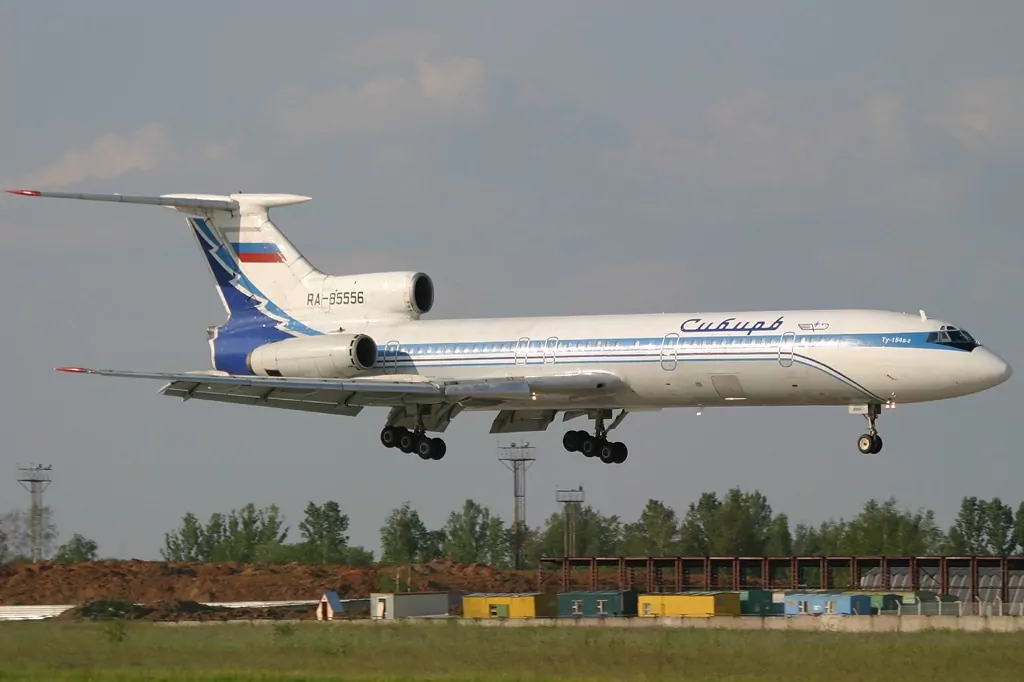
At 22:46 the plane crossed the border of the Rostov and Voronezh regions. The ship's commander conveyed to local dispatchers: “Rostov, control, I am board 85556. I am passing Kanon. Height 12100. I’m heading to the city of Sochi.” This meant that everything was going well. Then, as follows from the transcript, the atmosphere in the cabin was calm for several more minutes. At 22:50 the crew was still conducting standard technical negotiations: the pilots noted that they were going to the calculated point, checked the distances in kilometers and talked about the need to climb.
Everything changed at 10:53 p.m. The transcript states that it was then that an “intense sound effect” and noise appeared on the recording, followed by a prolonged scream. Two seconds later, an automatic intermittent signal sounded, signaling the depressurization of the cabin. Chaos began in the cockpit: screams, groans and desperate cursing of the pilots can be heard on the film.
At 22:54, amid incessant swearing, one of the crew members managed to say “goodbye,” after which two people screamed simultaneously. The system continued to signal depressurization.
Last minute transcript:
22:55:08.8 On yourself?
22:55:09.8 To myself.
22:55:10.3 Come on!
22:55:12.5 Are you here?
22:55:14.8 Go away.
22:55:16.7 Where are we?
22:55:19 Ah-ah!
22:55:20.3 On yourself!
22:55:23.1 Moans .
22:55:23.7 Stop recording. Collision with the ground .
At 22:56, the dot indicating the Tu-154 on the radar screen disappeared. The plane crashed.
Journalists later noticed that at 22:55:01 someone on the recording shouts: “No, no, not here, not here!” According to one version, the pilots, who already realized that they were falling, wanted the plane to be away from populated areas. They succeeded. The wreckage of the Tu-154 was found nine kilometers south of the village of Glubokiy in the Rostov region.
The captain of the Tu-154 (Moscow - Sochi) is a 48-year-old former military pilot, first class pilot Mikhail Guryev . For a long time he was the chief pilot on the planes of various defense ministers of the country. Participant in combat operations in Afghanistan, had military decorations.
The remains of a Tu-134 flying to Volgograd were found near Buchaloki. This is a small village near the border of the Tula and Ryazan regions.
Captain Tu-134 (Moscow - Volgograd) - General Director of the Volga-Aviaexpress airline Yuri Baichkin , 43 years old. A first class pilot, by that time he had flown more than six thousand hours.
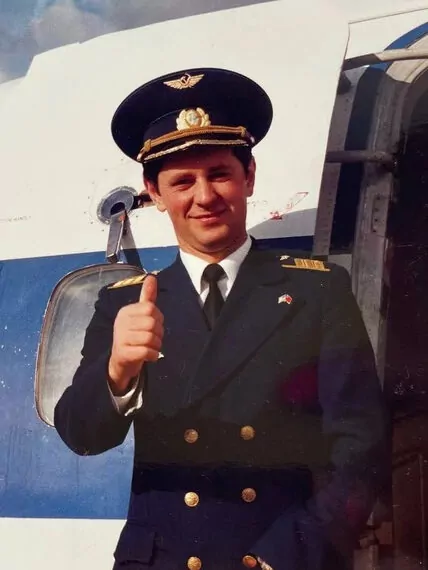
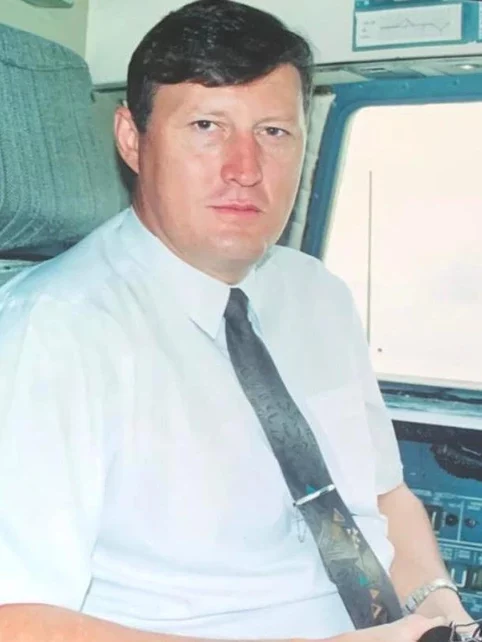
Local resident Olga Evseeva, in a conversation with journalists, described the moment the Tu-134 fell: “About 11 o’clock in the evening I was putting the child to bed and heard a roar. It rained with thunderstorms for four days, and I mistook the noise for another prank of the elements. I ran out into the yard to take off my underwear, and my ears were blocked: some popping noises, a terrible grinding sound of metal. And then something literally flew overhead and fell 200 meters from the house. It became quiet, and some books, pieces of bags, and packages continued to fly from above.”
“Eh, folder, folder...”
All passengers and crew on both planes were killed. Some biographical facts are known about some of them. For example, 29-year-old Andrei Gurov was returning from a Moscow business trip. His little son was waiting for him at home. A young lawyer, Olga Aleynikova, worked in a Volgograd firm and received an offer from Moscow. She decided to go to the capital to complete all the formalities for the transfer. Her life was cut short while she was returning home.
Relatives of the victims spoke to the media and talked about their loved ones. Irina Krutova lost three: on the Tu-134 Moscow-Volgograd plane were her brother Alexey Nesterov, his wife Elena and their daughter Katya. Irina had to take their bodies from the morgue in the Tula region.
“My brother was the backbone of our family. I am still amazed how he managed everything. Niece Katyushka was an excellent student, was fond of singing and dancing, and was preparing to go to the 11th grade <...> With their death, life ended for me,” Krutova recalled.
The flight mechanic of the Tu-134 (operating the Moscow-Volgograd flight) Yuri Korobkin began working on night flights shortly before the disaster - if not for this, he would not have worked on the evening of August 24. His wife Elena was left alone with two minor sons Kirill and Anton.
“Kirill told me at first: “Mom, don’t worry, everything will work out.” After the tragedy, he somehow matured. <...> In front of me he tried not to become limp, he held on... But he often approached the vineyard planted by his father and sighed: “Eh, folder, folder...”,” she said.
Flight attendant Marina Khudeeva did not want to fly anywhere that evening, said her colleague Larisa Markova. “I saw them all five hours before the tragedy. In the evening Marina lay next to us on the bed. We discussed who bought what in Sochi. Marina said: “Today we will also buy everything, we’ll swim in the sea...” And then she added: “It seems that the flight is good - to Sochi, but for some reason I don’t want to fly there,” Markova recalled her words.
The pilot Vladimir Duzhak was too lazy to go to work that day. His wife suggested that he take sick leave, but he refused and went on the flight. This was his last flight.
Among the dead were a variety of people: young and old, experienced pilots and novice flight attendants. Maybe some had premonitions that something bad would happen that day. But only two passengers - one on each plane - knew for sure: this was the last day of their lives.
Their names were Satsita Dzhebirkhanova and Amanta Nagaeva.
Normal routine work
On August 24, around eight Moscow time, Satsita Dzhebirkhanova and Amanta Nagaeva arrived at Domodedovo airport from Makhachkala. According to eyewitnesses, they were dressed all in white. Dzhebirkhanova was wearing a jacket and a skirt. She had short dark hair with blonde streaks. Nagaeva was described as a thin woman with black hair with a reddish tint.
The name Nagaeva is different in the sources: there are versions of Aminat, Amanat, Amant. Her name is listed as Amantha in the databases, so the Cold War material uses this version.
Almost immediately they were stopped by police captain, employee of the department for combating drug trafficking, Mikhail Artamonov. He looked at their passports, questioned them and, finding nothing suspicious, released them. Dzhebirkhanova and Nagayeva took their documents, but did not leave the airport. They needed to fly from Moscow - where, it didn’t matter to them, just to get on the next flights. Then someone named Armen Harutyunyan approached Dzhebirkhanova and offered his help.
Who was Harutyunyan? In the 2000s, there were resellers in Domodedovo: they took tickets for several flights and then sold them in the airport halls to those who were unable to buy a ticket. Harutyunyan was doing just that, but, according to his relatives, he “gave up” in 2000. However, even after that, he was in Domodedovo all the time: sometimes he drove passengers to the city in his car, sometimes he helped people buy tickets, using life hacks known to him.
According to Harutyunyan’s recollections, both women spoke Russian with a slight accent, and he thought they were Ossetians. He also said that they each held a plastic bag in their hands. What was there is unknown.
Dzhebirkhanova needed a ticket for a flight to Sochi, which departed at 21:40. But the sale of tickets for it had already ended by that time. However, there was one trick that Harutyunyan knew: you could buy a ticket for another date, and then, if there were empty seats on the next flight in the same direction, fly out early.
It was 20:30 when Harutyunyan and Dzhebirkhanova approached ticket office No. 22 and asked to sell one ticket to Sochi the next day. The cashier sold an air ticket in the name of Dzhebirkhanova for flight No. 1045 to Sochi with departure at 09:20 on the morning of August 25. With this ticket, Harutyunyan and Dzhebirkhanova went to the representative of Siberia Airlines, Nikolai Korenkov, and asked him to rebook him on the desired flight.
Korenkov looked at the list of passengers on the flight to Sochi and, seeing that there were 100 empty seats, reissued the ticket. Dzhebirkhanova checked in and went to boarding. Armen Harutyunyan took 2,000 rubles from her - about 10,800 in today's money. He later gave one thousand, after the plane had taken off, to Korenkov.
Korenkov would later say: “In that particular situation, I had no choice: to rebook my air ticket in the name of Dzhebirkhanova or not to rebook. According to the current rules, I was obliged to do this (period!). I made up to 20 such marks in one work shift. It was just routine work, a purely technical procedure.”
Seeing how Harutyunyan helped Dzhebirkhanova, Nagaeva also turned to him. She took tickets to Volgograd for a flight that flew at 22:30. For this she paid Harutyunyan 3,000 rubles.
Having taken the tickets, the women calmly went through the inspection. At least this is known for sure from Dzhebirkhanova: when she passed through a stationary metal detector, the alarm did not go off.
How the explosive devices got into the planes is not fully known. Journalists present at the trial wrote that, according to the investigation, both women flew from Makhachkala without explosives - they simply had nowhere to hide them on themselves. Perhaps the demolition men did carry something through, but for some reason the frames did not react. Or they received explosive belts after going through pre-flight inspection in the so-called sterile zone. Or it is possible, although this is unlikely, that someone left the bombs for them inside the planes themselves.
Shuttlewomen
Satsita Dzhebirkhanova was about 40 years old (data vary, her age is given as 37 or 40 years old). After her father's death, she was raised by her older brother Said-Emi. She got married, but the marriage did not work out, and she returned to her parents' house. She lived there for some time, and then moved to work in the capital of Chechnya.
“She was quiet, very obedient, did not leave the house, raised children, not her own. No, I didn’t communicate with anyone. In our country this is not encouraged without marriage. <...> She was strict,” her sister Milana described Dzhebirkhanov.
Amanta Nagaeva was 30 years old. She was not married, and she did not have children either. Nagaeva was born in a small village in Chechnya, and then her family moved to the Rostov region. They lived there until 1989, but after the death of their father, the family returned to Chechnya.
According to media reports, Dzhebirkhanova and Nagaeva rented an apartment together in the center of Grozny. Amanta Nagaeva’s sister Roza and Dzhebirkhanova’s friend Maryam Taburova lived with them. Roza Nagaeva was divorced, Maryam Taburova was unmarried.
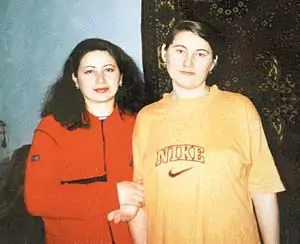
All four women sold children's goods at the market located next to the house. They went to Baku once a month to get things. At the end of August, they told their relatives that they were going to buy things for September 1st.
On August 22, Dzhebirkhanova and Nagaeva arrived at the bus station in Khasavyurt, 80 kilometers from Grozny. From there you could take a bus to many other cities. There they bought bus tickets to Baku, but did not board it. Instead, they took a taxi and went to Makhachkala, and from there by plane to Moscow.
When Nagayeva did not return home three or four days after her supposed trip to Baku, her family began to worry. However, they were not very worried: according to one of her brothers, it happened that buses with shuttles were kept for a long time at the Azerbaijani-Russian border.
A few days after the plane explosion, Nagaeva’s relatives heard her name on TV, but did not believe that it was about their relative.
“She disappeared somewhere, and terrorists used her passport,” said her brother. There were assumptions in the media and among relatives that someone had used the women’s passports, and they themselves were not on the plane. After the explosion, their bodies were so mutilated that it was impossible to identify them. About Nagayeva, the department of the Prosecutor General’s Office for the Southern Federal District said: “Only legs and a fragment of the head remained from the suicide bomber.”
Meanwhile, the neighbors of the suicide bombers, Roza Nagaeva and Maryam Taburova, who also allegedly went shopping, disappeared. They started looking for them. They will be found a week after the explosions - among those who break into school number one in Beslan.
Strelkov's trail
The exact motivation of the suicide bombers is still unknown, but in the case of Nagayeva there are assumptions. The fact is that in 2001, one of her brothers, Uwais, disappeared. The family blamed the federals for this (this word was used to describe all the power structures of the Russian Federation at that time: troops, riot police, FSB, and so on).
“He’s just not there. I've been gone for three years. They came in armored personnel carriers and took me away,” said one of his brothers, Isa.
Then, in an interview with The Guardian, the Amanta brothers described the details of this kidnapping. This happened on April 27, 2001. Their brother Uvays was at the house of his friend Zaur when Russian soldiers from the 45th division stationed nearby approached the house. They didn't see him again.
According to human rights activist Alexander Cherkasov from Memorial, revenge for her brother was Amanta Nagayeva’s main motivation. This, as Cherkasov says, also guided Roza Nagaeva, who was in Beslan.
“In the first half of 2001, my brother was kidnapped in Chechnya, in the Vedeno region and, obviously, killed. И мы даже знаем человека, причастного к этому сюжету, как и к похищению и убийству еще девяти жителей Чечни. Это только доказанные эпизоды, по которым у нас есть достаточная информация, а так по роду деятельности смею предположить, что он может быть причастен к исчезновению сотен человек. Это некто Игорь Иванович Стрелков, он же Игорь Всеволодович Гиркин», — рассказал он в разговоре с «Холодом».
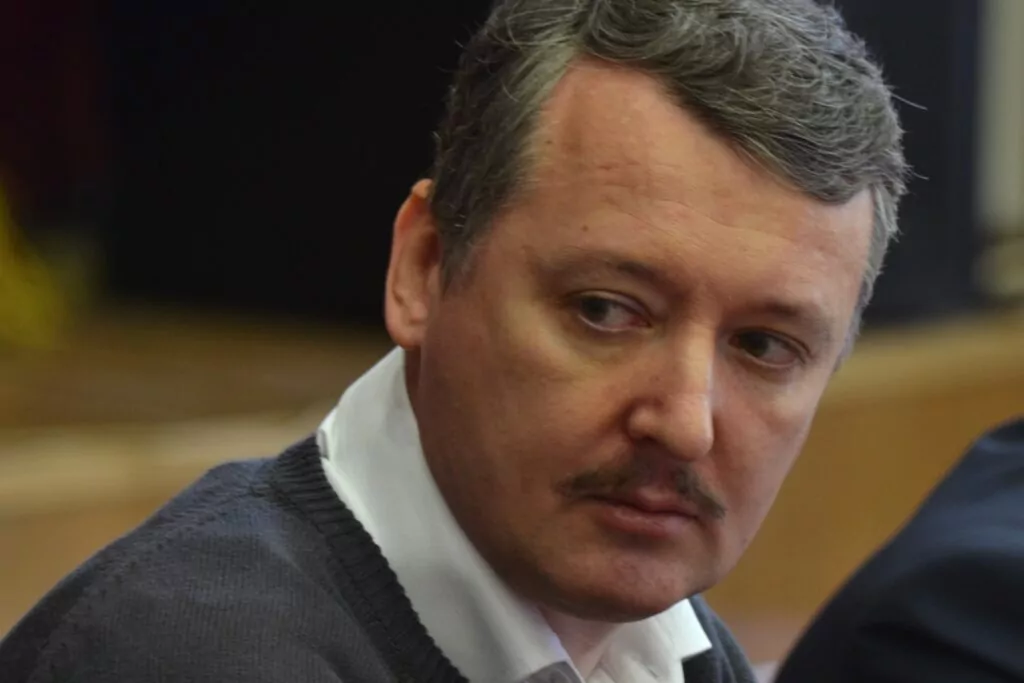
Речь идет о том самом Стрелкове, который связан с уничтожением малайзийского Боинга в небе над Донецкой областью Украины в 2014 году. Это привело к гибели 298 человек. С 2024 года он сидит в колонии в России, где его осудили по статье за экстремистские высказывания: само вторжение в Украину он поддерживал, но критиковал российское руководство и считал, что они недостаточно делают для победы.
Игорь Стрелков был причастен к исчезновению брата НагаевойКак рассказывает Черкасов, весной 2001 года Стрелков находился в очередной командировке в Веденском районе, в группировке десантников в районе села Хатуни. Там как раз и похитили брата Нагаевой. Согласно документам «Мемориала», на которые ссылался The Guardian, в тот вечер солдаты из 45 полка отвели брата Нагаевой Увайса и его друга на кладбище в Тевзане. Их заставили лечь среди надгробий, после чего Заура расстреляли.
В Увайса — брата Розы и Аманты — тоже стреляли, но он выжил: притворился мертвым и на следующее утро вернулся раненым в дом Заура. Однако военные вернулись за ним и куда-то отвели, связав ему руки. Что произошло дальше — неизвестно. Его больше никто не видел.
Про Стрелкова и Чечню Стрелков писал о своих «подвигах» в Чечне. В 2015 году его заметки попали в руки журналистов «Новой Газеты».
«Он там описывает один день из своей жизни, как он координирует действия разных структур, служб в предстоящем ночном похищении четырех человек. Эти четыре человека были похищены в селе Мескер-Юрт 15 ноября 2000 года, и их тела потом были найдены в свалке трупов рядом с Ханкалой, главной базой Федеральных сил Чечни, в дачном поселке Здоровье», — говорит Черкасов.
Многих людей похищали и убивали в те годы таким образом. Стрелков и другие военные редко несли ответственность за свои действия. Уголовные дела по исчезновению людей возбуждали: по данным Amnesty International, в 2005 году таких дел было 1814. Но, как правило, расследование ни к чему не приводило.
Стрелков остался на свободе, участвовал в аннексии Крыма, а 12 апреля 2014 года руководил захватом Славянска. С этого началась война на востоке Украины.
Мотивация второй смертницы, Сациты Джебирхановой, остается неизвестной до сих пор. Она тоже потеряла брата — его застрелили в Дагестане в 1998 году, но это произошло во время местных разборок. Другой ее брат объяснял, что к русским это никакого отношения не имело и ей незачем было мстить.
Досрочное голосование
В сентябре 2004 года ответственность за взрывы взял на себя Шамиль Басаев — лидер чеченского подполья. Он сказал, что эта операция обошлась ему в 4000 долларов.
Кем был Басаев? В межвоенный период он занимал различные должности в правительстве и армии самопровозглашенной Чеченской республики Ичкерия. Во время Второй чеченской войны Басаев стал еще радикальнее и часто использовал тактику масштабного террора. Взрывы двух самолетов — это всего лишь один из терактов, за который он взял ответственность.
Басаев говорил про теракт так: «Это наше досрочное голосование за кремлевскую подстилку №1 от Чечни Алханова». Речь идет об Алу Алханове — президенте Чечни, которого избрали 29 августа 2004 года, спустя пять дней после теракта в самолетах. Про него говорили, что он ставленник клана Кадырова.
Шамиль Басаев был одной из ключевых фигур Первой чеченской войны. Летом 1995 года он возглавил налет на Буденновск, где террористы взяли в заложники более полутора тысяч человек и укрылись в местной больнице.
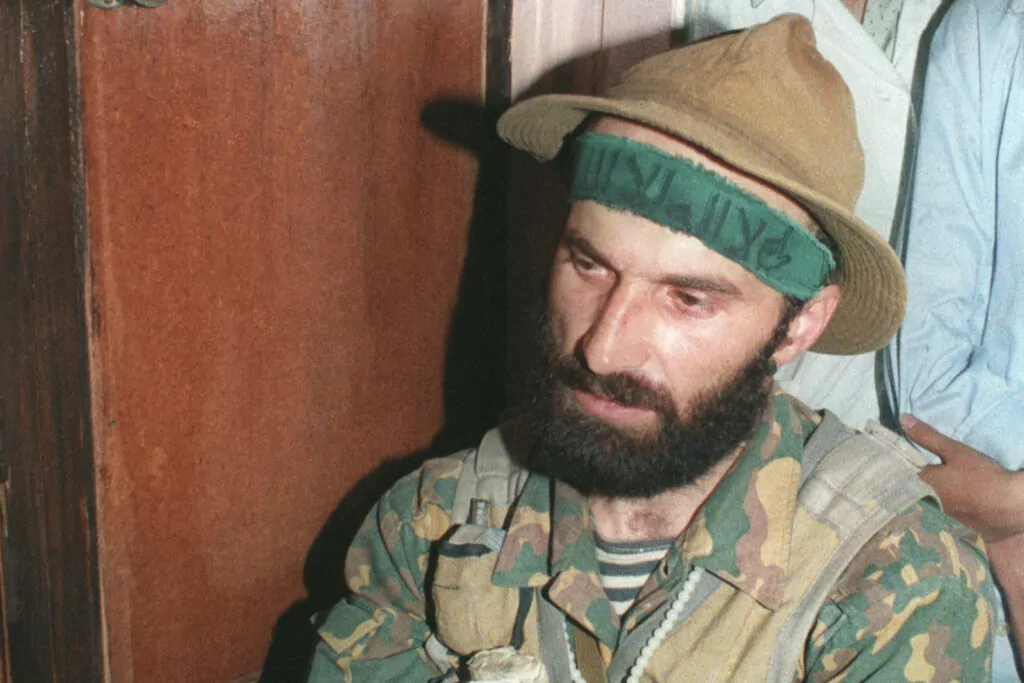
Про теракт с самолетами Басаев говорил в интервью журналисту Андрею Бабицкому. Однако он утверждал, что террористки должны были лишь захватить самолеты и требовать вывода войск. Взрывов якобы не должно было быть.
Цитаты из интервью Басаева:
«А кто сказал, что они были взорваны? Где факты, что их взорвали? Разве русские не могли их взорвать? Почему бы не представить, что их просто сбили? Требования были теми же: прекратить войну. И к чему обвинять нас? Подумайте сами » .
«Предполагалось только захватить эти самолеты и потребовать прекращения войны. А также они должны были не разрешать им садиться, пока не будет получен ответ. Но их немедленно сбили. Что бы там ни было, наши люди не должны были взрывать самолеты таким образом. И я удивлен, почему они взорвались одновременно » .
Однако то, что самолеты не сбили, — это факт. Басаев, кстати, взял на себя ответственность и за теракт на «Рижской», и за Беслан. 10 июля 2006 года он был убит — грузовик с оружием и взрывчаткой, который он сопровождал, взорвался. По словам ФСБ, это была их спецоперация.
« В теракте не виноват»
На скамье подсудимых оказались милиционер, который проверял документы смертниц, и те, кто взял деньги за билеты: посредник Арутюнян и сотрудник «Сибири» Коренков. Сначала их обвинили по двум статьям: пособничество терроризму и коммерческий подкуп. Но никаких доказательств того, что они заранее знали о теракте и о роли смертниц в нем, не было. Поэтому к моменту передачи дела в суд из обвинений остался только «коммерческий подкуп».
Суд приговорил Арутюняна и Коренкова к полутора годам колонии-поселения. Арутюнян свою вину признал лишь частично. Во время судебных слушаний он подтвердил свое участие в приобретении билета для Джебирхановой, получении от нее денег и передачи их части Коренкову. Однако назвал это не коммерческим подкупом, а лишь жестом благодарности.
Николай Коренков своей вины не признал. Он утверждал, что просто делал свою работу. В 2014 году он написал колонку в «Новую Газету», где объяснил свою позицию и рассказал, почему взял деньги у Арутюняна.
Из колонки Коренкова:
«Однажды мой друг спросил меня: “А зачем вообще Арутюнян дал тебе эту тысячу, да еще и через два с лишним часа после перебронирования авиабилета?” Я ему ответил: “Точно не знаю, вопрос больше не ко мне, а к нему. Не исключаю, что таким образом он хотел наладить со мной контакт, так сказать завязать дружбу, на будущее. А может быть, и потому, что так было заведено, причем не только в аэропорту, но и далеко за его пределами. Думаю, ни для кого не секрет, что в то время в масштабах целой страны мы все кого-то “благодарили”, а кто-то “благодарил” нас».
Коренков подчеркивал, что переоформление билета Джебирхановой не зависело от денег — и он их не просил. К тому же, как он пишет, статья о подкупе касается только управленцев, а он был рядовым исполнителем. Он заявлял, что против него устроили травлю: «Меня все, кому не лень, обвиняли в том, что я провел смертницу на борт самолета. Но записи с камер видеонаблюдения в моменты прохождения террористками-смертницами контроля безопасности почему-то не были обнародованы».
На скамье подсудимых также оказался капитан Михаил Артамонов, решивший, что женщины, которых он остановил, безобидные. Ему предъявили обвинение по части 3 статьи 293 УК РФ — «Халатность, повлекшая по неосторожности смерть двух или более лиц». Его приговорили к семи годам колонии, но позже срок уменьшили на год.
В последнем слове Михаил Артамонов, обращаясь к родственникам погибших, сказал:
«Я искренне сочувствую вашему горю, но в теракте не виноват» Утешения в этих приговорах родственники не нашли. «Осужденный милиционер — это просто стрелочник, его засудили для отвода глаз. Может, он и виновен, но главный виновник — это вся система безопасности на авиатранспорте и те, кто ею руководит», — говорила Наталья Бобровских, мать одной из погибших стюардесс.
Фото: Dima Korotayev / Reuters
Автор: Рая Хачатрян