
Translated material
Tear up the "Crosses"
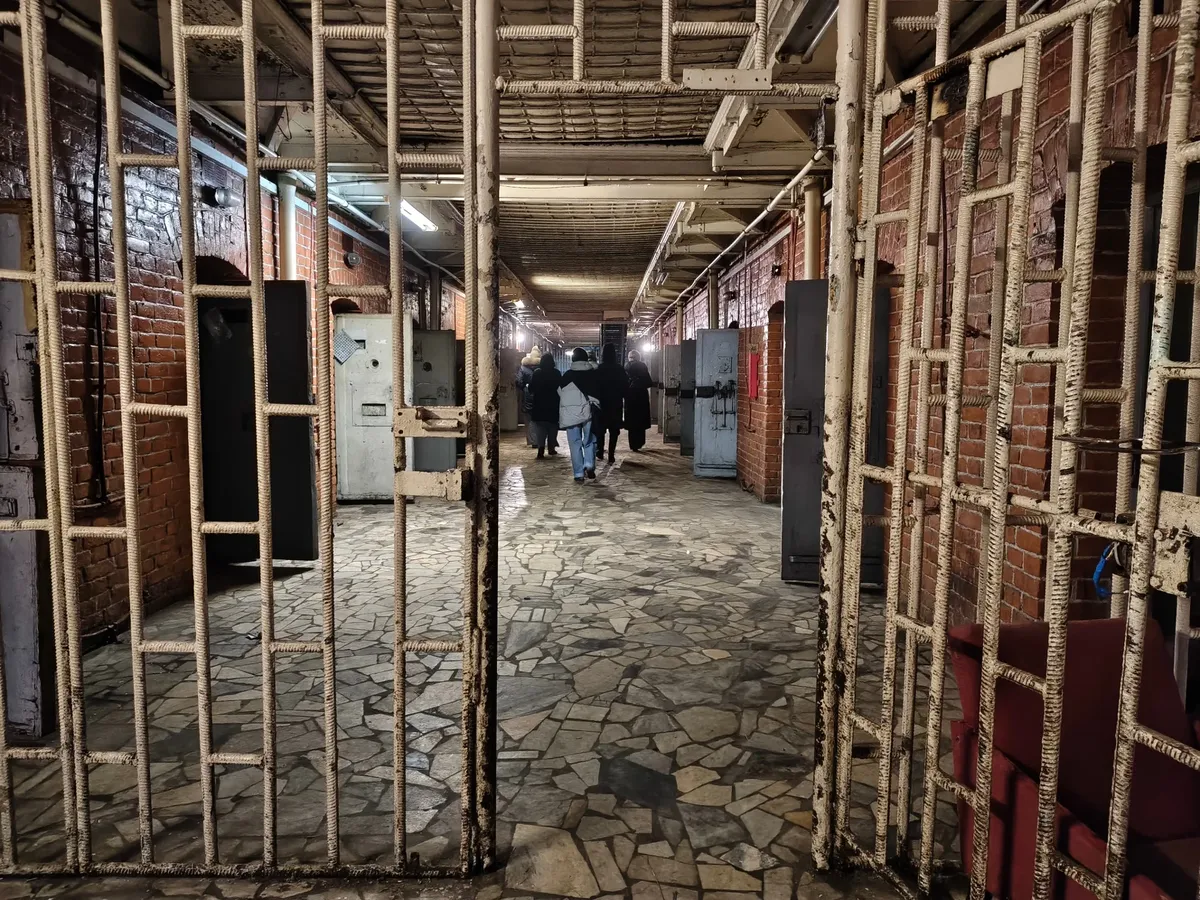
There is a lot of excitement around excursions around the former prison in St. Petersburg. Sociologists and psychologists can study the causes of this prison fever
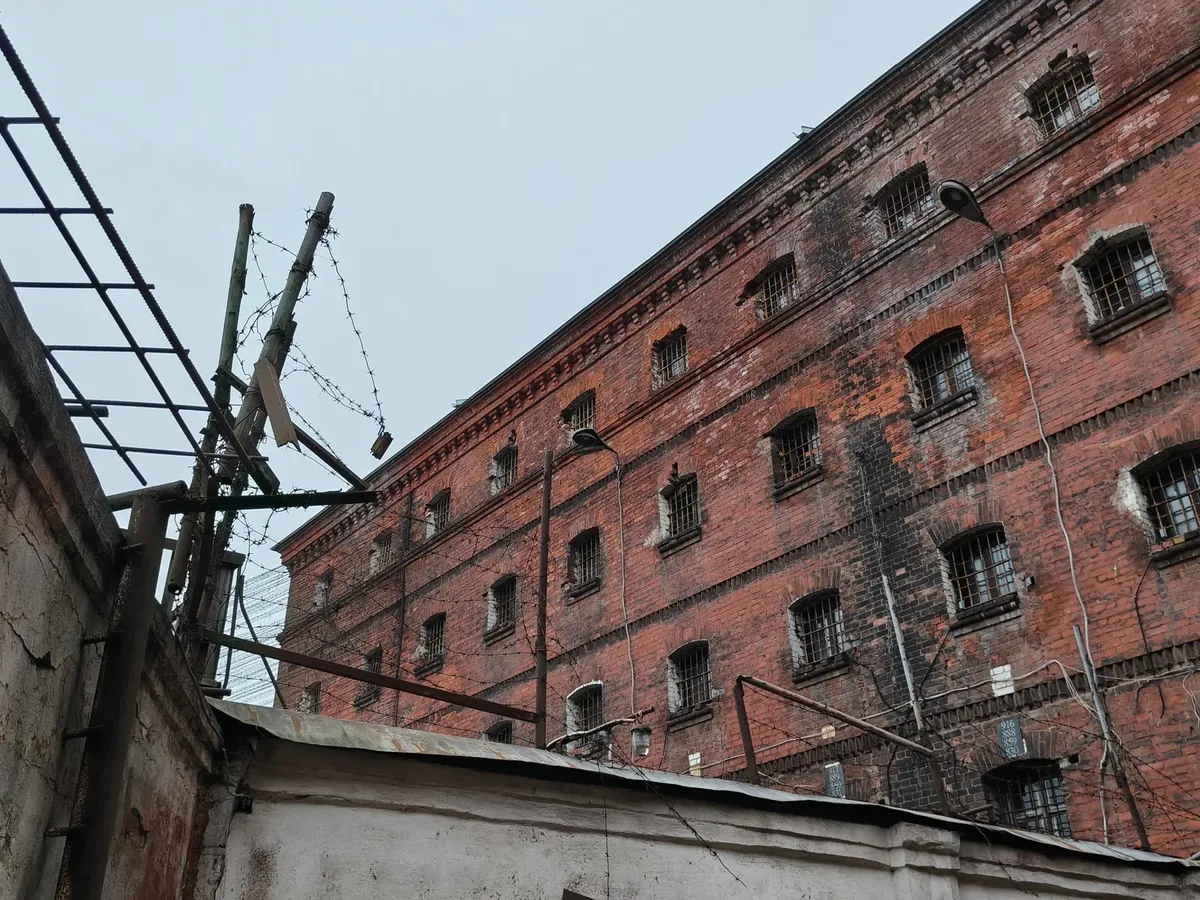
A waiting list of several tens of thousands of people, a stream of offended letters from those who were unable to book the desired date, a collapse of the site every time the administrators post a new batch of tickets online - it is unlikely that when starting a six-month journey through the “Crosses”, the free creative union of like-minded people, as the Lev Lurie House of Culture calls itself, which has the exclusive right to conduct these excursions, imagined that it would find itself in such a whirlpool of passions. At first it seemed that within a month or a month and a half the excitement would subside. But two months have already passed, and tickets for the third have been sold out, while the number of daily visits has increased, and demand is only growing - literally everyone wants to go to Kresty.
Prison fever
It is, of course, possible to understand these passions, given our history - “half the country is on stage, half the country is on convoy.” Although among those who have already visited the historical building at Arsenalnaya Embankment, 7, there are mainly young people and people no older than 50 years old, living their lives without this nightmare. There were one or two former prisoners during this time, and there were a little more of those who had loved ones in “Kresty” at different times. And this is also understandable: for those who personally experienced imprisonment or worried about their fathers, sons, brothers, prison, even the former one, is not an attraction and not the adventures of the Count of Monte Cristo.
But for many visitors, judging by their reaction to the story about the history of the “Crosses”, about those who sat there, myths and legends are much more relevant. I’m talking about Olga Berggolts, who spent many months in both “Shpalerka” and “Kresty”, about torture, about the loss of a child... The middle-aged lady standing in front of me literally looks into my mouth (I think to myself - that’s how a person is interested in the topic!), I pause for a second to breathe, and suddenly the lady - as if from a machine gun: in which cell was the architect Tomishko walled up? Out of surprise, I fell silent for a few seconds - which means that all my stories flew past the neat ladies’ ears, like plywood over Paris; for the visitor, the tale about the supposedly walled-up architect was much more important (if you believe the legend, he was walled up in the thousandth cell, although there are less than a thousand cells in the “Crosses”; besides, Tomishko lived until 1900 and was buried near the Alexander Nevsky Lavra).
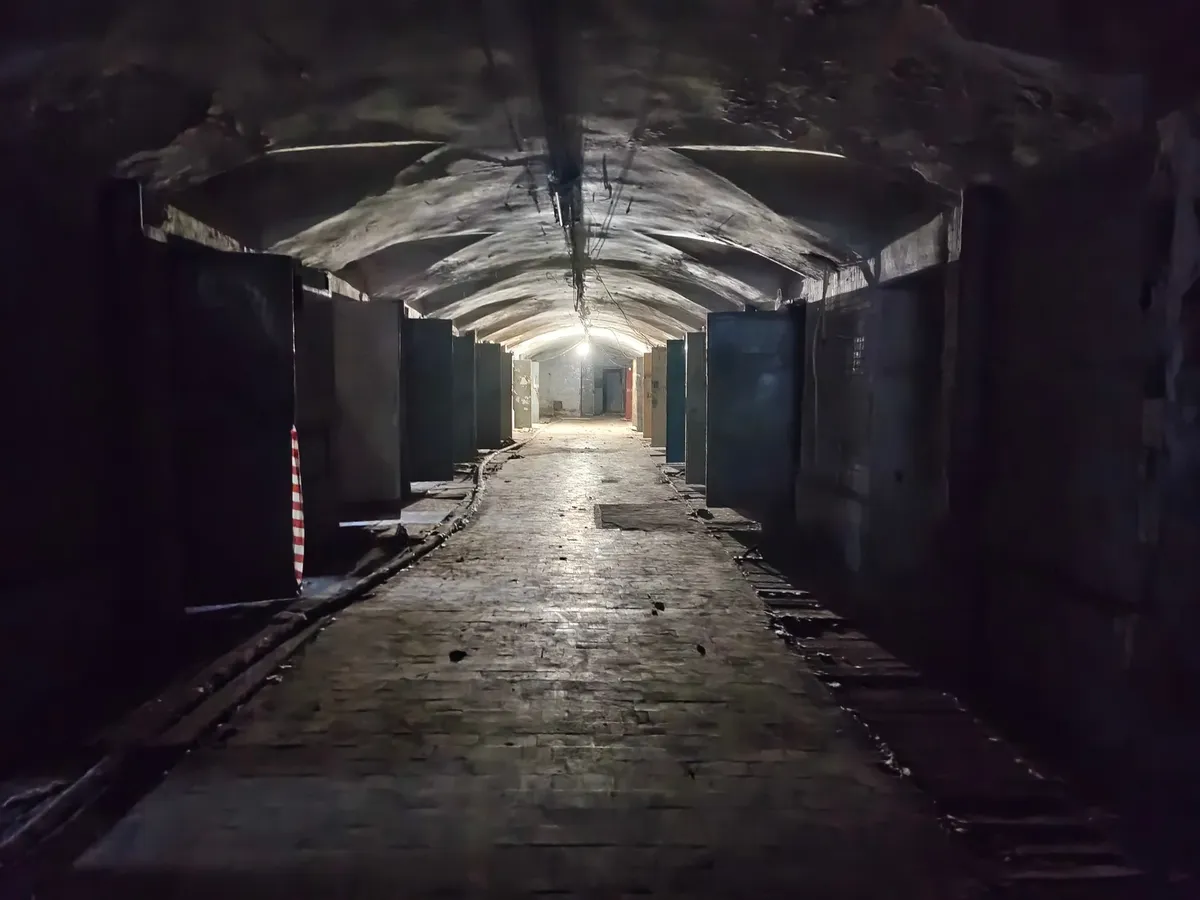
Another excursionist assured me that between the “Crosses” and the Big House ( a building on Liteiny Prospekt, built in the early 30s to manage the NKVD, now the FSB department for St. Petersburg and the Leningrad region is located here. - Ed .) an underground passage was dug under the Neva. There is no point in arguing with myths, but I asked - why dig an underground passage between two prisons? And what did you use to dig with, aluminum spoons? The lady responded: but people talk, so there is something in it! I advised her to read Gogol’s “Petersburg Tales”, the source of which is the same thing “people say”. But I can see from the lady’s reaction: she likes the tunnel more.
Some come under the impression of crime series and criminal chanson. One of the excursionists even took offense at me when I said that I didn’t like gangster folklore, chanson and criminal tales.
And he kept trying to prove to me that in the “dashing 90s” prisoners of “Krestov” could easily leave prison, run to the nearest store and return to their cell...
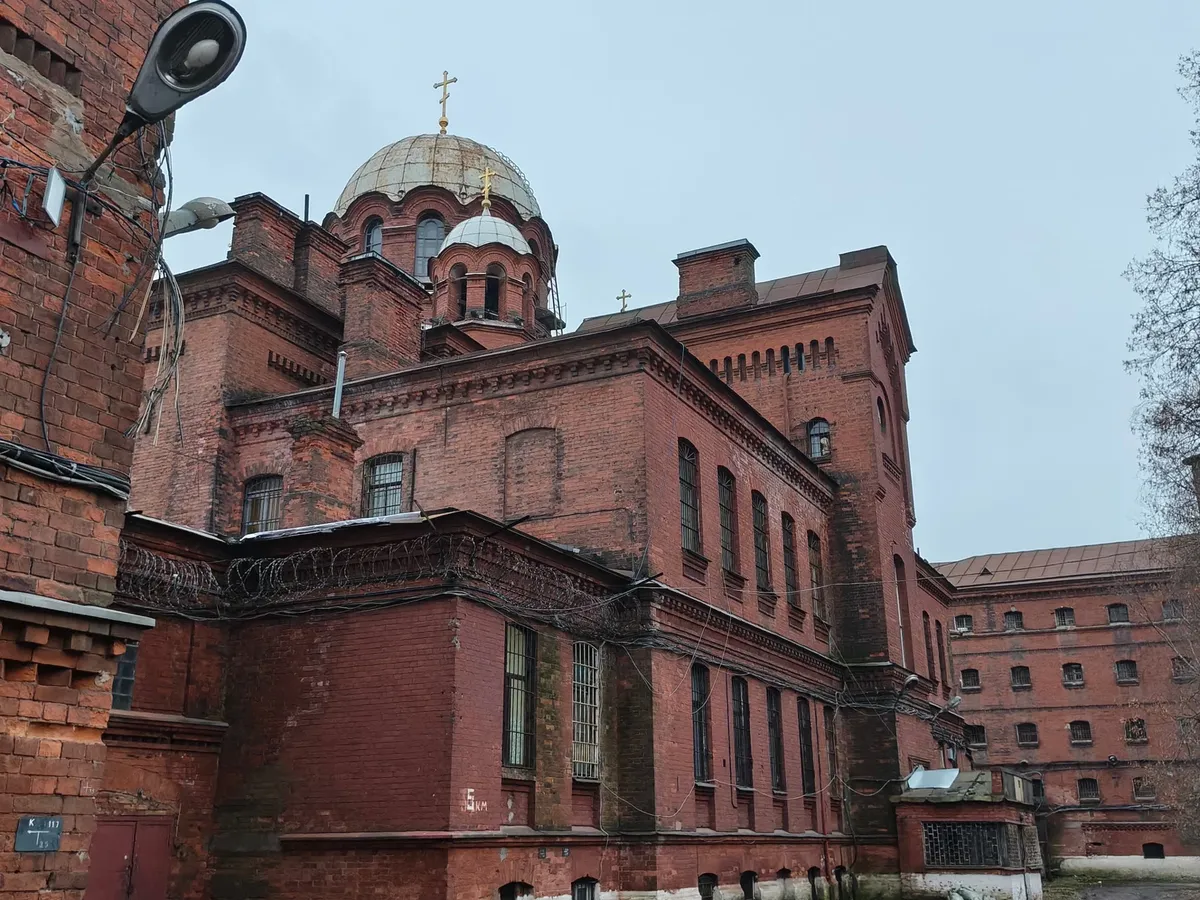
“Crosses” themselves created and supported myths and legends around their history. For example, on the wall of the Alexander Nevsky Church, which was used as an administrative building during Soviet times, there is a memorial plaque in honor of Marshal Konstantin Rokossovsky. The prison administration believes that he was imprisoned in Kresty. But in the marshal’s memoirs “Memories without censorship,” his great-granddaughter Ariadna Rokossovskaya cites the certificate that was issued to her great-grandfather: “Certificate dated April 4, 1940. Issued to Mr. Rokossovsky Konstantin Konstantinovich, born in 1896, who comes from Mr. B. Poland, Warsaw, that from August 17, 1937 to March 22, 1940, he was held in the internal prison of the NKVD LO and on March 20 was released from custody due to the termination of his case.” The internal prison of the UGB NKVD Leningrad region is “Shpalerka”, not “Crosses”. But myths are stronger than reality...
To my question, why did you so want to visit “Kresty”, people answer differently: from the enthusiastic “you’ve dreamed of it all your life”, to the pragmatic one - they’ll soon remake them, you need to see with your own eyes how everything was here. A pretty young woman, already outside the gate, admitted: “I’m a lawyer, my father was here in the late 90s, he talked a little about this. That’s why, by the way, I went to law school.” Some visitors come to every author’s excursion, even coming from other cities: they compare the speakers’ texts, almost learning them by heart.
A group of young, well-dressed men and women, no older than 35, bought the entire excursion to celebrate a colleague’s birthday at “Kresty”. Why exactly in “Crosses”? “It’s so cool!” And joyful laughter...
Sit comfortably
The solitary confinement prison, as “Kresty” was called during construction, appeared at the end of the 19th century. Since the beginning of the 18th century, there was a beer factory on this bank of the Neva, and during the time of Anna Ioannovna there were wine cellars. After the reforms of Alexander II (the liberation of the peasants, judicial reform), new prisons were required. In 1868, the architect Vladislav Lvov rebuilt the wine cellars for the central transfer (Tsentral), then on the other bank of the Neva, behind the St. Petersburg District Court, an investigative prison appeared (another name is the House of Pre-trial Detention, the OGPU-NKVD detention center), the infamous “Shpalerka”. Now the site of the former District Court is occupied by the Big House; Shpalerka remains in its historical place.
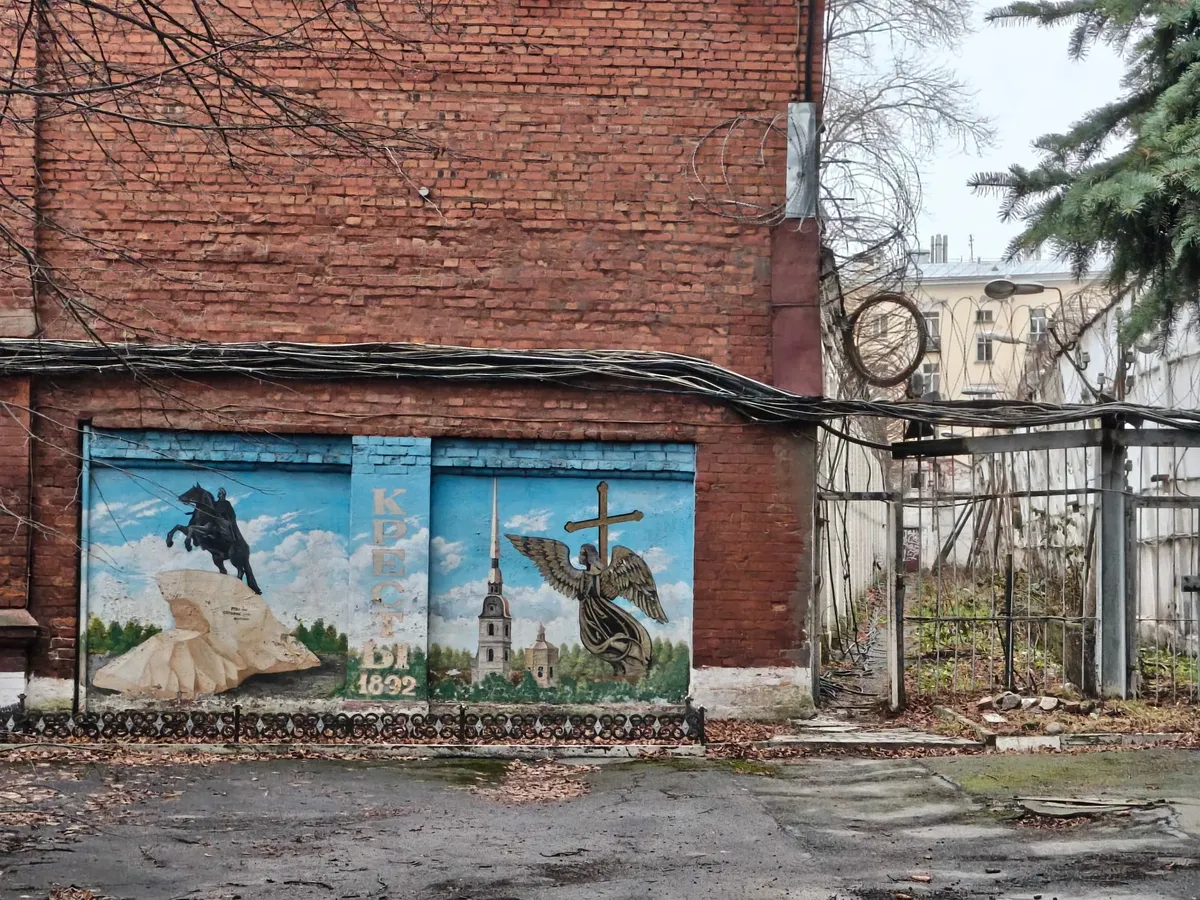
There were still not enough cells, and in 1884 a competition was announced for the construction of a gigantic prison for those times. The competition was won by Antoniy Tomishko; it was supposed to be built on the site of the Central. Former transit prisoners helped build the new prison, and when the first building in the shape of a cross was ready, the inhabitants of Central were moved into it, and by 1892 the construction of the entire complex was completed.
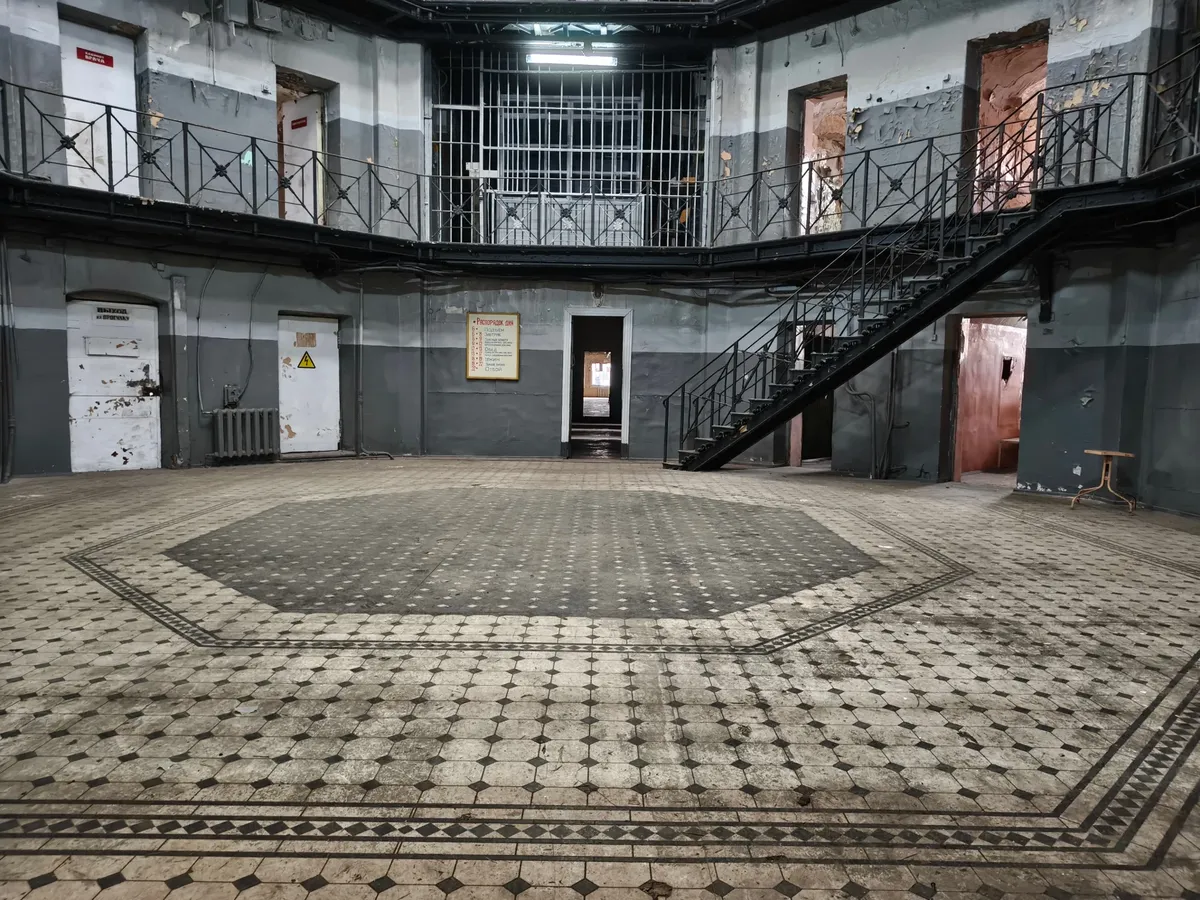
“Crosses” became not only the largest, but also the most modern and comfortable prison for those times: electricity, running water, a new heating system, a hospital complex with an infectious diseases hospital and a surgical building.
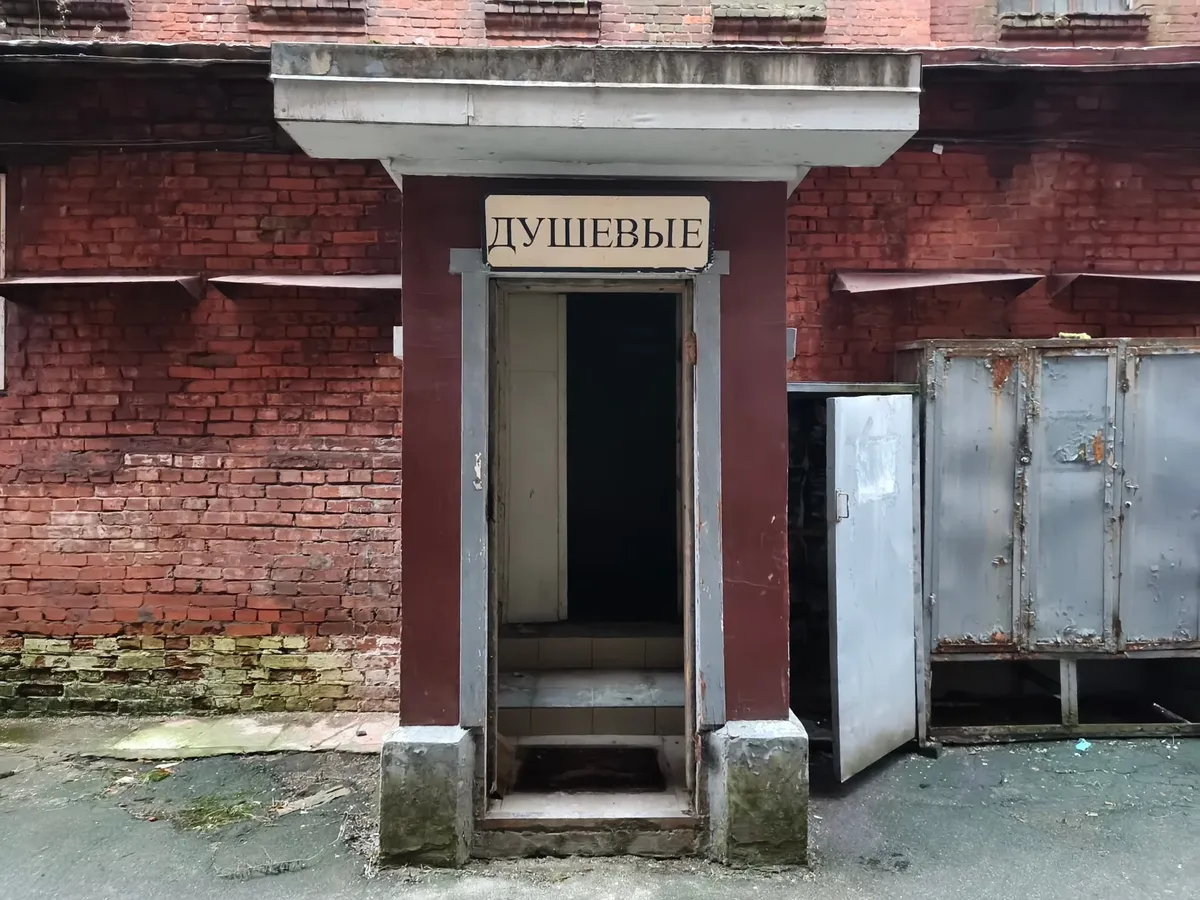
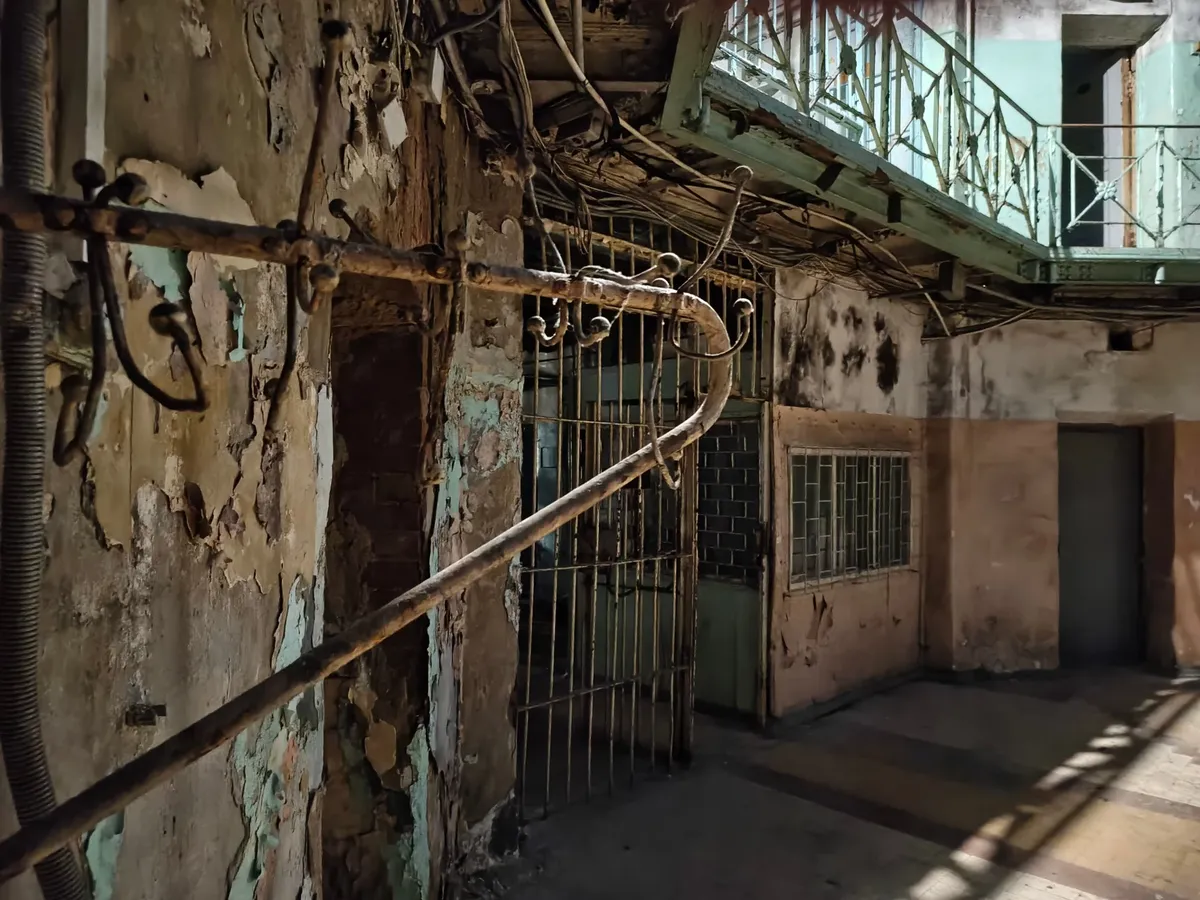
In most cells there were prisoners alone, in some there were two (in total there were 960 cells in both buildings, the maximum load according to the project was 1150 people, although one of the plans indicated the figure 1200). This was done mainly in order to exclude the influence of the criminal environment on those who really wanted correction. For the first time, it was in “Kresty” that a system of paid labor appeared: prisoners could work in workshops, in the laundry, in the kitchen or in the bakery and receive money for it. In this form, the prison existed until 1917; after the October Revolution, the life of the country and “Crosses” rolled along completely different tracks.
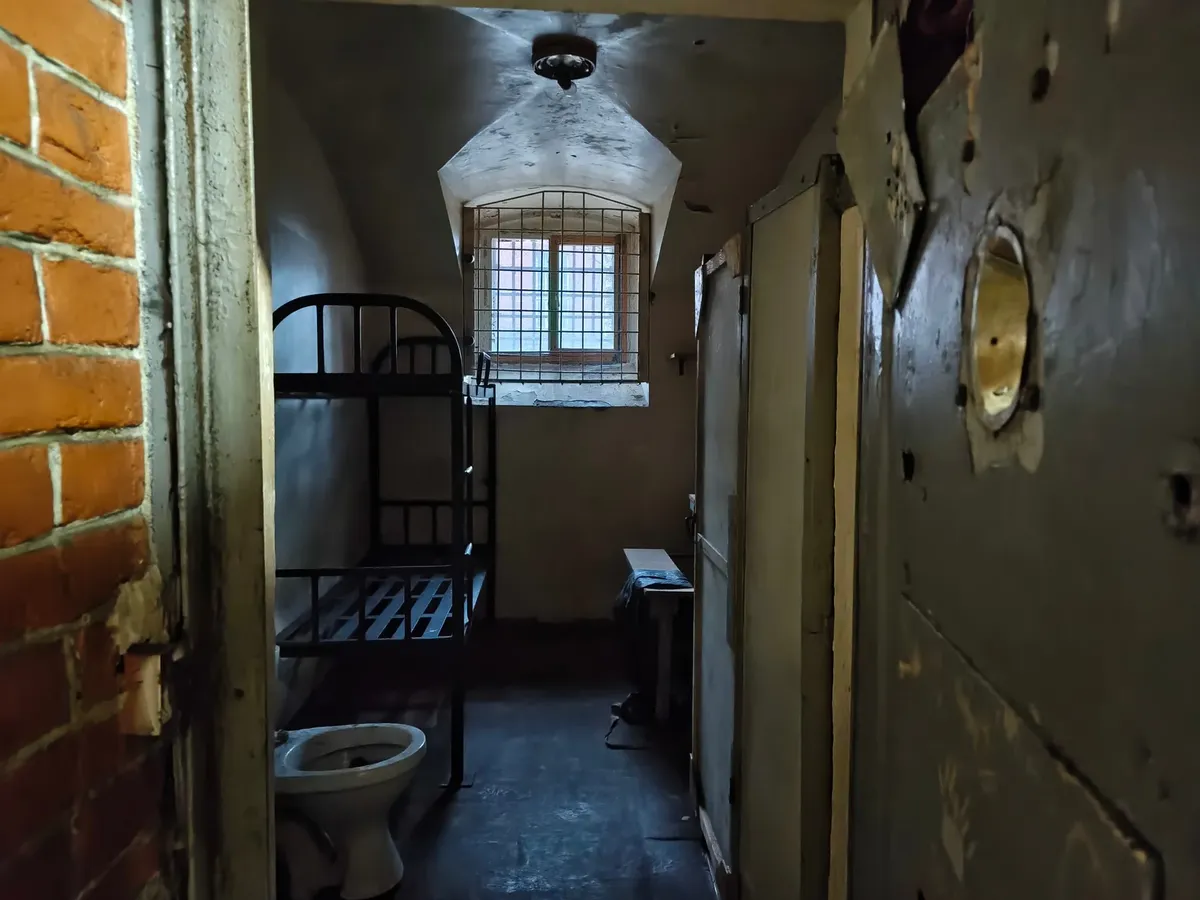
Everyone sat in the “Crosses”: thieves, robbers, Narodnaya Volya members, professors of St. Petersburg University, their students, deputies of the first State Duma, revolutionaries of all stripes and beliefs. After October 1917, the prison was even empty for some time: revolutionary-minded comrades came to free the political ones, and the criminals, taking advantage of the situation, ran away themselves. In 1920, the solitary prison was transformed into the 2nd Special Purpose Forced Labor Camp. At the end of 1923, “Crosses” changed its subordination - they merged with the GPU/NKVD system and became the Petrograd district isolation prison.
From the 1920s to the early 1950s, everyone was again imprisoned in “Kresty” - everyone who fell into the millstone of Soviet political repression. After arrest, in most cases, people ended up in Shpalerka, where interrogations were conducted (after the construction of the Big House in 1933–1934, interrogations were also conducted in its offices). Those whose fate was not immediately determined during the “conversations” in the Big House were sent to “Kresty”, and there they sat until sentences were passed and sent to the prison camp. If additional interrogations were required, prisoners were transported to Shpalerka. Or, if it was overcrowded, they immediately put us in “Kresty” and were taken from there for interrogation.
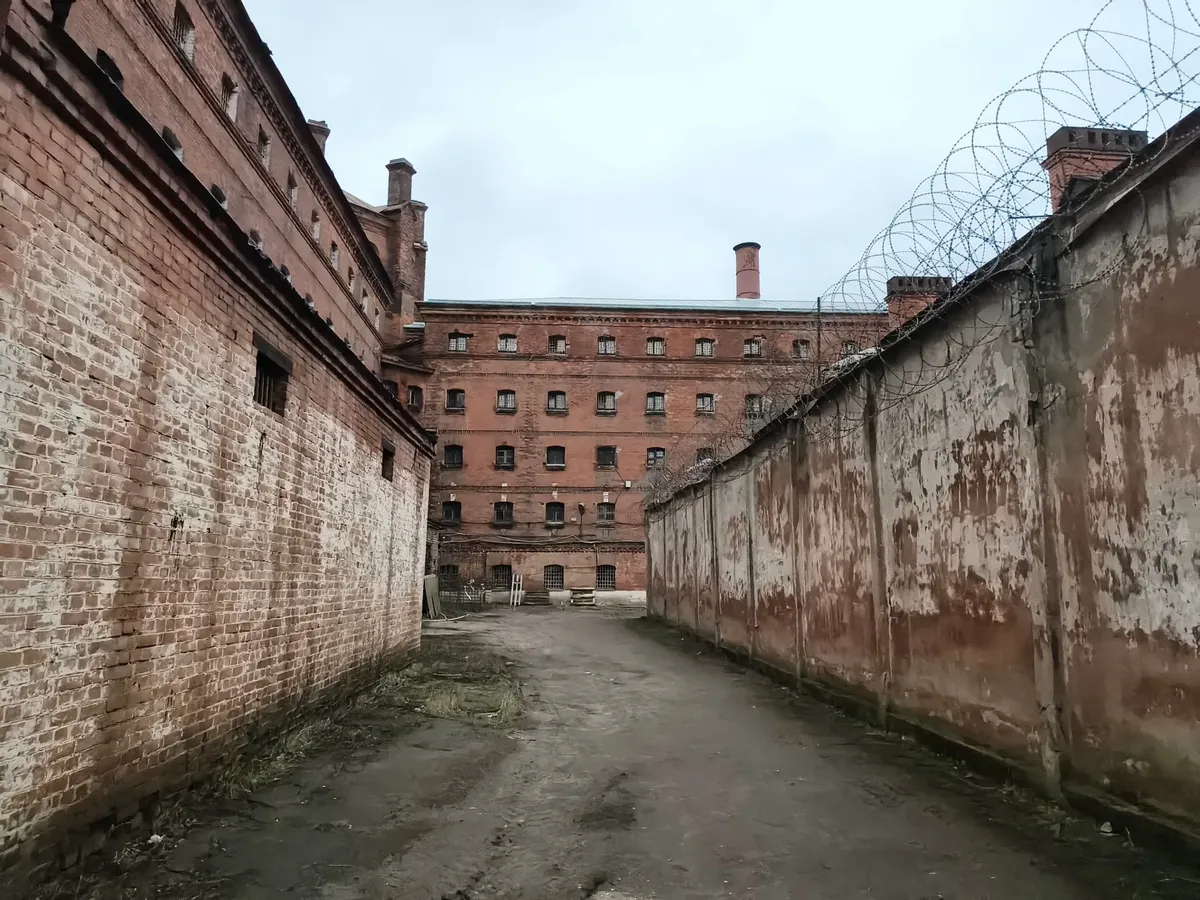
And along the houses along Shalernaya (in Soviet times, Voinova Street) and along the brick walls on Arsenalnaya Embankment, gigantic queues lined up: women stood in them, sometimes for 15–17 hours, trying to deliver packages to their loved ones and find out if they were alive. It was about this “great stand” that Anna Akhmatova wrote in “Requiem”:
*And I’m not praying for myself alone,
And about everyone who stood there with me
And in the bitter cold and in the July heat
Under the blinding red wall.*
The son of Akhmatova and Nikolai Gumilyov, Lev Gumilev, during his third arrest in the first ten days of March 1938, he ended up in Shpalerka for five months, and in February 1939, after returning from the White Sea-Baltic Canal to Leningrad, for a review of the case, he ended up in Kresty, where he sat until late autumn of the same year. So Anna Akhmatova stood in lines first at Shpalerka, and then at Arsenalnaya Embankment.
That is why, in memory of that tragedy, on the other bank of the Neva, opposite the “Crosses,” in 1995, Mikhail Shemyakin installed his sphinxes, with their naked skulls turned toward the prison. And that is why a bronze figure of Akhmatova was later installed between the embankment and Shpalernaya Street, looking at the “Crosses”.
Unfortunately, I have not yet been able to find out some of the secrets of the Soviet-era “Crosses”. For example, from what year and in what year were they shot there? The execution chambers themselves have survived to this day, although tourists are not allowed into them. It was not possible to establish from what year “Crosses” finally left the jurisdiction of state security and came under the jurisdiction of the Ministry of Internal Affairs. The FSIN press service sends all these questions to the archives of the FSB and the Ministry of Internal Affairs.
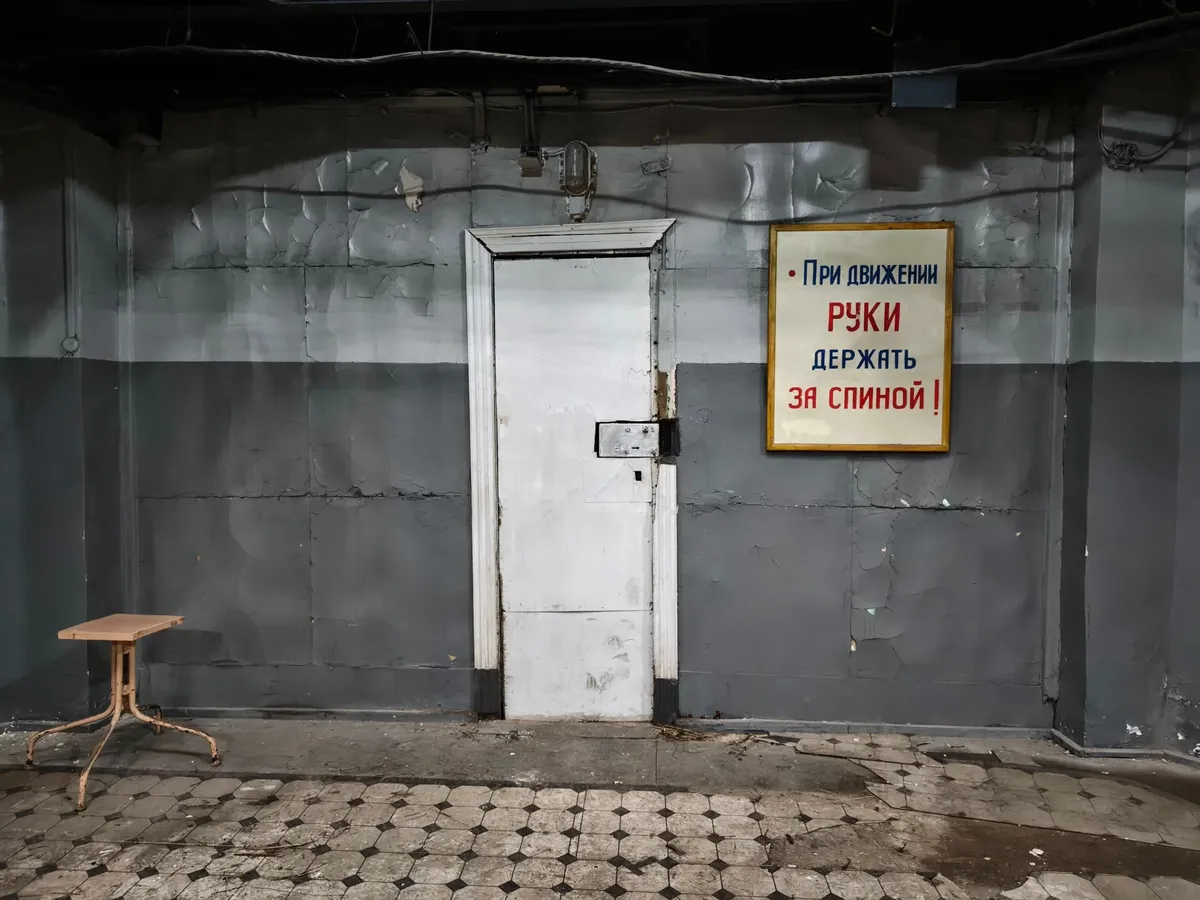
In the dashing 90s, “Crosses” (since the mid-60s - pre-trial detention center No. 1) became famous throughout the country for the monstrous conditions of detention of prisoners: 10-20 people were huddled in eight square meters of cells - they took turns standing, sitting, lying down... But this was not only the case in the 90s. In the first part of the three-part documentary film “Russian Cross”, Georgy Zhzhenov (the film is dedicated to the history of his arrests and imprisonment in camps in Kolyma and Norilsk) comes to “Crosses”, and the guards accompanying him open the doors of one of the crowded cells.
“How many of you are here? - asks Zhzhenov. - There are 20 of us! - the prisoners answer. “And there were 23 of us,” says the actor (Georgy Zhzhenov, arrested in July 1938 following a denunciation, was first in Shpalerka, and then in Kresty until November 1939).
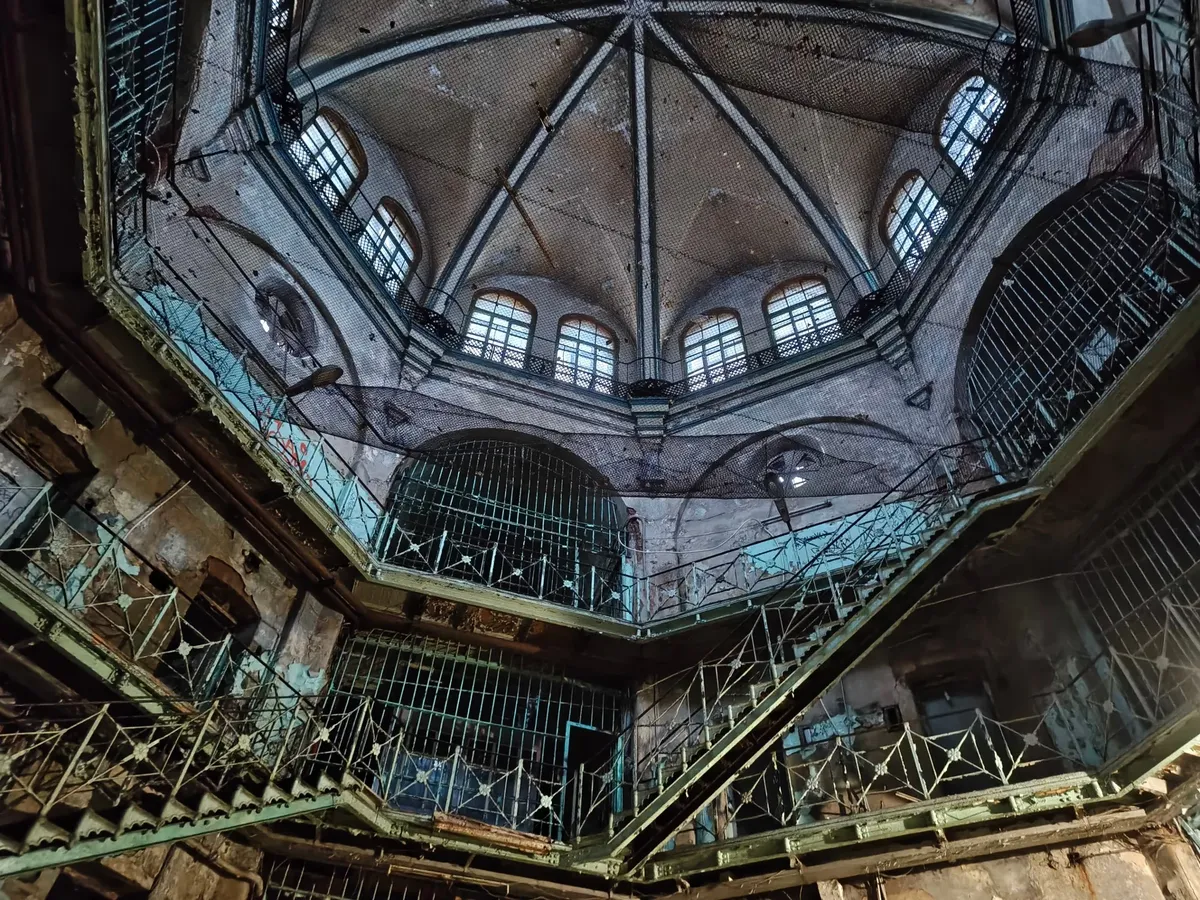
Since the late 90s, the Federal Penitentiary Service has actively drawn public attention to the plight of the “Crosses”: they have never seen a major renovation in their history, the cells were overcrowded. In 2006, it was decided to move the pre-trial detention center to a new site in Kolpino, where construction of a new detention center began in 2007. At the same time, the fate of the historical complex was being decided: even the possibility of complete demolition of the red brick buildings was discussed, but common sense and city defenders won. After several examinations, they decided to preserve the “Crosses,” and in February 2026 they were included in the unified state register of objects of cultural heritage of the peoples of the Russian Federation as an object of regional significance.
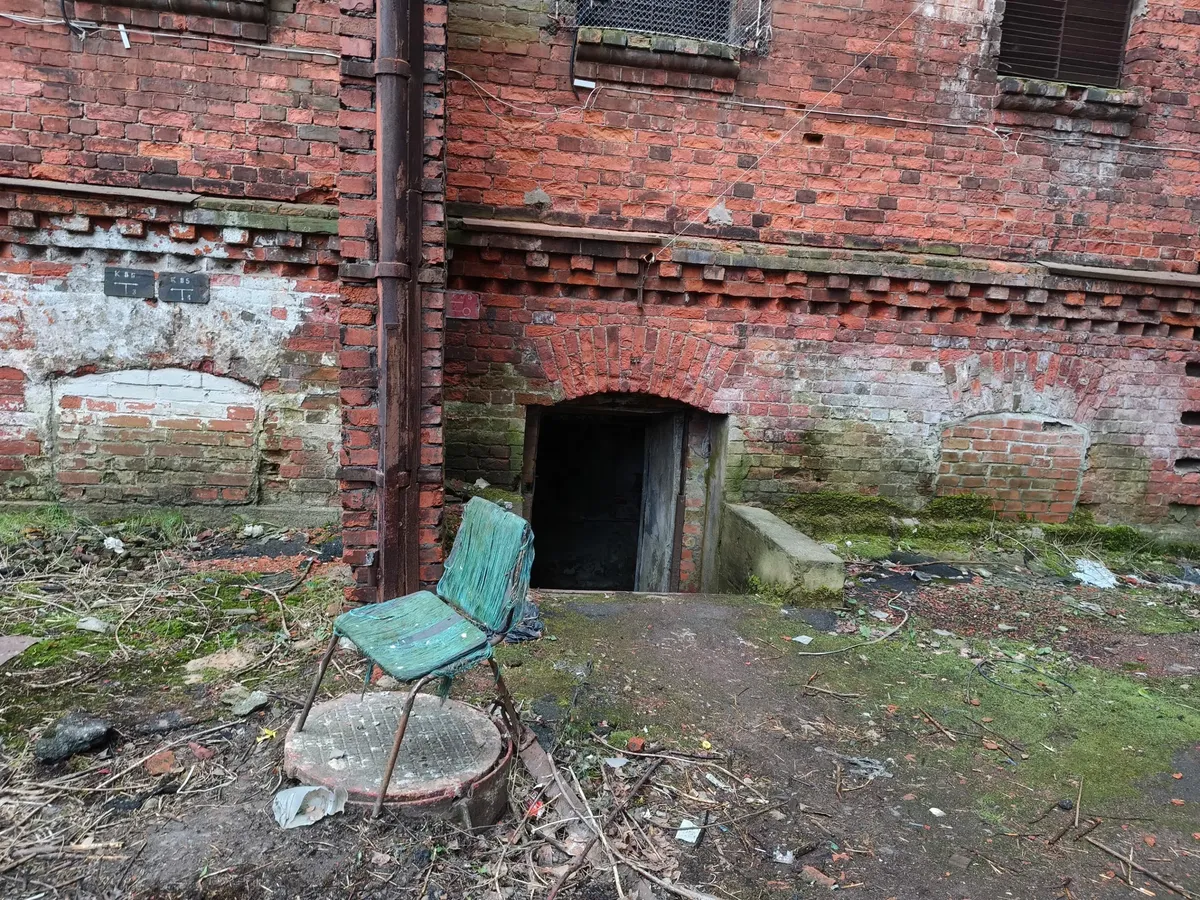
In 2017, the historical “Crosses” were empty - its inhabitants moved to “new apartments” in full.
The historical complex has since changed owners twice; in 2025, the development group of companies KVS became the owner of the former prison.
Show me "Crosses" without any fuss
The very first reviews of visiting “Crosses” showed great interest in the topic, but not only that. There were also a lot of complaints, and they were clearly divided by topic. The main complaint is why are the tickets so expensive? The price is really not small: it started at 3,900 rubles, now the ticket costs 4,900. According to employees of the Lurie Palace of Culture, the price is explained by high overhead costs and the conditions of financial relations with the owner of the object. The operator incurs significant ongoing costs for restoring a regularly crashing website, for renting equipment, for endless negotiations with those who want to go to Kresty on an excursion, many of whom are dissatisfied with the prices, the long waiting list, and so on...
The other part of the complaints comes from those guests who come to the former prison with their own already established picture and position: after reading numerous fantasy texts on the Internet and watching equally fantasy videos about the dashing 90s or “tough guys” with tattoos, they know exactly how everything “really” was, and are openly indignant that they do not find confirmation of their expectations in the words of the guides.
Some are unhappy that only the Lurie Palace of Culture has the exclusive right to visit “Crosses.” But, according to the employees of the cultural center, this was not their initiative at all, but a proposal from the new owner. “We didn’t ask for this, we were invited, probably knowing our reputation, and we are trying to meet both our reputation and the demands of the public,” explain the Lurie Palace of Culture.
But no matter how some visitors react, in general the flow of guests to one of the most famous prisons in Russia, which has experienced a difficult history, does not dry up, which means that interest in the history itself does not dry out.
And, by the way, there is interesting news for lovers of myths and adventures - there will still be a tunnel under the “Crosses”! During the reconstruction, the new owners of the territory plan to make a pier at Arsenalnaya embankment, from which one can get to “Kresty” through an underground tunnel.
UNDER THE TEXT
Victor Kagan, psychologist, psychiatrist, psychotherapist, Doctor of Medical Sciences:
— This is a well-known phenomenon in psychology: people are drawn to graves, to death, to horror. And when it’s also connected to history, it feels like I’ve been there! - occurs among those who are related or friendly to such a place or who have truly suffered. And for the relatives of the jailers, I don’t even mean blood relationship, but spiritual relationship, it is also interesting to see what happened and what no longer exists...
But these are extremes, poles. Most of them go simply because they want to check in, because there is nowhere else to go or go. Actually, like many people go to the Hermitage - to check in. But among them there are many for whom “Crosses” is a mixture of the Count of Monte Cristo, dangerous adventures and risky escapes. There is a lot in this from trying to survive children's fears: children get together in some mysterious or scary place and tell horror stories, get scared together and thus get rid of fear.
As for the cases when people come to Kresty to celebrate birthdays, this is a reason to talk about the entertainment complex at this place, which, I am sure, will be very popular, at least at first. Something similar is happening in Berlin: people also come to the Holocaust memorial site to relax. They have breakfast there, laugh, newlyweds come to take photos - simply because it is a famous place, everyone flocks there.
However, personally, I wouldn’t want to drink and dance in a former torture chamber, although, who knows, maybe descendants of those who were tortured and tortured will meet there, and they will have something to talk about...
But, in general, it’s good that young people come to Kresty - to hear the real history of the prison, to learn a lot of new things. After all, a generation has already grown up that does not remember who grandfather Lenin was. Although I am sure that the excitement will end and everything will calm down.
This material was published in the nineteenth issue of Novaya Gazeta. Magazine". You can buy it in the online store of our partners.