
Translated material
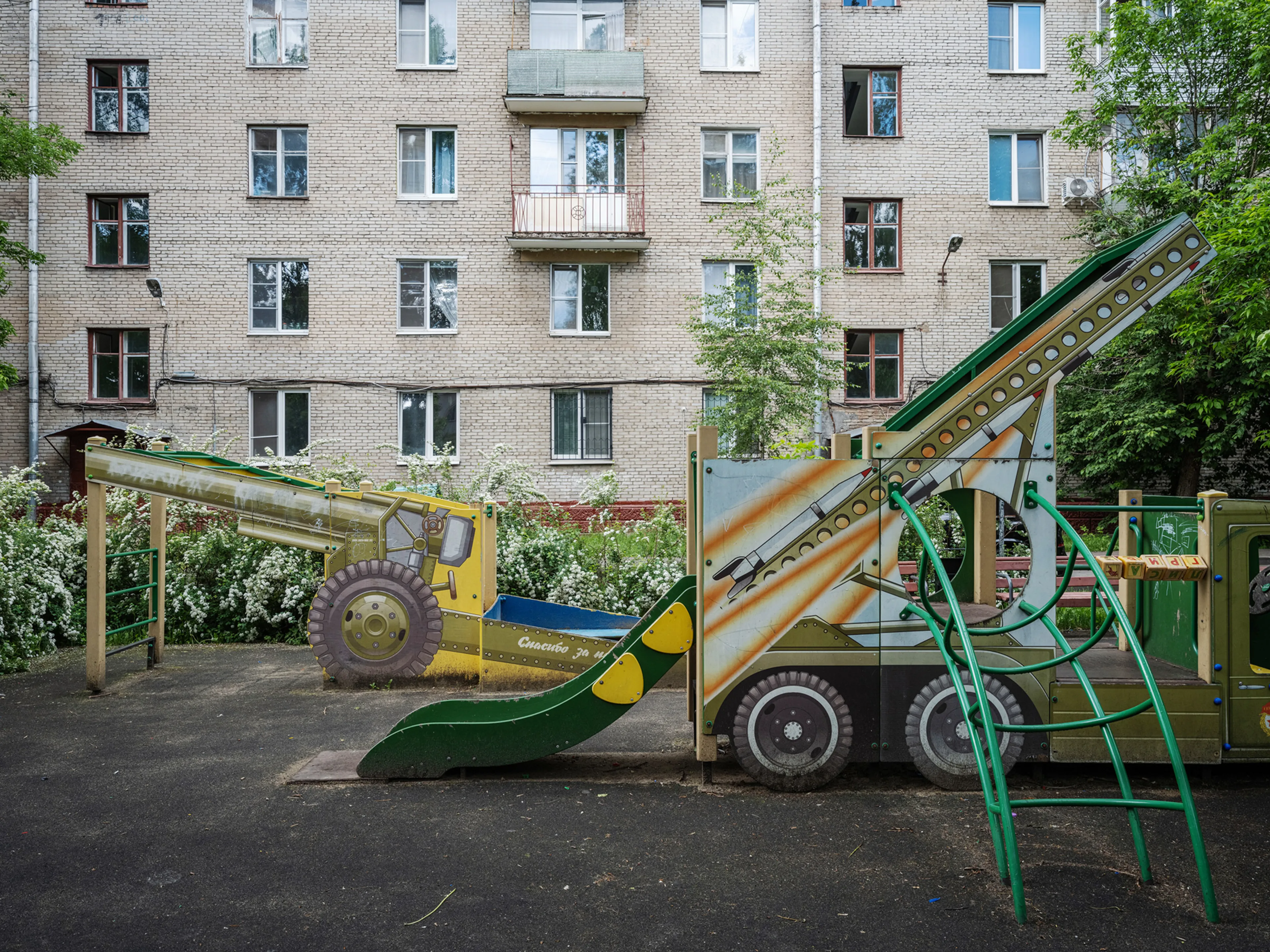
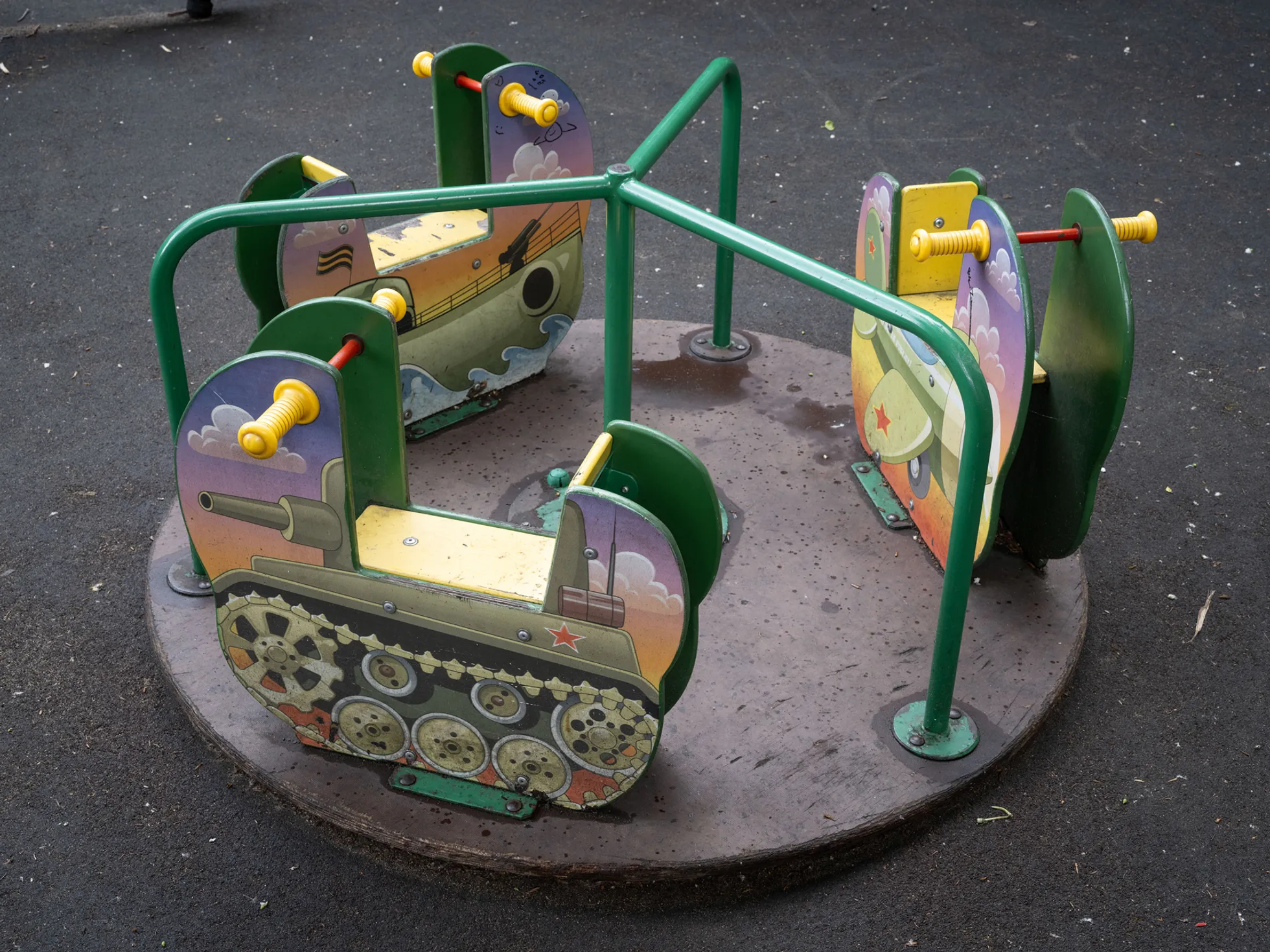
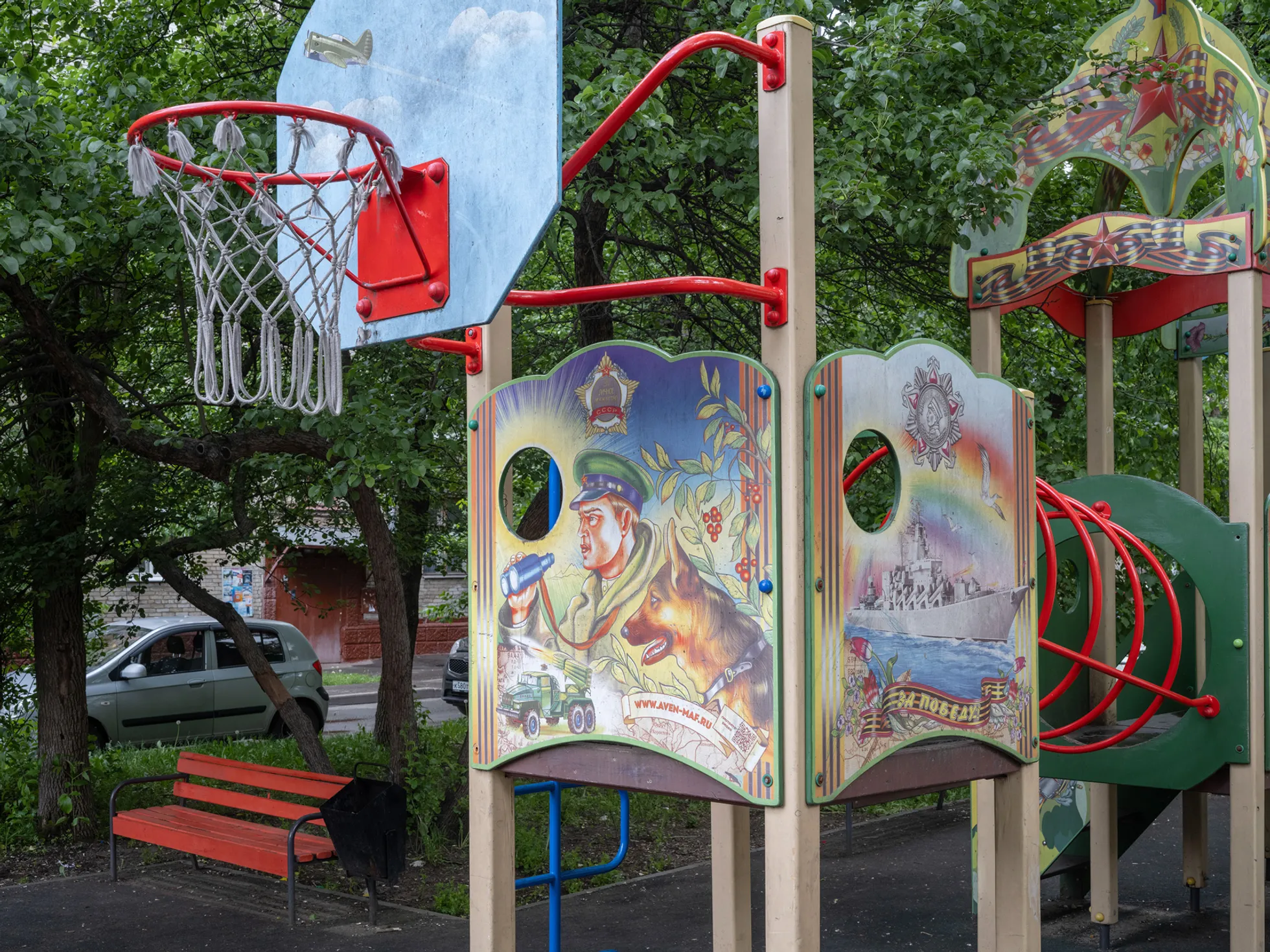
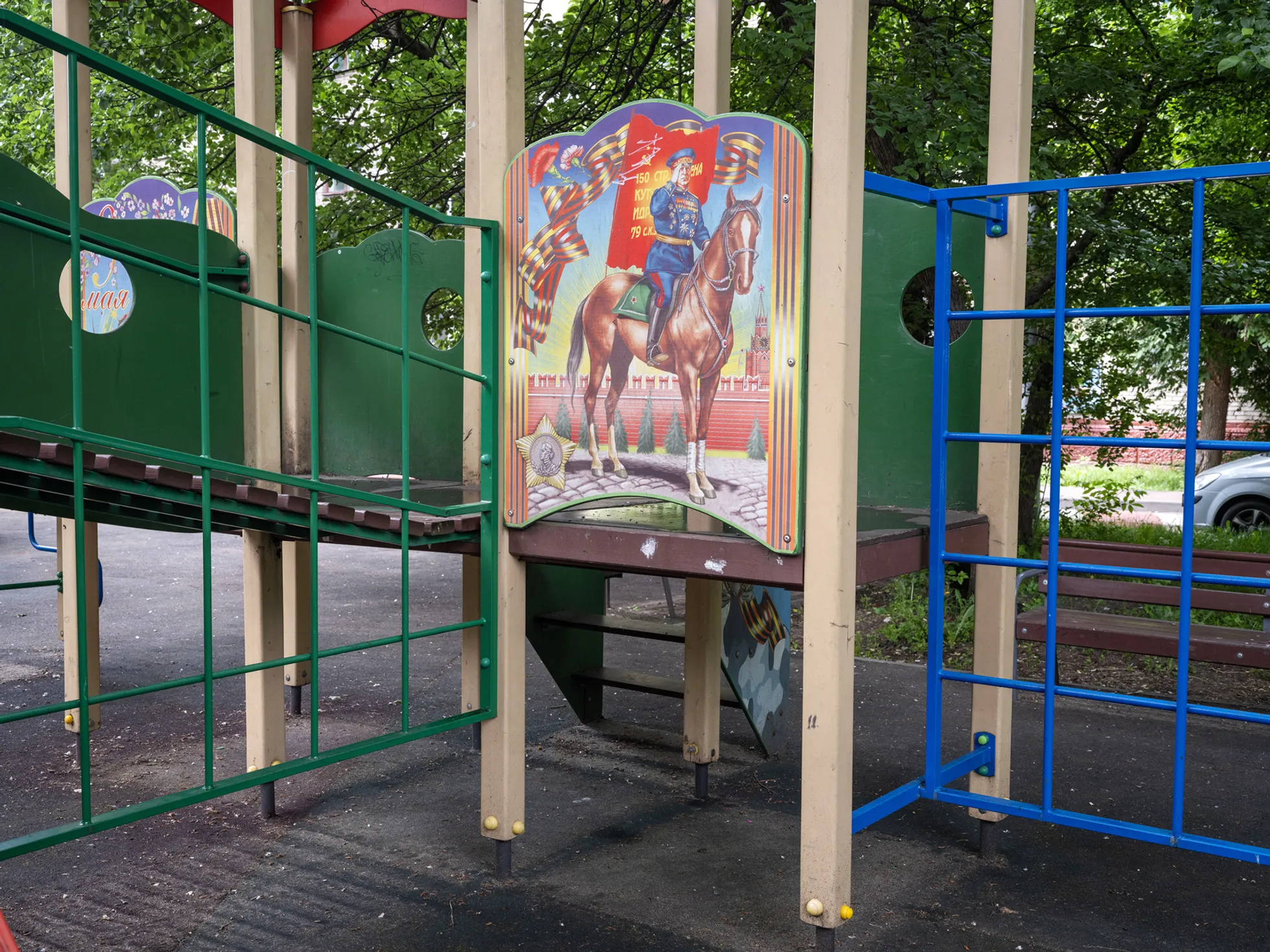
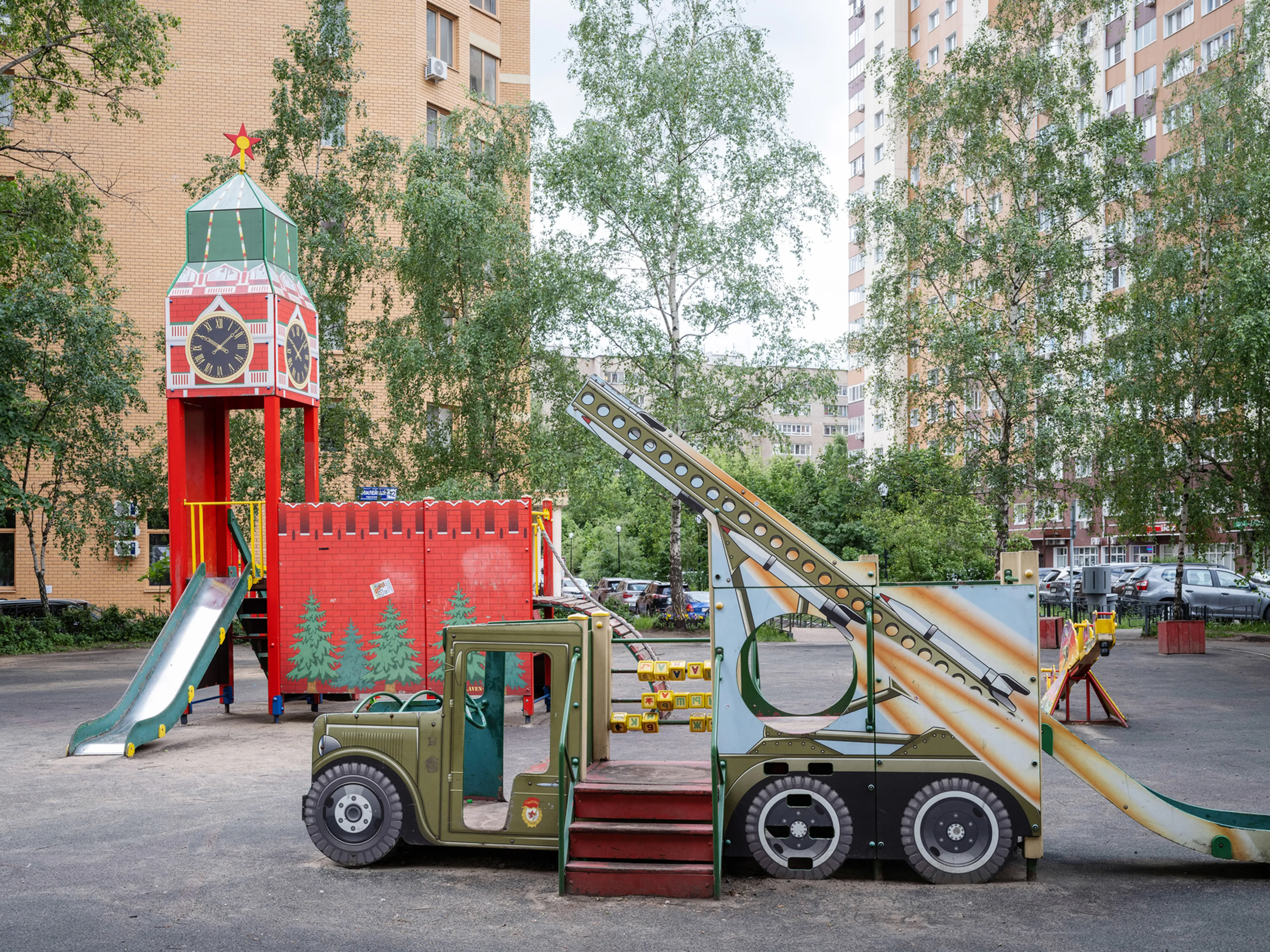
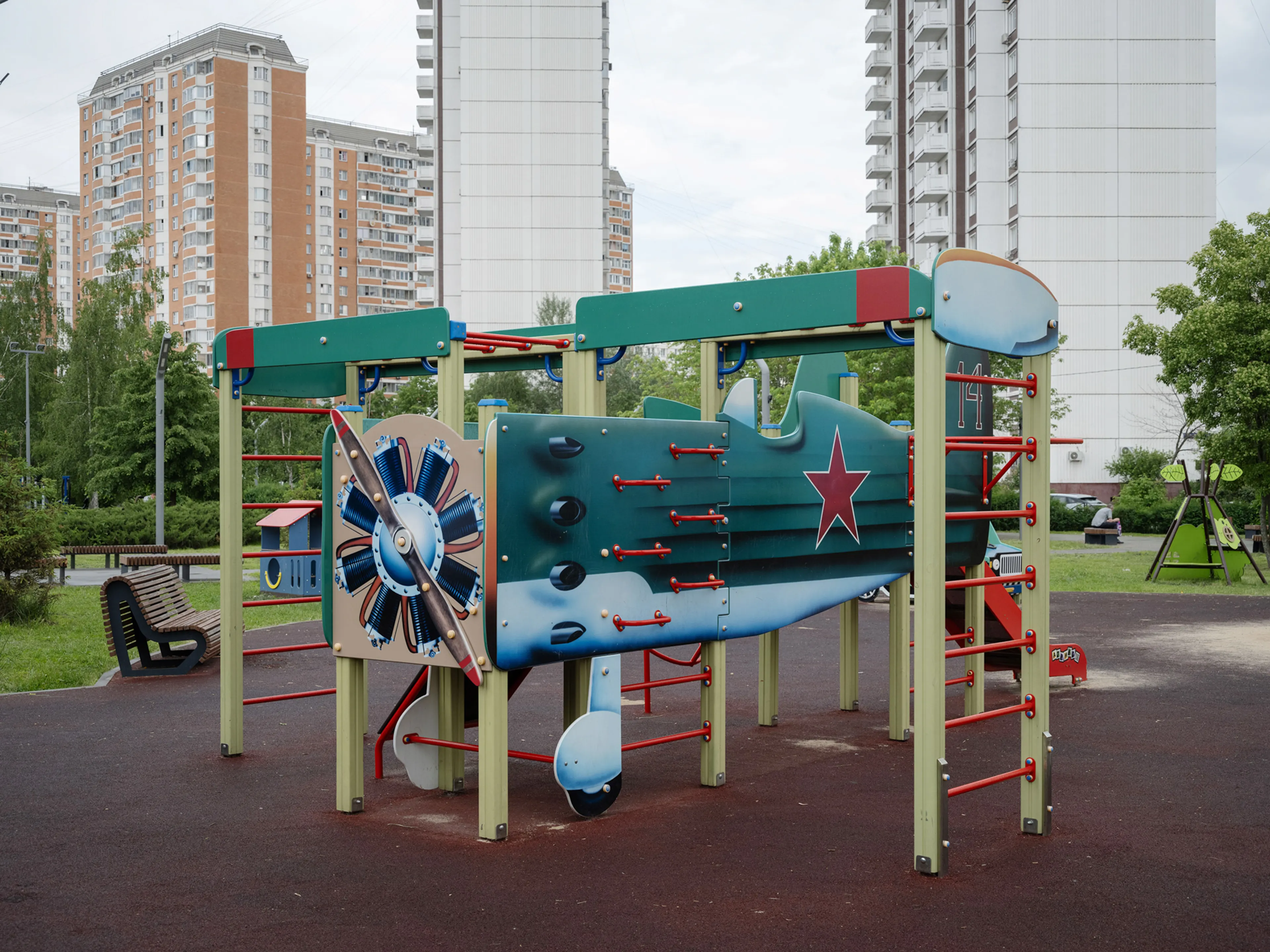
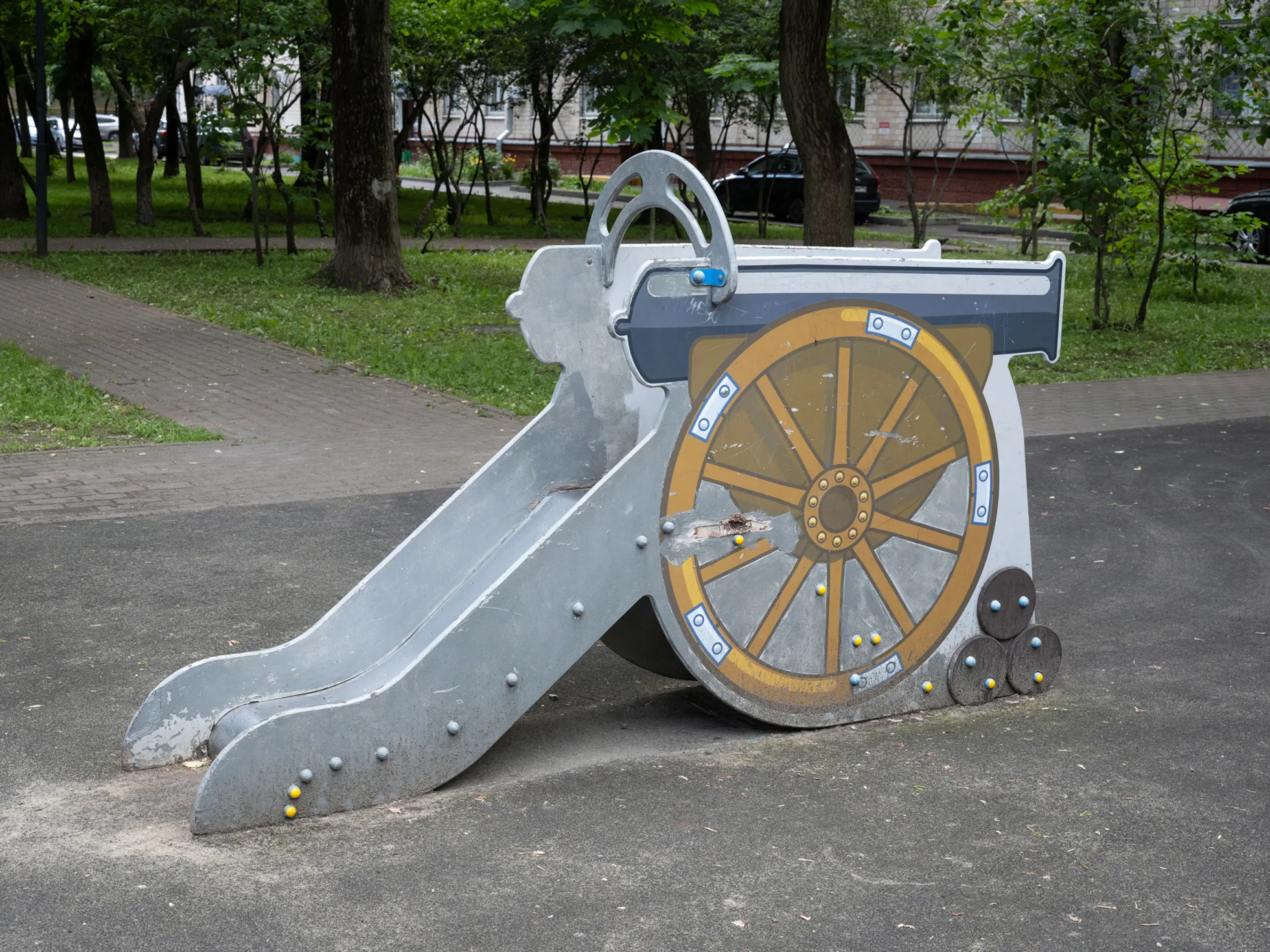
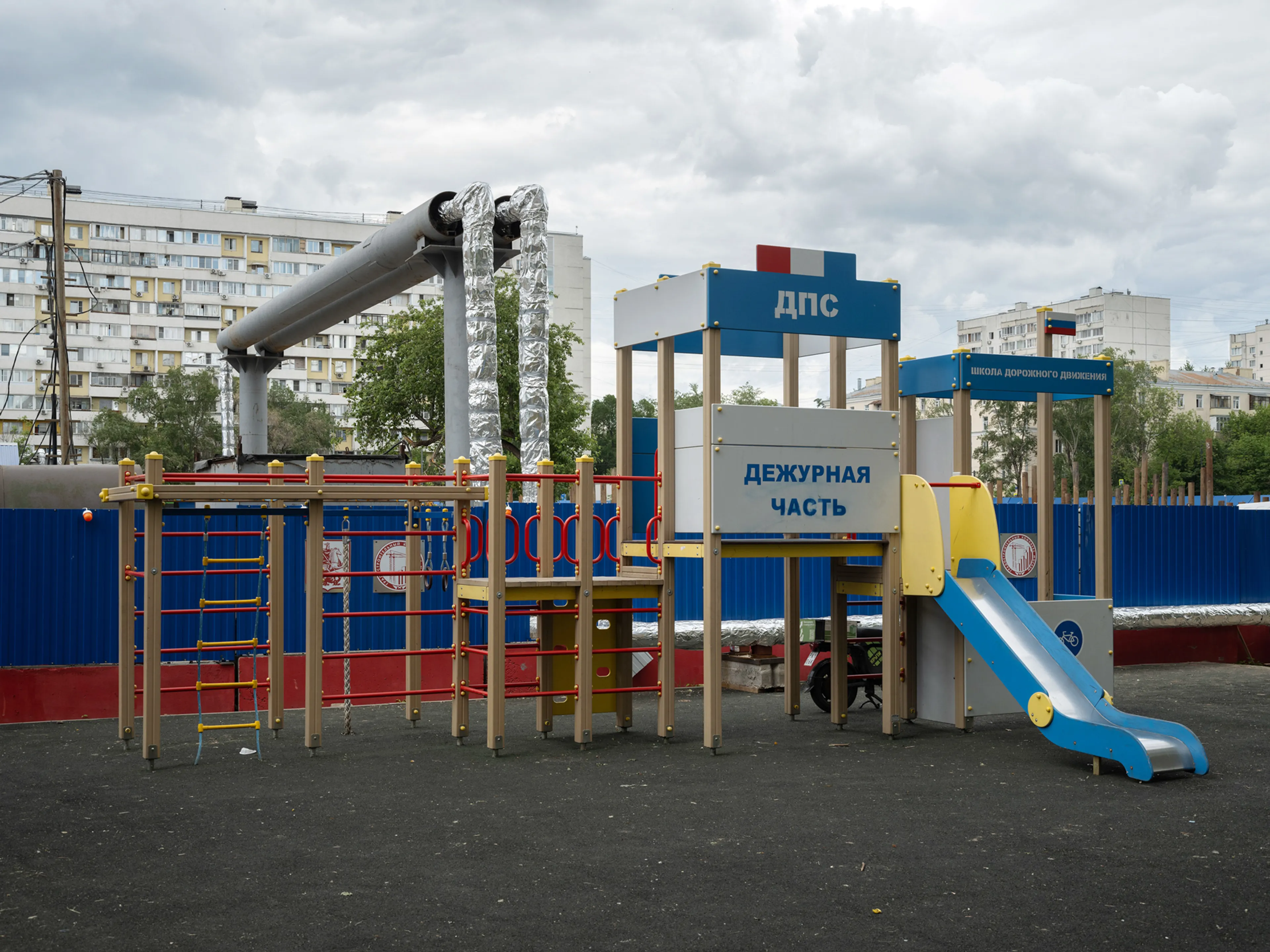
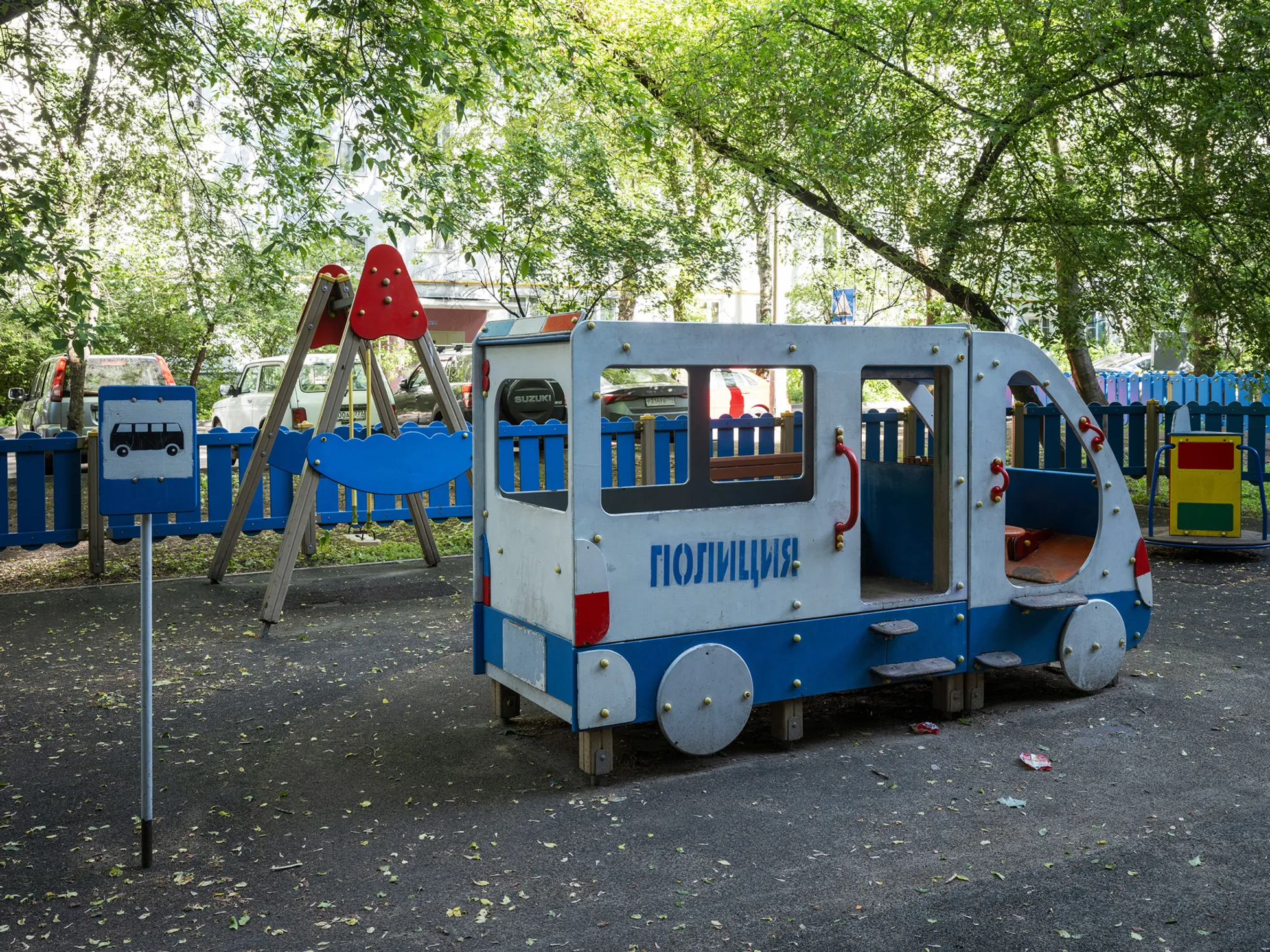
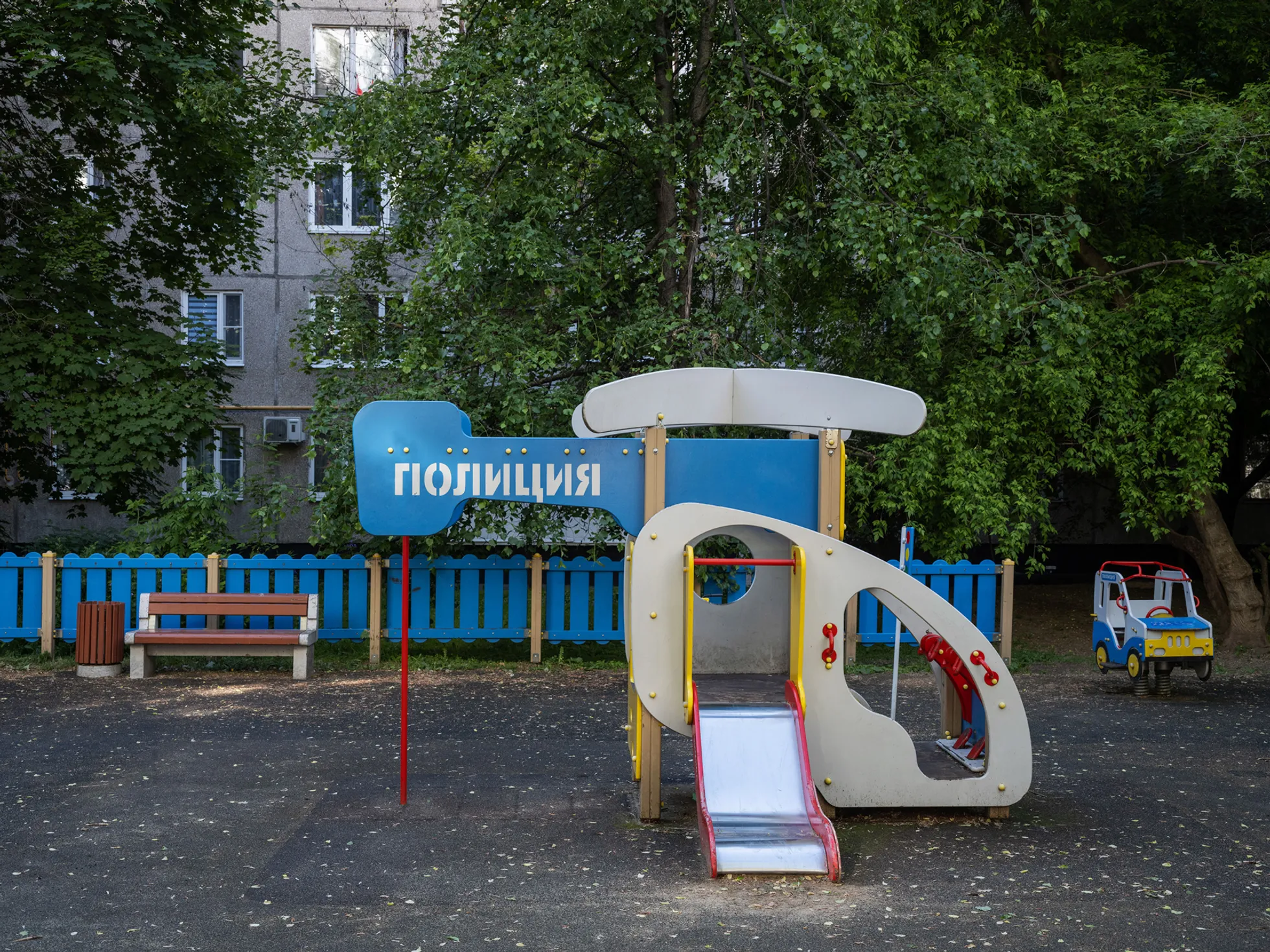
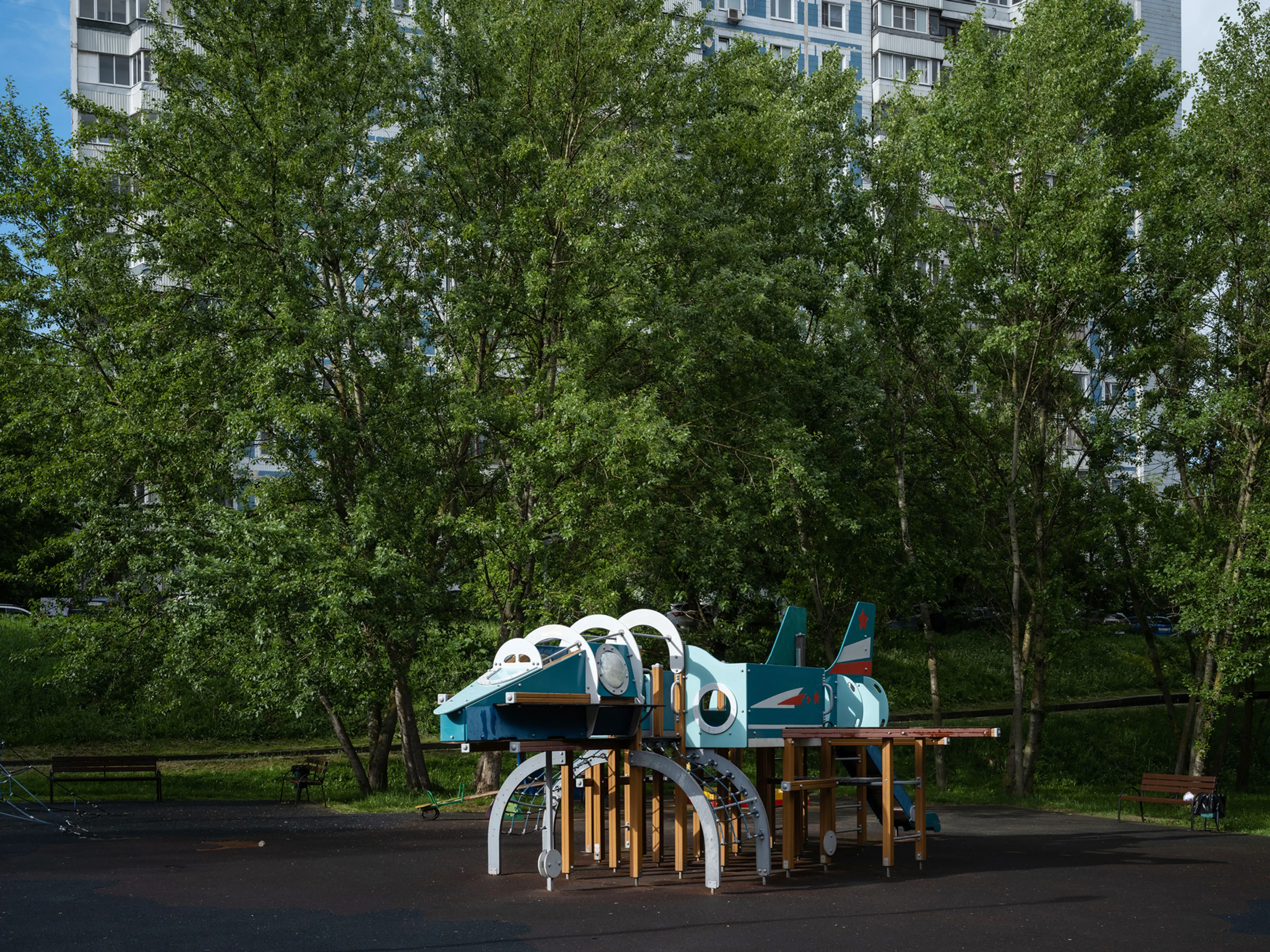
What does childhood look like in Russia in the 2020s? Militarism has even reached children's playgrounds. Muscovites are invited to play with tanks and anti-aircraft guns
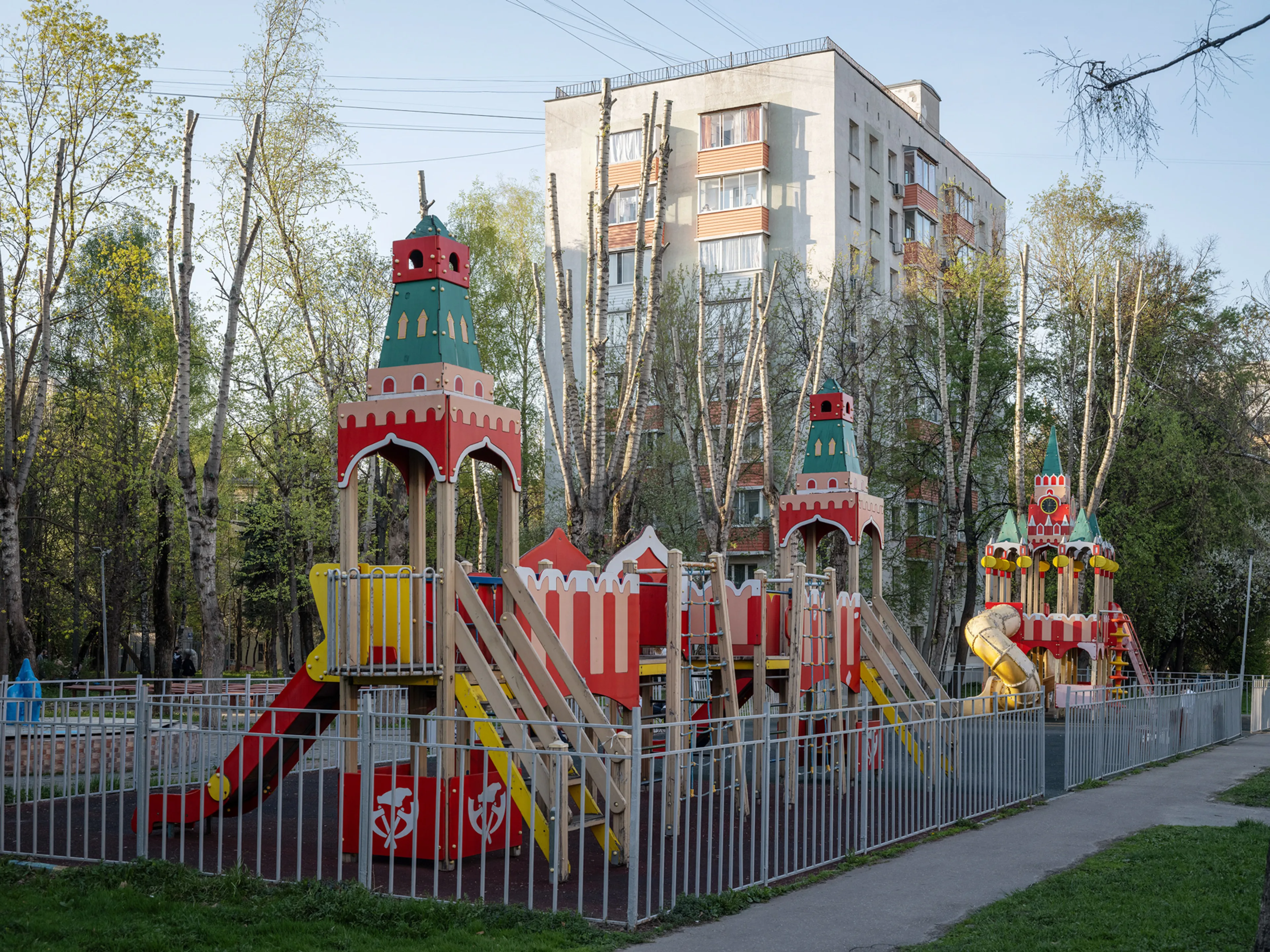
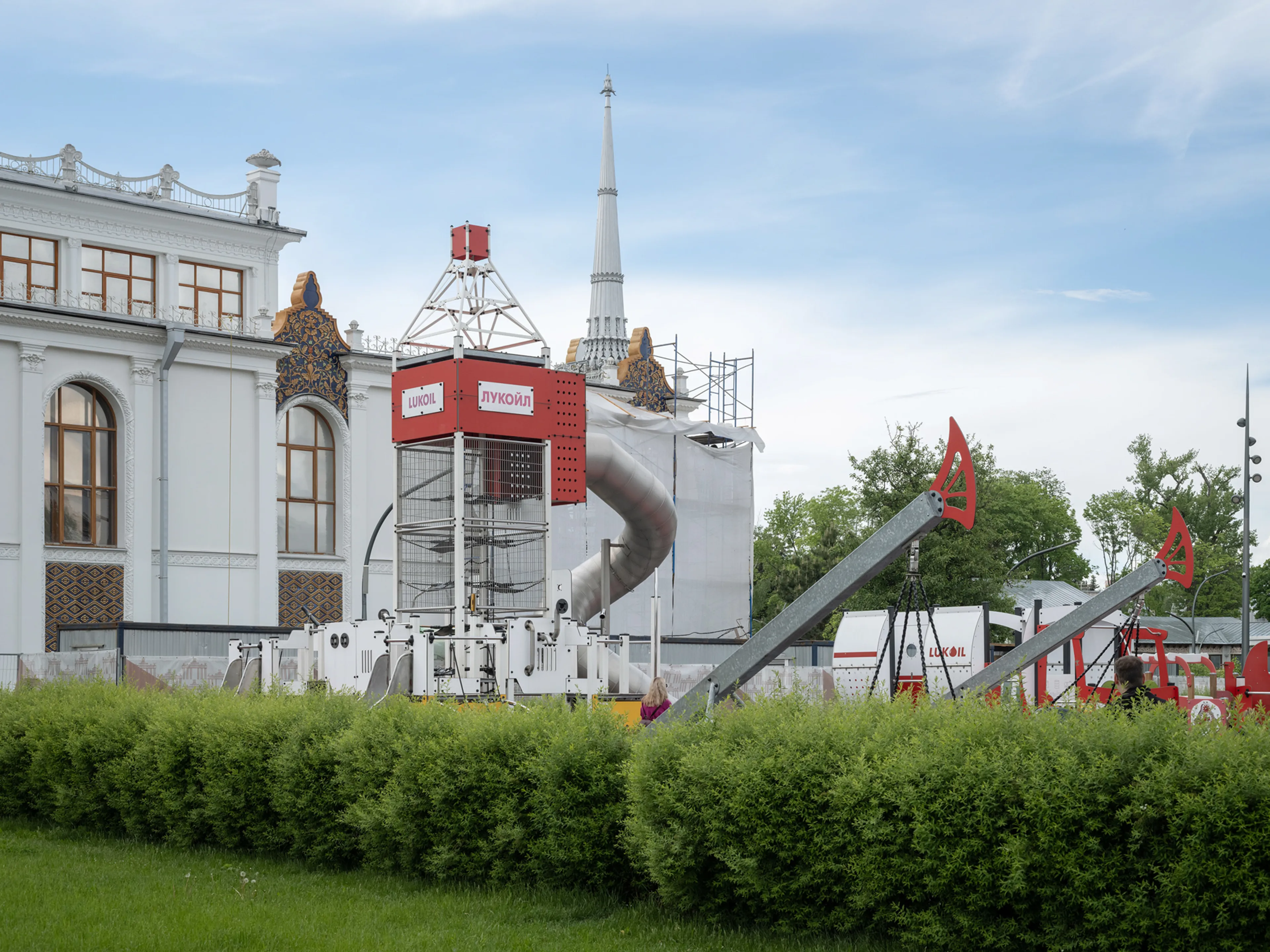
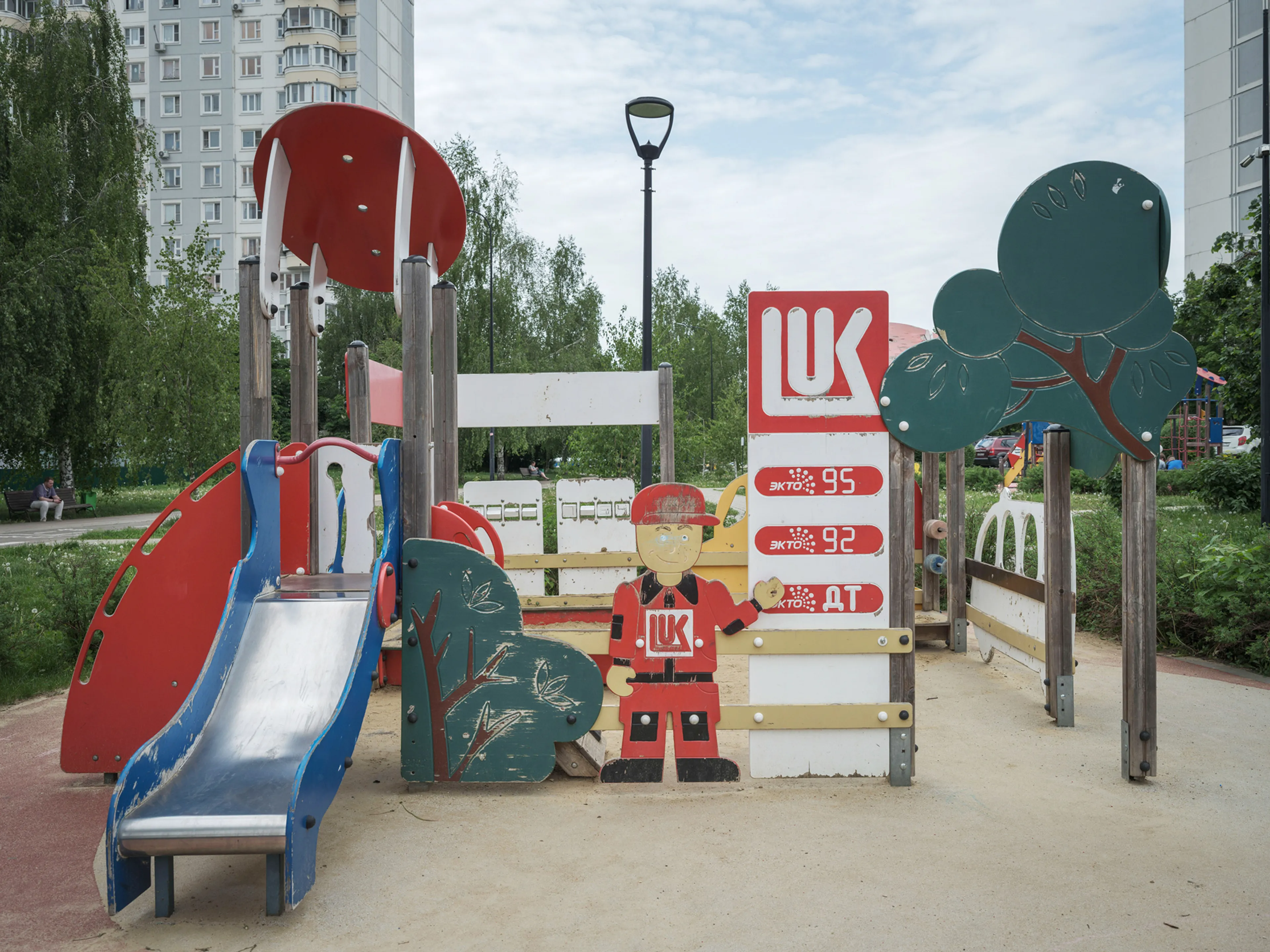
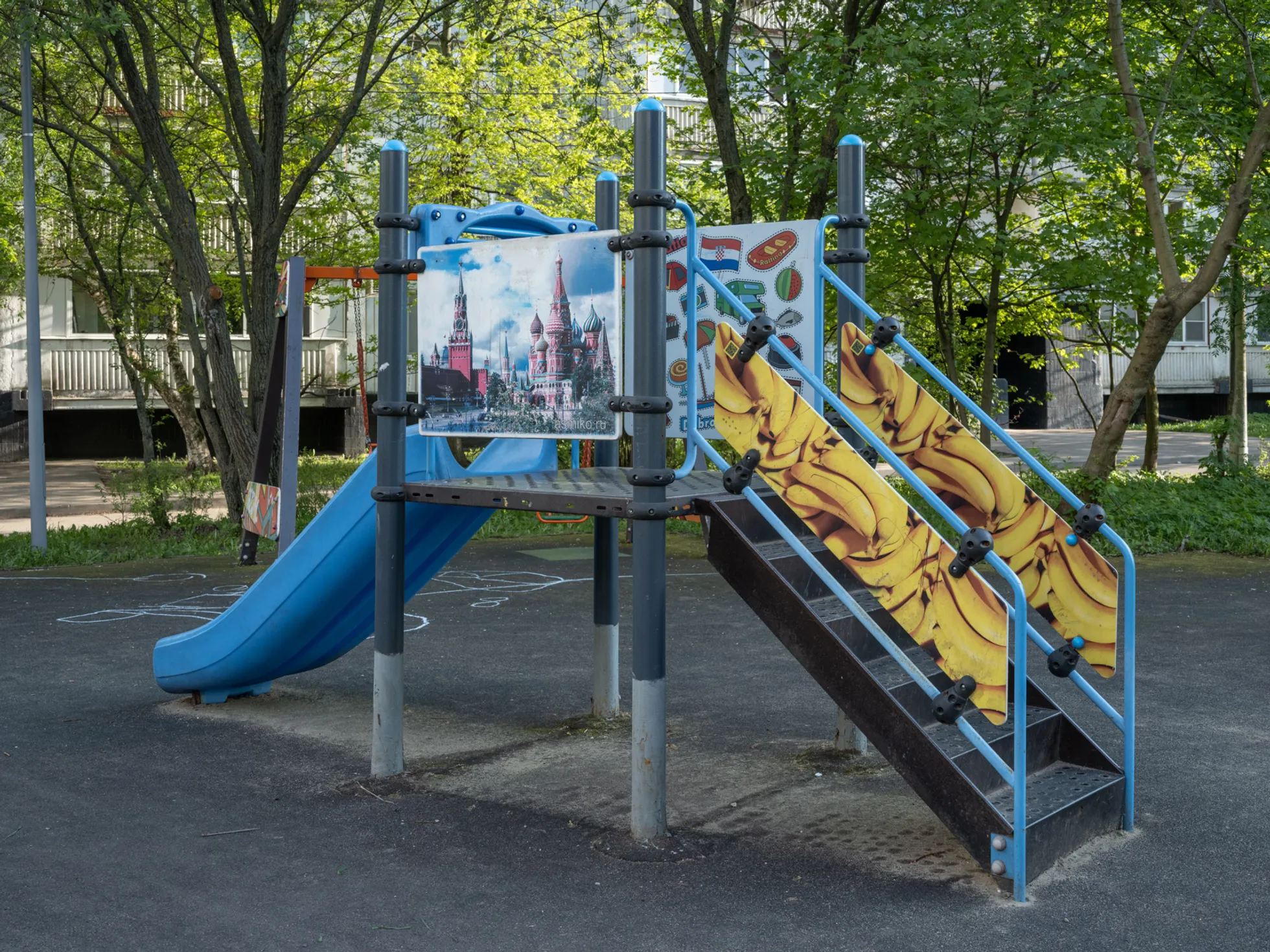
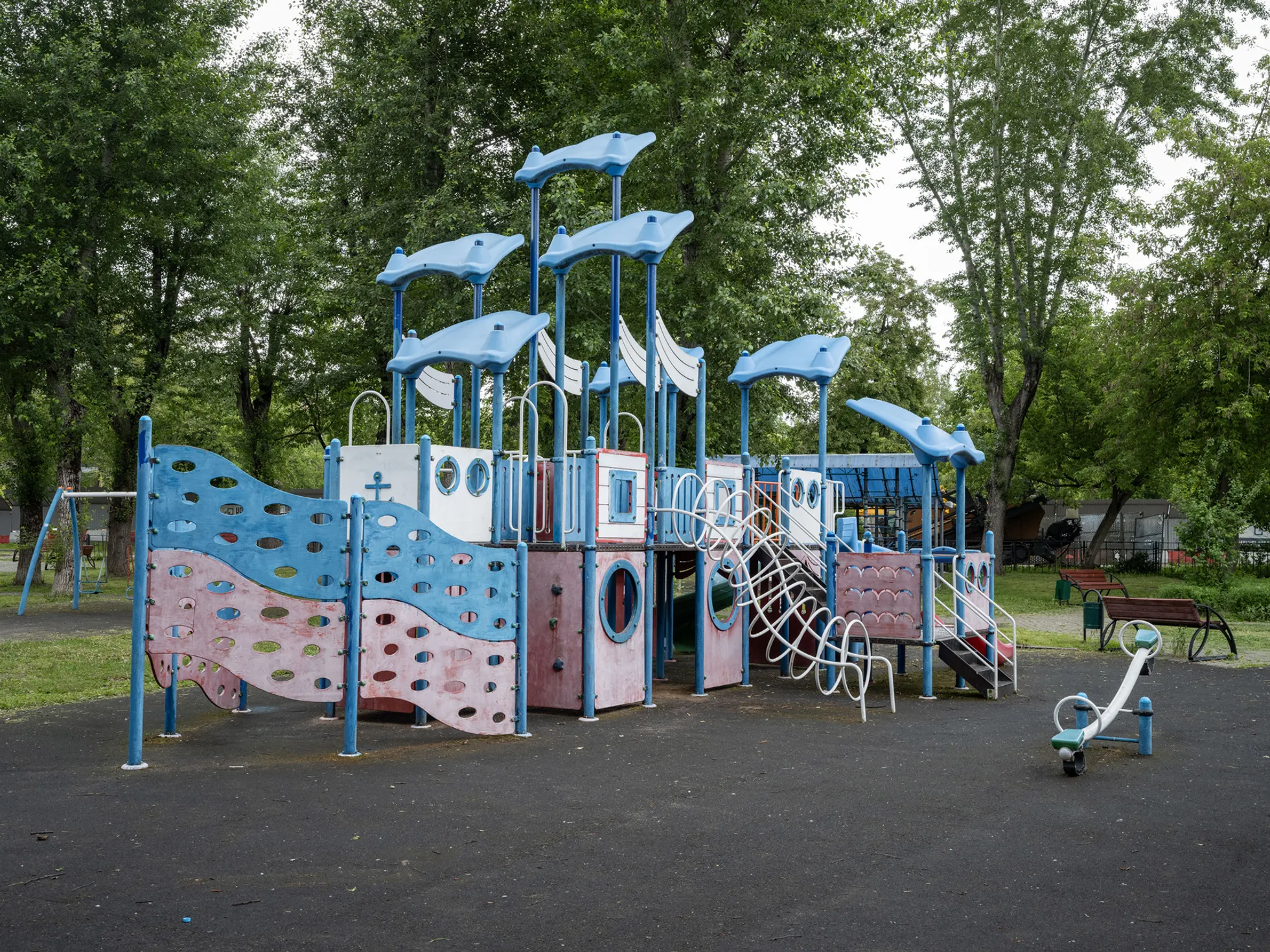
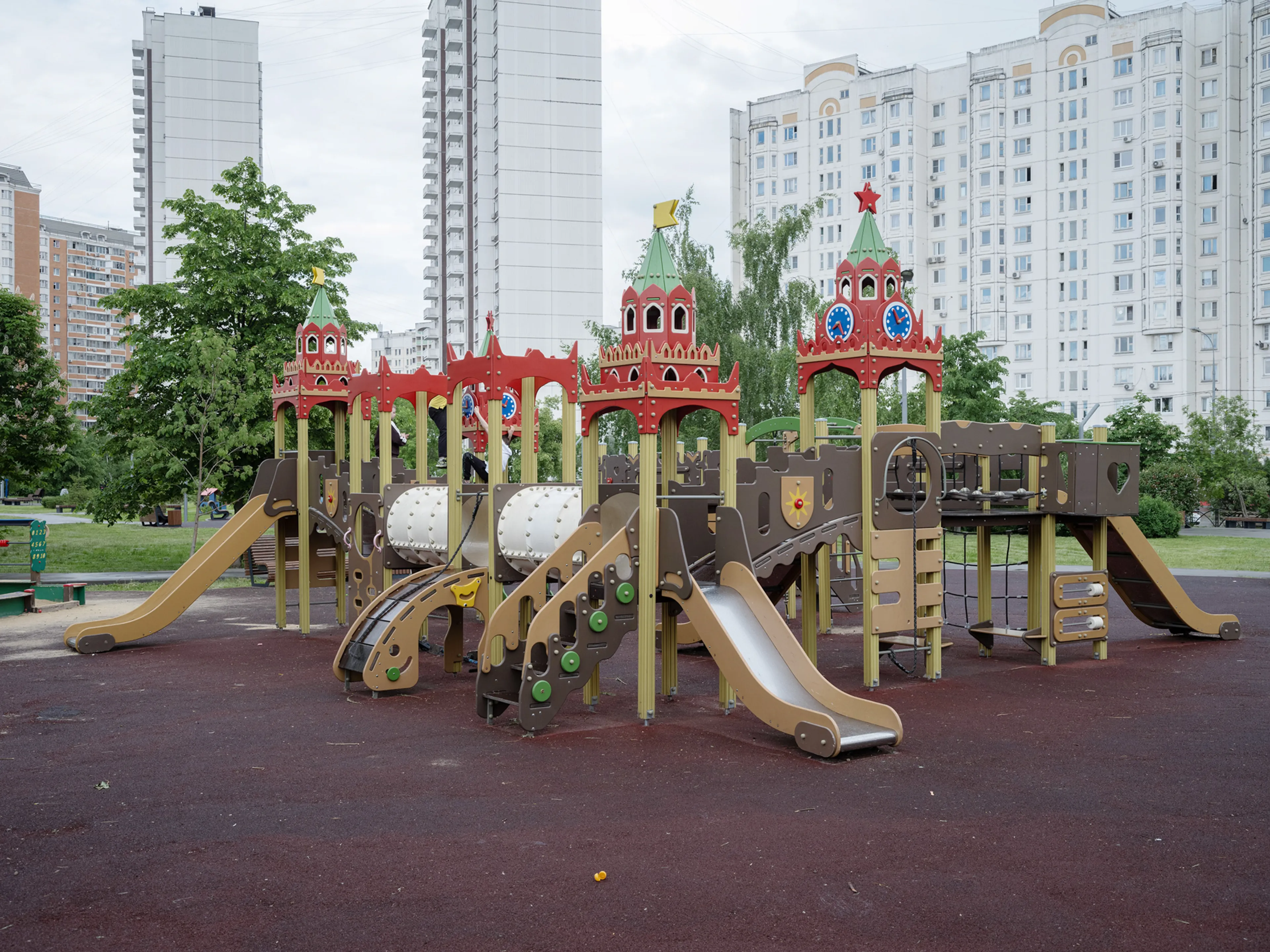
On Children's Day, the Bereg cooperative shows what modern playgrounds look like in Moscow. In recent years, toy tanks, police cars and Kremlins have appeared on them. Architectural journalist Asya Zolnikova asked the architects of children's spaces and a child psychologist where they come from and how they can affect children.
The names of the interlocutors have been changed.
Natalia
architect of children's spaces
The appearance of children's playgrounds depends on the specific customer. If it is a developer or a respected institution, he has a marketing strategy and it is important for him that the site has an image . Architects, designers and other specialists are involved in projects of this scale.
And when they build according to a municipal program, especially outside Moscow, in regions with a budget deficit, the economic needs of housing offices, administrations, and so on come to the fore. Perhaps playgrounds with a patriotic theme appeared in manufacturers' catalogs as something easier to sell.
At the same time, the appearance of a play area in the form of the Kremlin is clearly not connected with patriotic education - it has been installed in courtyards for a very long time. The Kremlin is just one of the topics.
Themed play spaces are generally a good thing because they can act as a stimulus and setting for the game. There are sites where a child can try on the role of a firefighter, policeman and other professions in Finland, Sweden and other countries.
I don't know of any studies that definitively confirm that playgrounds should look a certain way, or that some are better for children's development. The most important thing is that the child is surrounded by other children with whom he can play.
Tatiana
architect of children's spaces
Many Russian architects, when creating children's playgrounds, resort to data from neurophysiology, pedagogy and other disciplines - this way the benefits for children are much higher. For example, it is important that during play the child can move and spin in different directions; Through the vestibular apparatus, his brain develops more actively.
In addition, the gaming space should have several game scenarios: quiet or dynamic, group or solo. Moreover, if this is a playground in the courtyard of an ordinary residential building, it is better that it consists of as abstract objects as possible - then you can play on it in different ways every day and you won’t get bored with it.
But if this is a playground in some place where the child does not go every day [for example, in the city center or in a park], then it may look like a sculpture.
Moscow developers and city authorities have a lot of experience and insight in this topic - in comparison with what they had 10-15 years ago, they have simply made a quantum leap. But this does not happen in every yard.
It’s difficult for me to say whether there are significantly more children’s playgrounds with a patriotic orientation in Moscow, but from these photographs one can assume that this is the work of Zhilischnik - these are playgrounds reorganized with public money.
There is a desire to poke around with pictures and images that do not serve any function, but emphasize loyalty to the authorities. They are clearly not doing this for children. But for this you can get praise from the district administration.
Maria
child psychologist
The playground is, first of all, a place of play, and children's play is such a bridge between physical reality and the various symbols that the child endows with the world around him.
Children's playgrounds with a certain plot and a given political agenda a priori limit the game and build it into a certain framework. If a toy car says "police" on it, then most likely the child will play with it as a police car. Therefore, in my opinion, there is an attempt to control children’s games and increase tolerance towards state symbols.
The more abstract the environment and the less it is moderated, the more opportunities there are to fill it with your own content, come up with a story, and learn something about yourself and the world.
“Ideal” play spaces from a child’s point of view are in vacant lots, behind garages, at construction sites, in the forest. They are drawn there even at the expense of their own safety. And patriotic playgrounds will inevitably push more children “out of the garage” - especially younger teenagers. Just because it's boring.
Text: Asya Zolnikova