
Translated material
FBK found real estate, cars and luxury goods worth 500 million rubles from the family of the head of VTsIOM
Valery Fedorov has been heading the civil service, which manipulates the public opinion of Russians, for more than 20 years.
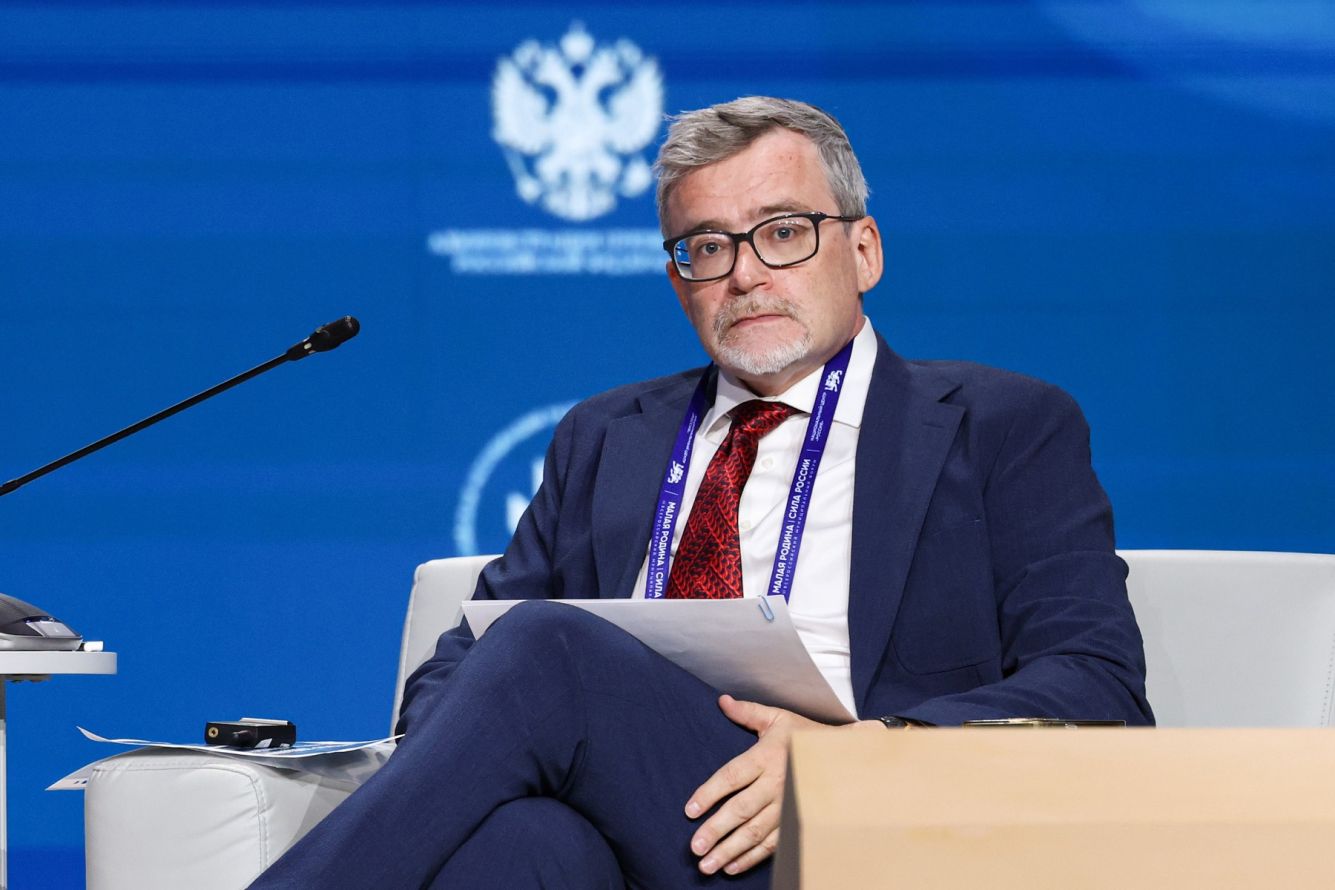
The Anti-Corruption Foundation discovered that the family of the director of the All-Russian Center for the Study of Public Opinion (VTsIOM) Valery Fedorov owned real estate, cars and luxury goods worth more than 500 million rubles. The authors of the investigation came to this conclusion after studying financial documents, leak data, as well as the Instagram of 30-year-old Daria Vasilyeva, the second wife of the head of the sociological service.
Fedorov has headed VTsIOM since 2003. VTsIOM is a state sociological center that, among other things, publishes research on Russians’ trust in the current government. Meduza and other independent media have repeatedly written about how the center manipulates public opinion with the help of such publications. In fact, VTsIOM creates the idea that the “majority” of Russians support Vladimir Putin and his political decisions.
One of the latest examples is Putin’s approval rating, which has been falling since the end of March amid mobile Internet shutdowns in Russia, Telegram blocking and rising food prices.
Against the backdrop of a decline in ratings, the center changed its survey methodology and began conducting not only telephone interviews, but also door-to-door surveys - that is, asking people in person. But it didn't help. According to a survey published on May 29, 67.5% of respondents approve of Putin's performance as president. This is down 1.9 percentage points from the results published a week earlier.
Until recently, Fedorov’s wife kept a blog on Instagram, talking about her social life and travels abroad. So, he and the head of VTsIOM traveled to France, Italy, Germany and Azerbaijan back in 2018. At that time, Fedorov was in his first marriage. He later divorced and signed with Vasilyeva in 2021. They have a child together.
On her Instagram, Fedorov’s wife, among other things, published photos and videos of expensive cars and other luxury items. As FBK established, Vasilyeva owns:
- Porsche Cayenne car for 12.5 million rubles,
- Zeekr minivan for nine million rubles,
- a collection of Hermès bags (at least 24 pieces) worth approximately 53 million rubles,
- collection of Cartier and Bulgari jewelry worth 19 million rubles.
In addition, Vasilyeva owns an apartment with an area of 170 square meters in the Moscow residential complex “Smolensky De Luxe” and four parking spaces with a total value of about 230 million rubles.
The Fedorov family also invested in real estate in the Moscow residential complexes Luzhniki Collection and Slava Residences. These residential complexes are still under construction, so it is not known exactly which apartments the Fedorovs bought. The authors of the investigation estimated 75-meter apartments there at approximately 200 million rubles.
In 2023, Vasilyeva announced the launch of her own fashion clothing brand, DV. For her store, she rented premises in one of the most expensive buildings in Moscow - at 12 Kutuzovsky Prospekt. Renting a retail space here costs one and a half million rubles a month. Soon, a DV boutique opened in Dubai.
Vasilyeva’s brand existed for about a year: now the DV social networks are abandoned and the website is closed. Now the wife of the head of VTsIOM calls herself an “executive coach,” a personal growth trainer and “the author of a philosophical book about the joy of the soul.”
As FBK notes, Vasilyeva has no serious income, and Fedorov’s official income is significantly lower than the value of his family’s property. According to VTsIOM reports, in 2022 the head of the sociological center received about 14 million rubles, in 2023 - almost 22 million rubles, and in 2024 - 15 million rubles.
“This is a lot of money. This is a separate question, why in our country an official involved in public opinion polls receives so much. For the sake of objectivity, let us add that Fedorov teaches, writes some books, speaks - it is clear that they also pay something for this. Let’s estimate generously and with reserve: in three years he could have earned, well, 55 million,” noted the head of the international FBK, Maria Pevchikh, in the investigation.
The authors of the investigation believe that Fedorov is “getting rich by serving the interests of the authorities” and “conducting fraud with contractors” using the budget funds that the state allocates to VTsIOM for sociological research. As the FBK established, the structures of the sociological center transferred hundreds of millions of rubles to a network of individual entrepreneurs. Moreover, many of them, the investigation claims, have nothing to do with sociology at all. Among the recipients of the payments are a photographer who now runs a water park, a pensioner, and employees of travel agencies and car dealerships.