
Translated material
Shoemaker from Kupchino: why residents of St. Petersburg miss Grigory Eremeev
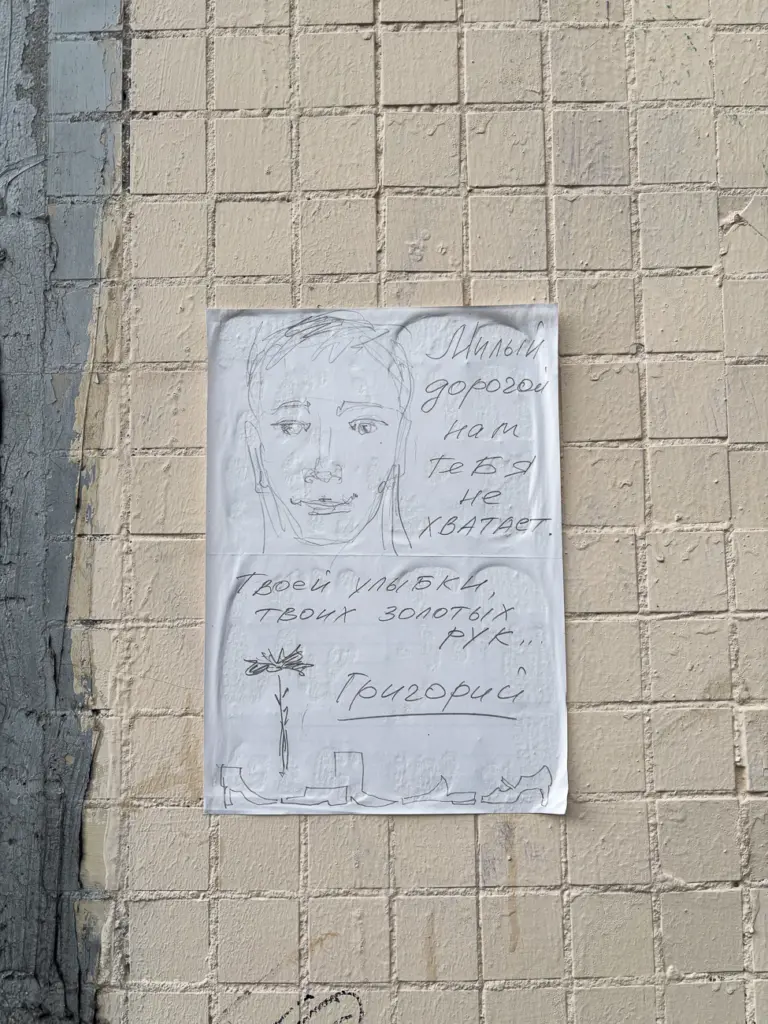
“Darling, darling, we miss you. Your smile, your golden hands” - a note with these words appeared in early May on a high-rise building at the intersection of Budapestskaya and Oleko Dundich streets in St. Petersburg. Until the spring of 2026, Grigory Eremeev’s shoe repair kiosk stood there; last year, at the age of 53, the master died. “ Reporter Stories ” found his relatives and friends and learned from them why people even came from other parts of the city to repair shoes at this workshop. New Tab publishes this text in full.
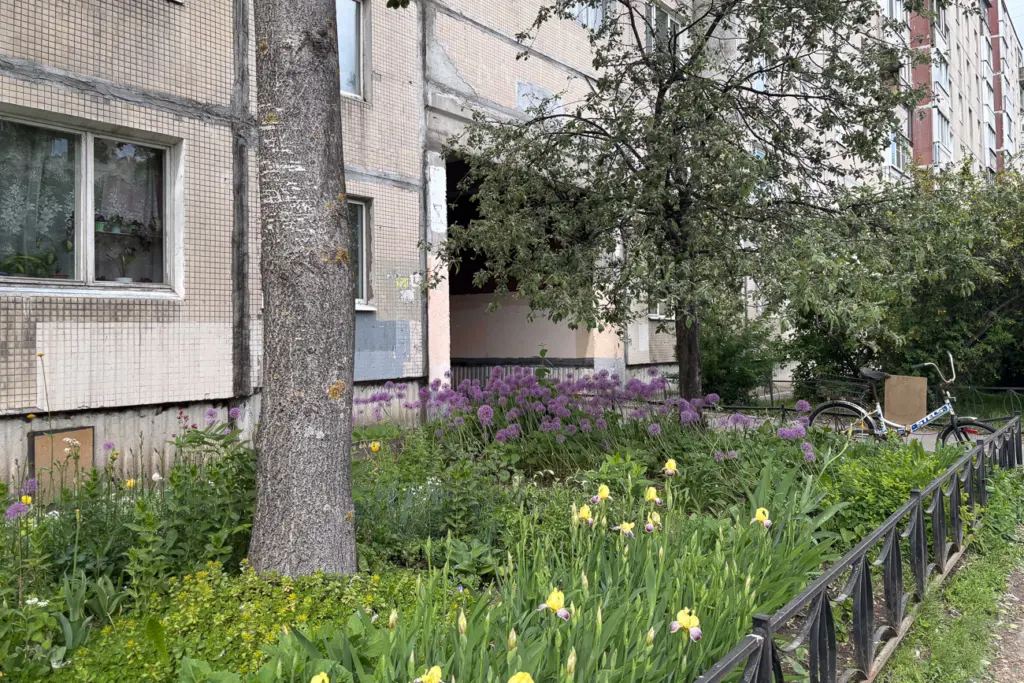
From a distance, a paper note on the wall of a nine-story building in the Kupchino district of St. Petersburg resembles a memorial plaque: on it is a graphic portrait of the master, words of gratitude, and below are several pairs of shoes. In place of the kiosk that was demolished at the beginning of the year there is a piece of empty land, not yet overgrown with dandelions blooming around.
The shoe repair shop has operated here for almost 30 years, since 1998. The owner of the kiosk, Grigory Eremeev, last came here on April 11, 2025. The next morning his heart stopped.
“We didn’t know each other closely, I just knew him as a very committed, decent person, an honest craftsman,” says the resident of the nine-story building. According to her, people even came to Grigory from other parts of the city to have their shoes repaired.
Neighbors say he used to have a lot of clients. Eremeev has been involved in shoes for most of his life: first, together with his wife, he made them to order, then he repaired shoes somewhere in the southeast of St. Petersburg, and then the family opened a kiosk in Kupchino, an area where they lived for about ten years. Clients who were already accustomed to handing over their shoes to him for repairs also began to come to the master there. When Grigory Eremeev moved with his family to another area of the city, he continued to work at his kiosk in Kupchino.
The workshop smelled of glue, cigarettes and burnt rubber, music was playing or political news was playing on the radio, recalls his daughter Victoria. Some people came to Gregory just to talk: “Grandmothers brought him pies and socks for their grandson. Sometimes they would bring coffee or tea as a thank you.”

Sometimes, according to locals, Eremeev did minor repairs for free, especially for elderly people. “I think he was uncomfortable setting the price. He charged us very little. I always paid him extra because I understood that it really costs more,” says his neighbor Svetlana.
She still carries a pair of loafers in her car, which “keep on his word of honor.” “How many times has he extended the life of shoes that should have been properly thrown away! But these are some kind of favorite, comfortable shoes that you can’t part with,” Svetlana recalls the master.
In recent years, the workshop has not brought in much income, Victoria admits: people almost stopped bringing shoes and boots, and sneakers that became fashionable did not require repairs so often. And although there were days when there was no work at all, Grigory did not want to close the kiosk. “My clients are there, how will I close everything?” - his daughter recalls his words.
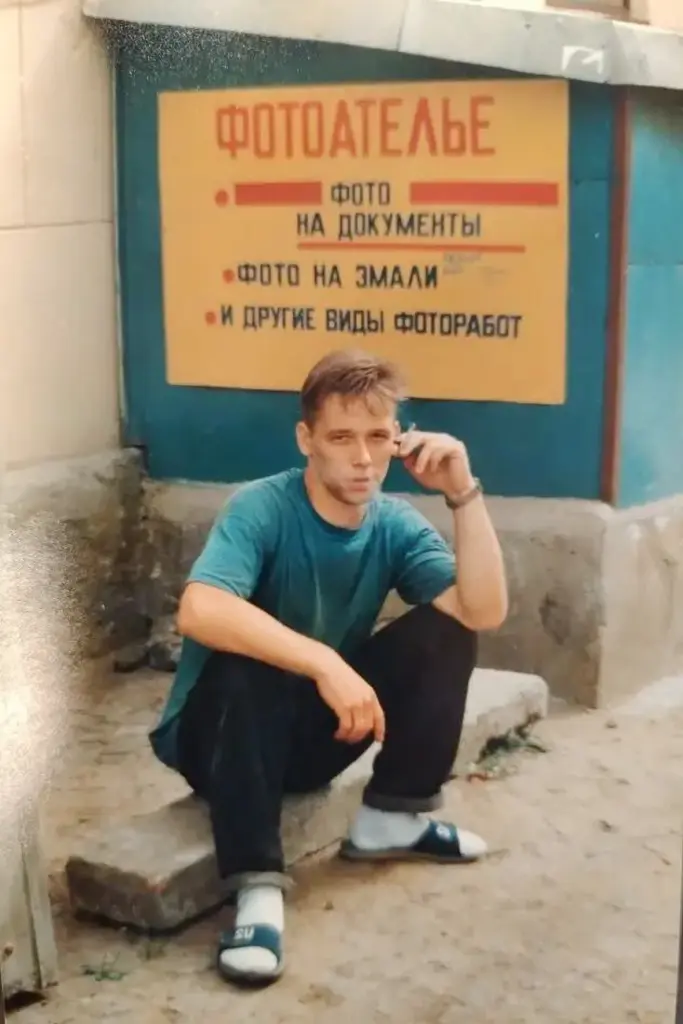
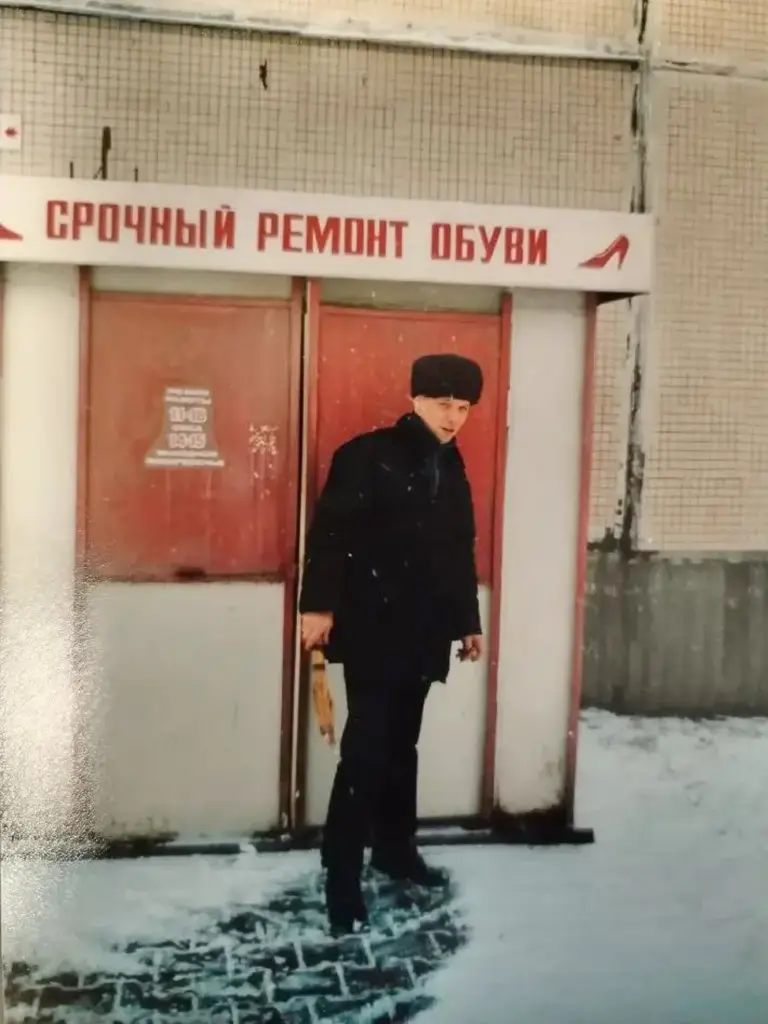
For the last few years, Eremeev had to work part-time as a security guard in a parking lot. Neighbors say that he hardly had any days off: he was always at work, and therefore his death was very unexpected for them.
Although there is another shoe repair kiosk in the courtyard of the nine-story building (an inscription on plywood attached to an old bicycle informs about it), the neighbors miss Gregory. “This is a legendary place. I even heard people passing by and saying that an era has passed,” says a young woman on the playground.
Eremeev’s daughter says that after her father’s death, neighbors looked after the empty kiosk “so that no one would vandalize.” After the workshop is demolished, Victoria tries to avoid the place because it is still “too painful.” He and his mother learned about the note at the site of the kiosk from social networks and think that it was left by an artist friend of Grigory’s, but they cannot reach him on his old phone number, and they have no other contacts. Victoria heard about the neighbors' plans to hang a memorial plaque on the house.
“Dad didn’t like to be praised and never praised himself. If he knew that you were writing a text about him, he would say: “What are you talking about? Who am I that they should write about me?” — the master’s daughter reasons.
Under the post about the note on VKontakte, local residents wrote many warm words about the shoemaker Eremeev and told their stories about shoemakers from different districts of St. Petersburg.
And Gregory’s family asks for help in finding the author of the note. If you know how to contact him, write to Victoria on social networks .