
Translated material
“We were built for one reality, but ended up in another.” Is there a future for panels?
Seventy percent of Russians still live in late-Soviet panel areas. Alexey Izosimov spoke with sociologist and employee of the Institute of History and Culture of Eastern Europe in Leipzig Mikhail Ilchenko about the value of panels and whether they can turn into tourist meccas.
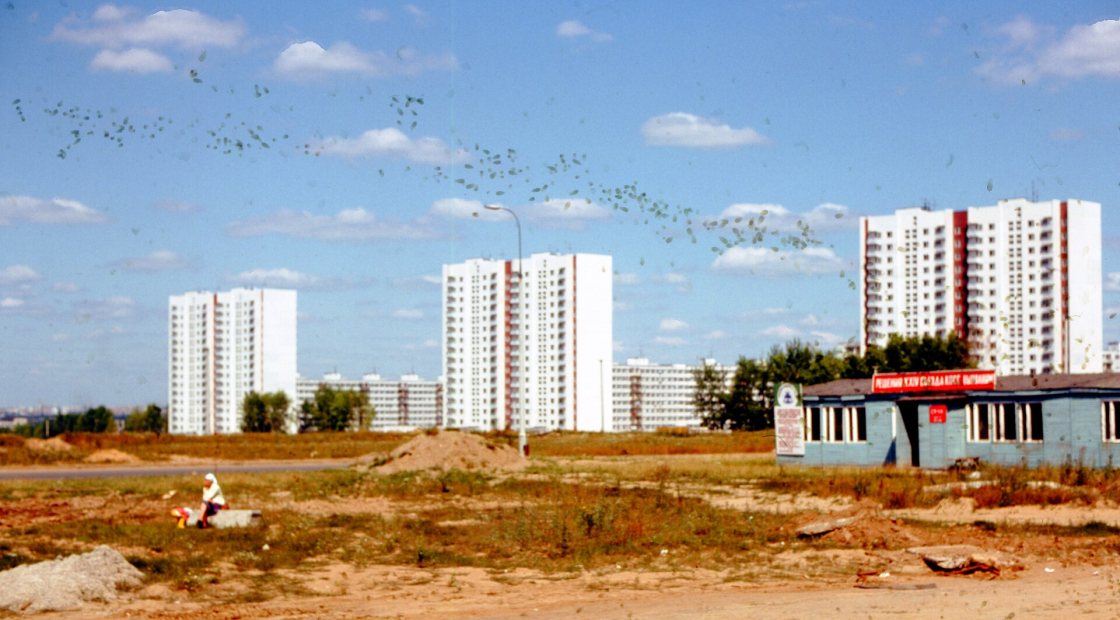
Orekhovo-Borisovo district, Moscow, 1975 © Thomas Taylor Hammond / WikiCommons
Mikhail, hello! You participated in a long-term international project about the legacy of mass housing—to put it simply, about the “socket houses” that swallowed up former socialist cities from East Berlin to Aktau in Kazakhstan. In 2025, a collection was published summing up some of the results of the project. What was his idea?
We wanted to present a panorama of mass housing construction in the countries of the former socialist camp. We had two motivations. The first is to pull this topic out of purely architectural and, so to speak, aesthetic discussions. For an obvious reason: mass residential development has shaped the lives and lifestyles of generations. It’s strange if only artists who consider panels as an object, or urban planners who talk about plans, pay attention to it.
The second motivation was to talk about modernist architecture not in terms of iconic or iconic buildings, but in terms of its original purpose. When we talk about modernism, we mean architecture that is serial, reproducible and universal, but at the same time we mainly consider unique buildings - as if exceptions to the rule. There was a paradox in this. As part of the project, we decided to turn to late socialist architecture in its original - that is, serial and mass - version.
We took different periods - both the socialist cities that were built during the period of industrialization, and partly the Stalinist mass development of the 1930s–1940s. But in the public consciousness, socialist architecture is primarily the panel buildings of the 1960s–1980s. The construction boom has swept a huge number of countries, and in this sense, perhaps, the ultimate embodiment of modernist residential construction is panels.
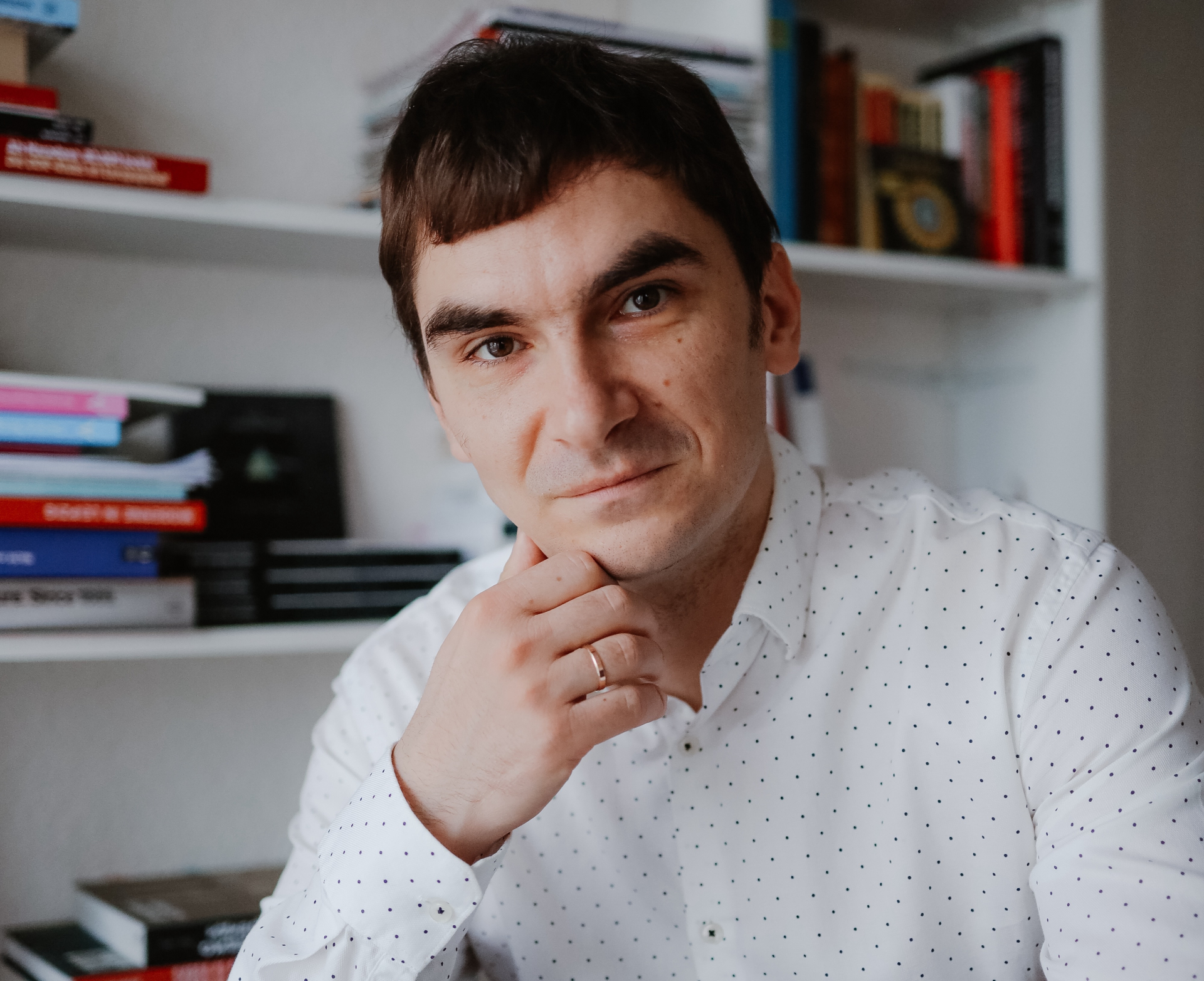
Mikhail Ilchenko
Have you ever lived in a panel house yourself?
I grew up in small apartments in Sverdlovsk, which has now become Yekaterinburg. Some were located in typical Soviet areas of the early 1970s, while others were located in the late 1980s, completed in the 1990s. You could say it's come full circle.
Did this experience influence you?
I was born in the Uralmash district, the famous socialist city. I know and feel this space well. The panels in which I lived were part of a new phase of construction of the socialist city. Now, when I look from the outside, I think that they significantly shaped my worldview, because I was brought up in this environment. And I think there was a lot of value in that environment. In general, when visiting a particular city, I note similar areas for myself, not only as a researcher, but also simply because I feel more comfortable in them... for me this is something familiar.
Having lived in apartment buildings in St. Petersburg, and then in Germany, I realized that people who were born in a different environment are accustomed to different spaces, scales, and the feel of buildings. And this is a completely different way of life.
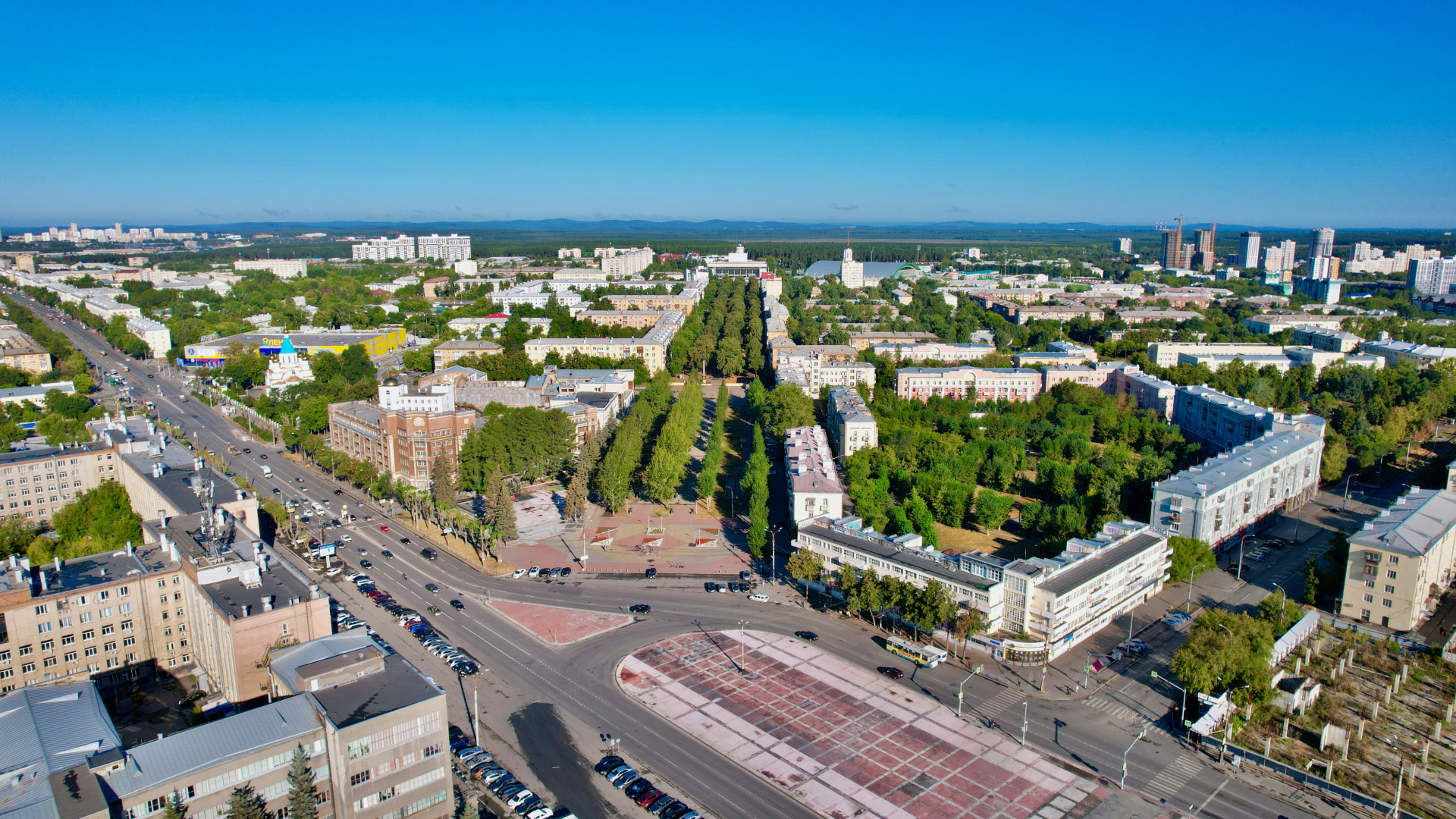
View of the Boulevard of Culture, Uralmash district, Yekaterinburg © Vyacheslav Bukharov / WikiCommons
Do you currently live in a historic home?
Yes, in a house from the early twentieth century.
How does it feel? Are you nostalgic for the panel district?
I rather have nostalgia for the area where I was born, but no nostalgia for the panels. This is such, you know, more intellectual, mythological nostalgia. You can be nostalgic for the times of your childhood, but at the same time you don’t fully know what this space represents today. Living in slabs and cultivating it is not really for me.
Do the panels have architectural value?
The key point is that it is impossible to separate one side - architectural and aesthetic - from the other, social, public. As well as from the connection with economic processes and settlement issues. The panels are about the environment, the formation of a living space in which the very idea of creating new urban structures is valuable.
If we approach panels with the same framework as, say, classical palaces or apartment buildings (which, by the way, also caused great skepticism at first), then, of course, they will not work. Anyone will ask: “Is there an artistic solution here, an individual handwriting? It’s just a panel here.” The panel cannot be taken on its own, since it meant a new perception of living space in general, which was spread over vast territories and actually changed the system of cities.
It seems to me that at this point the very concept of heritage is radically transformed. We perceive it as a kind of universe, an experience of life that is a thing of the past. The panels are there, but they are filled with different content, new people live in them. At the same time, the way of life that existed throughout the late Soviet period is transmitted precisely through panel buildings and microdistricts.
Just 10-12 years ago, any conversation about panel districts, be it Moscow, Vilnius, or Berlin, was provocative and innovative. One of the significant projects for our environment is “Belyaevo Forever” by the Polish architect Kuba Snopek. The idea was simple: to show that the panel area can also be a heritage site [and proposed to add Belyaevo to the UNESCO World Heritage List]. Cuba started this discourse, and everyone gasped: “Wow, wow!” Pictures appeared of the palace turning into a panel. This, of course, captivated by its freshness.
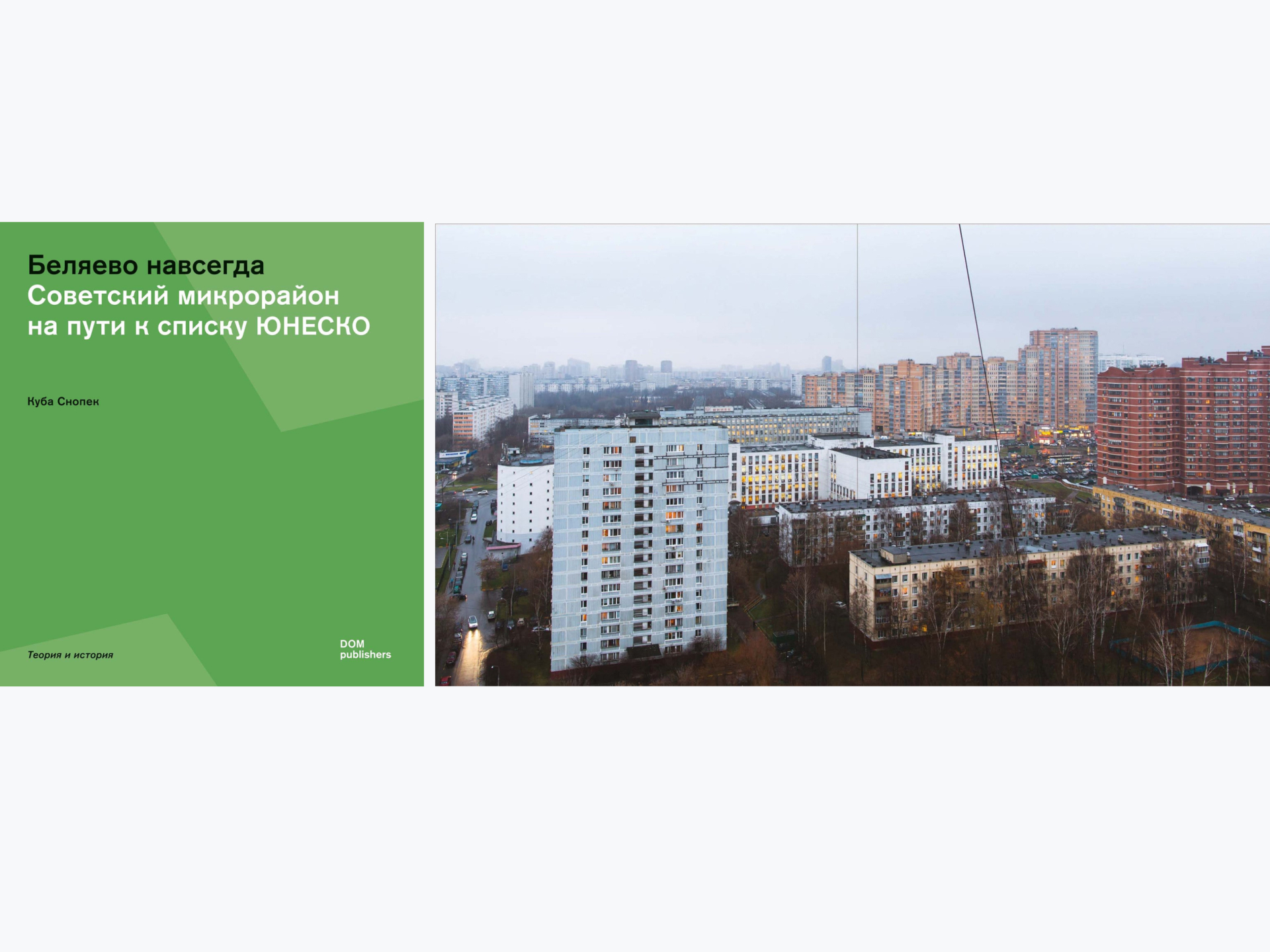
Cuba Snopek. Belyaevo forever. Sovetsky microdistrict on the way to the UNESCO list. DOM publishers, 2015 © DOM publishers
Now the topic of panels is no longer marginal. That is, this is no longer about exoticism, but about finding new ways of understanding what we should do with this heritage: what to leave, how to treat it aesthetically, how to attract people, how to integrate it into a modern city. In fact, the legacy was formed literally before our eyes. Tours of areas with mass housing, which I see everywhere in Germany, are no longer a trend, but the norm.
Can we say that the world for which the panels were built no longer exists?
The social composition [among the residents of the panels] has changed; the same community no longer exists. At the same time, the authors of our study show that seventy percent of people in Russia still live in these areas. I would venture to say that panel architecture is the most lasting, tangible legacy of socialism that has survived.
Now we are seeing entire neighborhoods being built according to essentially the same standards, only larger—what we call “anthills.” And they are already different. In contrast, you understand that that world of good old panels is becoming a thing of the past.
In the early 2010s, I moved to the new residential area “Academichesky” in Yekaterinburg. Then it was presented almost as a flagship project at the country level, as a living environment of the future. A microdistrict in the middle of a forest for 300,000 inhabitants. Everything seems to be similar to the ideas of Soviet projects. But the first stages of “Academic” are an encyclopedia of errors in the design of mass residential areas, which we know from the classic books of Western urbanists. Lack of normal transport connections, lack of greenery, normal sidewalks, oppressive space. I experienced and observed all this well.
When I returned to Uralmash or traveled to other residential areas of the Soviet era, I realized that even with their possible external nondescriptness and fading infrastructure, this was human-oriented architecture. New areas are about something else. “Academic” still gives me a feeling of internal discomfort.
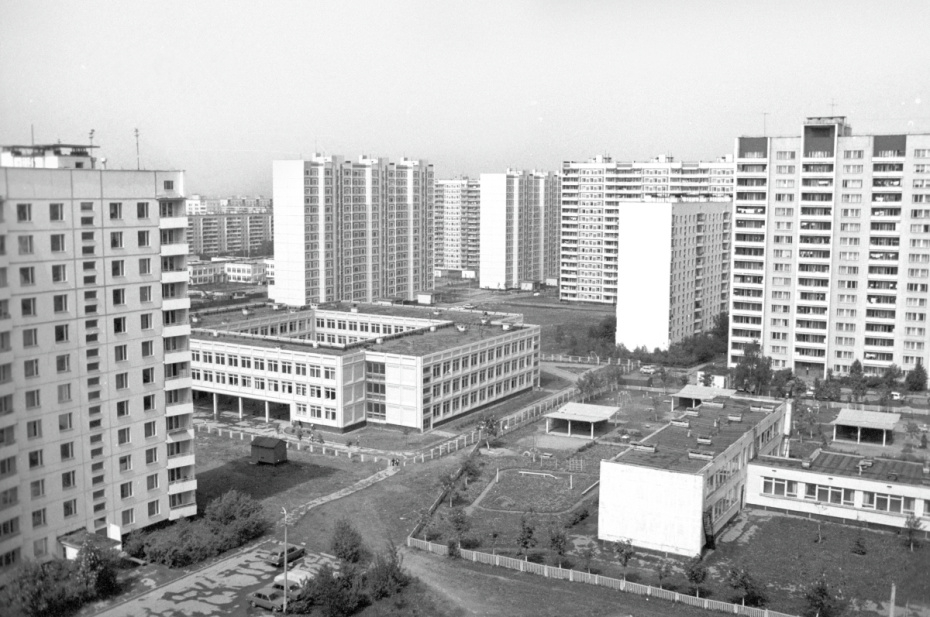
Cheryomushkinsky district, Moscow, 1984 © Vsevolod Tarasevich / TASS
Western European countries also have architecture similar to Soviet panel construction. But at the same time, as a rule, there was no socialism there. Why do we hold on to the idea that panels are a socialist heritage?
It seems to me that there is a misconception here, even a trap. Whether in the Soviet Union or in the socialist camp, panels are part of a large modernist project. From the point of view of form and aesthetics, this is one and the same phenomenon, which is based on the general principles of CIAM and Le Corbusier. There are many studies, programs, films that show how architects traveled from Western capitalist countries to socialist countries and back. There was not just an exchange of technologies, but also a constant circulation of ideas.
It’s just that, as in the cases of avant-garde or neoclassicism in the Soviet Union (and in response in the socialist camp), this construction acquired radical forms, such extreme expression. At the same time, the [political] context was, of course, different.
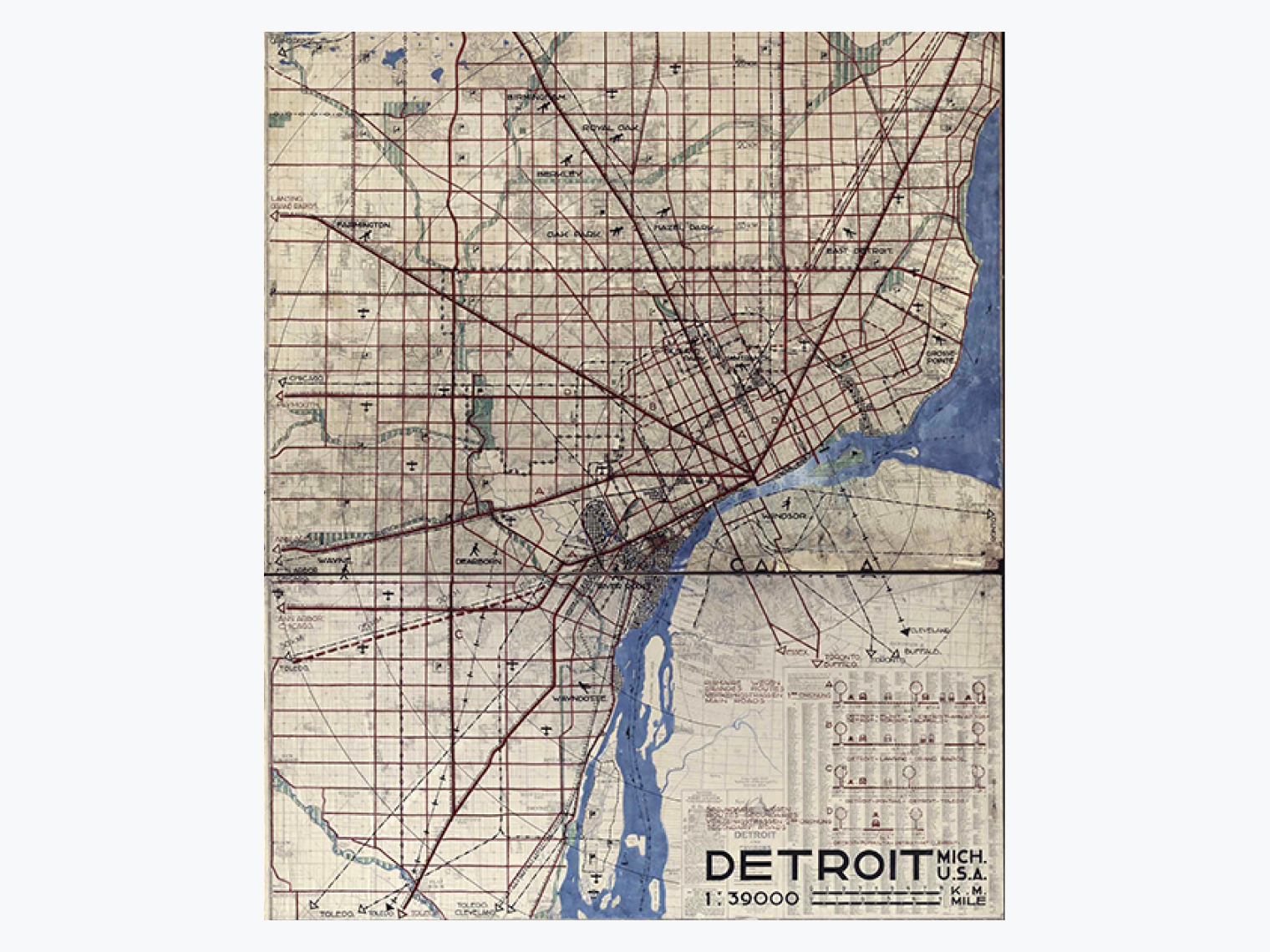
Map of Detroit compiled by Knut Lönberg-Holm for the IV CIAM Congress "Functional City", 1933 © WikiCommons
You mentioned that attitudes towards panels have changed over the past decades. Can you describe this dynamic?
It was different in different countries. One way or another, the younger generation was everywhere searching for identity, trying to understand the origins of the environment in which they grew up.
A classic example immediately comes to mind: Dmitry Prigov’s excursions around Belyaevo in the 1990s. It was an act of modern art. The person leads the group, talking about the gray area in the same way as they usually talk about classical palaces or about the historicism of the late 19th century. This had the effect of shifting focus. The search for understanding the phenomenon as a whole began with this generally artistic practice, with trips to the districts. It was an attempt to ask questions: where were we born? how were we formed? how did this affect us? how to evaluate this?
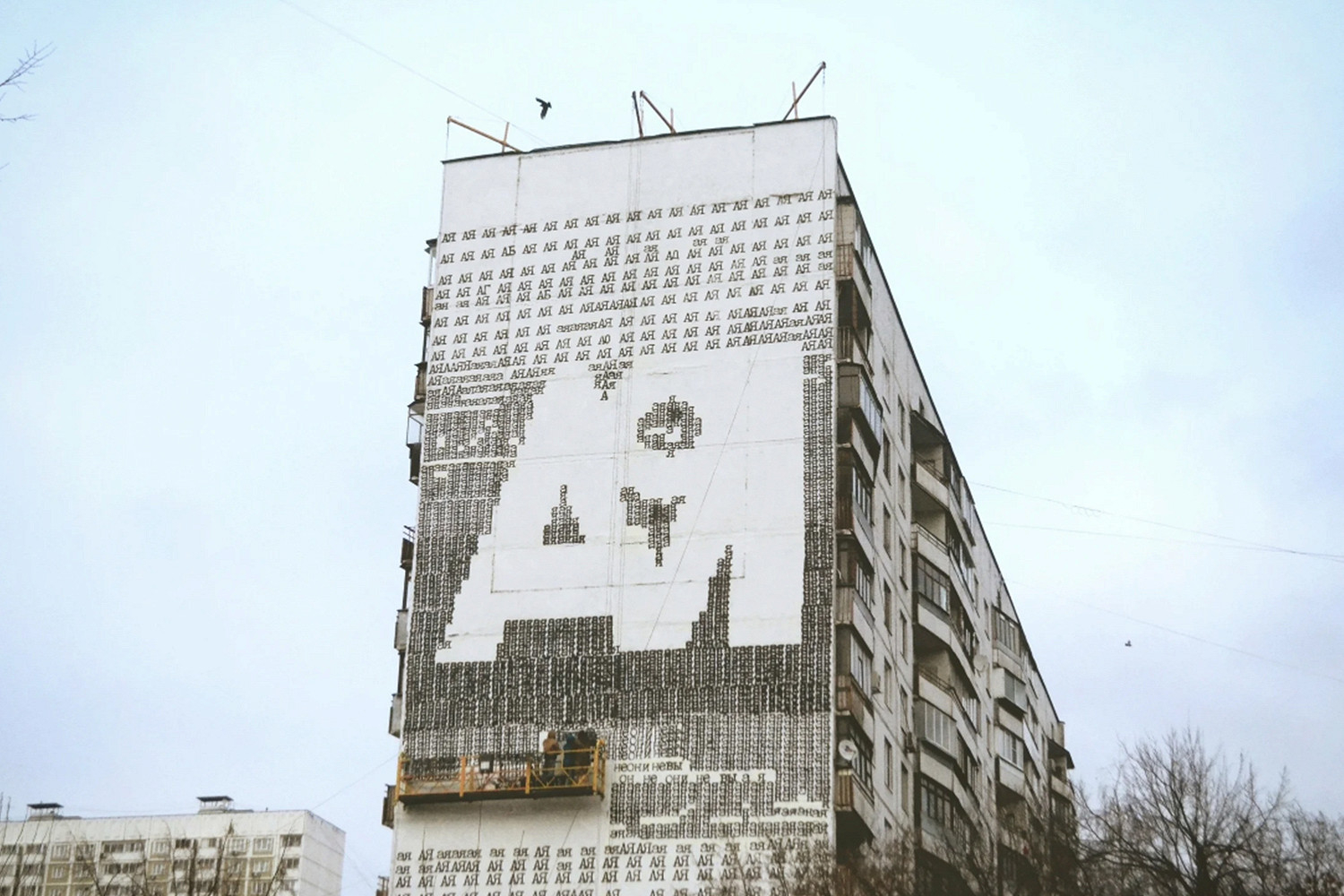
Mural “AYA” based on the poem by Dmitry Prigov in Belyaevo © Margarita Chistova / Zukclub
I remember well the art historians [who led tours of the panel areas] in different cities - in Lithuania, in Ukraine, in Moscow. There was some kind of charm with mystery, exoticism, and atmosphere. And then you returned to your area, in which you were born and which you were disgusted with, and saw it with different eyes. The question immediately arose: is this also a legacy? All these artistic interventions, street art projects, postcards, posters, photographs of panels at sunset do approximately the same thing - they change the focus, the perception [of the everyday].
Panel architecture and the modernist project in general were inherently international - the idea was that the typology could be applied everywhere from Africa to Australia. The paradox is that the revaluation [of modernism] has precisely emphasized local experience. Groups of enthusiasts began to appear simultaneously in a variety of places, without even knowing about each other. Yes, there was a trend, someone saw an interesting photograph and tried to repeat it, but I remember well how twelve or fifteen years ago you came, for example, to Lithuania or Minsk, and everywhere you saw approximately the same set of activists: two local historians, two artists, a researcher. In different countries, they began to do approximately the same thing and connect their activities with local and family history.
I remember how I went on a tour of the iconic [Lazdinai] district in Vilnius, which was built in the 1960s and 70s. “The Adventures of Electronics” was also filmed there. I realized that I treated this excursion the same way as any excursion around the old center of Vilnius. There were other people in the group with me who asked questions - they were interested. Yes, their number cannot be compared with those visiting older areas, but they come to learn, among other things, local history.
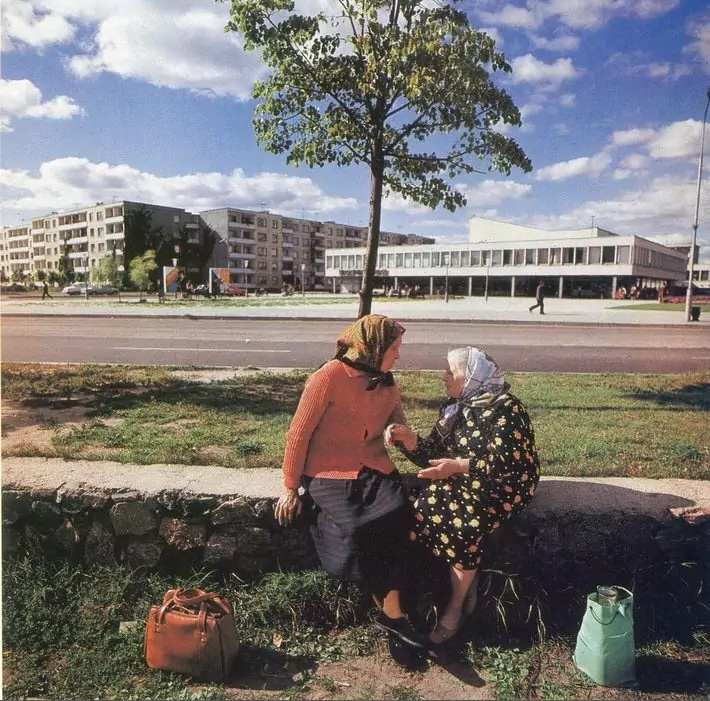
Lazdinai district, Vilnius, early 1980s © Antanas Sutkus. Lietuva iš paukščio skrydžio. Mintis, 1983
Just 15 years ago it was impossible to imagine that a book dedicated to standard series of mass construction could sell several thousand copies. And now young people will buy it. The legacy of the panels was shaped by conversations about local history and perceptions of the past. In fact, the panels change the attitude towards architectural heritage in general. They are not about the fact that you now have to love everything and preserve everything - they can and should be looked at as some kind of illustration of an era, a way of life, a form of life.
That is, when you come to a new city, is it equivalent for you to go look at the main square with the town hall and go to the panel quarter?
Absolutely. It so happened that I began my acquaintance with some cities with panels. This was the case in Vienna, Minsk, and Lvov.
It is especially interesting to compare when you are first in the historical part, and then immediately go to the panels and think: where is the real city? The same Vilnius: you’ve visited the historical part, and then you go up to the high-rise municipal building, look around the city and understand that this is a Soviet city through and through, although this architecture lives in a different context. You walk around and see how panels are integrated into a different cultural landscape, how they are worked with and ennobled. This is very interesting.
In most of the countries we're talking about, slabs still make up two-thirds or more of the housing stock. Is this a problem?
This is generally the root question. The main problem is that these areas were built for one social reality, but ended up in another.
There is a [positive] example from Western countries, including Germany, which shows that these areas with a lot of problems, built as temporary, transitional housing, can be worked with if you invest a lot of money in them. They clean off asbestos, remove harmful materials, and add some new construction [for example, balconies]. But the question arises: are other countries able to invest? There can be no clear answer.
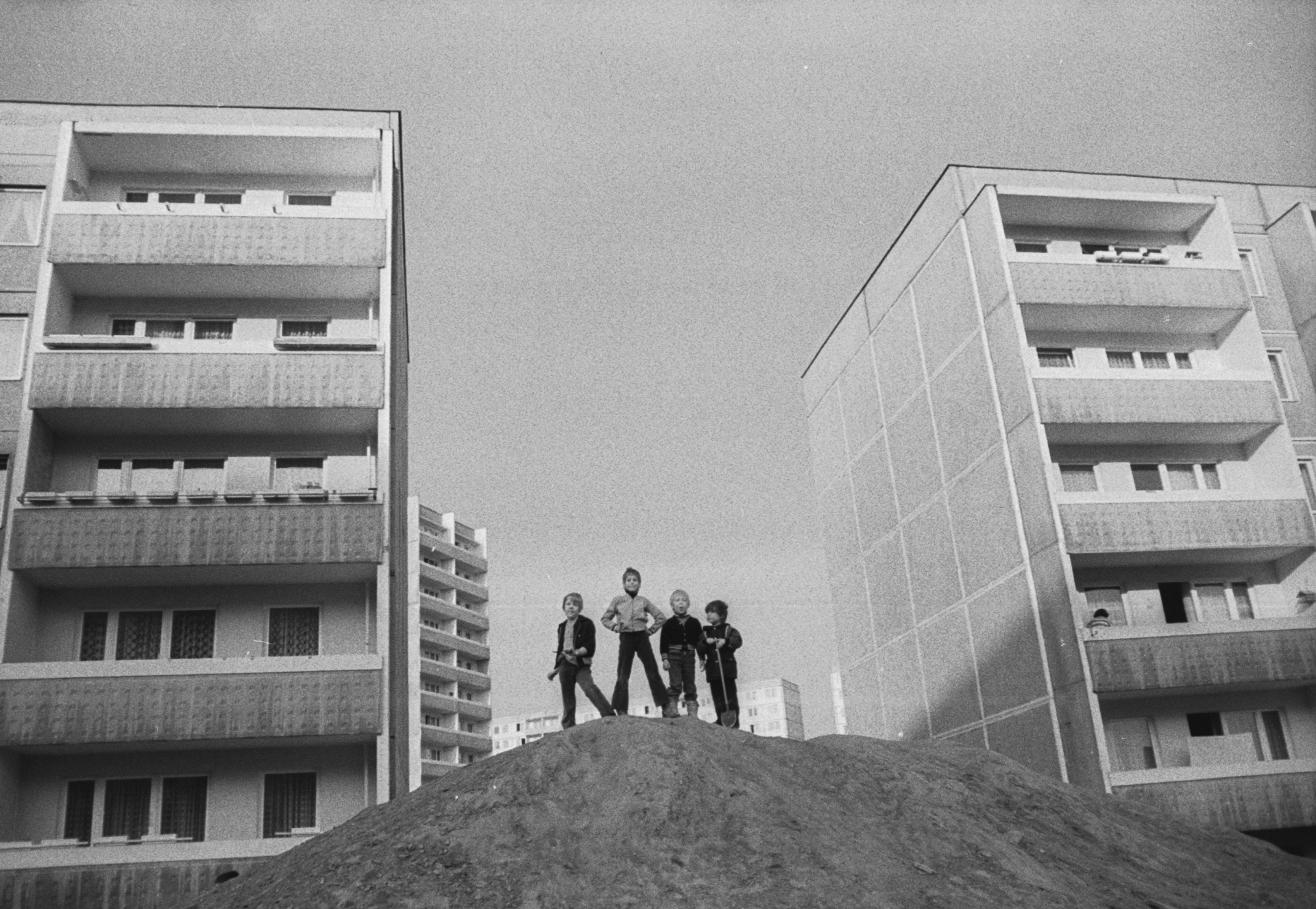
Marzahn district, East Berlin, 1980 © Gerd Danigel / ddr-fotograf.de
What do you think about when they decide to demolish them? For example, as part of the renovation program in Moscow. It is clear that these are not exactly sockets, but they are also serial housing.
How it started in Moscow raises a huge number of questions. Several years have passed since the start of this campaign, but there is still no idea what alternative is being proposed in its place. We seem to criticize the panels, but new areas are literally stepping on the same rake. And the quality of housing there is not only not higher, but worse.
I generally believe that it is impossible to preserve these areas simply for aesthetic reasons. The city must develop and move on. But demolition requires a lot. In the 1970s, modernist neighborhoods were also criticized a lot in the West, but in addition to demolitions, there were colossal programs with government investments in alternative construction. What came in return also raised questions, but at least there was integrity and consistency in it.
In addition, what is possible [financially] in Moscow is often simply impossible to imagine in the regions. What I observe brings nothing but chaos and absolute unsystematicity. Like at Uralmash, which until recently at least maintained some integrity of the infrastructure. Often these 20-story “candles”, built on the site of two-story houses, are simply not provided with infrastructure: there are no communications, no park, no schools. What is offered to people in new residential complexes can hardly be called an urban environment.
Is there any resentment towards panels in European countries because they are Soviet? Or do people still not extrapolate their generally justified complaints about the Soviet system to housing?
There is probably no such outright rejection towards residential areas. For the simple reason that people cannot deny themselves - they continue to live there.
Here again, the canonical example is Germany. There is a joke: in order for the authorities to change their attitude towards residential development from the GDR era, they just need to name it differently. So about twenty years ago in Germany the concept of “Ostmodern”, or Eastern modernism, came into use. It seemed to connect two generations: yes, this is also modernity, but it’s something of its own, special, so let’s treat it with respect. It has replaced the negative sentiment that you speak of. Demolitions continue, but attitudes have changed a lot in twenty years.
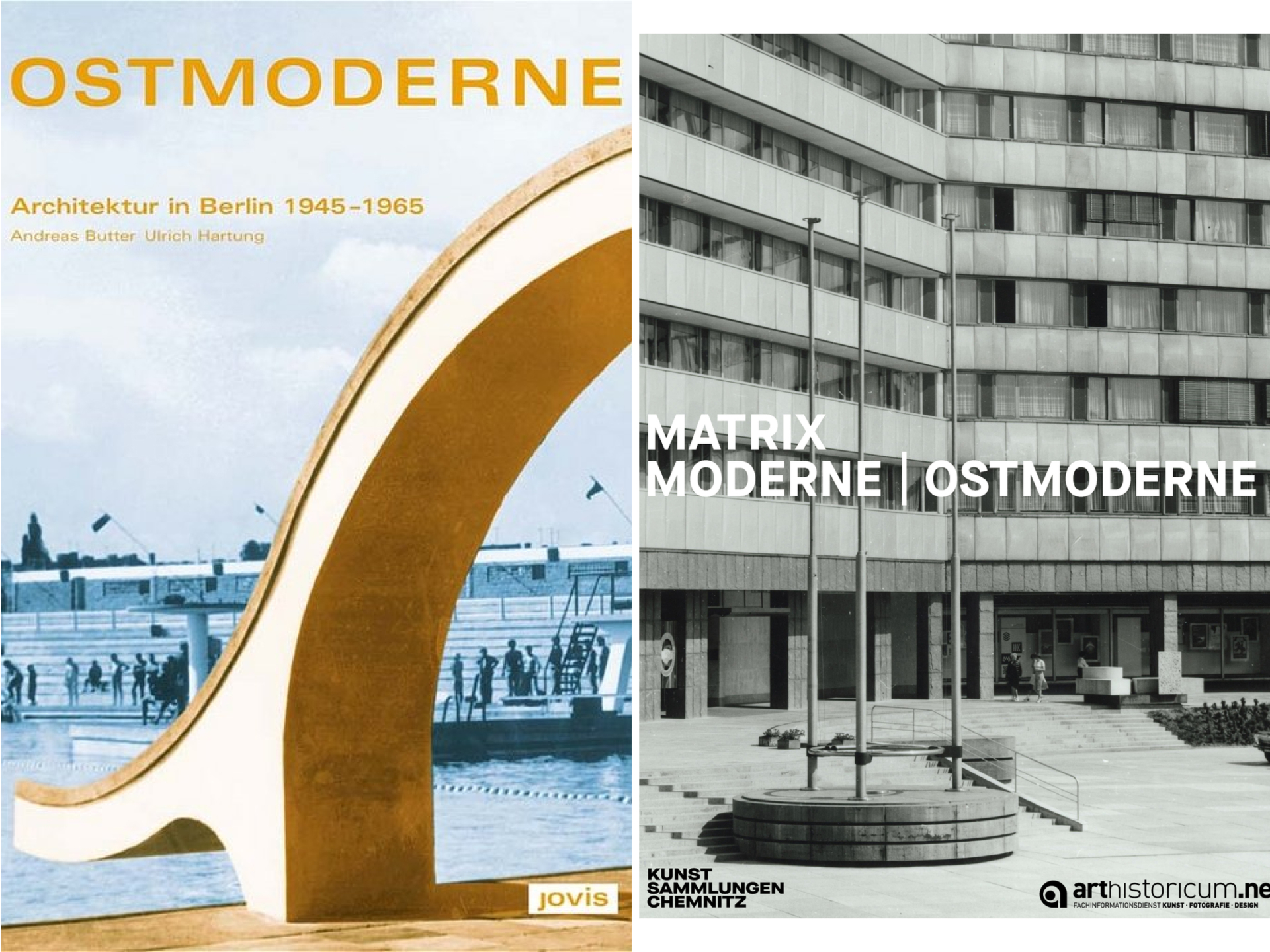
Covers of books about GDR architecture - “Ostmodern” © Jovis Verlag, arthistoricum.net
Could you tell us about some, from your point of view, the most interesting cases of working with mass housing construction?
The first thing that comes to mind is, again, Germany. But it is always difficult to talk about this example, since it set trends in working with the [modernist] heritage, and the process continues to this day. It’s hard to imagine, but after the fall of the Berlin Wall in Germany, all these buildings were brutally demolished. This became an impetus for the community to defend their right to live in the environment in which they were accustomed to live. An area like Halle Neustadt [in the city of Halle] is a totally cool story. He was in a very depressed state, but attention and investment greatly transformed him. For me, visiting this area is always part of the mandatory program.
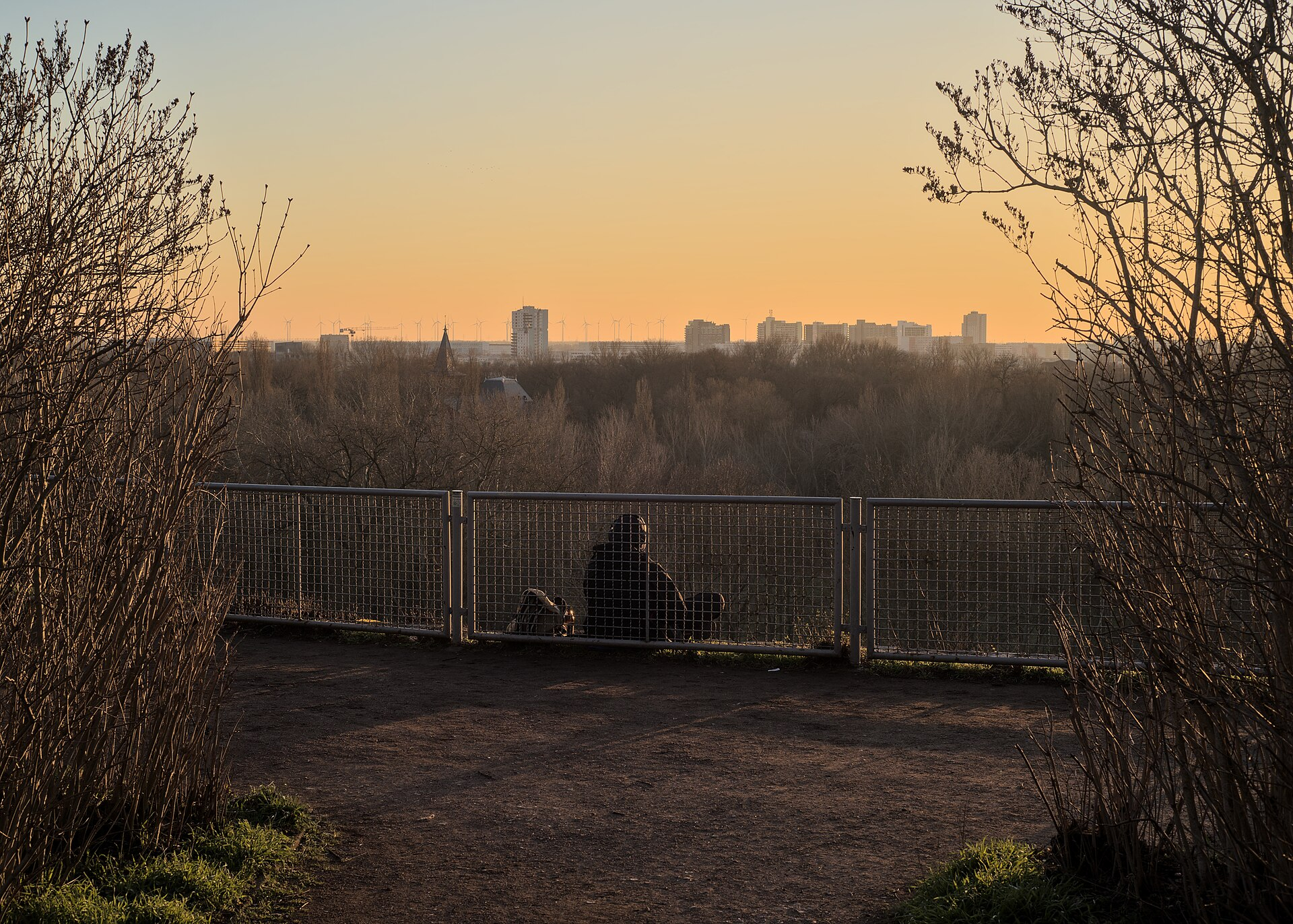
View from Heinrich Heine Park towards Halle-Neustadt, Halle © August Geyler / WikiCommons
The case of Berlin is very revealing. This is a story about two cities that became one. Essentially, this is a competition between two versions of modernity, which sought to show which of them was more successful, but in the end they formed into one city. Это очень удобный пример, поскольку всегда можно почувствовать контраст между восточной и западной частью. Мода на работу с этими [пост-социалистическими] пространствами имела немного левый оттенок в активистской тусовке, в ней был идеологический протест: мы, мол, живем в пространстве, которое противопоставляется навязываемым неолиберальным, буржуазным трендам. Это формировало реально новые сообщества.
В плане активизма меня впечатлили литовские кейсы. Лет 10-20 назад в Вильнюсе и Каунасе молодые ребята, активисты, художники стали привлекать внимание к панельным микрорайонам — начали организовывать какой-то досуг, проводить спортивные фестивали, собрали целое движение. Вильнюсский район Лаздинай — отличный пример. Экскурсии туда уже почти классика. Место любимо горожанами. Активисты там присутствуют неизменно. Это формирует новое восприятие среды.
Очень интересный кейс района Петржалка в Братиславе, в Словакии. Это один из знаковых и крупных районов, который строился с идеей создания гуманитарного, человечного пространства. По понятным причинам он не был достроен. После возникновения уже независимой Словакии пошли дискуссии о том, как с этим работать. Сегодня активисты издают путеводители, защищают культурную ценность пространства. Интересная инициатива — восстановление огромных муралов 1980-х годов на фасадах зданий. Это привлекло огромное внимание к району.
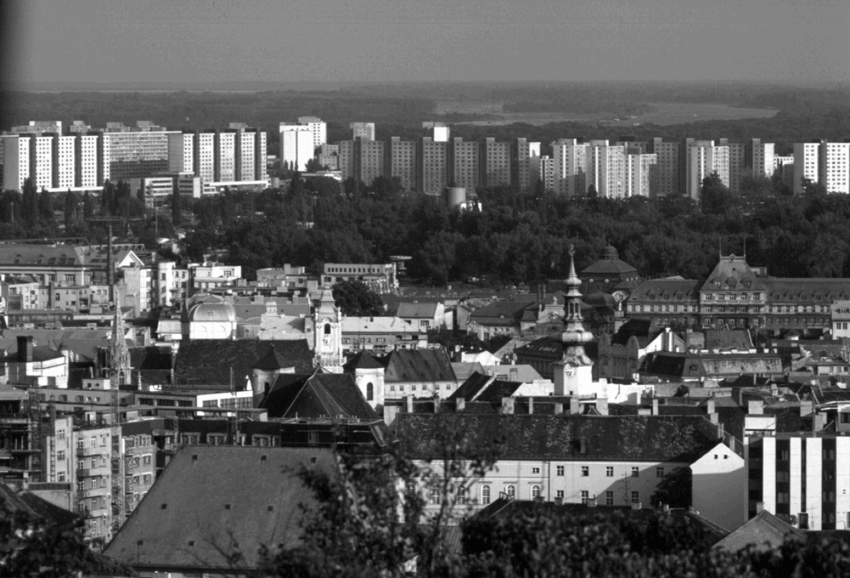
Район Петржалка, Братислава, 1973–1980 годы © Archive of the Department of Architecture, USTARCH SAV
Ну и, конечно же, Польша. Вспоминается Нова-Хута в Кракове, которая в 1950-е годы стала практически якорным проектом для своего времени. Благодаря активистам и их работе район зажил теперь новой жизнью, там масса культурных активностей и инициатив. Это находит поддержку у властей. Всего 20 минут из центра Кракова на трамвае — и абсолютная городская достопримечательность.
Все это заслуживает внимания: важно видеть, как это работает, понимать тенденции работы с этим наследием, чувствовать различия.
Работа с наследием сегодня, особенно после начала войны в 2022 году, это про новое культурное отношение к наследию социализма. Оно ведь как раз символизирует продолжающийся распад системы. В 1991 году говорили, что произошло разрушение экономических основ. Оно произошло стремительно, но политически, социально и культурно это процесс длящийся.
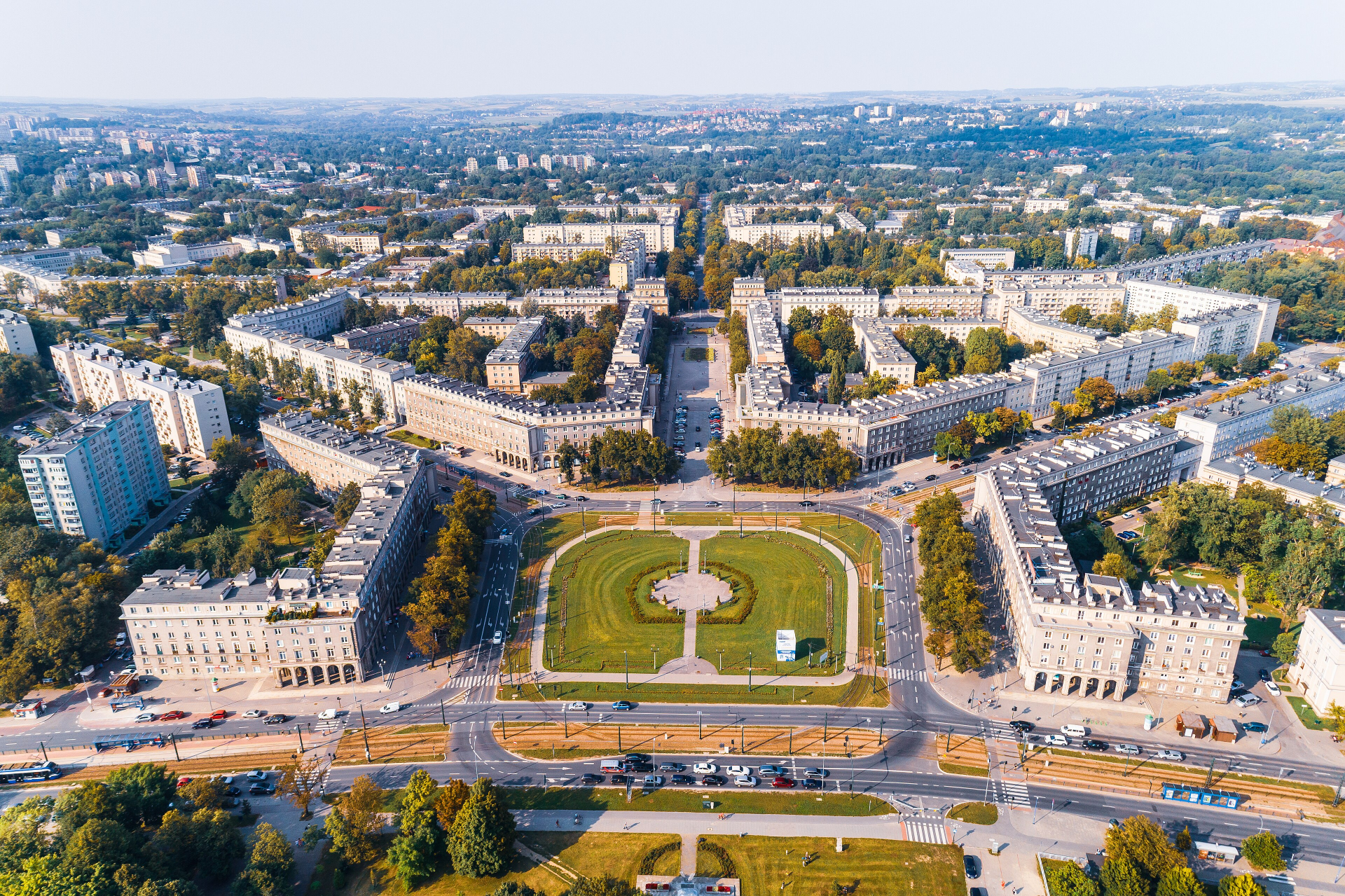
Район Нова-Хута, Краков © Pawelsuder / WikiCommons
Есть мнение, что в 2022 году, когда началась война России с Украиной, мы больше не можем говорить о каком-то общем постсоветском пространстве. Вам не кажется, что то, что мы обсуждаем, противоречит этому тезису и показывает, насколько на самом деле плотнее и устойчивее ткань повседневности?
Материально этот [постсоциалистический] мир действительно во многом остается. Но символически то, что произошло с началом войны, конечно, кардинально меняет отношения и ускоряет многие процессы. Наследие определяется не только материальностью, но и восприятием людей. Сложно сейчас говорить об общем наследии в случае, допустим, харьковских и московских районов — символически этого наследия уже нет, оно общее только с точки зрения архитектуры и эстетики.
Советские панельки для Харькова сегодня — это боль и трагедия. Новое поколение в Украине будет искать новый язык для того, чтобы говорить об этом прошлом и культурном наследии. Книга «Беляево навсегда» там вряд ли будет актуальна. Это уже из другой эпохи и другой реальности. Процессы переосмысления и локализации, в этом смысле, только усилились. К слову, начались они не пять и не десять лет назад, а еще раньше.
Да, исторически это наследие общее и оно остается таким, это невозможно отменить. Одинаковые технологии, архитекторы, идеи. Но благодаря огромному количеству новых исследований, мы понимаем сейчас, что рассматривать социалистический проект как сугубо москвоцентричный ошибочно: процессы часто шли совсем не так, как предполагалось и виделось со стороны. Картина социалистического строительства оказалась гораздо разнообразнее и сложнее, чем мы считали раньше — и мы это знаем благодаря новым данным, новым архивам. Здесь, конечно, очень важно сохранять научный исследовательский фокус.
Постсоциализм сейчас — очень болезненный, сложный процесс распада. Это сложное перевосприятие, переотношение к этим пространствам и городам. Но наследие материально остается общим и выходит за рамки Советского Союза — это и Польша, и Словакия, и Чехия. Речь не о смене бренда с советского на несоветский, не о поиске новых определений, а о том, чтобы понять, как с этим наследием работать , исходя из сегодняшнего контекста, проблем и запросов конкретного сообщества.
Архитектура все время жила двойной реальностью. Одна — материальная: инфраструктура, транспорт, решение конкретных проблем застройки. А другая — символическая, то есть бесконечная борьба, советское / несоветское, плохое прошлое / хорошее прошлое. Если бы не было художников, про которых мы начали говорить, неизвестно, как бы мы сейчас воспринимали модернизм. То же самое происходит сейчас на национальном уровне. Дискуссии вокруг украинского конструктивизма, армянского или балтийского модернизма — важные процессы переосмысления.