
Translated material
Poor visa
Why is it so difficult for Armenian citizens to enter European countries?

Photo: AP / TASS
Visa-free entry into Europe is a natural part of the life of a free person. But for Armenian citizens this is still a luxury. Brussels sets conditions and calls for reforms, but does not give specific deadlines for lifting visa restrictions. Nevertheless, the dialogue has begun.
Buy tickets to Paris and fly to Dubai
Paris, Milan, Barcelona... For Armenian citizens these are not just cities. These are dreams to which a long and unpredictable path leads. Mountains of documents, months of waiting - and in the end an envelope from the embassy that could cancel everything out overnight.
Getting a Schengen visa today is like participating in a lottery. A trip that you had planned six months in advance may be canceled at the last minute, not due to violations or any other serious reasons, but simply because the embassy decided so.
Yerevan resident Mariam Vahanyan calls Europe an “open-air museum,” a place where everyone dreams of going. But this dream is shattered by “visa stress”.
Mariam Vahanyan:
“We buy tickets in advance, not knowing until the last minute whether they will give us a visa or not. Before the New Year, we bought tourist tickets to Europe, but at the last moment we were refused. In order not to lose money, we had to change direction: instead of Europe, we flew to the Emirates.”
Mariam's story is no exception. Many people calculate the risks in advance and choose countries with a visa-free regime, just to avoid going through this grueling process.
Submission of documents for most visas, including those to the Schengen countries, in Armenia is carried out through specialized visa centers. There are two main centers in the capital:
TLScontact
and VFS Global/Global Visa Center.
The embassies themselves are mainly involved only in reviewing and making decisions. And the collection of documents is carried out by tour operators.
Before getting to the visa center, the client goes through a thorny path, says D`Travel tour manager Mary Grigoryan. The client must collect documents confirming his financial condition and solvency. The travel company helps to prepare all the documents, but then the main problem begins.
Mary Grigoryan , tour manager:
“Since January, it has become very difficult to sign up at the visa center. Moreover, this applies to almost all European countries. But the situation with Italy is especially painful - recording slots are not opened at all, without any explanation. At the same time, Italy is one of the most accessible destinations from Armenia: tickets are inexpensive, and we have direct flights to four cities. The demand is very high, and it’s very difficult to get there.”
According to her, the company now actually cannot work - neither help with a visa, nor sell a tour. Against the backdrop of instability in the Middle East, the European direction has become even more relevant, but even at the registration stage, clients are refused. Grigoryan believes that liberalization of the visa regime would change the situation: “A person would buy a ticket and travel without unnecessary hassle.”
But the problem is not only about lost money or disrupted vacations. Visa bureaucracy often becomes an obstacle to professional development and establishing international contacts. In 2024, Shushanik Harutyunyan received an invitation to the international conference on civil society in Vienna, where she was to give a lecture. There were 20 days left before the event. The visa center assured that they would have time to process the documents.
“A few days before the conference, I called the Austrian embassy in Georgia (there is no Austrian embassy in Armenia), they informed me that the documents from Yerevan to Tbilisi had not yet been sent,” recalls Shushanik.
The visa was never issued on time. The embassy asked to request the documents back, since there were no formal grounds for refusal. After this incident, Shushanik does not consider invitations if the event is scheduled for the near future.
Shushanik Harutyunyan:
“But such events - conferences, forums, educational programs - are very necessary, especially for researchers, representatives of civil society and youth. Every visa refusal or prolonged wait is a missed opportunity.”
Political background
Liberalization of the visa regime is not only about the convenience of travel. We are talking about a social and psychological turning point, says Tigran Khzmalyan, leader of the European Party of Armenia.
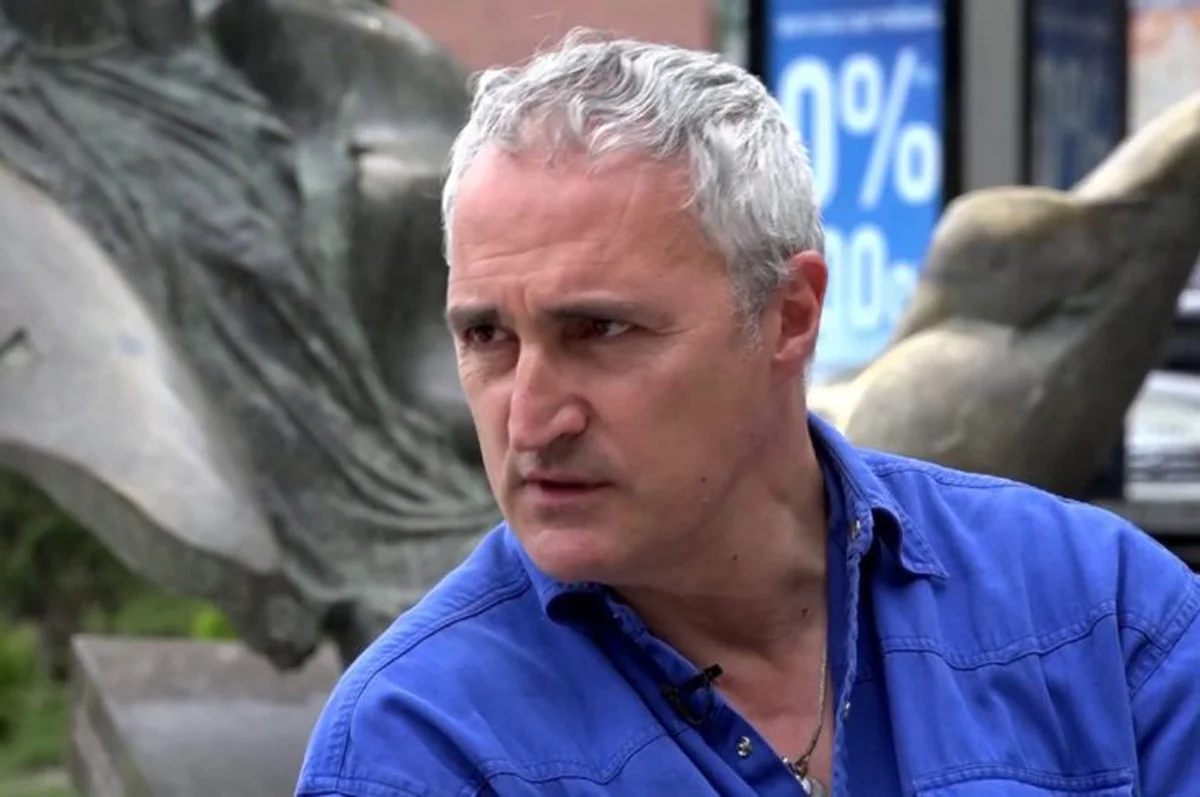
Tigran Khzmalyan:
“When people see Europe, come into contact with human rights, freedom, education, science, technology, healthcare, social justice, they begin to strive for these values, and for this we need a visa-free regime.”
In recent years, trade turnover between Armenia and Europe has halved, and visa-free travel could become an incentive for its restoration. Free entry would open the way not only for tourists, but also for entrepreneurs, students, and simply people who need European medicine. Khzmalyan believes that the introduction of a visa-free regime is in no way directly related to the country’s European integration, it is simply a matter of friendliness between Armenia and the EU. According to him, the Armenian authorities themselves have always delayed the process of liberalizing the visa regime, citing various reasons, including difficulties in developing special passports. “It’s funny, because for the state it’s a matter of three weeks,” he clarifies.
While politicians are looking for explanations for all sorts of delays and obstacles in visa processing, ordinary people are looking for workarounds.
Advertisements from intermediaries appear on social networks offering to “catch a slot” for a client - of course, for a separate price.
Here, for example, is one of them: “Getting a slot to submit documents during the high season is a task with an asterisk.” And instead of constant monitoring of recordings, attempts to “catch” free dates and shifting travel dates, you are offered “alternative forms of submission.” It is not difficult to guess what is hidden behind this charity.
If you want to go to Europe, get yourself in order
Back in 2017, when Armenia and the EU signed the Comprehensive and Enhanced Partnership Agreement (CEPA), visa-free travel was outlined as a long-term goal. The dialogue around visa liberalization officially started in 2014. Brussels has developed a clear plan for large-scale reforms for this: from the fight against corruption to the modernization of the border service.
According to official data, the EU has handed over to Armenia a package of conditions that must be fulfilled. The action plan provides for the implementation of 74 targets, which are being implemented in two stages. One of the important conditions is the introduction of biometric passports, including ID cards, which, according to the Ministry of Internal Affairs of Armenia, is planned to begin in the second half of 2026.
Armenia has committed to work in four key areas:
document security;
border, migration and asylum management;
public order and security, external relations;
fundamental rights.
At the beginning of March, the European Commissioner for Enlargement of the European Union, Martha Kos, who oversees the process of visa liberalization, visited Yerevan. The European Commissioner emphasized that Armenia is the only country with which the EU is conducting a similar process.
Martha Kos did not say exactly when a visa-free regime will be introduced between Armenia and the European Union, but stated that it depends on the pace of reforms carried out on the Armenian side. And on May 5, the European Commission handed over to Armenia the first report on the progress of the implementation of the Action Plan for visa liberalization.
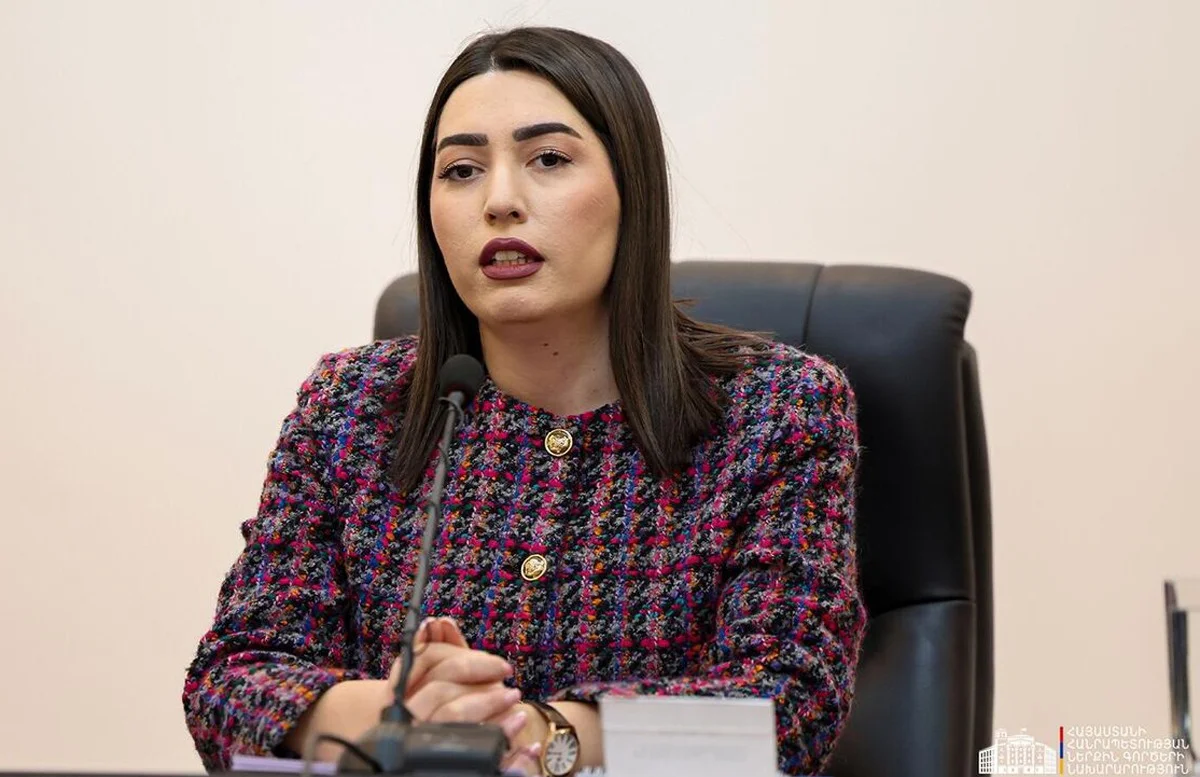
The head of the Ministry of Internal Affairs of Armenia Arpine Sargsyan stated that, according to the report, in a number of areas Armenia has recorded “faster rates.” “The country is making historic progress on the issue of visa liberalization with the EU,” Sargsyan noted, adding that Armenia will continue to work consistently, moving with clear steps towards free visa-free movement.
The first report of the European Commission has been received. But while officials on both sides are ticking the evaluation boxes, some are again planning their vacation to “French Dubai,” others are closing their letters of invitation to the conference, and tour operators continue to knock on the windows of visa centers.
Armine MARTIROSYAN