
Translated material
Restrictions on the sale of gasoline were introduced in at least 15 regions of Russia
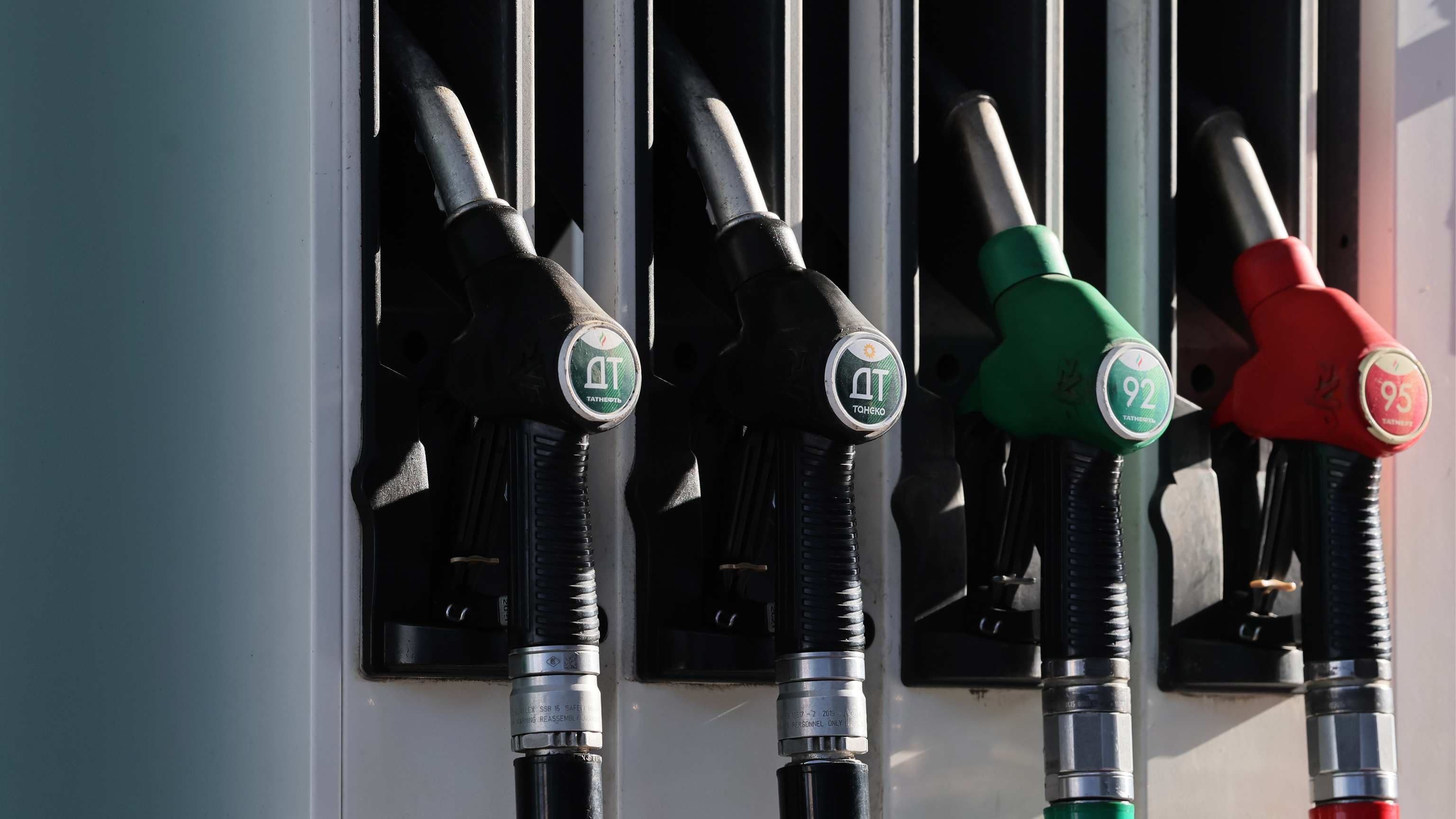
Various types of restrictions on the purchase of fuel have appeared in at least 15 regions of Russia, as well as in annexed Crimea and the occupied Lugansk region. This data is provided by the publication “7x7”.
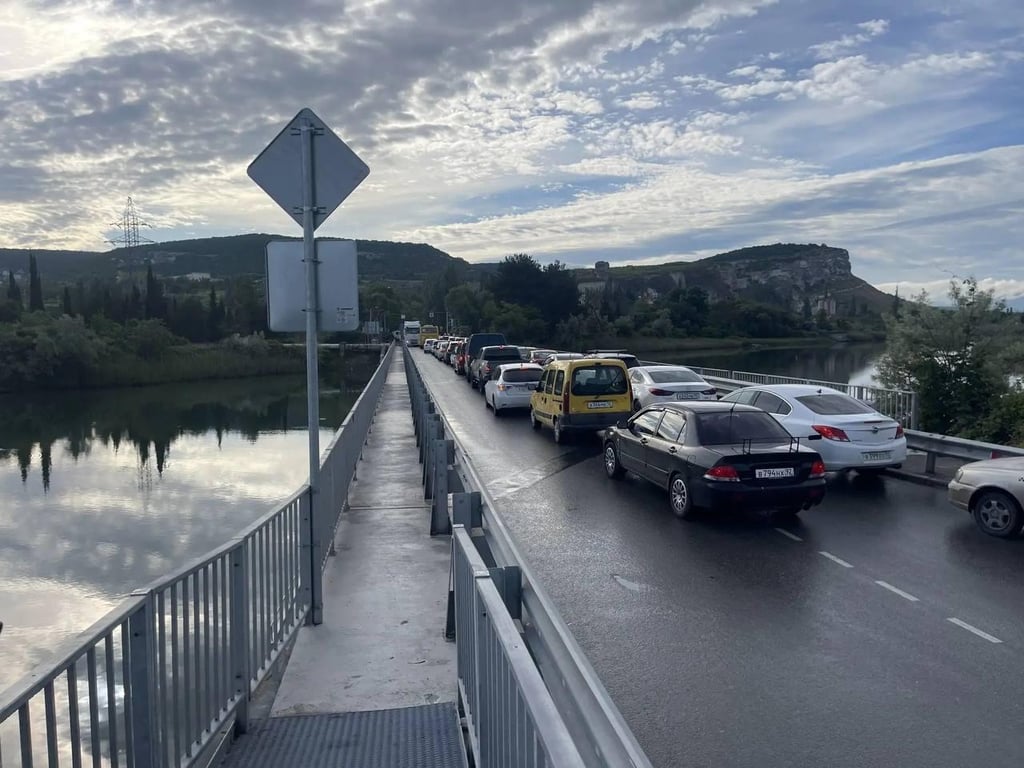
In annexed Crimea, a fuel shortage began at the end of May due to attacks by Ukrainian Armed Forces drones on the Novorossiya highway, which connects Rostov-on-Don and Simferopol through the occupied territories.
Soon those appointed by Russia introduced restrictions: AI-95 is sold only with coupons. AI-92 gasoline can be purchased without a coupon, but no more than 20 liters per person.
At gas stations in the occupied Lugansk region, restrictions were introduced on the sale of AI-95, AI-92 gasoline and diesel fuel - no more than 20 liters per person. The reason was a significant increase in demand for gasoline, Russian-appointed authorities said.
In Moscow and the Moscow region, the sale of fuel was also limited . ORTK network gas stations dispense a maximum of 60 liters of gasoline and 100 liters of diesel per person. At a Lukoil gas station, one person can purchase no more than 100 liters of gasoline, at Gazprom - up to 150 liters.
Restrictions on the sale of gasoline have appeared at gas stations in St. Petersburg , Fontanka writes, citing local residents. The publication's sources also point to logistical difficulties in the supply of gasoline.
Residents of Ryazan began reporting shortages of AI-92 and AI-95 in late May amid a drone attack on the local Rosneft oil refinery. At the beginning of June, restrictions appeared at Rosneft gas stations in Kursk , Belgorod and Pskov areas. Most often, you can buy up to 20 liters of gasoline at local gas stations.
In Krasnoyarsk, at a Rosneft gas station, a local resident was refused to sell gasoline in a canister. Employees attributed this to the restrictions introduced on May 29. Residents of the neighboring Tomsk region faced similar bans.
Temporary restrictions were also introduced by some gas stations in Karelia . The head of the region's Ministry of Industry and Trade, Svetlana Astakhova, explained this by the increased demand for fuel during the start of the summer holidays. A number of gas stations in the Murmansk region stopped dispensing gasoline.
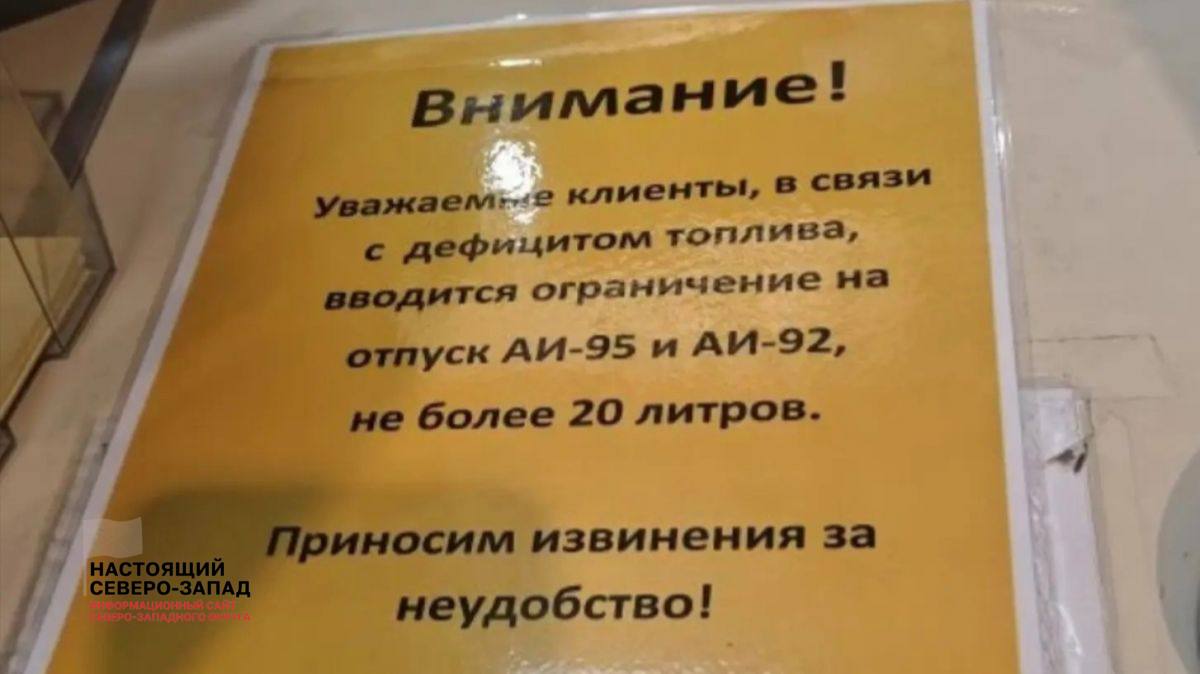
Residents of the village of Shilovo in the Voronezh region reported that they could not find gasoline at one of the local gas stations. In the Oryol region they stopped selling fuel in cans. In the Novgorod region, locals wrote about restrictions on the distribution of gasoline up to 20 liters.
In the urban village of Palana, Kamchatka Territory, limits of 7.5 thousand liters of gasoline and 3.5 thousand liters of diesel per month were introduced . No more than 100 liters of fuel can be filled into one tank per day. Accordingto the head of the locality, Igor Shcherbakov, this is necessary so that there is enough fuel until the winter road opens.
Why was there a gasoline shortage? In some regions, fuel shortages are associated with attacks by the Ukrainian Armed Forces on oil refineries. According to conservative estimates, oil refining capacity in Russia with a total volume of about 77 million tons per year is now stopped or operating with restrictions. As New Europe calculated , this is almost a third (29%) of the country’s total oil refining.
For the market, this means the loss of about a quarter of the production of main types of fuel: the lost capacity accounted for about 26% of gasoline production and about the same amount of diesel fuel.
However, according to market participants, after the spring drone attacks, the Yaroslavl Refinery (YANOS) and the Perm Refinery increased refining. But it is still unclear to what extent these additional volumes can compensate for losses. Moreover, the Volgograd Oil Refinery, one of the largest in Russia, came under attack at the same time. The market does not yet understand how serious the damage was.