
Translated material
State messenger Max was removed from the App Store. Russian human rights activists sought this. We explain why the “national messenger” disappeared and whether it will be returned
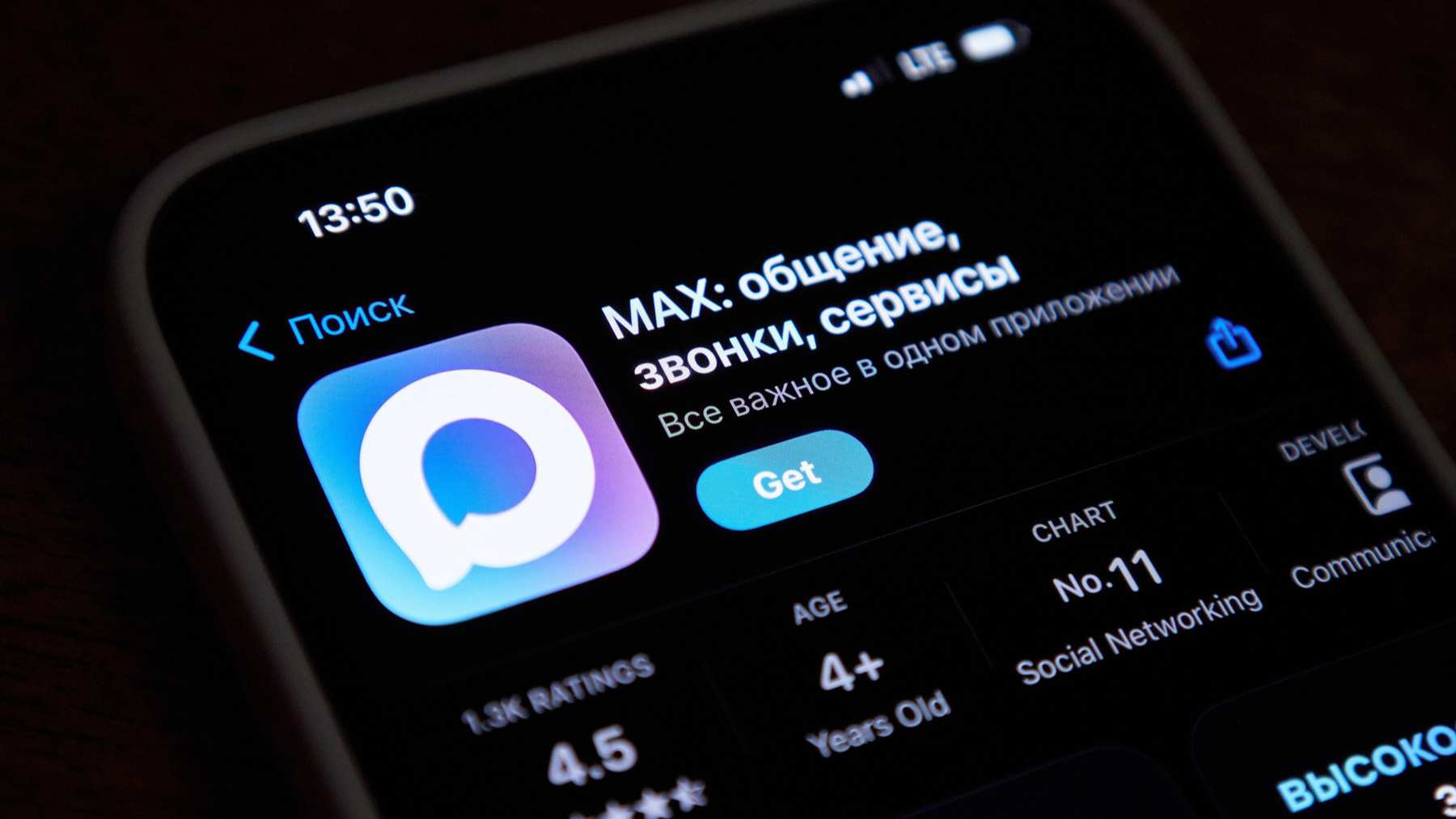
Russian human rights activists sought this. We explain why the “national messenger” disappeared and whether it will be returned
On June 3, Apple removed the Russian state messenger Max from the App Store, after which the messenger stopped sending push notifications to iPhone users. The company did not explain why it removed it. Russian human rights activists and opposition politicians called this a victory. “New Europe” was looking into why the “national messenger” was deleted and whether it could be restored in the application store.
Yesterday, Apple removed the Russian state messenger Max from the App Store - now it is not in any regional application store. Immediately after this, Apple users stopped receiving push notifications
The Max press service confirmed the deletion and said it had sent Apple a request for clarification and advised users to “open the app yourself from time to time so as not to miss important messages.”
The next day, the head of the Ministry of Digital Development, Maksut Shadayev, commented on the situation around the messenger at SPIEF. According to him, 25-30% of Max users use iOS devices.
“With this decision, Apple immediately limited access to the national messenger service for more than 20 million iPhone and iPad users,”
- he concluded.
The reason for deletion could have been the marking that the state messenger received on April 30 from one of the largest hosting providers, Cloudflare. Its Cloudflare Radar service flagged Max domains as “spyware.” The messenger itself explained this by “incorrect interpretation of request headers to regular web analytics services.” The mark was removed the next day, May 1, but then returned again.
Prior to this, in March, independent researchers discovered a module in the application that monitors VPN use: the messenger makes requests to external services to determine whether the user is bypassing Roskomnadzor blocks. Besides this,
Max does not support end-to-end encryption - all traffic passes through the provider's servers and is theoretically available to intelligence agencies upon request.
New Europe wrote more about the risks of installing the messenger back in August last year.
Some Russian digital human rights activists called the incident no accident. “This is the result of long and hard work at all levels,” the Internet Defense Society said , thanking the researchers who published technical analyzes of the application. Apple’s decision was also welcomed by the leadership of FBK: “We demanded this, we fought for it, wrote columns and letters, held meetings - and this is the first result,” Leonid Volkov wrote in his X account.
It is impossible to establish a direct connection between the political campaign and Apple's decision: the company does not explain the reasons for removing the applications.
Co-founder of Roskomsvoboda and cyber lawyer Sarkis Darbinyan could not directly answer the question of whether the removal of the Max messenger from the AppStore can be called a victory for Russian human rights activists. But he emphasized that work with big tech is ongoing.
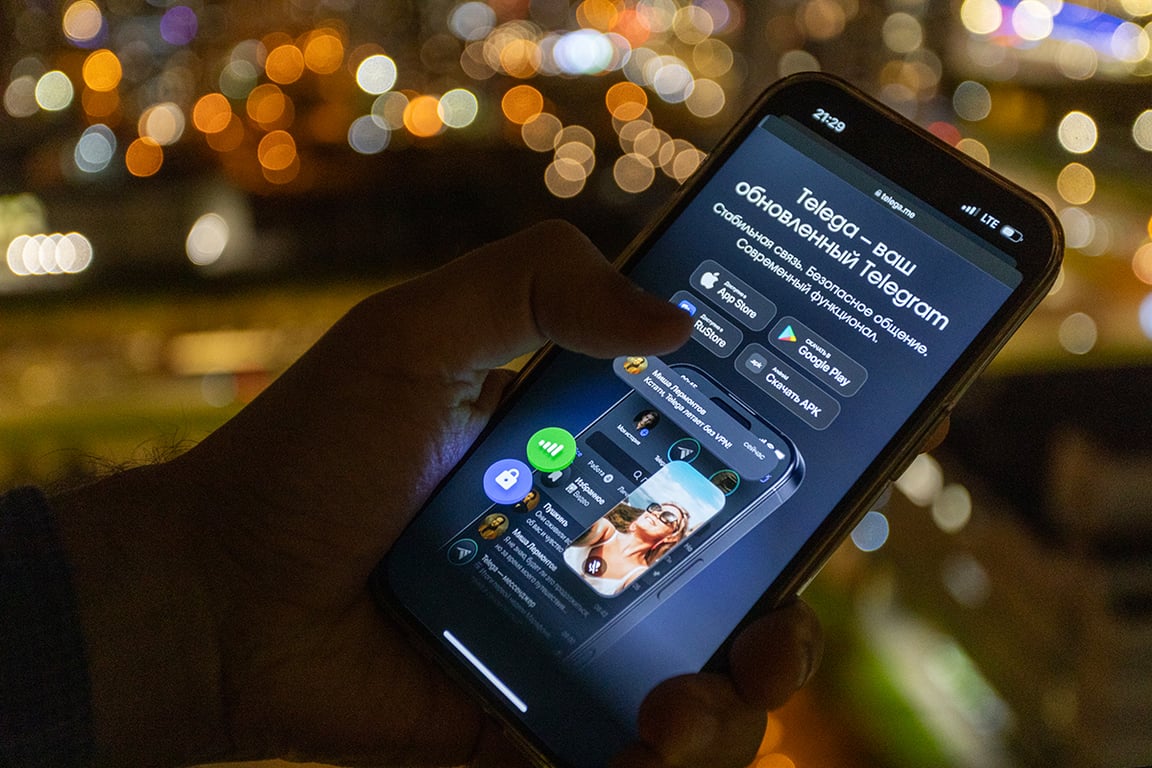
For example, human rights activists previously achieved the removal of the Telega messenger, an unofficial analogue of the Telegram messenger developed by former managers of the VK holding.
“This was not a political decision. Apple removed Telega because Cloudflare identified the app as spyware. But this happened also after our investigation.”
“New Europe” wrote about how Russian digital rights activists are trying to get help from Western big tech in the fight against censorship. So far this process has not brought much success.
Apple is one of the international corporations that consistently submits to the demands of the Russian authorities. For example, back in 2021, the company threatened to remove Telegram from the app store if creator Pavel Durov did not block the Smart Voting bot from Alexei Navalny’s team. Since the beginning of the war, the number of applications removed from the AppStore at the request of Russian authorities has grown to 190; Among them are many VPN clients and applications of independent media Radio Liberty and FBK.
Darbinyan believes that the state messenger may well be returned to the App Store - the corporation makes decisions opaquely and not forever.
For example, the Telega application has now managed to get rid of the “spyware” label. However, it has not yet been returned to the application store, New-Europe was convinced.
Another way to return Max to the AppStore is to create analogues under a different name. Russian banks that are subject to sanctions usually take this route.
“However, it will be difficult for them to get into the official Apple store,” says Darbinyan. “Specialists check the code and do not allow “duplicates.”
The cyber lawyer also notes that the Russian authorities have many ways to exert political pressure on Apple. For example, Russian authorities could simply block an app store in Russia. Or tighten the import of “Apple” equipment through parallel imports. Darbinyan does not exclude actions through the courts: a Russian court may oblige Apple to return the messenger and impose an increasing fine for each day of non-compliance - this is how Google accumulated a debt of 91.5 quintillion rubles by the beginning of 2025.
Finally, Apple may be recognized as an undesirable or extremist organization, similar to Meta, after which cooperation with the company and even the use of its services will become the basis for a criminal case.