Translated material
“Dictators have learned to use Interpol to their advantage.” What to do if the Russian Federation is trying to put you on the international wanted list for a political crime? Interview with lawyer Alexey Obolents
What to do if the Russian Federation is trying to put you on the international wanted list for a political crime? Interview with lawyer Alexey Obolents
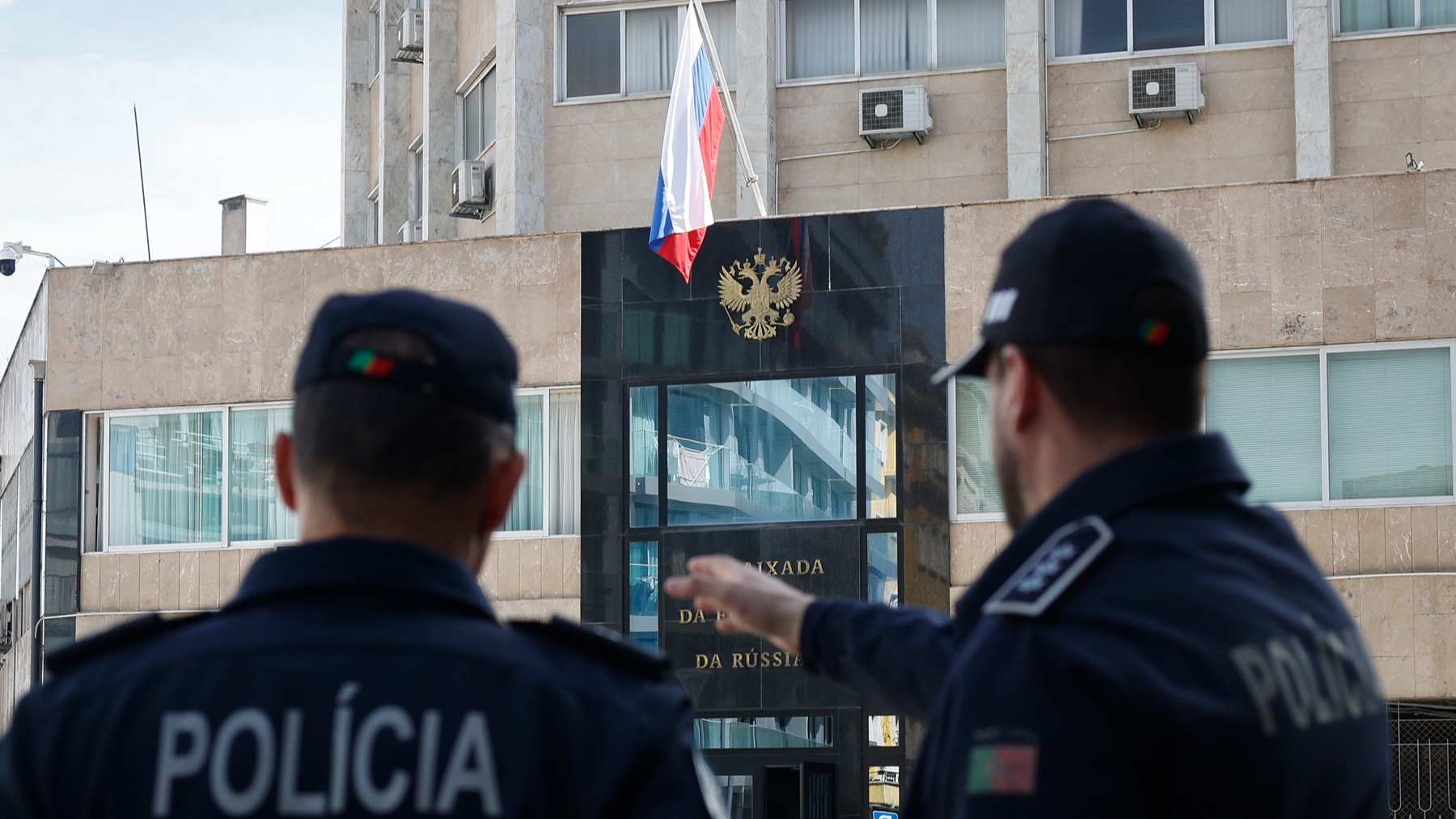
Hundreds of Russian citizens abroad have been declared criminals in their homeland for their anti-war activities. Russian courts hand down sentences in absentia, and then the intelligence services try to use international institutions to put pressure on dissidents. Interpol, at the level of its charter, prohibits the use of the organization for politically motivated prosecution, but in practice the dictatorship finds loopholes in these rules. How does Interpol work and what can you do to protect yourself from international prosecution? The editor-in-chief of Novaya-Europa, Kirill Martynov, talked about this with a lawyer specializing in cases related to Interpol, Alexey Obolents.
— In my criminal case, there is correspondence between the investigator and the criminal investigation department: the latter refuses to send a request to Interpol, citing the fact that the case is politically motivated. Can we be happy?
Alexey Obolenetz is a lawyer specializing in cases related to Interpol- On the one hand, this is good news. The Ministry of Internal Affairs and the Prosecutor's Office of the Russian Federation understand that Interpol will not accept the documents in their current form, because Article 3 of the organization's constitution prohibits politically motivated prosecution. On the other hand, your document mentions direct interstate mechanisms of interaction for your search and extradition. This is alarming, since the number of these mechanisms and the methodology of their work are not transparent and, therefore, have not been studied by the international human rights and legal community.
In my practice, I have not encountered such mechanisms: documents for the purpose of search and arrest were always sent through Interpol channels. But I know that, for example, France accepted direct requests from Ukraine exclusively within the framework of bilateral agreements on legal assistance. Therefore, the authorities of the Russian Federation can formally try to use the legal system of another country.
Most often this concerns jurisdictions with relatively weak independence of the judicial system - countries popular with tourists: the Middle East, the Far East, Africa.
Nowadays, the Russian opposition leader's travels sometimes look like football in a minefield. Okay, I won’t be in the Interpol databases, but where can I even go, except Canada, the USA and the European Union? Can I go to Dubai, can I go to Istanbul? Interpol is the second largest international organization in terms of the number of participating countries after the UN. And the Russian Federation has agreements on legal assistance in criminal matters with a huge number of states. Therefore, if you are traveling somewhere, first of all you need to check whether there is such an agreement with the destination country.
In addition, theoretically, you need to be prepared for the fact that a “normal”, non-politicized article could be fabricated against you, for example, fraud, embezzlement, smuggling or violation of tax laws. And she may become the subject of initiation of your search through Interpol. In my practice, there were examples when Interpol refused to accept documents on economic matters, realizing that there was politics behind them. But there were also the opposite cases: a person who was clearly persecuted for political reasons, had several political articles and was convicted in absentia, suddenly received absurd economic charges, which Interpol accepted for execution. You need to understand that Russia is not sleeping, employees of the international departments of the Ministry of Internal Affairs, the FSB, the Prosecutor's Office are training, working, and they will use any mechanisms to not leave the political opposition abroad alone.
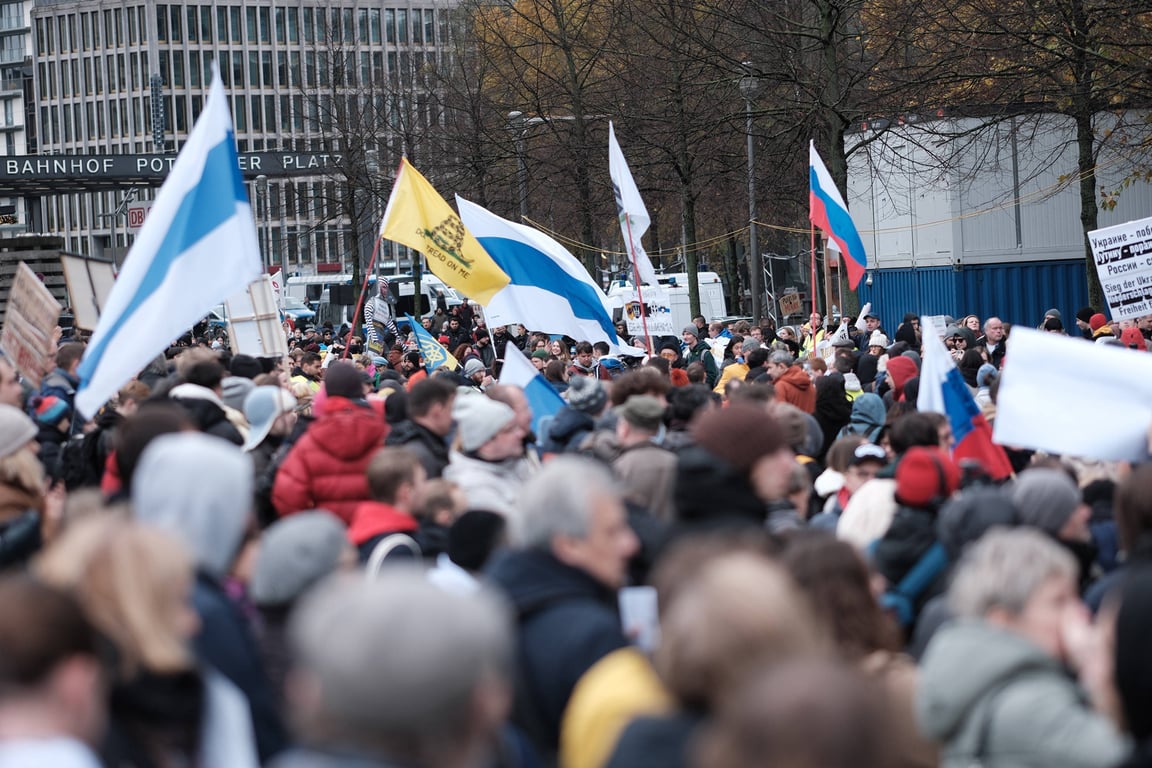
— The BBC published a story about how Russia, after 2022, is pursuing dissidents through Interpol structures. Under various pretexts, the organization is required, if not to issue a red notice - an obligation to detain and extradite a suspect, then at least to provide information about where to look for these people. In particular, they were talking about Armen Aramyan, co-founder of the DOXA project: the Russian authorities wanted Interpol to establish his location in the EU. What do the Russian authorities seek in such cases if they know that there will be no extradition?
— The Interpol search notification system is quite diverse: there is a red warrant, blue, black, yellow, purple, and a UN warrant. For each warrant, it is possible to send requests to national Interpol bureaus around the world.
The example you give is most likely related to an attempt to initiate a blue order - it requests from the participating countries all available information about a person who interests the Russian Federation: where the person lives, where his bank accounts are, what about his family, what about his property, what fines he received. That is, everything that passes through the police should be transmitted through Interpol channels to Russia. Next, Russia decides how to take advantage of this.
I know of cases where a person had a blue warrant and did not know about it. He flies to one of the EU countries, goes through border control, and checks into a hotel. Information about this is sent to the Russian Federation, and at five in the morning a policeman, accompanied by special forces, stands at his doorstep and says: “Sorry, you have a red warrant, let’s go through.” That is, in a few hours at the national Interpol bureau in Moscow they changed the color of the warrant - and the person was detained.
Therefore, the task of political activists who know that criminal prosecution is underway against them in Russia is to proactively notify Interpol through the File Control Commission. The meaning of the letter: I am such and such, here is my passport, I am being persecuted for political reasons, the risk of transferring my data to Interpol is very high, I ask you to block and delete them and not accept them in the future, since if they are accepted, Article 3 of the constitution of your organization will be violated.
If a person is a refugee or asylum seeker, everything is somewhat simpler: in relation to them, the transfer of information is strictly prohibited.
In this case, you need to write that I am a refugee or asylum seeker, and ask not only not to accept any information from the Russian Federation, but not even to exchange information that I have contacted them. The Commission is obliged to notify the General Secretariat, they are obliged to react. It's a kind of insurance. It is better to formalize it under any circumstances: at a minimum, they are obliged to notify you of received requests and give their comments.
Unfortunately, this is not absolute protection. There was a precedent recently: a Russian citizen with refugee status, whose data Interpol deleted from its system back in 2022, was re-entered into the database in a way unknown to me, this time with a red warrant. He was detained in an African country, despite the fact that the UN High Commissioner for Refugees notified local authorities and Interpol of his refugee status and that he could not be returned to his country of origin. Interpol behaved extremely strangely: it simply did not block his data. As a result, the person was extradited to Russia despite verbal guarantees from the Ministry of Foreign Affairs of the host country. And after the extradition, Interpol wrote: sorry, we blocked his data, apparently some kind of error occurred. Now I am receiving rather ridiculous excuses in this case from the Commission for the Control of Files and am preparing an appeal to the French police, in whose territory the head office of the organization is located.
In fact, Interpol was pursuing the refugee - and the refugee himself did not know about it, because he had a certificate in his hands stating that he was not listed in the Interpol database, and moved with it. Neither he, his lawyers, nor the UNHCR office were notified of Russia's repeated request. So the proactive steps I mentioned above need to be taken.
Already this year we were faced with another very dangerous precedent: a court in Morocco illegally deprived a person of refugee status, which was issued to him in another state, and began the procedure for his extradition to Russia. Again, despite the objections of the UNHCR. This case is now being considered by the UN Human Rights Committee. Interpol again remains modestly silent.
— There is a situation when political persecution is obvious - as is the case with articles about participation in undesirable organizations, when the Russian police themselves refuse to send a request to Interpol. There is a situation when criminal charges are fabricated against a person for an economic crime, and then he has to prove to Interpol that the case is fabricated. But there seems to be another option: the Russian authorities are bringing political charges under the most serious charges, declaring their opponents terrorists. Unfortunately, I also have this case: 23 members of the Anti-War Committee were accused of seizing power and creating a terrorist community. How will Interpol handle such allegations without further clarification? And what to do in such a situation?
— If we are talking about a group of people accused of terrorist activities, we must proceed from the fact that Interpol can accept such a statement from the Russian authorities and issue, for example, a green warrant or even a red one, if the organization is not notified about this in advance. There is an example of the persecution of a Russian opposition journalist who participated in a demonstration in front of the cultural center of the Russian Federation in Ukraine back in 2014, and the Russian side fabricated a criminal case against him and put him on the wanted list as a terrorist. Interpol took this case very seriously for a long time - it took us more than five years to convince the Commission to remove his data from the database.
In the case of the Anti-War Committee, a collective letter signed by all persons involved in the case must be sent to Interpol. If everyone writes individually, the commission may cite overload and will consider each case separately, which will significantly delay the process. The letter must inform the organization that the signatories expect prosecution from the Russian Federation in the form of a wanted list for terrorism, that these cases are completely politically motivated, detailing the reasons, and contain a request to block and delete any incoming information from Russian sources regarding each of the participants. This will provide at least minimal insurance. And the General Secretariat will receive a signal that Russia is systematically using terrorist articles of the criminal law to persecute political opponents.

There is a more serious trend that is not talked about much. If you go to the Interpol website and filter publicly posted warrants by the Russian Federation as the requesting party, you will find that slightly less than half of the people wanted through Interpol under a red warrant are Russian citizens. These are mostly natives of the North Caucasus, and almost all are wanted on terrorism charges allegedly related to the fighting in Syria. Whether these people were there or not, no one knows for sure. And another significant figure: approximately 10% of the people publicly sought by Interpol using a red warrant are Russian women. If you imagine an organization that unites more than 150 countries, including such populous countries as India, China, Nigeria, Brazil or Japan, then 10% of people in one category from one country speaks for itself.
Russia has truly learned to abuse this mechanism. Interpol accepts her statements without analyzing the essence and true motives. The level of trust in Russian requests, despite public declarations to the contrary, remains quite high.
— Why does Interpol generally maintain relations with the Russian Federation in conditions of war?
— Firstly, the Russian Federation is a member of the organization. According to Interpol regulations, it is impossible to exclude it - the country must itself apply for withdrawal. Secondly, despite the UN resolution in connection with the war against Ukraine, Interpol reacted to this event minimalistically: it announced that “special requirements” would be introduced for warrants from Russia, but what this meant in practice was never fully revealed. Thirdly, Russia, as far as I understand, is one of the organization’s donors. Fourthly, Interpol does not include, for example, North Korea or Kosovo, but Iran and other dictatorial regimes are full members. Interpol, apparently, does not consider it politically possible to apply restrictions for a country that remains a permanent member of the UN Security Council. Plus there is the obvious practical argument that if you exclude such a large area of the planet, it will very quickly turn into a haven for organized crime. Therefore, Interpol is trying to limit Russia, but is afraid of a complete break.
— Can you imagine a case where a real criminal convinces Interpol that his prosecution is politically motivated, citing numerous documented abuses by Russia?
— Such cases are well known. The previous head of the Commission for the Control of Interpol Files, Mr. Pirlog, as far as is known from open sources, is currently in custody in France: a corruption case is being investigated. According to the charges, using weaknesses in the organization's regulations, he and his accomplices, for money, deleted the data of individuals who were the real criminals. The scheme was simple: his connections in Chisinau provided these people with the status of asylum seekers in Moldova - then the data of the wanted persons was blocked and deleted from the database.
Among the defendants, as far as can be judged from fragmentary publications—Interpol very jealously guards its reputation in this case—were citizens of China, Kazakhstan, Russia, Turkey and France. The public scandal began when a man wanted by France was exempted from extradition to the UAE on the basis of Moldovan asylum. According to unconfirmed reports, the French President personally contacted the President of Moldova and asked on what grounds French citizens receive asylum in this country.
— How important is the post of President of Interpol? What powers does he have? Do I understand correctly that dissidents from authoritarian countries care who takes this post? The previous president was from the UAE - and this seems to have caused serious concern. And now a representative of France has been elected.
— The President of Interpol is a mostly ceremonial figure, like a constitutional monarch. He represents the organization in relations with international structures, presides over official events and is elected for four years. But when a representative of the UAE was president, it was sometimes extremely difficult to explain to Interpol that there were also refugees in the United Arab Emirates, despite the fact that the country had not signed the corresponding convention: there was a certain diplomatic reverence for the president of the international police organization.
But the real center of decision-making is the office of the secretary general, not the president. The current Secretary General is a native of Brazil, the previous one was a citizen of Germany. All general secretaries come from national police structures.
Here it is important to look at the level of corruption in their country of origin according to Transparency International: if it is high, it means that we are dealing with a former police officer from an environment where corruption is the norm.
Officially, everyone is honest and impeccable, but certain country practices inevitably transfer to any institutional environment. There are mechanisms of checks and balances - deputies, collegial procedures, but practice shows that the general trend worsens when leadership comes from countries with a low level of democracy and high dependence of the judicial system on the executive branch.
— How is the decision-making system structured within Interpol? There is a ceremonial president, there is a general secretary, and his deputies. How collegiate is this body? Is consensus required on complex cases or is the signature of one official sufficient?
— Формальное решение о принятии данных к рассмотрению принимается на уровне рядовых сотрудников Генерального секретариата. Пришло письмо из Москвы — окей, пустим в работу. Что именно подразумевается под публично анонсированным «более пристальным вниманием» к запросам из России, непонятно: сам механизм не раскрыт. Направляются ли дополнительные запросы? Анализируется ли публичный контекст дела? Когда в день может поступать до 50 ордеров, уследить за всем невозможно. Что-то неизбежно проскакивает. Решения на входящем потоке — технические.
Иначе обстоит дело, если поступила апелляция об удалении данных: тогда решение принимает комиссия. В ее составе семь человек и секретариат. В последнее время на уровне секретариата я наблюдаю странную бюрократическую динамику: очевидные кейсы затягиваются под надуманными предлогами. Например, человек является беженцем, документы в порядке, у адвоката оформленная доверенность — и приходит ответ: ваша доверенность оформлена неправильно, переоформите, пожалуйста. Затяжка на несколько месяцев. Потом выясняется, что доверенность была оформлена правильно с самого начала.
Был и вовсе курьезный случай. Мой доверитель — соискатель убежища в одной из европейских стран. Миграционное ведомство по какой-то причине не внесло его данные в реестр, но было письмо министра внутренних дел с гарантиями невыдворения. Министр лично ходатайствовал об удалении данных из Интерпола. Пришел ответ: мы связались с миграционным ведомством, в реестре его нет, удалять данные не будем. Я написал повторное письмо — на другом рабочем языке Интерпола. Оно попало к другому сотруднику. Через три дня: всё нормально, данные блокируем. То есть смена языка автоматически означала смену исполнителя. Почему первый ответил именно так, не знаю. Обвинять кого-то без доказательств я не могу, но эта ситуация вызывает серьезные вопросы.
— На Интерпол можно подать в суд?
— Судебные прецеденты существуют — преимущественно во Франции, где в Лионе расположена штаб-квартира организации. В моей практике таких случаев не было, так что здесь я опираюсь на общие сведения. При серьезных нарушениях прав человека жаловаться можно на территории Франции.
Интерпол не входит в систему ООН — в отличие, скажем, от МОТ или ВОЗ: он имеет лишь статус наблюдателя. Это делает любые судебные процессы долгими и тяжелыми — процесс может растянуться на годы.
Что я знаю точно: Интерпол болезненно реагирует на публичность, когда его ловят на незаконных действиях. Критикуя Интерпол, я часто обращаюсь к истории этой организации, которой в годы Второй мировой войны руководил Кальтенбруннер, и тогда она занималась преследованием политических оппонентов и антифашистов. Нынешняя комиссия формально существует для того, чтобы подобного не повторялось, но на практике случаи преследования политических активистов, беженцев, людей с психическими расстройствами, представителей национальных меньшинств продолжаются в том числе по запросам Российской Федерации. Только в моей практике было два случая, когда Россия направляла в Интерпол данные людей с серьезными психическими заболеваниями. Мы предупреждали, что в случае возвращения в Россию они подвергнутся пыткам и бесчеловечному обращению, — организация продолжала преследование со стандартным ответом: ваше психическое заболевание может стать основанием для отказа в экстрадиции или для ходатайства об убежище, но это не к нам.
По хорошему счету, Интерполу не нужна Комиссия по контролю за файлами для рассмотрения жалоб фигурантов базы данных: если вы занимаетесь розыском преступников — занимайтесь розыском преступников, находите возможность не залезать в политику. Само существование комиссии говорит о том, что у организации нет внутренних механизмов для самостоятельного разграничения уголовного и политического. А коррупционный скандал с ее бывшим председателем показывает, что даже существующие процедуры крайне уязвимы.
— Правильно ли я понимаю, что Комиссия по контролю за файлами — это не совсем обычное структурное подразделение Интерпола?
— Это структурное подразделение с особым статусом. У комиссии больше самостоятельности, чем у других подразделений: она вправе запрашивать информацию у Генерального секретариата, имеет прямой доступ к базе данных и не обязана уведомлять Генеральный секретариат о данных, которые сообщает ей заявитель: местонахождении, именах адвокатов и так далее.
На бумаге это выглядит солидно. Но есть две принципиальные проблемы. Первая — мы не знаем, кто реально работает в секретариате комиссии. Вторая — это орган выборный, но выборы проходят внутри Интерпола. О членах комиссии красиво написано, что это юристы с опытом в области прав человека и уголовного права, но нет никакого внешнего наблюдателя, никакой независимой правозащитной структуры, которая могла бы верифицировать их квалификацию. По сути, Интерпол сам для себя создает квазиправозащитный орган.
При этом, и это парадоксально, до коррупционного скандала комиссия была одним из самых эффективных инструментов защиты прав человека. Европейский суд по правам человека мог рассматривать дела годами, а комиссия в ряде случаев признавала политический характер преследования менее чем за девять месяцев. С этим решением уже можно было добиваться конкретных результатов в судах других стран.
После скандала комиссия опубликовала на своем сайте уведомление — оно висит до сих пор, — что в связи с ограниченным бюджетом и возросшим объемом обращений сроки рассмотрения жалоб могут превышать регламентные. Сейчас в моей практике есть дела, которые рассматриваются два, два с половиной года. То, что раньше было экстренным инструментом освобождения людей от красного ордера, превратилось в очередную медленную бюрократическую машину.
Мои доверители доходили до того, что выходили на манифестацию в Лионе — напротив штаб-квартиры Интерпола.
Это работало: решения пересматривались, данные удалялись довольно быстро. Занятный и эффективный способ воздействия на медлительность международной организации.
— Каковы, на ваш взгляд, реальные цели России, когда она рассылает синие уведомления с запросами информации? И насколько это штучная операция, то есть насколько России сложно добиться реальных действий от Интерпола, если требуется, например, сфабриковать уголовное дело?
— Насчет финансовых затрат — не знаю, платит ли Россия за размещение ордеров. Если же вы имеете в виду человеческие и административные ресурсы — это вполне массовое производство, когда есть политическая воля. В моей практике дела возбуждались двумя путями. Первый — заказные дела: конкурент нашел лояльного следователя или руководителя следственного органа, и дело возбуждается. Второй — дела по инициативе спецслужб. ФСБ говорит: «Посмотрите, что есть на этих людей», — и машина запускается. Документальных следов этого почти не остается — они уничтожаются или изначально не фиксируются. Адвокатов в России, готовых работать в этом направлении, становится всё меньше.
Дальше работает система. Если дело попало в производство, следователь уже обязан его вести. Нет такой ситуации, чтобы он на каком-то этапе сказал: «Это политика, я этим заниматься не буду». Он начинает — в меру своих сил и фантазии — фабриковать материалы. Стандартные формулировки кочуют из дела в дело: «Неустановленные лица в неустановленное время в неустановленном месте совершили неустановленные преступные действия». В итоге появляется 159-я или 160-я статья. Если человек, по версии следствия, скрылся, следователь обязан объявить его сначала в федеральный розыск, затем — получив от ФСБ подтверждение, что тот пересек границу, — инициировать международный. Не сделать этого означало бы халатность. Дальше — мера пресечения в заочной форме, материалы направляются в Национальное бюро Интерпола в Москве, и файлы уходят в Генеральный секретариат Интерпола. В вашем случае в этой цепочке произошел сбой. В большинстве других — нет.
— Вы много работали с чеченскими делами до войны. Какова там динамика сейчас? Насколько по-прежнему активен Интерпол в розыске чеченцев? Какую роль играет Кадыров?
— У меня перед чеченцами существует некое моральное обязательство. В 90-е годы я жил в Ставрополе, и мы все свято верили, что война закончится сама собой, всех чеченцев быстро победят, и так далее, — это было глубокое непонимание того, что происходило на самом деле. Поэтому помогать этим людям и их семьям — мой личный долг.
Сегодня в отношении чеченцев прослеживаются два тренда. Первый касается более старшего поколения, воевавшего в 90-е: поднимаются давние дела, и они направляются в Интерпол под квалификацией либо «терроризм», либо «массовое убийство сотрудников полиции». Приходится доказывать, что речь шла о боевых действиях. Многие из этих людей давно живут в Европе, получили гражданство, их семьи — уже бельгийцы, немцы, французы, они полностью интегрированы. Тем не менее Россия объявляет их в розыск через Интерпол.
Второй тренд — так называемый «сирийский». Кадыровцы активно им пользуются: любому неугодному, кто уехал из Чечни и оказался, к примеру, в Турции, приписывают участие в незаконных вооруженных формированиях.
Логика простая: Турция граничит с Сирией — значит, был в Сирии, значит, террорист.
Тем, кого нельзя напрямую обвинить в участии в боевых действиях, вменяют «содействие» или «финансирование» — якобы переводил деньги террористам. Показания против таких беженцев обычно выбиваются под пытками, либо в делах фигурирует некий универсальный свидетель, который «всех видел и всех знает», а, по последним сведениям, люди уже просто подписывают чистые листы бумаги.
Достаточно любого конфликта — не обязательно политического, хватит финансового или бытового спора с представителями определенных тейпов, чтобы человек, находящийся за рубежом, оказался под угрозой международного розыска. С такими делами крайне сложно работать, если у человека нет статуса беженца, особенно когда речь идет о тех, кто живет в Турции или Египте.
В целом ситуация с мусульманами ухудшается. Неважно, чеченец ты, дагестанец, кабардинец или балкарец, — если уехал из России и что-то сказал против власти на ютубе, можешь оказаться в базе данных Интерпола по статье о распространении экстремистских взглядов. Тот же механизм активно используют страны Средней Азии, прежде всего Таджикистан.
— Что изменилось с началом войны? Есть ли особая линия — дезертиры, люди, которых Россия обвиняет в участии в «незаконных вооруженных формированиях»?
— С началом войны был короткий период, когда запросы из России обрабатывались строже. Сейчас я наблюдаю обратную тенденцию: они принимаются охотно.
Что касается «незаконных вооруженных формирований» — это автоматически террористическая статья, 205-я и ее подразделы. С дезертирами в моей практике иначе: я пока не сталкивался с тем, чтобы Интерпол объявлял в розыск дезертиров. Всё-таки дезертирство — очевидная военная статья, это отказ человека участвовать в боевых действиях, и объяснить ее как «терроризм» затруднительно. Но исключать такие случаи в будущем я бы не стал.
По политическим статьям Россия уже понимает, что ей будут отказывать. Поэтому, на мой взгляд, дальше будет происходить следующее: для преследования станут использоваться статьи, которые внешне выглядят как уголовные, а не политические. Например, иноагентская статья сама по себе, очевидно, политическая, и объявить по ней в розыск сложно. Но если человек не заплатил штраф — это уже уклонение от уплаты обязательных платежей. Или уехал из России и вывез часы, которые ему принадлежат, — пожалуйста, контрабанда. Главное, чтобы была поставлена задача: был бы человек — статья найдется.
— Можно ли составить чек-лист для человека, который узнал, что его разыскивает или собирается разыскивать Интерпол?
— Первое — определить свой правовой статус. Статус беженца или соискателя убежища защищает от выдворения на международном уровне. Гражданство третьей страны этой защиты не дает. Обычная виза, вид на жительство, немецкий параграф 22, даже параграф 24, который получают украинские беженцы, — ничто из этого от Интерпола не защищает.
Нужно также понимать конкретные условия страны пребывания. Турция по конституции своих граждан не выдает. Израиль выдает. Инвестиционное гражданство — Кипра, Турции, других стран — в случае с Интерполом может быть аннулировано. Готовиться нужно к худшему.
Второе — разобраться в сути претензий. Есть ли уголовное дело? Если есть, по какой статье? Политизирована она или нет? Если не очевидно политизирована — искать основания, которые подтвердят политический характер преследования.
Третье — уведомить Интерпол о своей ситуации. Здесь возникает принципиальная развилка: если человек не является беженцем и не подал на убежище, никаких ограничений на обмен информацией с Россией нет. Обращение в Интерпол в таком случае может повлечь за собой именно то, от чего человек пытается защититься.
Если дело носит политический характер, но не является очевидным — целесообразнее добиваться защиты в стране пребывания, включая обращение за убежищем.
Каким бы долгим и изматывающим ни был этот процесс, альтернативы практически нет: следующий российский загранпаспорт при наличии уголовного дела человек не получит.
Параллельно желательно привлечь адвоката в России, который будет получать материалы судопроизводства и подавать жалобы в рамках статей 124–125 УПК на незаконные действия следователя. Из этих документов иногда удается установить политическую подоплеку дела. Полезна также поддержка правозащитного сообщества — не решающий аргумент, но определенный вес имеет. Хотя недавно Комиссия прямо написала мне: заключение Freedom House — хорошая бумага, но для нас не определяющая.
— Считаете ли вы, что Интерполу нужна реформа?
— Реформа необходима. Вопрос в том, кто и как ее будет проводить.
Организация, созданная в Монако как структура по поиску беглых преступников, выросла в нечто совершенно иное. При этом собственный штат штаб-квартиры — не более 100–150 человек; всё остальное — национальные бюро Интерпола. По сути, реформировать нужно не столько саму организацию, сколько ООН, породившую послевоенный Интерпол в его нынешнем формате. Страны, имеющие вес в ООН, имеют вес и в Интерполе — и это фундаментальная проблема, которую нельзя решить изнутри. Соединенные Штаты несколько раз выходили из Интерпола и возвращались обратно, полагая, что их граждан нельзя разыскивать по международным ордерам. Интерпол — часть определенного миропорядка, и сейчас, когда этот миропорядок меняется, меняется и вся система.
Если говорить о конкретных изменениях, необходимо существенно повысить требования к доказательной базе. Сейчас достаточно формального решения национального суда об аресте — и Интерпол начинает розыск. Страна, желающая кого-то разыскать, должна доказывать, что человек действительно является преступником, а не просто предъявлять судебные бумаги, которые в авторитарных системах стоят немного. Нужно усилить сотрудничество с правозащитным сообществом — не через закрытую переписку, а публично. Интерпол должен отчитываться о своей работе открыто. Пока же организация прикрывается аргументом об оперативной тайне: раскроем информацию — преступники разбегутся. В результате она остается закрытой структурой, которую диктаторские режимы научились использовать в своих целях — и пока вполне успешно.