
Translated material
A dangerous psychology myth has been used for more than 50 years
Many people have heard of the term “Stockholm syndrome” - it is often used to explain why hostages can begin to feel sympathy for those who captured them, and victims of abuse - for their tormentors. However, few people know that this term was coined by a psychiatrist who had never communicated with the woman to whom he had given such a “diagnosis.” This story began with a bank robbery - and ended with an affair between one of the hostages and the criminal. And everything was not as simple as it seems at first glance. "Cold" tells the story of a crime that gave rise to one of the most dangerous psychological myths.
“Stockholm Syndrome” was invented by men to justify the helplessness of the authorities. How did he really appear? 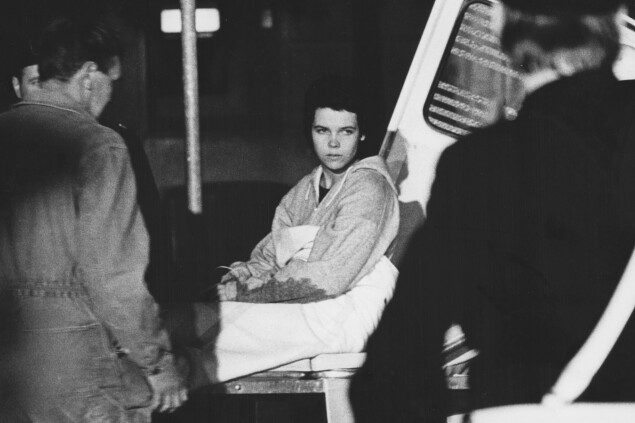
Everything was as usual. Around 10 a.m., Christine stopped to chat with a colleague she liked. And suddenly a man ran through the main entrance to the bank, and immediately there was a deafening roar - it was machine gun fire.
“The party is starting!” The robber shouted : “The party is starting!” Some people managed to run out into the street, others began to lie down on the floor. Christine tried to hide under the table - she simply could not believe what was happening. She later said: “I thought this only happened in America.”
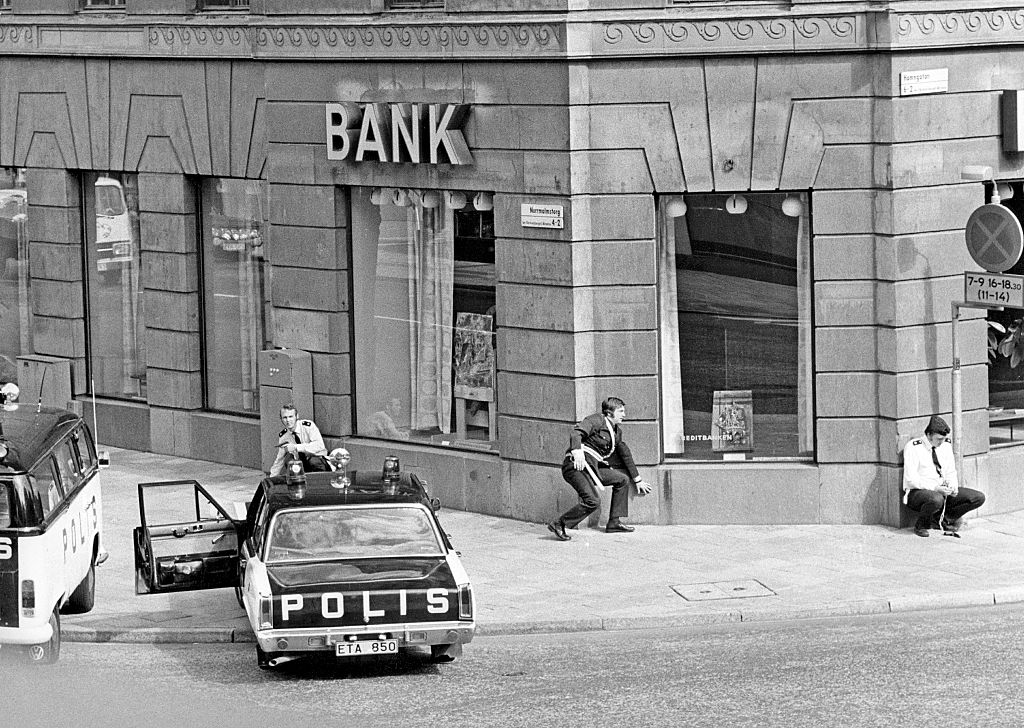
The robber looked peculiar: he was wearing a woman's wig, toy glasses and a dyed mustache. He also behaved unusually - Christine described him as nervous and “twitchy.” It was later assumed that he was under the influence of drugs .
Soon a police inspector appeared in the room. The robber noticed him and shot again. The attacker hit the policeman in the hand. It became clear: any careless action could lead to injuries and casualties.
Finally the robber voiced his demands. Firstly, he wanted three million Swedish kronor - that's like about 200 million rubles today.
Secondly, he demanded that his acquaintance, prisoner Clark Olofsson, be brought to him from prison. He was a famous criminal who was often written about in Swedish newspapers. He was often called the “king of escapes” because he was a master at escaping from the police.
Third, the attacker wanted the guns and the car, and that he and Clark Olofsson be allowed to leave with their hostages, to ensure that the police would not shoot at the car.
The attacker was waving his submachine gun, constantly threatening to shoot and was very agitated. He made it clear: if his demands are not met, then in the near future one of the prisoners will die.
Crowds of journalists gathered on the street. Through the windows they saw the robber waving a weapon, pointing it either at the prisoners or at the police negotiators.
As a result, the police, driven into a corner, fulfilled one of the demands - they brought part of the money to the criminal. After that, he allowed the people lying on the floor to get up and leave, and left only three hostages in the bank. Christine was among them.
She was too scared to escape. Despite the tense situation, at some point the captives had a chance to escape. One of the women, named Birgitta, asked to go to the toilet - and the robber allowed her to go there unattended. On the way, she saw that a whole group of policemen had gathered in the corridor outside the banking hall. She could have gone to them and they would have taken her out the emergency exit. But Birgitta was afraid that if she did not return, the attacker would shoot her two colleagues.
She came back, and after her Christine also went to the toilet - and also saw this corridor through which she could leave. But she also returned to the criminal.
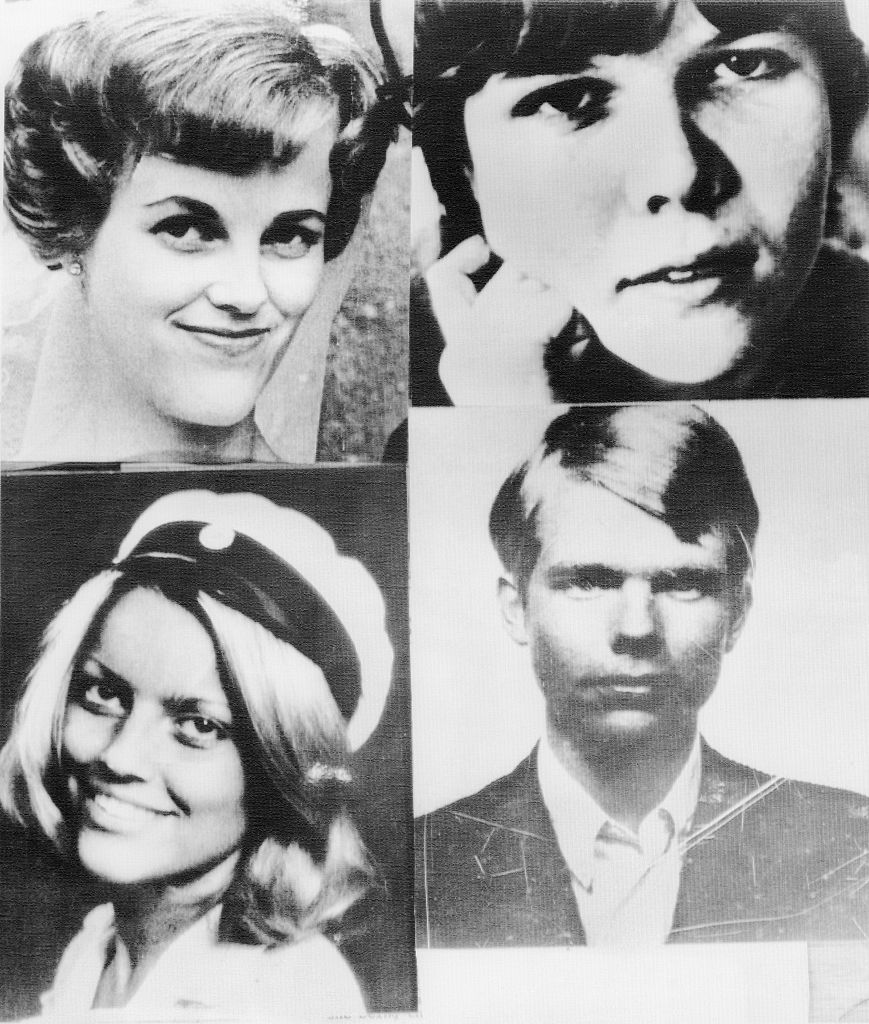
Christine herself later said: she was simply too scared to run, and she also could not admit the thought that other hostages would be killed because of her. They were together in this trouble, and they developed a sense of community and responsibility for each other.
Soon Olofsson was finally brought to the bank. Subsequently, he said that he was very surprised by everything that was happening and did not even immediately understand what kind of robber it was who demanded to be pulled out of prison.
Initially, the police did not want to follow the lead of the attacker and bring a known criminal to him. But the lives of the hostages were at stake. In addition, the police thought that Olofsson might even be useful to them. On the way to the bank, they asked him to help convince the bandit to surrender and promised that for this they would reduce his remaining sentence.
Olofsson hugged the criminal. However, upon arriving at the scene, Olofsson did not behave exactly as the police expected. He really began to act as a negotiator, only on the side of the criminal. Instead of persuading him to give up, Olofsson hugged him and immediately began to demand that they be given money and a car.
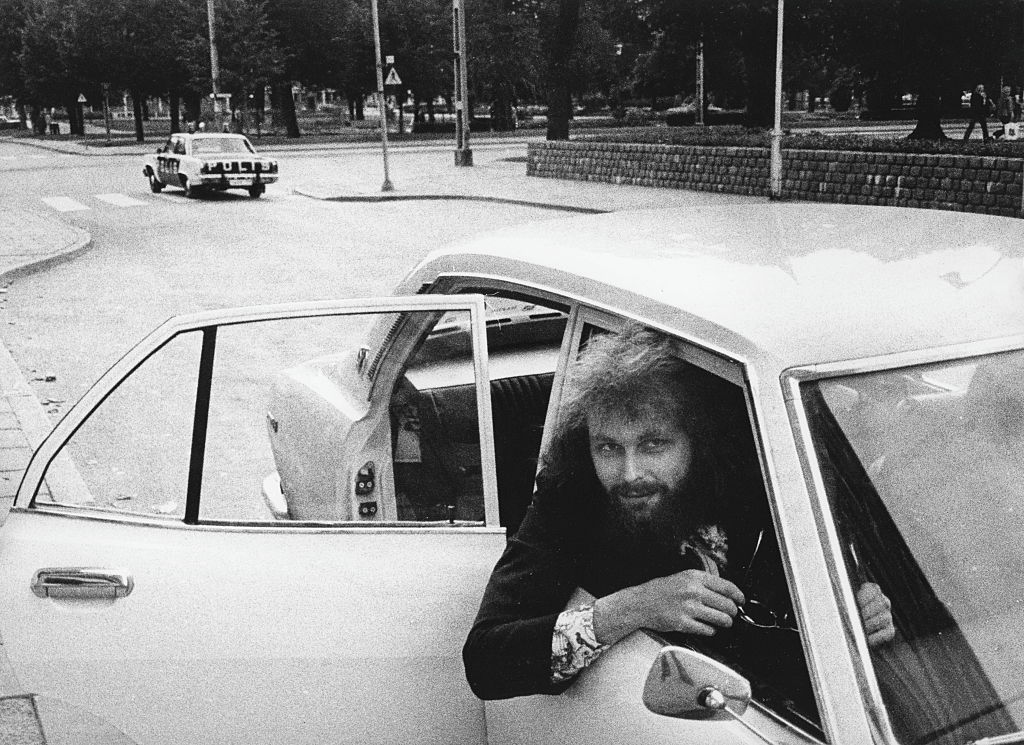
He also began to manage the bank premises, examined all the nooks and crannies and found another hidden person who had been sitting there since the morning - it was a bank employee named Sven. They decided to leave him as a hostage too - so now there were four prisoners.
The police still hesitated and did not bring the rest of the ransom. Meanwhile, snipers were already positioned on the neighboring building. So the criminals decided to move into the bank vault - a small room without windows, where it was easier to control the entrance.
So six people - two bandits and four prisoners - barricaded themselves in a small room, surrounded on all sides by police.
They had no idea that over the next few days they would go down in history, and their captivity would give rise to one of the most harmful myths about psychology .
Strange behavior of hostages
As soon as news of the bank seizure became known in Sweden, police and journalists flocked to the city center. TV crews were reporting from the scene, and the whole country was glued to the screens. Newspaper circulation soared, and crowds of people stood near the bank for days in hopes of learning or seeing something. At the same time, no one really understood what was happening inside.
The police believed that it was necessary to launch a forceful assault. The siege lasted more than five days, and various rumors circulated. For example, at some point there was talk that bandits were torturing and raping hostages. Some of the police believed that they should immediately launch a forceful assault and try to free the women at any cost.
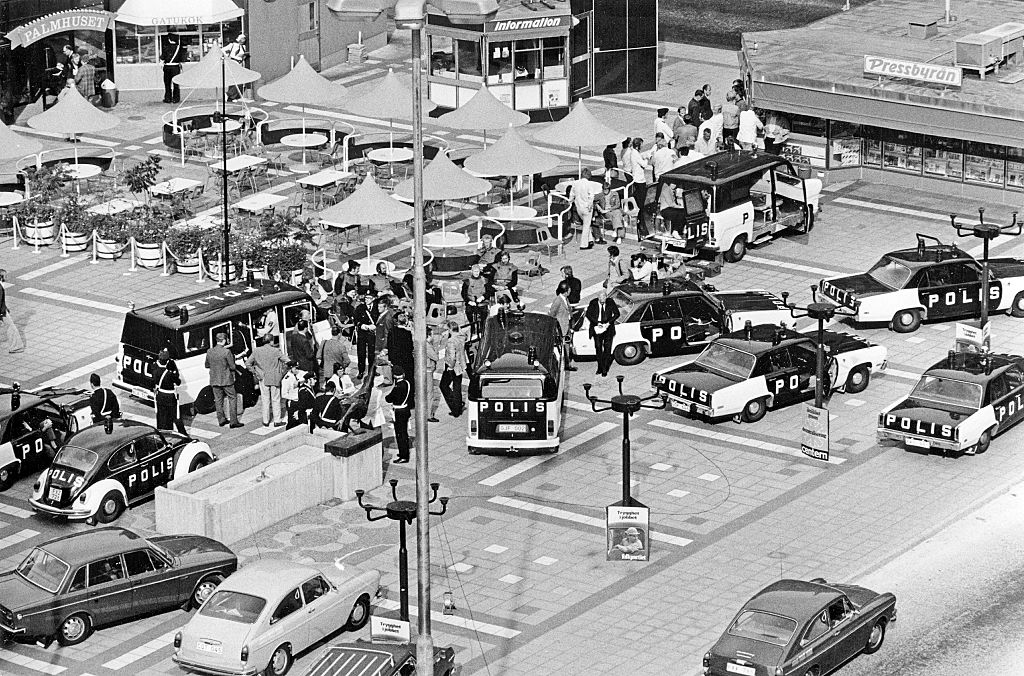
But then the prisoners themselves began to behave in a way that seemed strange to many and even caused condemnation. For example, one day the chief of police demanded that the hostages be taken out of the storage facility at least briefly so that he could make sure that everything was okay with them.
The criminals agreed. The prisoners were led out onto the stairs one by one by Clark Olofsson, who put his arm around some of them. At the same time, it seemed that the hostages were talking to the police chief contemptuously: they said that everything was fine with them, and in general, according to his recollections , they behaved as if they were not victims in this situation, but supporters of the robbers.
Gradually the situation became more and more strange for those who watched what was happening from the side. From the bank, the hostages constantly made phone calls to journalists. They asked not to storm the premises and said that the police must fulfill the demands of the criminals.
“Do you know what I’m afraid of? that the police will do something.” One day, Kristin even called Swedish Prime Minister Olof Palma. She said: “I trust Clark completely, and the robber too, I’m not the least bit afraid of them. They didn't do anything to me and were very kind. Do you know what I'm afraid of? That the police will do something, that the police will storm.”
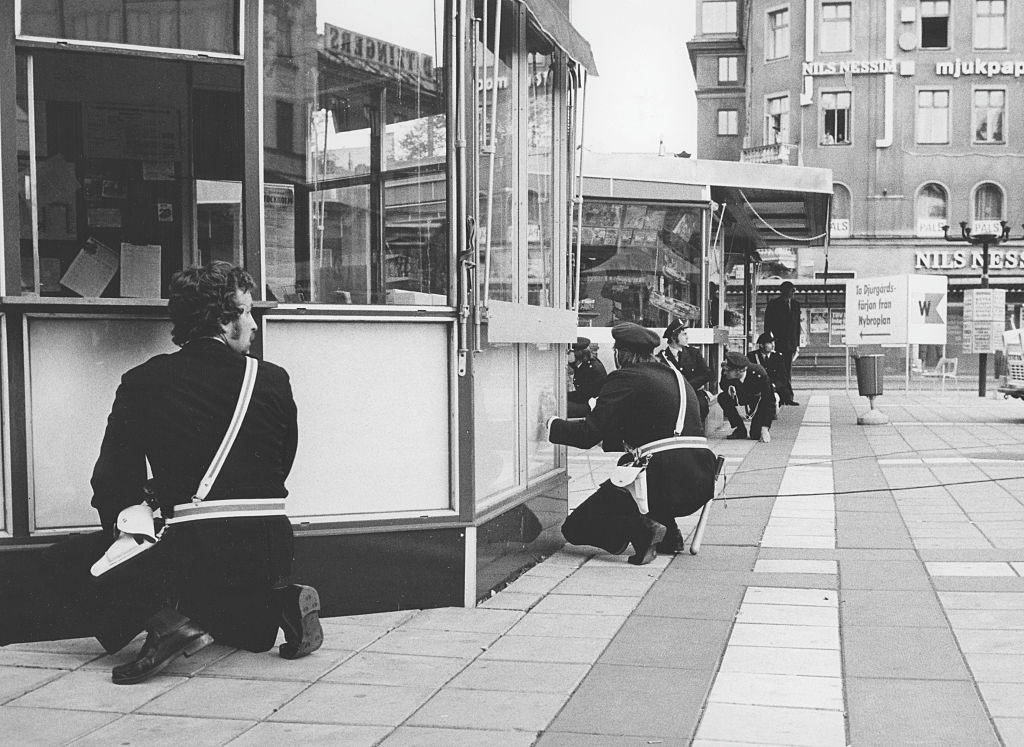
She asked to be allowed to leave with the criminals, and repeated many times that she trusted them more than the police. Christine did not know that her conversation was being recorded. Soon the whole country heard it and began to discuss it. Christine's mother even called the bank and scolded her daughter for allowing herself to speak so rudely to the Prime Minister.
Nobody understood what was happening to the hostages. Why do they ask the police not to save them and praise the robbers? There were rumors that Christine was having an affair with bandit Clark Olofsson or even that she was his accomplice.
True, Christine herself later said: everything was not like that at all. Years later, she wrote a book called I Became Stockholm Syndrome. And it described in detail what was happening in the bank.
"There are plenty of dead heroes"
Christine said: neither the journalists nor the police understood what the situation really looked like for the prisoners. In addition, the police behaved extremely carelessly and irresponsibly and made many mistakes - so the hostages understood that they could not even rely on law enforcement officers.
This is what she said happened at the bank during those five days.
“He seemed like a hero to me when he walked into the bank.” Once the police negotiators brought in Clark Olofsson, the atmosphere began to change quickly. Olofsson calmed the robber, and also untied the hostages, hugged them and told them not to be afraid.
“Clark talked to us, he acted like a human being. He seemed like a hero to me when he walked into the bank,” Christine recalled.
Olofsson allowed all the prisoners to call home and tell their relatives that they were alive and well. He also said that he doesn't want to hurt anyone. They say that if the police behave calmly and do not start an assault, then no one will touch Christine and her colleagues.
“In hindsight, I understand that Olofsson built trust with the hostages by suggesting that the police were only interested in ending this drama and did not care how many people died,” she later reasoned.
The criminals and their captives spent several days in the storage facility. We had to sleep on the floor, and the room was cramped and not heated. At first, the police handed them food, drinks and cigarettes, and the hostages were free to use the telephone and continued to communicate with journalists.
But all this led to massive criticism of the authorities in the media. The fact is that Olofsson told journalists that his actions were a protest against the system and the police. He also argued that the police are in no hurry to fulfill the robber’s demands, because the state allegedly does not care about human lives at all.
The hostages themselves said the same thing: they told journalists that they were disappointed in the police, who refused to pay the ransom and seemed in no hurry to save them.
women began to experience claustrophobia. The media broadcast this point of view, and as a result, real public pressure began on police officers and politicians. Then the law enforcement officers decided that it was necessary to put an end to the free communication of the hostages with journalists - and began a real siege.
The criminals and prisoners were locked in a vault outside. Two women began to experience attacks of claustrophobia. They also stopped bringing food to them, and all six began to starve, and relieved themselves in trash cans. Telephone communications were also limited. The prisoners asked permission to contact their loved ones, but the police refused.
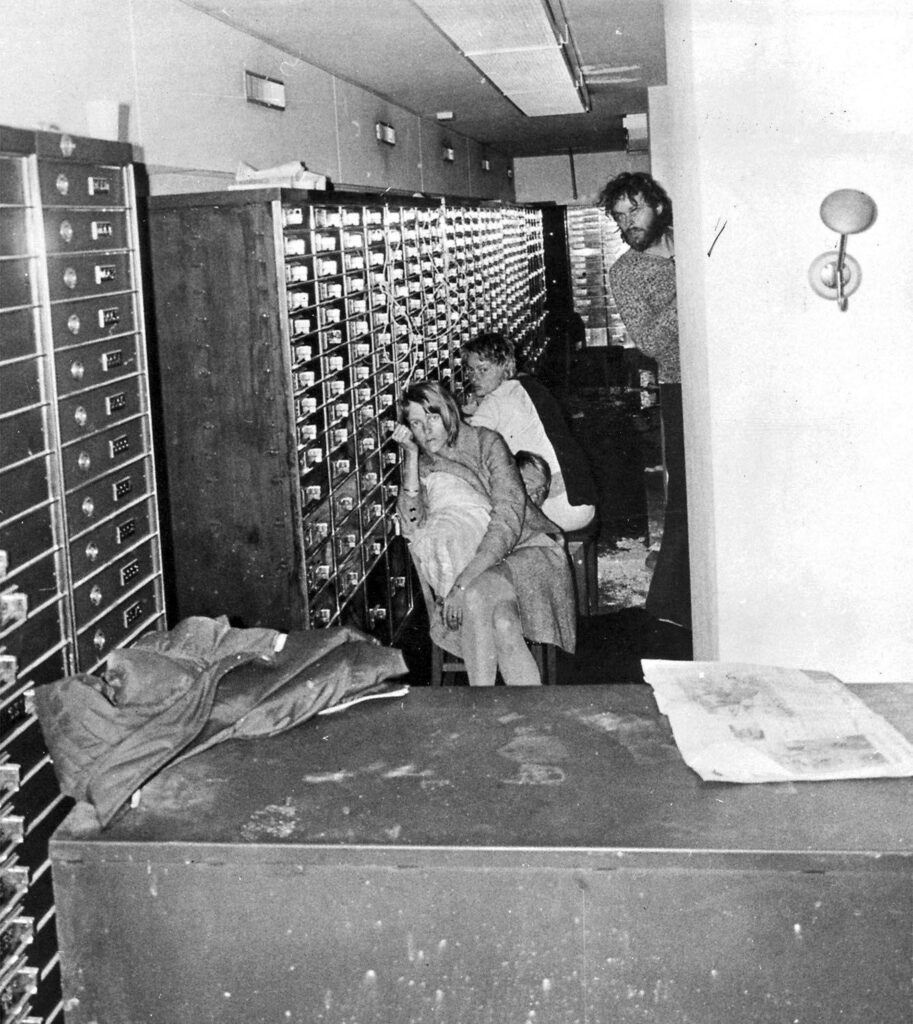
It turned out that the criminals and prisoners suffered together, and also criticized the police together and were angry with them. So they soon had some kind of mutual understanding.
It was cool in the vault, and the robbers gave the hostages their jackets. And when there was not enough food, they gave them their portions. The prisoners gradually calmed down a little, and since there was nothing to do in the vault, they began to communicate with the bandits: taking turns telling stories, playing tic-tac-toe, and so on.
Kristin recalled : the most terrible moments were when the police tried to do something. After all, if a shootout had started in the vault, the hostages could easily have died. Moreover, the police had carbines with explosive bullets, which are not usually used against people because they cause particularly severe pain and serious injuries.
Christine believed that it would be best if they managed to avoid the police assault, and the robbers were simply allowed to leave with the hostages. She believed that the criminals would not kill them, but would simply drop them off somewhere in the wilderness.
This is exactly what Christine tried to convince the Prime Minister on the phone. But in response, he said that he could not negotiate with criminals, and also suggested that Christine herself convince them to surrender. Such a proposal seemed absurd to her - she said that at that moment she was completely disappointed in the government.
“Don't you want to die at your post?” “I listen to these recordings and they amaze me. I hear a frightened little girl begging for her life,” she said.
In addition, Christine claimed that during the conversation the Prime Minister asked her: “Don’t you want to die in office?” - implying that this will be heroism.
There is no such phrase on the recording - according to Christine, it was cut out. At the same time, there is indeed a moment in the conversation where something is clearly edited , and after it comes Christine’s phrase: “There are already enough dead heroes.” Therefore, her version seems plausible to many.
Christine subsequently explained: in the current situation, the criminals who took them began to seem safer and more humane to the hostages than the police.
Risked the life of a teenager
In general, the government and police were clearly unprepared to seize the bank, and journalists subsequently noted that their actions were chaotic and ill-considered. One of the mistakes could even cost the teenager his life.
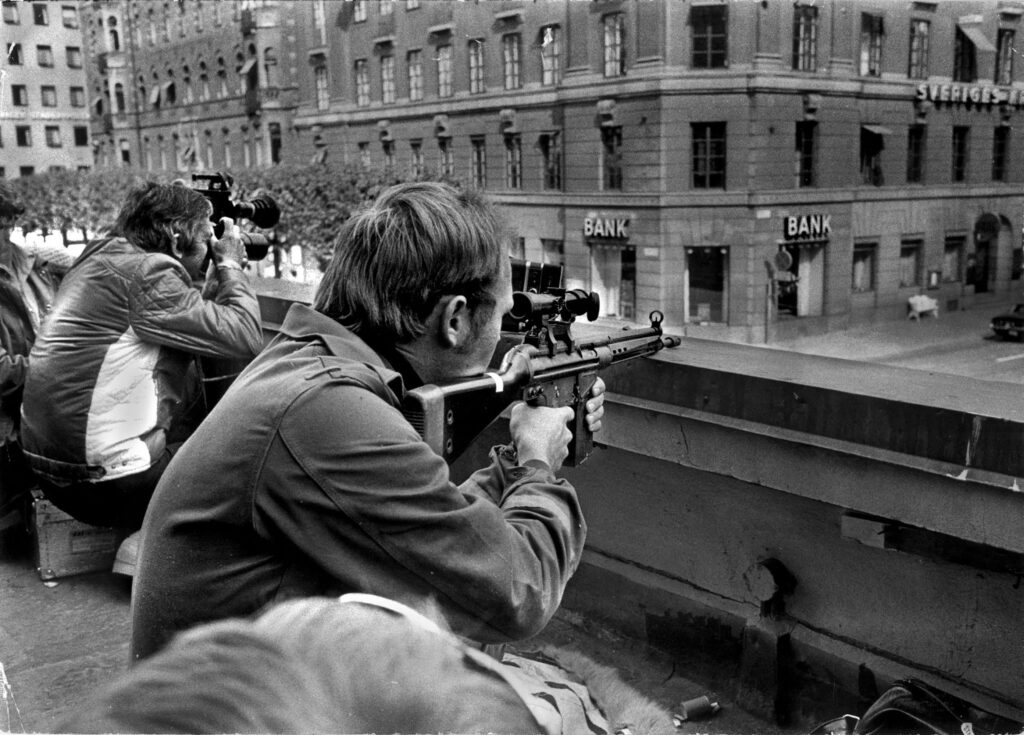
The fact is that for a long time the police could not identify the man who seized the bank because he was wearing a wig and glasses. And they assumed it was Olofsson's former accomplice named Kai Hansson.
“Kai, this is your brother!” The police found Hansson’s brother, a 17-year-old teenager, and brought him to the bank so that he could help in the negotiations. When they brought him into the building, he began to shout: “Kai, this is your brother!”
But the bandit's name was not Kai at all. His real name was Jan-Erik Ohlsson. And when he saw an unfamiliar teenager calling himself his brother, he did not understand what was happening and began to shoot - not at the teenager himself, but at the floor near his feet.
For Kristin, this was yet another confirmation: the police do not understand what they are doing at all, and are ready to endanger the life of a teenager who has nothing to do with it at all.
“There’s gas coming!”
On the third day of the siege, they began to drill into the ceiling of the vault. The police claimed that this was how they would deliver food into the room, but in reality they were going to release gas inside.
Considering that the prisoners were in a small enclosed space, this could have killed them or seriously harmed their health. Kristin recalled : the roar from the drill seemed unbearable, and water from the drilling mechanism flowed onto the floor of the vault. Psychologically it was like torture. The prisoners screamed and begged the police to stop drilling - but they were not listened to.
By this time, the hostages already had a strong feeling: the police did not care about their lives and even the criminals cared more about them.
To stop the police, Ohlsson decided to resort to blackmail. He put rope loops around the hostages' necks and tied the ends of the ropes to bank cabinets. It turned out that if the gas was released, the hostages would lose consciousness and suffocate in these nooses.
Christine recalled that Ian and Clark explained to the prisoners that they were not actually going to kill them, but were only bluffing so that the police would not risk using gas. And if they still let him in, they will immediately cut the ropes. One way or another, soon the hostages got tired of standing, and the nooses were removed from them.
However, now the prisoners were sure: if the police released the gas, despite the bluff with the loops, it would be a very cynical act - it would turn out that the police had sacrificed their lives to arrest the criminals.
“It came out with a hissing sound.” And so, on the sixth day of the siege, the lights in the room suddenly went out, and tear gas was actually released. “We heard it gushing out with a hissing sound. Someone shouted: Gas is coming. And we shouted for them to stop gassing us. We panicked,” said Christine.
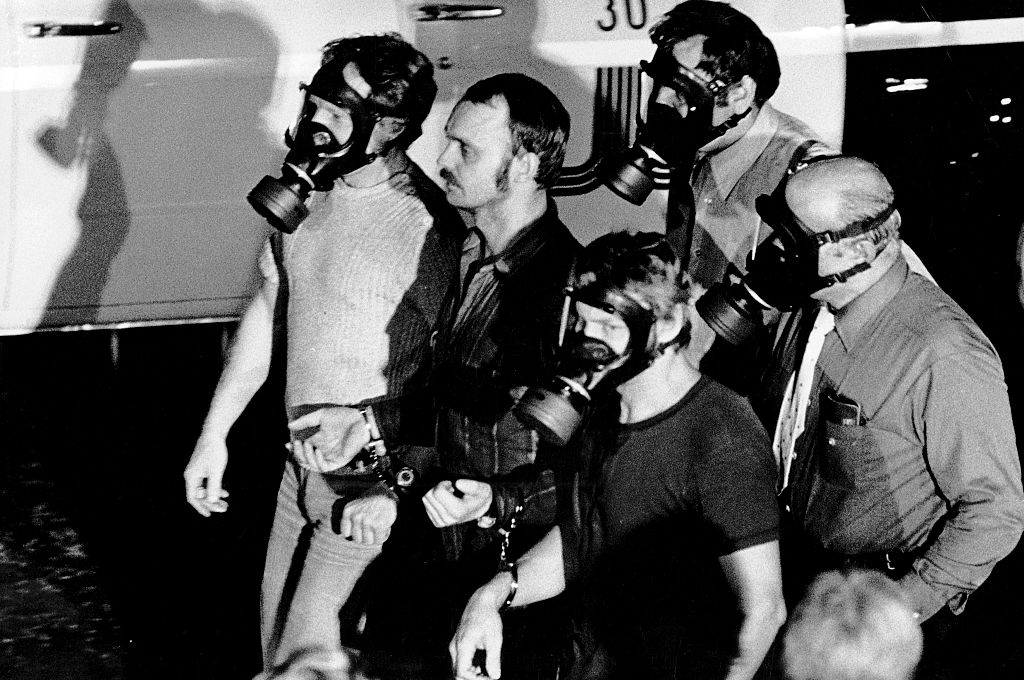
At this point, the robbers finally gave up. When the gas began to flow, Ohlsson said that he was not ready to sacrifice the hostages, and together with everyone else he began to knock on the door and ask to be released. But the police did not open it right away - they kept the prisoners locked until the criminal inserted his weapon into the drilled hole. And all this time gas was flowing into the room.
Eventually everyone was allowed to come out of hiding. At parting, some of the hostages hugged Ohlsson. Those released were terribly angry with the police and the authorities.
As Olofsson was grabbed and beaten, Christine screamed, “He didn’t do anything!” It seemed to her that her anger was completely justified and that she had the right to criticize the authorities and the police.
In a conversation with journalists, she also harshly criticized the actions of psychiatrist Nils Beyeruth - it was he who advised the police and proposed some controversial ideas. For example, his idea was to bring a 17-year-old teenager to the bank, and it was with his approval that the prisoners were no longer given food.
Beyerut said that Christine was suffering from “Norrmalmstorg syndrome.” Beyerut, in turn, told reporters that Christine was suffering from some kind of “Norrmalmstorg syndrome,” a term he apparently came up with on the spot and named it after the square where the robbery took place. Later, for simplicity, it was already converted into Stockholm syndrome.
According to Beyerut, it turned out that Christine does not criticize him and the police because they made mistakes. She just doesn’t understand what she’s saying, she has such a mental state. Many people believed the psychiatrist, and the myth about the so-called Stockholm syndrome began to spread throughout the world.
"Are you in love with Olofsson?"
When the hostages were released, they were first placed under medical supervision. Kristin recalls: she was emotionally traumatized and needed real help. She was very excited, could not sleep and asked for someone to hold her hand. At night she constantly jumped up and looked around - as if she could not believe that she was finally safe.
At the same time, she recalled : the first question that the psychiatrist asked her was: “Are you in love with Olofsson?” According to Christine, the doctors were much less interested in her well-being than in her relationship to the criminal.
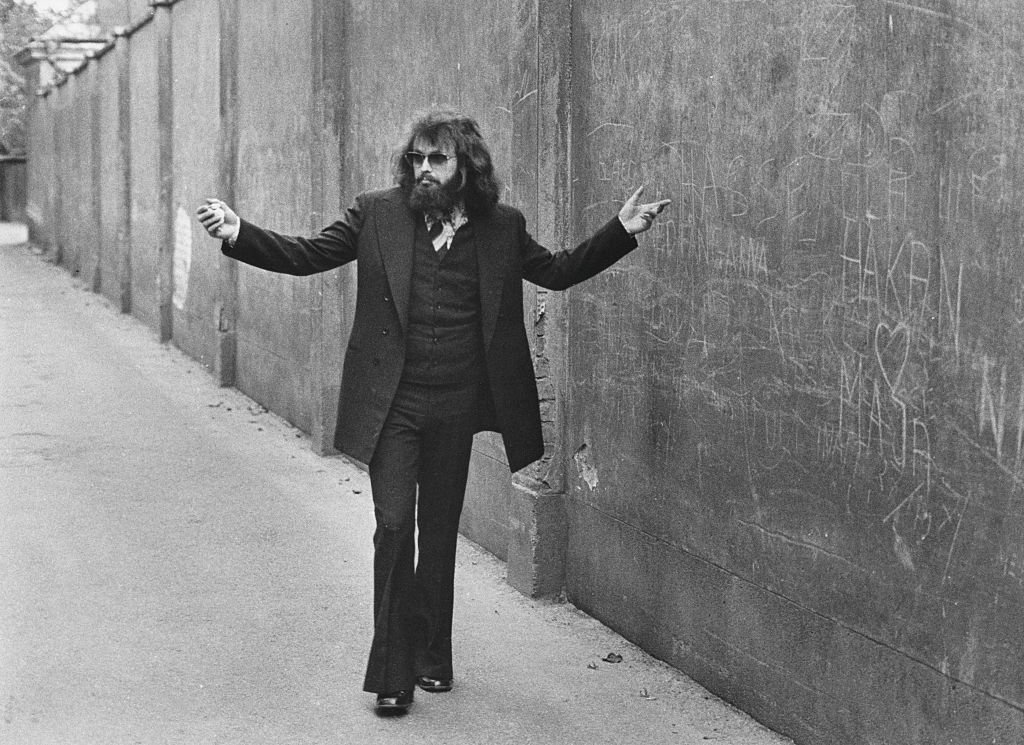
She soon learned that many people were talking about the presence of a certain syndrome, which psychiatrist Beyerut discussed in news releases. But he himself never talked to Christine or asked why she stood up for the criminals.
“I had the feeling that I had to justify myself.” “It seemed to me that I was in the dock. Many believed that what happened was my fault. I had the feeling that I had to justify myself,” she wrote .
Subsequently, Christine began to suffer from claustrophobia and flashbacks. Although she herself suspected she had PTSD, she was not diagnosed with it.
“Later I realized that Stockholm syndrome was being constructed. This diagnosis was able to explain everything that was happening so as not to blame the police for anything,” Christine reasoned.
Journalist Gunnar Wesslen wrote : “Stockholm syndrome worked as a way to save the honor of the state. Mentally healthy women cannot doubt the actions of the state. If this happens, it means they are affected by the syndrome.”
And although Stockholm syndrome does not exist as a diagnosis and the psychiatrist Beyerut diagnosed it “by eye,” this concept is still used in pop psychology. Many specialists, meanwhile, believe that it is incorrect to operate on them.
The fact is that victims can indeed become close to their offenders - but this is not due to a “disease” or “syndrome”, but due to natural defensive reactions. However, when talking about Stockholm syndrome, we often shift the emphasis - it turns out that there is something “wrong” with the victim and she supposedly likes being bullied. This social belief can seriously harm victims, who already often blame themselves for “wrong” behavior.
Romance with a robber
After everything that happened at the bank, Christine radically changed her life. She began training to become a social worker and later worked on helping children with mental health problems, as well as criminals trying to re-enter society after being in prison.
All her life she was afraid of closed spaces, including elevators and airplanes. She suffered from anxiety and various phobias. But in the end she managed to adapt to these difficulties.
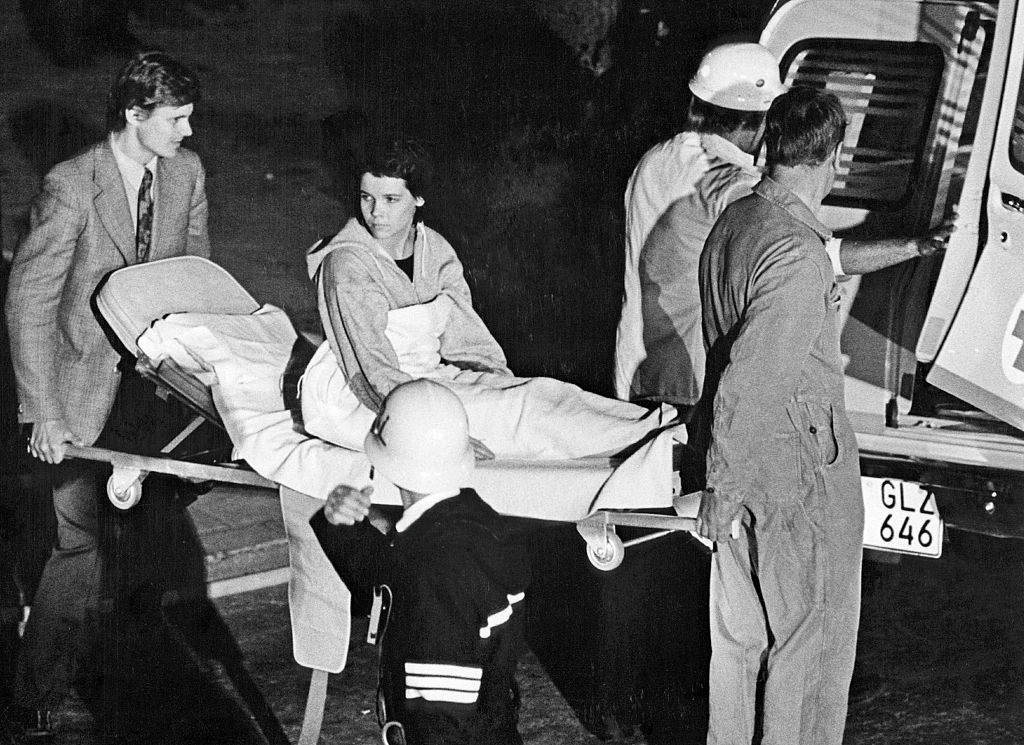
And after her release from captivity, she communicated a lot with colleagues who were taken hostage with her. Christine explained: in the company of fellow sufferers, she did not need to explain herself or answer strange questions. They understood each other, and only they knew what they all had to go through.
Paradoxically, the bandits also turned out to be part of this closed community, because they spent five days together in a confined space, together they heard them drilling into the roof and releasing gas.
“The only thing that worried me then was my survival.” Kristin corresponded with Olofsson, who was in prison. And then they began an affair - she went on dates with him, and when he came out of prison, they dated for a long time, and years later they remained just good friends.
Christine explained: at that moment when they were in the bank, she did not feel any love for any of the bandits. She was very scared all the time, and she only hoped not to die from bullets or gas. “I wasn't sick. The only thing that worried me then was my survival. And I did everything I could for this,” she wrote.
The fact that she later entered into a romantic relationship with the criminal can be explained by a defensive reaction and Christine’s attempt to work through her own trauma, explains psychotherapist Karina Zinchenko in the material of the publication “Kosa”. It is normal for survivors to try to “turn things around” and face what frightened them, but in a controlled environment.
In addition, Clark Olofsson did not initially seize the bank - he was brought to the site as a negotiator, and it seemed to the hostages that he was partly fulfilling this role. Moreover, this was not just a famous robber. His image was romanticized, many girls were in love with him, and his photographs were published in newspapers. At the same time, he presented himself as a rebel and said that he was protesting against the system and capitalism.
Christine tried to explain all this years later in her book - she insisted that she never suffered from any “syndrome” and there was nothing “unhealthy” in her behavior as a hostage. Many psychologists are now talking about the same thing. They remind you that in the international classification of diseases there is no concept of “Stockholm syndrome” and that people use this term to describe many completely different phenomena, and it does not have specific diagnostic criteria.
However, this controversial concept is still very common in pop culture - especially in the true crime genre. And very often its use prevents viewers from seeing and understanding what survivors of violence actually experience.
Author: Yulia Dudkina
Photo: Sjöberg Bildbyrå / ullstein bild / Getty Images