
Translated material
War
1566th day. Budanov went to Warsaw and prevented the “worst-case scenario” in the development of relations between Ukraine and Poland. They argue about whether UPA fighters can be considered heroes
Since February 24, 2022, Meduza has been broadcasting live about the Russian-Ukrainian war. We publish your letters every day because we are sure that we need to continue talking about the war. Share with us your thoughts about the war. What feelings are you experiencing? How does war affect your life and your attitude towards the world? If you have a story related to the war, tell it . The feedback form is at the end of this article. A review of the previous day can be read here .
Ukraine
The head of the office of the President of Ukraine, Kirill Budanov, following the results of closed negotiations in Warsaw, managed to prevent the development of the “worst-case scenario” in bilateral relations with Poland, RBC-Ukraine writes today, citing sources.
At the end of May, a diplomatic conflict arose between Warsaw and Kyiv. The reason was that the President of Ukraine Vladimir Zelensky awarded the Separate Special Operations Center “North” the honorary name “named after the heroes of the UPA.”
What is UPA?
During the Second World War, the Ukrainian Insurgent Army (UPA) waged an armed struggle to create an independent Ukrainian state on lands inhabited by ethnic Ukrainians. The opponents of the UPA were the occupation authorities of Nazi Germany, Soviet partisans (after the deoccupation of Ukraine - the authorities of the USSR) and the Polish armed underground.
In addition to sabotage and participation in hostilities, UPA fighters carried out ethnic cleansing among the civilian population. The most famous such episode is the Volyn massacre - in 1943, over the course of several months, more than 50 thousand civilians, the vast majority of ethnic Poles, were killed in the territory of Volyn (a historical region at the junction of modern Ukraine, Poland and Belarus). In modern Poland, the Volyn massacre is officially considered genocide of the Polish population.
In modern Ukraine, against the backdrop of the war with Russia, the UPA is primarily seen as a symbol of the struggle for independence.
Zelensky's decision caused a sharp reaction in Poland. The country's Foreign Ministry summoned the Ukrainian ambassador, and Polish President Karol Nawrocki said he was considering the possibility of depriving Zelensky of the country's highest state award. “I evaluate this step very critically, and it demonstrates Kiev’s unpreparedness to join the EU,” said the Polish president.
Right-wing parties in Poland demanded to block the process of Ukraine's accession to the EU, as well as to reduce military aid to Kyiv. In Lublin, the largest Polish city near the border, the Ukrainian flag, which had been hanging there as a sign of solidarity since 2022,was removed from the town hall building.
The Ukrainian Foreign Ministry assured that Zelensky’s decree cannot be considered anti-Polish. “The UPA’s fight symbolizes exclusively opposition to Moscow’s imperial policy - and is in no way directed against the Poles,” said department press secretary Georgy Tikhy on May 29.
Against the backdrop of the scandal, Budanov made a previously unannounced visit to Poland on June 5-6. Prime Minister Donald Tusk, commenting on Budanov’s arrival, emphasized that the Ukrainian authorities themselves must find a solution to the “absolutely unnecessary conflict,” because “they themselves created this problem.”
The head of the Polish Ministry of Defense, Wladyslaw Kosiniak-Kamysh, following a meeting with Budanov, said that the memory of the victims of Volyn “is not subject to discussion.” He emphasized that he “clearly outlined Poland’s expectations” regarding the name of the unit named after the heroes of the UPA.
Budanov made no official statements following the visit. RBC-Ukraine writes that the head of Zelensky’s office managed to smooth out the conflict during the negotiations.
“As a result of the work of the head of the President’s Office and the entire team, the worst scenario was stopped, of course, taking into account our national interests and with respect for our partners,” a source in the President’s Office told the publication.
The interlocutor of RBC-Ukraine noted that at the negotiations “they were talking about much more complex things than the issue of awards,” and emphasized that Kyiv is constructive, but is ready to “react to unconstructive steps, defending its own state interests and identity.” He did not provide any specifics. It is still unclear whether the name of the unit named after the heroes of the UPA will ultimately be changed.
We know that everyone is tired of calls for help and is afraid to act, because every day new prohibitions and methods of pressure appear. But we also know that people who find themselves in Russian prisons because of their anti-war stance, political views, or simply because of a freak accident still need help . Even so, they and their loved ones REALLY need help. Please don't leave them alone.
Sitting in a Russian prison is not only scary, but also expensive. Your donation (preferably monthly) will allow someone to see their family, get the necessary products and things, and stay healthy. Join the week of support for political prisoners - all the ways to help are collected here !
War in photographs. Novorossiysk
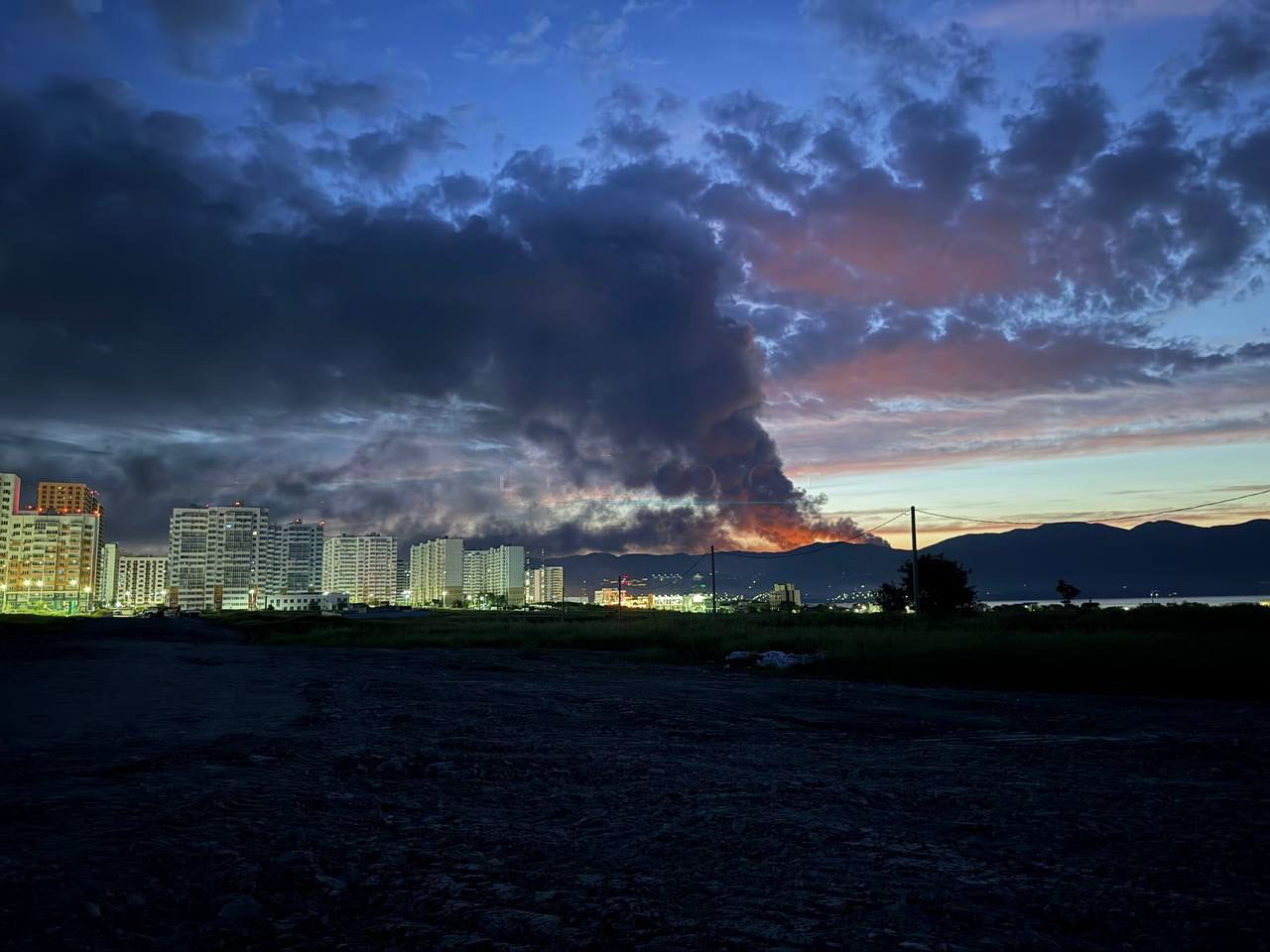
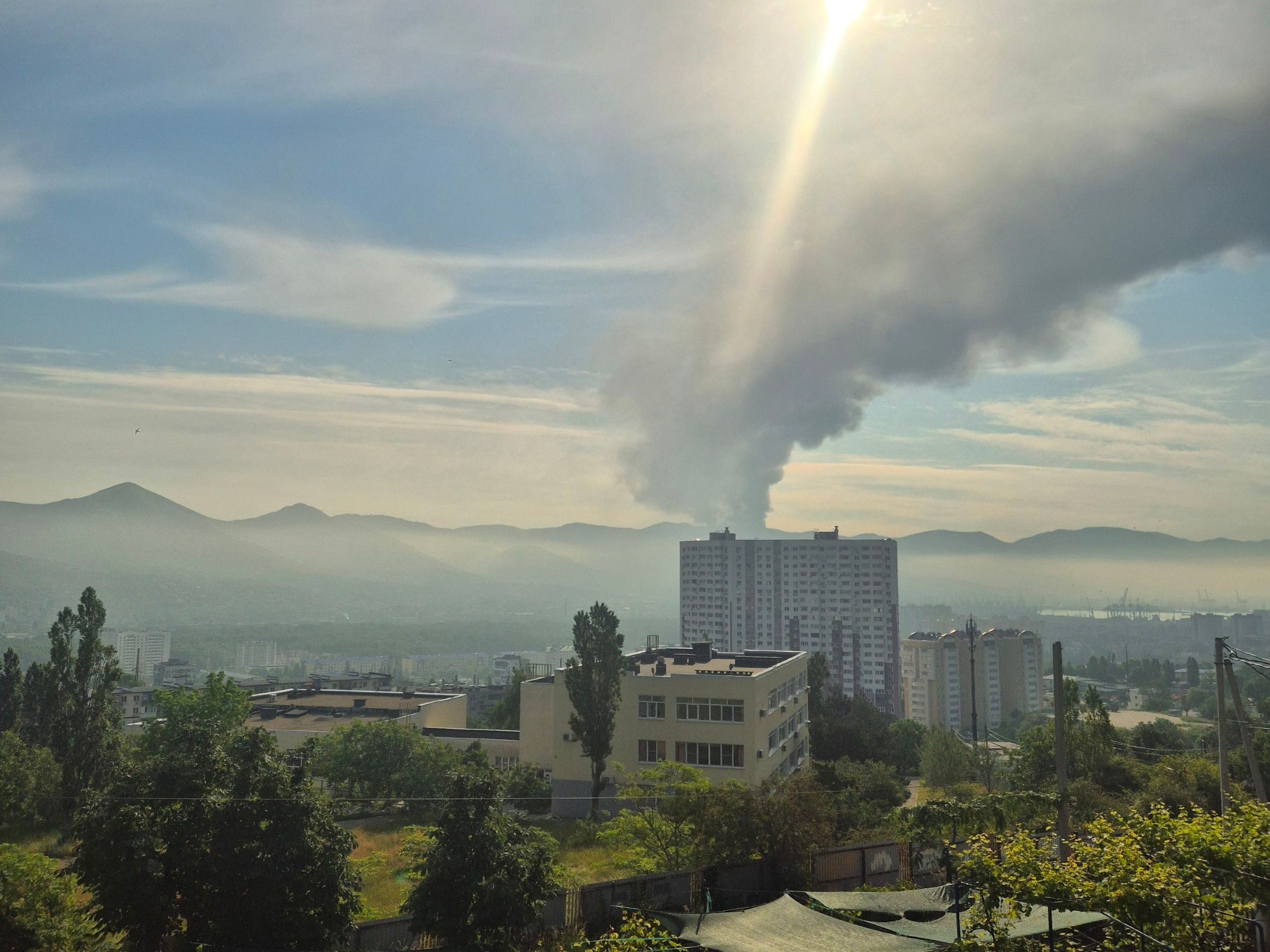
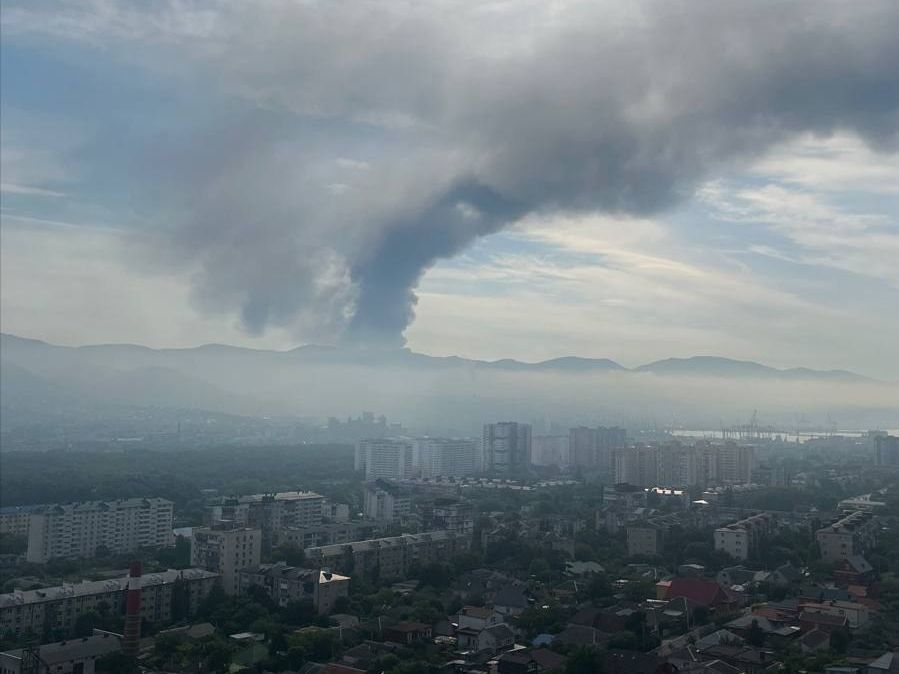
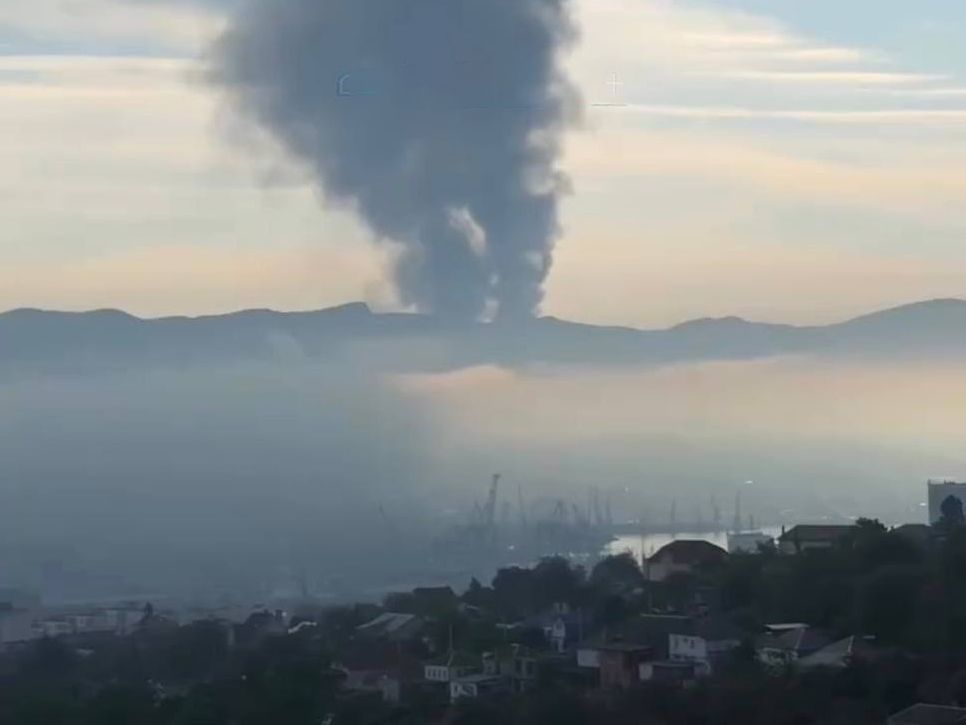
Ukrainian drones tonight attacked the Sheskharis oil loading complex in Novorossiysk, the end point of Transneft's main oil pipelines in the Krasnodar Territory, from where it is exported by sea. A fire broke out at the plant, smoke from which can be seen throughout the city.
Sheskharis has been attacked at least three times in the past few months. The last time drones hit it was on May 22.
War through the eyes of Meduza readers
How we choose letters
Meduza's readers live in different countries and have different attitudes towards the war. We publish your letters to see this event through your eyes. Our editors try to present all points of view, even if they do not coincide with the editorial position. However, in accordance with the Meduza code, we do not publish messages that contain “hate speech,” justify the murder of civilians, or express direct support for an aggressive war.
Irina (Zelenograd) . I have mixed feelings about the UAV attack on Zelenograd on May 17 […]. I'm friends with guys from Kyiv and Lugansk. We are the same age, we met through computer games. I have long heard stories from them about arrivals: for example, my friend had his computer hit by a piece of shrapnel.
When I first heard drones being shot down in Zelenograd (in 2025), I began to panic. My arms and legs were shaking. I understood from the sound that the explosions were far away, but I was still scared. The thought was spinning in my head: how so, the risk of death just like that, which could have been avoided if this war had not started.
Then I realized that people in Ukraine and in the front-line regions of Russia live like this every day […]. Since then, for more than a year, I cannot stop thinking about the war: about how many people died, about the fact that all this could have been avoided, about the fact that in Russia it is almost impossible to openly oppose the war.
The evening before the attack on May 17, I watched a video about Mariupol: about how Ukrainians were killed, how their houses were destroyed, how people were buried in courtyards, how they lived in basements without light and water. I thought about how people can turn a blind eye to a war when ordinary people - not “Nazis”, not “Banderaites”, but just people - through the fault of our army and our government, find themselves in inhumane conditions and trying to survive.
With this thought I went to bed. And a few hours later I woke up because my house was shaking. I was scared for the first hour. I even went to the bathroom. Then fatigue took its toll and I returned to bed. All this time I was reading the city chat to understand what was happening. People were shocked.
And although I myself was scared for my life, I caught myself with a strange feeling. It was not joy or a desire for evil. It’s more of a bitter feeling: now, at least for a while, people around me won’t be able to close their eyes to the war - just like I couldn’t close my eyes all this year.
This is a very difficult and contradictory feeling. I don't wish harm on anyone. I just want people to understand: war is horror. And for it to finally end.
Share your thoughts about the war
"Jellyfish"