
Translated material
"The USSR will collapse in the late 1980s." Students in camps for criticizing state capitalism
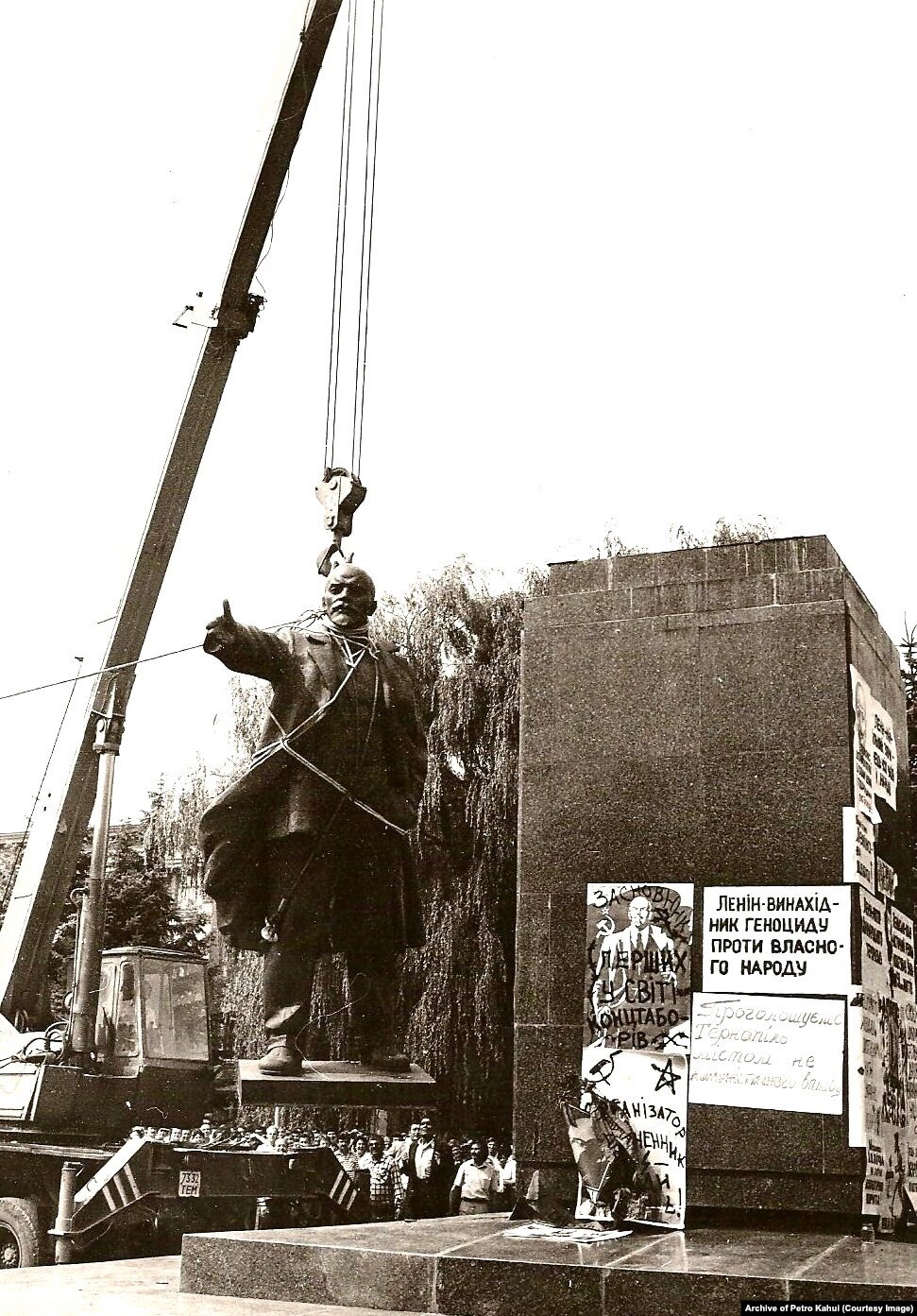
60 years ago, a small group of Soviet students in different cities of the USSR read the manuscript “The Decline of Capital,” which turned out to be partly prophetic. Its idea was that it was not the socialist revolution that won in the USSR, but a bourgeois revolution of a special type: the party nomenklatura became the owner of the means of production. The resulting state capitalism becomes a brake on development, and the author of the text, Yuri Woodka, predicted in 1966 that in the USSR a crisis was inevitable in the late 1980s, and in Czechoslovakia, which was ahead of the Soviet republics in terms of development, it would happen “in the near future.”
For reading and attempting to distribute this text, which has not yet been published in its entirety and is known only from the memories and retellings of eyewitnesses, 13 people received sentences ranging from probation to seven years in the camps. Trials took place in Ryazan, Saratov and Petrozavodsk in 1969-70.
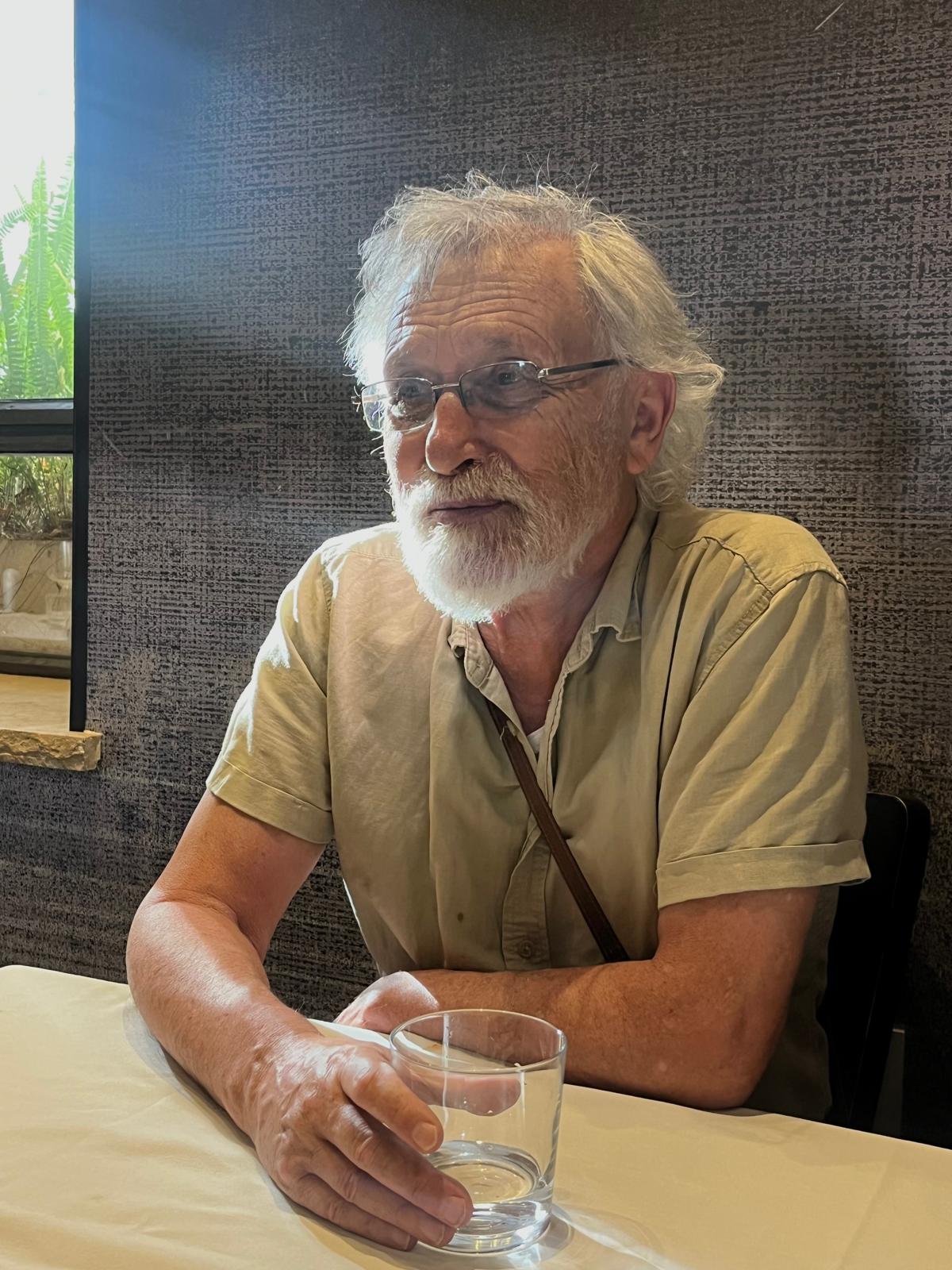
In Petrozavodsk, one person was convicted in the case of the Group of Revolutionary Communism - 19-year-old student of the history and philology department of Petrozavodsk State University, Alexander Uchitel. Although the Petrozavodsk cell did not actually exist, the Teacher served four years in Dubravlaga, and several more students were expelled from the university.
Today Alexander Efimovich lives in Jerusalem, he has a large family, numerous grandchildren and great-grandchildren. He emigrated to Israel a year after his liberation, became a historian of the ancient world, and in 1991, when the collapse of the USSR happened, as Woodka predicted, the Teacher was rehabilitated by the new Russian authorities.
He told the Sever.Realiya correspondent about what the Group of Revolutionary Communism was, how he was imprisoned in Dubrovlag and what he thinks about the people from the KGB running the country today.
Walking through torment in Karelian
“My mother is a Tver Karelian from the village of Gnezdovo in the Tver province,” Alexander Uchitel explains how Petrozavodsk, Ryazan and Saratov were connected in the Group of Revolutionary Communism.
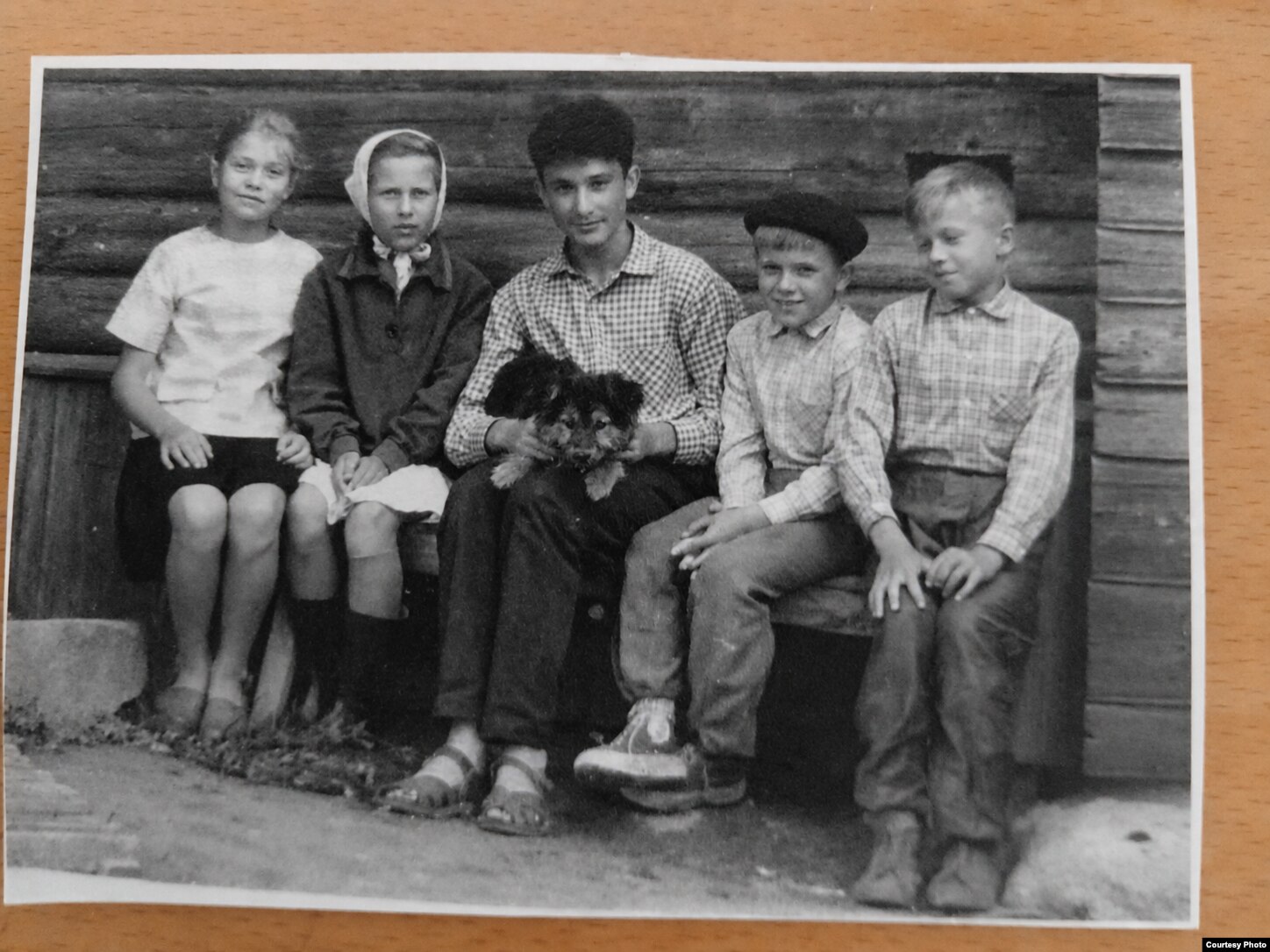
He was born and raised in Ryazan, but spent a lot of time in his mother’s homeland, with her cousin in Gnezdovo. He was “terribly interested” in the Tver Karelians; the schoolboy learned the Tver dialect of the Karelian language and firmly set his sights on Finno-Ugric philology.
After graduating from school in 1967, Alexander first went to enroll in Tartu, but Estonian was needed there. Then he went to Leningrad and failed his exams. Karelia remained.
– I arrived in Petrozavodsk and went to the Institute of Language and Literature, where I offered them my recordings of Karelian folklore, which I made in the Tver villages. I found such a very interesting manuscript there - “The Virgin Mary’s Walk through Torment” in Karelian, written in Cyrillic. But they told me that it’s worthless, that folklore recordings must be tape-recorded, but they don’t accept such handwritten ones,” says Alexander Uchitel.
But he met Grigory Makarov, a Soviet philologist and ethnographer, one of the leading experts on the Karelian language. The scientist appreciated the graduate’s interest in the Tver Karelians and suggested that he simply attend classes at the department of Finnish language and literature in order to learn Finnish for the entrance exams. True, Makarov’s patronage only lasted the first semester, then the dean’s office became indignant, and I had to return to Ryazan. Alexander Uchitel entered the university the very next year, 1968.
And during the winter holidays, returning to his parents in Ryazan, he met “with these same underground fighters.”
“Actually, I met only one person, there was strict secrecy, no one knew anyone,” says the Teacher.
"They had no evidence"
That person was Oleg Senin - he was originally from Ryazan, but he studied in Saratov and had already graduated from law school there and started working in the prosecutor's office. It was he who gave the Teacher the article “The Decline of Capital” to read, which was signed under the pseudonym L. Borin. These were photocopies of typewritten sheets - a stack of regular-sized photographs, from which the text could be clearly legible.
The article outlined the theory that in the Soviet Union there is in fact no socialism, but state capitalism was built.
“This work made a very strong impression on me,” recalls the Teacher. – But Senin did not agree to give it to me with him to Petrozavodsk. He gave it only on the condition that I create an underground organization there. I didn’t create any organization there, of course, but I gave reading to different people, students who studied with me.
After the first year in the summer, the Teacher again found himself in Ryazan. One day Senin called him to a meeting in the park and asked him to bring a ribbon for a typewriter. And the next day the KGB came to search him.
– Of course, I had no experience, unlike dissidents, of how to communicate with the KGB. I was completely naive and admitted everything right away. Although I could deny it, actually. They didn't find anything at my house. They had no evidence, absolutely no evidence,” says Alexander Uchitel. - Well, in general, they didn’t arrest me in Ryazan. They apparently had their own career plans - they needed to conduct a separate trial in Petrozavodsk.
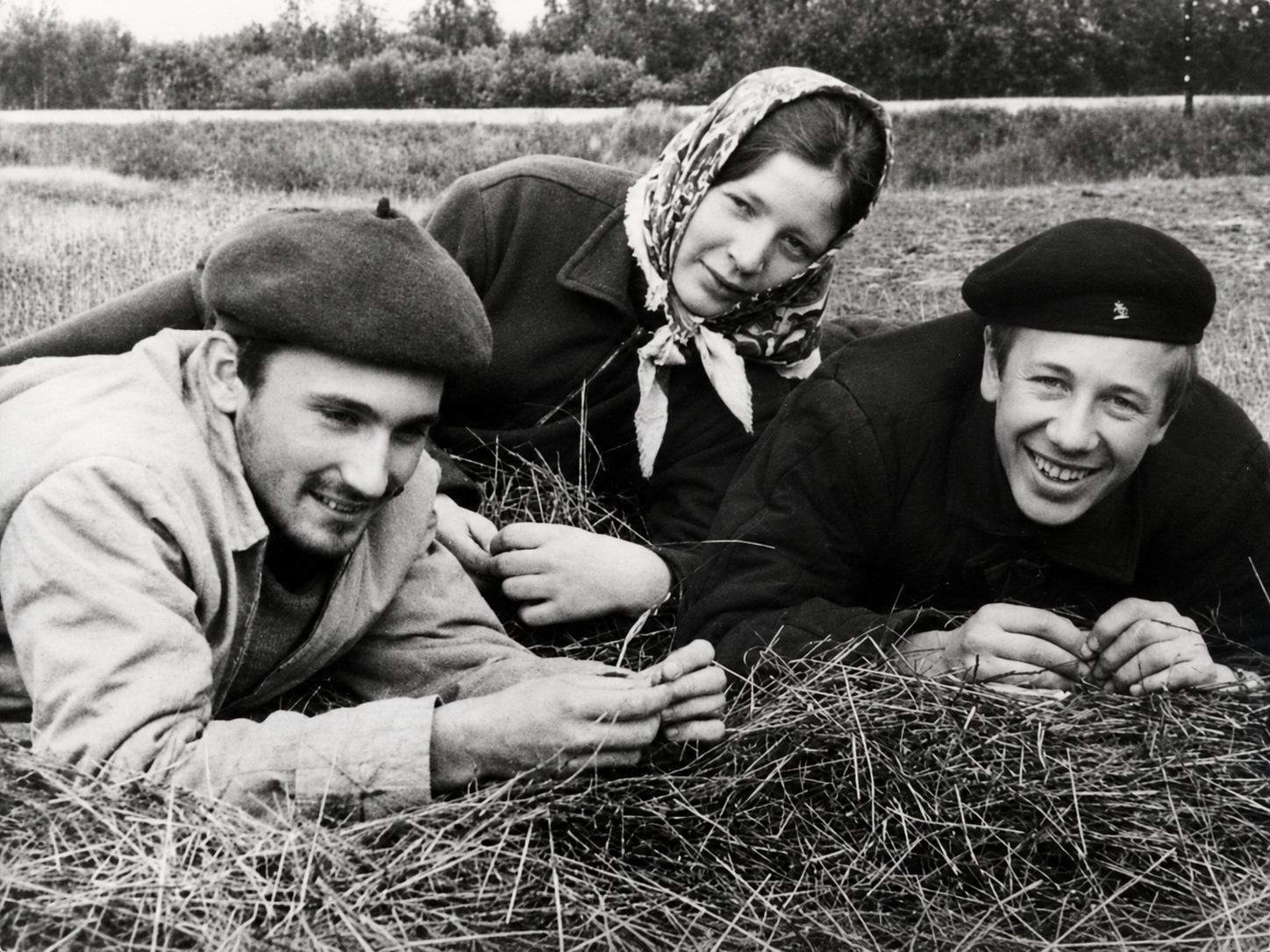
He returned to the university and managed to go on an ethnographic expedition to the Tikhvin district of the Leningrad region - to the Tikhvin Karelians. While working on deciphering folklore records, he was arrested on September 18, 1969.
As a result, the KGB organized three trials: in Saratov, Ryazan and Petrozavodsk. In Ryazan, on February 10-19, 1970, six people were convicted, including the author of the work “The Decline of Capital”: Yuri Vudka, a student at the Ryazan Radio Engineering Institute, originally from Dnepropetrovsk, was hiding behind the pseudonym L. Borin - he received 7 years. Six more were tried in Saratov; Teacher’s acquaintance, Oleg Senin, also received 7 years of strict regime and 2 years of exile.
One Teacher was tried in Petrozavodsk. On New Year’s Day, December 31, 1969, for storing and distributing anti-Soviet literature, he was given four years in camps under Article 70 of the RSFSR Criminal Code “anti-Soviet agitation and propaganda,” plus the sentence also included Article 72 – “organizational activities aimed at committing especially dangerous state crimes, as well as participation in an anti-Soviet organization.”
Three more were expelled from the university: Emmanuel Brio and Toivo Barygin - for reading "The Decline of Capital", and Alexander Ingerainen - simply for living with the Teacher in the same room in the dormitory.
Later, in samizdat notes, Alexander Uchitel described a brief history of the Group of Revolutionary Communism. He recognized her already in the camp - having met Senin there, who founded an underground organization after meeting Woodka. The organization was strictly secretive, divided into units, the participants did not really know about each other - only the heads of the units knew each other. And when a split occurred in the group, Senin, who had made big political plans, found himself physically without accomplices. Then the Teacher turned up to him, promising to create a “Petrozavodsk cell.” Plus, Senin had an advantage: he personally knew the author of “The Decline of Capital,” unlike the other members of the organization.
“However, Woodka mixed up all the cards: by 1969, he lost interest in revolutionary activities and decided to emigrate to Israel. It was not at all easy to do this then, and Woodka decided to move to Chernivtsi, from where, it seems, Jews were already being released. Before leaving, Woodka began to hand over business in Ryazan to Evgeniy Martimonov, but I remained a “dark horse,” being known to Woodka only under the nickname Finn. Martimonov expressed doubted my real existence and demanded that Senin present me to him. For this, Senin called me for a date in the park, while Martimonov watched from the side as I handed Senin the ribbon for the typewriter, immediately recognizing me, since he lived in the same house with me.”
At the Ryazan trial, Evgeniy Martimonov got off with a suspended sentence. Alexander Uchitel suggests that the reason is that after the first call to the KGB he agreed to cooperate with the investigation. In particular, he handed over the “leader of the Petrozavodsk cell.”
"Stop hiring workers"
After the trial in Petrozavodsk and participation as a witness in the Saratov trial (“The only question was: when did I accept this very anti-Soviet ideology.” I said: after reading “The Decline of Capital”) 19-year-old Alexander Uchitel was sent to a camp in Mordovia.
“In general, in the Soviet Union this was arranged much better than it is now,” says the former political prisoner. – Because there was a separate system of camps for political prisoners, although they allegedly did not exist. Officially it was called: “A system of camps for especially dangerous state criminals.” And it’s very good, because sitting with criminals is not the most pleasant thing. Although I was in prison with them, in the same cell, nothing special. Normal people, I'm not complaining.
The teacher went through several camps in this system.
“There was nothing terrible,” he recalls, “there was a certain space enclosed by a wooden fence with barbed wire. And inside there are barracks where prisoners live. In the residential area, in addition to the barracks, there is a dining room and a library. And to work they are taken to the work area separately. At camp 17 they sewed mittens. On the 3rd there was a branch of the Gorky Automobile Plant, they made spare parts for cars. And on the 19th they made cases for wooden cuckoo clocks.
In the 17th camp, the Teacher first met Oleg Senin, the only member of his secret underground organization whom he knew personally. Like Yuri Vudka, he was sentenced to seven years in the camps. There Senin told the Teacher the story of the creation of the Group of Revolutionary Communism. Later he met others. On his case, Oleg Frolov from Ryazan, Dmitry Kulikov and Viktor Bobrov from Saratov were in the camp with him. The Teacher became especially close to Bobrov. After emigrating to Israel, they were also friends with Frolov until Frolov’s death in the late 1990s.
“Of course, I expected to meet in the camps these same dissidents, whom I heard about, like every Soviet person, but never saw,” says the Teacher.
And he met the writer Andrei Sinyavsky in the camp, who in 1966 received seven years in the camps - for some time they lived with the Teacher in the same barracks. In the camp hospital, he also met with the journalist and poet Alexander Ginzburg, who was sentenced in 1967 to five years in the camps. And shortly before his liberation in camp 19, he met with Kronid Lyubarsky, an astrophysicist and human rights activist, sentenced in 1972 to five years of strict regime.
But the bulk of the prisoners were not dissidents, Uchitel recalls, but people with military and post-war affairs: those convicted of collaborating with the Germans, “forest brothers,” Ukrainian, Lithuanian and Armenian nationalists, then Zionists after the “airplane affair” (in the summer of 1970, a group of Jewish conscientious objectors, desperate to get permission to leave the USSR, decided to hijack a corn farm , but everyone was arrested before boarding the plane).
The majority of political prisoners, Uchitel recalls, were divided mainly into “Marxists” (the same critics of the Soviet system from the standpoint of true Marxism-Leninism, like the readers of “The Decline of Capital”) and conditional “monarchists” or, rather, national patriots. “Monarchists” included the name given to a fairly large group of those convicted in the case of VSKHSON - the All-Russian Social-Christian Union for the Liberation of the People, a Leningrad organization of 22 people. Among the Marxist groups, the Teacher names the organization of Krasnopevtsev from Moscow, the “social Darwinists” from Nizhny Tagil, grouped around a man under the pseudonym Smolin (Donetsk philosopher Vasily Spinenko). Smolin himself was sent to a psychiatric hospital, and his supporters were imprisoned. In the camp, they explained the world as a struggle between two classes - the “ Trumpolists ” (that is, the “deceivers” of the party bureaucracy) and the intellectuals.
And in the camp, for example, there was a man named Kampov from Uzhgorod, a party worker at the regional level. Before the elections to the Supreme Council, someone scattered leaflets in the city with the call “Vote for Kampov,” although Kampov himself was not on the ballot. The “candidate” did not know about the leaflets, but received ten years for treason.
Or there was a man from Zaporozhye with the last name Nezdiiminoga: he wrote the phrase on a sports lotto ticket: “Stop hiring workers” and sent the ticket to the address. The KGB found him based on his handwriting and gave him five years.
– How did you perceive your position? Were you proud of yourself or did you reproach yourself?
– I wasn’t proud. I was just interested. All this was interesting. Very interesting. But I didn’t regret anything either. In fact, the worst began after liberation. Because I immediately came under open police surveillance. This is a terrible year that I spent after the camp in Ryazan: it seemed like I was free, but in fact there was no freedom at all, because the public supervision was that you couldn’t leave the house after eight o’clock in the evening, you couldn’t leave the city, you had to report to the police twice a week.
"Everyone watched with extreme amazement"
After his release from the camp in 1973, Alexander Uchitel immediately applied to leave for Israel. At first he was refused, but did not give up and began writing letters to various authorities. Finally, in October 1974, he left. Alone, without family. His cousin sent him a challenge.
– And wasn’t it scary to go to an unfamiliar country like this, alone, at the age of 24?
– After such adventures in the Soviet Union, there was nothing to fear anymore, just to get out of there.
After the absorption center, where he studied Hebrew for six months, Alexander Uchitel entered the University of Jerusalem. I graduated, served in the army, and went to London to get a PHD in the history of the ancient world. And by 1985 he returned to Israel to teach at the University of Jerusalem. Meanwhile, changes began in the USSR, to some extent predicted by Woodka in “The Decline of Capital.”
- Woodka also ended up in Israel, do you maintain any kind of relationship with him now?
– I met him here. But then we somehow parted ways. Here he went completely into religion, became extremely religious, and completely lost all interest in what worried him in Russia. And Israeli domestic politics also affects relations between people. In general, the overwhelming majority of emigrants and repatriates from the former Soviet Union, all of them then, in the 70s, went to the right flank. But I have always been an extreme leftist and did not support all this nationalist hysteria. Today, by the way, the anti-Putin emigration is mainly opponents of the current government. This is interesting, this is a completely new phenomenon, because in the 90s emigrants mostly voted for the right.
- And when you went to Israel, did you watch how the USSR collapsed, how everything changed?
“Yes, it certainly produced a shock,” recalls the Teacher. - Nobody expected this. And since 1990, I began to travel to Russia every year. In 1990, the Soviet Union still existed. There were no diplomatic relations yet; I traveled through Poland. And then I came to the Soviet Union for the first time, after a many-year break. I traveled until the early 2000s, to visit my relatives while they were alive. Then he stopped.
– How did the Soviet Union seem to you after 20 years?
- Terrible. You know what he looked like in 1990. It was hard to believe that this was actually happening. Because the shops were completely empty. In the literal sense of the word, they sold pasta on ration cards. My parents had whole sheets of these cards that they used to buy pasta. Not just any delicacies. They sold cigarette butts at the station. We paid with a pack of Marlboros for everything. When I left, in the 70s, the Soviet Union looked much better. Then everything started to get better, of course. The penultimate time I was there was in 2007. On the Taman Peninsula, Petrukhin organized a workshop, a visiting seminar (historian Vladimir Petrukhin, one of the largest Russian experts on Ancient Russia and the Khazars - SR) . At that time, the Krasnodar region made an equally shocking impression on me - in the sense of prosperity. It was simply a prosperous region. Completely incomparable either with what happened in the 90s or with what happened under Soviet rule. So everything was changing.
– How, in your opinion, did the course of events confirm that the author of “The Decline of Capital” was right? The Soviet Union nevertheless collapsed in the late 80s - about twenty years later, as Yuri Vudka predicted in 1966...
- In general, yes. It was analyzed that Czechoslovakia was ahead of the Soviet Union in its development, so state capitalism there would sooner become an economic brake. He wrote this even before the events of 68. Accordingly, if we assess the degree of backwardness of the Soviet Union in this way, then he assumed that somewhere in the mid-80s the same thing would happen in the Soviet Union. По сути, это была хорошая аналитическая работа. Там практическая программа была утопическая абсолютно, критический анализ был, в общем, очень здравый.
– Вы следили за трансформацией политической жизни Советского Союза?
- Yes, sure. Вначале вообще это было просто поразительно. Программу "Взгляд", кажется, смотрели все, у кого было российское телевидение. Тогда это были эти тарелки спутниковые. Все следили с крайним изумлением, за тем, что там происходит.
– А нет у вас ощущения, что именно та корпорация, которая вас преследовала, к власти-то и пришла в итоге?
– Разумеется, пришла. This is completely obvious. То есть, когда Путин к власти пришел, это уже был звоночек. Первое время он был просвещенный автократ, там все было сравнительно нормально, кроме, конечно, подавления всякой политической оппозиционной деятельности. Но в целом страна, конечно, очень бурно развивалась и действительно процветала. И до сих пор экономически система более успешная, более гибкая, чем советская. В этом смысле у нее есть потенциал. Но политически, в смысле репрессий, она сейчас значительно жестче, чем та, из которой я уехал. Я не сравниваю со сталинским периодом, которого я не застал. Но тот период, в котором я жил в Советском Союзе, был, конечно, не до такой степени жестоким. Это вообще пыточные условия, применение пыток, которых не было тогда. И сроки невероятные. Тогда же был потолок 15 лет, при советской власти. Была, правда, смертная казнь, которой сейчас нет. Но она редко применялась. А вообще, больше 15 лет не давали. А сейчас же дают огромные сроки за какие-то совершенно смехотворные преступления. И нет системы отдельных лагерей для политических заключенных, что само по себе сразу ухудшило ситуацию, не говоря уже про пытки и про внесудебные убийства. То есть система, несомненно, ужесточилась намного.
– По вашему описанию истории подпольщиков складывается впечатление, что это была очень насыщенная политическая жизнь – которой, в целом, в СССР-то не было. На что эти подпольщики рассчитывали, чего они пытались добиться и каковы были их цели?
– Они боролись за власть в своих организациях, несомненно. Как в любом подполье: немедленно начинаются внутренние разборки. Да, собственно, вы их видите сегодня в российской оппозиции. То, что происходит, ничуть не лучше. И тогда все это бурлило. Какова была цель, совершенно непонятно. То есть в Рязани, насколько я понимаю, никакой практической цели не было. А вот в Саратове они, скорее всего, что-то такое имели в виду, какие-то практические цели. Но какие именно, непонятно. То, что декларировалось в том, что я читал, это было просто "пропагандировать идею о реальной природе советской власти". И быть готовым к тому, что со временем произойдет.
– А по вашему ощущению, подобных групп в Советском Союзе было много?
– Да, в лагере их было достаточное количество. Из разных мест. И не все попадались, не всех, кто попадался, даже сажали. Разумеется, было неприятие советской системы у многих. Большинство, конечно, ничего не предпринимало по этому поводу.
– Чем-то похоже на ситуацию в современной России. С одной стороны, кажется, что уехали все те, кто были в оппозиции и против Путина. А осталось, вроде бы, единое лояльное большинство, как когда-то в Советском Союзе. Но по таким группам подпольщиков, как ваша, видно, что единого большинства на самом-то деле не было…
– Это всегда более-менее так и бывает. Большинство, понятно, не готовы ничего делать против режима. Но в этом большинстве разные мнения существуют. Поскольку все загнано под ковер, невозможно определить, кто каких придерживается взглядов. Нет свободного обмена мнениями. По настроениям, по реакции большинства, которое просто старается дистанцироваться, не встревать на всякий случай – это все действительно похоже на ситуацию в Советском Союзе.
Фигуранты дела Группы революционного коммунизма после лагерей продолжили общение за границей. В Израиле оказался Олег Фролов из Рязани, туда же после семи лет лагеря приехал автор "Заката капитала" Юрий Вудка. Из петрозаводского круга Эммануил Брио, которого исключали из университета, после армии вернулся в Вильнюс, получил образование и тоже позже уехал в Израиль, сейчас он живет неподалеку от Учителя в Иерусалиме. Другой его университетский знакомый, Тойво Барыгин, оказался в Хельсинки. С Андреем Синявским, с которым Учитель жил в одном бараке, он тоже виделся в Иерусалиме, куда тот приезжал из Парижа.
Другие его лагерные знакомцы сделали политические карьеры после распада СССР. Армянин Паруйр Айрикян, армянский диссидент и политик, один из лидеров подпольной Национальной объединенной партии, добивавшейся независимости Армении от СССР, отсидел в советских лагерях и ссылках почти двадцать лет, а потом стал лидером партии "Национальное самоопределение", депутатом, несколько раз был кандидатом в президенты, а в 2013 году пережил покушение во время президентской кампании. Левко Лукьяненко, которого в 1961 году приговорили к расстрелу по делу Украинского рабоче-крестьянского союза, а потом заменили смертный приговор 15 годами заключения, провел в заключении и ссылке больше четверти века. После освобождения он стал одним из авторов Акта провозглашения независимости Украины, народным депутатом нескольких созывов, послом Украины в Канаде; в 2005 году получил звание Героя Украины. Умер в Киеве в 2018 году.
Александр Учитель, бывший преподаватель Древней истории Еврейского университета в Иерусалиме и Хайфского университета, был дважды женат. От первой жены у него две дочери, от второй – пятеро детей: один сын и четыре дочери, всего семеро. Внуков, как он сам смеется, "невероятное количество": только у старшей дочери от первого брака одиннадцать детей – шестеро от первого брака и пятеро от второго, уже есть и правнуки. И нет, он не родственник российскому режиссеру Алексею Учителю – хотя оба Ефимовичи по отчеству и родились с разницей в год.
– В каком-то смысле, может быть, и родственники – вообще, фамилия не очень распространенная, – смеется Александр Ефимович. – Но нет, я не знаком с ним совершенно и даже не знаю, какого он происхождения. Мой отец – родом из Бессарабии (это правый берег Днестра; отец режиссера Ефим Учитель – родом из Тирасполя, это левый берег Днестра. – СР).