Date
Author
Александр Шуршев; Ольга Соколова; Михаил Михневич; Команда «Хроники
Source

Preserved copy
Translated material
Marijuana bushes for Russian drones

In the spring of 2022, JuicyFields looked like a brash European startup: gold Lamborghinis with marijuana leaves, parties for investors, the promise of income from the “digital cultivation” of medical cannabis. A few months later the platform collapsed, and Europol called it one of the largest financial pyramids in Europe. Later, this story had a Russian military connection: one of the alleged organizers of JuicyFields, St. Petersburg resident Sergei Berezin, said that a significant part of the stolen money was intended for a drone production plant in St. Petersburg. Chronicles.Media found out which Russian businessmen were behind the pyramid and which companies connect them with the Russian drone market.
Bush for 55 euros
Two luxurious Lamborghinis - gold and silver - stand in front of a hotel in Barcelona. On car hoods, a marijuana leaf is painted above a symbol resembling a field. On the side of the gold Lamborghini is the inscription “invest in the future.”
The hotel is hosting a convention of marijuana companies. The business event will be followed by a fun party with dancers, music, free food and hundreds of guests.
The Lamborghini doesn't just have marijuana on it, it's the JuicyFields logo. She was also the sponsor of the party. In March 2022, JuicyFields is a promising startup that offered a unique opportunity to collectively buy a medical marijuana plantation and receive a stable income from its sales. You could invest only 55 euros in plantations - this is the cost of the cheapest bush.

The company’s website had a personal account with a virtual plantation: the user could see which marijuana bushes he bought and how they grew. The company guaranteed that each plant in your personal account corresponds to a real plant on the plantation.
JuicyFields called the process “digital growing” and its customers “online growers.” The company also marketed its services through aggressive marketing, from a gold Lamborghini to partnerships with social media influencers that even featured music videos featuring the company's top executives.
One of the investors was David Martinez from Valencia. In 2021, he invested 300 euros and after three and a half months received 450. Then he invested 2,000 euros and again made a profit. When international media were already talking about JuicyFields, and the company’s office opened in Valencia, Martinez invested 18 thousand euros, and then another 5.5 thousand. He lost his last payment - like thousands of other investors.
Pyramid instead of plantations
JuicyFields turned out to be a classic pyramid scheme: money was paid to old customers from proceeds from new ones. In the summer of 2022, the platform stopped payments, closed access to personal accounts on the company’s website and cleared its social networks. Company managers who appeared publicly earlier stated that they had nothing to do with the fraud. Then a Russian trace appeared in the case: among the key defendants were people from St. Petersburg, and one of them later stated in a Spanish court that part of the money was intended for the production of drones in the northern capital of Russia.
Europol estimated losses from the pyramid at 645 million euros, and the number of victims at 186 thousand people. Some have lost hundreds of thousands of euros on this pyramid. Moreover, among the victims were real marijuana production companies.
Sometimes investors were given tours of the Sabor Purpura plantation, a Portuguese company that actually produced medical marijuana. JuicyFields called her their partner. Sabor Purpura told reporters that JuicyFields actually bought marijuana from them and did not pay part of the contract.
Participants in the scheme paid owners of real plantations in South America to install cameras and JuicyFields banners, and they were monitored by “digital growers.” In a DW podcast, one former JuicyFields employee called the business "Potemkin villages."
International police operation
On April 11, 2024, more than 400 police officers in 11 countries conducted 38 searches of homes and offices. In Spain, for example, searches took place in several residential buildings. Europol reported the freezing of several million euros, as well as the seizure of cars and works of art, but the amounts were still less than damage estimates.
JuicyFields was originally registered in Germany, but faced regulatory scrutiny there. After some time, the company became a holding company with offices in the Netherlands and Switzerland. Her clients were thousands of people from different countries of the world. DW found dozens of chats of JuicyFields investors on Telegram in different languages - French, Spanish, German and even Chinese.
Even before the searches, a public war between former participants began around JuicyFields. Videos of people wearing masks from “V for Vendetta” appeared on the site; investors were promised a relaunch of the platform and a refund in exchange for new applications with passport data. The chats published documents and names of people who had not previously been publicly associated with JuicyFields, including the name of Paul Bergholz, under which the media would later describe St. Petersburg resident Sergei Berezin.
Russian trace JuicyFields
Connections with Russia were constantly visible in JuicyFields. One of the first public faces of the company was Victor Bitner, a native of Russia who lived in Germany. His name has already appeared in the international press: the German publication CORRECT!V wrote that in 2017 he participated in a dubious deal with people who presented themselves as intermediaries in the transfer of materials related to Donald Trump. American intelligence agencies later deemed the scheme a fraud.
Bitner was described by a DW source who worked at JuicyFields as a “fake director”—a person hired to “shine his face.” The journalists' interlocutor said that the real head of the pyramid was Paul Bergholz, a “computer scientist, thinker” from St. Petersburg, who, according to DW’s interlocutor, uses the darknet to create problems for people. A source of journalists described him as follows: he does not use drugs other than cannabis, does not drink, wears old sneakers and likes to organize various schemes.
In April 2024, in the tourist town of Bayahibe in the Dominican Republic, at the request of the Spanish police, Russian Sergei Berezin was arrested . Local police searched three residential premises associated with Berezin. In August of the same year, the Russian was extradited to Spain. In the media, he is called Paul Bergholz, the head of JuicyFields.
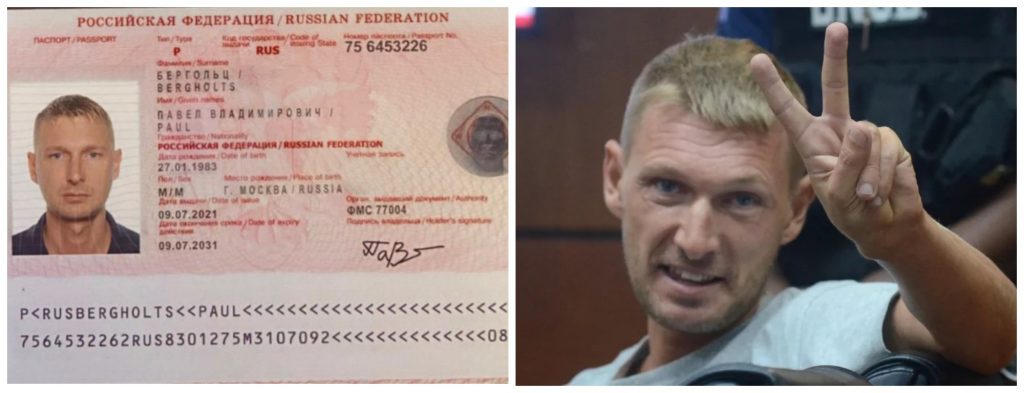
Source: Canna Reporter / El Día
Berezin's detention turned out to be no accident. One of the people who publicly pointed his finger at him was former JuicyFields security chief Igor Kekshin. He previously served in the St. Petersburg police and, according to media reports, served in the Wagner PMC. Kekshin was interrogated by the police in Berlin, and later he gave public interviews in the media. It was he who stated that Berezin was behind JuicyFields - his testimony actually coincides with the words of DW’s source.
Stolen money for drone production
In November 2025, in a Spanish court, Berezin admitted that the plantations never made a profit, and management spent money only on salaries and marketing strategy - this cost about 30 million euros.
But most importantly, Berezin said that almost half of the 645 million euros stolen fraudulently were intended for a drone production plant in St. Petersburg. Some investigators, according to the same Spanish publication, even before Berezin’s confessions, claimed that the financial pyramid was supported by the Kremlin and included agents associated with Russian intelligence services and the Wagner mercenary group. Berezin also announced secret partners in Russia, whose names he refused to name before the trial.
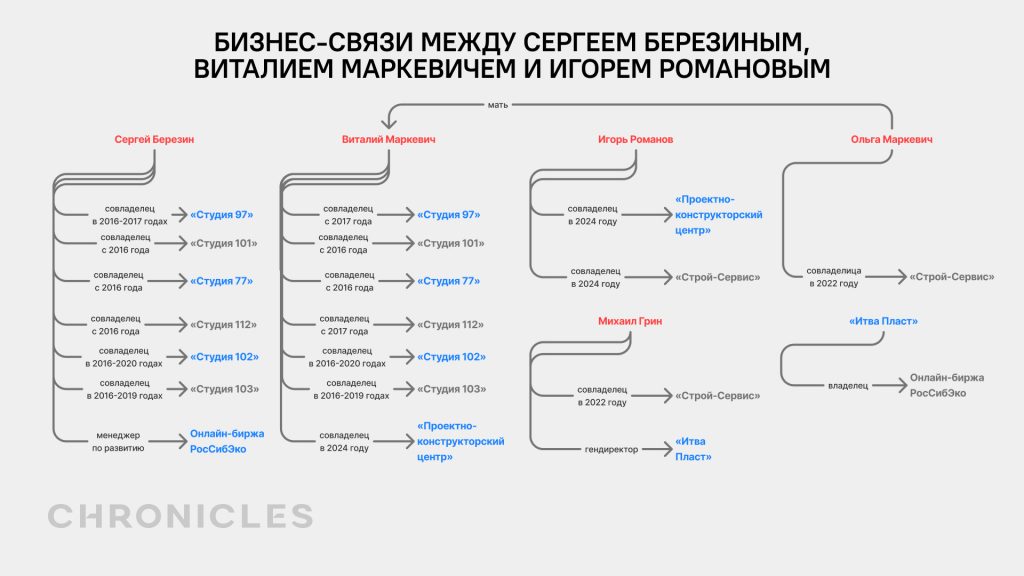
One of the people connecting JuicyFields with the St. Petersburg drone business turned out to be Vitaly Markevich, the same age and long-time business partner of Sergei Berezin. They founded companies together even before the JuicyFields story, and after the collapse of the pyramid, Markevich appeared in the Russian business, specifically related to military equipment and drones.
In 2016-2017, Berezin established several companies with the same names: Studio 77 LLC, Studio 97 LLC and others - only the numerals in the names differ. The documents state that these companies are engaged in restaurant activities and food delivery. The co-owner of many of these companies was Vitaly Markevich, Berezin’s future partner in JuicyFields.
Sergei Berezin in a gray jacket and pink shirt sits at a table covered with a white tablecloth. In the middle of the table is a white bouquet of flowers. Berezin looks very pleased, in his hand is a glass of clear liquid and he clinks glasses with a large dark-haired man sitting opposite. A few other people are having drinks with them—all of these people are invited to the JuicyFields investor dinner.
The man opposite Berezin is Vitaly Markevich. In the WhatsApp messenger, Markevich had a completely different photo: he was sitting at a computer, and behind him was a rifle. After a request from Danish journalists, he deleted this photo.
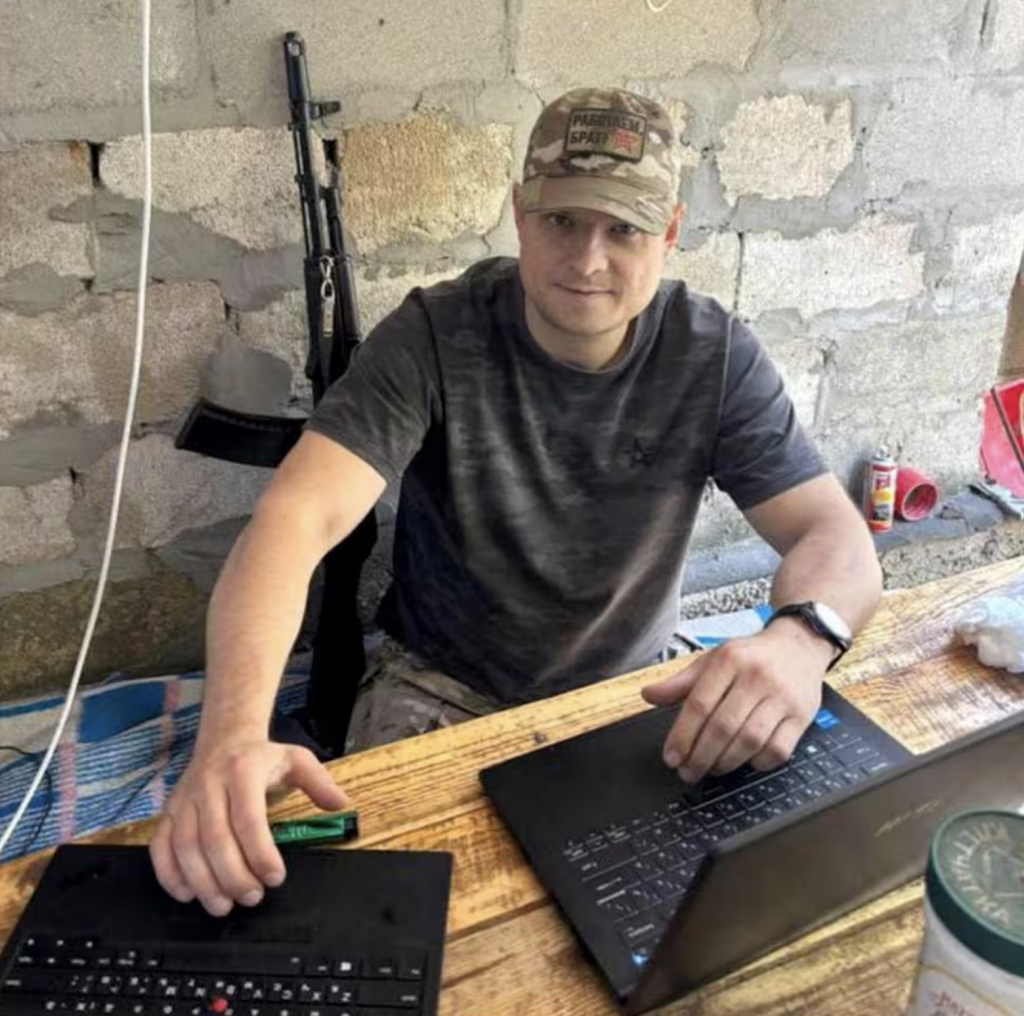
According to journalists, Markevich is suspected not only of the JuicyFields scam - he may also be involved in other fraudulent schemes. But the police failed to detain him during an operation in April 2024. As the Spanish publication ElDiario.es wrote , Markevich was registered as a resident of the Russian House in Berlin - supposedly a cultural center associated with the Russian Ministry of Foreign Affairs. However, by the time officers arrived, Markevich had already disappeared.
Markevich, like Berezin, was born in St. Petersburg. Vitaly Markevich is an IT specialist and businessman, at least he founded several companies. Among Markevich’s companies was Itva Plast, a company associated, according to Chronicles.Media, with a project to attract online investments in waste recycling, which resembled a financial pyramid, RosSibEco. Later, Sergey Berezin also worked at RosSibEco.
At the end of 2023, in the second year of Russia’s full-scale war against Ukraine, Markevich registered the company “Spets PO”. The archived version of this company’s website indicates that it develops reliable solutions in the field of software and military equipment, including firmware for drone controllers. According to data for 2024, the company’s assets amounted to 2.4 million rubles, and revenue - 10 thousand. In 2025, revenue increased sharply - to almost 365 million rubles, and the company's net profit amounted to 150 million rubles. The value of assets has also increased sharply - they are now estimated at 157 million rubles.
"Special Software" is registered in St. Petersburg and is constantly recruiting employees through HeadHunter. Among the vacancies are positions related to the control of electronic equipment and instruments, installation and assembly in the production of drones and... bodyguards. In war conditions, the production of weapons is not the safest business.
In August 2024, for several months, Markevich became one of the owners of an enterprise with the rather self-explanatory name “Project and Design Center for Special Purpose” (PKTSSN), which is located at the same address as his company “Spets PO”. In the fall of 2025, the St. Petersburg publication Fontanka summarized the rating of drone manufacturers in the city. PKTSSN was among three newcomers who rushed into business in 2024. The Center even has its own inventions: in 2024, the company registered a patent for a pneumatic catapult for taking off an aircraft.
The Ministry of Defense flag with the inscription “Victory will be ours” has been published on the PKTSSN website. The archived version of the site for 2024 reported that the “Design and Construction Center” is engaged in the development and production of UAVs, avionics and its own software. Although, as Chronicles.Media found out, the company also states that it is engaged in international logistics and transports goods from China and other Asian countries.
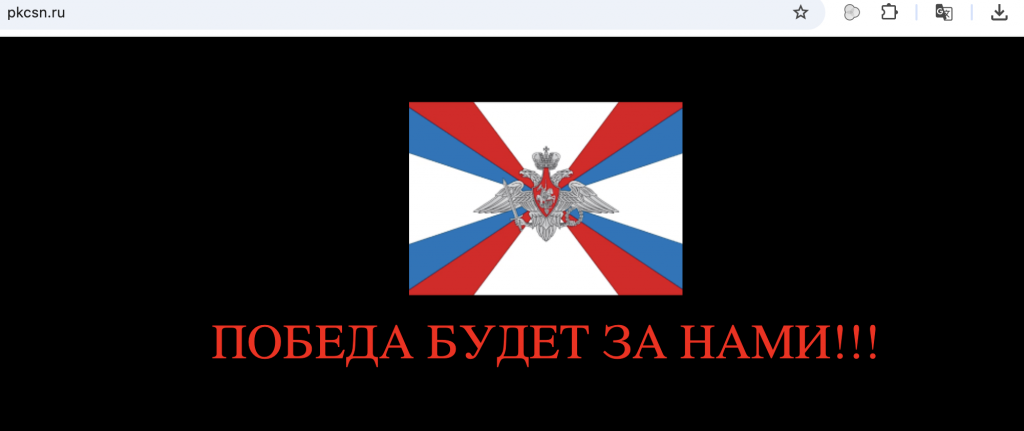
As in the case of SpetsPo, the financial indicators of PKTSSN grew by leaps and bounds. If at the end of 2023 the company’s balance sheet was 115 million rubles, revenue was 9.3 million, and profit was only 92 thousand rubles, then at the end of 2025 the company’s book value was already 4.7 billion rubles, revenue was 4.8 billion, and net profit was 335 million.
Most likely, it was this “center” that Berezin was talking about in the Spanish court when he stated that almost half of the stolen 645 million euros from the JuicyFields pyramid were intended for a drone production plant in St. Petersburg.
The advertisement for the vacancy “UAV assembly fitter” posted by PKTSSN stated that “in a few months we will complete the construction of our own plant in the Parnassus industrial zone with an area of 5000 sq.m., which will house one of the most modern research and assembly enterprises in Russia.”
The company itself was created in November 2022. Its first founders were Igor Romanov and Pavel Kashkin. In 2024, Kashkin transferred the share to Markevich, but a few months later he returned it to himself. Kashkin himself has a drone icon next to his nickname on Telegram, and in his profile there is the war-time track “Rusich” by the group “Kasper”.
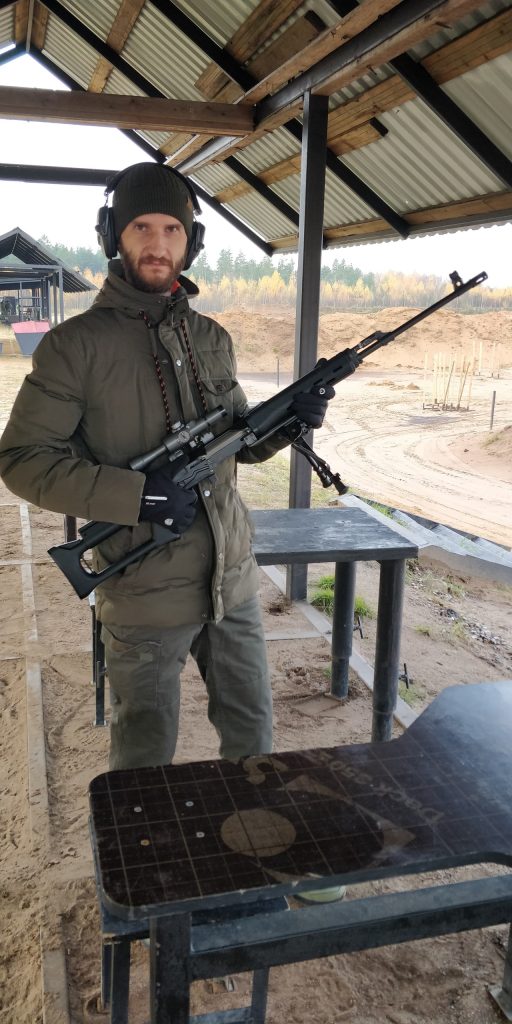
But before we figure out who is now behind the Design and Development Center, it is important to return to Berezin himself. His statement about the drone factory did not come from a random participant in JuicyFields - by the time the marijuana pyramid collapsed, he already had a history of business projects built on a similar logic - virtual assets, promises of high returns and payments to first investors at the expense of new ones.
Berezin and its pyramids
In 2020, Berezin communicated on Telegram from the account @weedmafiarussia - literal translation of “Marijuana Mafia of Russia.” In 2026, the thin, blond Berezin should turn 42 years old. In photographs from the courts, he shows the victory sign at the camera. Berezin promised to provide the Spanish police with documents and records that would help in the investigation of the JuicyFields pyramid.
Sergei Berezin was born in Leningrad into the family of physicist Arseny Berezin, who worked for many years at the Ioffe Physico-Technical Institute. But he did not follow in his father’s scientific footsteps and went into business. Already at the age of 20, he registered several companies - one of them was engaged in software development and consulting in this area.
At the very beginning of his career, Berezin worked for an organization that closely resembled a financial pyramid. In 2011, he was a sales manager at RosSibEco. The company’s archive website states that RosSibEco is engaged in purchasing waste paper, cardboard, film, plastic and various polymers. In 2014, the company changed owners and concept: the new website already reported that RosSibEco is an online exchange of secondary raw materials that allows you to turn waste into income. Users were offered to receive hundreds of percent per annum for investments in plastic processing.
“You virtually buy recyclable materials, just like in a toy you send them for recycling, and in about a month and a half you can get your investment at a profit,” one of the reviews described the company’s work. As in the case of JuicyFields, investors received some income, but then “the project fizzled out.” It is not known exactly about the project’s defrauded investors, but the project was called a “scam” online.
Former JuicyFields security chief Igor Kekshin also alleged that Berezin participated in the creation of the Reciclix financial pyramid in Poland. His main accomplice in this scam, Lithuanian Alexander Suranovas, was previously arrested for sending parcels with explosives via DHL.
All this shows that JuicyFields was not a random phenomenon, but part of a longer chain of fraudulent schemes involving “virtual” goods and rapidly changing partners.
Traces to the billionaire's entourage
The Fontanka publication named Igor Romanov as the main owner of the Design and Design Center - another St. Petersburg resident born in 1984, who registered many different types of businesses in different areas, like Berezin and Markevich. His companies operate in the agriculture, property management and construction businesses.
But traces from PKTSSN lead to St. Petersburg billionaire Alexander Kashin, owner of EGO-Holding, which includes companies in the defense sector.
Thus, Igor Romanov was the owner of the Stroy-Service company in 2019-2024. In 2022, for several months, he shared the company with business partners Sergei Berezin and Vitaly Markevich. In 2024, Stroy-Service was reorganized by merging with the Kronstadt company, which was previously owned by Alexander Kashin’s daughter Maria Tisevich.
In turn, the general director of PKTSSN Vadim Kozhevnikov, according to Chronicle.Media, several years ago worked as the commercial director of the joint-stock company Marine Navigation Systems, which is part of the Kashin holding.
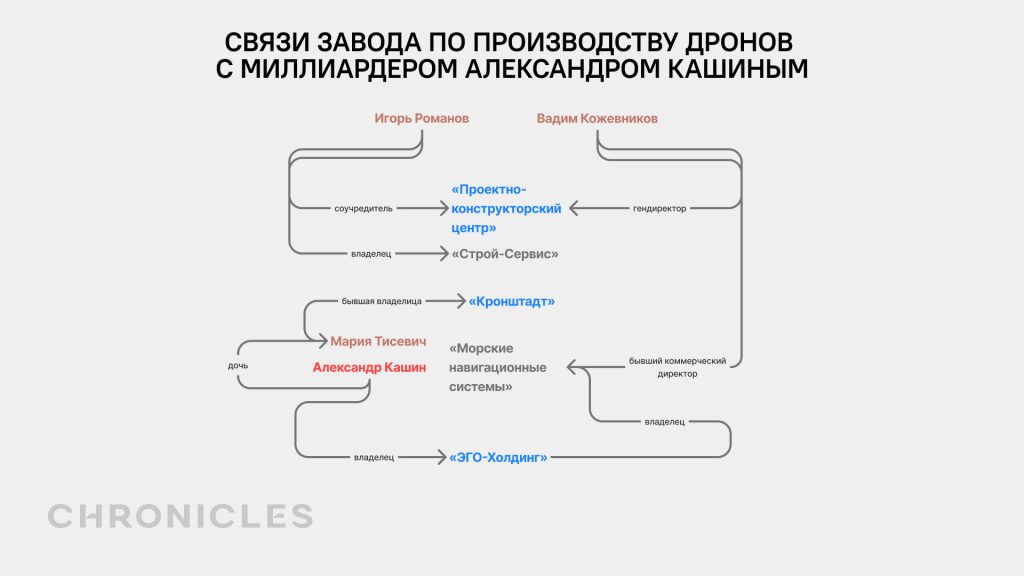
Since February 2026, the owner of PKTSSN has become the closed mutual investment fund "Rodolit" under the management of the company "RK Invest" of entrepreneur Oleg Balan. This form of ownership allows you to hide the real owners. Vadim Kozhevnikov remained the general director of the company.
The above-mentioned Kronstadt company, associated with the daughter of Alexander Kashin, and the industrial building on Domostroitelnaya Street, 16B, in which both the Design and Construction Center and Special Software are located, are also registered with closed investment funds managed by Oleg Balan.
***
Дело JuicyFields все еще рассматривается в судах, но шансов на то, что обманутые инвесторы вернут свои деньги, мало — особенно если хотя бы часть средств действительно оказалась в России.
JuicyFields продавала европейцам виртуальные кусты медицинского каннабиса. Один из предполагаемых организаторов пирамиды теперь утверждает, что значительная часть похищенных денег предназначалась для дронового завода в Петербурге. Найденные «Хрониками.Медиа» связи ведут к компаниям, которые на фоне войны резко нарастили прибыль, а затем были переоформлены на закрытые фонды, чтобы увидеть их конечных владельцев было невозможно.
Михаил Михневич, Ольга Соколова, Александр Шуршев