
Translated material
"The SVO will wash everything away." In Altai, a war participant brutally killed a teenager
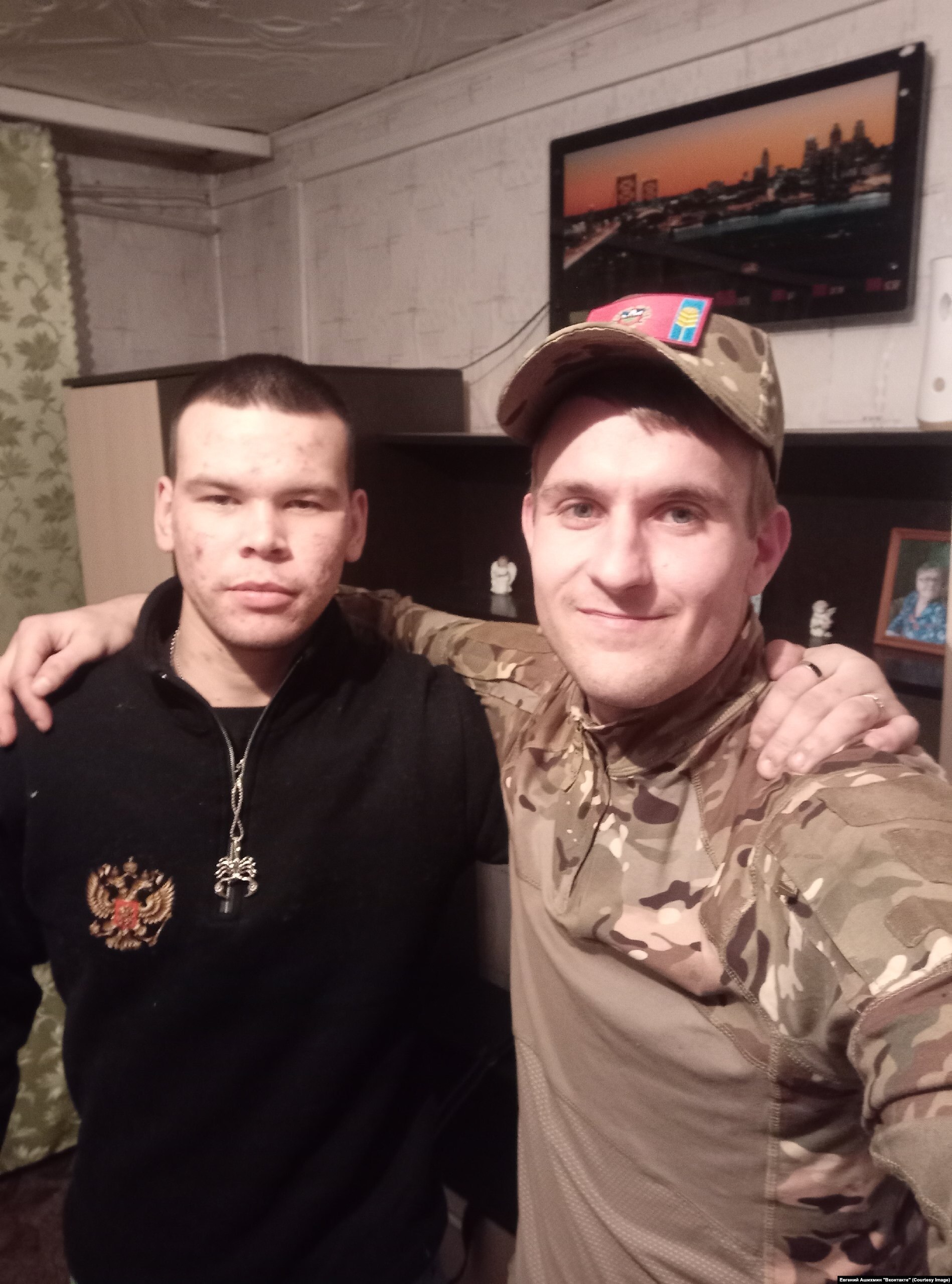
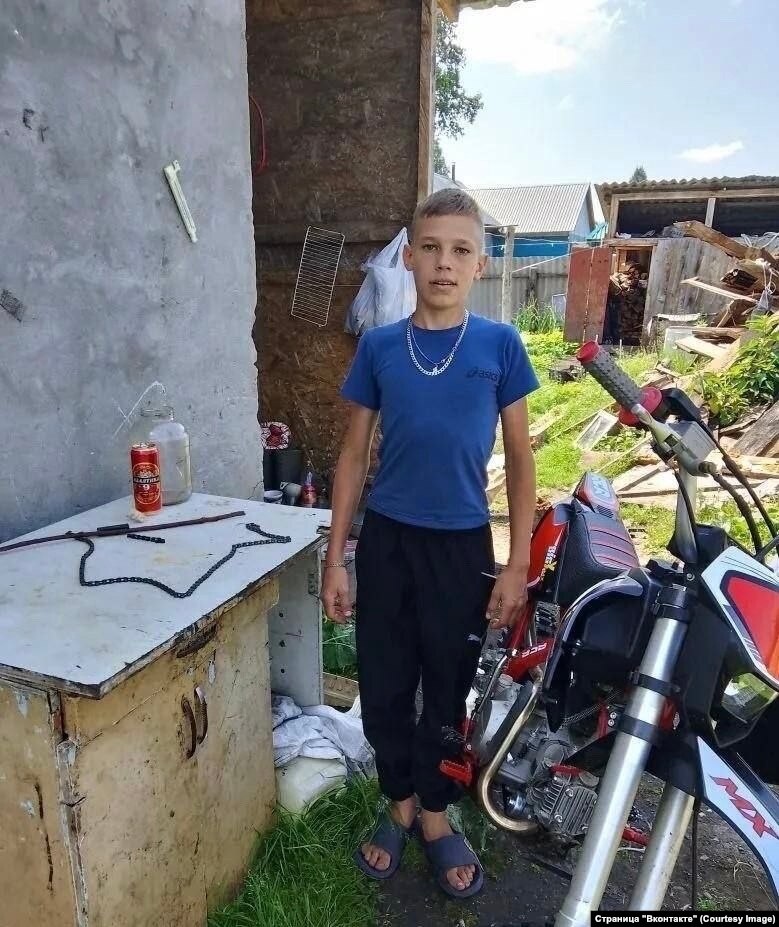
In May, in the Altai village of Ust-Isha, war participant 22-year-old Evgeny Ashikhmin killed 15-year-old Anton Zyablitsky. As it turned out later, Zyablitsky’s father and brother also fought in Ukraine, but did not return: one went missing, the second died. The village is located on the Chuysky tract, built “on bones” Prisoners who died from overwork and poor living conditions were often buried right under the road. - prisoners in the 1930s. The famous Vasily Shukshin was born and lived nearby. But in his completely realistic works about life here there were no such gloomy subjects.
For the safety of the characters in the text, the editors have changed their names.
“The mouth is taped shut, the lips are in shreds...”
On the evening of April 16, Anton Zyablitsky met his neighbor Evgeny Ashikhmin and his 40-year-old acquaintance Vitaly. Ashikhmin spent several months at war in Ukraine, and came to Ust-Isha on vacation. They went to visit Vitaly, where they drank until the morning. In the morning, people gathered at Vitaly’s house - they already knew that Anton had been brutally killed. Soon Anton’s mother Tatyana came running to the house, missing her son at night: she thought that her son was sleeping.
“We can only judge what happened between them from Ashikhmin’s words,” says Zyablitsky’s relative Boris. “He told the district police officer that Anton allegedly began to insult his parents. We were only able to bring Anton’s mother under sedatives to the coffin. The coffin was open: the eyes were taped shut, the mouth was sealed, one eye had essentially been poked out. Everything is punctured. There is a cut from ear to cheek, lips in shreds, face in meat...
Later, the media published a video that Evgeny Ashikhmin sent to his friends immediately after the murder of the schoolboy. He himself appeared in the frame, and also filmed Vitaly sleeping on the sofa and Anton’s body lying in the corner. The victim's relatives insisted that Ashikhmin and his acquaintance Vitaly deliberately tortured the teenager before his death. The Investigative Committee circulated a version according to which Ashikhmin began to beat the offender with a knife, and he tried to cover himself with his hands - hence the numerous cuts on his hands.
After the murder, Evgeniy and Vitaly tried to hide the traces of the crime - they washed away the traces of blood, burned the clothes and were going to throw the body into the river, but a fellow villager came into the house in the morning - he wanted to get over his hangover. Seeing the corpse and that the whole house was covered in blood, he immediately ran away.
Realizing that the murder could no longer be hidden, Ashikhmin himself called the police. Now, according to the official version, Ashikhmin voluntarily declared his crime and surrendered to the security forces, and Vitaly is generally a witness in the case. Zyablitsky’s relatives are sure that he participated in the crime - together with Ashikhmin they allegedly tried to cut out the teenager’s tongue. But it worked or not is unknown.
“This Vitaly lived in the village, with relatives,” says Boris. - Just in this apartment. After all this, the owner came and kicked him out. Now it is unknown where he is. I heard that local teenagers then beat him up because of Anton. But somehow I had no time for that, the funeral... I knew Ashikhmin, but not closely: I just knew that there was such a person in the village. He even came to us and complained that his father was scolding him for hanging around the village and not working.
The propaganda channel NTV aired the show “Beyond the Boundary,” whose participants also came to the conclusion that Ashikhmin hardly committed the crime alone, and his acquaintance Vitaly was probably also guilty. The fact that Ashikhmin was a participant in the war was kept silent in the program, but after its release the Investigative Committee reclassified the case under a more stringent article - murder with particular cruelty, committed by a group of people.
The mother of the murdered teenager was brought to administrative responsibility because the minor did not spend the night at home and drank alcohol from strangers.
“The whole village is afraid that he will go to the Northern Military District”
Anton Zyablitsky was buried next to his 25-year-old brother Alexei Bogdanov, who died in January 2025 in the war in Ukraine. Zyablitsky’s father Alexander disappeared at the front there, and the family doesn’t even know whether he managed to take part in the hostilities.
“Alexander last contacted me in July,” says Boris. - There was such a situation... We transferred money to him, transferred money - for equipment, for one thing, for another. Then we got tired of it - the amount was already too large - we stopped transferring to him. He also said that his password for the card did not work. His wife then went to the bank and was given a printout of the transfers. It turned out that they were not released from the unit until they went on their first combat mission. He gave his card to a friend, and he spent money from it. The wife wanted to go to the police, but he called and said, no need to go, he and the head of the unit will solve everything, his comrade will return all this money to him. And that was it, that was the last time he got in touch. We don’t even understand whether he went on a combat mission or not. At the military unit they didn’t say anything, but they made inquiries through the military registration and enlistment office - they said that he had disappeared from his combat post.
Evgeniy Ashikhmin’s page disappeared from the Vkontakte social network, and his relatives refused to answer questions from the Sibir.Realii journalist.
“Yes, he seemed calm,” says one of the residents of Ust-Isha, Inna . “I know that I wrote to some girls here in the village, I wanted to meet them.” But not fate, apparently. I volunteered for the Northern Military District, but I won’t say exactly why. Apparently, like everyone else - to protect the homeland, and make money at the same time.
22-year-old Ashikhmin graduated from the Polytechnic College in Gorno-Altaisk, receiving the profession of a welder. In 2023, it was reported that 21 graduates of this college had already died in Ukraine - now there are probably many more. The college leadership in the fall of the 23rd organized the grand opening of the “Book of Memory” within the walls of the institution.
After the murder, Ashikhmin was put in a guardhouse. According to Russian law, he has the opportunity to go to the front again.
“Now the whole village is afraid that he will go to the Northern Military District again,” says Boris. - No matter who I talk to, everyone thinks about it. Initially, the case was opened under Article 105 - simply murder. It doesn't even mention that a child was killed. And he can go on contract again, and SVO will write off everything, SVO will wash everything away. Then he will return on vacation again. What's next?
Examples of convicts going to war against Ukraine are known in Ust-Isha. For example, in December 2024, 40-year-old Sergei Sidorov, who enlisted at the front from a colony, died in the war. Sidorov was born in Ust-Isha, graduated from school there, but subsequently moved to the Maiminsky district of the Altai Mountains, which borders the Altai Territory. He had convictions for theft, illegal possession of weapons and sexual assault. Details of the latest crime are not available on the court’s website, but, according to leaked data, in 2021, Sidorov and his comrades raped a man in the village of Ust-Kan on the banks of the Charysh River.
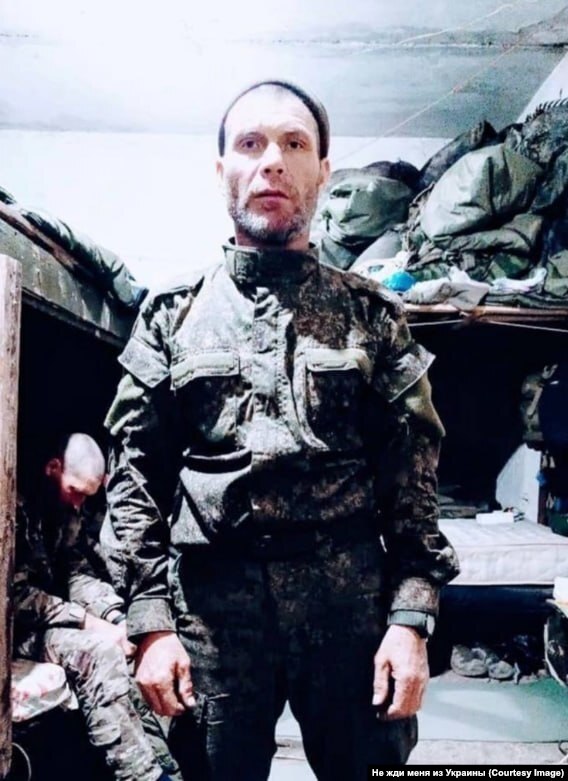
Another resident of Ust-Isha, 48-year-old Alexey Sitnikov, who died in the war, was also convicted several times. Sitnikov was tried for illegal possession of marijuana, which he grew in his garden. In October 2024, Sitnikov disappeared at the front, and three months later his relatives began looking for him with the help of fortune tellers and psychics in a special telegram chat. Most psychics came to the conclusion that Sitnikov was dead. This was confirmed in October 2025 - a year after the disappearance.
"Most likely there are more dead"
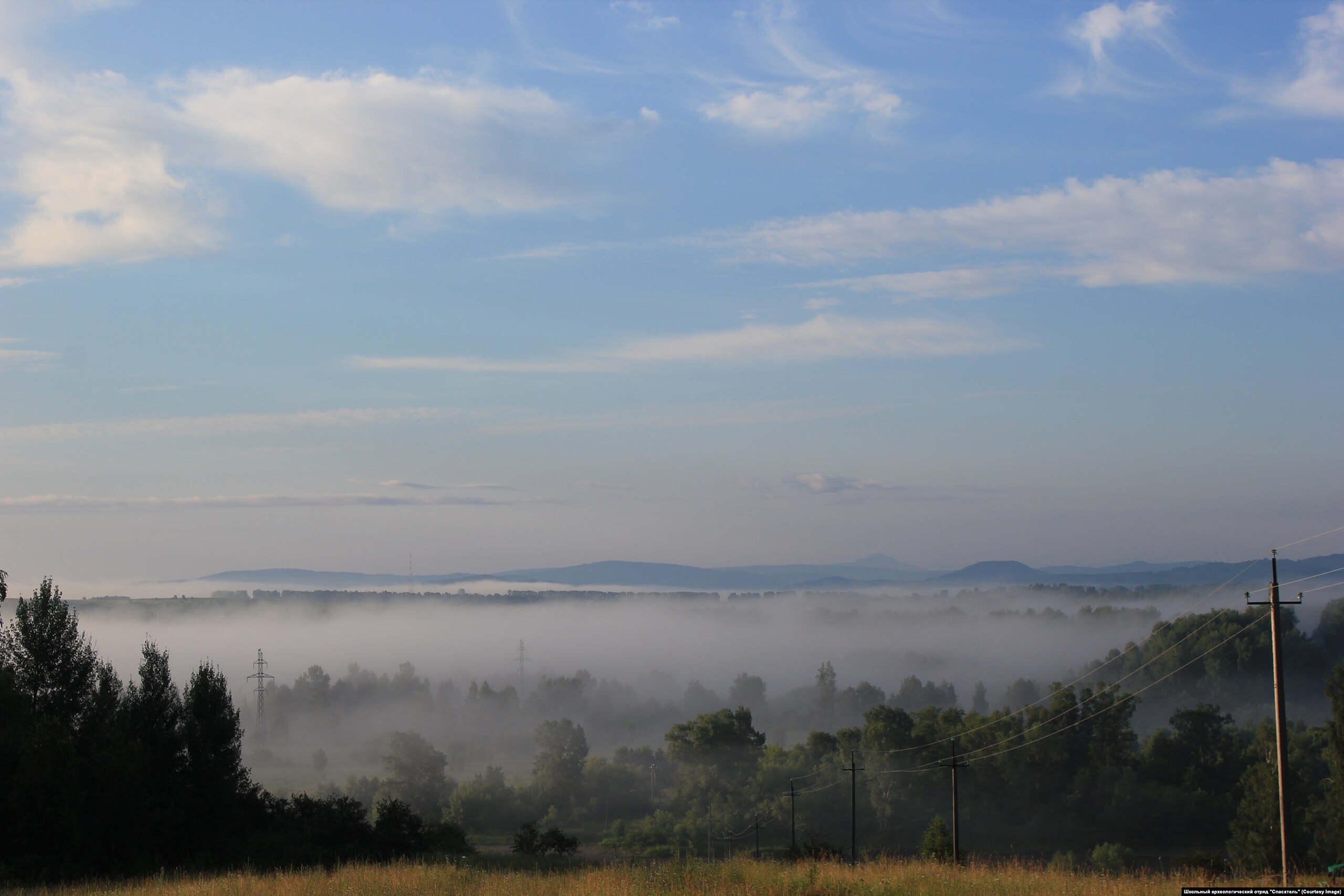
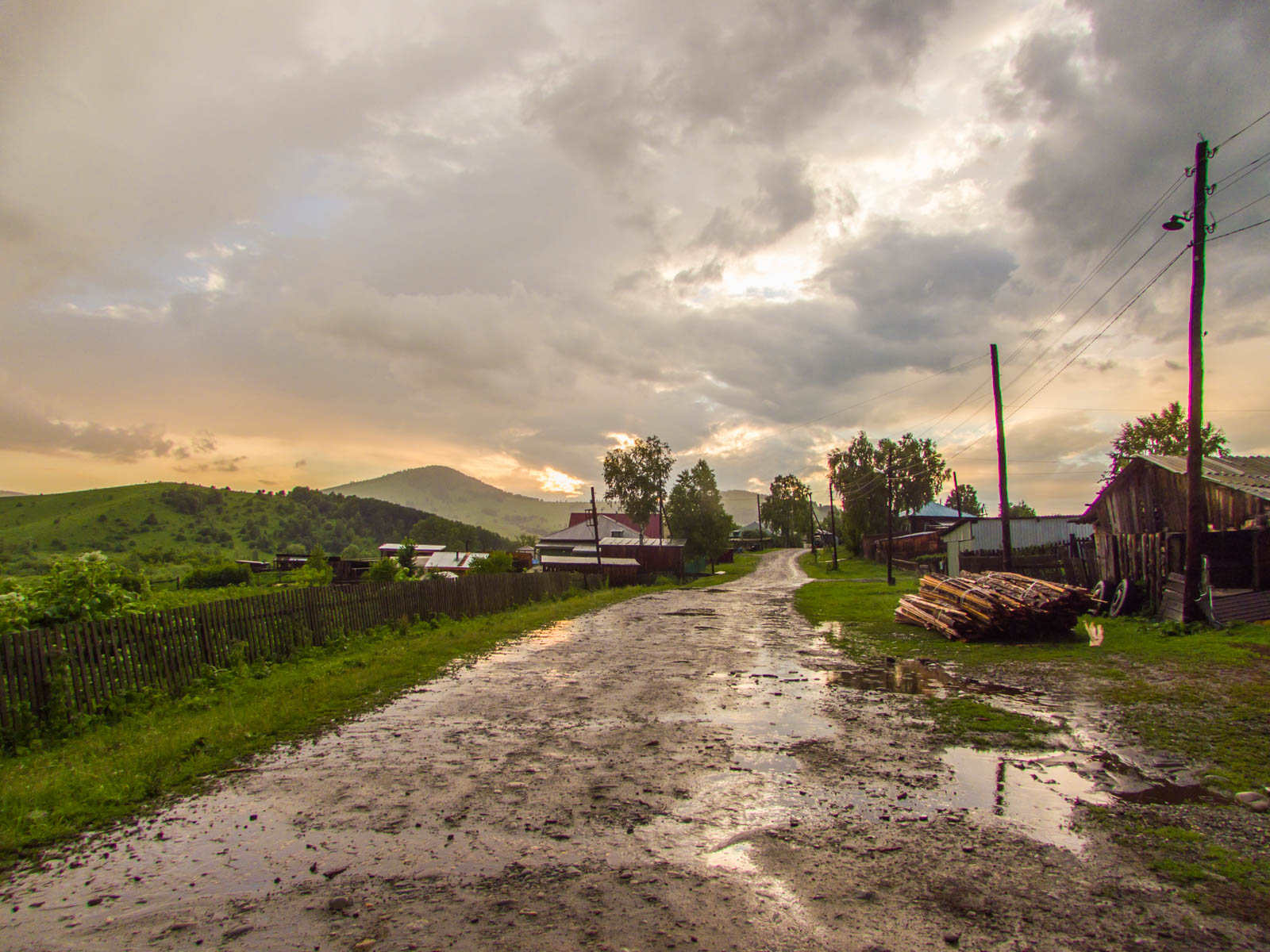
Ust-Isha (population 1,300 people) is located seven kilometers from the federal highway R-256, better known as the Chuysky tract. Several streets, a school, a water pump, a church and a kindergarten - this is what this village looks like in 2026. The Isha River flows right through the village, and a little to the west - the mighty Katyn. On the outskirts of the village there are hills covered with greenery.
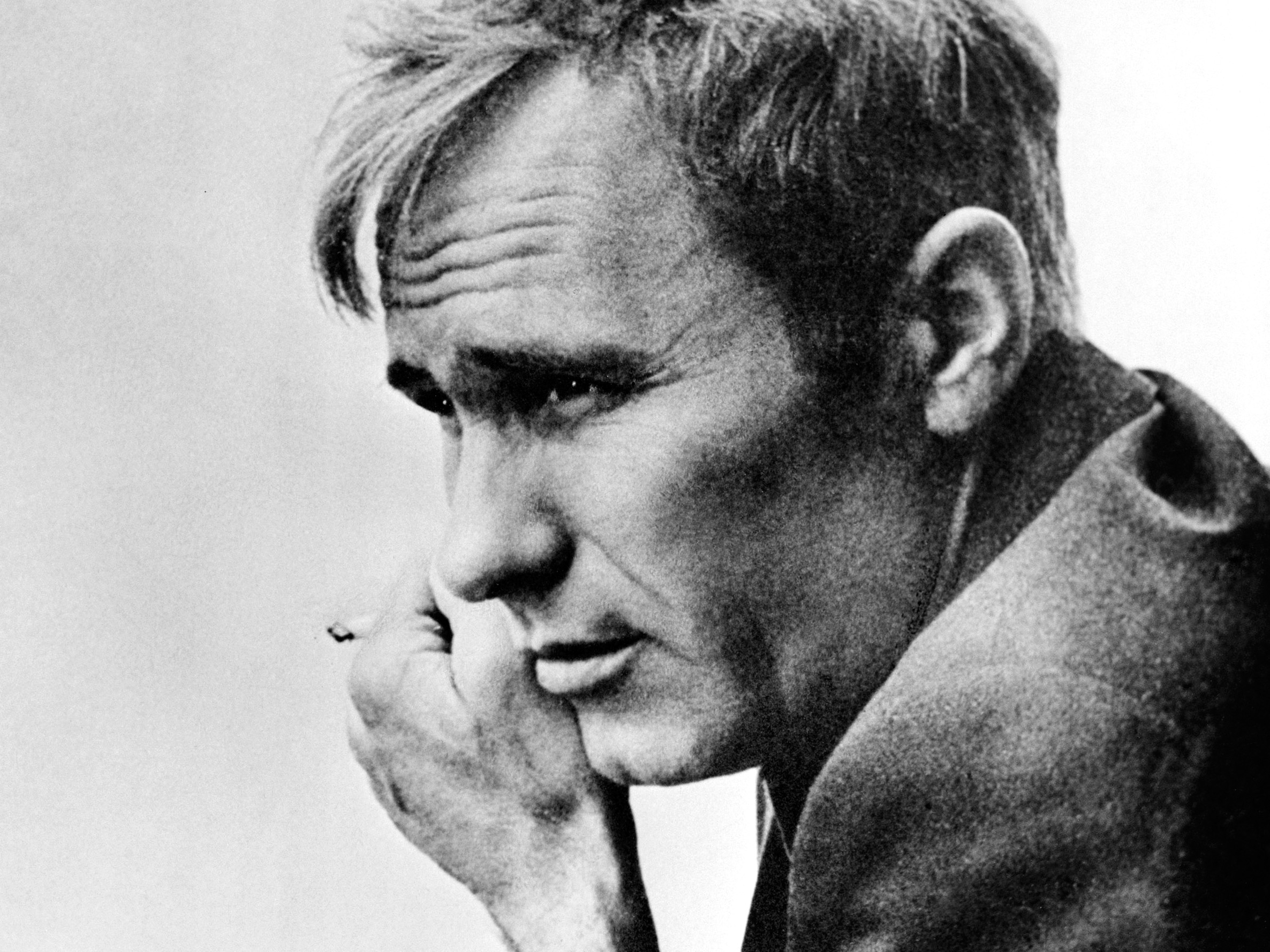
About 30 km from Ust-Isha is the village of Srostki, where the famous Soviet writer, director and actor Vasily Shukshin was born. A school teacher from Ust-Isha, Anatoly Yartsev, said that he met Shukshin during the filming of the film “Stoves and Benches” in the village of Shishkin Log on the other bank of the Katun.
“I don’t know when he slept: he ran around the set during the day, wrote at night,” said Yartsev. “When there was a pause in this work race, Vasily Makarovich fell into depression, which frightened me. “My soul hurts, Anatoly Lukyanovich,” he told me.”
Much of Shukshin’s work is dedicated to his native places - the picturesque land on the border of the Altai Territory and the Altai Mountains, where the Chuysky tract passes. For example, in the 1964 film “There Lives a Guy Like This,” the main character Pasha Kolokolnikov stays overnight with a colleague, and the hostess tells him that before World War II, local residents saw signs: they said that near the village of Freedom Valley, neighboring Ust-Isha, a young driver met a naked girl who asked him to buy a white cloth. “It was death that walked the earth, looking for a shroud,” explained the hostess. Death in the film was played by Ukrainian actress Lydia Chashchina, Shukshin’s wife at that time.
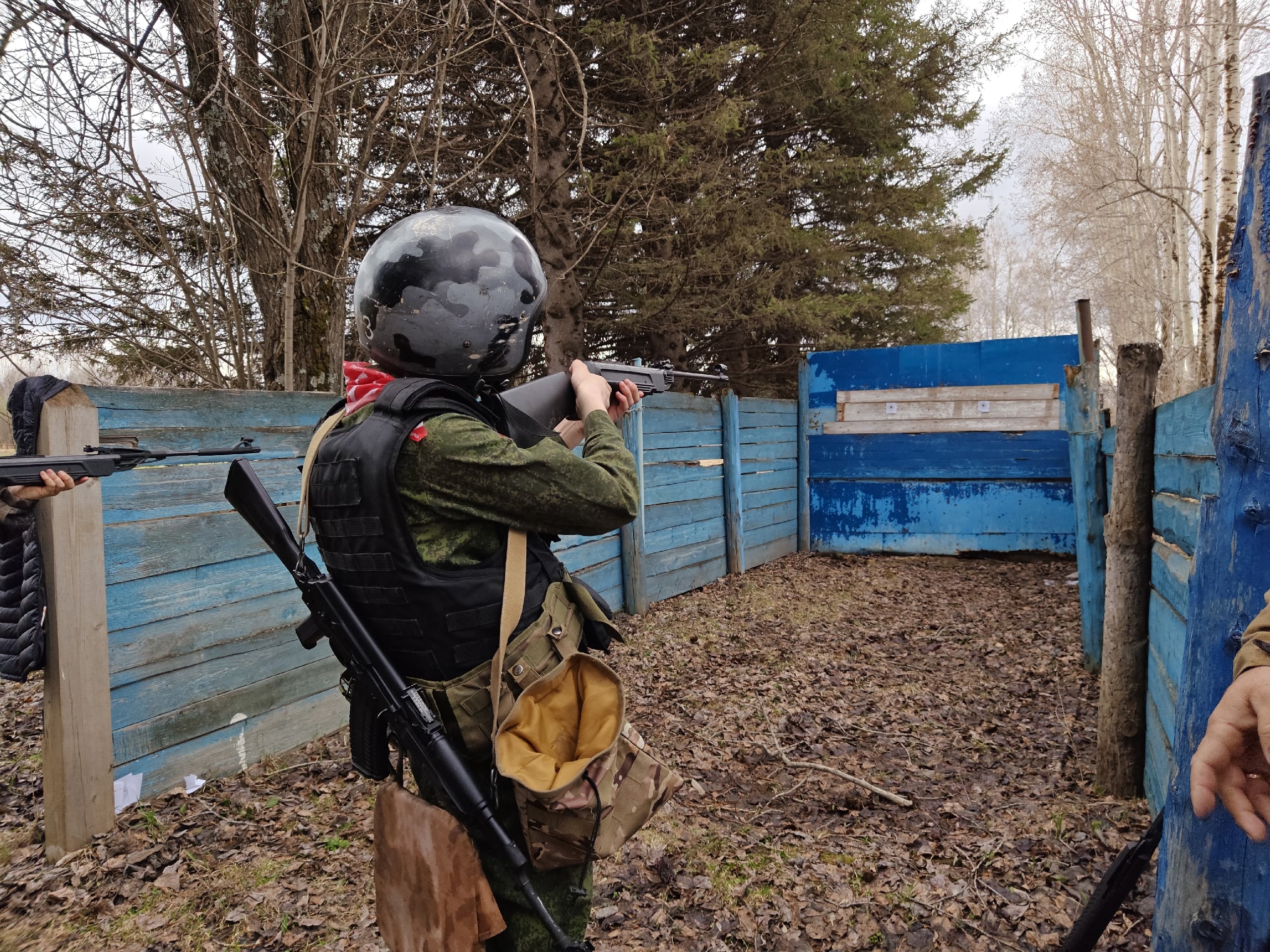
There are now many signs of war in the area. The Ust-Ishinsk school regularly hosts military games "Zarnitsa", where participants in the invasion of Ukraine are invited as guests. Everything is thoroughly organized: children shoot at targets at a special training ground, walk in formation and assemble machine guns.
Recently, a “battle of choirs” took place at school, where children’s teams sang songs by “patriotic authors” - Denis Maidanov and the group “Lube”. The event was also attended by war veteran and school graduate Timofey Dymov.
“We have quite a lot of people in the Northern Military District,” admits Polina, a resident of Ust-Isha. - Everyone has friends who are either still there or who died. I personally know five of the dead from Ust-Ishi, but most likely there are more.
"If you don't like it, leave"
Ust-Isha is the administrative center of the Ust-Ishinsky village council, which, in addition to the Freedom Valley, includes two more tiny villages, Gorny and Karaguzh. These villages were founded in the mid-19th century, obliging local residents to work 12 days a year on the development of large roads - for example, the road from Biysk to Gorno-Altaisk.
Liberty Valley appeared in the 20s as an agricultural commune. However, in 1925, a flood destroyed the crops and the commune had to be dissolved. At that time, a syphilis epidemic was raging in neighboring Ust-Isha. During collectivization, there were protests against Soviet power in these places: in 1930, peasants gathered in the village of Proletarsky to demand the dissolution of the agricultural artel. One of the protesters suffered from an epileptic attack. His comrades thought that he had been killed, after which riots began. The management of the artel had to flee to Ust-Isha until the rebels were dispersed by the army.
In the 30s of the last century, when the Chuysky tract was made the next “construction site of the century,” 12 thousand prisoners who lived in inhuman conditions worked on the construction as part of the Seventh Section of the Siblag NKVD. Those who tried to escape from the construction site were chased by dogs. The dead were often buried right on the side of the roads.
“Yes, we had everything here,” says local resident Vasily . “Now, compared to this, nothing terrible is happening.” In general, nothing will ever change here. The place is harsh, but you can live. Here is the Chuysky tract nearby. If you don't like it, leave.