The case of Alexei Suhobokov: sentence for talking about the Crimean Bridge and life after the colony
18+ This material (information) was produced, distributed and (or) sent by a foreign agent Media project “New Tab” or relates to the activities of a foreign agent Media project “New Tab” Author Oleg Dmitriev June 16, 2026 read: 18 min.
When a warehouse worker in Tver, Alexey Suhobokov, discussed the explosion on the Crimean Bridge with a fellow driver in the fall of 2022, he did not think that he would have to remember this small everyday conversation more than once. Even when a criminal case was opened against him for “justifying terrorism,” Alexey was confident until the last minute that he would be released, because “they can’t put him in prison for an opinion.” He was shocked by the sentence - 2.5 years in prison. But when he was released after serving time, it turned out that prison was not the worst thing. New Tab journalist Oleg Dmitriev met with Alexei Sukhobokov a year after his release and found out why it was easier for him to sit in prison than to live in freedom with the stigma of a terrorist.
“Only this house remains”
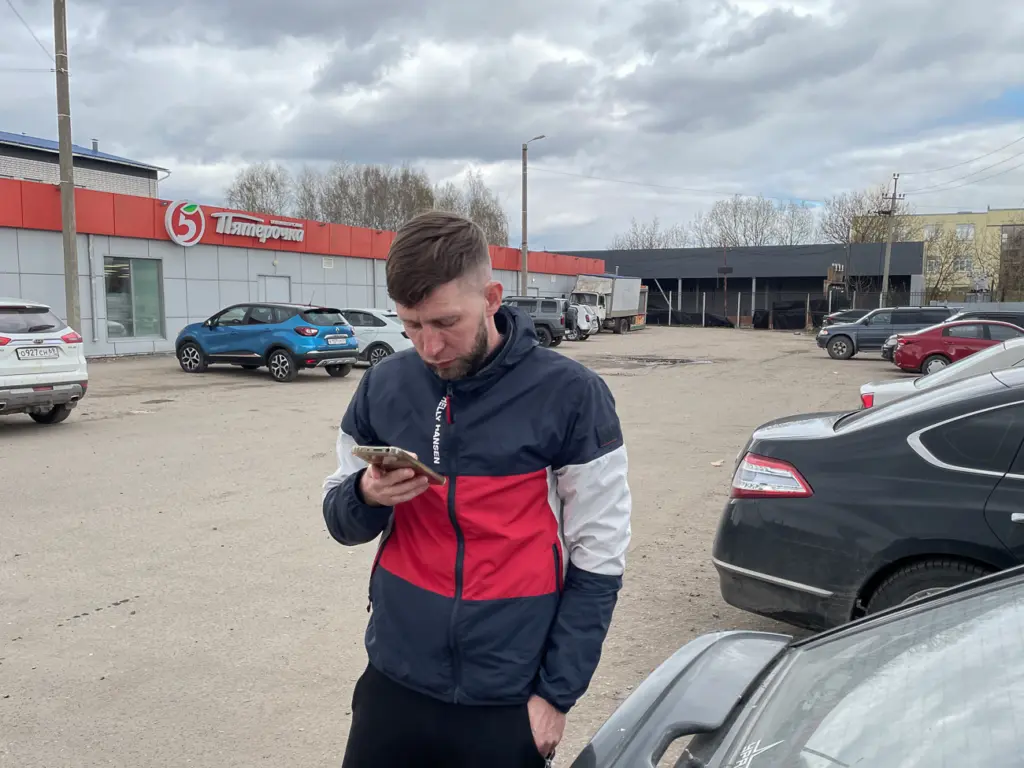
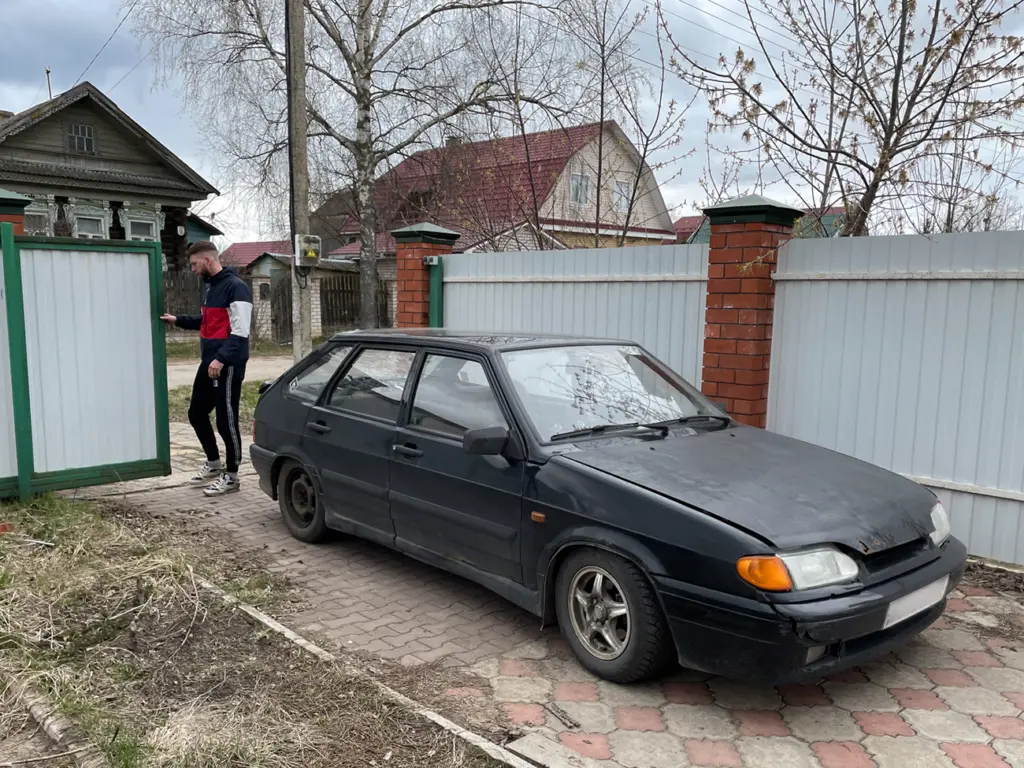
-Where are we going? - Alexey asks, meeting me at the railway station in Tver in a black Lada-2114. And then he warns: “But I’m not allowed in the cafe due to the rules of supervision.”
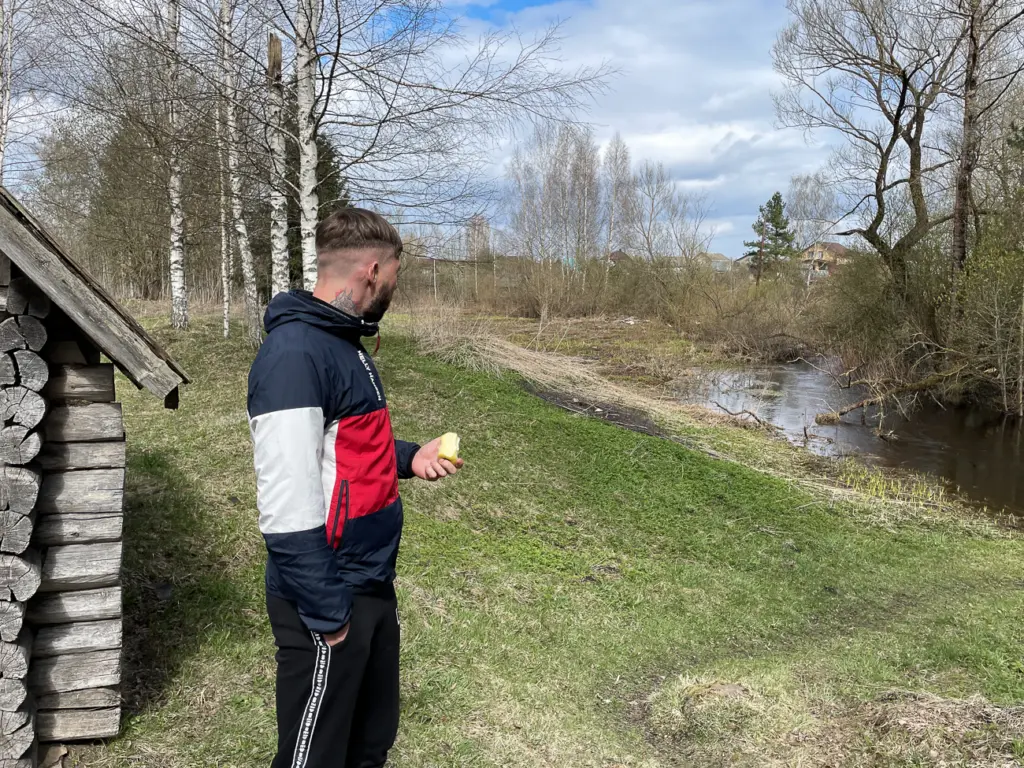
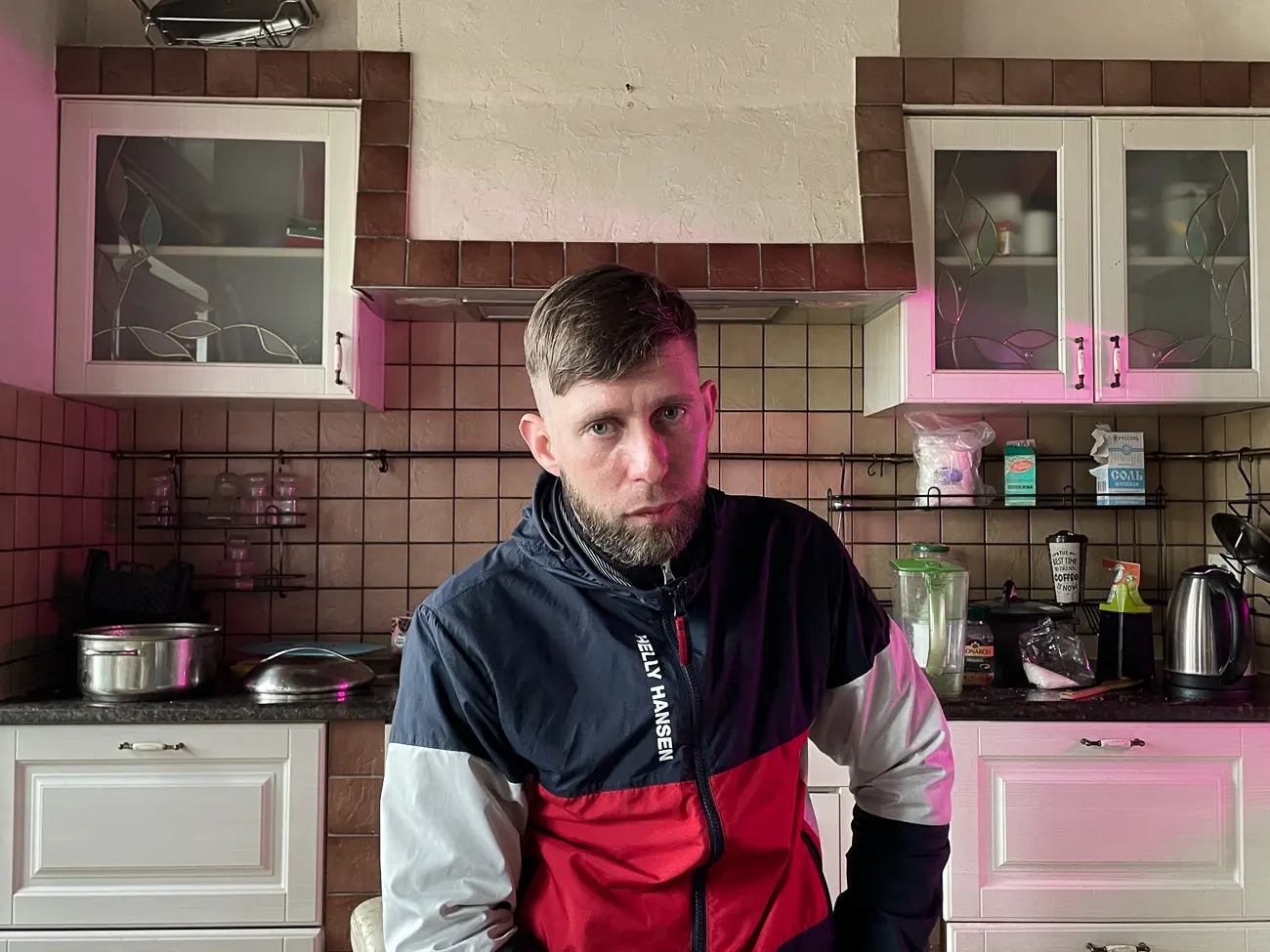
Sukhobokov is 40. He has a beard and a tattoo of a dog on his neck. Dressed in a tracksuit.
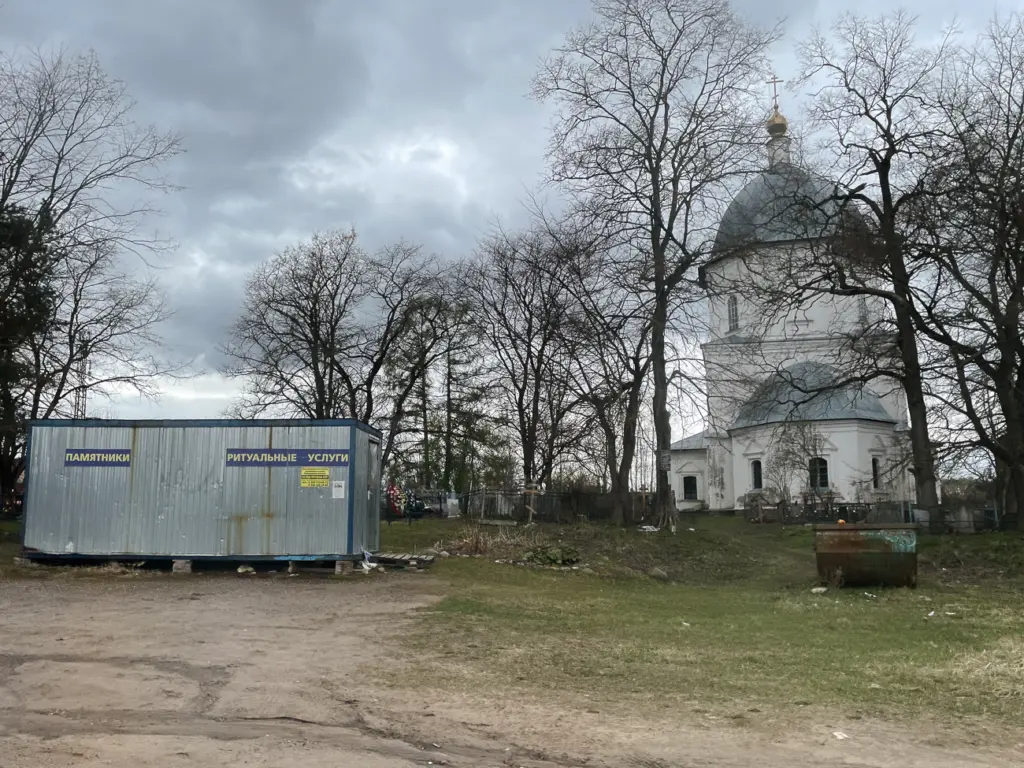
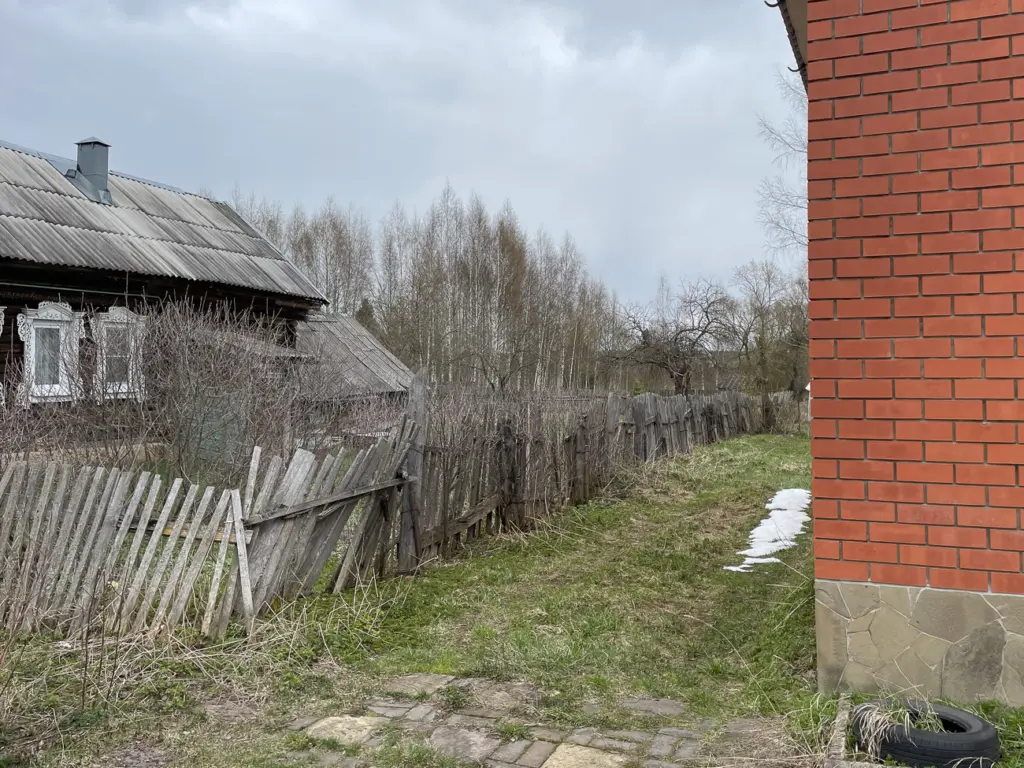
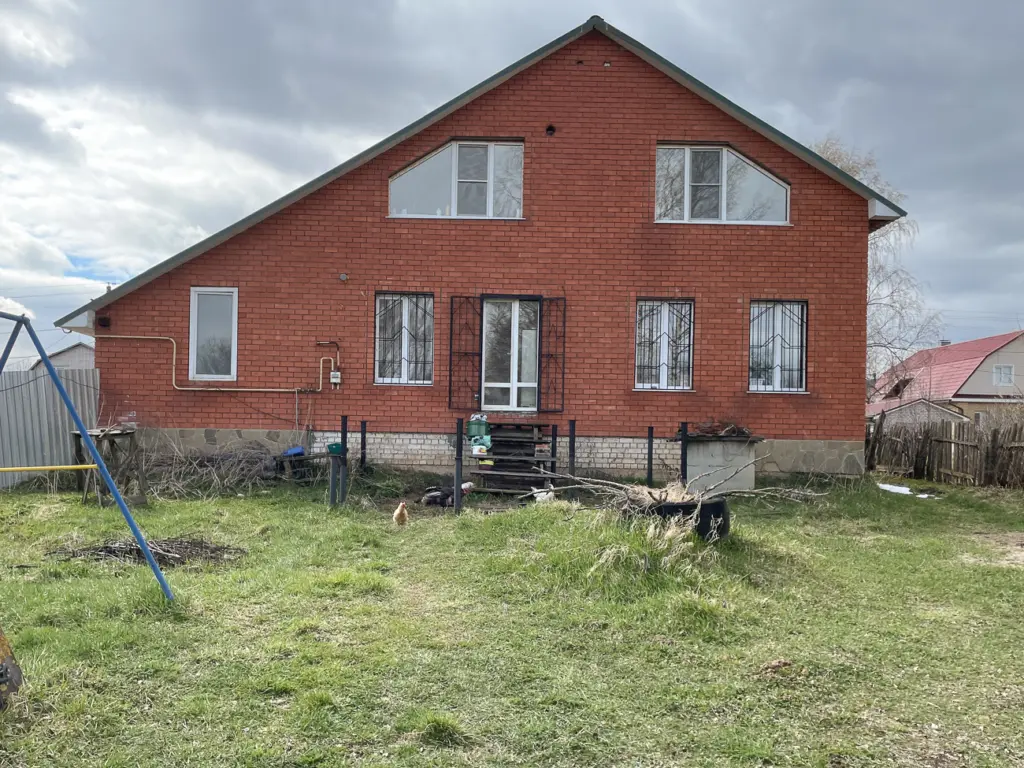
The rotten floors in the car “bounce” over the speed bumps as we drive up the bumpy road to the village of Vasilyevskoye, 17 kilometers from Tver. A couple of turns from the white temple is a two-story house, there are only two of these brick houses. The huge plot is surrounded by a rickety wooden fence - one shared with a neighbor, the greenhouse is destroyed, the beds are dry. There used to be a vegetable garden here, but after Alexei’s arrest the area fell into disrepair.
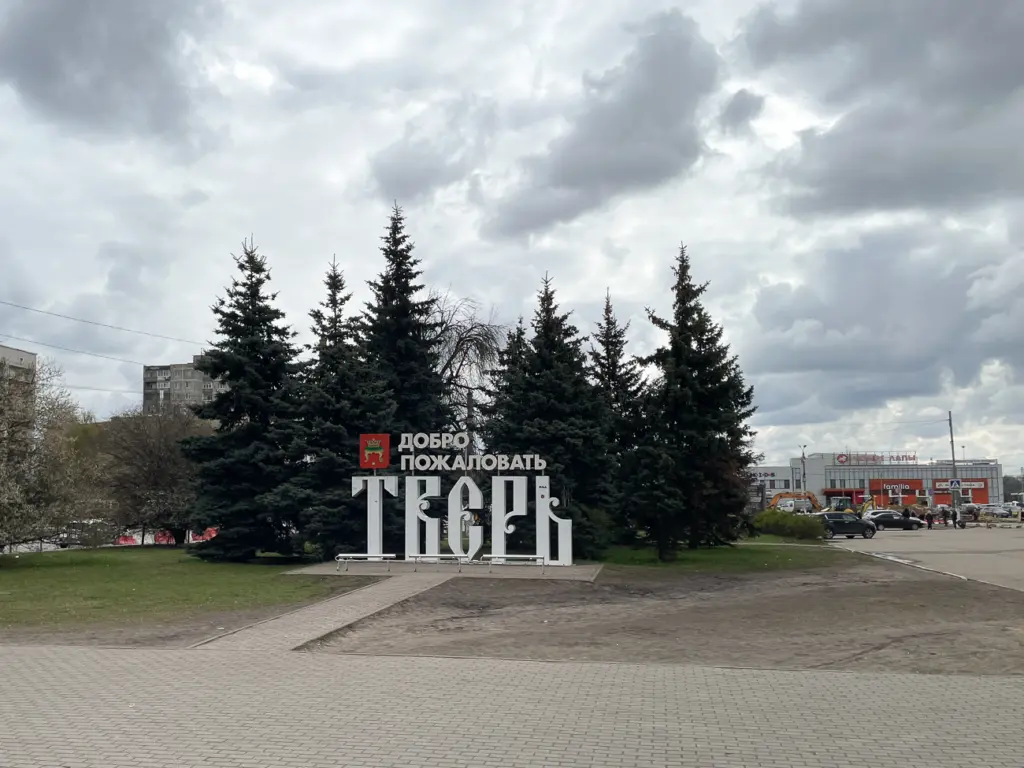
Stele “Welcome. Tver" with the image of the city's coat of arms was installed on Station Square in 2017
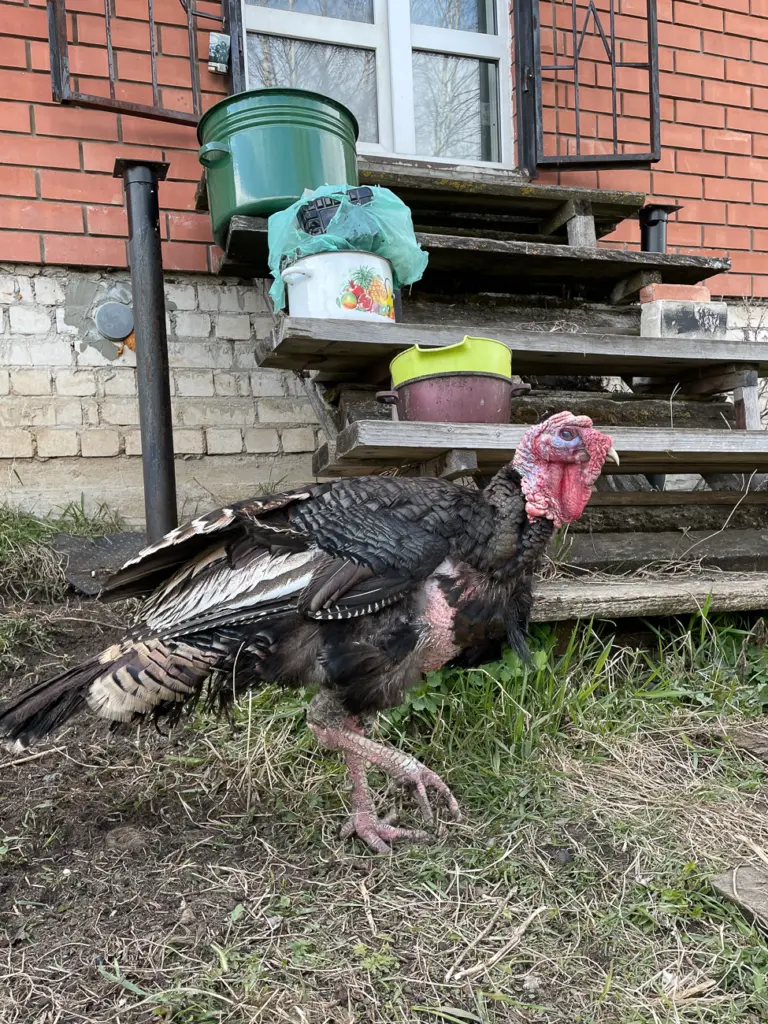
Three chickens and a turkey are running around in the yard. Laying hens almost no longer produce eggs and live with Alexey as pets. He doesn’t want to let them be eaten and even plays with them: he runs away and allows them to catch up with him.
I ask if he is a vegan, remembering that in 2024 in South Korea, local Russian-speaking communities of feminists and vegans organized an evening of letters to political prisoners and, among others, were going to write to Sukhobokov.
- Nevermind! I haven't even heard about it. But no, I’m not a vegan,” he is surprised when he hears about the letters. They were not handed over to him in the colony.
Alexey knows nothing about feminists: “Are they the ones against men?” I have to explain. He likes the desire of women to fight for their rights and safety.
In the courtyard of a house in Vasilievsky
The family got a house in Vasilyevskoye in 2009 thanks to Alexey’s second stepfather. Now Suhobokov lives here with his mother.
“Everything has collapsed, only this house remains,” he states, leaning against the door to the courtyard.
The human rights organization Memorial recognized Sukhobokova as a political prisoner, and for the state he is now a threat to national security who should not go to a cafe. This is how Alexey Suhobokov has been living since the spring of 2025, since he was released from the colony where he was sent for “justifying terrorism” because of a colleague’s denunciation.
In April 2026, the Russian Armed Forces recognized the “International Public Movement “Memorial”” as an “extremist” organization and banned its activities in Russia.
“Colleagues knew that they would come for me”
Before the verdict, Alexey worked in Tver as a storekeeper at the Prestige company, which supplies frozen foods to supermarkets. He remembers this job as not very profitable, but stable: enough to live on. True, things didn’t work out right away with my colleagues. According to Alexey, he did not allow them to “intercept” anything from the warehouse, and before everyone went there freely:
— We’re used to the fact that we can cut dumplings for dinner or come in in the heat in the summer and get ice cream, for example. I see this and say: “Why the hell are you opening this box? Now we’ll send it, there won’t be enough goods, and I’ll get [a fine],” says Alexey. “They told me that they had always done it this way, but I said that they wouldn’t do it again. On this basis the conflict began.
When colleagues later testified against him in court, he thought it was largely because of his opposition to their raids on the warehouse. Later, these guesses were confirmed by the former boss in a conversation with him.
Without work, it is unrealistic to maintain such a house and land, and Alexey cannot sell the property, because he is prohibited from completing purchase and sale transactions
It’s very light in Alexey’s spacious kitchen, where we’re talking. Suhobokov pours coffee into neat old mugs. When his phone rings and he takes it to answer, I notice a sticker with the emblem of the Wagner PMC.
- Oh, this? - Alexey points to the sticker, noticing my surprise. — I broke my phone, and a friend gave it to me to use for a few days until a new one arrived.
At the warehouse, Alexey had a “best friend” - that’s what he called him then - Denis, who worked as a driver and was a little older in age. When the war began in Ukraine, Denis said that they were showing fakes on TV and that there was no war. According to Alexey, his colleague literally provoked him into these conversations:
- There are people who find your weak spot, and they will directly hit, hit, hit. They see that you are giving a reaction. The smart thing to do was to remain silent, but at that moment I didn’t think that I could be put in prison for my opinion.
Domestic turkey All that remains of the beds on the plot near Alexey’s house
During one of these conversations, Alexey spoke approvingly about the explosion on the Crimean Bridge , which occurred on October 8, 2022. She and Denis were then sitting in the common staff room, where the TV was always on. According to Sukhobokov, he did not call to kill anyone, but does not deny that such a conversation took place: “I have already served time for him.”
Alexey speaks of his former colleague as a timid person.
- He distorted what I said. Probably changed it a little to make it sound like the investigators wanted. Maybe he, with his constant “fake, fake, fake,” was afraid that I might inform on him, and ran ahead of me,” Alexey wonders about Denis’s motives. He is still surprised by his colleague’s action.
Follow New Tab on X (Twitter). There we write about how the regions of Russia live. We're still mumbling and swearing
Sukhobokov does not know when he contacted the police and what exactly he said there. According to Alexey, none of his colleagues told him about the criminal case, although investigators, as it later turned out, had already begun calling them for interviews. The employees with whom Alexey argued over thefts from the warehouse became the main witnesses for the prosecution.
“They already knew that they would come for me, but they behaved as usual. It was Thursday, October 12, 2022,” Alexey recalls the day when the security forces arrived. — I remember, 11 o’clock, we were just loading this Denis’ [car] to Andreapol .
Andreapol is a city in the Tver region
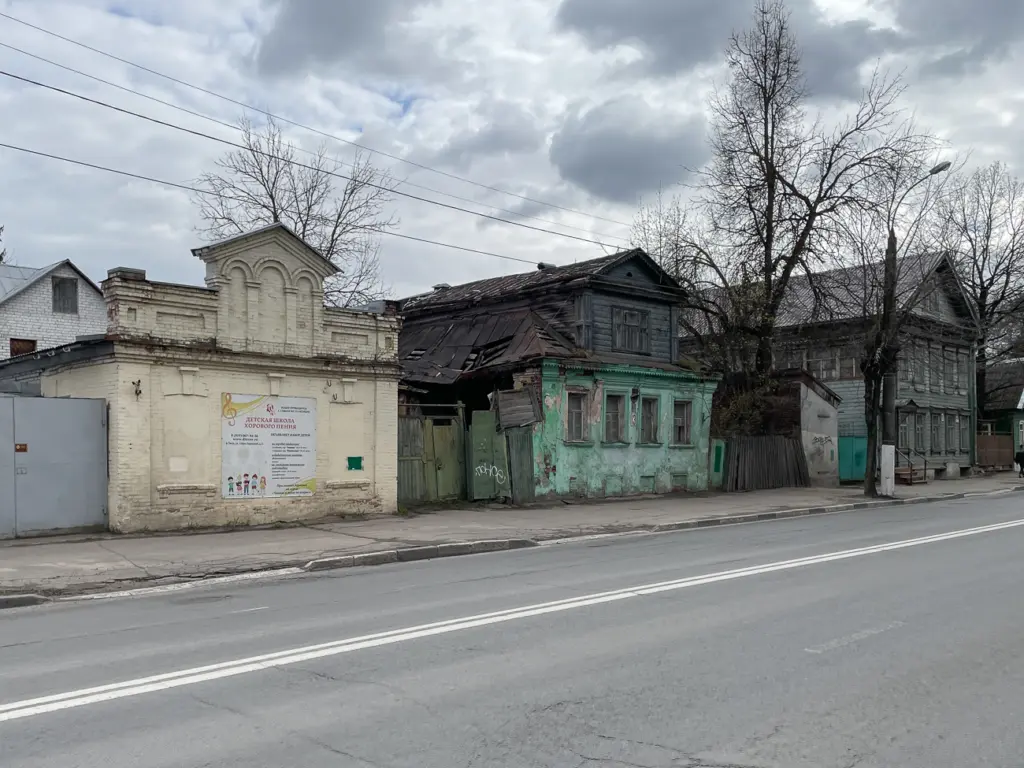
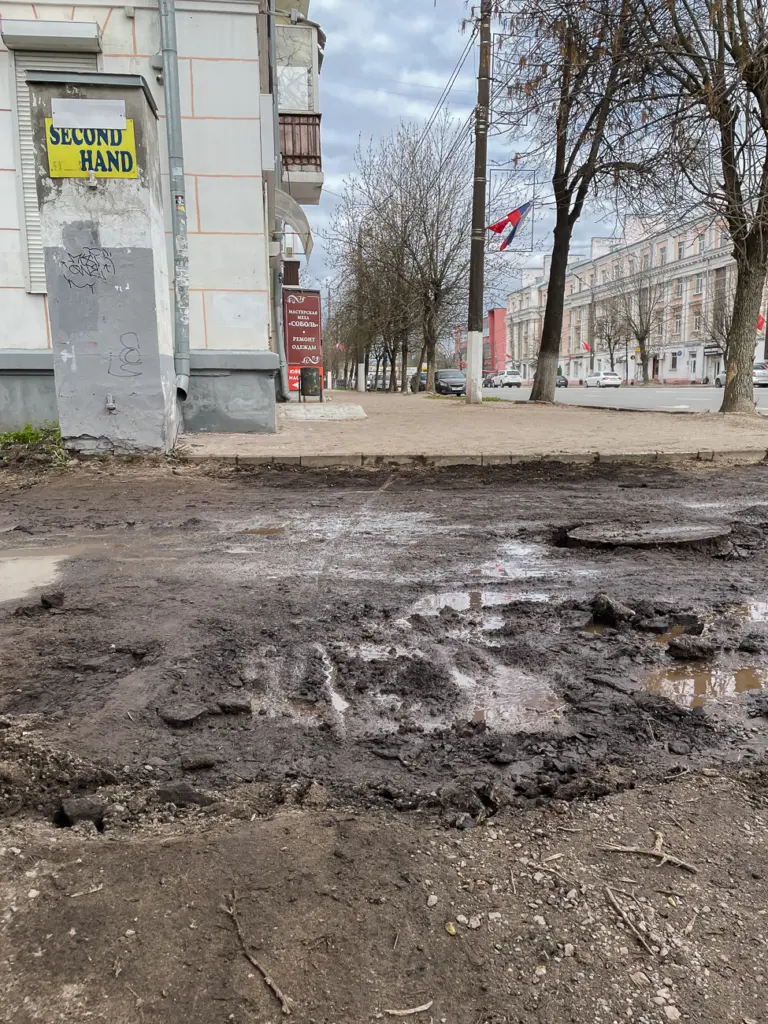
In the center of Tver, ancient houses are falling apart
When Sukhobokov went into the freezer to get some goods, masked men - an armed special battalion of the FSB - rushed after him. He was thrown to the floor and his workplace was searched.
— At that time, I thought that we had some kind of freedom of speech. I didn’t understand politics too much, I didn’t go deep... I was shocked when the FSB came to detain me,” says Alexey.
As his mother Zhanna would later tell reporters, no one believed her when she explained why her son was arrested: they answered “this can’t be, he probably set fire to the military registration and enlistment office, well, they can’t put us in prison for something like that.”
Family
In the life of the family there had already been arrests and sentences, but Zhanna understood why her two husbands were in prison, but not why they sent her son to the colony.
When Alexey was one year old, his parents divorced. The last time he saw his father was in childhood: he did not work and in the 90s was involved in various crimes. One day he brought five-year-old Alyosha a box of Snickers chocolates, and his mother - a set of dishes and various household items. A couple of days later the police came to collect all this belongings: it turned out that my father had robbed someone’s apartment. He was sent to a colony, and his mother was almost imprisoned for possession of stolen goods.
Then a stepfather appeared in Alexei’s life. He also turned out to be a thief and ended up in a colony in the 90s. To have enough money for a lawyer, Alexei’s mother sold the apartment. There was nowhere else to get them: in order to feed herself and her son, she worked part-time as a saleswoman, then somewhere else. In her haste, Zhanna forgot her passport and other documents in the apartment, and the new tenants threw them out, and then she had to prove for more than ten years that she was a citizen of Russia. After the verdict, Alexei’s mother broke up with her second husband.
Later she met an entrepreneur from Tver. Thanks to him, the family moved to their own apartment in the early 2000s, and Alexey began working in his stepfather’s company as a slinger. He was 18 years old at the time, with nine years of education behind him and an unfinished college, where he studied for a year to become an electrician and dropped out. Sukhobokov says that he was always more drawn to work than to study. As a child, he said, he was capable, but lazy: he studied well, but only when he wanted. When I didn’t want to, I skipped.
Church of St. Basil the Great in Vasilievsky
At the age of 20, Alexey got a job as a roofer: he was doing the roof of a shopping center near the train station in Tver, where we met him. Then for several years he was content with unofficial part-time jobs: all because while his mother was confirming her citizenship, he also could not obtain a Russian passport.
In the early 2010s, Sukhobokov, according to him, was friends with “the wrong people”: drinking, fighting. He lived one day until he met Yana. The media called her his ex-wife, but they were not described. Alexey speaks very warmly about her: Yana “dripped” his brains so that he would stop hanging out with football fans, with whom he regularly got drunk and got hit on the head.
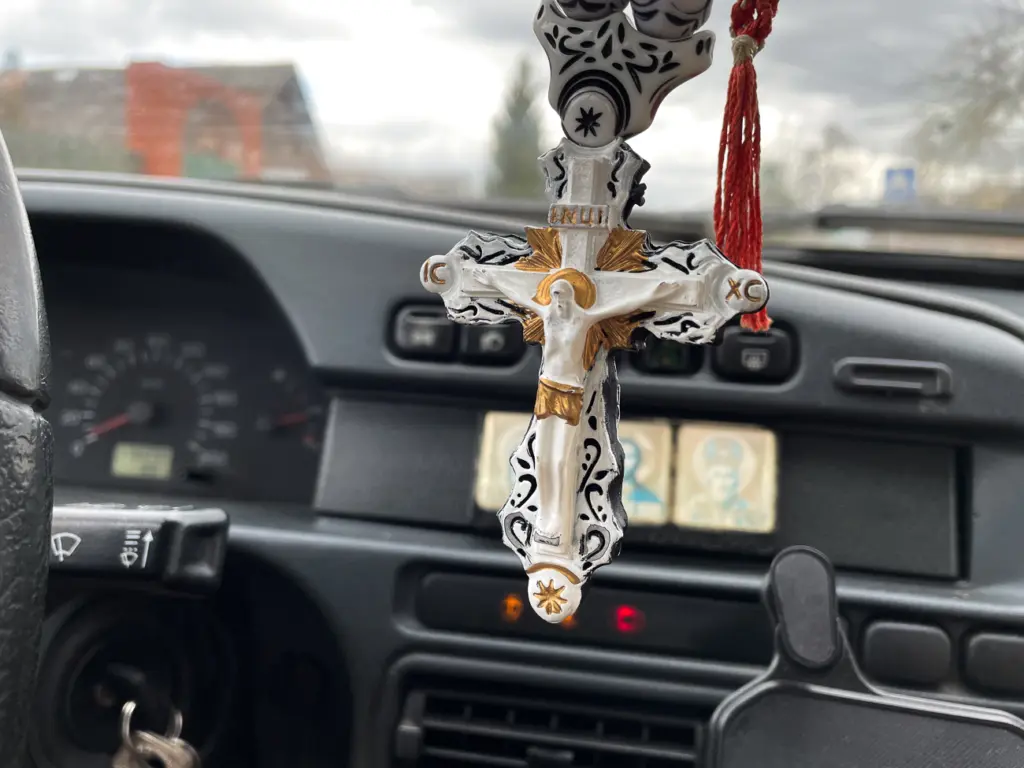
A homemade cross that prisoners gave Alexey when he was released from the colony
In her third marriage, Alexei’s mother had another son, Matvey, who was diagnosed with autism spectrum disorder. It became difficult for everyone to live in one apartment, and in 2015 Alexey and Yana left for Ostashkov, a regional center in the Tver region with a population of about 17 thousand people. They wanted to build a house there, they even bought a plot, but prices rose, but wages did not. Construction materials, and then the plot itself had to be sold. In Ostashkov, the couple had a daughter, but when she was three years old, Yana and Alexey separated. Now the girl no longer calls him dad. Alexei’s mother and his second stepfather also separated due to difficulties with their youngest son. Now 18-year-old Matvey lives with his father.
After breaking up with Yana, Alexey worked as an administrator at a recreation center on Seliger, then applied for a vacancy as a security guard in a certain rapid response group. It turned out that they just had to open the barrier at the convent. Out of boredom and low wages, Sukhobokov began to look for another job and at the same time drove his Mazda until, in 2021, he got a job as a storekeeper in the very company where they eventually reported him.
Two strokes
When the security forces took Alexey Suhobokov right from work, he was charged with an administrative article about the demonstration of extremist symbols (20.3 of the Code of Administrative Offenses of the Russian Federation) - for the fact that he drew a wolf hook on the warehouse door with a marker, which is used in the symbols of the Ukrainian Azov regiment (recognized as a terrorist organization and banned in the Russian Federation), and with his finger he drew a swastika on a dirty truck. The man explains that he simply depicted the letter Z turning into these symbols.
Suhobokov was given administrative arrest for seven days. At that moment he thought that he would soon return home.
“We got acquainted there in a common cell, decided to meet on the weekend and drink beer,” Alexey describes his then naive ideas about life. “I called the girl and said: “I’ll be home tonight, order some rolls.” At four o’clock in the afternoon they came for me [to the cell]: “On the way out,” they said. I rolled up the mattress and walked away happy that they even let me go ahead of time. I went out into the street, and there were FSB officers: face to the wall, hands behind their backs. I didn't see freedom anymore.
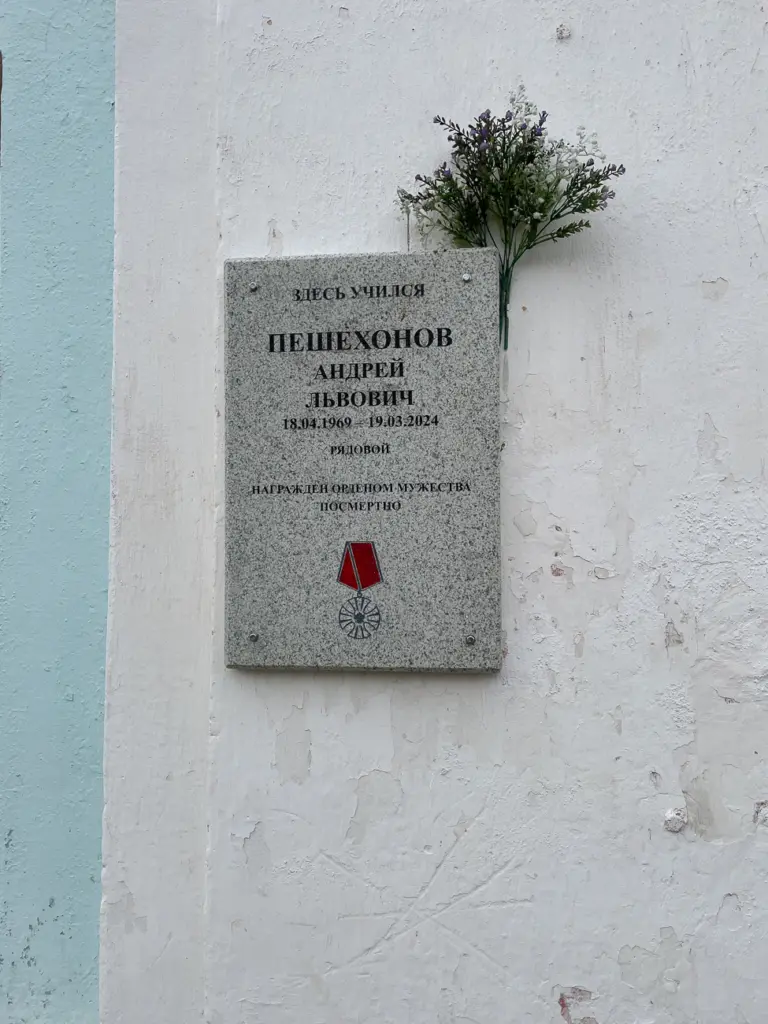
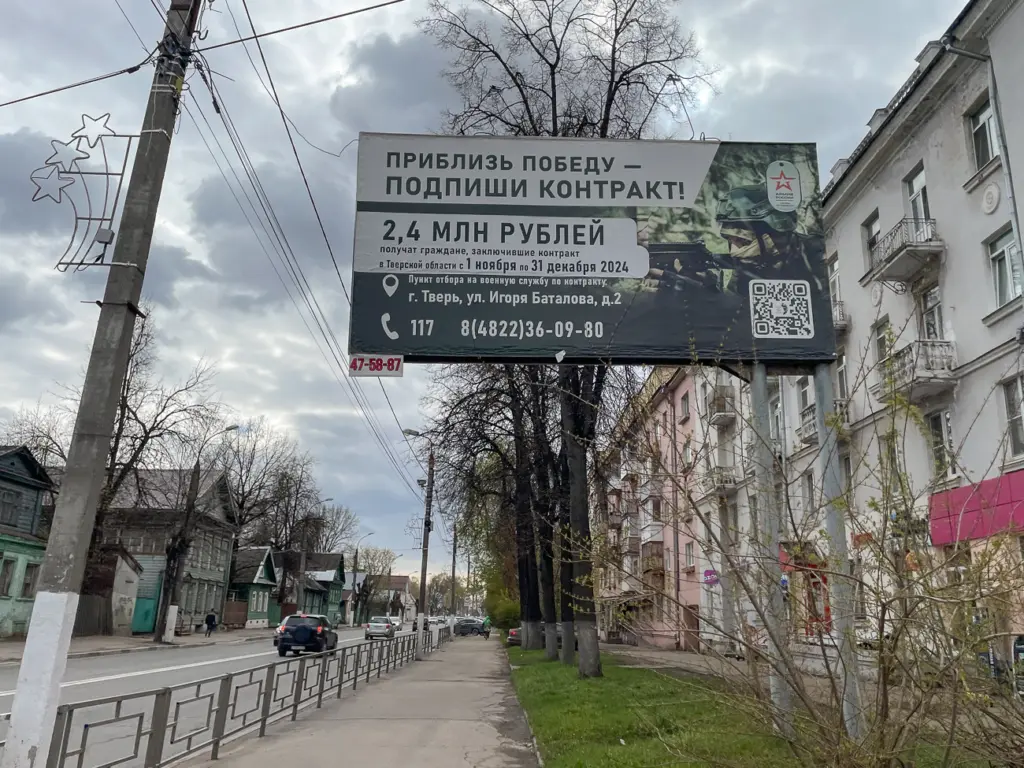
In the center of Tver Memorial plaque to a SVO participant at a school in Tver
When Suhobokov was accused of publicly justifying terrorism and locked up in a pre-trial detention center, his mother suffered a stroke.
— I learned about this from an email. Usually such things are covered up so that you don’t do anything stupid, but here they missed it. You just sit there, you don’t suffer: you eat, sleep, walk. Your loved ones are suffering: worries, searching for money for a lawyer, for parcels...
Alexey remembers several letters from strangers that he received in the pre-trial detention center. These were girls from St. Petersburg, Moscow and some city in Armenia.
— There was a postcard calendar with wishes of health and support on the back. The last card was of a bird flying out of a cage - will. It was very important for me to receive such a letter from a stranger. Especially when your friends turn their backs on you,” says Sukhobokov.
Before that, he did not know that such letters were written to political prisoners in Russia, and he first heard this very concept - political prisoner - in the colony, when he himself became one of more than 6,500 people persecuted on political charges. Alexey had little idea of this side of life before his arrest. He was never particularly interested in Navalny, and the only public figure he had heard about who died in prison was Tesak .
Alexey says that the letter from a stranger in the pre-trial detention center became very important for him.
Sometimes a person just needs to understand that they see him, that someone cares about his story. He did not completely disappear behind the article, the sentence, the stigma and the indifference of others.
New Tab does a similar job: it finds people who are easy to miss, listens to them, and tells their stories so that they don't disappear into the alarming news feed. Such texts require time and resources: travel, long conversations, checking details and editing.
If it is important to you that we continue this work, please support New Tab with a regular donation via this link or on Busti / Patreon .
Maxim Martsinkevich (1984 – 2020) is a neo-Nazi video blogger, known under the pseudonym Tesak.
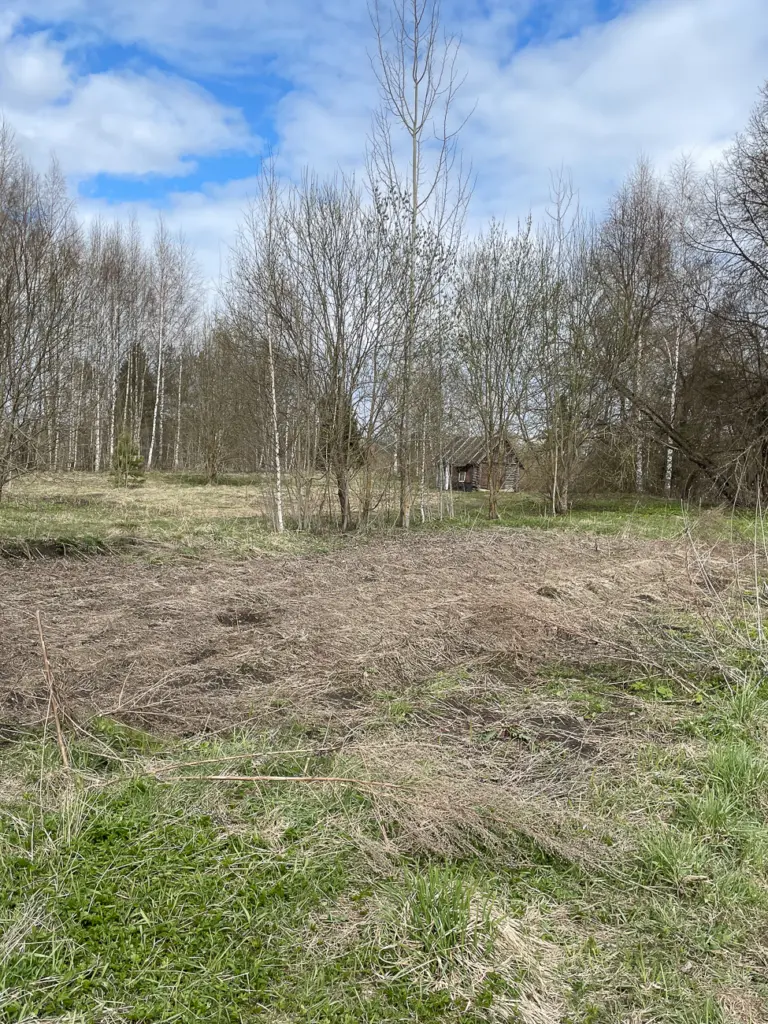
Plot next to Alexey’s house in Vasilievsky
The Avtozak LIVE project began to raise money for a lawyer for Alexey, his mother and Yana took out loans. Yana is still paying hers. The collection was difficult because Sukhobokov is an unknown Russian, and because of the swastika that appeared in his case, one might think that he was interested in Nazi ideology. Alexey assures that this is not so: he is a Rodnover, and the symbols of this Slavic neo-paganism, although similar to the swastika, are still not Nazi symbols.
Suhobokov shows a pendant with a Kolovrat, which he wears around his neck. He does not approve of Hitler: he considers his name synonymous with the word death, and “in any case, you have a bad attitude towards death.”
“This movement can no longer be stopped” How the war in Ukraine and anti-Western sentiments “gave a chance” to Russian Rodnovers to prove themselves
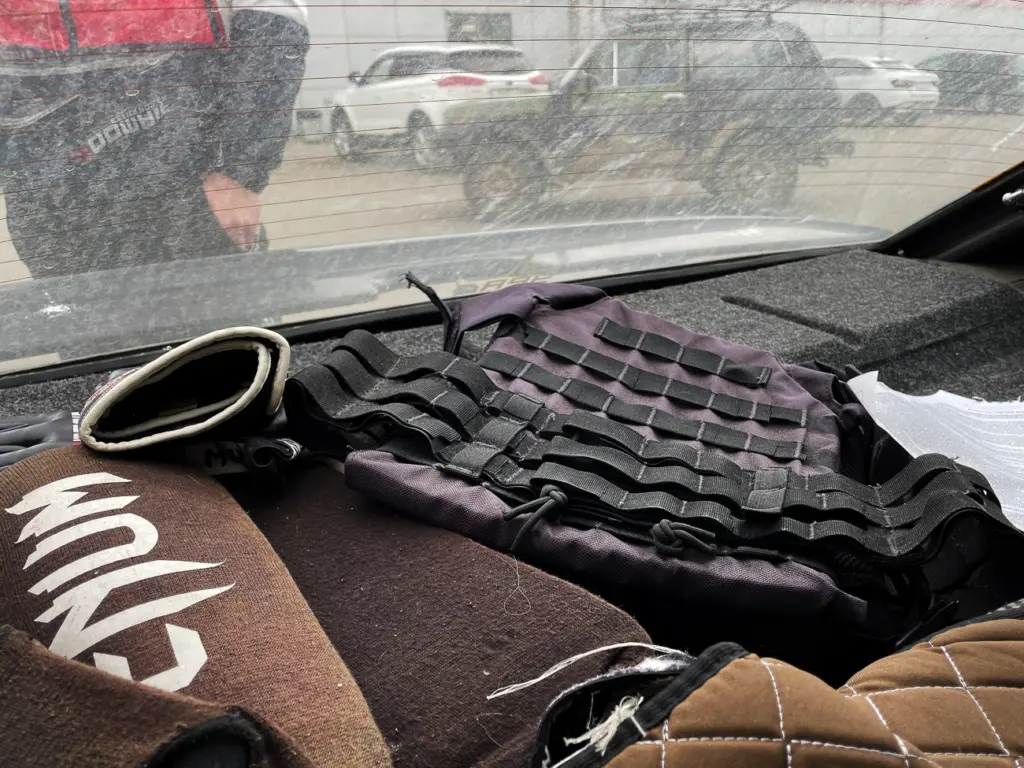
During a search of Sukhobokov’s house, they found an airsoft tile , camouflage overalls and a backpack with medicines. Because of them, according to Alexei, they tried to open another criminal case against him - allegedly he was going to go to fight in Ukraine against Russia. But no evidence was found. However, these items were still “used”, using them as evidence in the case of “justification of terrorism.”
Plitnik is a modular cover for hard armor plates, used as a lightweight version of body armor
— I bought overalls to work in the freezer, it’s cold there. Plitnik — we wanted to play airsoft with a friend, but we never got around to it, but I bought a backpack and medicine during the period of partial mobilization: everyone was preparing for the fact that they might take you away,” explains Sukhobokov.
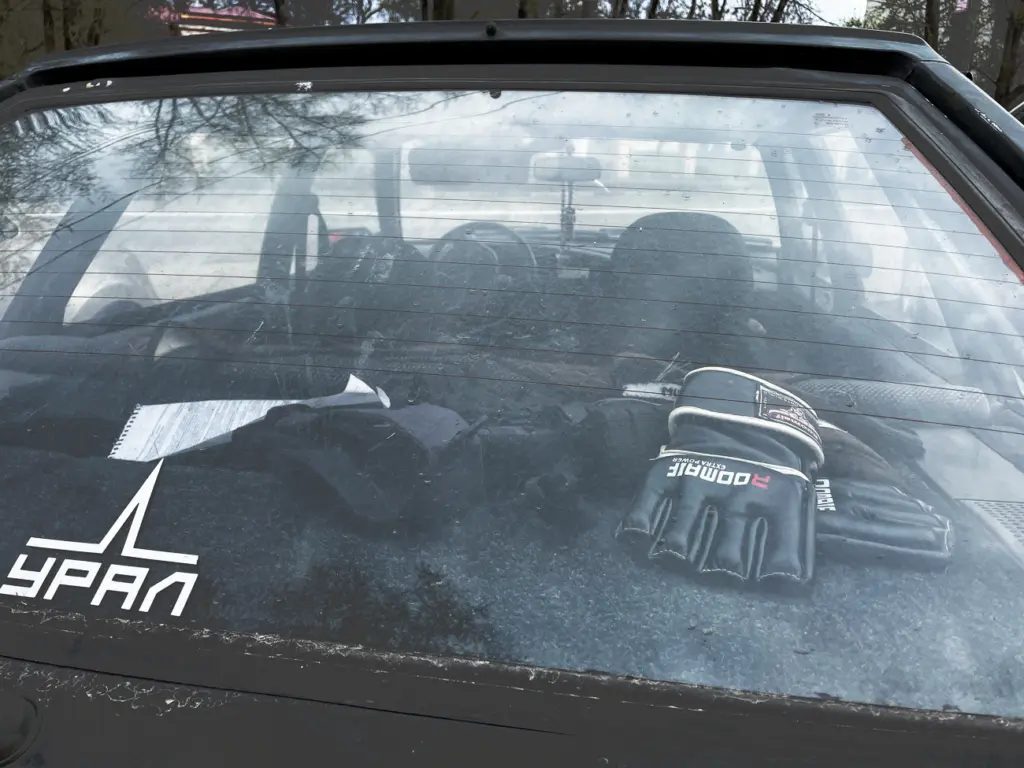
Alexey goes to mixed martial arts training twice a week An airsoft vest, which was one of the pieces of evidence in the criminal case against Sukhobokov
In court, prosecution witnesses - former colleagues - tried to recant their testimony given during the investigation. According to Alexei, they were afraid that they had ruined his life. But the judge threatened them with liability for giving false testimony, and they agreed with what they told investigators.
“After the verdict, a convoy officer came up to me and called it all a circus. He even gave me a cheeseburger from his relatives,” shares Suhobokov.
He couldn’t eat that sandwich - he was so shocked by the sentence: 2.5 years in a penal colony. Alexey thought that he would be acquitted or, at most, fined .
Under Part 1 of Article 205.2 of the Criminal Code of the Russian Federation, the punishment is a fine of up to 500 thousand rubles or imprisonment for a term of two to five years.
His mother suffered a second stroke after the verdict; Suhobokov learned about it already in the colony.
Two colonies
After Alexey went to jail, he and his girlfriend broke up: she became pregnant by someone else. Friends who promised to be with him “until the thaw” stopped communicating. Those closest to him at that time were his mother, ex-wife Yana and friend Anton, whom they met while living in Ostashkov.
“At that time, Anton and I had not communicated for a year and a half, and when he found out about my situation, he came to my mother and said: “Anything, any help.” I am very grateful to him, as well as to my ex-wife. I didn't even think that she would care about me so much.
В колонии-поселении в Новгородской области, куда отправили Сухобокова, он познакомился с осуждённой за мошенничество цыганкой Роситой. Они умудрялись встречаться в нарушение правил, Росита два раза беременела. По её просьбе ей делали аборты, а Алексея оба раза закрывали в ШИЗО.
— Мы хотели семью, решили пожениться на свободе, — объясняет Сухобоков. — На самом деле это была мнимая любовь. Когда меня в последний раз закрыли в ШИЗО, мне передали, что она стала встречаться с моим семейником .
В тюремном жаргоне «семейниками» называют заключённых, которые объединяются в небольшие группы для совместного быта и взаимовыручки. Они делят между собой посылки, вместе готовят еду и оказывают друг другу эмоциональную поддержку, чтобы легче переносить тяжёлые условия
В ШИЗО Алексей попадал тринадцать раз: за драки, за то, что обзавёлся телефоном, за секс с Роситой. Как нарушителя его примерно за месяц до окончания срока перевели в колонию общего режима на Валдае.
— Если просто так вышел с колонии-поселения и вёл себя хорошо, надзор не дают. А по моей статье он положен, вот и решили [эту юридическую коллизию] самым простым способом — заменить поселение на общий режим, — объясняет Сухобоков.
Он рассказывает, что раз в две недели в колонию-поселение приезжали вербовщики — сначала от ЧВК «Вагнер», потом от Минобороны. Пока Сухобоков отбывал свой срок, из его колонии на войну ушли около 50 заключённых.
— Там было два типа. Одному 21 год, ему месяц оставался сидеть. Второму — 23, и сидеть ему надо было ещё год. Оба килограммов по 120, с одышкой ходят. Я спрашиваю у них: «Зачем вам это?». Тот, которому 21, машину себе хотел, а второй мне ответил, что у него личные счёты с нацистами. В 23 года счёты у него, как же… — комментирует Алексей.
Ему самому с его статьёй о «терроризме» воевать не предлагали. Позже Сухобоков узнал, что почти все, кто откликнулся на вербовку, погибли в первые же дни на фронте:
— А эти двое, когда колонну, в которой они ехали, начали бомбить, ослушались приказа и побежали. Того, у которого личные счёты, ранило, а тот, что за джипом поехал, кинулся ему помогать. Ну их обоих дрон и накрыл.
Life after
Алексею нельзя выходить из дома с десяти вечера до шести утра (по ночам к нему приходит участковый). Нельзя покидать Тверь и пригородное село Васильевское, в котором он живёт. Нельзя посещать массовые мероприятия, кафе, клубы, бары. Даже в соревнованиях по смешанным единоборствам, которыми Алексей увлёкся в последний год, насмотревшись выступлений Конора Макгрегора , участвовать нельзя, если там есть зрители. Два раза в месяц нужно отмечаться в полиции. Все эти ограничения действуют три года с момента освобождения.
Ирландский боец смешанных единоборств.
Встречать Алексея из колонии в апреле 2025 года приехал его друг Антон. Сухобоков рассказывает, что дома «накрыли поляну» с алкоголем, чтобы отметить его освобождение, а ему даже пить не хотелось:
— Я понимал, что из места, где я жил на расслабоне, я попаду в социум, от которого отвык. Кроме того, с моей статьёй я не могу никуда устроиться на работу.
Алексей признаётся, что и сам раньше не очень хорошо относился к бывшим заключённым, «пока не сел и не понял, как люди туда попадают».
— Сидеть не страшно. Страшно, когда ты выходишь с этой статьёй, — замечает он.
Подпишитесь на «Новую вкладку» в X (Твиттер). Там мы пишем о том, как живут регионы России. Ещё бубним и материмся
Мы идём из дома во двор. Алексей прогуливается мимо засохших грядок, подходит к обрушенной теплице. В дальнем углу участка, ближе к реке, на старых покрышках стоит автомобильное кресло — можно отдыхать, слушая журчание реки.
К нам подбегают куры и индюк — тянутся к хозяину. Когда-то тут гуляли свиньи и индоутки, но денег на восстановление хозяйства сейчас нет.
Мать Алексея на пенсии, но ей приходится работать — она администратор-косметолог в студии красоты. Сухобоков время от времени возит её на работу и встречает после смен. Сам он перебивается шабашками вроде установки заборов или копки ям под разные нужды, а оплату получает на карту своей бывшей, Яны. Его собственный счёт в банке заблокирован, потому что Сухобоков по-прежнему внесён в перечень террористов и экстремистов Росфинмониторинга.
На момент публикации этого текста в перечень террористов и экстремистов Росфинмониторинга были включены 21705 человека, в том числе дети .
Получать зарплату можно было бы на спецсчёт, но для этого нужно официальное трудоустройство, а осуждённым за «оправдание терроризма» запрещено работать во многих сферах: госслужба, оборонный сектор, работа с детьми, НКО. Но и там, где ограничений нет, Алексею не рады.
— Я приходил устраиваться к нам на вагонный завод в Твери, — вспоминает он. — Мне пальцем у виска покрутили: «Вы что, вы же террорист».
По словам Алексея, что-то объяснять людям бесполезно: никому не интересно, что он сел за слова, когда видят пометку о судимости.
— Это всё равно, что рулю объяснять, сидеть с ним и разговаривать. Я больше скажу: когда моя мать, пытаясь найти деньги, пока я сидел в СИЗО, узнавала насчёт продажи дома, ей тоже говорили: «Вы что, ваш сын — террорист». Она им: «Вы не понимаете, он же за слова вот такие сел». А ей в ответ: «Так он ещё и слова такие говорил! Ай-яй-яй».
Таксовать Алексею теперь тоже нельзя (да и «Мазда» за время его заключения сгнила), а в двухэтажном доме многое требует ремонта, на который нет средств. «Мы его даже продать не можем, потому что у меня тут доля, а мне [до погашения судимости ] любые сделки запрещены», — поясняет Сухобоков.
Судимость Алексея Сухобокова будет считаться погашенной спустя 8 лет после выхода из колонии, то есть в 2033 году. Только тогда с него будут сняты все ограничения, он сможет иметь собственный счёт в банке и совершать какие-либо сделки.
После освобождения он успел неофициально поработать на складе одного известного маркетплейса, но ушёл оттуда через пять дней из-за «скотских условий», не взяв оплату. Потом устроился на пивоварню, но она вскоре закрылась. Зарплаты по вакансиям, которые предлагает бывшим заключённым биржа труда, редко превышают 30 тысяч рублей.
— В тюрьме нам пиздели, что зарплата сейчас везде 80 тысяч и работы куча. Я как вышел, заглянул на «Авито» — и клянусь, как были объявления [в разделе с вакансиями] в 2022-м, когда я садился, так они же и остались, — утверждает Сухобоков.
Он отчаялся найти работу, а вести свой бизнес с теми жёсткими ограничениями, которые накладываются из-за внесения в перечень Росфинмониторинга, практически невозможно. Алексей уже начал задумываться об эмиграции, когда с него снимут надзор, хотя до заключения таких мыслей у него никогда не было. Но пока не может оставить мать.
— Государство считает меня угрозой, а вряд ли же ты дашь развиваться и хорошо зарабатывать своей угрозе. <….> Как ни крути, для всех я террорист.
Если этот текст помог вам увидеть за словом «террорист» живого человека, поддержите «Новую вкладку» по этой ссылке или на Бусти / Патреоне .
Регулярный донат помогает нам оплачивать работу авторов, редакторов и фактчекеров — и продолжать рассказывать истории людей из российских регионов, которых обычно не слышно.
The case of Alexei Suhobokov: sentence for talking about the Crimean Bridge and life after the colony • Novaia vkladka • RIMA — Russian Independent Media Archive

 Follow New Tab on X (Twitter). There we write about how the regions of Russia live. We're still mumbling and swearing