
Translated material
Frozen shrimp takes a step
At the last competitions, Ksenia scored a hat-trick: she took bronze, silver, and gold. After that I managed to go on the podium. A stylish photo shoot at a professional agency lay ahead. And this doesn’t include working as a designer. It’s hard to believe that just a couple of years ago Ksenia was sitting at home and drowning in grief, envying people passing by the window and refusing to accept the diagnosis of Parkinson’s disease at 37 years old.
Shackling
Parkinson's disease is a disease of the central nervous system in which neurons responsible for the production of dopamine die. This neurotransmitter regulates movement, mood and cognitive function. No dopamine - no coordination, to such an extent that sometimes you can’t even take a step. But there is depression and, in some cases, confusion. According to data for 2023, there are about 200 thousand patients with Parkinson’s disease in Russia. Of these, almost 90% are people over 60 years of age. Parkinson's under 40 is rare. For a long time, Ksenia could not believe the diagnosis.
“I thought it was fatigue and stress,” she admits. — I then worked in a large international company, where I was invited immediately after university, they even paid for my move from Nizhny Novgorod to Moscow, where I stayed for 13 long years. In 2019, at 37, I hit a busy peak. There was an important task to decorate a large office, plus I took on an additional project: I had to pay off the mortgage. Working at high speeds for 14 hours a day against the backdrop of chronic lack of sleep and lack of movement... When I started to feel constrained, I decided that I just needed to get my schedule in order!”
Yes, the body stopped listening. Colleagues laughed at the strange gait. It became more difficult to get up, move, and take things. She hung over the simplest tasks: you need to take a mug, and you stand over it - as if you were going to lift a barbell or pet a snake, Ksenia recalls. It seemed that all you had to do was calm down and everything would pass. Therefore, out of all the doctors, Ksenia continued to choose non-core ones, and they shrugged their shoulders. It could be anything, doctors said, from overwork to multiple sclerosis.
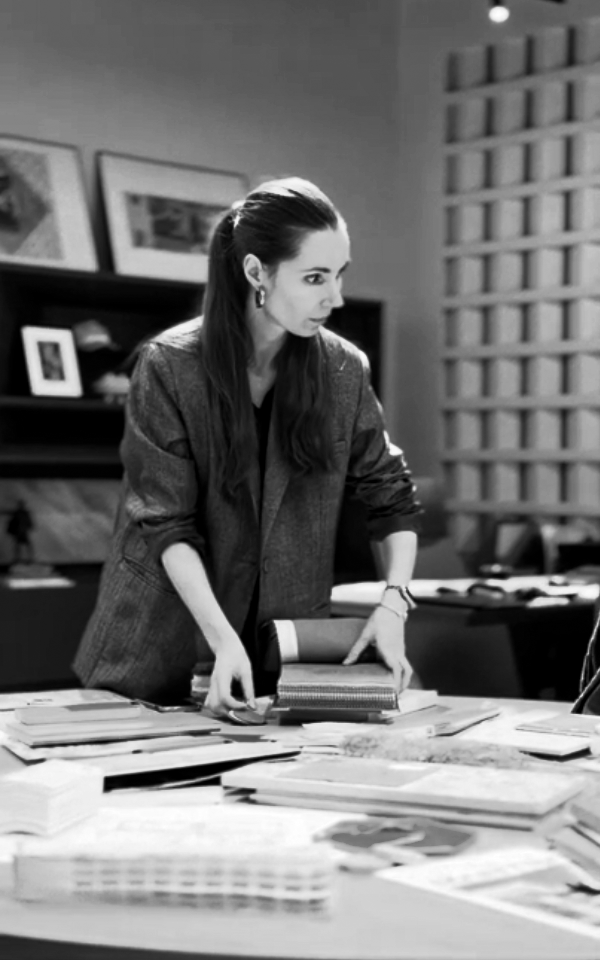 Ksenia was working in a large international company when the disease first appeared. Photo: from personal archive
Ksenia gave up when she realized: for several months now she had not physically left the apartment. Due to the pandemic, work switched to remote mode, and it became significantly less, but that was not the only thing. The symptoms became more and more intense. A banal trip to the store became a humiliation. The five-minute journey now took all of forty, but something else was worse - the way people looked.
When you can’t get a card to pay because your hands refuse to perform the usual actions. When you freeze at the door without being able to take a step. When people think you are under the influence of alcohol or even drugs. When the guards follow you around, confident that you are about to steal something. Someone admitted the disease, but still shied away as if it were contagious. “An alcoholic or a leper,” Ksenia laughs sadly.
There was no limit to despair. Envy of everyone “healthy” was eating away from the inside, and self-isolation further aggravated the condition. Ksenia tormented herself, constantly asking the question: “What’s wrong with me?”
There was no money. There was no personal life: a long-term relationship was interrupted. And all life seemed to freeze—like a body refusing to walk.
“What the fuck?”
“When your body shuts down, you often physically cannot move. The whole body is one big spasm. A shrunken, pinched figure, curled fingers clenched. Frozen shrimp, as I call it. Any movement is a feat. Traveling for a long time is hell. I couldn't imagine that this could happen. And of course, I was drowning in fierce envy of all the passers-by on the street,” Ksenia says honestly now. “They walk around and don’t think about how they do it.” They can’t even imagine what happiness it is to just take a step.”
Surprisingly, even a visit to a Parkinsonologist did not become the starting point in treatment for Ksenia. The specialist suggested just trying: start taking Levodopa (the main medicine prescribed to people with Parkinson's syndrome) and see the result. The test worked, there was no doubt left.
It would seem that this is the solution. But Ksenia refused to believe. Sabotage manifested itself in everything: she reduced the dose when she began to feel at least a little better, and looked for traditional methods of treatment. I dived into esotericism, psychosomatics, hypnosis - just not to acknowledge the frightening reality.
“I couldn’t believe I couldn’t just walk.”Against the backdrop of the diagnosis, Ksenia developed a conflict with God. “I didn’t even ask: “What do you want from me?”, all that was going through my head was: “What the fuck?!” I’m just that kind of person - I like to look for answers to philosophical questions. If not the meaning of life, then at least why do I need this disease? I believe that everything in life happens for its own reasons. It had to mean something,” she says now.
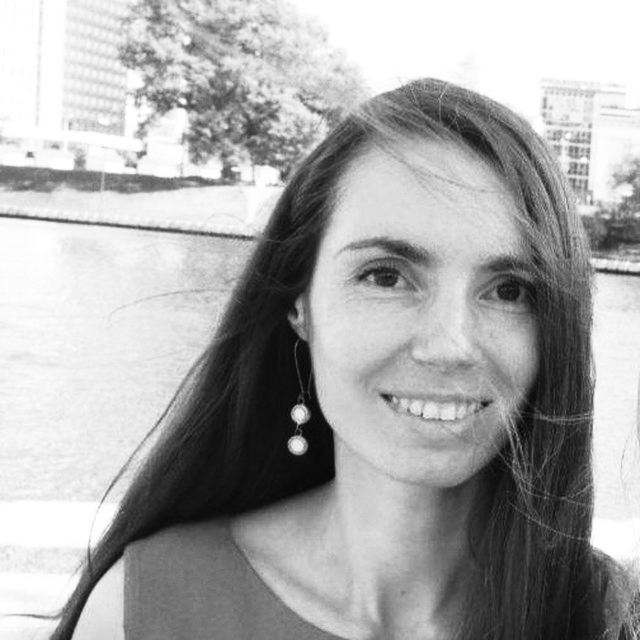 KseniaPhoto: from personal archive
The search for alternative methods of healing, a passion for psychosomatics, the emergence in Ksenia’s life of a community of like-minded people who studied with one of the life coaches - everything spoke of one thing. Ksenia now formulates it this way: “A person controls his own life. You can give up, or you can fight.” But for changes to begin, we need to recognize reality, and folk remedies will not help here. But simply taking medications and hoping for the best is not suitable. “It’s impossible to get to point B if you don’t fix point A. Accept the disease and try to understand what it wants to teach,” the woman is sure.
So Ksenia decided to bring herself back to life.
“Before this, I froze in every sense. But now I told myself: “No, you will leave the apartment, you will show up. You will answer yes to everything that the world offers you.” The first such offer was a rehabilitation camp from the Movement - Life Foundation at the Birch Grove boarding house. It was just contextual advertising, because over the past years, Ksenia has constantly searched the Internet for something about parkinsonism or Parkinson’s.
Ksenia takes a step
The first day at rehab camp was a shock. “I wanted to escape, honestly. I wanted to cry. I’m just very empathetic and I felt a bundle of pain from all 70 people in one place,” recalls Ksenia. There, among people who froze just like her, who had the same everyday difficulties, the same questions, the same medications, the first insight happened. Ksenia saw that they continued to live no matter what. Looking around on the second, fifth, seventh day, the woman finally noticed: these people draw, dance, play sports, write poetry and laugh. This reduced the degree of anxiety and became the first step towards accepting the diagnosis.
“They're fine. So, everything is fine with me too"With acceptance came the understanding that you need to learn to live by new rules. The past is no more. And there is no possibility of returning to the way things were before. The future is illusory. There's no point in guessing what's ahead. Life has shown us extremely harshly that anything can happen at any moment. This means that we must live here and now. Listen to your body and help it. Yes, sometimes you are overwhelmed by such a feeling of helplessness and self-pity that it seems that you have run out of strength. But Ksenia was never ready to give up. She learned a new rule: if “life isn’t pretty,” just rest.
“I cried - go to sleep. Everything will be fine in the morning. You control reality. A bad mood is also your choice. Sometimes you need to live through some negative emotion, calm down, recover, and move on,” she says about her rules of life.
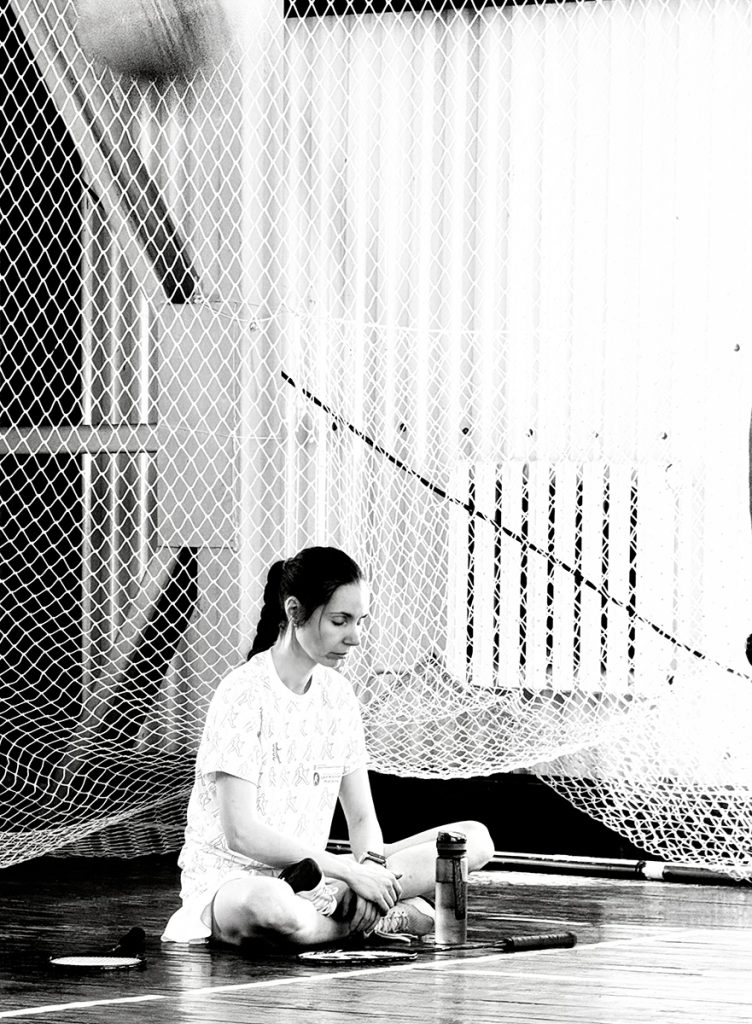 Ksenia before training Photo: from personal archive
In the rehabilitation camp, Ksenia understood several important things, which she now never tires of repeating in her online diary and when communicating with new members of the Parkinson’s community united around the Movement is Life Foundation. Firstly, it is very important to know that you are not alone. That there are people with the same problem, and they cope. Which means you can handle it too. Secondly, lectures and explanations from doctors are incredibly useful. When you understand what is happening to your brain, to your body, it is easier to achieve consistency in treatment: because now you know exactly which medications affect what. How they work inside you. And what happens if you voluntarily interrupt the course. This does not negate the benefits of mental practices, but it greatly disciplines.
“I was captivated by the image that one of the doctors shared: for the body, the sudden withdrawal of medication is like being scalded from head to toe with boiling water. It’s not fatal, but it requires even more resources for recovery,” shares Ksenia. She herself had already noticed this: the situational use of medications caused constant physiological and psychological swings, which only took away her strength. And only discipline led to stable improvement. Ksenia has studied the new reality and knows what to do when the effect of Levodopa ends. She is no longer confused, she really controls her life, moves forward and wins.
Games of will
Wins - literally. Once she promised herself to answer all life’s challenges with consent, Ksenia became involved in another project of the Movement - Life Foundation - Parkinson’s Games. This is analogous to the Paralympic competitions, but for a specific diagnosis. Despite the fact that the Paralympics were designed for people with special needs, people with neurodegenerative diseases were discriminated against. They cannot participate in the Paralympic Games. In 2022, the fund decided to correct this mistake. Two years later the competition became international. And from 2026, relatives and friends of the participants can join the project for support and joint training.
As in big sports, you can’t just get to the games from the street. You need to go through qualifying competitions. For this purpose, there is the “Dream Team” community on Telegram: community members perform various tasks in their adaptive disciplines, from Nordic walking and swimming to game and intellectual sports (there are 18 of them in the program). Players who have passed all the challenges (that is, provided screenshots of trackers and video recordings of trainings in the chat) meet already at the final competitions. For example, in April of this year, 90 Parkinson’s patients and 30 of their friends and relatives from 45 cities of Russia, Kazakhstan and Belarus gathered in the Nizhny Novgorod region. It was here, not far from the house where her mother, brother and family, and older sister live to this day, that Ksenia won her first three medals.
“Sport is dopamine. Everyone wants to win. In sports, in life,” says Ksenia. “And thanks to the games, I realized what I’m capable of.” “I can’t just do it, I can do more than I thought I could.”
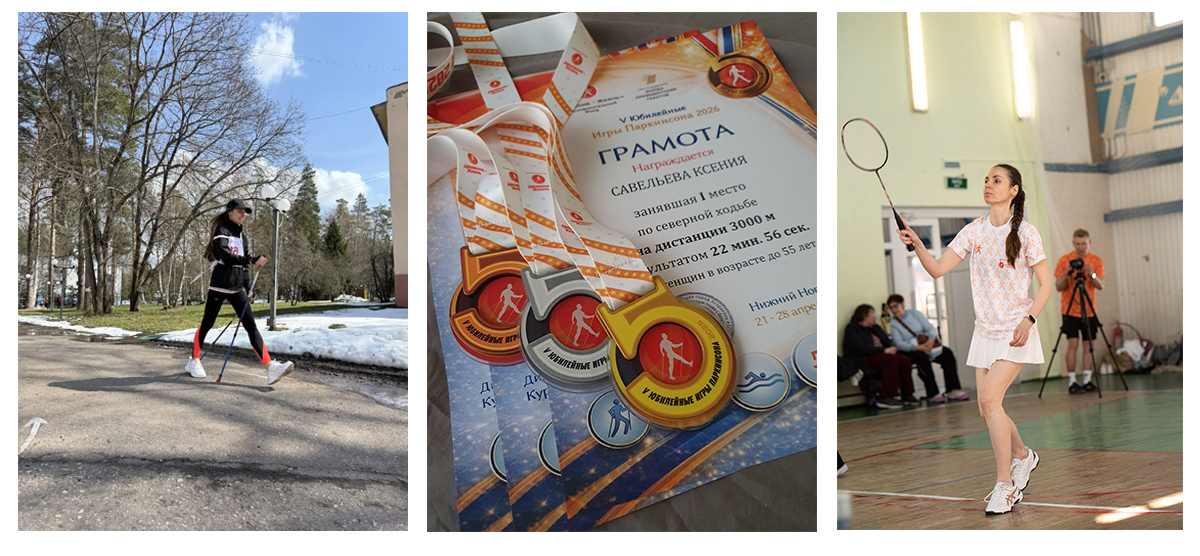 Left: Nordic walking competition. In the center: Xenia's medals. Right: badminton competitionsPhoto: from personal archive
Ksenia has three disciplines: badminton, swimming and Nordic walking. Talking about the preparation, he laughs: “Me and sport, me and discipline - we have always been completely opposite substances.” Ksenia herself would not have believed that she was seriously interested in games, if you had told her who it was before the diagnosis. But even now it’s difficult to force yourself to swim and exercise regularly. Need motivation. But the Parkinson's Games are online team competitions. Here you need to upload tracker screenshots every day and not let your friends down. After all, if you don’t complete the task, your entire team will lose points. And this is a serious incentive: you can deceive yourself, but under no circumstances will you annoy the guys.
“Games are an invaluable tool. They are very disciplined. Increase self-confidence. Charged with hope and energy. Here's an example: one of the tasks during badminton preparation was to softly catch the shuttlecock with a racket 30 times in a row. My friend who played badminton said that it was difficult even for him. Not to mention a person with a diagnosis. Our hands still work differently. Oh, impossible? Of course, I resisted. And she did!” Ksenia smiles.
She says she is incredibly grateful to her friends who supported her. The circle of friends has not changed after the illness, Ksenia continues, it has simply expanded. But outside support and other people's words were not enough. Ksenia needed to see the results of the treatment and the results of her training for herself. And the enthusiastic eyes of the public when you stand on the pedestal. This was the proof for her that she was alive. That she could. That victory over oneself is possible even when the body refuses. And even knowing that the stress of participation can lead to another freeze, Ksenia still rushes to the games. She struggles, at parties after training camp she dances barefoot until she drops, without fear of catching a cold, and feels truly alive.
“With victory, the feeling of insignificance goes away. They applaud you. They admire you. This is a necessary feeling to accept your new self, love yourself and stop playing the victim,” says Ksenia.
Side effects coincided
The woman is still looking for answers to her philosophical questions. Why did she get sick? Was she really busy working? Or did it start even earlier, when life turned upside down due to a difficult divorce and Ksenia felt abandoned and unnecessary? Symptoms of parkinsonism may not appear for 10–15 years.
Now she remembers with amazement that then she - a beauty, a smart woman, a sought-after specialist - lived with a feeling of her own worthlessness and insignificance. And then the disease tried to finish her off. Ksenia says that, instead of looking for an answer to the question why, she began to guess about the answer to a more important question - why. The disease helped her learn to love any of herself. Pay attention to what really matters. Be attentive to your body and mind. Thanks to the community, she found new love. Her new boyfriend also has Parkinson's, and when Ksenia talks about this, she uses the word... “cool”!
 In May of this year, for the first time in Russia, women with Parkinson's disease participated in a fashion show. Ksenia was one of themPhoto: from personal archive
“A healthy person will never understand why I stood in the middle of the room and couldn’t move. They might think I'm joking. Or I'm pretending. But that's not true. And only a person with the same problem understands. He knows the effects of drugs. She knows their side effects,” she explains and laughs: “We, one might say, have the same characters and side effects.”
Their relationship is built on absolute truth - a skill that Ksenia has been cultivating in herself for years. In a relationship, she can allow herself to be angry and irritated. But he always clarifies: “This is not about you, this is my offense, I will get over it now - and everything will be stable again.” This was the case, for example, when my beloved beat Ksenia in one of the matches at the April games. Partners learn to tell each other everything openly. Otherwise, you won’t be able to build a stable relationship.
It's the same at work. Ksenia is working as a designer again. And she is always honest with employers, even when the interviews were difficult. Although many Parkinson’s patients hide their illness at the initial stage, there is no point in lying, Ksenia is sure. It’s better to immediately talk about your specifics than to later try to explain why you can’t hold a glass, everything falls out of your hands, or you stand up like a statue in the middle of the office. “People value honesty: if the boss sees that you have a great understanding of your capabilities, he respects this. He knows he can rely on you.”
Honesty brought incredible freedom. But it also opened my eyes to a lot of things. Ksenia has become almost merciless towards those who whine and feel sorry for themselves: “When a person starts to complain, he belittles himself, does not take responsibility, gives up and stops trying. Doesn't do anything. This is not an option. We need to work on ourselves. And I hope that my example will be noticed and useful to someone.”
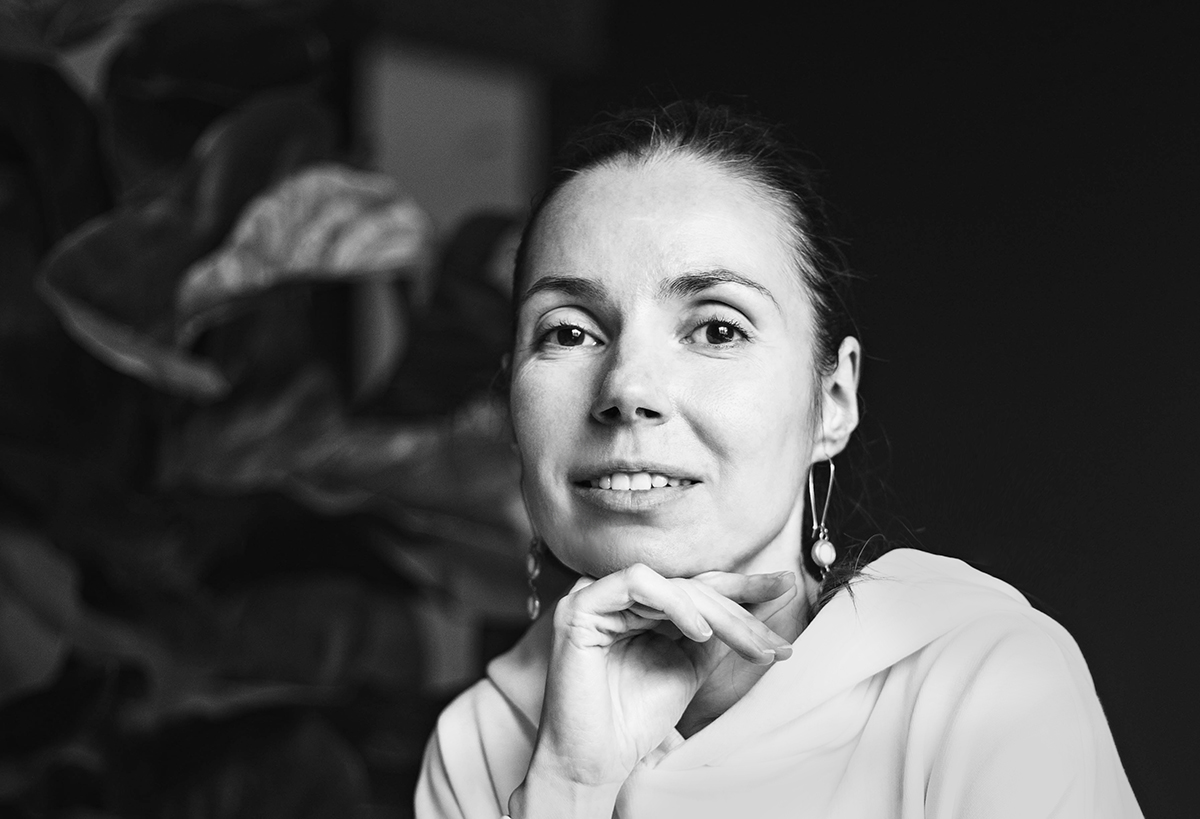 KseniaPhoto: from personal archive
Ksenia is sure: if you want to change something, start with yourself. Go where there are knowledgeable people and those who are like you. “When I came to rehabilitation for the first time, I saw people who did not give up. Without this community, it would have been much more difficult for me to accept the disease and move forward. I would still feel lonely and helpless, and I would drown in envy of passers-by. Save yourself, and by your example others will be saved. I sincerely believe in this." And to have such examples, we need games.
Games are not about sports. It's about being able to say: “I am. I can handle it. And I can be cool."
* * *In order for such rehabilitations and competitions to exist, money is needed. Now the Movement - Life Foundation pays for the organization of competitions, travel and rehabilitation for the best participants, but finding these funds is becoming increasingly difficult. But you can help Ksenia and other athletes with parkinsonism win and start a new life, despite the diagnosis. Your regular contributions to the fund are an investment in a world where a person is judged not by how he walks, but by how many times he can catch the shuttlecock and not give up.