
Translated material
“Not a word about light!” Some areas of Mariupol have been living without electricity for ten days. Local officials ignore residents' complaints

Some areas of Mariupol have been living without electricity for ten days. Local officials ignore residents' complaints
On June 6, a series of explosions occurred in Mariupol, and a UAV danger was declared in the city. The target of the attack was probably the port of Mariupol and the adjacent substation. According to the Mariupol Nash telegram channel, on that day an attack was recorded on a substation in the Primorsky district, not far from the port. On the same day, similar information was published by the Astra telegram channel, which stated that a fire had started in the port of Mariupol. Later, on June 10, Astra, referring to the resources of the 1st Corps of the Azov National Guard, clarified that “electrical substations, radar equipment, repair infrastructure, a control tower, as well as tanks with fuels and lubricants were attacked.” After this, the Azov telegram channel claims, the port was left without power supply.
After the attack, not only the port, but also the surrounding areas were damaged. Massive power outages began in the city. In local chats, residents said that “the whole city was left without electricity.” In particular, it was reported that residents of the villages of Kirovka, Moryakov in the Primorsky district and other parts of the city do not have electricity. Later, the power supply was partially restored; the problem was not solved only in the Primorsky district. Local residents claim that there has been no electricity for 10 days in a row; some have access to electricity for only a few hours a day.
“People want to know at least the approximate time when the electricity will be turned on, because many houses have electric furnaces. It turns out that there is no way to simply prepare a basic meal,” one of the subscribers of the telegram channel “Mariupol is ours” is indignant.
The dissatisfied propose that the local Russian administration do at least something while there is no electricity in the area:
“The question is, how does the administration propose to solve this problem? Maybe put generators in the area? Or just bring a field kitchen for people to eat? People need a schedule for turning on electricity because it doesn't last long, but again, when and for how long? Where is the schedule? - continues the indignant author.
However, local authorities do not react to the situation in any way. The so-called “mayor” of the city, Anton Koltsov, has been silent for the third day. His Telegram channel is filled with reposts of Denis Pushilin; he does not comment on the situation in the Primorsky district. The head of the district, “strong business executive” Oleg Kharadzha, appeared in the information field the last time he was appointed to this post.
“And the fact that there is no government in the city, the city is abandoned, this doesn’t bother anyone, but how can we ban more people here, and who else will go and take out a mortgage if there is no light or water in the city,”
— users in closed chats are outraged.
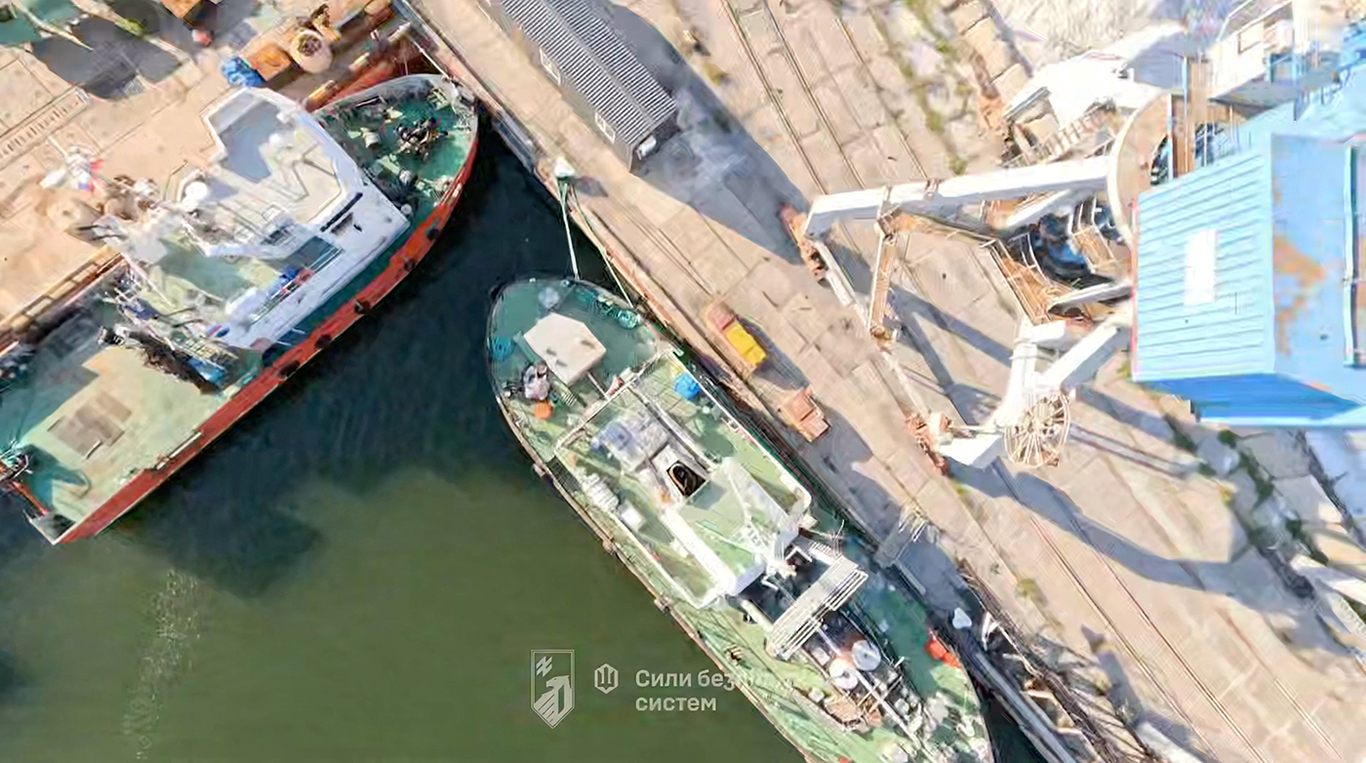
It is unknown how many people still do not have access to electricity. The administrators of some city chats and telegram channels deliberately do not publish this information and delete messages from those who are dissatisfied. The moderators explain this by saying that messages about the presence or absence of light in specific houses can supposedly be used by the Ukrainian Armed Forces.
“Based on your comments, you can easily figure out logically where to direct the next blow to make it hurt more! No offense! Not a word about light! — said the chat admin. At the same time, his interlocutors note that this makes no sense, since “the enemy is interested in energy facilities, not the availability of light,” and the coordinates of the city substations of the Armed Forces of Ukraine are already known.
Residents of other occupied cities in the Donetsk region are also complaining about power outages. In the first half of June, “due to planned work,” electricity was cut off in Makeyevka for four days; on June 11, in Donetsk, six thousand people were left without electricity due to attacks on the energy infrastructure.
All this is happening against the backdrop of the fuel crisis. In Mariupol, as in Crimea, there is either no gasoline at gas stations, or it can only be bought in limited quantities; prices have risen to 100–130 rubles per liter. The fuel shortage is affecting the civilian sector, with huge queues at gas stations. In the Donetsk region, almost a third of taxi drivers have already stopped working due to lack of fuel.