
Translated material
Seven new books about St. Petersburg
Seven new books about St. Petersburg. Family saga, bas-reliefs of Vyborg, notes of a bank employee and photographs of Smelov
We talk about new books and reissues in the first half of 2026. From neoclassical architecture of the early 20th century and urban life of the 1890s to a poetic anthology and a family saga spanning two centuries. Here is the list of "Papers" .
“Modern Petersburg. Essay on the history of the emergence and development of classical construction (1900–1915)"
Georgy Lukomsky
"Kolo", 2026
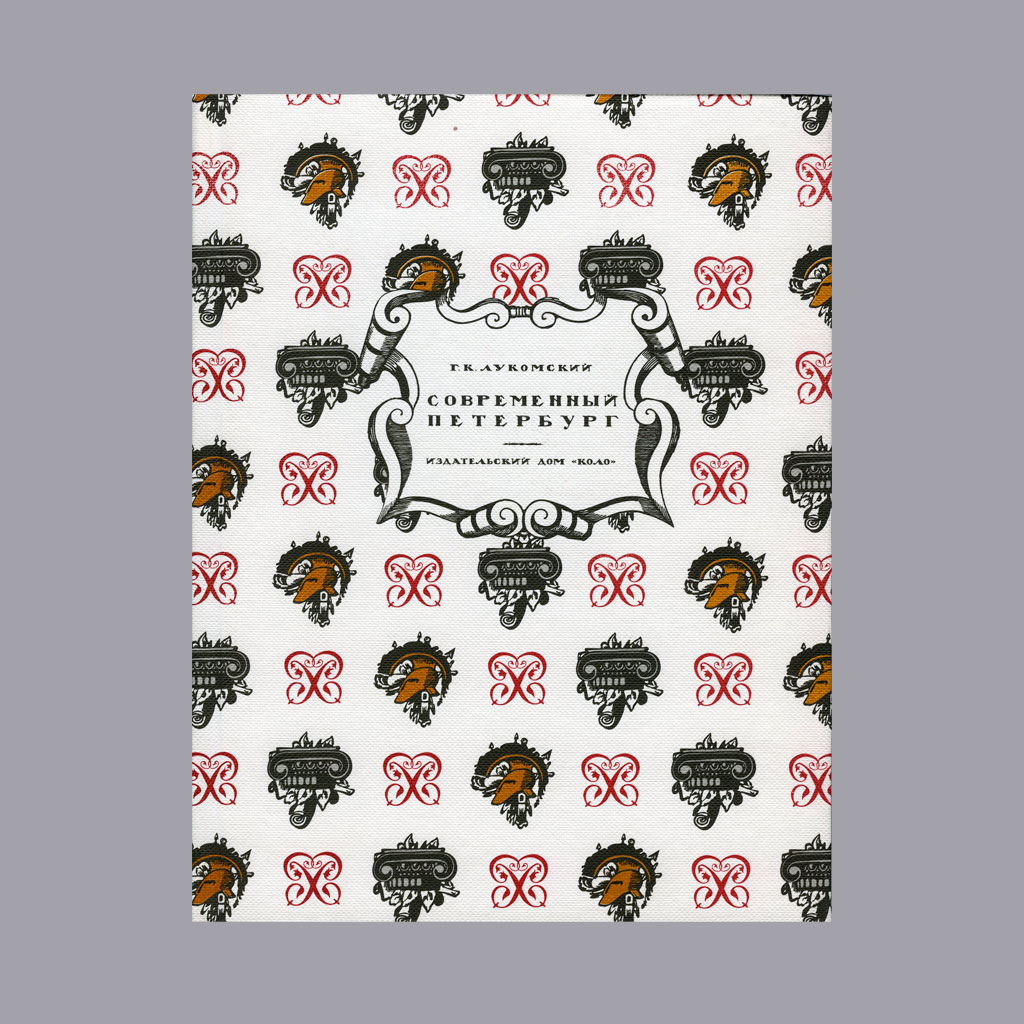
Re-release and continuation of the architectural dilogy about St. Petersburg by the historian and graphic artist Georgy Lukomsky (1884–1952). The first book was devoted to the period of the 18th–19th centuries and nostalgia for it, the second, compiled on the basis of his articles from the publications “Apollo” and “New Petersburg,” was devoted to neoclassical construction, which reached its peak at the beginning of the 20th century. In it, the author highlights the projects of Vladimir Shchuko, Fyodor Lidval, Ivan Fomin and other famous architects.
“Vyborg. Feelings in the details"
Andrey Markhotin
Samizdat, 2026
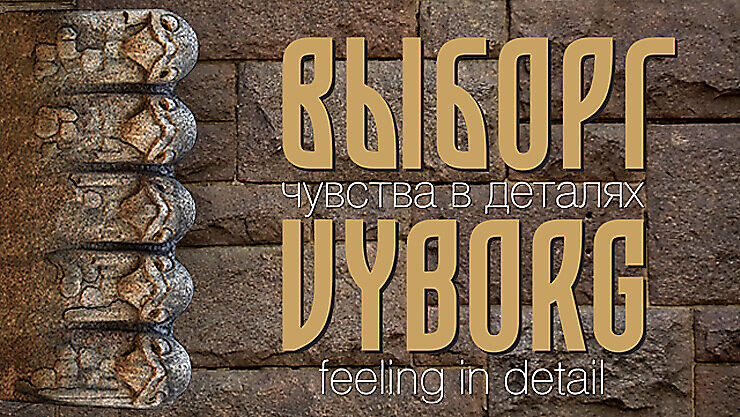
Album of photographer Andrei Markhotin, familiar from the books “Petersburg. Feelings in the details" and "Moscow. Feelings are in the details." This time he went to Vyborg and explored the forms characteristic of Finnish architecture. The book, with commentaries in Russian and English, is structured as a walk, during which you can examine fragments of forged grilles, ancient portals and bas-reliefs with animals, birds and mythical characters.
“Beyond the horizon: St. Petersburg anthology. 1950–2020"
Compiled by Stanislav Snytko
"Ivan Limbach Publishing House", 2026
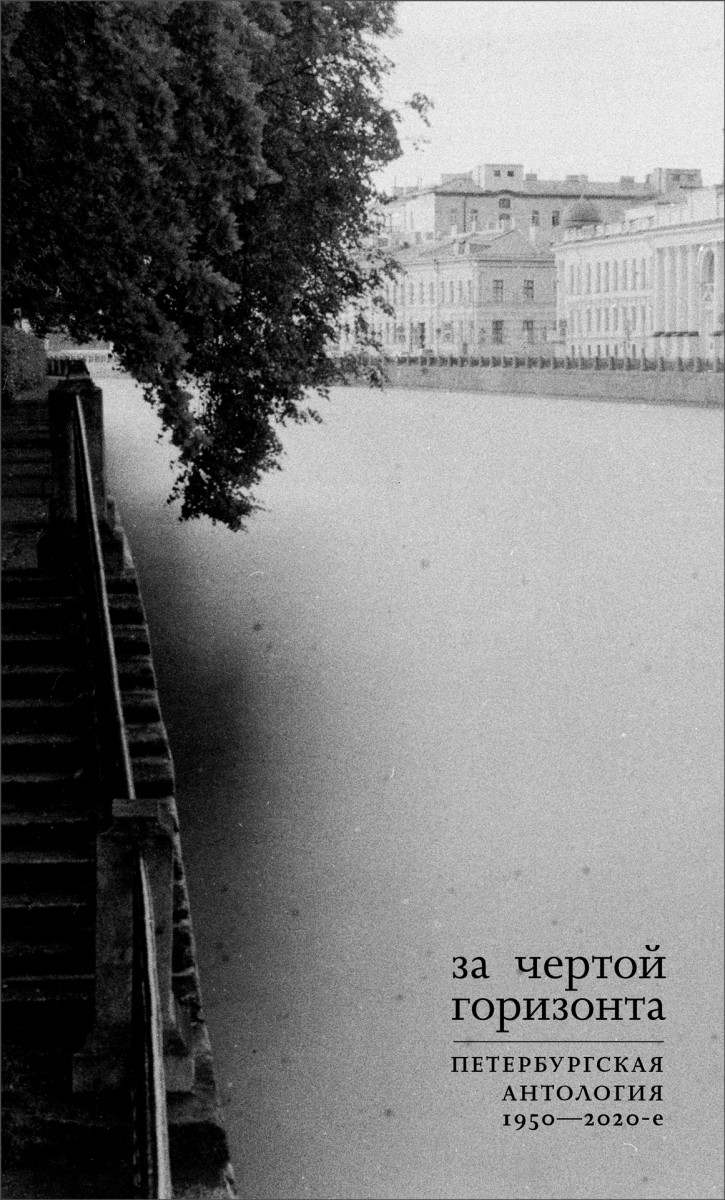
An anthology and retrospective of St. Petersburg poetry, prose and essays - from the classics Arkady Dragomoshchenko, Joseph Brodsky, Andrei Bitov to modern authors - Alexandra Tsibuli, Alexey Porvin, Anton Ravik. In this book, prose writer and literary critic Stanislav Snytko looks for common features and criteria for the unique writing styles of the last seven decades: Leningrad and St. Petersburg.
“Petersburg life in 1892. Notes and sketches of urban life"
Sergey Svetlov
"Academics", 2026
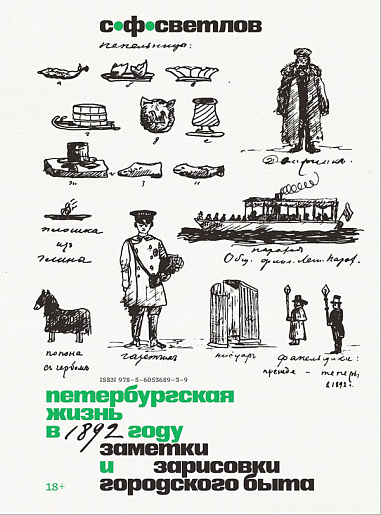
The manuscript of bank employee and theater journalist Sergei Svetlov (1857–1906) was kept in the collections of the Theater Library for a long time and was first published in 1998. These are diary notes about city life. In the new reissue they are supplemented with comments by historian Albin Konechny. The book includes sketches by Svetlov himself, from which you can find out what St. Petersburg looked like and how its residents dressed in 1892.
“Petersburg in photography. From the collection of the ROSPHOTO museum"
"Bombora", 2026
Photo: EKSMO Publishing House
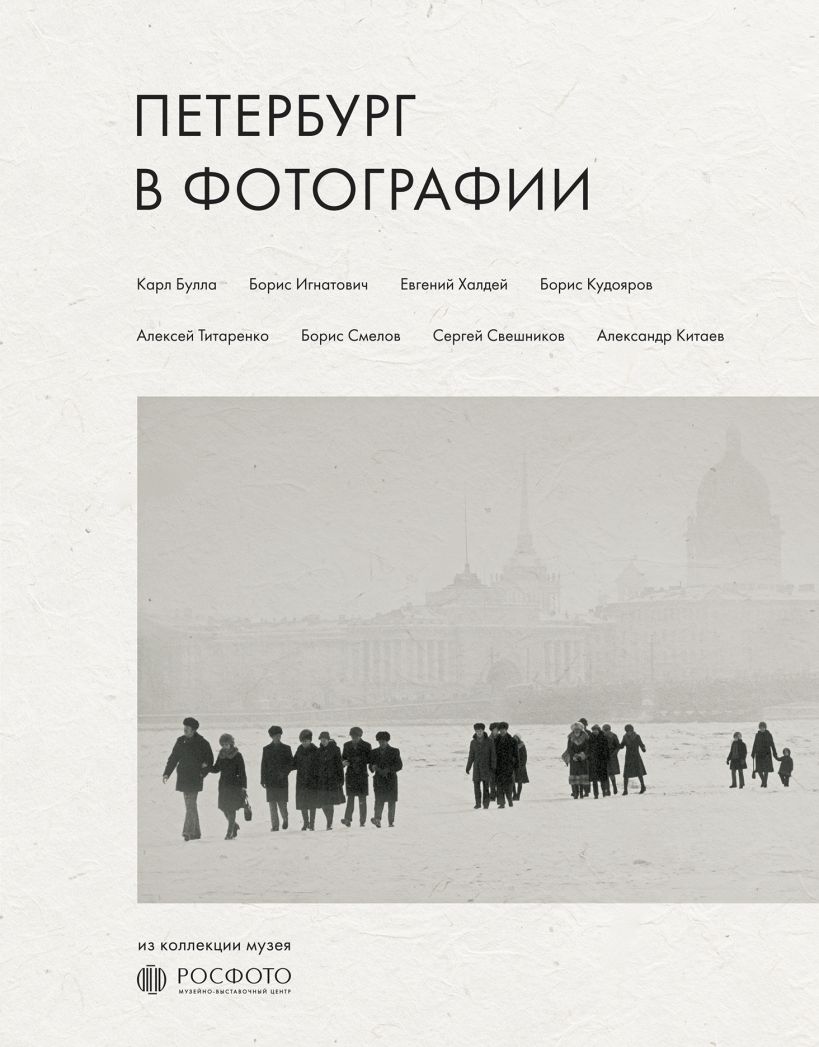
The photo album, collected by the staff of the ROSPHOTO center, shows the city through the lenses of the masters of Russian photography - imperial panoramas and tragic shots of the blockade, scenes of the Khrushchev Thaw and gloomy landscapes of the end of the USSR. The album includes works by Alfred Lawrence, Albert Felix, Karl and Victor Bulla. Particular attention is paid to representatives of the “Leningrad school”: Boris Smelov, Leonid Bogdanov, Sergei Podgorkov.
“Myths of St. Petersburg. From the sphinxes and the curse of the Obvodny Canal to the floods and the bloody goddess Sekhmet"
Vladimir Ivanov
"MYTH", 2026
This book by art critic Vladimir Ivanov is a guide to the multi-layered mythology of St. Petersburg, in particular, to ancient Egyptian and Masonic symbols. Here Peter I is shown both as the Antichrist and as the creator of the city-paradise, legends about “redemptive” floods are told, as well as how cinema and literature rediscover these stories.
“A saga about a family from the Russian Empire. 200 years of history: from industrialist Ignatius Yasyukovich to his descendants today"
Stanislas Yasyukovich
Alpina Publisher, 2026
A family saga based on letters, archives, telephone directories and genealogical extracts. Banker and investor Stanislas Yasyukovich traces the history of his family - from the industrialist Ignatius Yasyukovich, who ran the Putilov plant, to descendants scattered across St. Petersburg, Provence, New York and the Dnieper. The author paints portraits of the imperial elite, engineers and emigrants, and the Internet and the work of researchers help him reunite the branches of the family a century later.
What else to read:
- Seven new books about St. Petersburg. Ancient baths , tiled stoves and cinema during the siege.
- Five books about St. Petersburg: a detective in a communal apartment, a pre-revolutionary city, taverns, brooms and a new novelty from Lev Lurie .