
Translated material
A lifeline for heavyweights. Who will help “companies that cannot burst”
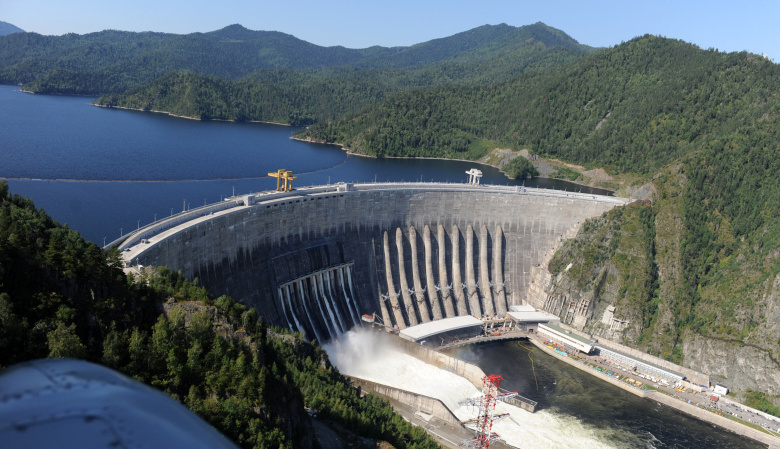
Sayano-Shushenskaya HPP
Photo by ALEXANDER NEMENOV / AFP
For the first time since the war, the Russian economy went into decline: in the first quarter of 2026, GDP decreased by 0.5% - despite the fact that growth was expected to be 1.6%. And this is with oil prices rising in March and sanctions concessions. But expensive money and shrinking demand are confidently leading to a sad situation for large borrowers: in the first quarter alone, RusHydro’s debt grew by almost 40% and exceeded a trillion rubles. When a systemically important state giant comes under attack, its problem becomes a national one—the stability of the entire corporate bond market is at stake. Maxim Blunt* - about why such companies will now have to be saved one after another and what this will mean for the economy.
In addition to the need to finance military expenditures that are increasingly beyond the federal budget, the Russian government is beginning to face another serious challenge: rescuing debt-laden “companies that cannot fail,” including state-owned ones. Following the railway monopoly (Russian Railways), the largest Russian electricity producer, the state-controlled company RusHydro, has ceased to cope with its debts.
Subscribe to read in full
Subscribe to Redefine.Media to read Republic
Subscribe [You can pay with a Russian or foreign card. The subscription is renewed automatically. You can unsubscribe at any time.]
Where does the subscribers' money go?