
Translated material
Russian chainsaw massacre
Today in Russia there are more than four thousand quest rooms, where up to two thousand fans come every month to tickle their nerves: most quests are in one way or another connected with mysticism and horror. “Such Things” visited several horror quests and talked with their founders about the economy of fear and how to develop in frightening times
The fright industry consists of numerous individual entrepreneurs (there is even a Quest Guild ). Some of them, let’s face it, work in a gray or even black way. This is fraught with accidents due to low-quality scenery, untrained actors, non-compliance with safety rules, and so on. However, for those who take this business seriously, quests can become quite a profitable venture.
Six months in hell
A thick milky-white fog creeps among the abandoned buildings of a typical American town. Wandering in the fog, we come across a board with notices of missing persons. Alarming. And then there’s a rusty, lopsided sign: “Welcome to Silent Hill.”
Suddenly, the silhouette of a man in a cassock appears in the moonlight. Raising his hands, he frantically shouts: “Repent, travelers, while you still have the chance, for soon He will be here! And with a flaming sword he will bring bloody justice!”
Without waiting for whoever will be here soon, we hurried up the side stairs and find ourselves in a brightly lit spacious room with sofas and two large monitors. There are at least 10 people here, and everyone is busy with their own business. A specially trained operator monitors the quest participants through many cameras, guides them along the plot route, and creates horror, including lights, mechanisms and music. In the same room, the actors change clothes and run away to the players through a separate door.
Katya Yuferova, the owner of the quest, a young girl in a fashionable hoodie, also comes here. She began her journey in the quest business as an actress in the escape genre, rose to the rank of manager and met Timofey Mosin, her future husband and business partner.
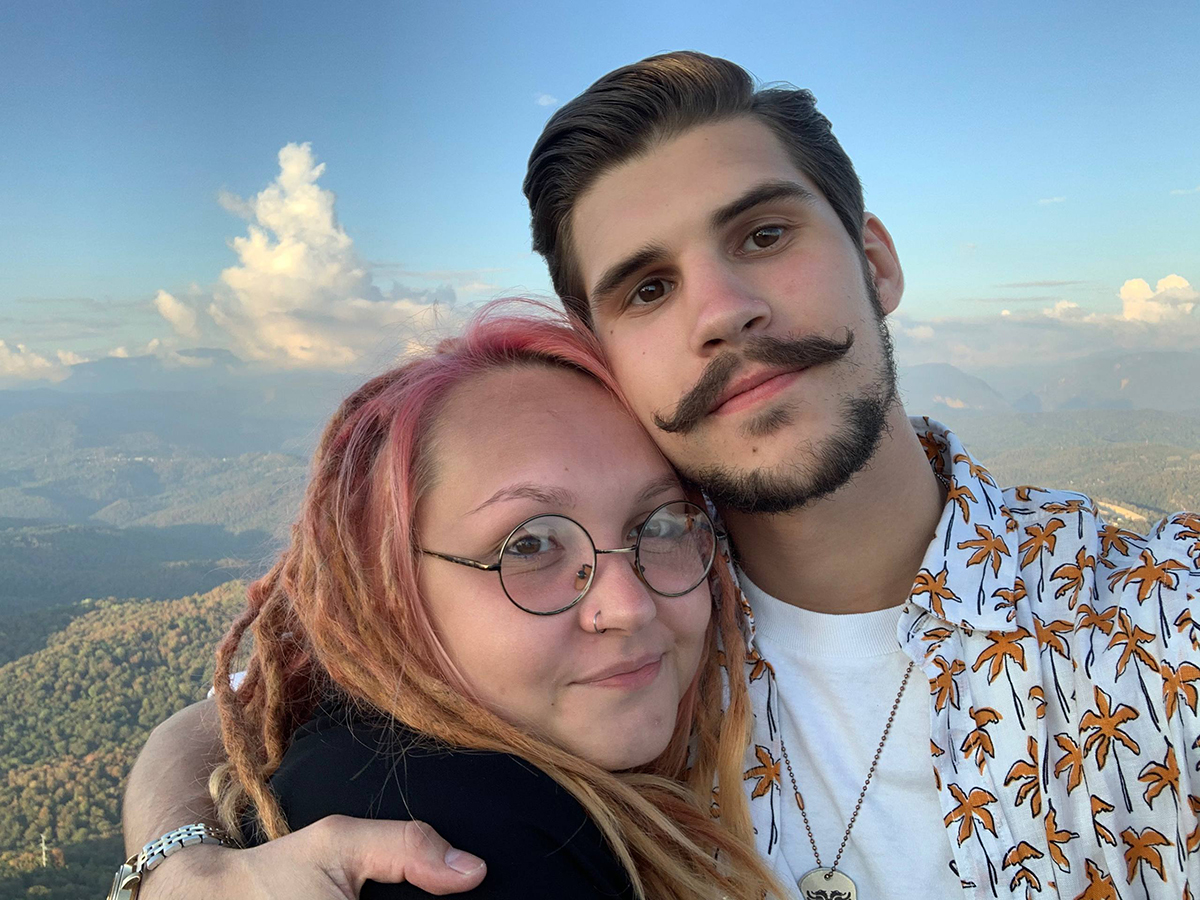 Katya Yuferova and Timofey Mosin, owners of the Silent Hill quest Photo: from personal archive
Like many quest actors, Katya and Timofey always dreamed of opening their own project. Timofey managed to come to an agreement with his investor friends - and thus the Silent Hill project was born. Now it is located in Moscow near the Savelovsky station, but originally it was at the Elektrozavod, which later closed after a fire - this dealt a significant blow to the entire quest industry, burying more than 30 projects at once.
“When we built the quest at the Elektrozavod, it was six months in hell. But now I’ve changed my mind a little: transporting this quest has become a real hell. And that was it, warming up,” jokes Katya.
Launching the plant cost six million rubles, with only half a million going to fire safety, and 700 thousand for all electrical equipment. The design was made by a friend of Katya and Timofey. Friends helped with the construction. I had to pay almost 200 thousand rubles a month for rent (a thousand per square meter). And the total profit was in the region of 0.85–1.2 million rubles.
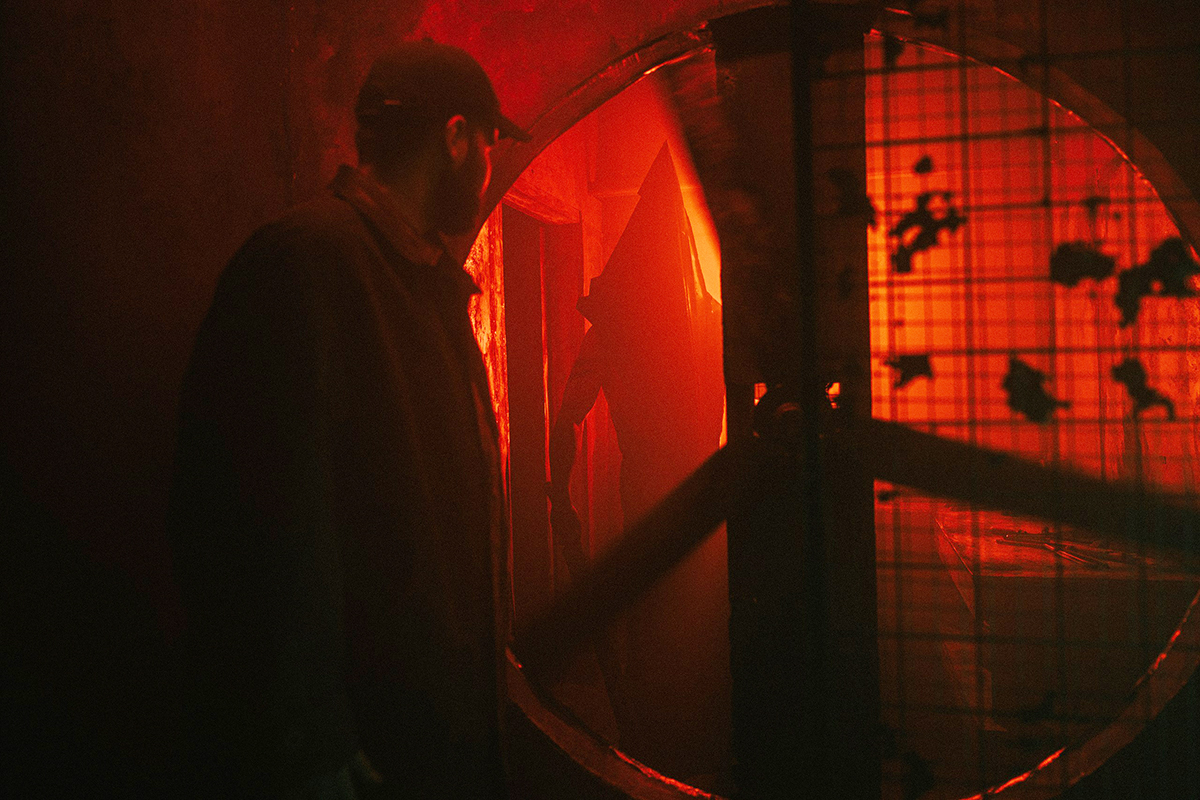 Silent Hill QuestPhoto: Arthur Colliins
Collapse of the Empire
When inventing the quest, Katya and Timofey paid great attention to safety. However, even with careful preparation, there were incidents. During the game, one girl jumped on some furniture and fell off it. She said everything was fine. Katya and Timofey relaxed. And a month later, “additional trial” suddenly comes: the girl allegedly broke her arm and demands compensation because she had to be treated in the most expensive clinics. It was necessary to shell out a round sum.
However, this is an isolated case, Katya emphasizes. The business was paying off well and had just covered all the invested funds when suddenly the fire happened.
“The guys from the quest wrote to me that they smelled like burning,” recalls Katya. — This is a common thing for the plant. There's always something smelling there. But no one thought that the collapse of the empire was happening... For the first two days, I just couldn’t believe it. It was something very familiar. When you spend six months there for 12-18 hours, you put it all together yourself, build it, invest... Plus it’s your own idea - there’s a lot of symbolism in it. And the first successful business. You just pulled your head out of the puddle, like: “Yes, what a wonderful world!” - and the world answers you: “No.”
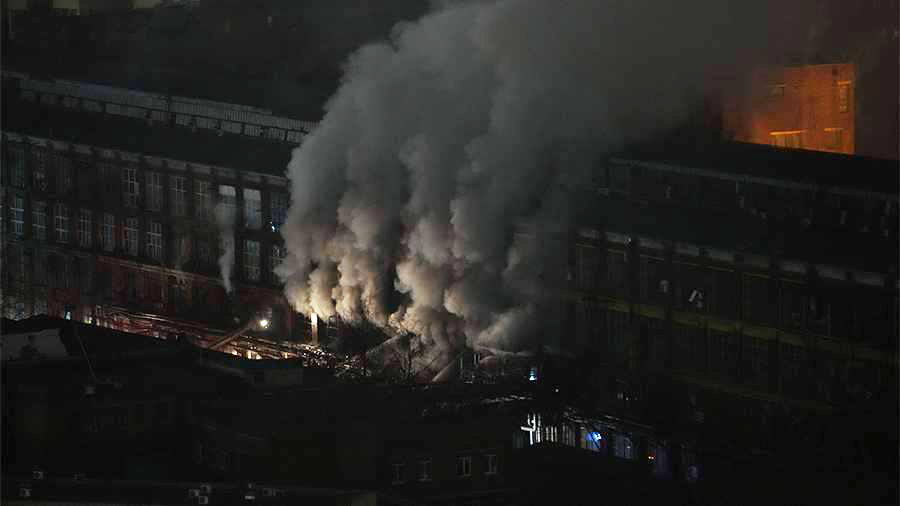 Fire at the Electric PlantPhoto: from the personal archive of the heroes
The main shock for Katya and Timofey came when it turned out that the fire did not affect their props. Everything was fine. But Elektrozavod unilaterally sent an agreement to terminate the lease - the team had a month to move out.
“We thought like this: we still have equipment, costumes, wood, furniture,” says Katya. “We took everything from the factory; not a single self-tapping screw of ours was left there.” They thought: “Well, what is there to pay for a new building?” And it turned out to be 10 million... Not including a million for moving.”
The entire time we are talking, the manager of Silent Hill is present in the room - a focused young man named Lubomir. He constantly monitors the cameras, every now and then jumps up and runs to the players to instruct, guide, explain. Whenever he has a free minute, Lyubomir reflects with slight melancholy on the new generation of players and actors. He yearns for the times when quests were a closed party for only his own people. And the quest business was easier.
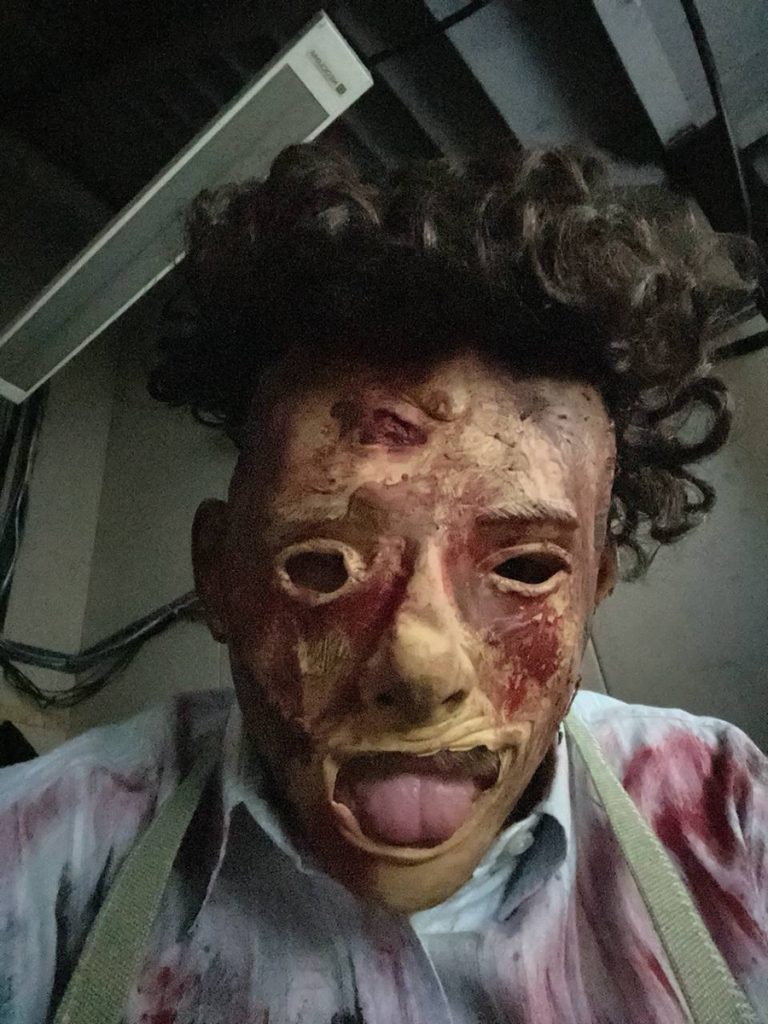 Lyubomir as a quest characterPhoto: hero’s social networks
“The generation of players has changed a lot. The number of “submersibles” has decreased tenfold. People used to follow, but now they hardly follow,” Lyubomir notes philosophically, referring to the player’s ability to detach himself from reality. - The character asks: "How did you get here? How did you end up here?" And the man answers: “Yes, we came for a quest.” The door to the fictional world is open, but the player himself remains outside.”
Things are no better with the actors. Only in the first six months after the opening, Lyubomir fired someone every month. And every week he trains someone.
“Many people want to play, but I’ll say this: it’s better not to come,” he says indignantly. — A quest actor is not only about playing a scary character. It's about reaction. The player did the wrong thing - you have to catch it. The player got too scared - you have to slow down. The player is not immersed at all - you have to find a way to get him back.”
One feels that Lyubomir would like, like a ghost with a flaming sword, to bring justice to the quests. Repent, players and actors, while you still have the chance.
"Asylum" for Bitcoin
Around us is an abandoned hospital with typical elements of a “maniac”: couches covered in blood, frighteningly sized surgical instruments (they are also instruments of torture), cobwebs, dirt - in a word, everything that we are so afraid of and so anxiously await from any horror film.
28-year-old Mikhail Mehrabyan is one of the owners of the Outlast quest and the founder of PopCorp, a franchise that unites under its leadership a whole network of quests, including such as “The Collector”, Silent Hill and “The Conjuring”.
“To open Outlast, I took money from all my friends, relatives, and some of my savings,” says Mikhail. — I saved money for a long time and bought Bitcoin. He then shot, and I did well to improve.
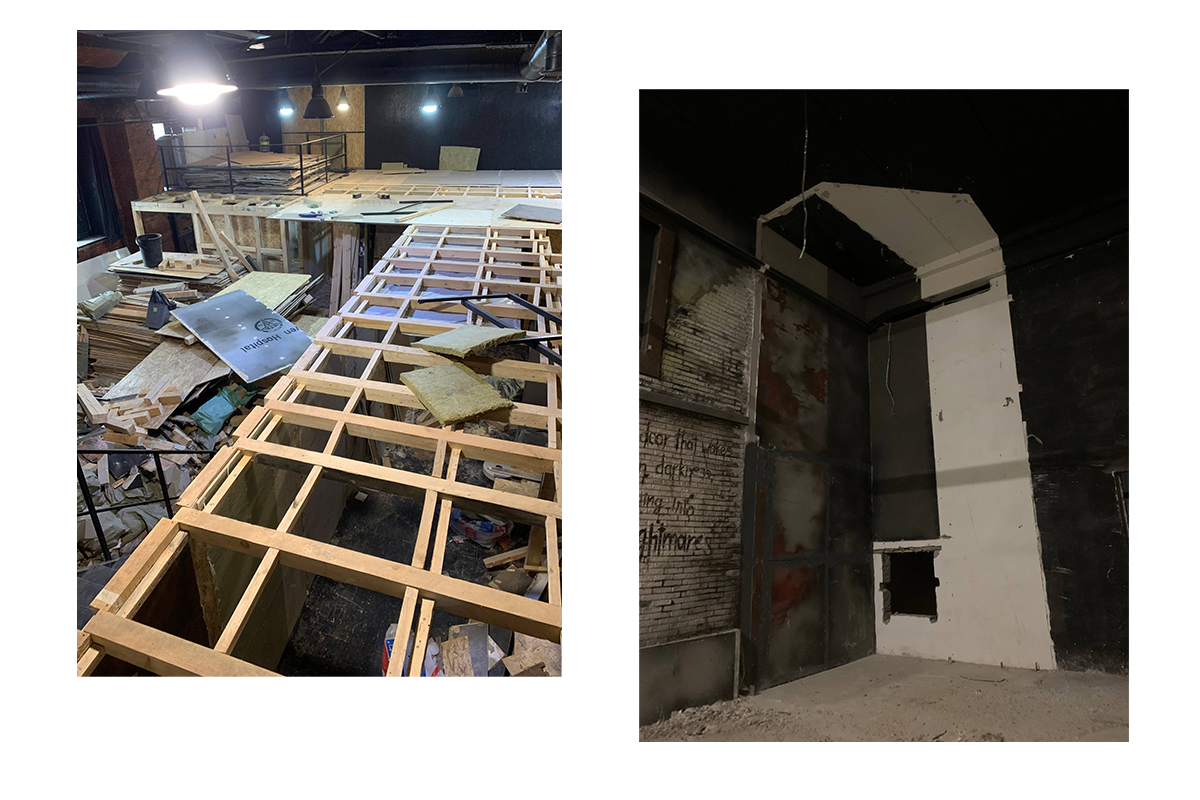 Installation of quest decorationsPhoto: from personal archive
When we opened this quest, it paid for itself very quickly, in less than a year. For business this is generally nonsense: usually you have to wait two to three years. There were periods when it could bring in a net million rubles, 500 thousand for each owner... And now taxes are twice as high: it was 6%, now it’s 11%, I used to pay 300 thousand a quarter, now it’s 600. Moscow is oversaturated, there are a lot of quests.”
Outlast was the first project in the entire franchise for Mikhail, so he speaks about it with special warmth.
“We immediately realized that we wanted to open a mental hospital. There were no mental hospitals on the market at that time. First, we came up with a completely original project. But when the question arose of what to call ourselves and I looked at references, where to get what for the decor, I often took references from the game Outlast.”
Tie and drag
Mikhail is philosophical about the issue of copyright. It is unlikely that large American companies will notice a small harmless quest with a bloody couch. “Of course, if someone wants to show it to us, they will,” Mikhail is sure. — There was a quest for [the game] Atomic Heart - they applied for it. They didn’t pay a huge sum, something like 200 thousand, but they closed.”
In general, it all depends on the people. For example, Japanese composer Akira Yamaoka, the author of the legendary soundtrack to the original game, accidentally learned about the Silent Hill quest. And he didn’t get angry and didn’t show anything.
“He was super pleased, he even said hi to us via video. He said that as soon as he’s in Moscow, he’ll definitely come and play,” Mikhail hopes.
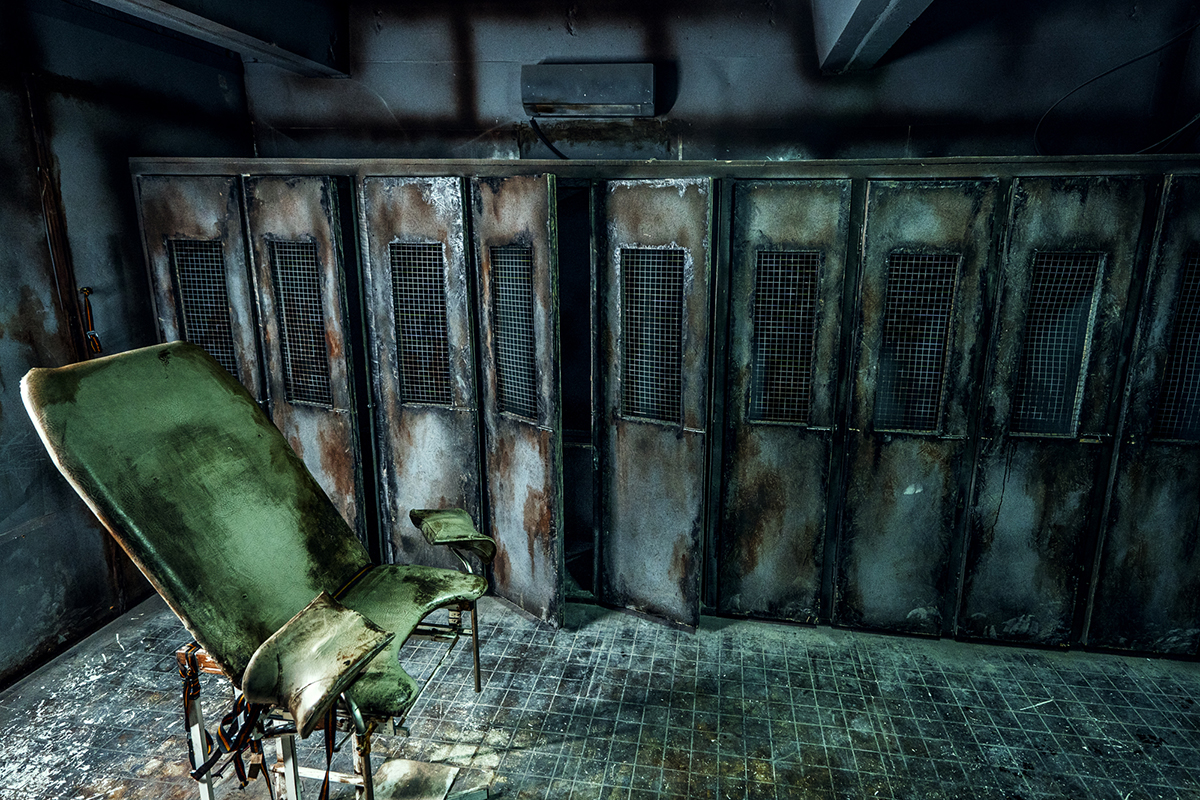 Outlast quest sceneryPhoto: Arthur Colliins
Quests also attract potential foreign partners. So, the Chinese came to Mikhail: they looked, found out what was going on, and then they discovered something in their own country. Although in China, by law, you cannot physically interact with the player at all. It is forbidden to tie him, grab him, or drag him. Everything is “contactless”, only mysticism and scares.
In the Czech Republic, everything must be arranged so that a person with a disability can play the game. If he can’t, then they won’t let you organize the quest. In some countries, even doors cannot be locked with magnetic locks! How then can a person get out of there if everything is already open?
No, in Russia, whatever you say, it’s good. They love horror movies here. You can grab, you can tie, you can lock - they will also say thank you.
Imitation saw
The quest business imposes great responsibility on the owners in relation to the employees. The rules and responsibilities of the actors, framed behind glass, are usually hung in the "camera" room for everyone to see. On Outlast, according to Mikhail Mehrabyan, the quest script is even certified by a notary. Actors are forced to learn it by heart. For example: “When Actor 2 enters the “Registration” room, Actor 1 stands in his place with a toy that imitates a saw and makes a loud sound. Actor 2 goes to the waiting room and calls for guests.” Or: “Actor 2 offers the guests a drink, use the restroom and asks about the well-being of everyone who played the game. Then he gets the feedback from the guests and offers to take a photo with actor 3.”
The actors choose their own schedule, continues Mikhail. At the beginning of each month, they tell the manager when and what shifts they want to work - this is how the schedule is created. Actors working a couple of times a week can earn up to 50 thousand rubles monthly.
In addition to the salary, in some quests there is a system of various incentives and cashbacks - for example, for each player personally brought to the actor, bonuses are given. Experienced workers have an entire client base that provides up to half of their salary.
 Mikhail MehrabyanPhoto: from personal archive
There is also a system of fines. “If you are late for the game, you get a warning, then a 500 ruble fine,” explains Mikhail. — If you are systematically late, these 500 rubles progress over the course of a month. What do we not forgive? A strict ban on drugs and theft, of course. And a strict ban on any erotic overtones, contacts and the like.”
A separate income item is tips. In a conversation with us, the actors recalled with pleasure how at one of the old games the team left them as much as 80 thousand rubles - a full monthly salary. That's how much they liked the game! Of course, the entire industry immediately learns about such cases. And he is fiercely jealous.
It happens that players try to bribe staff. “We’ve had situations where people said: we’ll give you 50 thousand, just let us through (ignoring the age limit),” explains Mikhail. - There is a temptation, of course, but it’s still impossible. You’ll get into trouble later.”
When the flamethrower broke
However, the main problems arise not because of the players, but because of the poor quality of the materials, the quest owner emphasizes. It often happens that the scenery is assembled from what was at hand. “The wood was not treated, the wires were left without corrugation, all on some kind of twists. Someone hits the wall, it vibrates, the wires move away, touch each other, there is a spark - and that’s it, there’s a fire. It will burn quite quickly."
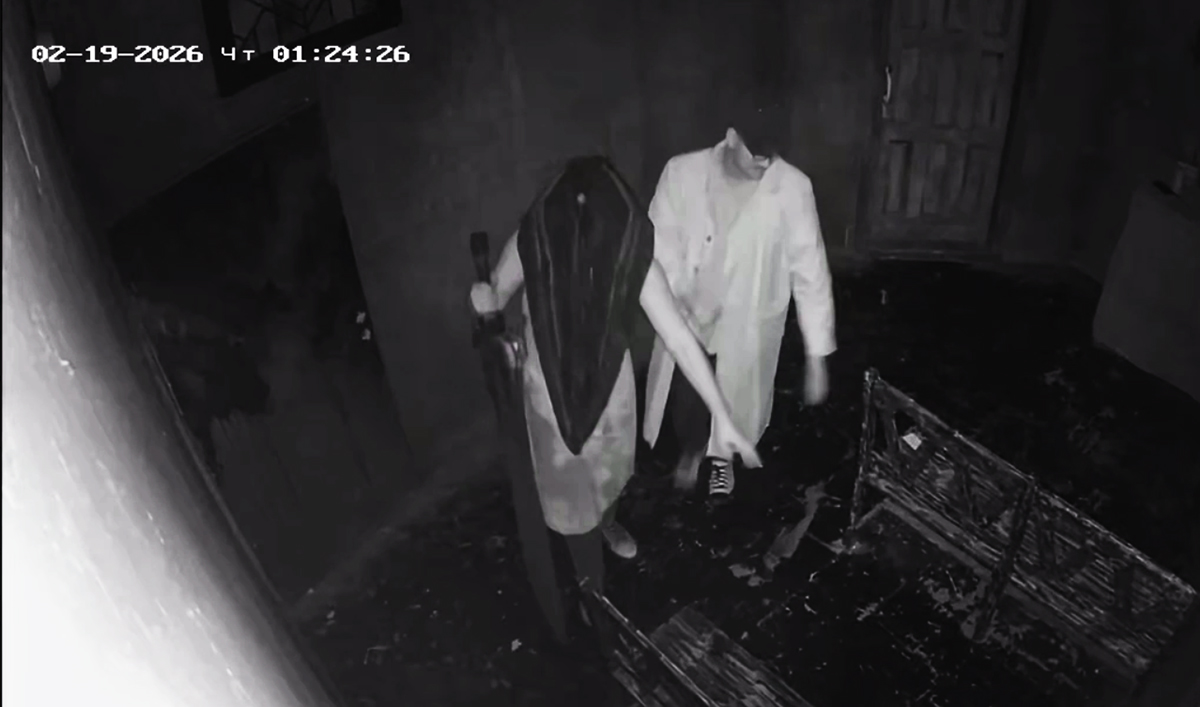 Screenshot of recording from video cameras, with the help of which actors and organizers monitor the progress of the questPhoto: Lyubomir tg channel
But these are just flowers. Mehrabyan recalls how, during one quest, an actor shot a guest with a blank pistol and the girl ended up in the hospital: “There was a quest “The Last Excursion.” It eventually closed. The guy who did this was blacklisted from all quests. After that, everyone began to remove empty weapons from quests. The Tasers on many were removed. There was also a loud scandal when molten material began to drip onto the children. There, the ceiling was made of film, the children were behind bars, and the actor had a homemade flamethrower. Something broke, he pointed it upward, the film began to melt, and the child suffered a burn. Of course, this situation has changed the industry a lot."
Ideal prison
The windows into the courtyard are surrounded by prison bars, with pieces of fabric and scraps of clothing hanging from them. Under the bars on the wall are mysterious prints of black palms. The horror quest “Panopticon” appeared 10 years ago and is named after the famous project of an ideal prison with a single warden.
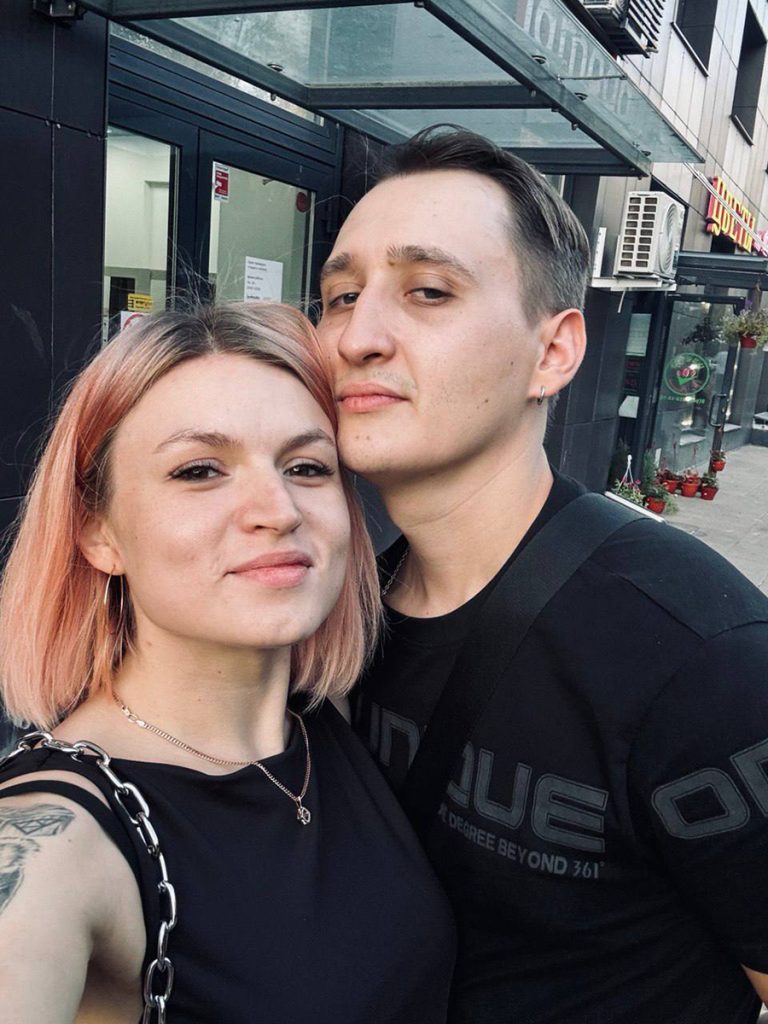 Anastasia and Alexey Volodin, owners of the Panopticon quest Photo: from personal archive
However, the worst thing about “Panopticon” is not the characters in the quest, but the water pipes that constantly break. The house where the game takes place was built in 1946, there are ancient communications, wooden floors and a riser going somewhere unknown.
The cheerful owner of the “ideal prison,” Anastasia Volodina, recalls: “My parents and I started creating a room for a quest.” They helped me. And then they transferred the case to Lesha and me.”
Lesha is Anastasia’s husband, co-owner of the project and a fellow fan of the quest industry. He says that he got into business by accident: he returned from the army, began looking for work, and found Nastya, who dragged him into this semi-basement. Soon they got married and things started to progress. At first, Alexey worked as an actor and became so accustomed to the role that his gait even changed in life, and he spoke with clenched teeth, like the hero of a quest. My wife was scared, but then everything went away.
Now Nastya and Lesha have three children, and the quest is their full-fledged family business and the main source of income.
Scary creative people
“We never treated this as work,” Nastya notes. - Bosses, management, subordinates - this is not about us at all. We have a creative team. But creative people need freedom. When you are a creative person, where should you go to work? I am a teacher by training, a primary school teacher. She worked as a teacher in a kindergarten. And I realized that it was not mine. I was also a counselor, an animator... Well, I started going on quests, still as a player.”
When Nastya decided to start a quest business, she was lucky: her parents acted as investors. The launch of the quest in 2016 cost three and a half million rubles. Moreover, 200 thousand rubles were lost after an unsuccessful attempt to enter the Novosibirsk franchise. Since then, Nastya and Lesha have been wary of franchises and prefer an independent path.
Now, in good months, the turnover of the “ideal prison” can be 600–700 thousand rubles. The best season is autumn. However, things are not going well: purchasing power is falling, and quests are already quite an expensive leisure activity.
 Character of the quest “Panopticon” Photo: tg-channel of the quest
“If people go on quests, it’s for birthdays,” explains Anastasia. - They save a lot. But we cannot lower prices, because rent is rising. And salaries must be supported. In addition, we have three children, they constantly need to be dressed and put on shoes. The middle son, Dima, is five years old, he already adds three-digit numbers in his head. Do you want to develop this further? So, you’ll be looking for ways to pay for his classes.”
Nastya and Alexey are constantly looking for ways. There were also unsuccessful projects: they invested one and a half million rubles in the construction of a new escape room on the outskirts of Moscow. They came up with a two-story location with a “hide and seek in the dark” format, but Covid killed everything: people were in quarantine, but rent had to be paid. The landlord also raised the rent: they say, times are hard. I had to close.
But now Alexey is building a new quest in the room next to the “ideal prison”. He has already fully prepared one location in the form of a white hospital room and is setting up others. At the same time, renovations are underway in the old premises. A good scare is expensive.