
Translated material
I left Europe for Kyrgyzstan and am happy
Elizaveta Bogdanova, originally from the mountainous Kyrgyz village of Ak-Suu, studied, worked and lived in the Czech Republic for 11 years. During this time, she learned the language, received a medical education, got married and gave birth to two children, and also realized that she would never become “her own” in Europe. She returned home four months ago and is very happy to be able to live in nature. Elizaveta told Kholod about why and why she exchanged Europe for a mountain village in Kyrgyzstan.
Now I live in a village. This was the best decision for me and the children 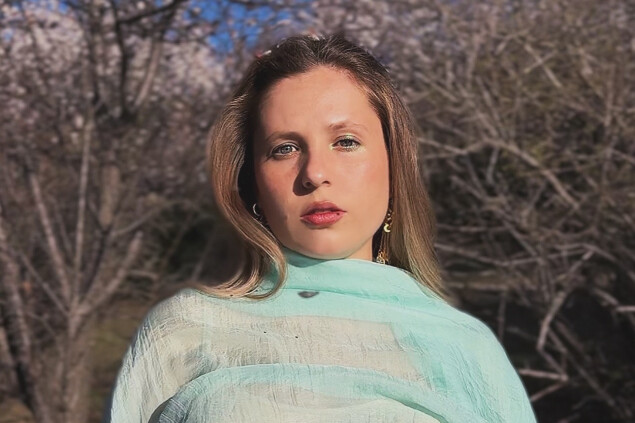
We chose language courses, I received a student visa and in 2015 I went to Marianske Lazne (a tourist city in the Czech Republic - Note by “Cold”) . At first, I felt a great burden of responsibility and could not relax: I understood that if I did not learn the language and go to university, I would lose my student visa and go home.
Many words in the Czech language are similar to Russian. It was also difficult for me because this was my first experience of independent life. I grew up in greenhouse conditions: I spent all my time at home and my parents decided everything for me. And then I found myself in a foreign country, where people speak a different language. Of course, I was stressed and made a lot of mistakes. For example, I lost my bank card.
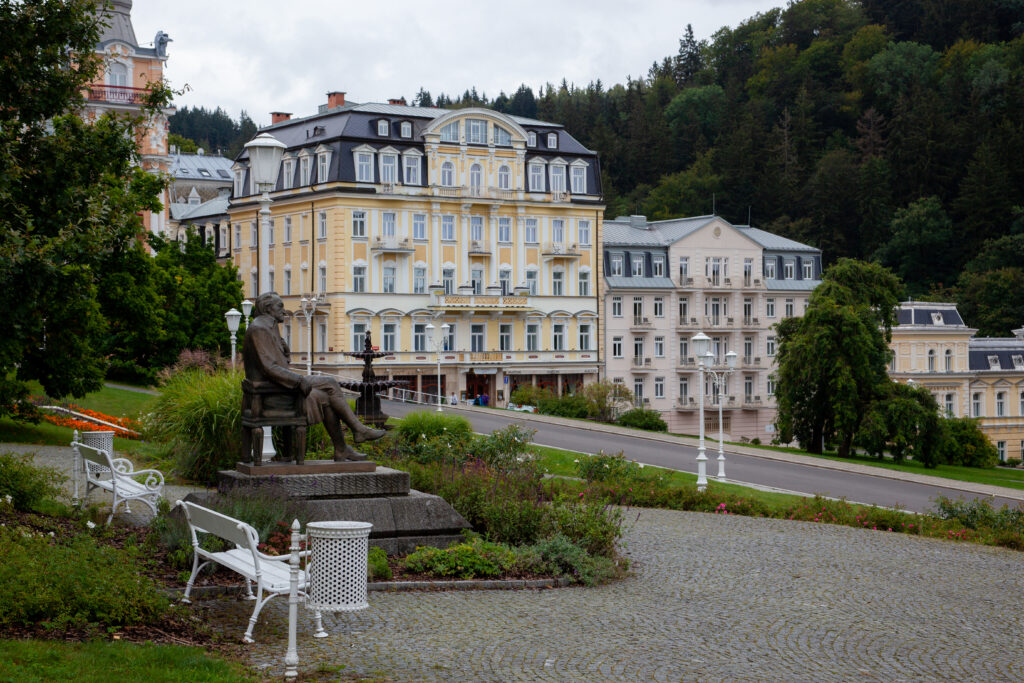
It was easier for me to learn Czech than English. Many words in the Czech language are similar to Russian, but sometimes they have the opposite meaning. However, spoken language was not enough for admission. I was going to get a medical education, and in Czech I had to study physics, chemistry and biology.
The selections and tests for the Faculty of Medicine were very serious, and I did not pass the medical specialty, but I entered a related specialty - occupational therapy (a branch of medical rehabilitation where patients are helped to adapt to everyday life after an illness, injury or age-related changes. - Note by “Cold”). I moved to Ústí nad Labem ( a large industrial city near the border with Germany - Kholoda ), where my university was located.
Either you are constantly striving for something, or you are a sucker. I studied special terms in Czech, but in the first class I realized that I did not understand 90% of what the professor told us. With practice this feeling went away. I still had a slight accent, and many even asked me if I was Slovak, but I spoke Czech quite well.
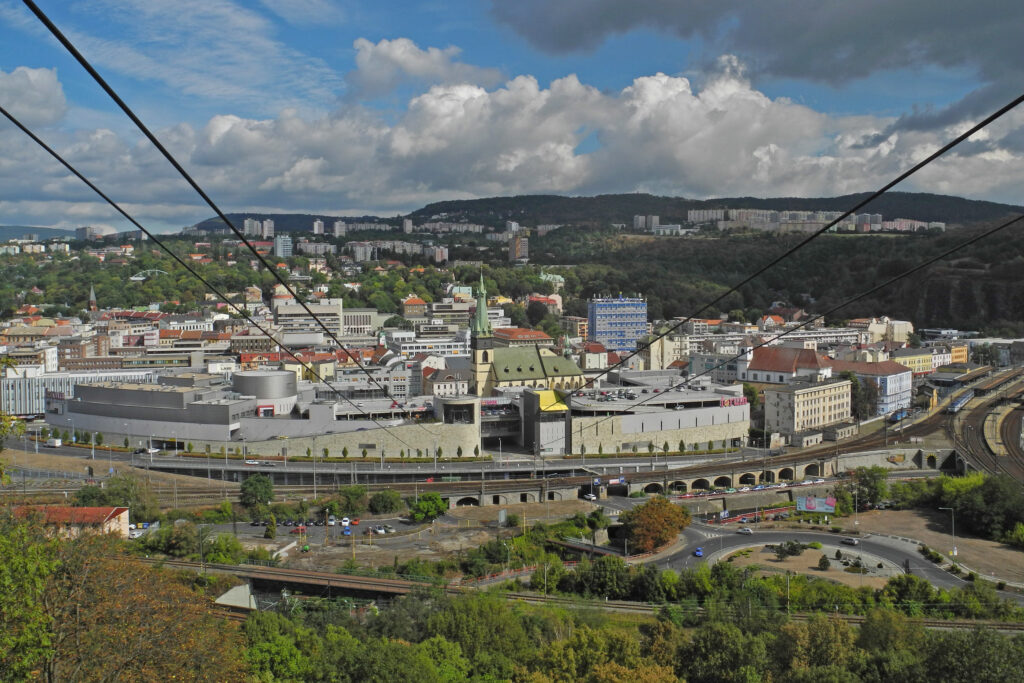
Despite this, I still felt like a stranger in the Czech Republic. I was surprised that I was the youngest in my group. It turns out that it is not customary for Czechs, like ours, to receive higher education immediately after school, and many take a break. There were a lot of such cultural differences. I felt them in communication with my Russian-speaking classmates - guys from Russia and Ukraine, and especially with the Czechs. I spoke differently and realized that I had different values, probably due to the fact that Kyrgyzstan is closer to Asia than their countries.
Fortunately, I didn’t feel lonely for long. Even before entering university, I met my future husband. He came from Kazakhstan and studied molecular biology in another Czech city. We met by chance, on a bus: he didn’t have a few crowns to pay for the ticket, I helped him, and we started talking. It turned out that we have a lot in common. Not only are we both migrants, but we also both grew up in villages. We love nature, value our families and dream of a measured life.
We were quietly content with my salary alone. In the second year of my stay in the Czech Republic, I began to understand how important it is for people to have a common course and values. I communicated with Czechs and understood that I would never be able to love a person, much less build a family with him, if I did not fully understand him, if there was a language and cultural barrier between us.
"Not my own"
Having trained as an occupational therapist in 2019, I decided to get a second higher education - and became a physiotherapist. Soon I received a job offer from a private clinic in Česká Kamenice ( a city in the northern part of the Czech Republic - Kholoda’s note) . During Covid times, the clinic had a shortage of staff, and in addition to my salary, I was offered free housing - an apartment with mountain views, a spacious living room, bedroom, bathroom and storage room. Without thinking twice, my boyfriend and I moved. For several months I was on probation , putting people back on their feet and rehabilitating them after operations of varying severity. I passed everything successfully and my salary was increased.
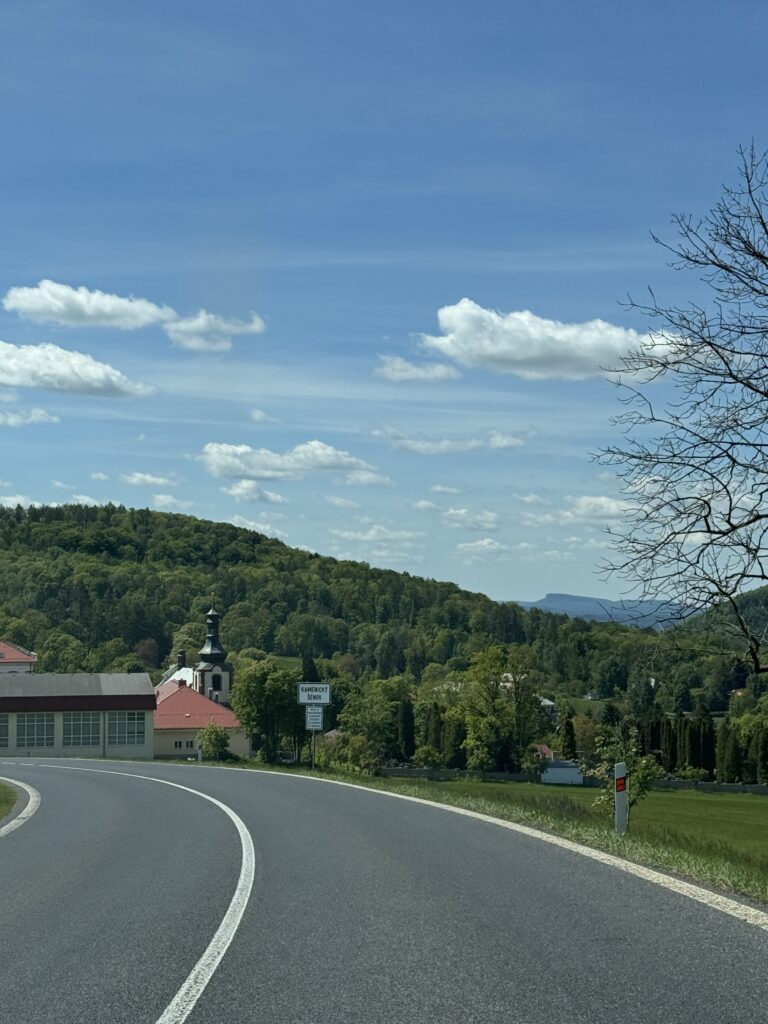
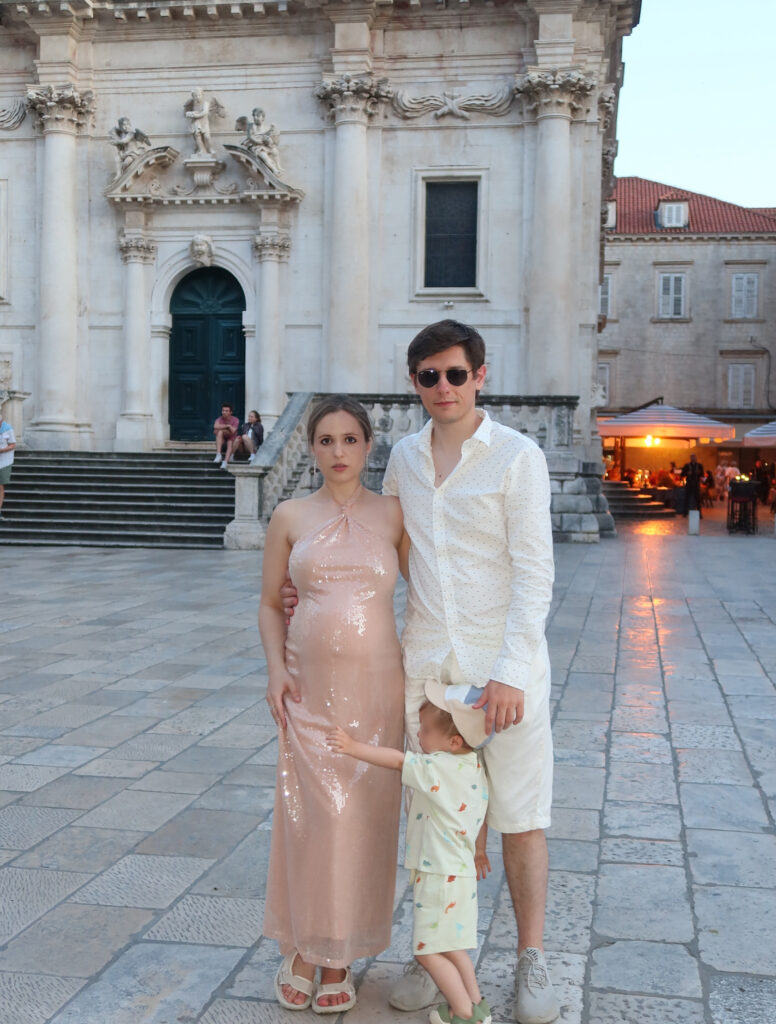
The guy was then working remotely and not in his specialty: he monitored the progress of sports matches for a company that dealt with betting. It didn’t bother us that we lived far from the capital. We both love clean air and nature, and that mountain town hit our hearts.
And that mountain town hit us in the very heart. When we wanted to live the city life, it was not difficult for us to get to Prague by public transport. At first I went to study in Ústí nad Labem by train, but when I wrote my thesis and almost passed all the exams, I left my studies. Besides, I gave birth to a son in 2023, and I didn’t have enough time at all.
We liked life in the Czech Republic, and I didn’t think that I would ever leave there. Like many people from the CIS, I believed that everything was bad in our countries - bad medicine, totalitarianism, but in Europe it was good - civilization, free people, no corruption, freedom of speech. At first it all felt that way.
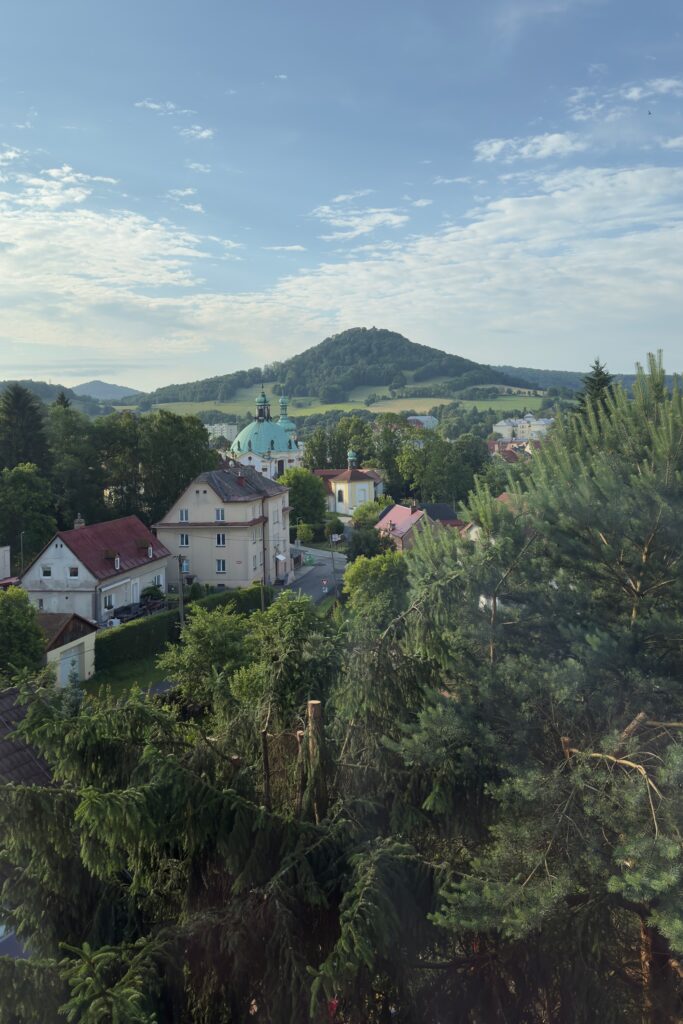
True, starting in 2020, my husband did not always have a job. But we were calmly content with my salary alone, since we did not have to pay for housing and we only had communal services - a maximum of five thousand crowns (17 thousand rubles at the current exchange rate. - Note by Kholod) . Twice a year we could afford to go on vacation to the mountains in the Czech Republic, and we went to Germany or Austria. Traveling to other European countries from the Czech Republic was convenient and inexpensive. When my husband and I lived alone, we got everywhere by public transport, but after the birth of the child we realized that this was not very convenient and bought a car.
But after the war, a lot changed. No one expressed hostility directly, but I still felt that they began to treat me differently at work, although I was not even a Russian citizen. At general meetings, our chief physician - a citizen of the Czech Republic with Ukrainian roots - made generalizations about all Russian-speaking people, which seemed unfair to me. The general situation was also pressing.
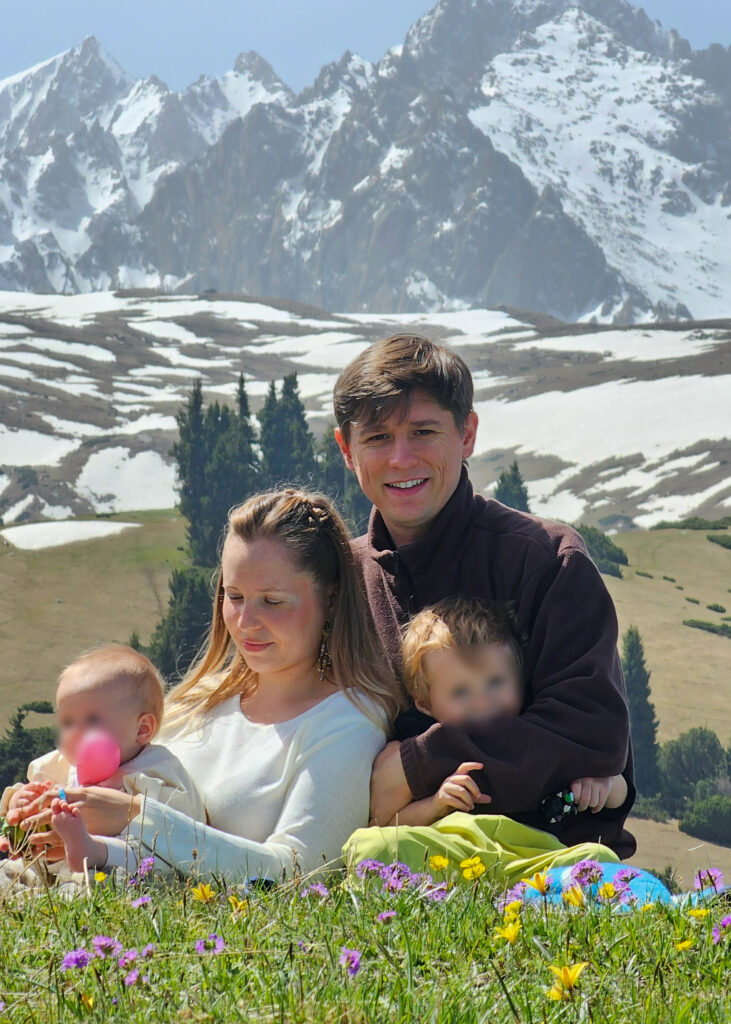
I learned from the news that there are criminal penalties in the Czech Republic for speaking out in support of Russia’s actions against Ukraine and that citizens of Russia and Belarus cannot obtain long-term visas for study. Even before the war, I understood that I was a stranger here and would never fully become one of my own , but after 2022 I stopped feeling comfortable living with this feeling.
It was also confusing that with the start of the war in the Czech Republic, prices for food and basic services increased significantly. I also began to feel more and more clearly that we are not all eternal. With the birth of children (our daughter was born in 2025), I realized that family is the most important thing for me. I wanted to be closer to my parents, and also for the children to have a happy childhood: so that they could spend time with their grandparents and be able to go out into the garden and be in the fresh air at any time. So my husband and I began to think about moving.
Everywhere you look there are mountains
We have been living in my home village in Kyrgyzstan for four months now. My father has a large agricultural enterprise here - more than a dozen hectares of land on which he grows potatoes for sale. There is also a huge greenhouse on the property, in which dad grows cucumbers and even tropical fruits - this is his hobby.
In my teenage years, it was important for me to constantly achieve something. I share his passion and talk about our harvest on my social networks. People like content about our greenhouse, because many people by a greenhouse mean a small house in which they grow cucumbers, peppers and tomatoes, but for us it is a whole technical room in which exotic fruits grow.
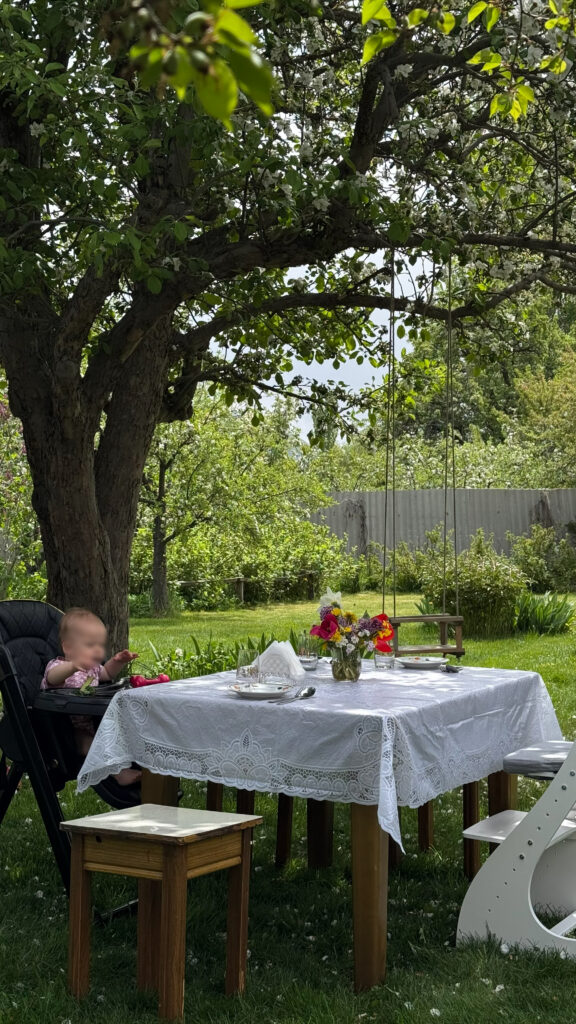
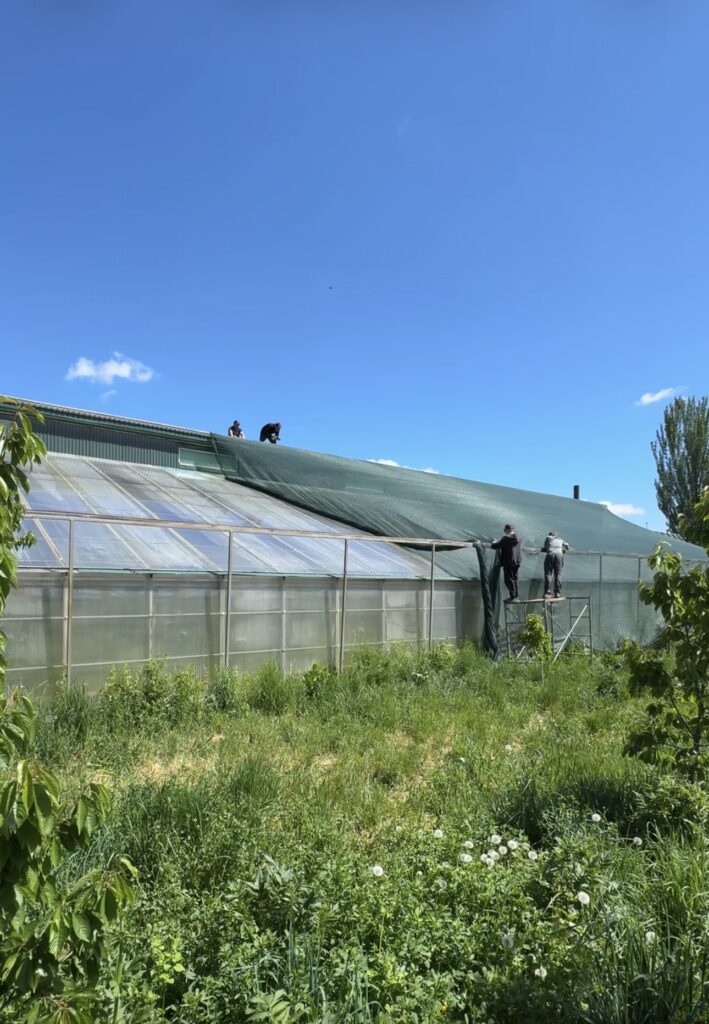
I noticed that after moving I became much less anxious. In Kyrgyzstan, it is almost always sunny, and our village is located in a place with stunning views: everywhere you look, there are mountains. When my husband and I lived in an apartment with our children, we constantly had to think about what to do with them. In a confined space, the children were bored, they needed to be entertained: play games or go for a walk together.
Here the children have freedom: my son plays by himself in nature, I put my daughter in a stroller and take her with me to the garden or to the kitchen. I do all the housework and household chores with her. On weekends, we all go together in my dad's SUV to the most beautiful natural places. I am very happy that when I need help with my children, I can count not only on my husband, but also on my relatives. Being able to distribute the load like this is very relaxing.
Now that children are small, village life has many advantages for them. But then they will grow up and they will need a good education. And with him in our country, unfortunately, things are not going well. When I was a child, we had great Soviet-style teachers, but now we don’t have enough teachers because everyone is trying to leave. Therefore, my husband and I decided that we would look for a private school for our children or educate them ourselves.
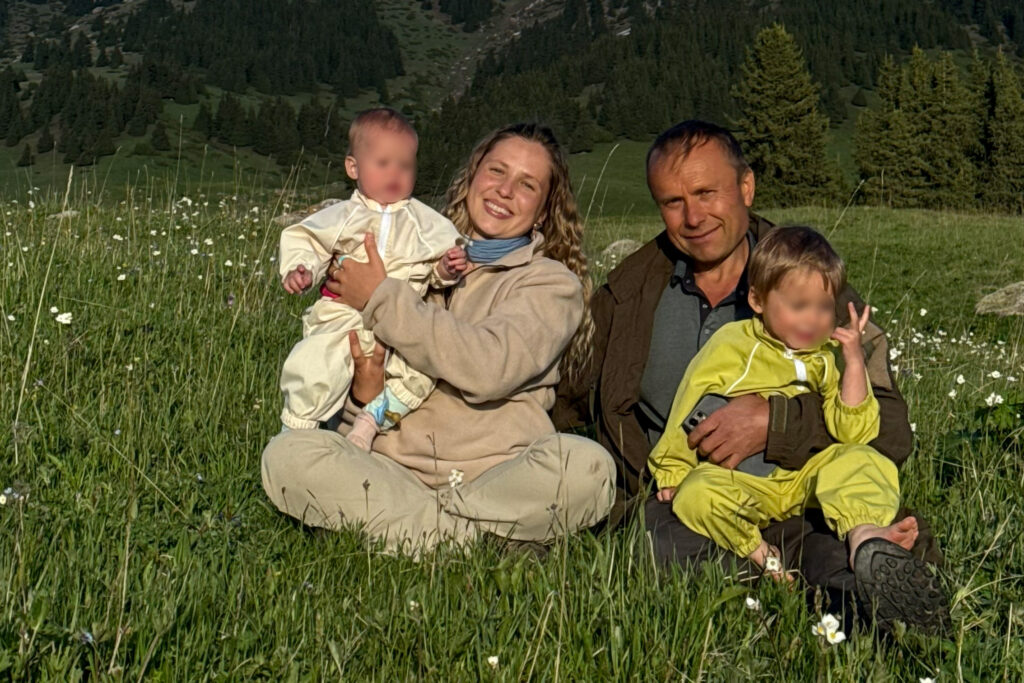
I understand that rural life is not for everyone. I myself jokingly complain that I have nowhere to walk my beautiful dresses, but in reality I really missed such a measured lifestyle. I’m on maternity leave and don’t fully do housework: I only help my dad in the garden and vegetable garden for my own pleasure, and take care of our tropical corner. But the little I do makes me very happy. Since childhood, I have been accustomed to tinkering in the ground, picking berries and apples, and I still love it very much. I am glad that we have fresh vegetables on the table, our own strawberries, raspberries and kumquats. Their taste is incomparable to the taste of the products that we bought in the Czech Republic in the supermarket.
You need to live where you feel at home. We live with my dad. She and her mother are divorced, and my mother lives separately, in the city where we also go. Dad's house is big, and we are not cramped, so we don't have any conflicts over everyday life. We have a good relationship with dad, and I’m sure that if any problematic situation arises, we can always talk about it. My dad and I are both straightforward people who don’t hush up problems, and at the same time we know how to negotiate. Dad takes care of the house, my husband teaches biology and chemistry online. Together they are building a laboratory in which they are going to heal potatoes and other plants - to ensure that they grow without viruses, bacteria or fungi.
Just live
I'm still on maternity leave from my Czech job and I have a working residence permit in the country. When I get back from maternity leave, I'm going to quit. Future plans are not yet clear - I know that I will be with my beloved family, work with the land and go to the mountains, but I don’t know what I want to do professionally.
During my teenage years, it was important for me to constantly achieve something. Instagram with its pictures imposed on me the idea that either you are constantly doing something and striving for something, or you are a complete loser. Now I have calmed down. I began to ask myself the question: “Who needs these achievements of mine?” - and honestly answer him that I don’t need them. Of course, it is important for me to be basicly secure: so that I have enough for food and clothing, but other than that, I just want to live: not to rush anywhere, to feel calm and protected.
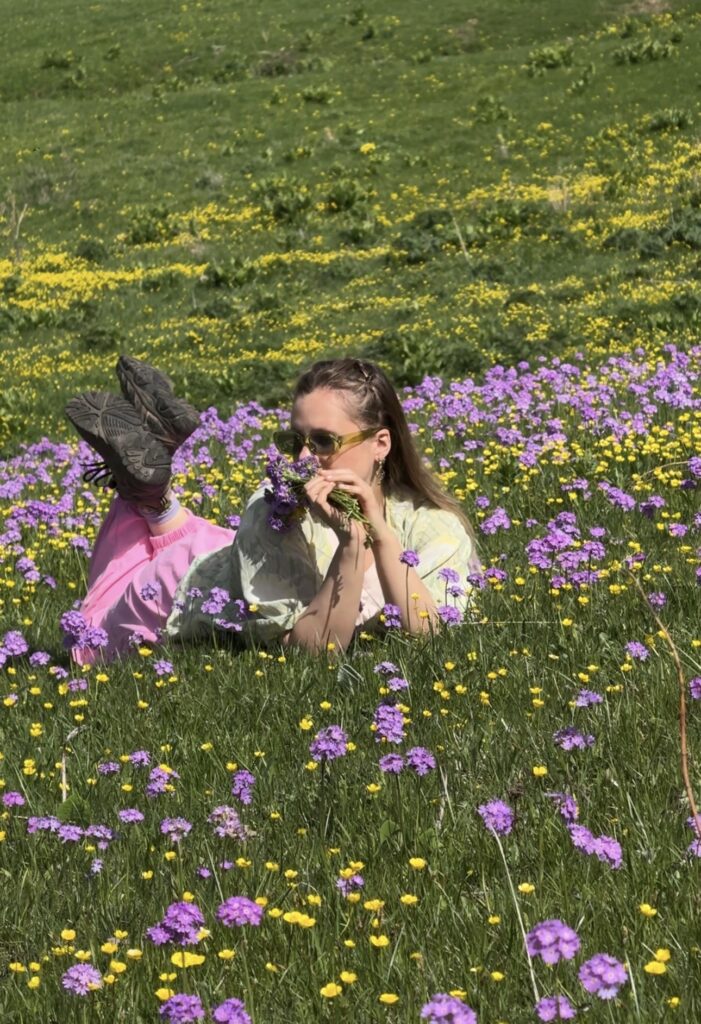
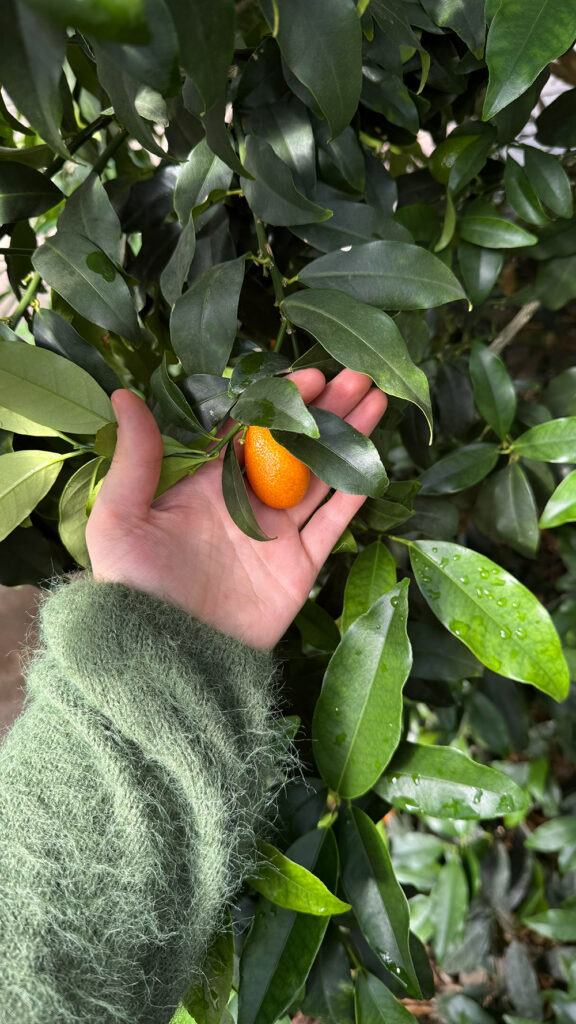
I wouldn’t like to go to work and would prefer to make money online. Maybe my blog will help me do this. In it I share moments from my life. I photograph what I think is beautiful: our plot, mountains, peonies and greenhouse. I make “soft” content so people can watch it and relax, slow down.
I would not like to convey the idea that everyone urgently needs to move to the village. On my blog, I wanted to do without planting ideas or any moralizing. But I will be glad if someone watches my videos and thinks that the village is a cool place where you can organize your space the way you want - work in the garden, and then relax beautifully on the lawn with a cup of coffee. In the post-Soviet space, it is customary to treat the village as something unsightly. If you live in a village, it means that you are dirty and uneducated. I would like to show by my own example that this is not so .
Many of my husband and I’s acquaintances are still perplexed as to how this is so - we studied and lived in Europe, we had a good job there, an apartment, children were born there - why did we return? I see that my generation is striving to move from the village to the city, then to Russia or Kazakhstan, and if we’re lucky, to Europe. And for them our solution is savagery. But I believe that you need to live where you feel at home . I only feel this way in one place on earth and that’s why I came back here.
Author: Inga Olshanskaya
Photo: courtesy of Elizaveta