
Translated material
From the cuckoo's nest
“Pilot-2026” started in Ivanovo. What was shown to the audience on the first day of the festival

Still from the series “Second Wind”
From June 17 to 21, Ivanovo hosts the annual screening of TV series and serial films “Pilot” for the eighth time. Summing up the results of the first festival day, we can highlight several key industrial trends.
Today, the production of game series is increasingly based on the collaboration of streaming platforms and traditional TV channels (TNT is most active in this direction). It is no coincidence that in the business program, Ksenia Boletskaya, director for interaction with the Yandex media services industry, paid special attention to the evolution of business models, primarily Kinopoisk. She characterized this process with the term “platformization.”
The essence of the transformation is the transition to an ecosystem: if previously the main asset was considered the production or purchase of exclusives, now the platform seeks to aggregate all socially significant content. Kinopoisk, for example, offers a single subscription, including projects from other services.
As a result, original projects are increasingly gravitating towards formats traditional for mass television. One of the latest, keeping the “brand” of serious original projects is OkkO.
"Life again"
Director: Alexander Boguslavsky
Production: Okko and TNT
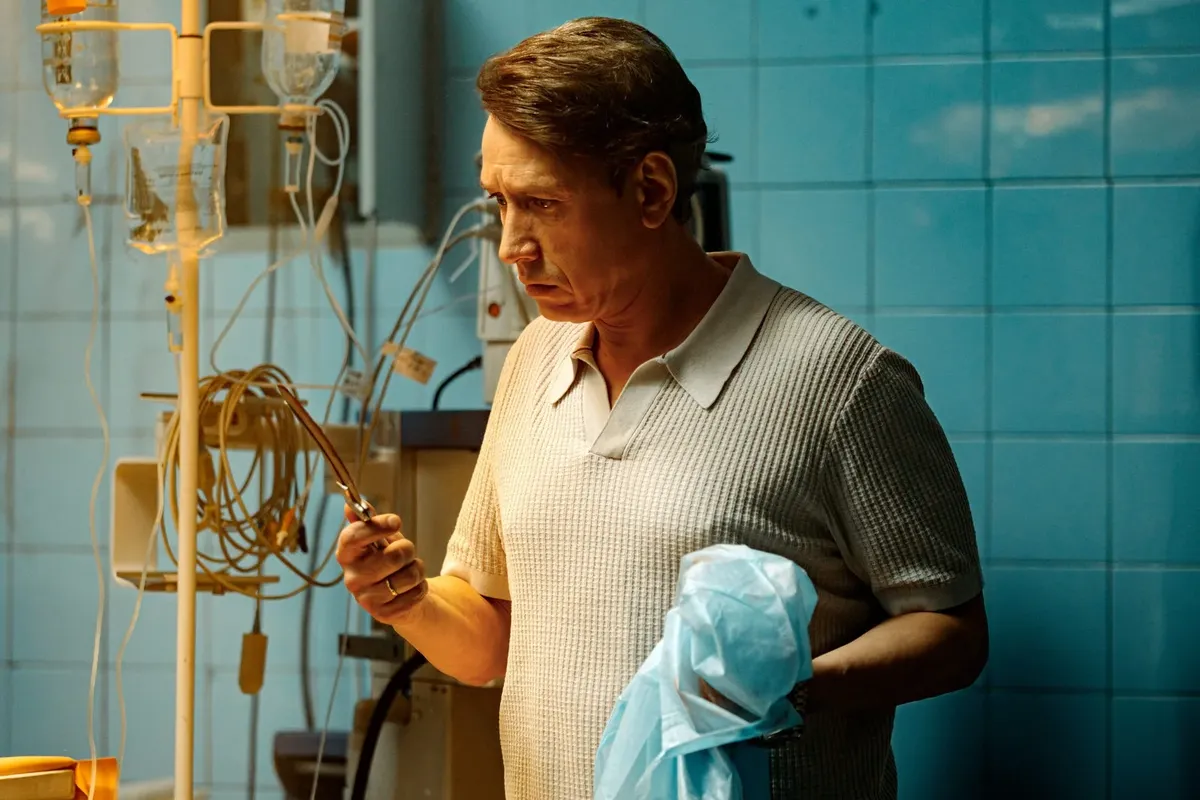
In the first frames, Yatsenko “remembers” how he saved people in Boris Khlebnikov’s “Arrhythmia” and got drunk.
Here he is Dima, a forty-year-old emergency doctor. It saves people not only from illnesses, but also from bad thoughts. Maybe they’ll bring a suicidal woman to the morgue for pedagogical reasons. With his father (Alexander Robak) - in a chronic quarrel. The adult daughter of a still “young man” with bad habits cannot correct her father, who declared war on the liver.
Another movie about time travel.
After an MRI with a short circuit under the guidance of fellow student Leni (Artem Tkachenko), Dima finds himself in 2002, with Komissarov on TV and Luzhkov in power. Secondhand stores, clothing markets and payphones on the streets. Exchangers - the dollar is below 30 rubles. And a message from a still living mother on a pager.
Doctor Dima, with twenty years of experience in ambulance work, returns to the past, to the walls of the institute.
It turns out that the future is not far from the past: they have not reached Mars, and they cannot accurately predict the weather.
And Dima comes up with an idea that is not new for this genre - to change his own future. Getting married is somehow better. Make a career. But fate is a villain. Or not fate. But for some reason everything that was “former” becomes his “future”.
"Affect"
Director: Vladislav Andreev
Production: "MEDIA-TREST", IP Vladykin V.O.
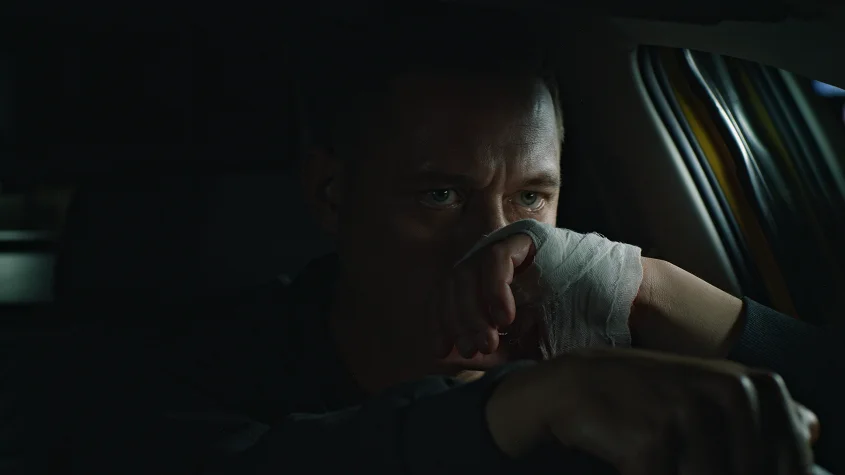
Taxi driver Kirill from a provincial town accidentally hits a man on a dark night and, in a state of passion, hides the crime. But the infernal investigator Khrapov gets into his car... He talks about the crime of passion that he is investigating... and the criminal’s attempt to hide the crime. Thus begins the painful carousel, which itself carries the taxi driver Kirill...
And the honest investigator Khrapov has his own story of trouble, connected with a serial killer from Samara and a pack of rats from the police. At some point, the thriller steps towards a black absurdist comedy, but falls short. Maybe he'll get better in the next episodes.
"Captain Fog"
Director: Sergey Filatov
Production: ON Studio
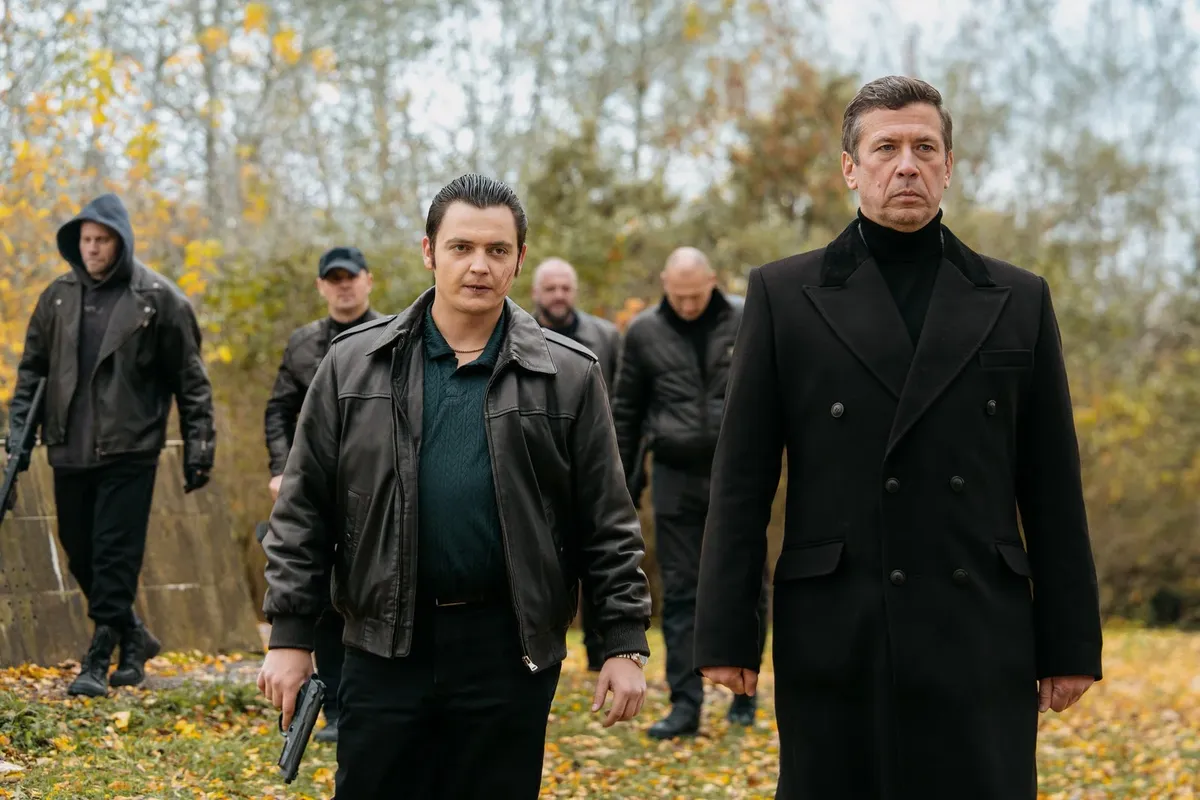
A lively, demonstratively politically incorrect police comedy. They promised an acting attraction. It starts with an attraction - a fight in a meat processing plant... with the help of sausages, sausages and pig legs. Sausages, however, are unreliable. Wrong sausages.
An old-school police captain, Captain Tumanov (Mikhail Porechenkov), fights the bandits. He takes revenge on crime for the death of his wife, and it is impossible to defeat him, although he is deaf. But the writers sometimes forget about this.
A local police officer (Azamat Nigmanov) comes literally from the tundra to help him. A visitor, a “Chukchi type”, is talking: “Mine wanted to marry the shaman’s daughter.” She hunts a dove because she is a “noble hunter.” She doesn’t want to go back because “she spent my money.” Then everything is about the same. The audience laughs. Strong, bad taste, harsh, “our way.”
Cast: Mikhail Porechenkov, Azamat Nigmanov, Zoya Berber, Andrey Merzlikin and others.
"Second wind"
Director: Ruslan Bratov
Production: General Creation for Okko
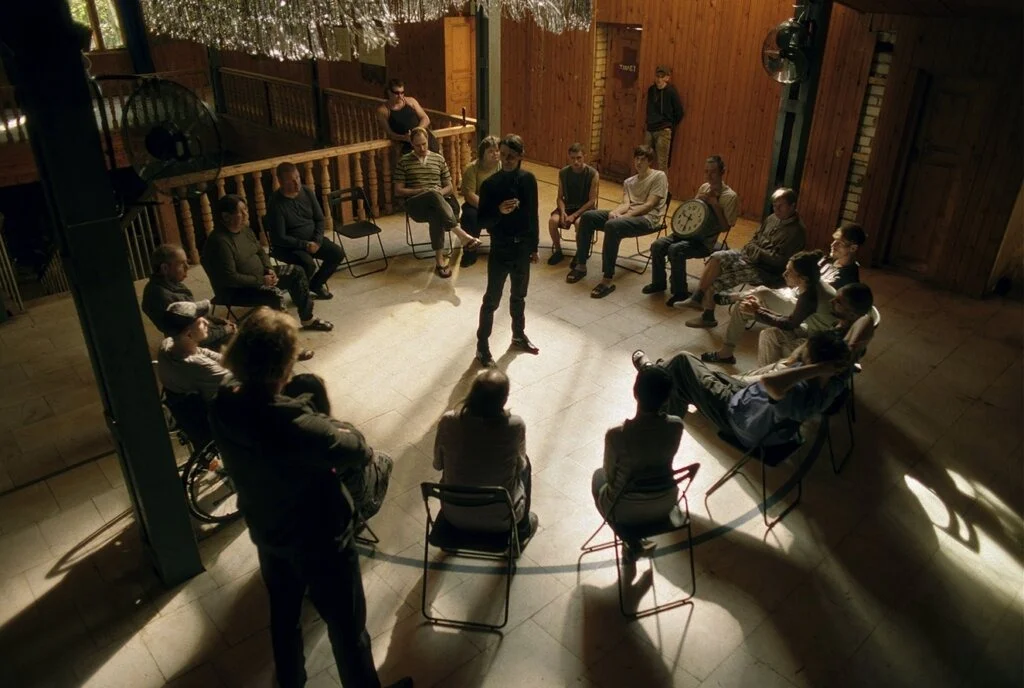
Ilya, nicknamed Elektrichka (Alexander Pal), annoyed his parents with antisocial antics, addictions and flights “above reality.” So they handed him over to the motivational institution “Trust”. In a sense, a correctional institution. There is a board here of negative behavior that should be detected among neighbors in the “camp” and a micro-denunciation should be written: there is no free space on this very board. The main thing is not to upset the head of the security service. Or the boss. Or a motivator. No, not that. The main thing is unquestioning submission. Disobedience is “crime and punishment” - two in one. Neuroleptics knock you out faster than the head of security. Irresponsibility is treated with a variety of means.
Dark viscous theater of the absurd - don’t go near the windows, don’t break the rules, respect your “family,” especially if your kidneys are being beaten off. “Our team is friendly, even sporty.” It's not easy to fly out of the cuckoo's nest. He will try.
A cool dystopia with a viscous, fascinating world of absurdity. Bratov can do this.
"I'm free"
- Director: Gleb Orlov
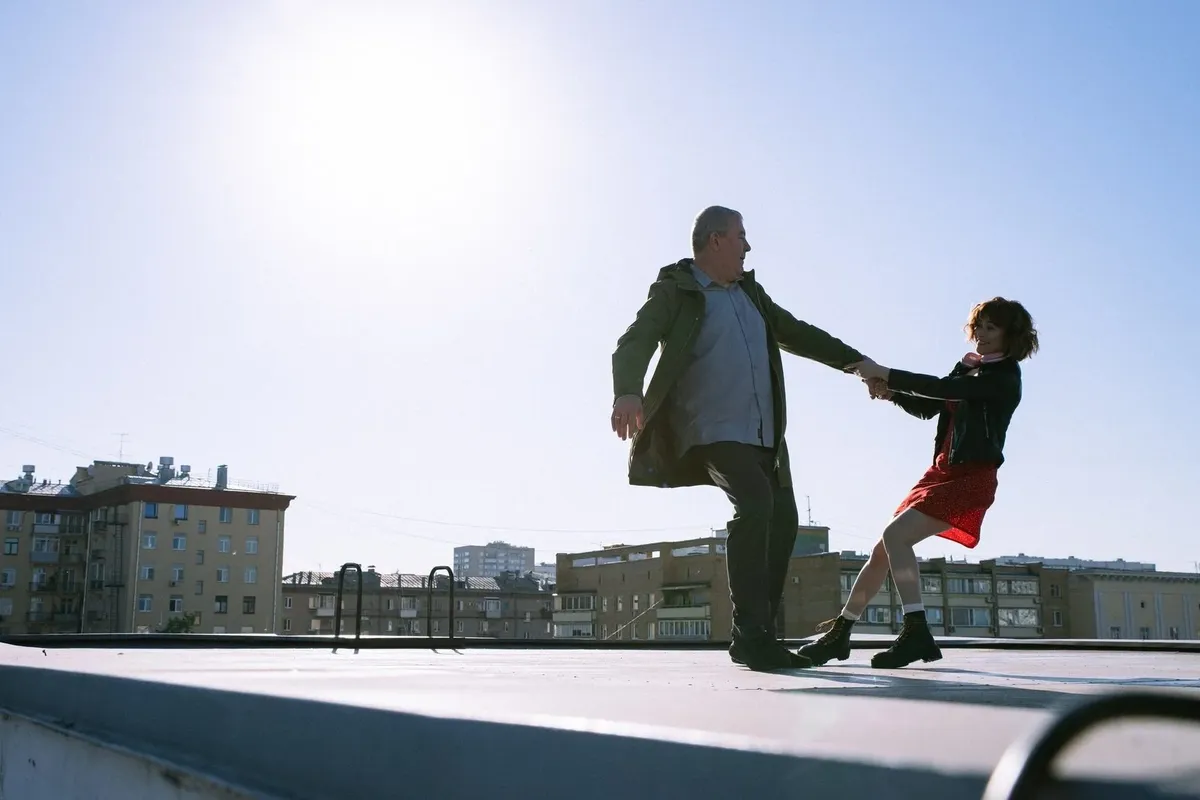
Sergei Svetlakov, producer and one of the scriptwriters, said before the screening that this is a movie about a midlife crisis.
Alexander Robak is a used car seller. Deadhead. He cannot refuse colleagues who sit on his head. There’s no way he’s going to talk to his boss about a promotion. And when he gets it together, he finds out that his wife, with whom he has lived for 20 years, is sleeping with his boss. He'll get into a fight at a stand-up club. And he will meet the bartender in a scarlet sundress. She is also a psychologist and can teach him the joys of life. For example, flying from the roof. Or self-respect.
The series is for TNT, everything is quite predictable, right down to the music. Robak - saves. But it's difficult for him.
"Beauty"
Director: Sarik Andreasyan
Scriptwriter: Alexey Gravitsky
Production: ON Studio, Andreasyan Brothers Film Company
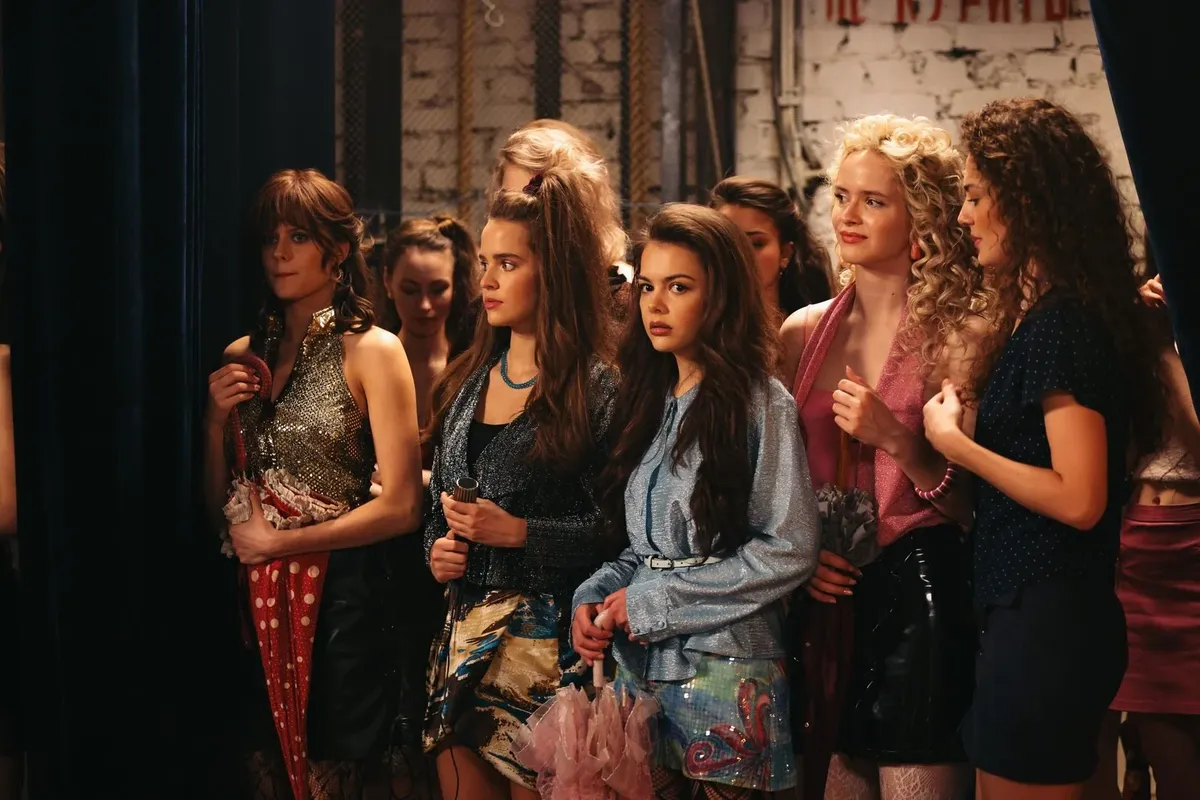
Retrodrama about the first beauty contest.
It seems to be 1989. Gorbachev. But there is no sex in the country yet. And the main thing in a woman is the valor of a worker and mother of a family (and... this has already happened). The director of the cultural center, Vera, organizes the first beauty contest in the country. She believes that a Soviet woman is not only decorated with modesty, as senior party comrades believe. For the sake of beauty, girls dye their jeans at home. Young boys fight with bullies for the sake of beautiful girls. Old party workers see corruption and depravity in the competition. Vera will convince the progressive leadership and, apparently, having overcome obstacles, will hold a competition. But from the first episode, it feels like the idea of “the first beauty contest in the USSR” was invented for the series, some details were collected, but they forgot to write the script.
It’s interesting that at the business program “Pilot” I noticed actor Dmitry Mazurov, who wonderfully played a businessman facing a difficult moral choice in Andrei Zvyagintsev’s “Minotaur.” And in the evening I saw him in Sarik Andreasyan’s film about the first beauty contest in the USSR. Filming of two projects could take place in parallel. What an interesting and varied job the actors have.
"Jive"
Director: Danil Chashchin
Production: “Sreda” for Okko
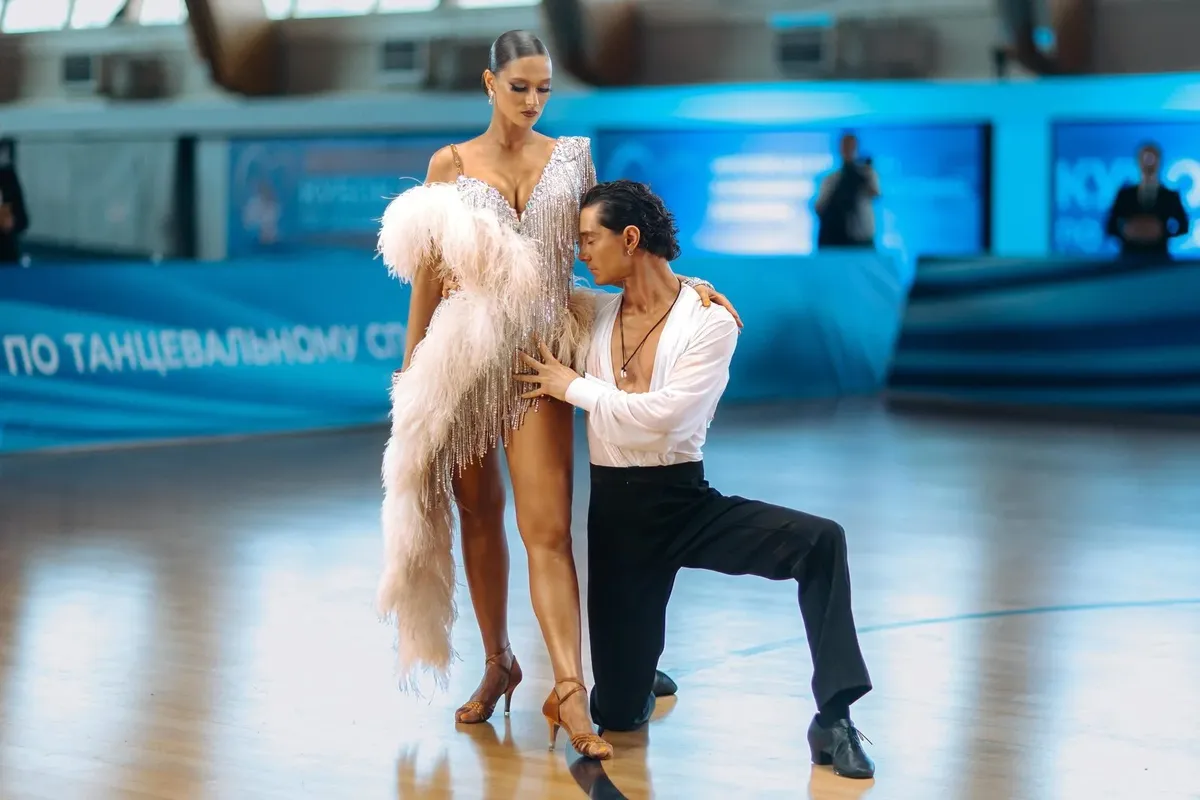
Jive is an energetic and fiery ballroom dance of African-American origin. Included in the mandatory Latin American competition program. Requires explosive energy from dancers, especially in competitions. A series about the behind-the-scenes world of jive. About dishonest refereeing. There is a live queue to the pedestal. Sequins, beads, heels, fluff and feathers. A shiny display case behind which are envelopes, bribes, and scams. Love, envy, hatred. And a mad thirst for victory, which is more important than life.
In Tango on Pieces, choreography was a way of recognizing the “close”. "Ballet" was a profound exploration of freedom. In “Jive,” dance and competition are in the first place, but even here the jagged, syncopated choreography itself is a tool for relationships with the world and with oneself (I would like the choreography to be shot inventively, and the series itself was not so much about sports - there are many of them today, but rather about dance). The first series is expositional, we will wait for the next ones.
MORE ABOUT CINEMA
Larisa Malyukova runs a telegram channel about cinema and more. Subscribe here .