
Translated material
Putin in the fog
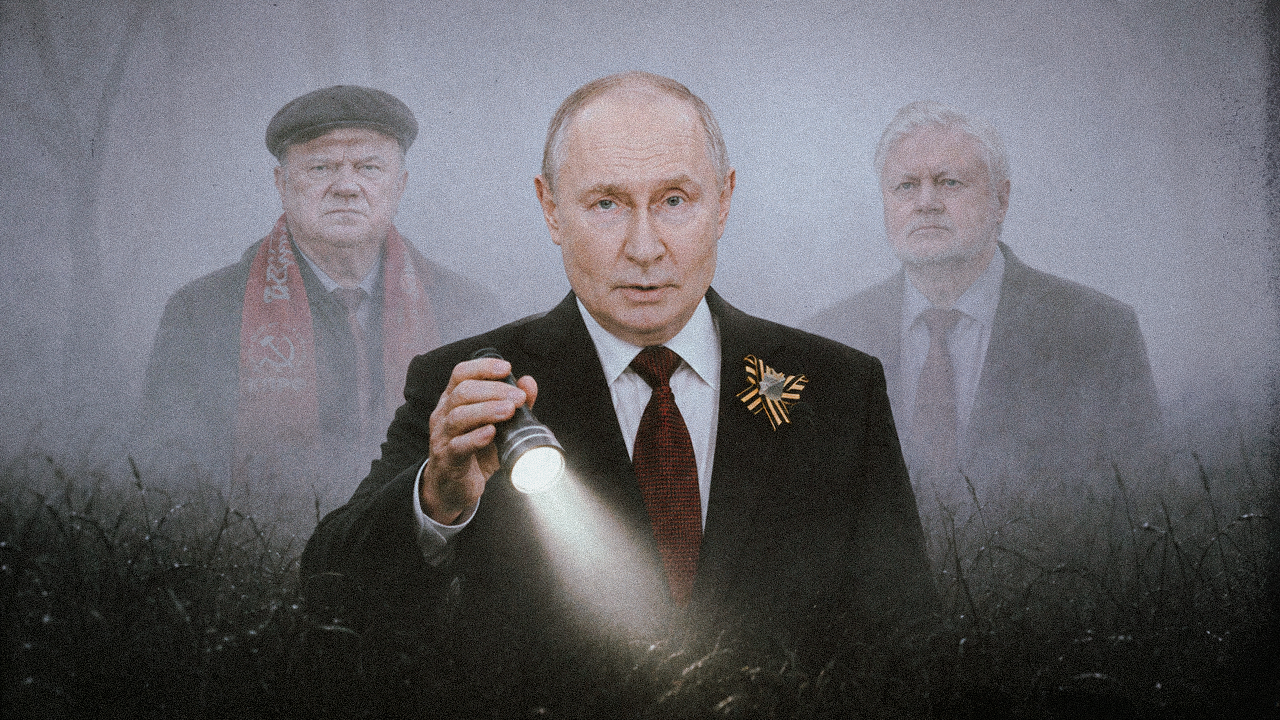
Does the Kremlin draw any conclusions after the attacks on Kapotnya?
Federal television channels ignored the drone attack on Moscow in their final news releases. On June 18, the Ukrainian Armed Forces launched the largest attack on Moscow since the beginning of the war, the main target of which was the oil refinery in Kapotnya.
Vladimir Zelensky calls on Vladimir Putin to stop the war - otherwise, according to him, the strikes will continue. At the same time, the President of Ukraine believes that without the participation of Europe, negotiations with Moscow are impossible.
The Russian Foreign Ministry says that Russia “does not refuse contacts with anyone,” but the Kremlin perceives Europe as a party interested in Russia’s defeat. Presidential press secretary Dmitry Peskov openly states that Europe allegedly cannot act as a mediator in the peace process, since Kyiv is involved in the conflict.
Some politicians loyal to the Kremlin and the pro-military public are calling not to negotiate, but, on the contrary, to move on to tougher military measures. The first deputy chairman of the State Duma Committee on Defense, Alexei Zhuravlev, believes that in order to force Kyiv to capitulate, it is necessary to act more decisively.
At the same time, Russians are increasingly worried about the protracted war. According to the Levada Center , drone arrivals worried Russians most in May. The same sentiments are recorded by the Public Opinion Foundation. And no matter how the authorities and propaganda try to reassure citizens, alarming sentiments in society are growing. And ahead are the Duma elections, which Putin has just scheduled for September 20.
What kind of future can the Kremlin offer the Russians and is Putin drawing any conclusions after the attacks on Kapotnya? We are discussing with politician Andrei Pivovarov and sociologist Dmitry Dubrovsky .
Kremlin spokesman Dmitry Peskov said that Ukraine launched a massive attack on Moscow on June 18 due to the “difficult situation” at the front, and called the air defense performance indicators “high, no matter what.” Propagandists on Russian state channels call Muscovites who filmed videos of the fires in Kapotnya traitors and call for treason cases to be brought against them.
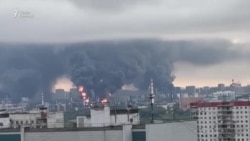
Does the Kremlin draw any conclusions after the attacks on Kapotnya?
by Radio Liberty Text copied width px height px The URL has been copied to your clipboard
No media source currently available
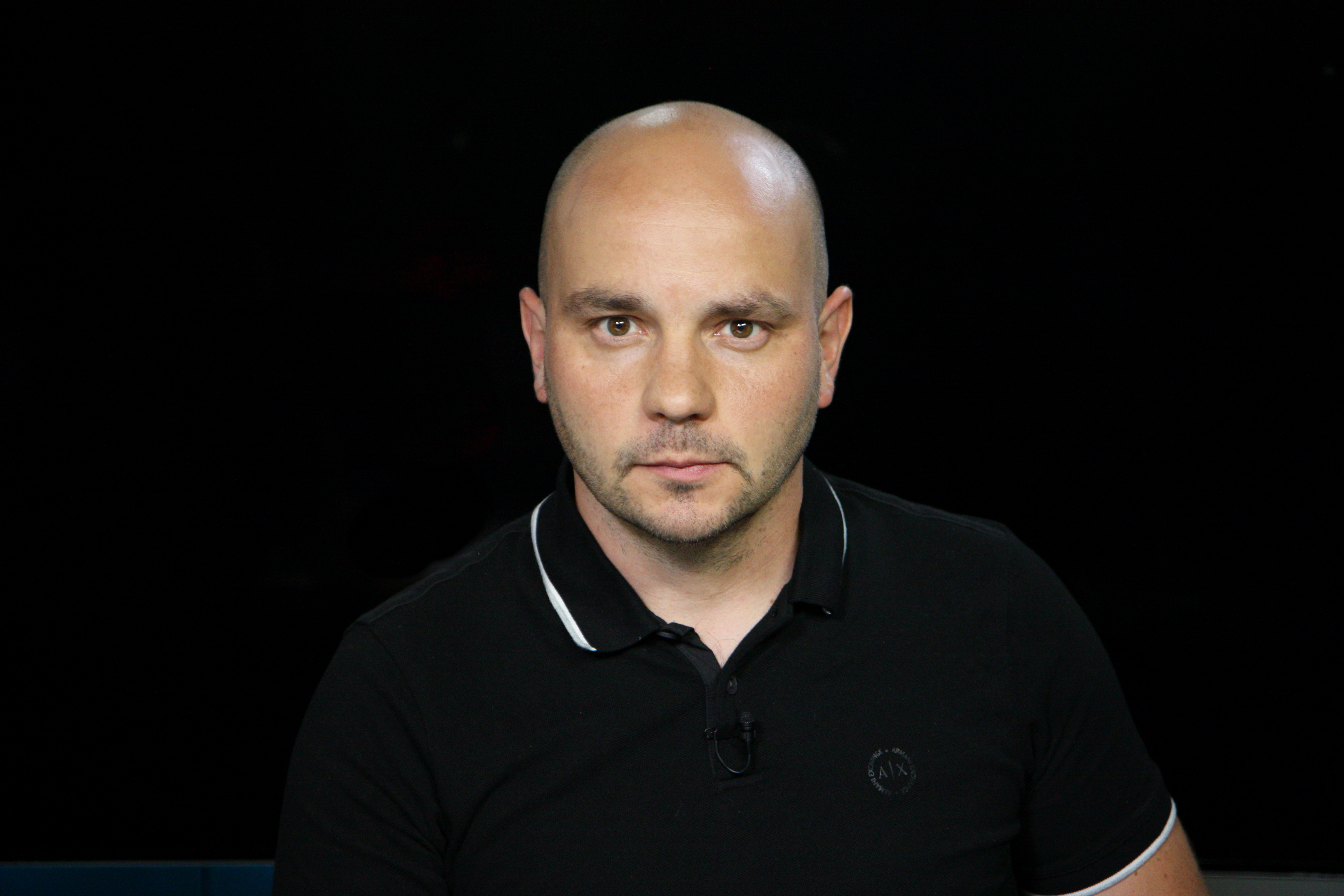
The Russian government and Vladimir Putin reacted to the Ukrainian attacks on Moscow as expected calmly, but this calmness was not transmitted to ordinary people, politician Andrei Pivovarov is sure:
These people have one request to the authorities - if you started it, then be so kind as to finish it, show the power that you have been threatening for so long
-Stages of burning Moscow, despite all the new laws and restrictions, were on all phones. Moscow was on fire, and this had never happened before during the entire war. I am by no means happy about this, but it seems to me that it makes even Z propagandists think. I recently had a conversation with a fairly wealthy man from Moscow, who moves, as they say, “in Moscow living rooms.” This is a thinking person who does not accept war. When everything happened, he was in shock. And he told me how now, in the fifth year of the war, this wealthy and educated society perceives itself. Muscovites don’t like the war, they don’t like what’s happening, but in the fifth year of the war they got used to it.
These people have one request to the authorities - if you started it, then please finish it. This position is now held even by those people who initially took a tough anti-war position. They say - finally show the power that you have been threatening for so long - either do as you promised, or stop tormenting us and preventing us from living. There are similar sentiments in the pro-war camp of the so-called Z-patriots. But we see that there are no real steps for a truce and negotiations. The Kremlin can do nothing about the Ukrainian attacks. When it flies directly to Moscow, to Kapotnya, some kind of reaction is needed.
Putin's biggest fear is to show his weakness. He doesn't care how many people die. He doesn’t care about it, it’s a consumable item, he doesn’t consider people an important resource. And his reputation as a man who never loses has been seriously damaged. It is not possible to advance in Ukraine, so I am expecting some very illogical and painful actions on the part of Russia in another direction. They may want to show NATO's weakness, to demonstrate some situation in which Putin could show his strengths. I would expect such a provocation because there will be elections in September. The electorate needs to be shown a threat and a small victory, believes Andrei Pivovarov.
Kremlin political strategists have nothing to offer Russians before the State Duma elections this fall. The publication Meduza writes about this, citing its sources in the presidential administration. The United Russia brand is unpleasant to many, which is why the party’s program will be made public only before the elections, the AP told reporters.
Do Russians expect changes in the country after the elections, which affects their increasingly growing level of anxiety, and do they still have any tools to influence the authorities? Sociologist Dmitry Dubrovsky argues:
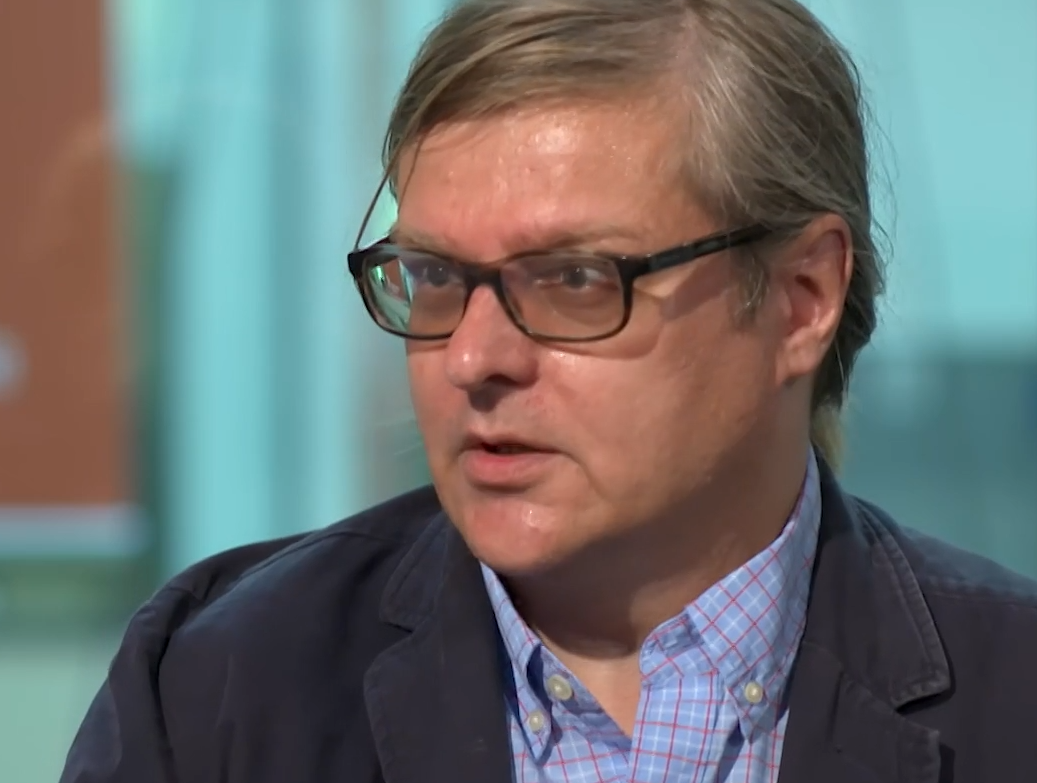
Everyone who votes against Putin are marginalized, foreign agents, they have a bad life and an unenviable fate
-Since Russians are generally excluded from the political process, they associate everything that happens in their lives, except the weather, with the decision of the authorities. People in Russia are deprived not only of a political voice, but also of minimal political literacy. We once studied applications to human rights plenipotentiaries in Russian regions. 70-80% of requests for human rights violations were about the fact that hot water was not supplied to houses. If we talk about the level of trust of Russians in Vladimir Putin, it should generally be defined as a rating of trust in their own lives. Everyone who votes against Putin are marginalized, foreign agents, they have a bad life and an unenviable fate. As for the prospects of the United Russia party in these elections, we must not forget that officially Vladimir Putin is not a member of it at all.
The fact that he is not at the head of the electoral list is a conscious decision, because he has long and quite successfully played the role of a “father of the nation” who is above all political differences. Of course, the so-called party in power is simply a party of functionaries. It is difficult to say what the real demands of Russian society from the authorities are. In Russia there is no open society and no opportunity for open discussion. Obviously, the authorities know that people are angry and annoyed, having finally discovered the war. I think that before this election the authorities will try to stop something that is quite difficult to stop - for example, the constant practice of shutting down the Internet. People are also worried about drones flying above them. And even when Russians are prohibited from filming them, it is difficult to hide it, says sociologist Dmitry Dubrovsky.
Read Freedom on Telegram Make Freedom a priority source on Google  Install the Mobile application
Radio Liberty