
Translated material
What can emigrants do? On the fate of the coalition for “anti-authoritarianism and détente” and the rejection of divisive slogans

On the fate of the coalition for “anti-authoritarianism and détente” and the rejection of divisive slogans
In the summer of 2012, Dmitry Gudkov and I wrote an article “ What Revolutionaries Want ,” which had a great resonance. Continuing the tradition, I decided to reflect on the topic of what Russian emigration can (and can) do. The question of goal setting immediately arises: why can it?
A significant part of emigrants are less and less interested in what is happening in Russia and are focused on integration into a new society and a new life. There is no doubt that in this sense they can do a lot and they will succeed. I can only wish us all good luck in this regard, but this text is not about what emigration can do for itself.
Some of the emigrants completely identified with Ukraine and, in one form or another, are fighting on its side against Russia. Their primary goal is a favorable peace for Ukraine, and favorable changes in Russia are an important but next priority task. I will try to take this logic and all the parameters of a peaceful settlement in Ukraine out of the brackets of this text, as much as this is in principle possible in the current situation.
My reflection is devoted to what Russian emigrants, who consider favorable changes in Russia to be an independent value of the first order, can do in order to increase the chances of their occurrence. I will define “favorable” changes as vaguely as possible: for Russia to stop fighting, reduce the degree of confrontation with the West, maintain relative economic well-being, and also become a more democratic and less repressive country. Within what boundaries and how much more democratic are secondary questions.
I will proceed from the fact that neither NATO troops nor the rebel Russians will capture the Kremlin, and a nuclear apocalypse will not happen either. Two periods of indefinite length await us: Putin’s rule and a period of transit, during which the elites formed under Putin will fight for power and the vector of further development of the country. How exactly Putin will end up in this scheme is not important to us, and the question of the likelihood of full democratization after the completion of the transit is beyond consideration.
Less than ideal historical analogies for what I mean by "transit period" are the periods of time between February and October 1917, and between March 1953 and February 1956. More precisely, I would expect something in between these two examples, with a greater role for elites than in 1917, and a greater influence of public sentiment than in 1953.
The main result, in the context of which I will consider the potential influence of emigration, is how “favorable” in the meaning described above for Russia the transit period will end.
In other words, the main subject of discussion in this article is how weighty the weight that emigration can put on the historical scales at the point of post-Putin bifurcation can be.
While Putin is in power and capable, the influence of emigration on what is happening in Russia is possible in two logics: a) war with Russia, which we agreed not to consider; b) implementation of media, educational and other similar projects, as well as participation in domestic Russian political discussions.
While Putin is in power, point “b” can only bring individual Russians a humanitarian, psychotherapeutic or educational effect, but the strength and resulting vector of this impact can have a significant impact on the scenario of the transit era.
Next, we will examine in detail four lines of such influence: a) the formation of a common vision of the desired future; b) influence on the position of the West at the time of transit; c) influence on the objective interests of some elites; and d) communication with those remaining in Russia.
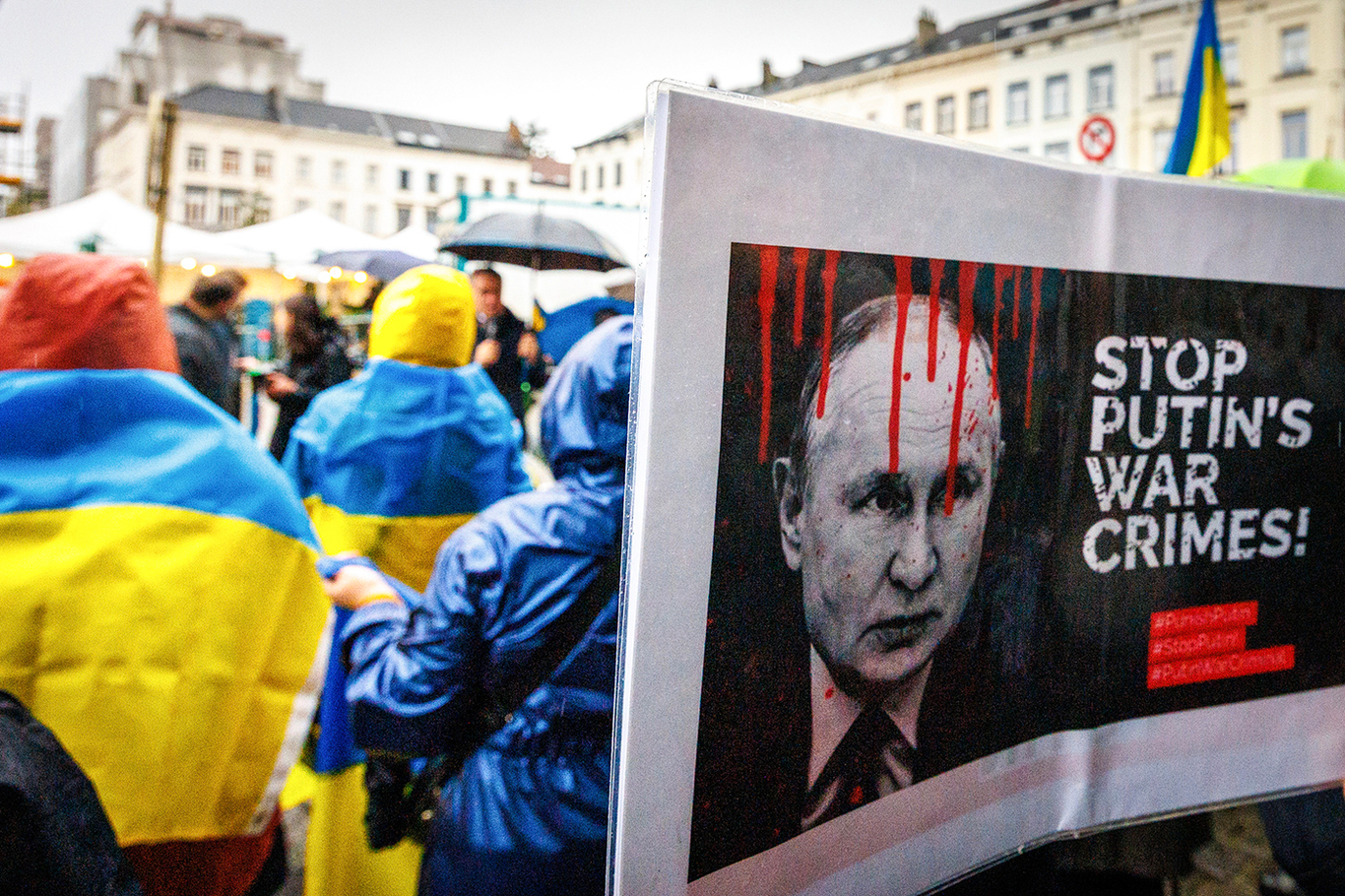
Discussions around “ Change of Milestones ” or “ Modern Notes ” did not in any way affect the course of the struggle between Beria, Malenkov and Khrushchev, however, discussions in “ Iskra ” or “ Osvobozhdenie ” had a significant impact on the events of 1917. In addition, in 1953 there was no Internet and relative freedom to cross borders. Therefore, no matter how far the emigrant ice floe moves from the mainland of main Russia, ideological mutual influence will persist for a very long time.
The chances for long-term positive changes are higher the wider the circle of people who share the opinion about the need for certain changes, and at the same time, the less this circle is divided by insoluble contradictions on certain issues within itself.
One of the main problems that did not allow Russia to effectively complete the transition to democracy in the 1990s was that the agenda for transformation turned out to be too broad - three conceptual issues were being resolved simultaneously: about the transformation of the political system, about property, and about where the borders of the new Russia end.
At the end of the 1980s, there was a consensus in society regarding the need for political changes and, most importantly, their vector. However, there was no such consensus on issues of ownership and geopolitical positioning. An attempt to resolve all three groups of issues at the same time led to the polarization of society, a split in the democratic coalition, the incompleteness of the process of institutional reforms, and ultimately to a slide into new authoritarianism.
For the post-Putin transition period, this issue will be even more relevant than in the 1990s. For at least three reasons: a) the gap between Western countries (and the world as a whole) from Russia in material and living standards will be noticeably smaller than in the late 1980s, and faith in the superiority of the Western model today has been undermined not only in Russia; b) the effectiveness of the Putin regime’s propaganda is many times higher than in the late USSR, and the population and elites are unlikely to have time to reach the level of disappointment with the system that was observed in the early 1980s; c) a war that has personally affected millions of people who have suffered personal losses and losses will make the issue of any geopolitical concessions much more painful than in the 1990s. But even then, this issue was one of the main factors that destroyed the coalition of reforms in society.
In my opinion, the only possible vision of the desired future, which can simultaneously turn out to be positive for Russia and unite a sufficient number of forces in its support for victory, can be built on a combination of “anti-authoritarianism” and the desire for “détente.”
I deliberately use the heavy term “anti-authoritarianism” instead of the usual and simple word “democracy”. Western-style democracy is not the only, and in Russia of the foreseeable future, far from the most likely way to limit authoritarian practices.
If we adhere to the principle of realism, the post-Putin regime will almost certainly retain a strong authoritarian component.
However, the lineage of modern authoritarianism stretches from Erdogan's Turkey to the Kims' Korea. And the distance between these two examples is greater than between the Erdogan regime and Denmark.
Anti-authoritarian views, if not predominant in today's Russia, certainly enjoy quite broad support both among part of the elite and among part of the population. It is quite realistic to assume that the anti-authoritarian agenda could become the point of formation of a broad coalition of various political forces in transition-era Russia. A coalition that, subject to some compromises, such as abandoning the idea of lustration, could include some of today’s emigrant oppositionists.
However, the opinions of participants in a potential anti-authoritarian coalition will vary greatly regarding where Russia's borders should lie and what is acceptable to sacrifice in order to normalize relations with the West. Many possible participants in the anti-authoritarian consensus will never be ready to join the anti-imperial one. And trying to achieve both goals at once is a surefire way to achieve neither, as well as a direct repetition of the mistakes of the failed democratic revolution of the 1990s.
If the anti-authoritarian project in the minds of the majority of the population is inextricably ideologically linked with the need for territorial concessions and “geopolitical surrender” (in the terms of the jingoists), then such a combination will only reduce the likelihood of democratization, without increasing the likelihood of geopolitical concessions one iota.
Here, perhaps, it is worth making a reservation that I am personally committed to the principle of compliance with international law, but I am even more committed to the principle of realism in analyzing the situation. And my realism does not allow me to simulate any scenario in which an uncompromising demand, for example, for the 1991 borders could contribute to the onset of positive changes in Russia over the coming decades.
That is why I designated the second component of the vision of the desired future with a word from the vocabulary of Soviet diplomacy - “detente”. The overwhelming majority of the Russian elite and population would like to de-escalate relations with the West, reduce the severity of the military confrontation and the arms race. However, different parts of this majority are willing to pay very different prices for detente. Concessions acceptable to some will be completely unacceptable to others. Therefore, détente can be a unifying platform for a broad coalition, while discussion of the acceptable price of this détente can be a dividing one. Moreover, it is completely meaningless to divide, since such a price will in reality be discussed with the West only after the victory of the corresponding coalition. More precisely, if she wins.
In addition to the two components that, in my opinion, this general vision of the desired future should include, it is necessary to especially note the line that should not be there under any circumstances. These are questions of property and the scale of social redistribution.
Historically, in modern Russia, restrictions on authoritarianism and normalization of relations with the West are more often wanted by the rich than by the poor, more often by business people than by recipients of social benefits.
Any aggravation of the anti-authoritarian agenda with leftist distributive slogans only scares away potential participants in the anti-authoritarian coalition from among business and the upper middle class.
In Russia, the process of redistribution of property in favor of businessmen and officials loyal to the regime has been going on for a long time, and most likely will only intensify. Entrepreneurs who have lost their businesses often end up in exile, and demands for the return of what was taken away inevitably arise on opposition banners. However, people, as a rule, defend property much more fiercely than political regimes. And if you raise slogans about the return of property to the rightful owners, then these new owners, who have considerable resources, while protecting their property, will also protect the regime. And this despite the fact that, from a theoretical point of view, it is the current owners of large property that should be most interested in limiting authoritarianism, and, accordingly, in supporting the anti-authoritarian coalition.
Russian emigration has an extremely insignificant effect on the processes taking place in Russia, but its influence on the internal Russian political discussion is much more significant. If only because those remaining in Russia are limited in their ability to speak out. And quite a lot depends on whether the emigration rhetoric will be dominated by compromises that are potentially acceptable to wide circles of society, or divisive positions of principle. So far, to my regret, the second prevails.
The influence of Russian emigration on Western policy towards Russia today is also vanishingly small. However, at the time of the post-Putin transition, quite realistic scenarios are possible in which this influence may be noticeable.
I will illustrate one of them with a historical example. There is an important plot in the historiography of the Cold War, which is best conveyed by the title of Kenneth Osgood's book: “The Cold War after the Death of Stalin. A missed opportunity for peace? (2006). This book is just one of many historical publications that present roughly the following view of the events of 1953–55.
After Stalin's death, the new leadership of the USSR did not seek to capitulate to the West and did not want to lose face, but was extremely interested in reducing international tension and reducing military spending. At the same time, the American administration for several years continued to view Soviet concessions (Korea, Austria) as a tactical maneuver that would not be followed by a significant change in the goals of Soviet policy. As a result, the most favorable period for restructuring relations was missed.
Proponents of this approach do not argue that the Cold War could have ended in 1953–1955. They only say that a real opportunity to reduce the level of confrontation and limit the scale of the arms race existed before the Hungarian, Berlin and Caribbean crises, which could have been avoided and already in 1953–1955 a transition to a policy of détente existed. The avoidance of an unnecessary round of confrontation was prevented, among other things, by Eisenhower’s unwillingness to distinguish between “shades of communism,” his administration’s poor understanding of the processes taking place in the Kremlin, and the extremely limited channels of informal communication between the parties.
It does not matter whether this theory is correct in relation to the years 1953–1955, it is important that historians of the future will most likely write similar texts in relation to the situation of post-Putin transit.
And if a similar situation arises, then prominent representatives of the Russian emigration will have a choice: to stigmatize communication with any Kremlin representatives in the Western media or try to help build missing communication channels, convince Western public opinion that there is no difference between the “shades of Putinism” or help avoid an unnecessary round of escalation. The greater the fluctuations on this issue within Western administrations, the more weight the actions of the most prominent representatives of the emigration may unexpectedly acquire.
All this may or may not become relevant not today, but only during the transit period. However, the scale and vector of possible influence depends on the authority and history of the publicly held positions of these “notable representatives” that are being created today.
It is impossible not to note another important line. The West is not monolithic and the position of Eastern Europeans and Scandinavians on Russia on average differs and will differ from the position of most countries of Western Europe and the United States. The value of the very fact of “detente” with Russia and the specific conditions of this “detente” for these two groups of countries is objectively different. The socio-political discussion on this issue will be conducted in the West throughout the period of time we are considering, not without the participation of representatives of the Russian emigration. And the statements of individual representatives of the emigration about the relative value of the fact of “détente” and its specific conditions will be the clearest divide between those emigrants for whom favorable changes in Russia are an independent value of the first order, and those for whom such changes are the next priority task.
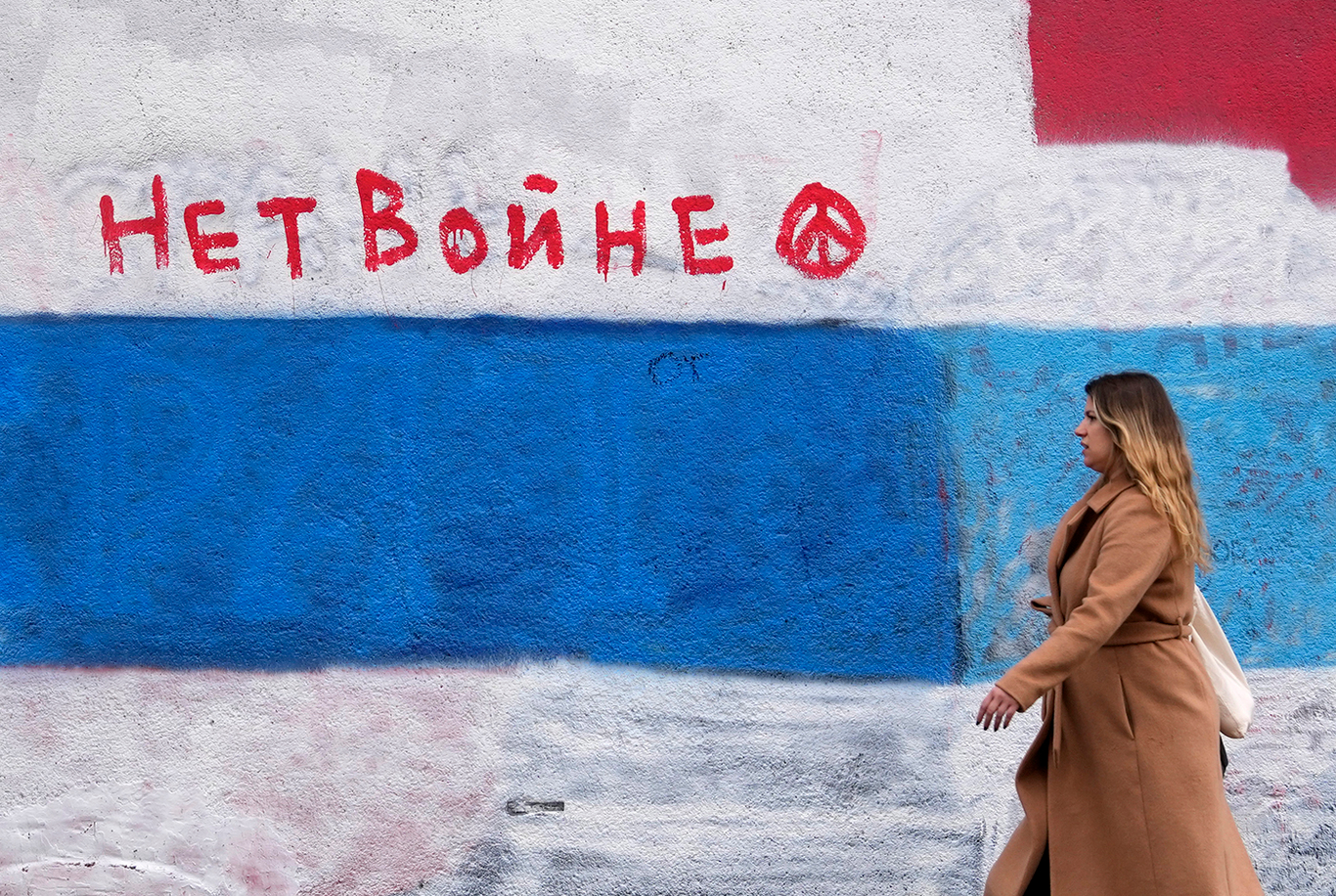
Russian emigration has no influence on the intra-elite alignments in Russia today, however, paradoxically, it has non-zero influence on the structure of objective economic interests of individual elite groups, which will develop by the time of transit.
Few people are more interested in the absence of confrontation with the West than businessmen who have assets both in Russia and in the West. This motivation for business was well understood by Putin, who declared a course towards the nationalization of the elite back in the early 2010s and took many actions to force big business to make a choice: “Either there or here.”
However, what Putin did much more to nationalize the Russian economic elite was Western sanctions, which forced many Russian businessmen to make choices that they had previously managed to avoid.
У западных политиков для этого решения была своя логика, которая кажется мне ошибочной, однако ее обсуждение не является предметом данной статьи. Гораздо сложнее понять, зачем сегодня часть оппозиционной эмиграции не просто призывает к санкциям против российских бизнесменов на Западе, но и деятельно добивается их введения. Это сознательное сокращение числа лиц, у которых по чисто объективным причинам существуют стимулы как минимум желать «разрядки».
Бытовавшие в начале войны надежды на то, что крупный бизнес способен повлиять на действия Путина, не оправдались. Однако это не значит, что подобного влияния у крупного бизнеса не окажется и в период политической борьбы за вектор постпутинского транзита. Чем шире и представительнее к этому моменту будет прослойка элит, сохраняющих на Западе объективные экономические интересы, — тем шире будет поддержка политической силы, нацеленной на деэскалацию отношений с Западом.
Также следует заметить, что капиталы российского бизнеса за границей всё равно сохраняются, сместившись из стран Запада на Ближний и Дальний Восток. А соответственно, всё больше представителей экономической элиты становится заинтересовано в хороших отношениях России совсем с другими юрисдикциями, с гораздо менее демократическими политическими практиками.
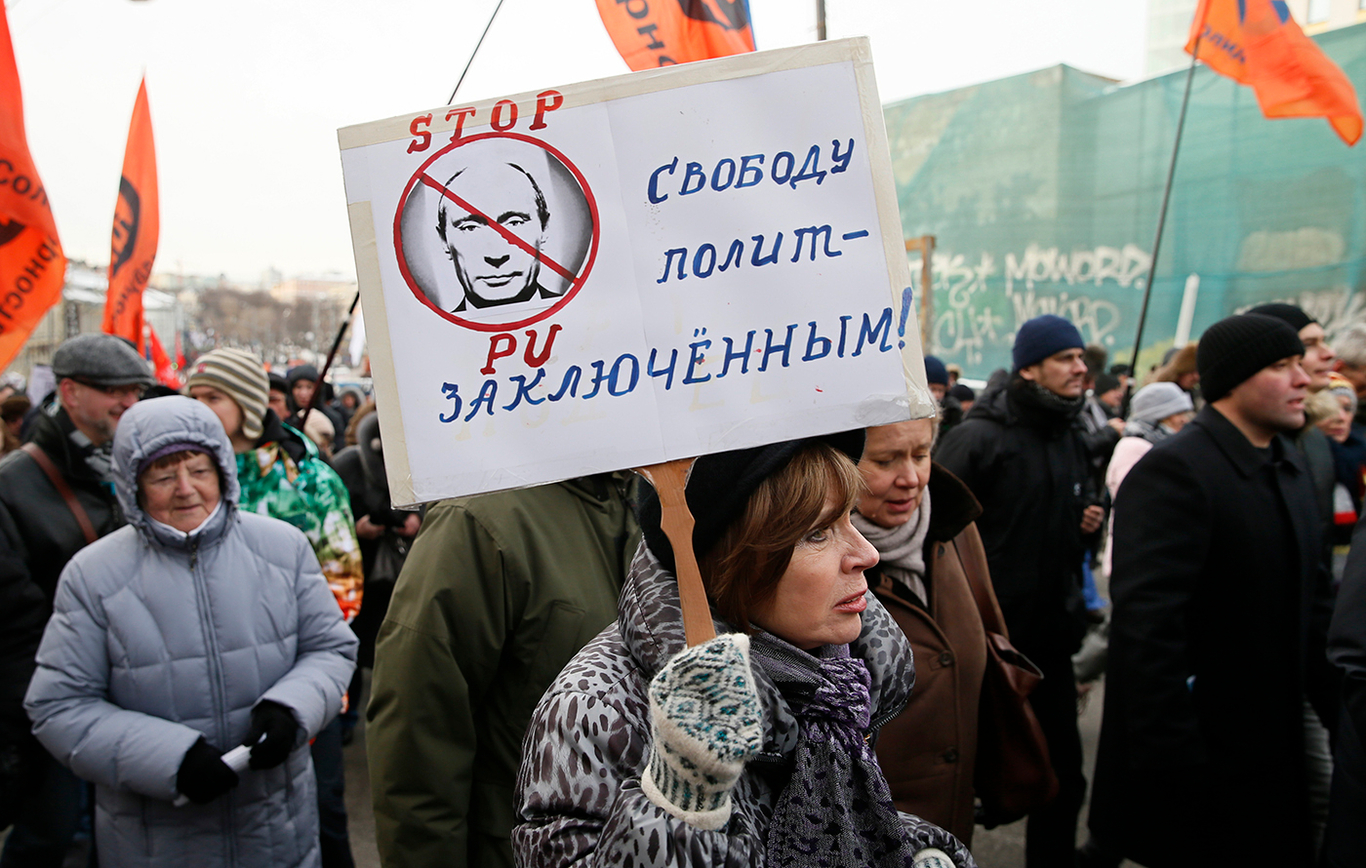
В рамках нашего аналитического центра CASE мы недавно провели несколько серий фокус-групп в России, в рамках которых с разных сторон затрагивали тему эмиграции. В ответах значительного числа респондентов в различной форме многократно прозвучала негативная реакция и даже обида на любые поучения и морализаторство со стороны эмигрантов в отношении оставшихся в стране.
И я говорю не о провластной или политически нейтральной части респондентов, среди них негатива к эмиграции было, напротив, гораздо меньше, чем мы ожидали. Обида звучала скорее со стороны «нормальных оставшихся», тех, кто не рады случившейся войне и ограничениям свободы слова, кто предпочел бы прекращение конфронтации с Западом и движение в сторону принятых там политических моделей. Именно эти люди составляют основу аудитории эмигрантских СМИ в России.
Некоторые из них ходили с нами на Болотную, многие голосовали за «Яблоко» и СПС, но это не непримиримые оппозиционеры. Они движимы преимущественно потребительскими и обывательскими мотивами. Им бы хотелось, чтобы всего этого не было и страна вернулась в благословенные двухтысячные, но рисковать и протестовать они в массе своей не будут. Однако если вдруг в России начнется реальная борьба между охранительной партией и «партией оттепели», их симпатии и голоса без сомнения будут на стороне последней.
Многие представители данной группы относятся к войне крайне негативно, тем не менее они были глубоко оскорблены кампанией отмены всего русского на Западе, а также потоком русофобских (без кавычек) высказываний. Многие из них обижены за это и на Запад в целом, и на эмиграцию в частности. Можно спорить о том, имеют ли они право на подобную обиду и насколько оправданны отдельные действия «обижающих». Но этот спор не имеет практического смысла.
Один из немногих реальных политических выборов, который часто возникает перед множеством российских эмигрантов, — раздувать эту обиду или сглаживать.
Подталкивать колеблющихся в стан реваншистов и шовинистов обобщающими оскорблениями в адрес всех россиян, нравоучениями и разговорами о коллективной ответственности, или находить политический язык, помогающий им не отождествлять себя с ошибками и преступлениями страны, в которой они живут. Ведь признавать свои ошибки всегда труднее, нежели ошибки тех, с кем ты себя не ассоциируешь
Многих представителей данной группы крайне раздражает преследование россиян за рубежом, особенно тех, чьи связи с режимом и войной не очевидны. Это касается и акций на Венецианском биеннале, и высказываний в поддержку ареста Бутягина или о необходимости ограничения выдачи россиянам туристических виз. Я не собираюсь обсуждать оправданность любого из этих действий, лишь говорю о том, как они воспринимаются потенциальными союзниками в России.
Отдельные представители фракции «белых пальто» и сторонники «деколонизации России» исполняют свои роли столь ярко, что если бы их не существовало в реальности, то Кремлю следовало бы придумать их специально. Мало кто может соперничать с ними в деле убеждения россиян в правоте Путина, коварных замыслах Запада, и том, что любые демократы — враги России.
Всех этих проблем не избежать, эмиграция разнородна и крайние представители всегда найдутся. Но коммуникация с россиянами носит массовый характер и здесь важен результирующий вектор, в формировании которого участвует буквально каждый эмигрант. И у каждого есть выбор между демонстрацией личной принципиальности и приумножением числа потенциальных участников «коалиции антиавторитаризма и разрядки».
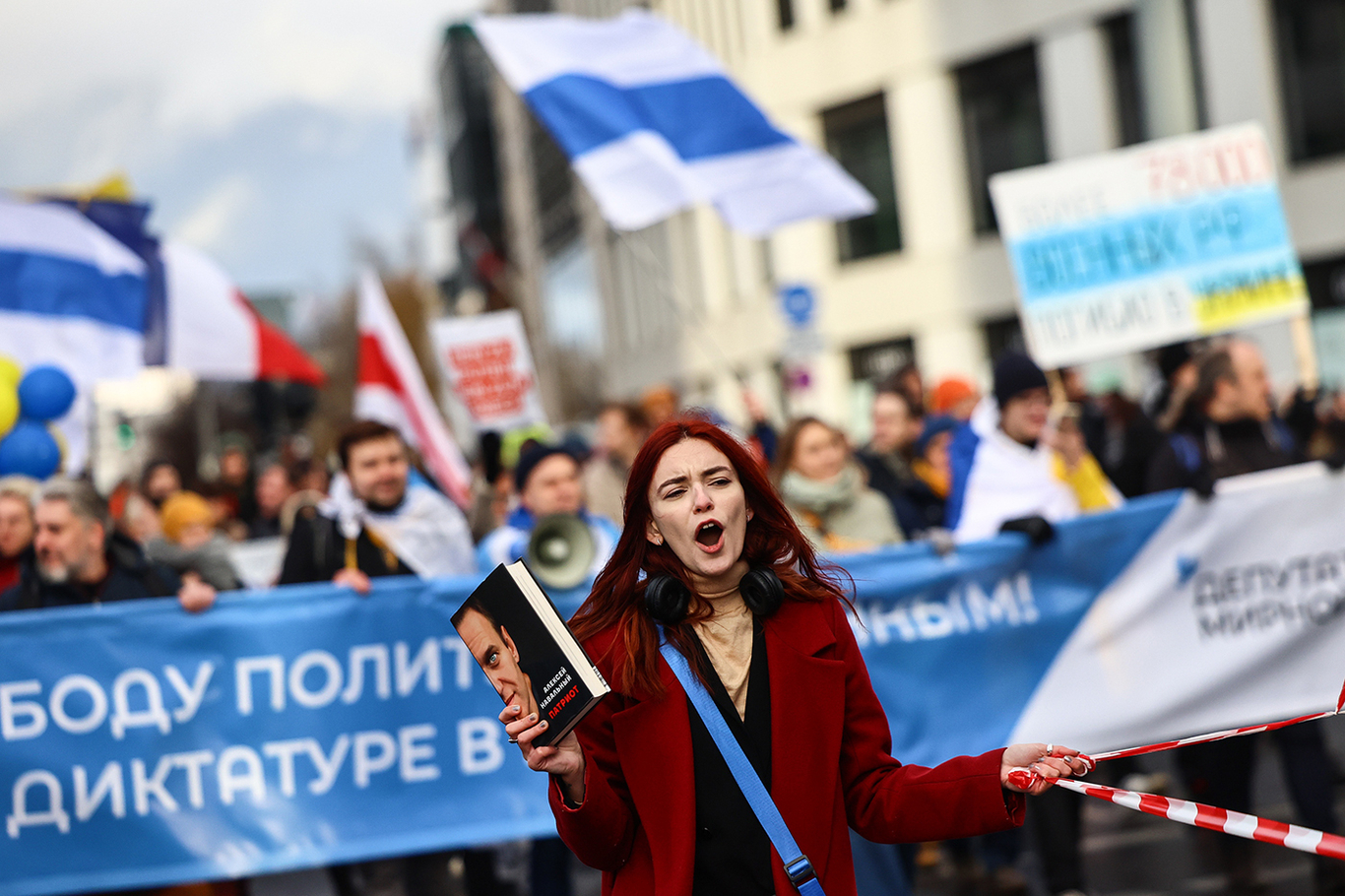
Здесь стоит сделать оговорку или, вернее, обозначить точку, в которой я сам испытываю некоторые колебания и готов признать возражения, которые у многих вызвал предшествующий параграф.
Публичная и последовательная приверженность определенным ценностям имеет значение сама по себе как пример для подражания. Отдельные представители эмиграции служат моральным камертоном для части «нормальных оставшихся», и их последовательность в отстаивании определенных ценностей сама по себе может способствовать тем изменениям в России, которые мы согласились считать благоприятными. Я не пытаюсь обесценить данную позицию и логику действий.
Я также понимаю, что
большинство эмигрантов понесли значительные материальные и личные потери ради того, чтобы остаться верным своим ценностям и убеждениям, а любые компромиссы обесценивают эти жертвы.
Всё это по-человечески понятно, и во многом применимо ко мне лично.
Однако здесь стоит еще раз вернуться к вопросу о том, считаете ли вы благоприятные изменения в России самостоятельной ценностью первого порядка, или вам лично важнее универсальная справедливость, воздаянии преступникам и борьба со вселенским злом.
Это две разные политические и, если угодно, этические логики, ни одну из которых я не готов назвать однозначно предпочтительной или верной. Однако я считаю крайне низкой вероятность того, что в деле достижения благоприятных изменений сила примера в следовании универсальным ценностям может перевесить накапливающуюся обиду в масштабах страны.
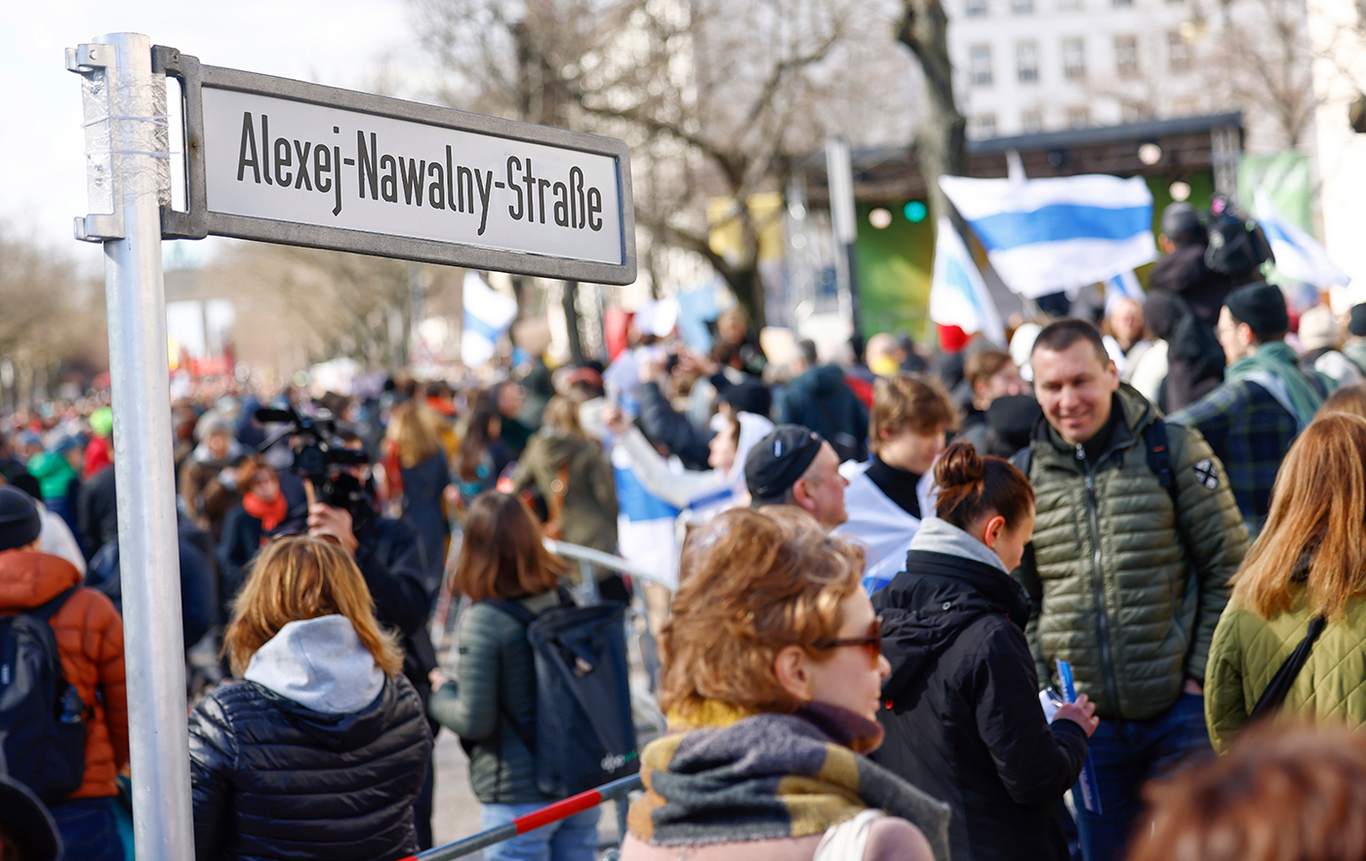
В истории всегда есть место счастливой случайности и ничто не предопределено. Описанный мной сценарий не является единственно возможным, и покажется многим слишком мрачным. Напомню, однако, что нашу статью от 2012 года тоже обвиняли в соглашательстве с режимом в излишнем пессимизме. Из сегодняшнего дня очевидно, что та статья была наивной, крайне оптимистичной фантазией, а режим даже не рассматривал тех решений, в соглашательстве с которыми нас тогда обвиняли.
Реалистичные сценарии не предполагают того, что Россия в обозримой перспективе вдруг станет соответствовать западным стандартам демократии и толерантности, а большинство населения вдруг покается за войну в Украине.
Наиболее вероятный постпутинский выбор будет между чуть более вестернизированным и чуть более китаизированным переизданием текущего политического режима и состояния общества. Между чуть более или чуть менее автократичным, чуть более или менее ура-патриотичным, чуть более или менее репрессивным.
Высока вероятность того, что путинская Россия еще надолго, а постпутинская не понравится большинству эмигрантов и не оправдает для них лично их жертв и лишений. Надежды вернуться в Россию 2000-х иллюзорны и аналогичны по реалистичности надеждам эмиграции 100 лет назад. Той страны, в которой мы вместе когда-то жили, уже нет и никогда не будет. Из сегодня позитивным из реалистичных сценариев для России видится попадание в некий аналог хрущёвской оттепели, гораздо более похожий на текущую путинскую Россию, нежели на «прекрасную Россию будущего», грезившуюся многим читателям в 2012 году.
Поэтому, и по множеству чисто житейских причин, большинство эмигрантов жить в Россию не вернется. Однако большинству из нас, точно так же, как и нашим предшественникам вековой давности, никогда не будет всё равно, что происходит в России, а также будет хотеться иметь возможность иногда приезжать для встреч с родственниками и посещения могил. С обеих точек зрения в предыдущей итерации 1956 год был гораздо более благоприятным, нежели 1937-й.