
Translated material
Memorandum and catch. What will happen next with oil exports?
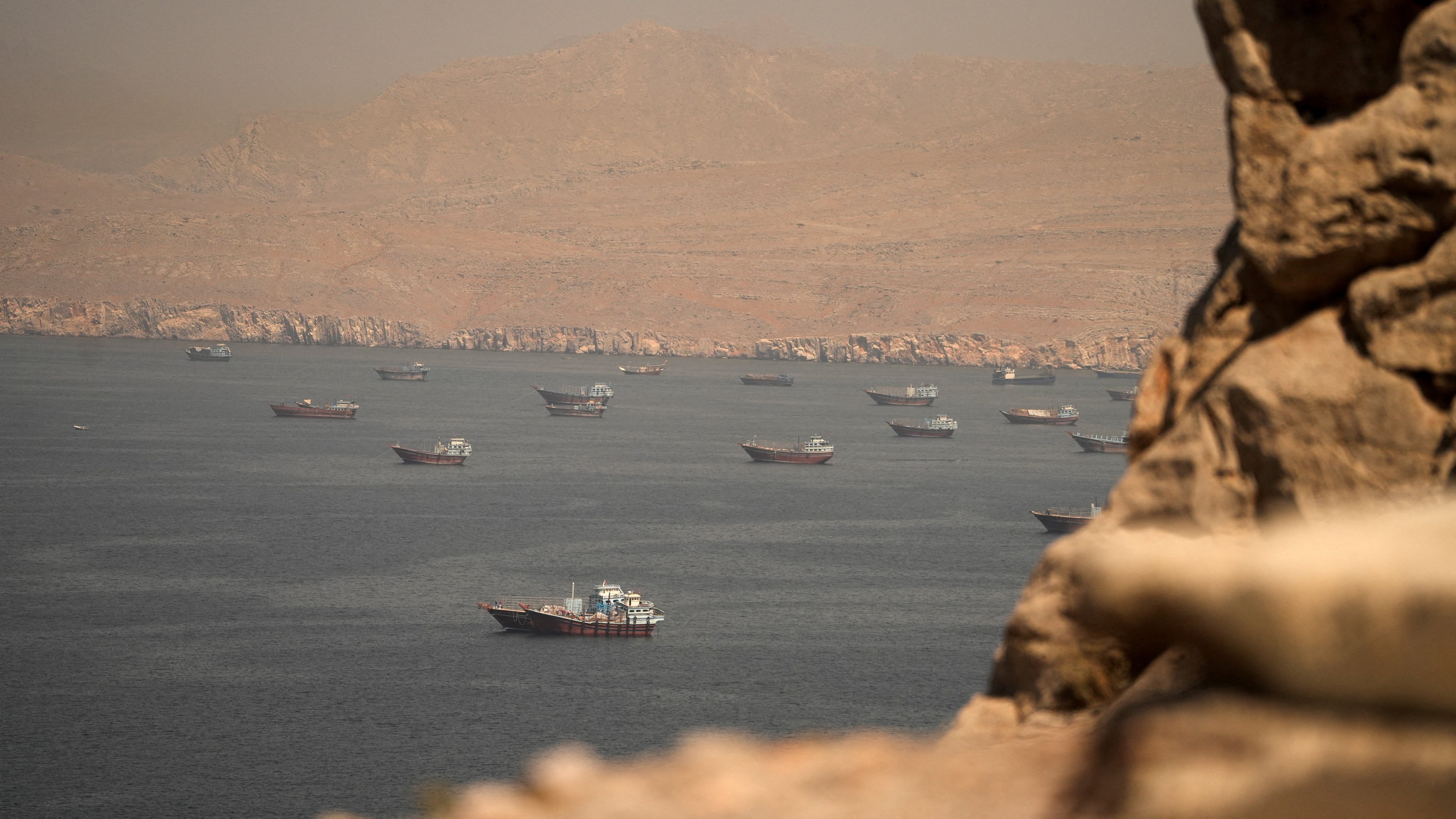
Peace talks between the United States and Iran, which were scheduled to take place on June 19 at the Burgenstock ski resort in Switzerland, will not take place. The Swiss Foreign Ministry reported this. On June 20, however, it became known that Donald Trump's special envoy Steve Witkoff was heading to this country, so perhaps negotiations will begin after all. Nevertheless, the memorandum of understanding already signed by the American and Iranian presidents has encouraged markets awaiting the final unblocking of the Strait of Hormuz and the normalization of the situation in the global economy. Although many questions related to this remain.
To begin with, a political and diplomatic chronicle of recent days.
The White House said Thursday that US Vice President J.D. Vance will not travel to Switzerland because plans for talks have not been finalized. “The logistics of these negotiations have never been simple or predictable,” a White House official said.
According to a CNN source, the talks were "temporarily postponed due to Israeli strikes on Lebanon." “The Iranians demanded guarantees of a cessation of hostilities in Lebanon, as provided for in the signed agreement,” the channel’s interlocutor said.
It was previously reported that the parties would sign a memorandum of understanding at a meeting in Switzerland, but on Thursday the presidents of the United States and Iran signed the document remotely. As a result, it was planned that at the meeting members of the negotiating teams would try to develop a detailed plan for putting the memorandum into practice.
The document signed on June 18 is the first step towards ending the armed conflict between the two countries. It consists of 14 points.
According to the memorandum, a ceasefire on all fronts (including Lebanon, where Israel is conducting operations against the Iran-backed Hezbollah group, designated terrorist by the United States and Israel), as well as the opening of the Strait of Hormuz and the gradual lifting of the naval blockade of Iran, will immediately come into force. In addition, Washington has pledged to effectively suspend the sanctions regime for Iranian oil now, without waiting for a final agreement.
The Iran Framework Agreement immediately led to a rally in markets, with stocks rising and oil prices falling. However, whether this will lead to sustainable economic growth will largely depend on shipping traffic in the Strait of Hormuz.
In the first hours after the US and Iranian presidents signed a memorandum of understanding, there were signs of a resumption of shipping, according to maritime situation analysis company Windward.
Before the war, about 20 percent of the world's oil supplies passed through the Strait of Hormuz, as well as significant volumes of liquefied natural gas (LNG), fertilizers and other important goods and raw materials.
Evening Newsletter - Subscription widget compact
"Small flow" of ships
“It will be a small flow at first, but it is certainly a very good sign, an early sign that there is confidence in transit traffic overseas,” says Windward chief analyst Michel Wiese Bockmann . “In the first two weeks of June, transit traffic was averaging about seven ships per day until we received word of this agreement. And the total transit volume for June is now already higher than the 156 ships that we recorded in May. Certainly, we are seeing that Shipping is gaining momentum."
This is an early sign that confidence in transit traffic is emerging
Ben Cahill , a senior fellow at the Atlantic Council's Center for Global Energy, in an interview with Radio Liberty notes: "It's all about tanker traffic. Agreements on paper don't mean much unless they lead to the resumption of oil transportation through the Strait of Hormuz, because that's what everyone will be watching - the number of tankers leaving the strait to deliver oil, gas and other products to the market."
“But the entry of tankers into the strait is also important, because that’s when normal loading operations will resume, and with them oil and gas production in the Middle East. We need to monitor the movement of tankers in both directions,” he adds.
We are talking about something like a probationary period. Shipping companies need to be sure that if their ships enter the Persian Gulf, they will not be stuck there again due to renewed hostilities. This is a key factor for the resumption of oil loading on tankers in Iraqi, Kuwaiti and Saudi ports, as well as for the launch of Qatari LNG supplies.
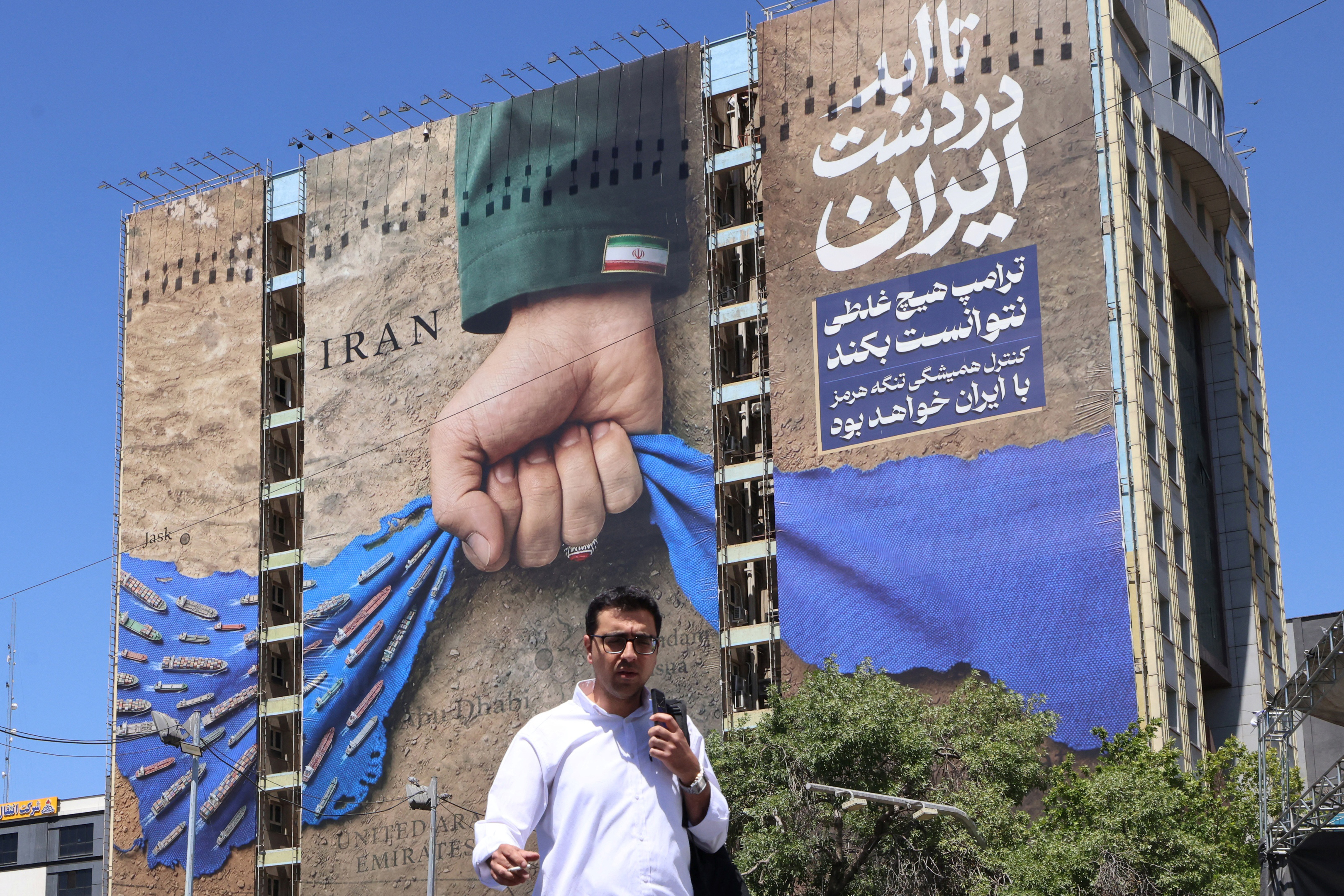
As part of the agreement with Tehran, Washington granted an exemption from sanctions on Iranian oil, providing an additional potential boost to the economy.
Windward is tracking, among others, a growing number of Iranian ships passing through the strait, as well as Iranian-controlled LNG and oil tankers heading from Southeast Asia through the Strait of Malacca, seemingly confident that they will be able to load at Iranian ports now that the US naval blockade of Iranian ports and waters has been lifted.
Before the conflict, commercial shipping through the strait amounted to about 110 crossings per day
According to various tracking services, the number of commercial ships passing through the Strait of Hormuz reached 25 on June 18, the highest number since mid-April, shipping data analytics firm Kpler wrote in a June 19 post on X.
Another marine survey company, AXSMarine, confirmed the figures, adding that the strait had seen the highest number of vessels pass through since April 18. “Prior to the conflict, commercial shipping through the strait amounted to approximately 110 crossings per day,” she said in a press release. According to AXSMarine, since March 1, after the outbreak of war, the average number of crossings has dropped to 7.6 per day.
First test - at sea
But optimistic sentiments persist only as long as the agreement is in effect.
"The first test is at sea. Will shipping in Hormuz gradually begin to increase? Will the Iranians still try to harass ships or shoot them with drones? Will the US allow Iranian ships to pass the blockade?" says Naisan Rafati , senior Iran analyst at the International Crisis Group.
Other key factors determining the viability of the Strait of Hormuz include insurance premiums related to shipping, the presence of sea mines and the issue of strait tolls.
The text of the US-Iran memorandum states: "The movement of merchant ships will begin immediately and, taking into account the need to remove technical and military obstacles, as well as mine clearance on the part of the Islamic Republic of Iran, will be fully restored within 30 days." However, at this stage there are no details about when demining will begin and who will carry it out.
The agreement also notes that Iran has agreed to provide free transit through the Strait of Hormuz for 60 days pending further negotiations with the American delegation.
Michelle Wiese Bockmann noted that the southern route through the strait runs through the territorial waters of Oman, and after the demining of this area, the issue of collecting fees lost its relevance. Tehran has said it would introduce “maritime service fees” in cooperation with Oman, but Bockmann believes this will not happen.
Shipowners simply did not want to put their crews at risk
When it comes to insurance, she says, "it's too early to tell" whether costs will start to fall. "We know that additional insurance premiums, which are part of the war risks when entering the so-called risk zones, are recalculated daily. They are a certain percentage of the value of the ship's hull. Before the war, they were less than 1 percent of this value. Then we saw this figure fluctuate from 3 to 5 percent, and sometimes even reached 10 percent." A return to lower insurance premiums will be essential to restoring normal shipping levels.
Ben Cahill says he doesn't expect insurance costs to stabilize anytime soon, but says it's not a major problem. "The problem was that the shipowners simply did not want to put their crews at risk. Once they have confidence, security guarantees and a feeling that they can sail through the strait again without problems, I think the results will follow."
Alternatives to the Strait of Hormuz
Iran has blocked traffic through the strait in response to US and Israeli airstrikes that began on February 28. The move has sent shockwaves through global markets, leading to severe fuel shortages across large swaths of Asia and prompting Gulf oil and gas exporters to consider whether they should prepare alternative routes to get supplies to market.
Saudi Arabia has increased the capacity of its East-West pipeline, sending oil to the Red Sea port of Yanbu to bypass the Strait of Hormuz. The United Arab Emirates has found a similar solution using its pipeline to the port of Fujairah on the Gulf of Oman. Iran attacked both routes during the conflict, but neither was as vulnerable as the Strait of Hormuz.
That has prompted some experts to suggest that the war has given Iran a weapon for the future that has even greater influence than its nuclear arsenal: the ability to cut off global trade flows at will. However, not everyone agrees with this.
“One of the lessons from this episode is that it is dangerous to become too dependent on one bottleneck. And the Strait of Hormuz is the most critical choke point for oil in the world,” says Ben Cahill. “Buyers in importing countries will now assess the risks of supply and transit through the Middle East very differently. There is some skepticism that the Strait of Hormuz will ever again account for such a large share of global oil transit and exports. Construction bypass pipelines are already underway. People will look for alternative infrastructure."
Read Freedom on Telegram Make Freedom a priority source on Google  Install the Mobile application
Radio Liberty