
Translated material
Suitcase, station, Krasnoyarsk. Putin is relocating state-owned companies
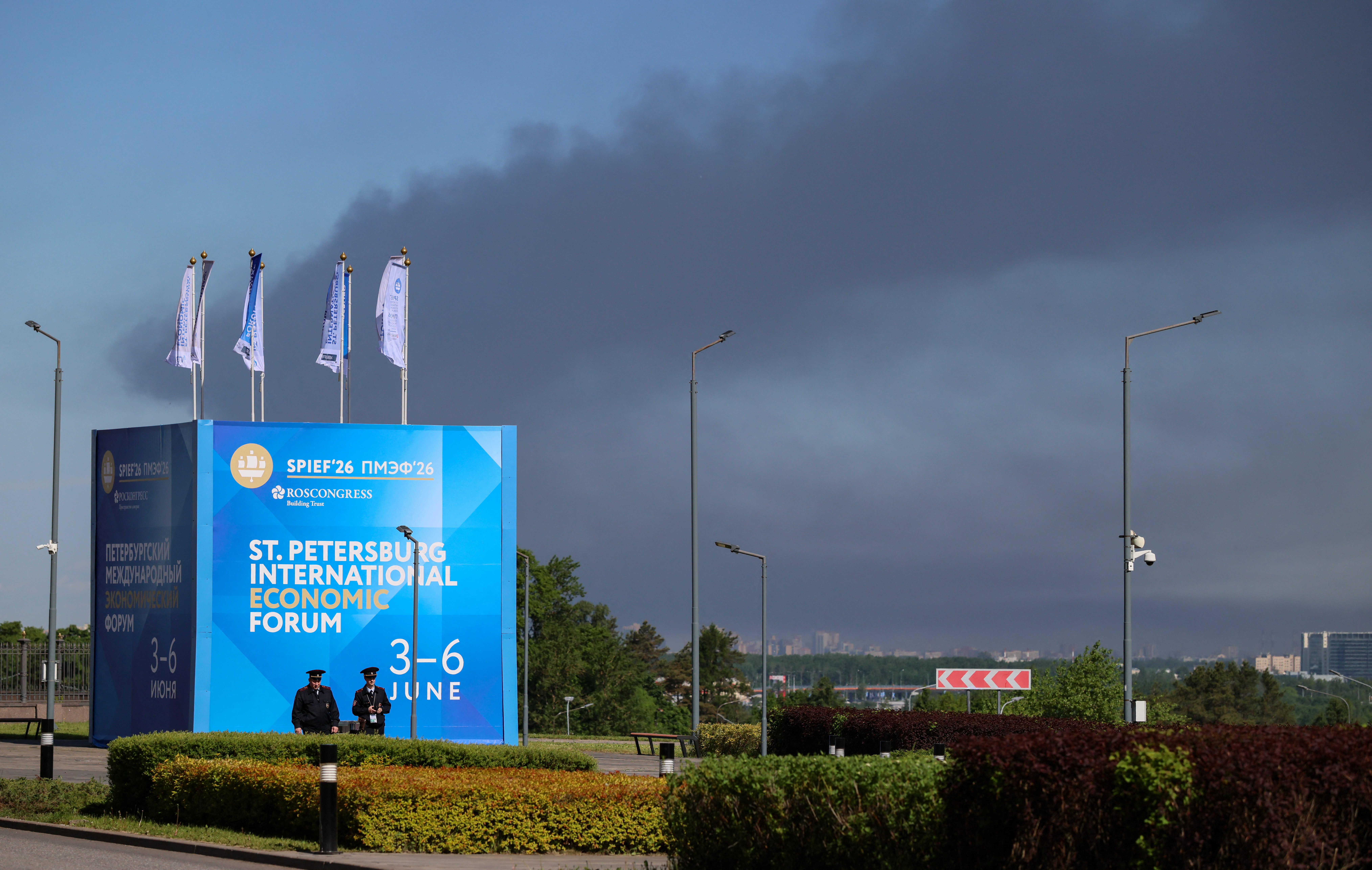
At the International Economic Forum held in St. Petersburg, Vladimir Putin again recalled the idea of relocating state-owned companies and corporations from Moscow to the regions. Such plans have existed since the early 2000s, but every time something prevents their implementation. Experts interviewed by Sever.Realii journalists are confident that the next attempt will end, at best, in a change of legal address for a couple of companies, which will not give regional budgets almost any benefit, and this is the thesis Vladimir Putin cites as fundamental.
The exodus of large companies is needed not only by the regions, but also by Moscow itself, the Russian president believes. “This will not harm the capital,” he said, addressing Mayor Sergei Sobyanin. He cited the relocations of RusHydro and PSB Bank as a positive example. Next up for eviction outside the Moscow Ring Road are the United Engine Construction Corporation and the companies of the Russian Railways group.
“I understand all the difficulties that are associated with changing a company’s place of work, but these efforts need to be stepped up,” Putin insists . The relocation of state-owned companies, according to him, should “relieve the capital and give impetus to the development of business in the constituent entities of the federation, strengthen the revenue side of their budgets, and create new working capital.”
Who should have and who left the capital
They have been talking about tax dispossession of Moscow since 2004. But in reality, few people were able to be resettled. One of the implemented examples is the move to St. Petersburg of the Constitutional Court of the Russian Federation. At a meeting of the State Duma Council on December 20, 2005, Governor of St. Petersburg Valentina Matvienko called the return of the Constitutional Court to the northern capital “restoration of historical justice.” A year later, in December 2006, the State Duma adopted the corresponding law, and from May 21, 2008, St. Petersburg became the permanent seat of the Constitutional Court.
Matvienko, while she was governor, began to attract large taxpayers to St. Petersburg. There was talk of plans to move large companies and subsidiaries of state holdings to the Neva - VTB, Gazprom Neft, Gazpromregiongaz, SIBUR, Transnefteproduct, Rostelecom, Sovcomflot. In fact, in 2005, VTB Bank registered in St. Petersburg, although the actual headquarters remained in Moscow. In 2006, Sibneft began to move to St. Petersburg, renamed Gazprom Neft - historically, the legal base of the company was in Omsk, but the actual control center has long been in Moscow. This move was completed completely in 2011. Gazprom itself re-registered in St. Petersburg only in 2021. Transnefteproduct did not remain a St. Petersburg tax resident for long and in 2007 was merged with Transneft.
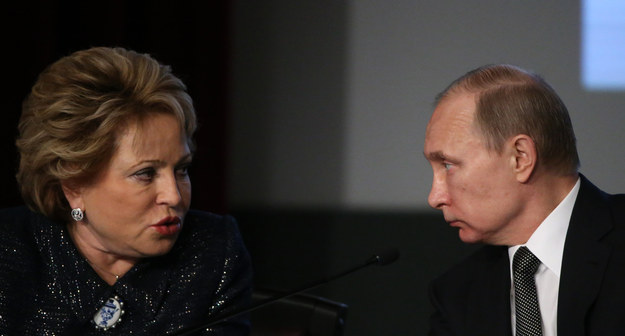
Having become the Chairman of the Federation Council, Valentina Matvienko continued to lobby for the relocation of large companies to the regions. In 2013, she proposed moving the head office of Gazprom to Tyumen, Rosneft to Siberia, Rostekhnologii and Russian Railways to the Urals, and RusHydro to Krasnoyarsk. Putin then supported the idea, but warned that Moscow should not be sharply deprived of tax flows.
In 2019, the Ministry of Economic Development remembered the old “recipe for happiness”, and in the draft regional spatial development plan, it proposed that state-owned companies and state corporations re-register their headquarters from Moscow and St. Petersburg to the largest agglomerations - from Vladivostok and Yekaterinburg to Novosibirsk, Krasnoyarsk, Kazan, Tyumen, Ufa and Chelyabinsk. The matter did not go further than discussions of the document.
But in 2024, after SPIEF 2024, Vladimir Putin gave a presidential instruction to the government, by October 1, to submit proposals for the gradual relocation of state-owned companies and state corporations from Moscow to the regions “at the location of their main production and (or) operating activities.” Particular attention should have been paid to the Urals, Siberia and the Far East.
By 2025, the government has developed criteria to determine who will move. The preliminary list included about 170 state corporations and companies with state participation.
At SPIEF, Putin cited two successful moves as examples: RusHydro moved its headquarters to Krasnoyarsk on July 1, 2025; PSB Bank received legal and tax registration in Yaroslavl on April 1, 2025.
Now, Putin said at SPIEF 2026, United Engine Corporation JSC (part of Rostec) and Russian Railways are next in line. The decision to relocate UEC to an unnamed region of the Russian Federation “has already been made,” and for the companies of the Russian Railways group it is “in the final stage.”
“This does not bring prestige to St. Petersburg”
“The idea is very Soviet and surprisingly untimely,” political geographer Dmitry Oreshkin comments on the plan for corporate relocations. – It’s Soviet because it’s about a command from above. All powers are collected at the top, and Comrade Sechin tells us: since Vladimir Vladimirovich ordered, of course, we will go. If Putin had not said so, Sechin would not have shown this initiative. That is, this is the usual Soviet approach - to solve the difficulties that have arisen with the help of the mechanisms that gave rise to these difficulties.
St. Petersburg politician Maxim Reznik , even before he was elected to the Legislative Assembly of St. Petersburg in 2011, was one of the active participants in the campaign against the Okhta Center. A 403-meter skyscraper for the Gazprom office was planned to be built on Cape Okhtinsky, next to the historical center. Opponents of the project said that the tower would disrupt the classical panorama of the Neva, distorting the historical appearance of the city. The project became one of the main urban planning conflicts of the 2000s and ended in a victory for the activists: construction on Cape Okhtinsky was canceled, the project was moved to Lakhta, and the Gazprom office is today located in the Lakhta Center.
But even without taking into account the Okhta Center, the St. Petersburg opposition did not welcome the appearance of Gazprom in the city.
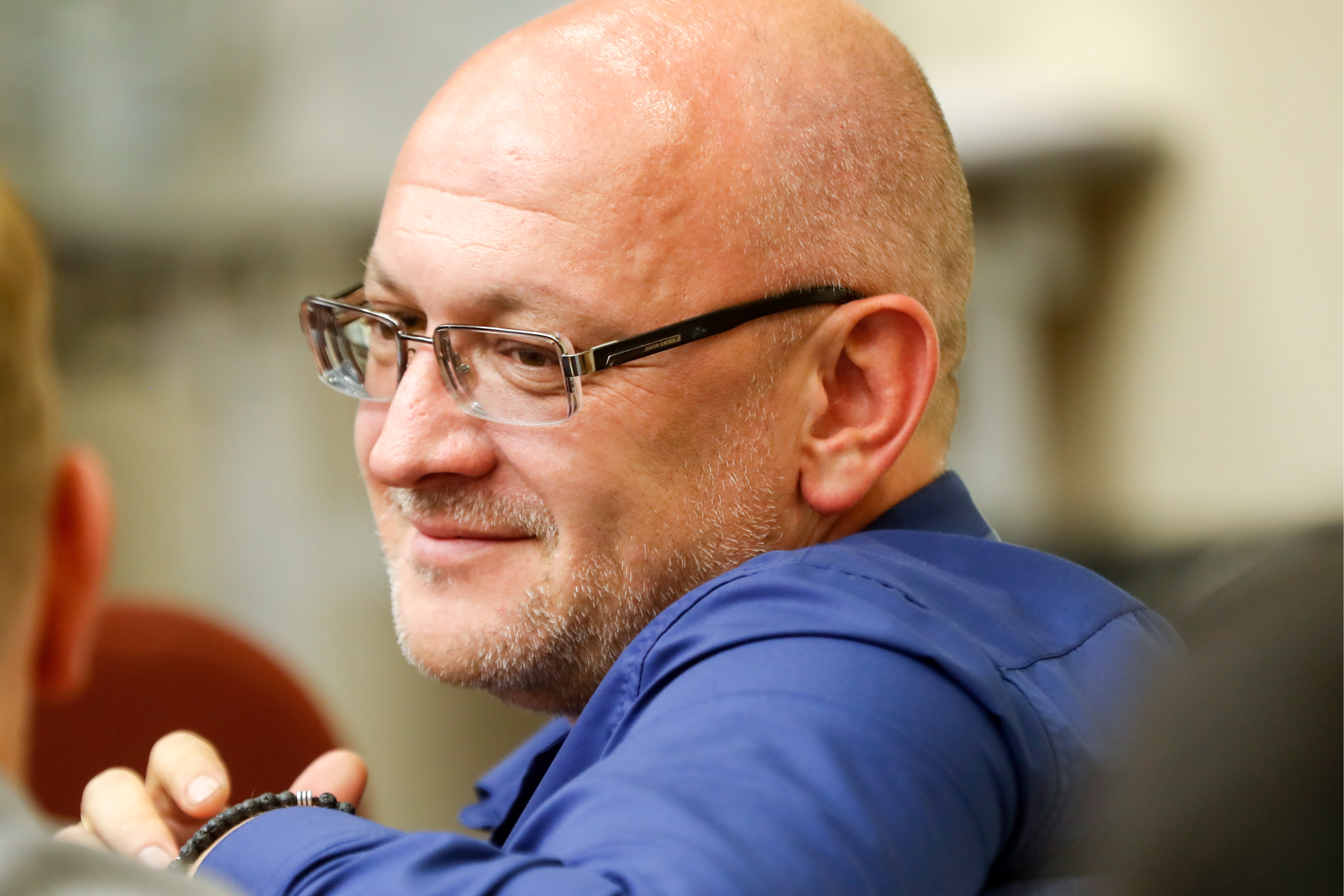
“We had direct evidence that Gazprom’s move, despite all their taxes, would actually bring more harm to the city,” says Maxim Reznik. – Whatever money moves to St. Petersburg, most of it will be stolen under the current fascist Putin government. Corruption in Russia is a political and economic category. Therefore, Gazprom, firstly, disfigured the city, secondly, brought it money, thirdly, of course, part of this money went to social programs - something went to state employees. But most of the money was stolen between companies close to the city authorities, in particular, the companies of Sergei Matvienko (son of the ex-governor of St. Petersburg Valentina Matvienko - SR).
The move of the Constitutional Court, according to Reznik, also did not bring any benefit to the city:
– The question is not where the court is located, but what kind of court it is. In our country, no matter where the court is located, it is “Basmanny”, do you understand? This simply added more flashing lights, more people, more inconvenience in terms of traffic jams. And this does not bring any prestige to St. Petersburg. Because if you have an unfair, dictatorial court in your city that serves the interests of a ghoul and a murderer, then what glory does this bring to the city? No.
– In your opinion, why does Putin continue to talk about all these companies moving from the capital?
- A person has to talk about something, you know? Must depict normal life. But changing the terms does not change the sum. “And you, friends, no matter how you sit down, you are not fit to be musicians.” You are only fit to be war criminals. Therefore, no matter where you transport yourself, we will find you everywhere. Necessarily. And you will find yourself in the dock. And again, it doesn’t matter where this bench will be - in the village of Gadyukino or in St. Petersburg. The main thing is that a fair verdict be passed against war criminals, ghouls and murderers.
"The situation in the regions is lousy"
The repeatedly promised moves of state-owned companies and corporations from Moscow are hampered by the risk of losing qualified personnel, says Igor Lipsits, Doctor of Economics, one of the founders of the Higher School of Economics:
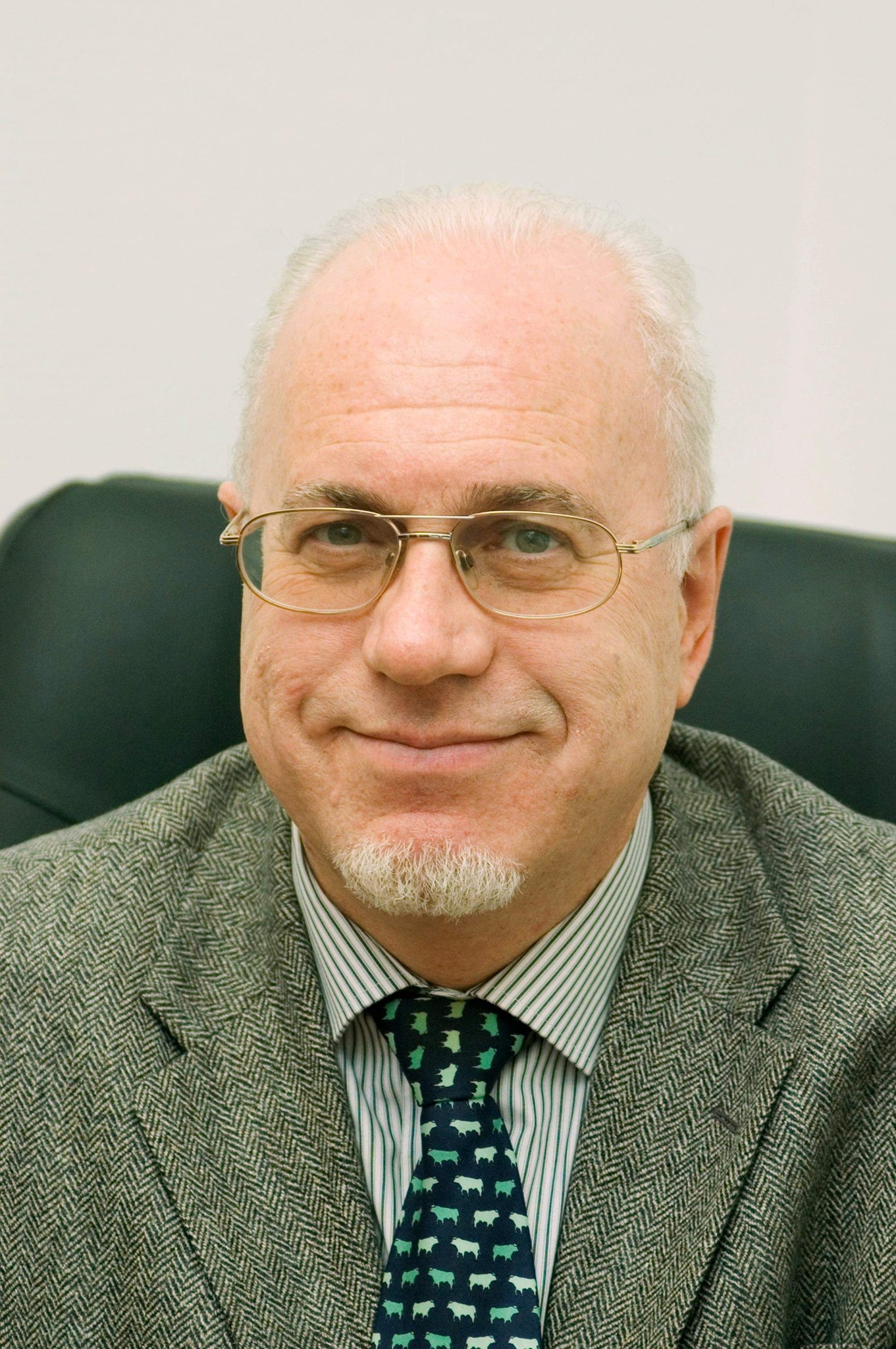
– You can easily transfer a legal entity, assign it to one city or another, and it will pay taxes there. But if you are physically trying to move your headquarters, the question arises: will the people who worked for you go there? Lipsitz asks.
The economist recalls the attempt of many Russian Moscow companies to move to new office centers outside the Moscow Ring Road in the hope of saving on rent. Even such a move usually meant the loss of up to 20% of the staff - it simply became inconvenient for people to travel to work.
“It’s not even a different city, but you drive much longer, much more difficult, there are more traffic jams, it’s not at all the direction you went to before when choosing a job,” says Igor Lipsits. “It’s such a burden to life that people left—maybe sometimes even losing wages, but precisely because of the transport factor.” And moving to another city is an even more complicated story. It’s not even a matter of Moscow registration, but the fact that you have an apartment with a 30-year mortgage in Moscow, and you are transferred somewhere to Samara. Maybe Samara is a nice city, but what will you do with a Moscow apartment? In addition, one must understand that Russia is still a Moscow-centric country. All decisions are made in Moscow, communication is in Moscow, meetings are in Moscow. As long as you can go somewhere and personally solve problems, the management of the company is going well. As soon as you leave for another city, it is already difficult to solve problems: you have to go from there to Moscow, this is much more difficult. Manageability is immediately lost, control is lost, connections in government are lost, and this is always fraught with losses of money and other things. Therefore, any state-owned company that lives in continuous symbiosis with the federal government apparatus tries not to leave Moscow. This is how Russia works. Moscow is the center of life, and it can only lose significance if Russia disintegrates altogether.
If anyone is resettled, Igor Lipsits believes, it will only be “very wretched corporations like Russian Railways.” In addition, the economic situation is such that state corporations no longer have such profits to seriously increase tax revenues to regional budgets.
“Maybe there will be more deductions from the salaries of workers who move there,” Lipsitz says. “But they still have to move.” But whether these cities have a sufficient stock of quality housing that Muscovites will want to buy is a very big question. Therefore, there is a very big threat here - first of all, for the company: losing a significant part of its not at all superfluous staff.
– Putin doesn’t understand that this is impossible? Why does he give instructions over and over again that are not carried out?
– What is his situation: he must pretend to care about the country. Not to realize caring, but to pretend to care. The situation in the regions is lousy. Last year, the regional budget deficit was one and a half trillion rubles . This year, apparently, there will be even more. This means that the regions find themselves in a situation where they cannot maintain the quality of life in the territory. After all, the quality of life in Russia is largely determined not even by the federal government, but by the regional government. It is she who cleans cities, improves streets, removes garbage, ensures public transport, finances schools and a significant part of medical institutions. If there is no money in the regional budgets, it all crumbles, collapses and quickly, catastrophically degrades. Moscow cannot give money to the regions - it does not have this money. Therefore, Putin pretends that he is meeting the regions halfway and will help them by moving Moscow corporations there, which will pay taxes there and will rise at the expense of this city. But this is an unrealistic story.
– Is there an effective way to raise the standard of living in the regions?
– It exists, but it is very heavy. The current model of Russia is a model of so-called fiscal federalism. It means that the income that arises in the territory goes overwhelmingly to the federal budget, and then the federal budget gives something to the regions. The regions themselves receive a very small share of income generated in the Russian Federation. This is the problem with the regions. It is necessary to replace the entire structure of the budget process, leaving significantly more money in the regions. But then the federal budget loses money, then it cannot finance the war, it cannot finance the law enforcement agencies as much, and federal officials will not be able to get rich so quickly. They, of course, will never allow this.
Economic observer Tatyana Rybakova associates Putin’s proposal to move state corporations to the regions primarily with the difficult situation of regional budgets. According to her, local deficits today are more dangerous than the federal budget deficit, since regions have much less ability to attract money and are increasingly forced to turn to commercial loans.
– There has always been an idea that Moscow is overpopulated with the headquarters of large companies, especially state-owned ones. If you transfer them to the regions, taxes will also go there and additional opportunities for the development of territories will appear. But business has always been very reluctant to do this. Among the major examples, one can only recall Gazprom or the story of Roman Abramovich, who at one time transferred taxes to Chukotka, says the expert.
According to Rybakova, for many corporations the arguments against relocation today are not as strong as before.
– Moscow was needed primarily in order to have the opportunity to meet with top officials and resolve issues. Now the situation has changed: decisions are made by a very narrow circle of people, those who work for the war, and proximity to the capital’s offices no longer provides the same advantages as before. Therefore, for some companies, relocation may even be a way to reduce costs - rent, salaries, officials’ appetites and other expenses are usually lower in the regions,” she notes.
At the same time, one should not expect a serious economic effect for the regions, says Tatyana Rybakova.
– Whether they will receive much more income is a big question. Putin mentioned Russian Railways, but the company now has a huge debt, and it is unclear how significant the tax revenue from such a move would be. But the load on regional infrastructure may increase.
In the current conditions, the authorities may be interested not only in tax revenues, says Tatyana Rybakova. The regions are already incurring significant costs associated with recruiting contract soldiers for the war, largely because of this they find themselves in a situation of budget deficit. Now, regional authorities will be able to shift part of this burden - including fulfilling the plan for recruiting contract soldiers - to big business. He has the opportunity to help with this through various forms of support and social benefits.
– I think that in general, the president really shouldn’t deal with such issues. If the state really wants to develop the regions, then it needs to create conditions under which it will be profitable for businesses to move on their own. And then the market itself will decide who benefits from it and who doesn’t,” Rybakova believes.
"It won't flow back"
The late Soviet government also tried to combat the hypercentralization of the country, says Dmitry Oreshkin. Restrictions were introduced on registration in Moscow; after studying at universities and technical schools, people were forcibly assigned to work throughout the country, “with surprise to discover that Moscow is still swelling, and the territory is stagnating.”
Councils of Economics
Nikita Khrushchev tried to break the Moscow industry vertical through the creation of national economic councils. In 1957, the USSR was divided into economic administrative regions, and each created its own economic council. Most of the industrial and construction ministries were abolished, and enterprises were transferred to the management of local economic councils. It was assumed that the local government would better see what factories, construction sites, personnel and resources there are in the territory, and would be able to link them into a single regional economy.
But Soviet decentralization quickly came up against the Soviet system. Enterprises were transferred to local authorities, but the planned economy and party control did not disappear. At the same time, industry ties began to break down, enterprises of the same technological chain found themselves in different territorial subordination, scientific and design organizations were separated from the factories.
The Soviet government tried to fix the reform by again building up the vertical. The economic councils were enlarged, republican councils were created above them, then the union Council of the National Economy, which in fact abolished all decentralization. After the removal of Khrushchev, the economic councils were quickly liquidated, and in 1965 the sectoral ministries were restored.
– Why does such super-hyper-centralization actually arise in Russia and the Soviet Union, but does not arise, for example, in the United States? The idea is simple: the country was created for the greatness of its leadership. This country exists as a tool for achieving global greatness,” explains Oreshkin. – In order for a great leader to prove his greatness, he needs to gather resources under his own hands, into some specific structure that controls it all, organizes and solves the problem. The goal, as a rule, is further territorial expansion. Система всасывает в себя ресурсы из территории и тратит их на вот эту супер-гипер-важную государственную цель. Москва – это тот самый центр, который обеспечивает концентрацию ресурсов, величие, могущество страны.
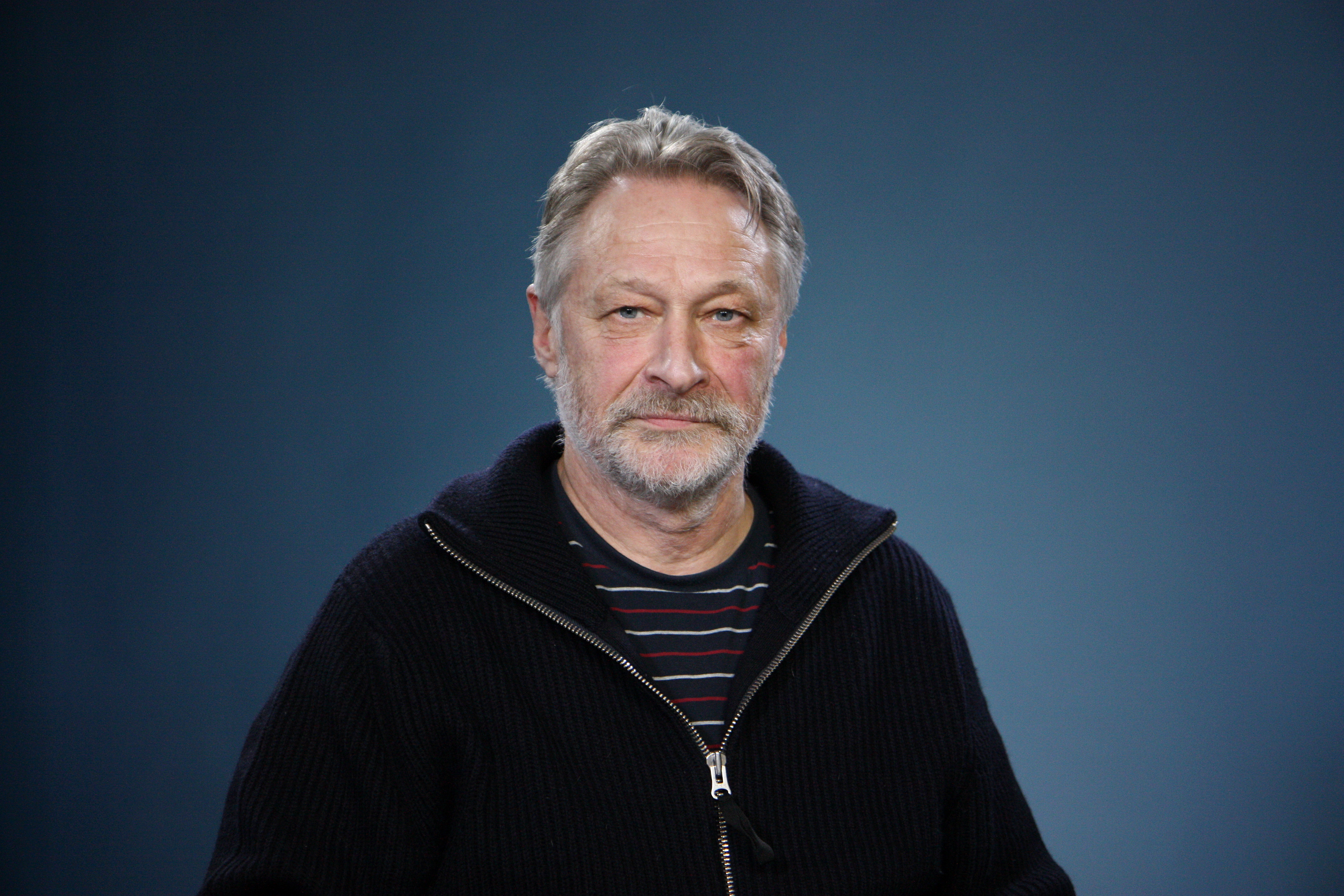
Если говорить про развитие территорий всерьез, то Москва оказывается функционально ненужной, говорит политгеограф. Так было 1990-е, когда центр ослаб, а окраины проснулись от спячки и вдруг начали развиваться. Но рост был купирован аннексией Крыма: вернулась риторика про величие и внешнюю угрозу, и регионы снова "используются как места, где располагаются военные заводы, продукция которых нужна для того, чтобы укреплять Москву".
– Сейчас Путин понимает, что хотелось бы поддержать регионы, – отмечает Орешкин. – Эта логика – абсолютно советская. Сначала все ресурсы выкачать, а потом увидеть, что они используются неэффективно и сказать: даю приказ закачивать их обратно. Но тут нет обратного хода. Нельзя сначала повернуть рычаг в одну сторону, потом в другую, и у тебя потекло сначала туда, потом обратно. Обратно не потечет. Потому что идеологические ценности материализуются в физических объектах. Если вы хотите перебросить какой-то крупный производственный центр или какую-то корпорацию, административным образом увезти ее в соседний город, ей прежде всего придется там строить новое жилье для своих людей. Нужна связь, нужна высокоуровневая транспортная инфраструктура. Нужен определенный культурный бэкграунд. Потому что если человек высокого уровня, то ему надо не просто получить корм и ясли.
– То есть, по вашему ощущению, идею замылят?
- Yes, definitely. Насчет этого сомнений нет, и это, может быть, будет спасительным выходом, потому что сейчас война – ну какое здесь переселение, если только речь не идет о том, чтобы убежать от украинских дронов. Тогда да, тогда люди спасают свои семьи и готовы жить в Иркутске или в Тюмени, если в Питере несоизмеримо вырос риск получить бомбу.
Попытки вывести государственные учреждения и крупный бизнес из столиц предпринимались во многих странах. В начале 2000-х годов Южная Корея начала строить новый административный центр Седжон, куда были переведены десятки министерств и ведомств. Однако значительная часть чиновников сохранила связь с Сеулом, регулярно совершая поездки между двумя городами, а крупнейшие частные корпорации не последовали примеру государства и сохранили основные управленческие центры в столичном регионе. Похожий опыт был и у Бразилии, которая в 1960 году перенесла столицу из Рио-де-Жанейро в специально построенную Бразилиа. Вместе с госаппаратом туда переехали государственные банки и корпорации, однако перенос столицы не привёл к перемещению основных финансовых и промышленных центров страны из Сан-Паулу и Рио-де-Жанейро. В Японии власти десятилетиями пытаются стимулировать переезд компаний из Токио с помощью налоговых льгот и субсидий, а также переводят отдельные государственные ведомства в другие регионы. Тем не менее большинство корпораций продолжают концентрировать ключевые управленческие функции в столичной агломерации.
Схожие задачи ставил перед собой и Китай, стремясь развивать внутренние провинции и снижать перегрузку Пекина. Однако власти делали ставку прежде всего на масштабные инфраструктурные проекты, перенос отдельных государственных функций и создание новых экономических центров, а не на массовое административное переселение штаб-квартир крупнейших компаний.
Противоположный подход демонстрируют федеративные государства, где экономическая активность исторически распределена между несколькими центрами. В Германии политическая власть сосредоточена в Берлине, крупнейший финансовый центр находится во Франкфурте-на-Майне, а многие ведущие промышленные компании базируются в других землях страны. В США федеральные власти не регулируют размещение штаб-квартир корпораций, а компании самостоятельно выбирают регионы с более выгодными налоговыми условиями, развитой инфраструктурой и комфортной деловой средой. Такая модель опирается не на административные решения о переезде, а на устройство бюджетной системы и конкуренцию регионов за инвестиции и рабочие места.
Какие налоги едут вслед за компаниями
Смысл перетаскивать к себе крупный бизнес регионы видят главным образом в росте налоговых поступлений. Однако сам по себе юридический адрес их не гарантирует.
Главный налог, из-за которого регионы заинтересованы в переезде больших компаний, это налог на прибыль. С 2025 года его общая ставка составляет 25%, из них 8 процентных пунктов идут в федеральный бюджет, 17 – в бюджеты регионов. При этом всю недавнюю прибавку налога на прибыль (до 2025 года он составлял 20%, из которых в Москву уходило три процентных пункта) федеральный центр забрал себе.
Однако если у компании есть обособленные подразделения в разных регионах, региональная часть налога на прибыль распределяется между ними и головной организацией. Формула учитывает, сколько в каком регионе сотрудников, сколько имущества. Поэтому юридический адрес дает заметный эффект только в том случае, если фирма действительно работает в регионе, то есть перевозит офис, склады, производство. Так, в 2021 году СМИ отдельно отчитались , что Объединенная судостроительная корпорация "завершила переезд своей штаб-квартиры" в Петербург. При этом юридически ОСК была прописана в северной столице аж с момента своего создания в 2007 году.
Второй важный поток – НДФЛ с зарплат сотрудников. Для регионального бюджета он часто даже важнее, потому что зарплаты управленцев, инженеров, айтишников и административного аппарата в крупных госкомпаниях высокие. В обычной схеме 85% НДФЛ зачисляется в бюджет субъекта, а часть поступает в муниципальные бюджеты. Но НДФЛ приходит только вместе с людьми. Если сотрудники головного офиса фактически остаются в Москве, зарплатный налог в новый регион на юридический адрес не поедет.
Налог на имущество организаций работает еще проще: где находится имущество, туда и идет налог. Он региональный и зачисляется в бюджет субъекта по нормативу 100%. Этот налог регион получит только если корпорация построит себе офис, производственный корпус или любой другой объект недвижимости.
Земельный налог тоже не следует за юридическим адресом. Он местный и зачисляется туда, где находится участок земли. Для городских округов и городских поселений земельный налог полностью поступает в местный бюджет.
Транспортный налог – региональный, он на 100% зачисляется в бюджет субъекта. Но и он привязан не к юрадресу как таковому. Регион получит этот налог, если компания перерегистрирует в нем свой автопарк, спецтехнику, самолеты и яхты.
НДС, один из крупнейших налогов в стране, для регионов почти бесполезен. Он зачисляется в федеральный бюджет, неважно, где и на какие триллионы рублей компания продает товары и услуги. Эти деньги полностью уходят наверх.
То же самое относится к внешней торговле – все таможенные пошлины и сборы, импортный НДС и акцизы по ввозимым товарам идут в федеральный бюджет. Пограничный регион не получает ни рубля от таможенного потока, не считая НДФЛ с зарплат таможенников и пограничников. И Псковская область, на которую приходится почти вся граница с Евросоюзом, остается одним из самых бедных регионов России.
Важнейший источник государственных доходов – налог на добычу полезных ископаемых – тоже слабо связан с юридическим адресом. НДПИ привязан к добыче и виду полезного ископаемого, а не к месту регистрации головного офиса. Более того, самый жирный сырьевой налог – на добычу нефти и газа – зачисляется в федеральный бюджет по нормативу 100%. По другим полезным ископаемым федеральный бюджет получает 40% НДПИ, а региональный – 60%, по коксующемуся углю в федеральный бюджет идет 70%, по железной руде и ряду других видов сырья – 83%.
Отдельная история – отмена КГН, консолидированных групп налогоплательщиков. До 2023 года крупные холдинги могли платить налог на прибыль как единая группа, и налог шел именно по месту регистрации ответственного участника группы. Именно поэтому переезд "Газпрома" в Петербург был для города настолько важен: по итогам 2022 года налоговые отчисления группы "Газпром" в бюджет Петербурга составили около 230 млрд рублей – почти четверть доходов города. После отмены КГН поступления от бывших участников группы резко упали : в 2023 году – до 82 млрд рублей, в 2024 году – до 101 млрд.
Поэтому новая волна переездов госкомпаний не означает "золотую жилу" для регионов. Реальные деньги появляются там, куда компания на самом деле перевозит рабочие места, зарплаты, недвижимость, транспорт, активы и управленческие функции.
Показателен в этом смысле опыт РУСАЛа, который еще на рубеже 2010–2020-х годов начал переводить часть управленческих подразделений из Москвы в Красноярск, ближе к своим основным производственным активам. Для этого компании пришлось строить новые офисы и запускать программы релокации сотрудников. Однако даже этот кейс показывает, что перенос управленческих функций не подразумевает автоматический перенос налоговой базы. Производство компании сосредоточено в Сибири, часть менеджмента остается в Москве, а юридически холдинг зарегистрирован в специальном административном районе Калининградской области. В результате регион получает новые рабочие места и дополнительную деловую активность, но не становится автоматически главным получателем всех налоговых поступлений компании.
Evening Newsletter - Subscription widget compact Read Freedom on Telegram Make Freedom a priority source on Google  Install the Mobile application
Radio Liberty