
Translated material
Understanding the past and present. Chechen cinema in Pankisi
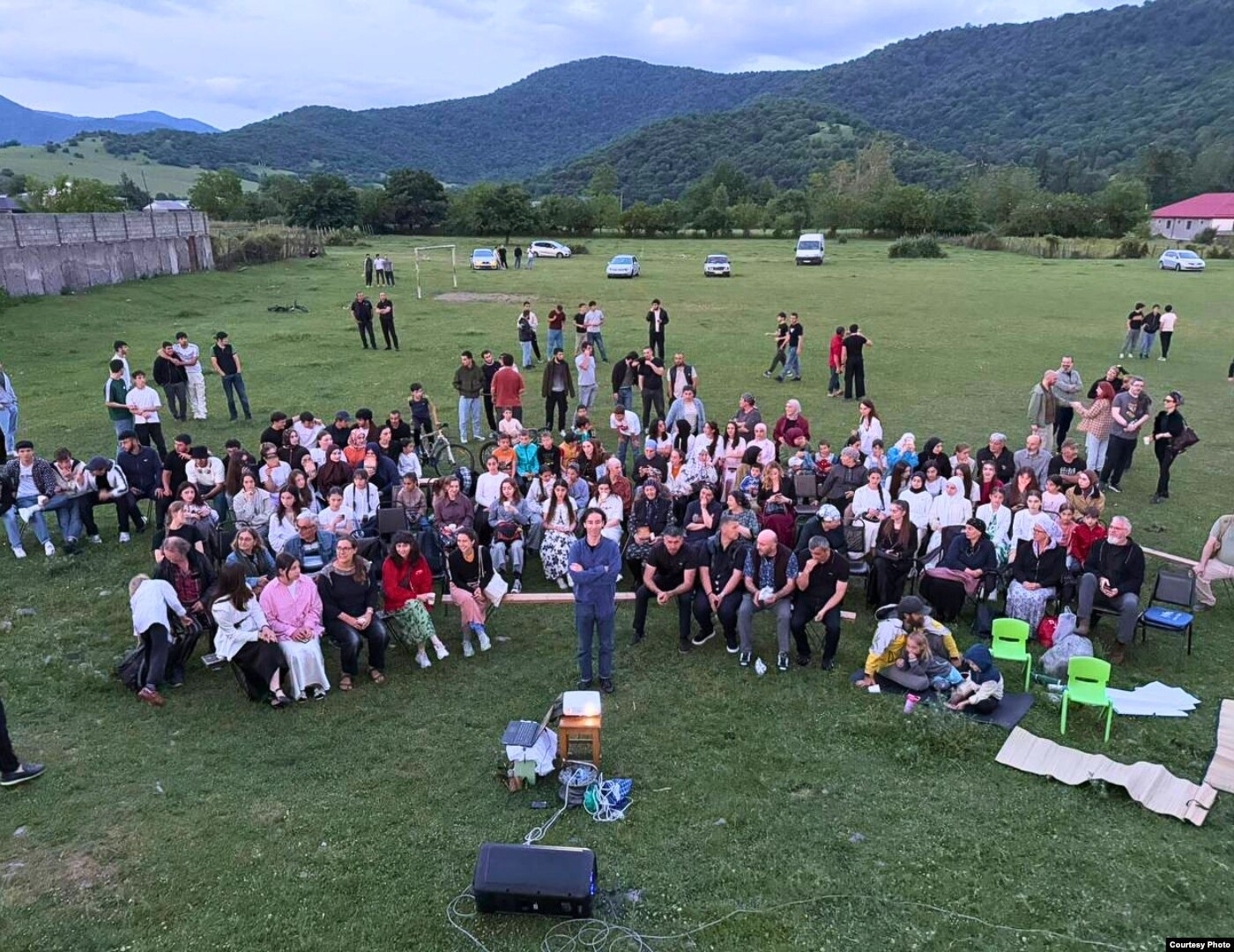
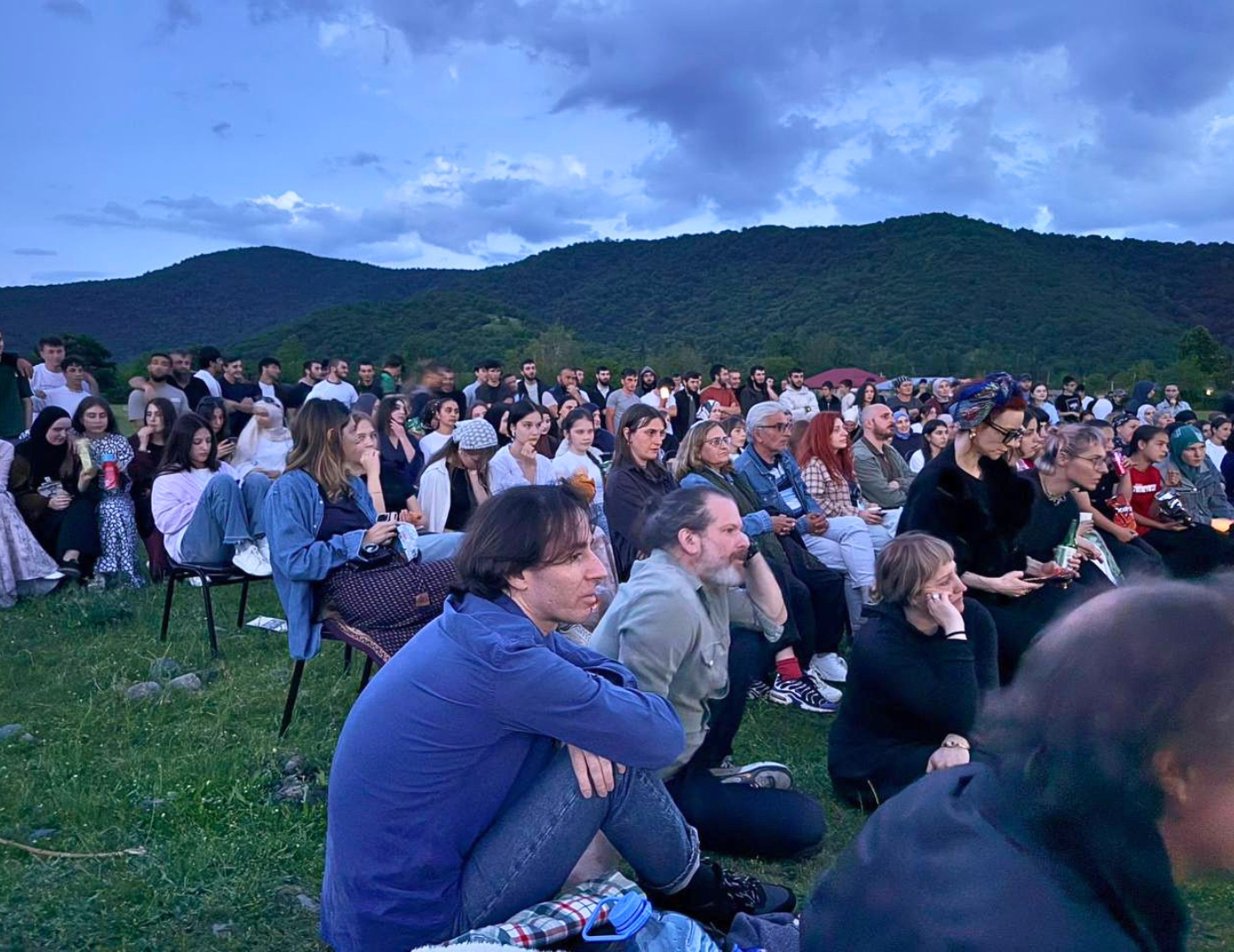
From June 15 to 17, the first film festival dedicated to the works of young Chechen directors was held in the Georgian Pankisi Gorge. The paintings shown here touch on themes of migration and returning to one's roots. It was no coincidence that the Pankisi Gorge was chosen as the venue - a large community of Chechen-Kists lives there, and the theme of identity and connection with the homeland is constantly present in their lives.
Chechen cinema screenings have been taking place in Georgia for several months now. In Tbilisi, after the screenings, the halls often remained full, says festival curator, Georgian curator Giorgi Kurdevanidze: after the final credits, the audience actively discussed what they saw and asked questions to the authors. This response gradually creates a steady interest in Chechen cinema and the topics it raises, the organizer notes.
Information: The Pankisi Gorge is located in the Akhmeta municipality of Kakheti (Georgia) in the upper reaches of the Alazani River. There are a total of 16 settlements where Chechens live, the largest of which is the village of Duisi.
All three films included in the festival program are very different in form and genre, but they are united by common themes: memory, the experience of war, migration and the search for one’s own place. They interweave personal stories with a broader conversation about how young authors from Chechnya and the diaspora make sense of their past and present.
The festival was supported by the Roddy Scott Foundation educational center - it was created in memory of the British war journalist Roddy Scott, who covered the second Russian-Chechen war and visited Pankisi.
Malika Musaeva’s debut film “The Cage is Looking for a Bird” was first shown in the Encounters competition program of the Berlin Film Festival - this is the first film in the Chechen language presented at a festival of this level.
Musaeva, a student of the Kabardino-Balkarian workshop of director Alexander Sokurov, in her work addresses the theme of lack of freedom that girls face in the North Caucasus. The main character, high school student Yakha, is torn between attachment to home, her first platonic love and the desire to leave the Chechen village in search of another life.
The main roles in the film were played not by professional actresses, but by girls selected from the local House of Culture. Despite the lack of acting experience, their work, according to critics and viewers, turned out to be surprisingly sincere, lively and emotionally accurate. The film also touches on the theme of loss and grief for the victims of the second Russian-Chechen war.
Malika was born in Grozny. During the second war in Chechnya, her family was forced to flee first to Ingushetia, then to Ukraine. She now lives in Germany and studies directing at the Hamburg School of Media. Her short films have already participated in international film festivals.
Another participant in the program, director Denis Umar Pitsaev, was born in Chechnya and raised in Belgium. His documentary film "Imago" was shown at the Cannes Film Festival in the Critics' Week program in 2025, where it received the Jury Prize.
"Imago" is a documentary film in which the director's personal story becomes the starting point for reflection on memory, the connection of generations and the search for identity. The film tells about Pitsaev's return to Georgia, where he inherits a plot of land in the Pankisi Gorge from his mother.
For the hero, this land becomes a symbol of a possible “return” and an attempt to start a new life: he is almost forty years old, and he is thinking about home, family and the need to “settle down.” However, finding himself in a place where he has never lived, he faces internal ruptures and family conflicts that force him to reassemble his own identity.
Pitsaev studied political science in Paris, received a directing education at Brussels INSAS and a master's degree at LUCA School of Arts, and also participated in the Locarno Filmmakers Academy and IDFAcademy programs. His short films "Girl Playing Games" (2016) and " Finding Denis " (2017) have been screened at international festivals including Visions du Réel, MoMA Doc Fortnight and DokumentART. "Imago" was his first full-length work.
Another participant in the program is Belgian documentarian of Chechen origin Zaur Kurazov . Fleeing the war, his family left Chechnya for Europe when he was five years old. Kurazov studied audiovisual art at the Royal Academy of Fine Arts in Ghent. His work addresses themes of memory, identity, migration and humanitarian crises.
His film “ Khan Yu ” ( translated from Chechen as “there is time” ) is his debut film shot in Chechnya. The plot centers on two women, a mother and daughter, living in a village and awaiting the return of a relative who left many years ago, probably during the war. Their life passes in a quiet, almost frozen space, where anticipation fills all their days. The film participated in the competition programs of the Artdocfest and Czech Ji.hlava festivals.
Ban on "sensitive topics"
These films find a response on international platforms, but they are not available in Chechnya itself. Curator Giorgi Kurdevanidze is convinced that this situation will not last forever: one day viewers in the authors’ homeland will be able to see them.
Such films can hardly count on widespread distribution within Chechnya today, argues a sociologist from the republic on condition of anonymity. And it’s not just the themes of war and memory, she notes, but also the fact that any artistic statement about the region is perceived taking into account the political context: “Stories about women’s independence, the desire to leave, to go beyond the usual environment can also be perceived as sensitive, because they affect established social norms. As a result, such films turn out to be more focused on festival and external audiences than on local screening within the region.”
Along with this, the sociologist notes, in Chechnya, topics related to historical memory are often subject to restrictions. In her opinion, they often provoke complex reactions and do not always receive access to public display. Against this background, modern films about Chechnya, war, memory or people’s lives may also encounter difficulties within the region, the interlocutor lists.
As an example, the sociologist named the film “ Ordered to Forget, ” directed by Hussein Erkenov, filmed in 2014 at the Grozny Film studio and dedicated to the deportation of Chechens and Ingush in 1944. The premiere was supposed to take place in Grozny on May 10, 2014, but the Ministry of Culture banned the screening of the film in Russia on the grounds that the film allegedly “incites ethnic hatred.”
Movies without support
Chechen actor, screenwriter and director Surkho Sugaipov from Germany shared his impressions of these works. Of the three films included in the festival program, he saw Malika Musaeva’s film “The Cage is Looking for a Bird.” According to Sugaipov, the film made a strong impression on him: “I really liked this story, the camera work and the acting. Everything looked very honest and professional.”
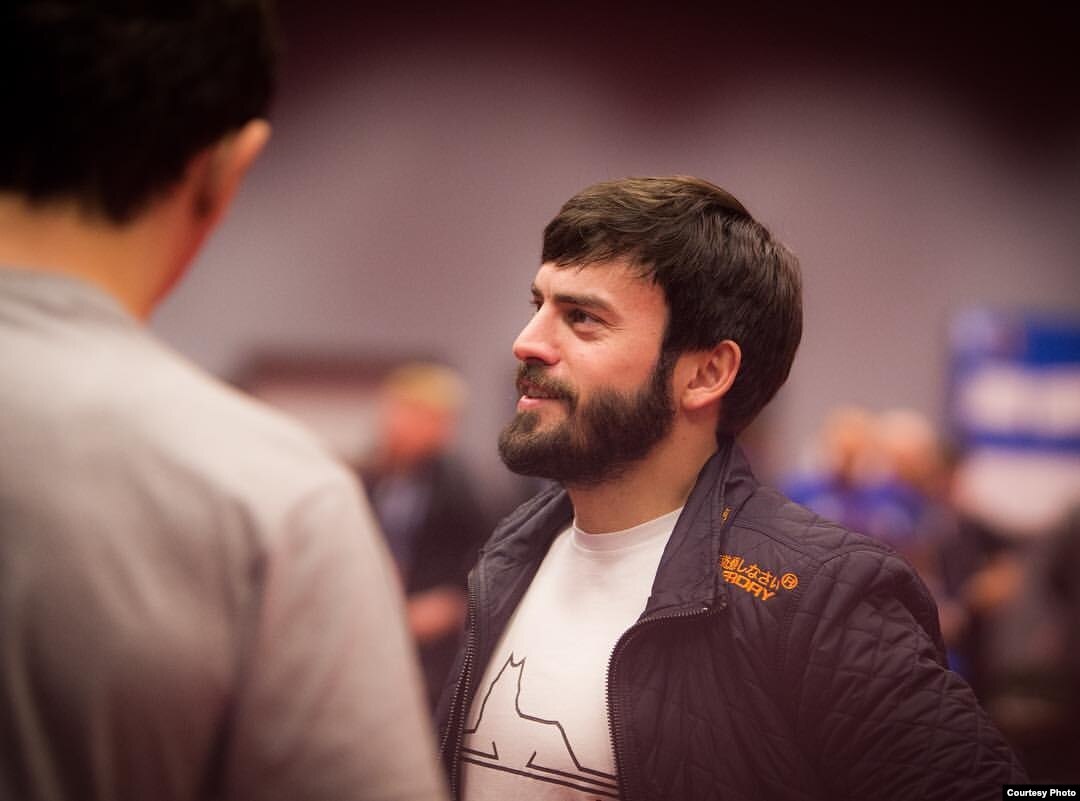
Sugaipov is currently judging the film by Denis Umar Pitsaev based on the trailer, individual fragments and reviews: “I read a lot from Western critics about this film, and, as far as I can see, it received a very warm reception. Even from the trailer, it is felt that this is a high-quality, sincere story with good humor and emotional depth. I myself am looking forward to the opportunity to watch it in full when it appears at the box office or on other platforms.”
According to Sugaipov, both films touch on themes of freedom of choice, social pressure and how often people have to suppress their own desires in order to meet the expectations of others: “For me these are very clear and close topics.” He adds that the success of Chechen authors at international festivals pleases him, but does not surprise him. In his opinion, there have always been many talented artists in the Chechen environment, but not everyone had the opportunity to receive the necessary resources and be noticed outside their circle.
“I am also pleased that our society is gradually coming to understand the importance of cinema as a way to tell the world about ourselves. It is not just entertainment, it is one of the most powerful tools for transmitting experience and culture,” says the interlocutor.
Sugaipov notes that in recent years, Chechen actors and directors are increasingly implementing their projects outside their native region, in Europe and on international platforms, where they have more opportunities for professional development and creative freedom.
“The current Russian government has no particular interest in the development of independent Chechen cinema, which would allow Chechens to tell their story in the first person. In Europe, on the contrary, there is a great interest in new stories, cultures and authentic voices. In addition, thanks to the Internet and the emergence of Chechen communities abroad, it has become much easier to convey their work to an international audience, bypassing the barriers that previously existed,” the director concluded.
Caucasian stories through the prism of cinema
Chechen journalist and social activist Sulkhan Bordzgor, who lives in the Pankisi Gorge, notes that the very fact of including films about the North Caucasus and its inhabitants in the festival program is already arousing interest. According to him, for many in Pankisi, the festival becomes an opportunity to see how such stories are told through the language of cinema, and to independently evaluate how close they are to them.
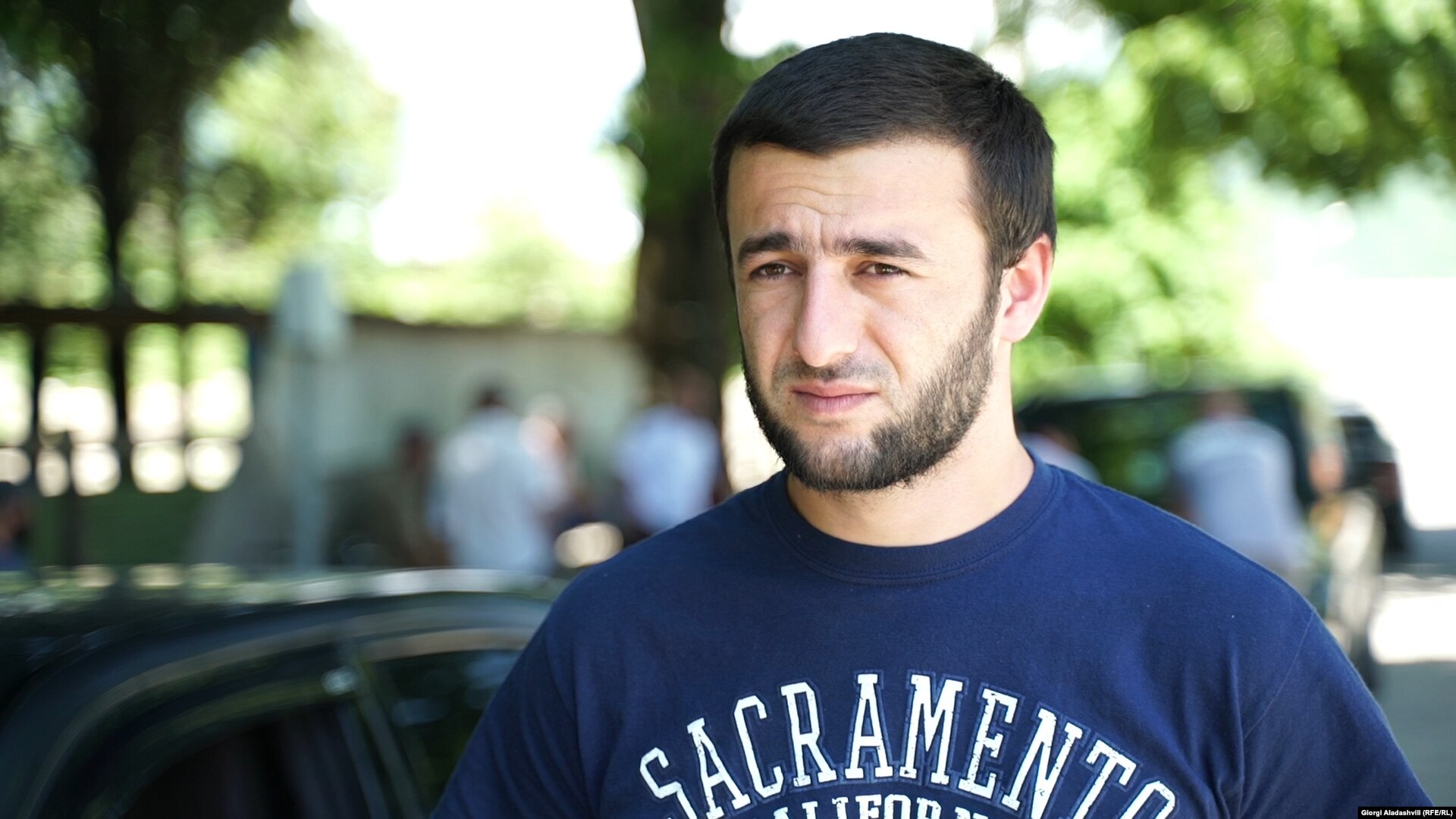
“If we talk more broadly about films and publications dedicated to Chechnya, Pankisi or the lives of women in the region, then the risk of simplifying reality always exists. This applies not only to cinema, but also to journalism in general. Very often the attention of external observers is focused on problems, conflicts, restrictions or difficulties. These topics may indeed exist and deserve discussion, but they do not exhaust the fullness of the life of society,” he comments.
As an example, the interlocutor cites the image of a Muslim woman, which is often viewed in the logic of restrictions and pressure. According to him, such an approach can shape the idea of the hijab and religious traditions solely as symbols of unfreedom: “Meanwhile, people’s real lives are much more complex and multifaceted, and the cultural context, personal circumstances and the women’s own views often remain outside the framework of such narratives. When one topic begins to dominate over the others, this inevitably contributes to the strengthening of stereotypes.”
- During the deportation on February 23, 1944, non-transportable old people, women and children - more than seven hundred people - were locked in a local collective farm stable and burned by NKVD officers. Through the efforts of Ruslan Kokanaev and director Hussein Erkenov, a full-length feature film “Ordered to Forget” was shot about this tragic page in Chechen history in 2014. The film was banned from showing in Russia because Moscow considered that it “contributes to inciting ethnic hatred.”
- Earlier in September, a number of public figures in the North Caucasus made sharp protests against a new school textbook on Russian history. In public reactions to the text of the textbook, social activists emphasized its unreliability and its offensive tone for peoples who experienced repression.
- Ramzan Kadyrov ordered the confiscation of the entire circulation of the textbook in Chechnya, said the chairman of the republic’s parliament, Magomed Daudov. The Chechen authorities are discussing with the Ministry of Education the introduction of amendments to the chapter on repressed peoples, he added, but the message about the seizure was soon removed from the post on his Telegram channel.