Anna has lived with vitiligo since childhood. What angers her most is not the diagnosis, but other people’s admiration • Novaia vkladka • RIMA — Russian Independent Media Archive
Anna has lived with vitiligo since childhood. What angers her most is not the diagnosis, but other people’s admiration
18+ This material (information) was produced, distributed and (or) sent by a foreign agent Media project “New Tab” or relates to the activities of a foreign agent Media project “New Tab” Author Sofia Saburova June 23, 2026 read: 5 min.
“What a pity, the girl could become beautiful,” the doctor told the mother of nine-year-old Anya, diagnosing the girl with vitiligo, an autoimmune disease that causes light spots to appear on the skin. The media have repeatedly told how in Russia people with this diagnosis face unethical remarks from others, but there is another side. Anna is now 34, she hates to remember that doctor, but she also doesn’t like the opposite - when people try to convince her that these spots are beautiful. We tell you why some people disguise them, while others, on the contrary, consider them to be their unique feature - and what role the attitude of others plays in this.
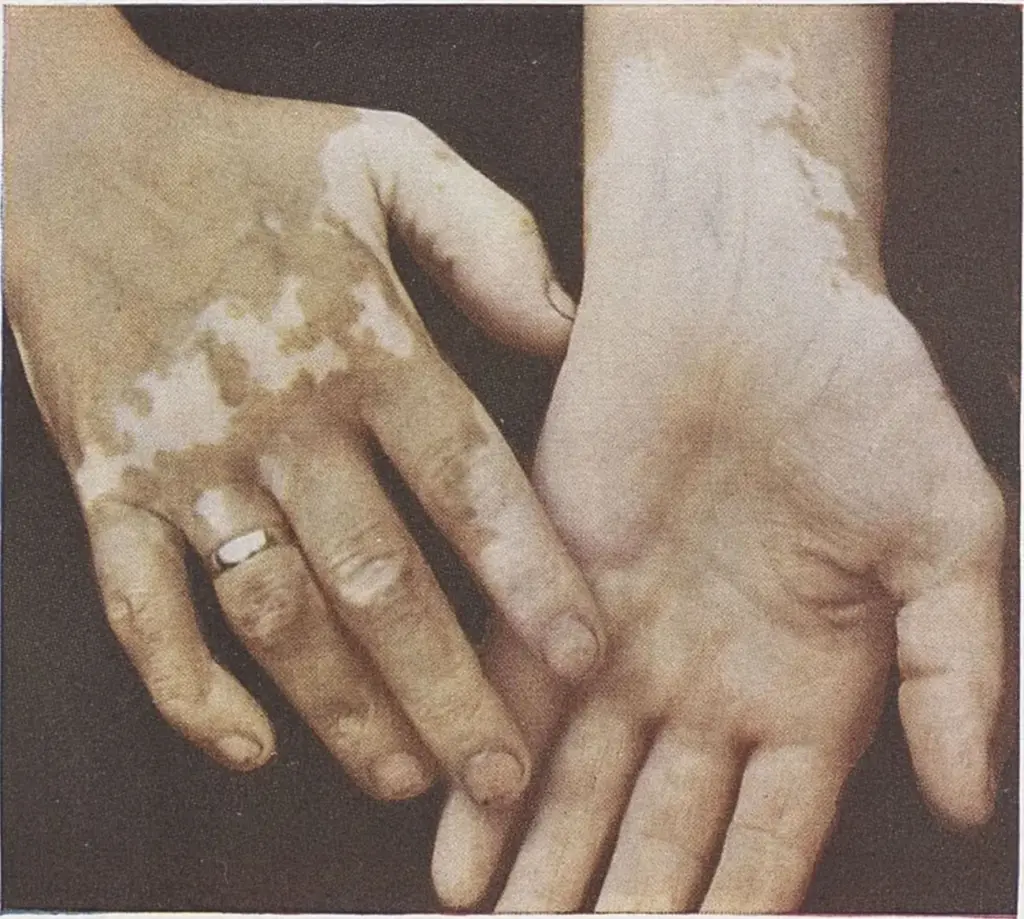
Vitiligo is an autoimmune disease in which light spots appear on different parts of the body: the skin loses pigmentation.
This occurs because the body's immune system attacks and destroys its own cells - melanocytes. Vitiligo manifests itself only externally; its causes are not reliably known.
The diseaseoccursin approximately 1% of the world's population (prevalence on different continents varies from 0.1 to 2% of people depending on the ethnic group and region). Most often it is diagnosed before the age of 30.
On a clear day, Anna’s apartment in St. Petersburg is twilight and all the curtains are drawn. She laughs: “The only sun I love is when the dawn begins. It's just magic. If I lived in an ideal world, I would be awake at night, watch the sunrise, and sleep during the day.”
In an imperfect world, when Anna was nine years old, some light spots appeared around her eyes - her older sister noticed them. The girls' mother worked as a pediatrician, but she didn't know what was happening to her daughter's skin, so she took her to a dermatologist. Anna still finds it unpleasant to remember that visit to the doctor: “She said: “What a pity, the girl could become beautiful, but now nothing will work out.”
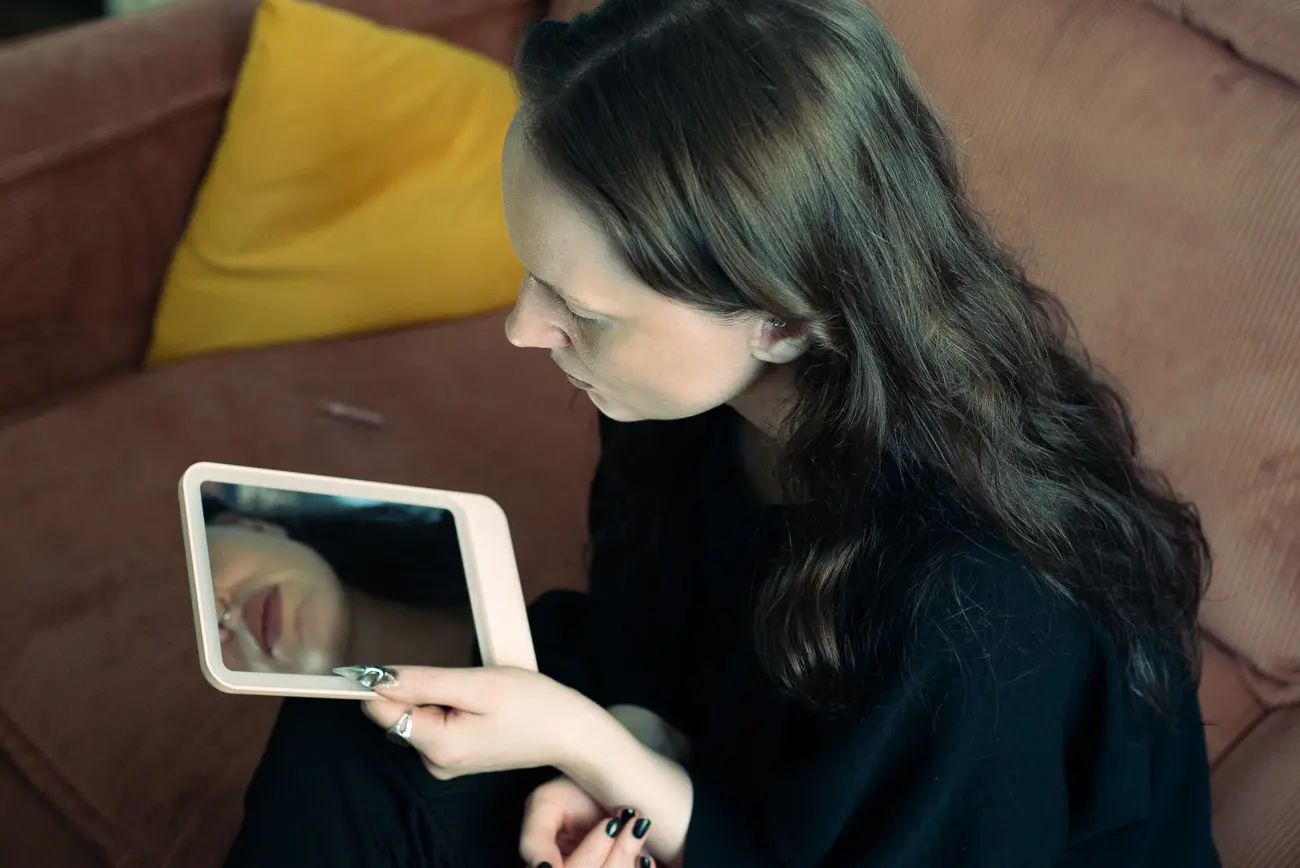
Photo: New Tab
Anna grew up, as she herself says, “in the forest on the border with China”: her father is a military man; in the 90s he served in the Khabarovsk Territory. At the village school she was teased and bullied because of the spots on her skin and her difficult character. When they got too annoying, Anna got involved in fights: “I remember in the fifth grade I stood in the toilet, coughing up blood.” At home my older sister teased me and called me a spectacled cobra.
About six months after the first spots appeared, Anna learned about foundation: “I had a foundation under my pillow. I didn’t even go home without it, I woke up and the first thing I did was apply it.” True, the stains were still noticeable; teachers at school sometimes mistook them for makeup around the eyes and asked to wash them off.
There are no proven treatments for vitiligo, but like many people with this disease, Anna was looking for ways to remove the spots. She remembers how her mother gave her some lotions with alcohol - because of them, burns appeared, “everything burned.”
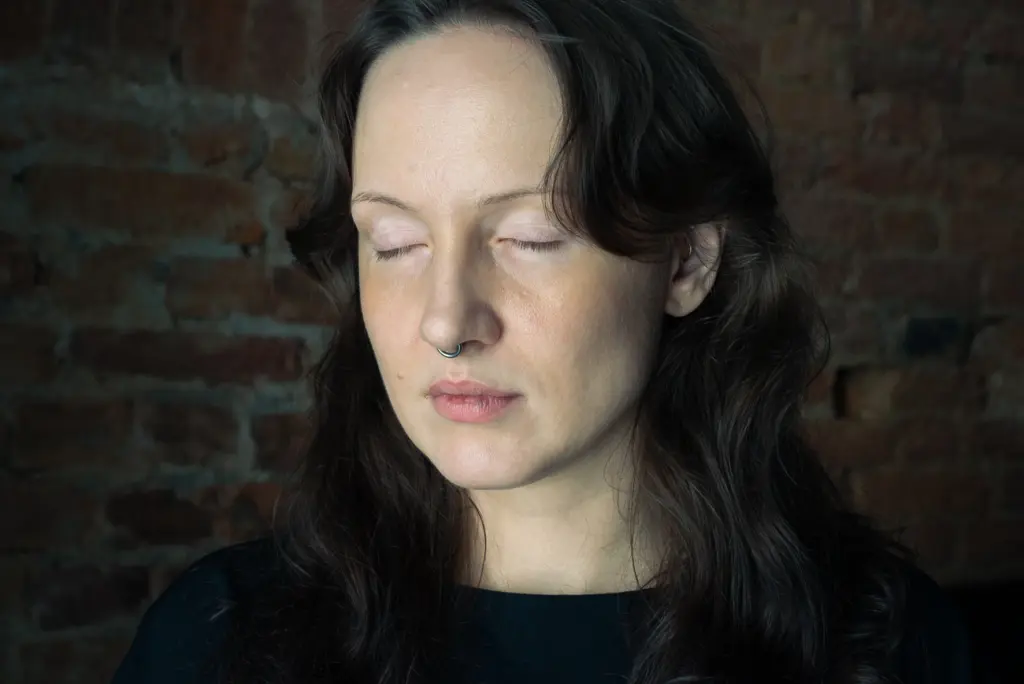
Photo: New Tab Photo: New Tab
When parents try to rid their child of stains, but nothing works, children may feel guilty. “Feeling and seeing your parents’ experiences, understanding that it’s because of you, and not knowing how to change it is a big burden for the child’s psyche,” says the girl, whose mother fed her dried duckweed and took her to the nearest city for experimental laser irradiation.
In the late 2000s, when Anna was 16, she found a forum for people with vitiligo and learned there about a special ultraviolet lamp for restoring skin pigment. But it affects everyone differently: for some, some of the spots become less noticeable, while for others this method does not help at all.
“I was exposed to this lamp every day for several years,” says Anna. “I have maybe one percent fewer spots.” At some point I just got tired and gave up.
Although various treatments help some patients make some of the spots less noticeable, they usually become more numerous over time and often increase in size. People with vitiligo are often concerned about how others perceive them. There is an English-language thread on the international social network Reddit, where the author asks users whether they would agree to go on a date with a person with such spots or not. In response, there are hundreds of supportive comments: people talk about their friends and partners with vitiligo. Most write that when meeting someone they don’t pay attention to the spots or think that it looks “cool, interesting, fascinating.”
Another thread discusses a video in which American model and artist Amara Aleman adds drawings to spots on her body to help other people with vitiligo feel more confident. Many people write that this is inspiring, but some note that it is not easy to accept yourself this way. Fashion model from St. Petersburg Anastasia Olenich believes that the environment, especially family and friends, plays a huge role in this acceptance. She told how people in Russia pointed fingers at her, and once a man on the subway even asked her to cover her legs. Anastasia was lucky to have the support of her family and friends, and to stop being shy, she went to modeling school.
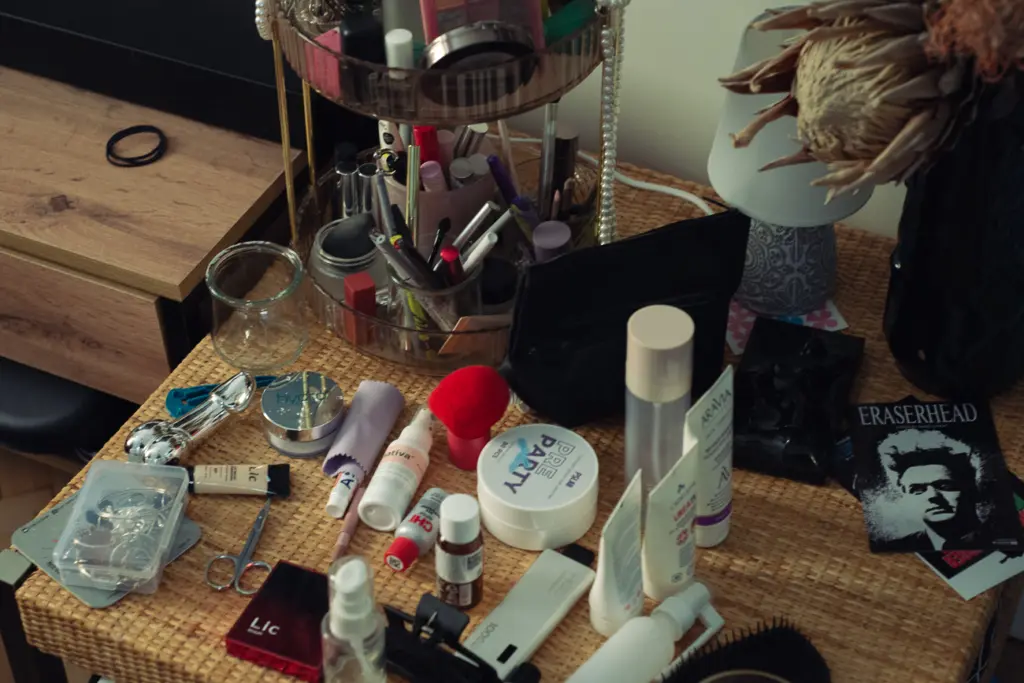
Photo: New Tab
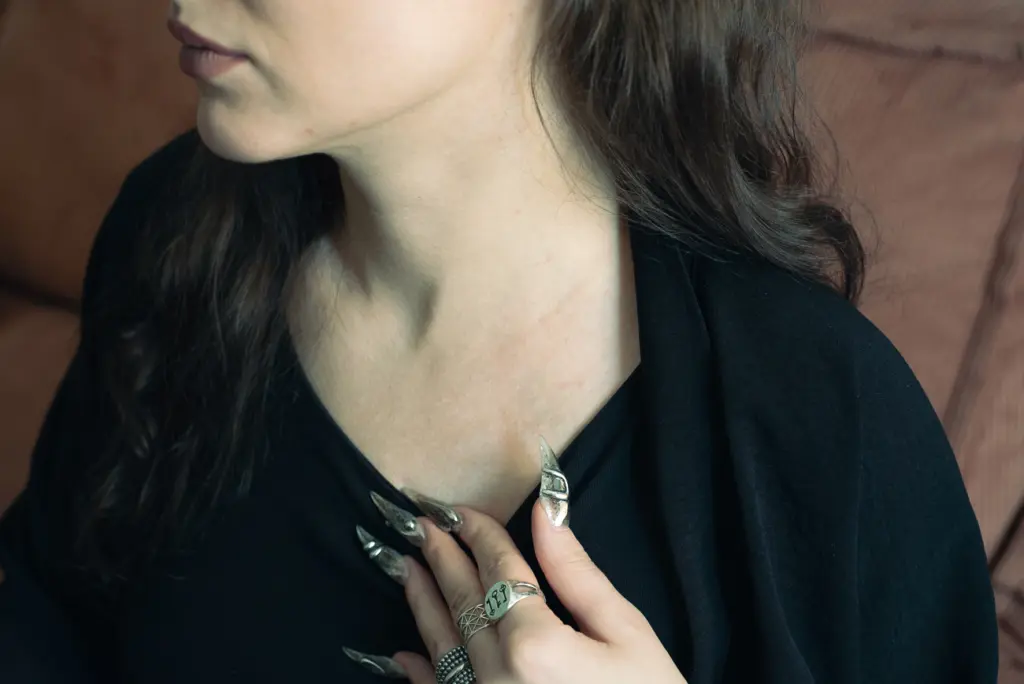
Anna covers her spots with self-tanner. To make them stand out less in the summer (when all the skin, except for the white areas, tans), apply SPF cream both before going outside and before going to the sunny kitchen to make coffee. Anna remembers how comfortable she felt while traveling in France: there was no feeling that she was being looked at, she felt very free.
Among her friends, few people paid attention to vitiligo, but Anna’s partner reacted calmly. But she herself always notices these spots on herself: “I don’t see any zest in this, I only see problems.” Anna doesn’t like being looked at on the street, and even more so when someone starts convincing her that she has an unusual appearance, that she shouldn’t be shy, and that others don’t care:
“I don’t care that no one cares if I don’t like it myself.”
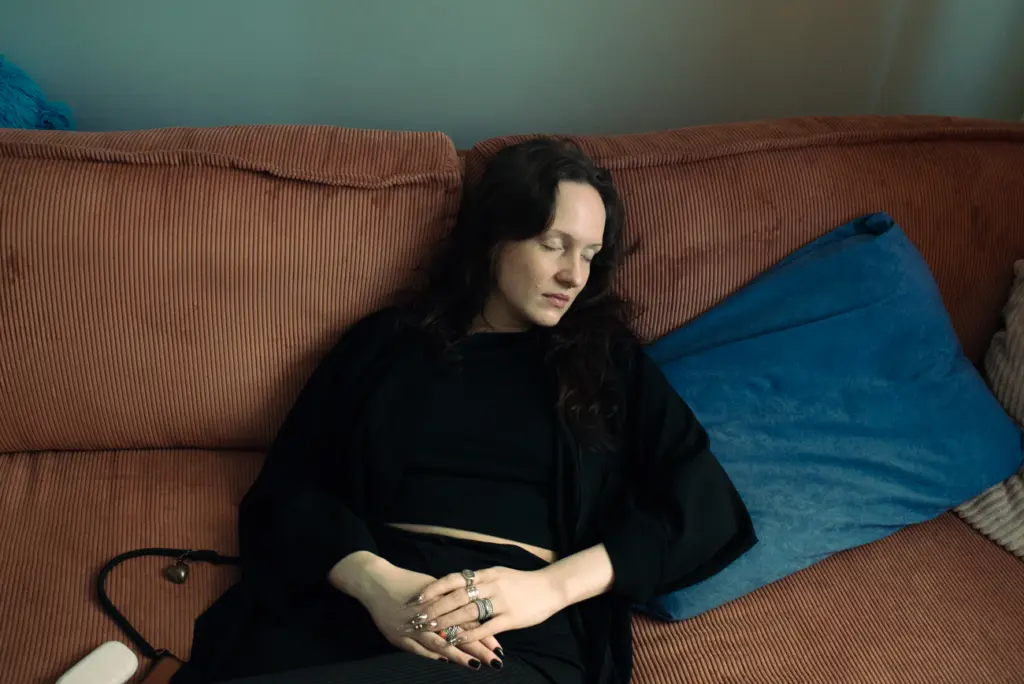
Photo: New Tab
In her opinion, everyone has the right to do whatever they want with their appearance. Simple curiosity doesn't irritate her. Anna laughs and says that she is ready to give a lecture about autoimmune diseases if a person asks what these spots are. But she gets angry when people call this feature cool:
“Because the person looks at you like you’re a curiosity and says something like that in passing, without taking into account all your experience of living with these spots.” For someone with vitiligo, this is ok, but someone was bullied as a child, and then they hear: “Wow, so cool, why are you covering it up?” It’s none of your business, why I’m covering it up. Unusual? And maybe I don’t want to be unusual.