
Translated material
Self-taught orientalist
About the life and works of Arabist Boris Chukov
Common Place published the novel “Another Try to Survive” by the classic of Moroccan literature Mohammed Zefzaf, whom Paul Bowles highly regarded. This book was translated into Russian back in 1988 by the Soviet and Russian Arabist Boris Vladimirovich Chukov (1938–2021). At the request of Gorky, Igor Pernikov spoke with his colleagues Dmitry Mikulsky and Maria Nikolaeva about Boris Vladimirovich and domestic Arabic studies.
All of us, since February 24, 2022, have found ourselves in the face of advancing barbarism, violence and lies. In this situation, it is extremely important to preserve at least the remnants of culture and support the values of humanism - including for the sake of the future of Russia. Therefore, the editors of Gorky will continue to talk about books, reminding our readers that there is still a place for thought and fiction in the world.
I
Dmitry Mikulsky: I know about Boris Vladimirovich Chukov mainly from the stories of colleagues who were on closer terms with him than I was. He was the son of a major Soviet worker of the Stalin era, a man from the nomenklatura environment. He grew up in prosperity, but was mentally unstable. In the mid-1950s, shortly after Stalin's death, he became involved in what was then perceived as dissident activity. I don’t know the details, but since he was recognized as mentally ill, the authorities limited themselves to sending him to a clinic for treatment.
There is a persistent story that Daniil Andreev, the author of “The Rose of the World,” was in the same room with him, and that Chukov played a role in preserving the manuscript of this work: he allegedly hid it at his father’s dacha - in a large, almost ostentatiously luxurious house, built of massive logs. Over time, both Andreev and Chukov himself were discharged. He graduated from the pedagogical department of the Maurice Thorez Moscow Institute of Foreign Languages with a degree in English and French. His interest in the Arabic language and culture came to him later, as an adult, and he mastered the language on his own—a case that is certainly rare.
Chukov was not only a translator, but also a good teacher. Olga Aleksandrovna Vlasova, a wonderful translator from Arabic, a person of rare dignity, told me about this. She was born around 1957 and died in 2020. According to her, it was Chukov who taught her Arabic, studying with her privately. Boris Vladimirovich worked in the literature department. In addition to his interest in Moroccan prose, he was especially interested in 20th-century Iraqi literature. He wrote a two-volume history of Iraqi literature.
Boris Vladimirovich was close to Isaac Moiseevich Filshtinsky, an outstanding expert in Arabic literature; They probably met at the institute. Chukov helped him a lot in everyday affairs - accompanied, arranged, supported. I also knew Isaac Moiseevich, but Chukov was noticeably closer to him.
At the same time, Boris Vladimirovich was not an easy person. Relations in the department were uneven: he was in constant conflict with some employees, but at the same time he knew how to win people over and build personal connections.
The main problem with Chukov emerged when he prepared his doctoral dissertation on Iraqi poetry of the early 20th century. The material he collected was truly unique—there was no doubt about it. However, collecting material and presenting it are two different things. Chukov was unable to construct a logical, coherent presentation: facts, names, texts existed as if on their own, without internal movement and generalizing thoughts. This is precisely why he was criticized - quite harshly, although, in fact, they could not always formulate exactly what the complaint was. A strange situation arose: the work was criticized, but the language of this criticism remained vague. He himself perceived this as nit-picking.
One day - it was, I think, in 2007 or 2008 - he asked me to look at the dissertation. Unfortunately, I lost the first copy on the subway; I had to apologize and take another one. After reading the text, I must admit, I was struck precisely by the lack of logic. The work featured poets, texts, motifs - say, poems about technological progress, about the new industrial reality - but there was no main thing: an explanation of the transition from traditional poetics to modernity, an understanding of how literature reacts to events like the Italo-Turkish War of 1911 or to the dissemination of new scientific and medical knowledge. All this remained a set of observations that did not add up to a concept.
At the request of Boris Vladimirovich, I wrote a review - honest and quite tough. However, it so happened that he did not read this review: he had neither e-mail nor the habit of such forms of communication, and I, frankly, did not insist. Perhaps this saved him from unnecessary grief. Later, around 2010, I discussed this situation with Isaac Moiseevich Filshtinsky. He and his wife spoke about Chukov with great warmth, recalled the story of the “Rose of the World” and insisted that he needed help defending his doctorate. I showed my review and directly said: if it comes to defense, I will try to make sure that this text does not play a decisive role, but I cannot speak in support of the work - this is not the level of a doctoral dissertation. That's what they agreed on. At the same time, Chukov also has quite successful works. His chapter on Iraqi literature is published in the textbook “Literature of the East” - clear, meaningful, well-structured. It shows that with a different form of scientific activity he could be a very convincing researcher.
According to his convictions, B.V. Chukov was more of a dissident type - albeit a peculiar one. A believer, he remained convinced of a certain “pure” idea of Soviet power. I remember in the early 1990s, on Bolshaya Nikitskaya, he asked me about life and, having learned that I had been baptized, said: “So, you will live your life more or less prosperously, God will not leave you.” This was said sincerely.
In general, he was a complex person, his moods changed, his relationships with loved ones were not easy. At the same time, he was friends with his eldest son; he, as far as I know, helped him. There were other children from different marriages - the circumstances of their lives reached me only in the form of rumors, which are not worth retelling in detail.
In a professional environment, he could be both harsh and friendly. For example, he supported one of the young researchers in defending her PhD thesis and treated her attentively and kindly. In recent years, he has already retired from active work. I remember Valeria Nikolaevna Kirpichenko told me that he was very upset by the refusal to recommend his dissertation for defense - but it was not easy to explain this to him. He himself once told me almost with resentment: “Well, for four languages they could give me a doctorate - English, French, Arabic, Persian.” He really spoke several languages, and mastered Persian only later, at a fairly mature age.
In the early 1990s, Chukov collaborated with a medical translation cooperative, accompanying patients from Arab countries, including the Gulf countries. He told typical everyday episodes - for example, how he once helped a woman who felt ill on an escalator in the subway: he managed to find his way, stop the escalator, and call the attendant. Such things touched him.
There was also a certain naive idealism in him. He recalled how he was recruited to work in the International Department of the CPSU Central Committee - as a freelance translator accompanying Arab guests. However, Boris Vladimirovich quickly became disappointed and left - he had to wait for his charges at the toilet door. Later he said, with some regret, that perhaps he should have stayed: “Maybe I would have prevented the collapse of the USSR.” This showed his belief in the possibility of personal participation in history - naive, but sincere.
At Filshtinsky's anniversary, he spoke about his understanding of the Soviet past, calling the October Revolution a “great movement of the masses.” He was not an opponent of the very idea of Bolshevism, but rather an opponent of its distortions.
Despite all the complexities of his character, Chukov remained a kind and sympathetic person, ready to help. He tried not to harm anyone. He was an expert in Arabic literature of the 20th century, a talented translator, a man who independently mastered the language and culture - an certainly extraordinary figure.
Boris Vladimirovich was a personality shaped by the Soviet era. In those years, in addition to formal ones, there were also informal opportunities for education: much was open to a person who did not think too much about material well-being. In his case, however, circumstances played into his hands: his parents’ apartment, his dacha—he was well off.
He had a characteristic story with the car - both alarming and somewhat revealing. He bought a car and started driving, but his psychomotor makeup was not very suitable for driving. As a result, I got into a serious accident: I completely wrecked the car, but, fortunately, I was not injured. The other side (according to him, people from the Caucasus) allegedly threatened him; he even talked about the “mafia.” However, it seems to me that this was an exaggeration: it is unlikely that they could treat him as a figure of any interest to them.
He also had a hard time with the changes of the 1990s - in particular, he complained about high taxes on his dacha. This also says a lot about his perception of the new reality.
Despite all his character traits, he remained a bright, responsive person, ready to help. Many people have good memories of him. I can name at least three people: Isaac Moiseevich Filshtinsky, Olga Aleksandrovna Vlasova, Maria Vladimirovna Nikolaeva - they all spoke about him with sincere warmth. And perhaps this is important: despite all the difficulties, there was undoubtedly more good in him than otherwise.
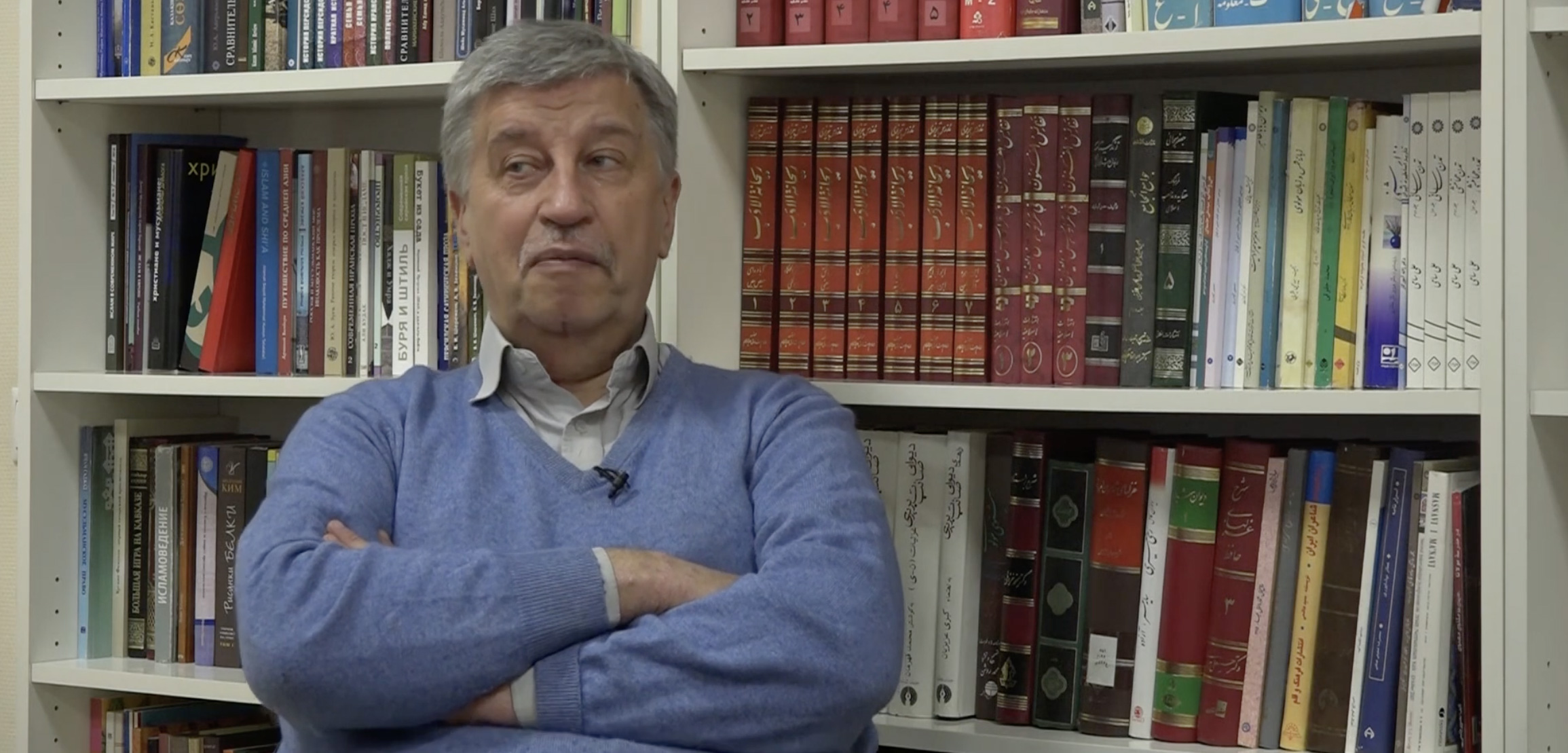
Igor Pernikov: Boris Vladimirovich Chukov translated Muhammad Zefzaf’s novel “Another Attempt to Survive,” and Olga Aleksandrovna translated his debut novel “The Woman and the Rose.” Perhaps she became interested in this author thanks to Chukov?
DM: Most likely. The fate of Olga Vlasova is a different story. She pulled a lot on herself, including in her personal life. Her husband was the poet Ivan Zhdanov. Their life was difficult: he lived separately, in Crimea, and she continued to help him, no matter what. There were difficult episodes - to the point that after one of the quarrels he ended up in the hospital, and it was she who took care of him, sought normal care, and arranged for him further. Vlasova was a person of rare inner strength - one of those on whom much rests.
When I was in Algeria in 2009 at a conference dedicated to the translation of Algerian literature, I gave a report where I spoke about it. During the break, an Algerian poet approached me: it turned out that at one time he lived with her in Moscow, she received him. He asked about her, about the family - with great warmth. When I later told her about this meeting, she immediately remembered him: a talented poet, a Berber, a bright man, but with peculiar manners - he loved to have an almost oriental atmosphere of attention created around him. Such was her life - and such is the memory of her.
IP: Have you ever crossed paths with Mohammed Zefzaf? He has a story, “The Crows of Jurmala,” about a trip to the Soviet Union.
DM: No, unfortunately, I didn’t know him.
IP: Sometimes one gets the feeling that in Soviet times, Arabic studies were studied more “out of distribution” than out of internal interest. Was this the case in general and in the case of Chukov?
DM: No, that's not true. Arabic studies was a very prestigious field, people wanted to go there. The competition was high. I myself came to this through personal experience: in 1969, while still a schoolboy, I ended up in Egypt, where my father worked (a teacher of civil engineering theory). This made a strong impression on me - and I decided to become an Arabist.
Admission was not easy. I didn’t have enough points to get into the Arabic department, and they were going to send me to the Vietnamese department. But chance - or, if you prefer, fate - intervened. We lived in the same building as Kharlampy Karpovich Baranov, a truly outstanding figure - one of the largest Russian Arabists, the compiler of an Arabic-Russian dictionary, which still remains unsurpassed in its completeness and accuracy. He was a scientist of encyclopedic proportions. But his talents were not limited to this: he was also a strong chess player, played with Mikhail Chigorin himself - that is, he belonged to that circle where intellectual culture was understood in all its breadth.
A Cossack by origin, a man of pre-revolutionary training, he went through the First World War and served as a Turkish translator at the headquarters of the Cossack division on the Transcaucasian front. Behind him was experience that combined military service, deep philological knowledge, and personal discipline of the old school. He was a man of rare caliber - one of those whom you almost never meet today. Mom went to him and said: “Kharlampy Karpovich, here is our son Mitya, he entered ISAA, he really wants to take Arabic, but they take him to Vietnamese because he doesn’t have enough points.” “It’s not a big deal,” he says, “I’ll arrange it.” I got on a trolleybus, went to see my student, the then rector of ISAA, Alexander Aleksandrovich Kovalev, and said: “Take so-and-so to your department.” He replies: “I’ll take it.”
Such things make you think about the role of chance in life. So, with one decision, without any bureaucracy, my future fate was determined. In such episodes, not only the scale of Baranov’s own personality is especially clearly felt, but also the living continuity of the scientific school that still existed at that time.
In general, no, there was a conscious interest in the Arab world. And for practical reasons - work opportunities, travel - and, most importantly, for cultural reasons: Arabic literature, especially medieval literature, is one of the pinnacles of the world intellectual tradition. Therefore, there is nothing surprising in the fact that Boris Vladimirovich Chukov came to Arabic studies and took it seriously. How exactly his path turned out is another matter; His colleagues, in particular Maria Vladimirovna Nikolaeva, may be able to tell about this more accurately.
II
IP: You worked together with Boris Vladimirovich Chukov in the literature department of the Institute of Oriental Studies. How do you remember him as a colleague? What were his professional qualities? Were there any difficulties in your relationship with him? What do you remember about him?
Maria Nikolaeva: When I came to the literature department as a graduate student, Boris Vladimirovich was already working there and had sufficient authority - this was about thirty years ago. Boris Vladimirovich was considered a very responsible researcher - not just careful, but thorough. I was amazed that he read all the original sources in Arabic and studied them deeply. Boris Vladimirovich’s efficiency was amazing.
The first work of his that I became acquainted with was “History of Arabic Literature of Iraq” in two volumes. It was truly a scientific feat. Boris Vladimirovich had a very good Russian style and expressed his thoughts in excellent literary Russian. Sometimes his language seemed somehow outdated, even retrograde, and unscientific to his colleagues. People of science love all sorts of terms, pseudoscientific expressions, Latin words, and Boris Vladimirovich’s language was distinguished by purity - both in thoughts and in presentation.
This is how I remember him as a researcher. As a person, that’s another question. I was struck by his amazing sincerity, absolute purity of thoughts, willingness to help anyone and everyone, as well as his benevolent attitude towards his colleagues.

IP: “Another Try to Survive” by Muhammad Zefzaf is translated in really good language.
MN: It’s just that Chukov’s approach to translation differs from the formal approach of some orientalists. I later found out that Boris Vladimirovich came from a very intelligent Moscow family and absorbed the entire tradition of Russian philology.
IP: Tell us about his family.
MN: I knew his mother. She was a charming woman - a Russian aristocrat in spirit and origin. Very beautiful, very delicate. She reflected all the best features of a Russian woman.
Unfortunately, I didn’t know my dad, but Boris Vladimirovich told me about him. He was a theatrical person, worked in the theater field, so Boris Vladimirovich was associated with the theater and with many figures of Russian culture of the 20th century.
With his figure, he, one might say, embodied the connection of times - between the revolutionary Russian intelligentsia and new times. That is, he, as a figure, connected these times, we really miss this now.
IP: Dmitry Valentinovich Mikulsky mentioned that Chukov was in the same psychiatric clinic with Daniil Andreev, the author of “The Rose of the World,” and saved the manuscript of this work. You don't know anything about this story?
MN: Yes, Chukov published this book. This is another scientific feat - in addition to his Arabic writings.
IP: Tell us about Chukov’s defense of his dissertation.
MN: He wrote his doctoral dissertation when he was married for the second time and had many small children. This in itself is very difficult: doing science with small children and also supporting the family - he had to do it alone, because his wife worked with the children.
The dissertation was on the history of Arabic literature in Iraq. Boris Vladimirovich read all Iraqi novels in the original and translated poems by Iraqi poets. Iraq has a very rich philological tradition. By the way, Iraq is one of the rare centers of fine art in the Arab world. Также там были замечательные художники, хотя ислам традиционно выступает против изобразительного искусства. Еще в Ираке была великолепная полиграфия, книги издавали на высочайшем художественном уровне. Борис Владимирович все это читал, изучил иракских поэтов XX века — они действительно заложили основу современной арабской поэзии. Он сделал очень хорошую работу. Я прочитала ее — мне она очень понравилась. Фундаментальный труд, который он представил как докторскую диссертацию.
Я даже не поняла причины, по которой эту диссертацию не приняли к защите. Все формальные критерии были выполнены. Просто считалось, что Чуков не имеет достаточного академического веса. Возраст у него был тогда еще не преклонный. Диссертацию не приняли к защите, и это сыграло роковую роль в его жизни. Чуков, человек, положивший всю жизнь на изучение этого материала, знал арабскую литературу как никто. Я очень положительно относилась к его работе, но тогда у меня не было достаточного академического веса, чтобы повлиять на ситуацию.
ИП: Еще Микульский упоминал, что Чуков был человеком сложным, с нестабильным настроением и его отношения с коллегами складывались не всегда ровно. Как вы это помните и были ли с вашей точки зрения моменты, когда конфликты возникали именно на профессиональной, а не на личной почве?
МН: Борис Владимирович был человеком редкой искренности и редкой доброжелательности — при всей своей трудной судьбе. Мне кажется, именно искренность его и подводила: он никогда не кривил душой, никогда не говорил того, чего не думал, и при этом умел говорить правду аргументированно, доброжелательно, не желая никого задеть. Но правда не всегда нравится людям, и в отделе за ним закрепилась репутация человека неудобного, правдолюбца. Одна из коллег как-то сказала: «Вы, Борис Владимирович, профессиональный оппозиционер». Он действительно часто говорил не в мейнстрим — и именно поэтому многими воспринимался как чудак.
Все, что он говорил, в сущности, было правдой, просто люди нередко не были готовы это слышать. Поэтому и складывалось впечатление, что он говорит что-то странное, «не в тему». Но это было не стремление обидеть, а кристальная честность. Он никогда никого не унижал и не хотел задеть.
Был, однако, и такой эпизод: однажды он сказал об одном из коллег, что он не востоковед, потому что не владеет ни одним восточным языком. Но ведь это и есть профессиональный критерий. В этом не было ничего оскорбительного, просто констатация факта: если человек не знает языка источника и не хочет его учить, как можно считать его специалистом? Да, можно знать английский или французский, но этого недостаточно, когда речь идет о памятниках восточной письменности. В этом смысле Борис Владимирович был абсолютно последователен. Именно эта прямота и сделала его репутацию такой противоречивой. Но, повторю, человеком он был кристально честным, благородным и очень доброжелательным.
ИП: По словам Микульского, Чуков выучил арабский язык самостоятельно.
МН: Да, это правда. И наверное, именно это тоже стало одной из причин его расхождений с коллегами. Мы все-таки выходцы из университетской московской школы востоковедения, а Борис Владимирович был талантливым самоучкой. При этом образование у него было блестящим, классическим: русская филология, западные языки, латынь, французский, возможно, английский. Эта филологическая основа и помогла ему выучить арабский.
Но арабский у него был именно классический. Я пришла, когда он его уже прекрасно знал. Более того, мои ровесницы, молодые исследовательницы, у него учились арабскому языку. Он преподавал именно классический, литературный арабский — так же, как сам его выучил. Арабский ведь существует в разных формах: есть литературная норма, а есть разговорные диалекты. Борис Владимирович преподавал литературный язык, фусху.
Он читал сложную арабскую поэзию и переводил ее именно с литературного арабского на литературный русский. Как филолог могу сказать, что здесь сошлись две равновеликие сферы: классический арабский язык поэзии и классический русский язык перевода.
У некоторых коллег это, возможно, вызывало даже внутренний протест: он казался им слишком архаичным, устаревшим. Но если автор пишет в традиции XIX века, почему его нужно переводить лексикой XXI? В этом, кстати, и состоит филологическая заслуга Бориса Владимировича: он очень точно передавал стилистику литературного языка той эпохи. Его переводы звучали современно, но при этом сохраняли исторический и культурный дух оригинала. Это была редкая способность — воспроизводить именно дух эпохи.
ИП: Чуков подготовил двухтомную «Историю арабской литературы в Ираке», которую, к сожалению, сейчас почти невозможно найти ни в магазинах, ни в интернете. Вы наверняка с этой работой знакомы. Как вы оцениваете ее значение для арабистики сегодня? Есть ли у нее потенциал для переиздания, или хотя бы для частичного использования в современных учебных материалах и пособиях?
МН: Конечно. Чуков знал об иракской литературе буквально все. Здесь, впрочем, стоит сделать небольшое отступление. Наш отдел в свое время был очень многочисленным, и в нем были представлены разные языки. Я считаю, что научный подвиг нашего отдела литературы состоял в том, что мы создали целый корпус фундаментальных трудов по литературам стран Востока, прежде всего арабского мира. У нас написаны «История литературы Египта» — это научный подвиг Валерии Николаевны Кирпиченко, «История литературы Иордании» Наталии Ковыршиной, моя «История литературы Ливана», «История литературы Сирии» Эльмиры Али-Заде. В этом же ряду стоит и «История арабской литературы в Ираке» Чукова. Это фундаментальные академические исследования, которые нужно изучать. Они написаны в лучших традициях русской востоковедческой школы — в традициях Крымского, Крачковского и других крупных ученых. Кроме Ирака, у нас в отделе были сделаны и истории литературы стран Магриба, и книга по современной литературе Ливии, позже появились труды по Саудовской Аравии. То есть основные центры арабского мира были нами так или иначе охвачены. Но современные студенты, увы, этих книг почти не читают, а мы когда-то переписывали такие книги буквально от корки до корки. Это был научный подвиг: ученые изучали каждую стадию эволюции литературных форм, каждый период, каждую жанровую трансформацию. Сейчас же мы живем в эпоху искусственного интеллекта, когда человек, если ему что-то нужно, нажимает кнопку и получает сведения, не проходя весь путь научного знания. И это, конечно, меняет отношение к классическим трудам.
ИП: Вы профессионально занимаетесь литературой Ливана. Я когда-то написал статью про Гаду ас-Самман — она сирийка, но жила в Ливане и написала роман «Кошмары Бейрута» про начало гражданской войны 1975–1990 годов.
МН: Да, у меня в книге есть раздел о ней. Я, кстати, знала ее лично. Очень интересная женщина.
ИП: Она потом, по-моему, уехала из Ливана в Париж и долго жила там.
МН: Да, после начала гражданской войны в 1975 году и израильской интервенции в 1982 году многие ливанцы уезжали во Францию.
ИП: Расскажите о ней в двух словах, пожалуйста.
МН: Гада ас-Самман представляет молодое поколение сиро-ливанских писателей. Я вообще сторонник идеи Большой Сирии — пространства, которое включает южную часть Анатолии, Сирию, Иорданию, Палестину, часть Ирака, вплоть до Синайского полуострова. В римской традиции это называлось Великой Сирией — единым культурным регионом. Это одна культура, одна ментальность. Византийская эпоха, затем арабское завоевание, затем Омейядский халифат — все это не разрушило внутреннего единства региона. Потом его, как принято говорить, разрезали на части империалистические державы. Но для меня это по-прежнему одна культурная территория. Там даже диалект общий, и изнутри это воспринимается именно как единое пространство.
ИП: Насколько я понимаю, до войны Ливан был центром литературной жизни, ближневосточным Парижем.
МН: Мне хотелось изучить именно тот культурный мир, в котором большинство писателей — христиане, православные, и где религиозное и этническое многообразие существует как часть общей исторической судьбы. По существу можно сказать, что Ливан — это Советский Союз в миниатюре. Небольшая страна, но в ней — множество этносов, культур, религий, и при этом каждый остается самим собой, не растворяясь в общем. В этом смысле Ливан был почти идеальной моделью сосуществования.
Разумеется, как и всякая сложная и своеобразная страна, он страдает именно из-за своей уникальности: его постоянно раздирают противоречия, внешнее давление, внутренние конфликты. И все же даже в моменты социальных и политических кризисов — на демонстрациях, выборах, в уличных выступлениях — ливанцы выходят с ливанскими флагами. Христиане, мусульмане, шииты, армяне, друзы — все разные, но под одним флагом. Это очень важный образ.
В этом смысле Борис Владимирович тоже был человеком, который пытался мыслить надполитически, шире сиюминутной конъюнктуры. Его нередко считали сторонником каких-то «заговоров», «мировой закулисы», но на самом деле он просто стремился объяснить происходящее как процесс распада целого на части — процесс, за которым стоит вполне понятная логика. В советское время у него были конфликты по партийной линии, потом, после 1990-х, он тоже оказывался вне общего строя. Он и в этом смысле был человеком принципиальным.
Для меня Борис Владимирович оставался высшим нравственным авторитетом. Его уход я пережила очень тяжело. Я потеряла не только коллегу, но и друга, соратника, единомышленника.
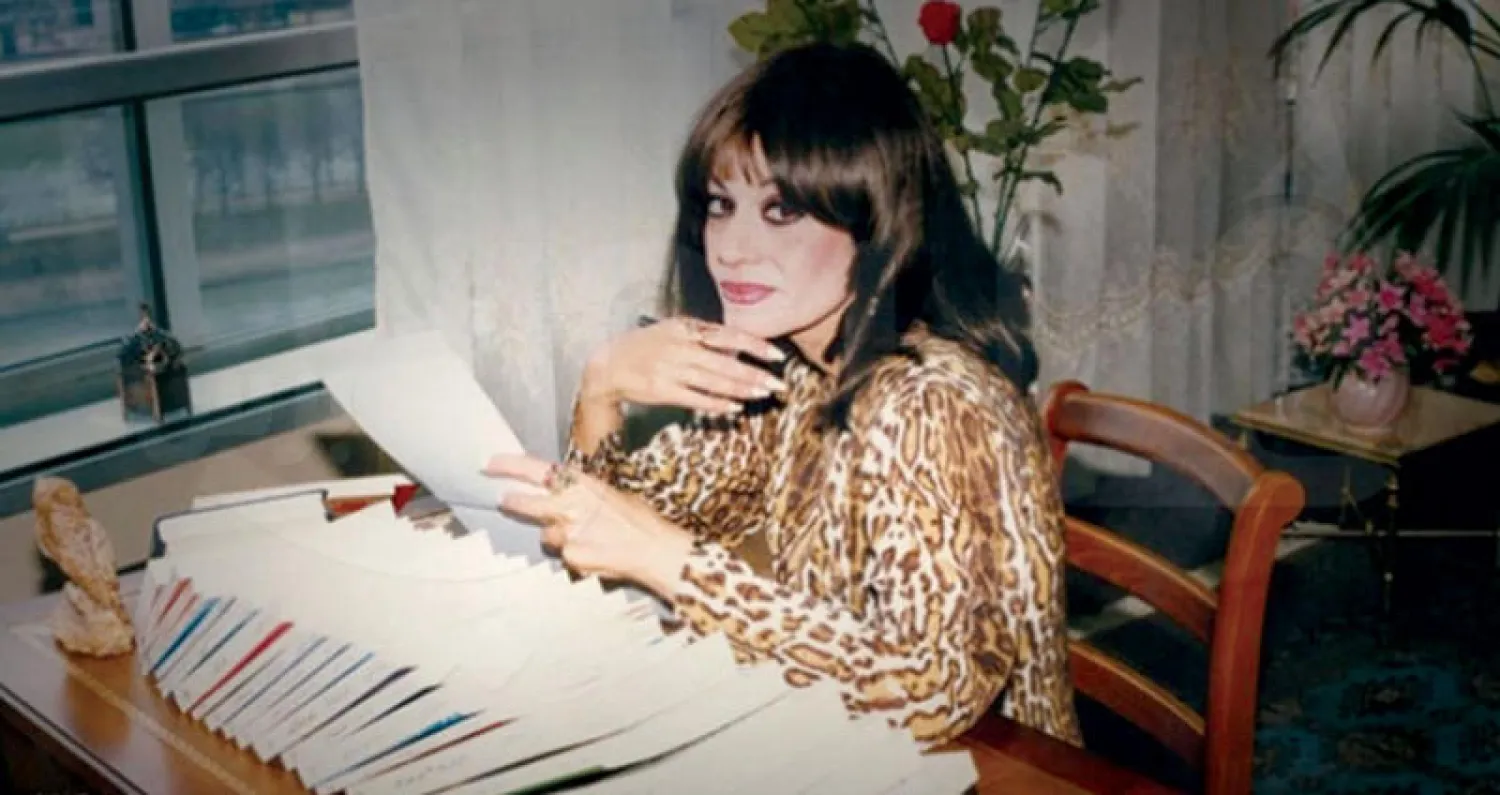
Если возвращаться к Гаде ас-Самман, то она родилась в Сирии, а потом уехала в Ливан, в Бейрут — примерно так же, как люди едут из провинции в большой университетский город. Она поступила в Американский университет в Бейруте — их там несколько, но именно в американский, светский. По вероисповеданию она шиитка, по взглядам — феминистка. И человек она очень яркий, сильный, с необычной внешностью и очень узнаваемой манерой держать себя.
С Гассаном Канафани ее, насколько я знаю, связывала личная история, но я видела их скорее как фигуры из разных поколений: он был старше, а его смерть — трагическая гибель от взрыва — сделала любые разговоры о нем особенно болезненными.
Гада ас-Самман прежде всего автор, который настойчиво отстаивает свободу женщины: свободу выбора, свободу жить как считаешь нужным, свободу отношений, свободу профессионального пути. Это ее главный мотив, ее внутренняя линия.
Расскажу и один любопытный эпизод. Когда мы работали с ливанскими писателями, приехавшими в СССР, среди них была и Гада ас-Самман. Тогда еще сохранялся привычный для нас и для Востока этикет: мужчины, женщины, вежливое «дамы вперед». Но она решительно этому сопротивлялась. Она говорила по-арабски: انا مع الرجال — «ана маа-рриджаль» — «я с мужчинами», «я среди мужчин». Ей было важно не выделяться как женщине, не быть «дамой», которую нужно оберегать и пропускать вперед. Она хотела, чтобы ее воспринимали как писателя, а не как красивую восточную статуэтку.
И здесь очень важна ее жизненная независимость, которая проявлялась во всем. Она одевалась в брюки, носила тогда еще довольно вызывающие очки, держалась подчеркнуто независимо. Ее позиция была очень ясна: она не хочет, чтобы ее оценивали как объект красоты или украшение. Она живет на свои деньги, обеспечивает себя сама, не зависит от мужчины. В этом и заключалась ее сила — в независимости, в праве быть собой, без всякой декоративности.
ИП: Вы говорили, что сейчас у нас мало кто интересуется арабской культурой. А как вы сами к ней пришли?
МН: Я собиралась поступать на романо-германское отделение МГУ. Экзамены там были в августе, а в ИСАА — в июле. Родители сказали: сначала попробуй ИСАА. Если не пройдешь, у тебя еще будет шанс пойти на романо-германское отделение. Тем более что второй набор был уже в августе. So I went. Поступила, сдала хорошо, и в итоге уже не захотела менять направление. Так я и стала арабистом. Учиться в ИСАА было очень престижно — куда престижнее, чем на романо-германском. Это был элитный институт — и в интеллектуальном смысле, и в культурном.
Когда абитуриенты узнавали, на какие языки они поступили, иногда случался шок: «Что такое урду? Почему у меня индонезийский? Где я вообще?» То есть с предметом мы знакомились уже после поступления. Но это и было интересно. У нас были прекрасные преподаватели. И еще меня очень поддерживало ощущение места: старый московский университет, здесь учились Лермонтов, Белинский, Огарев. Я ходила по тем же улицам, по которым ходили они. Это тоже очень вдохновляло.
ИП: Вернемся к Чукову. Дмитрий Микульский говорил, что он вроде бы несколько раз был женат, у него были дети от разных жен.
МН: У них было четверо детей, и я всех их видела. Старший сын, кстати, очень на него похож. Все дети были очень красивые. И сам Борис Владимирович был красивым человеком — даже в пожилом возрасте: очень благородный тип лица. В личной жизни, мне кажется, он был счастлив.
Работать Борис Владимирович часто уезжал в свою однокомнатную квартиру, где у него была библиотека: вся квартира была заставлена стеллажами, он жил среди книг. Он был настоящим библиофилом. Он знал о книгах вообще все — и что выходило по русской литературе, и по истории, и по театру. Знал очень многих интересных людей. К сожалению, мы общались не так много, как хотелось бы, и о многом его не удалось расспросить.
Борис Владимирович, при всей своей сложной судьбе, не всегда мог занимать те должности, которых был достоин. В свое время он работал в фотоателье и стал профессиональным фотографом. В советское время это считалось рабочей профессией, вполне «пролетарским» занятием, и он, по сути, числился рабочим.
Это, кстати, еще одна важная сторона его личности. Позднее это стало его хобби, но начиналось все как вполне профессиональная деятельность. Он много лет работал в этой сфере, и фотография была для него не просто увлечением, а второй специальностью.
ИП: А у вас нет его фотографий?
МН: К счастью, у меня сохранилось несколько фотографий моей дочери, сделанных Борисом Владимировичем, и они сделаны очень профессионально. Он вообще был человеком, у которого каждое занятие получало серьезное, настоящее качество. Сейчас аналоговая фотография почти ушла, и оттого это особенно интересно. Но для него это было не просто ремесло, а еще один оттенок его личности. Он любил это дело, занимался им с удовольствием, у себя дома проявлял снимки и даже приглашал меня вместе с ним проявлять фотографии — в те годы это было совершенно естественно. Так что это был действительно человек многих талантов.
ИП: Вы сохранили о Чукове добрую память, это очевидно, и Дмитрий Микульский это тоже отмечает. Что, по-вашему, остается в Чукове самым важным для арабистов и переводчиков сегодня?
МН: Он олицетворяет связь русской культуры с ее многовековой традицией. Это был человек, глубоко укорененный в русской культуре, и именно поэтому он смог так глубоко проникнуть в сущность арабской культуры. Зная свои корни, он очень тщательно и профессионально изучал истоки другой культуры.
При этом он не был сторонником всех этих вестернизированных, модернистских подходов — социальных, политических, психологических, методологических. Он изучал арабскую культуру с точки зрения человека русской культуры. Это и есть главное в нем. И еще — он был человеком кристально чистым, честным и благородным. Таких людей сейчас немного. Я счастлива, что была с ним знакома.