
Translated material
War
1582nd day. The Ukrainian Armed Forces hit the Orenburg Gas Processing Plant, one of the largest gas chemical complexes in the world.
Since February 24, 2022, Meduza has been broadcasting live about the Russian-Ukrainian war. We publish your letters every day because we are sure that we need to continue talking about the war. Share with us your thoughts about the war. What feelings are you experiencing? How does war affect your life and your attitude towards the world? If you have a story related to the war, tell it . The feedback form is at the end of this article. A review of the previous day can be read here .
Russia
Ukraine tonight attacked the Orenburg gas processing plant and the helium plant, which forms a single complex with it, the General Staff of the Armed Forces of Ukraine said . Orenburg is located more than 1,200 kilometers from the front line.
According to the Ukrainian military, a strong fire broke out at the enterprise. “The scale of the damage is being clarified,” said the General Staff of the Armed Forces of Ukraine. According to the Ukrainian monitoring channel Supernova+, at least three fire points were recorded.
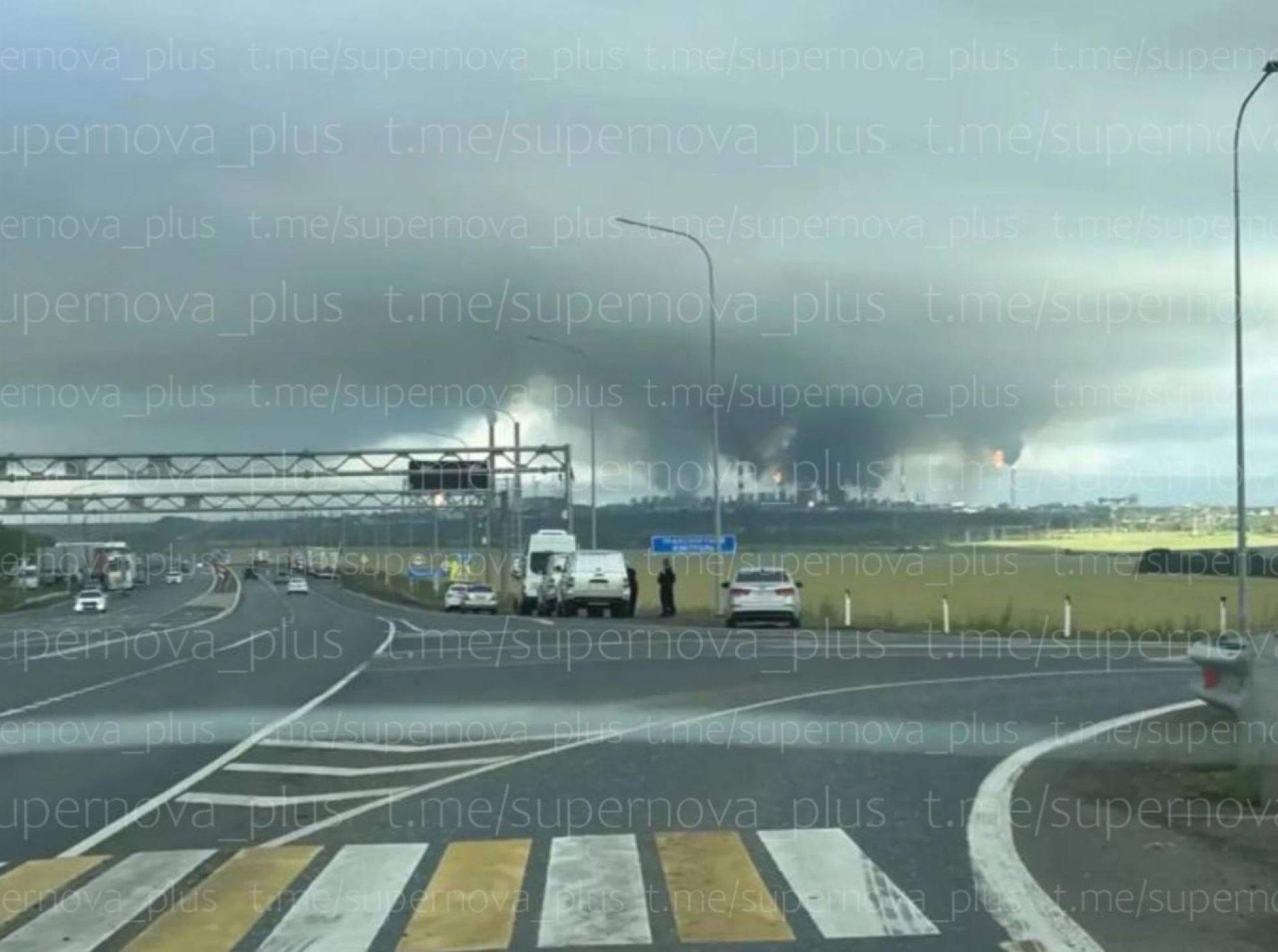
The governor of the Orenburg region, Evgeny Solntsev, in his telegram channel only reported that several drones were shot down “over an industrial enterprise” in Orenburg. He did not provide any information about the consequences. The regional government assured that “no emissions of harmful substances have been recorded.”
The Orenburg Gas Processing Plant is one of the world's largest gas chemical complexes, processing 37.5 billion cubic meters of gas per year. It was commissioned in 1974, its first director was Viktor Chernomyrdin, the future Prime Minister of Russia.
The helium plant in Orenburg is the only large helium producer in Russia and Europe. This plant accounts for up to 80% of ethane production in the Russian Federation, the material from which ethylene is made. It is used to create plastics, rubber and a wide range of chemical products. The Orenburg helium plant already came under attack by the Ukrainian Armed Forces in 2025.
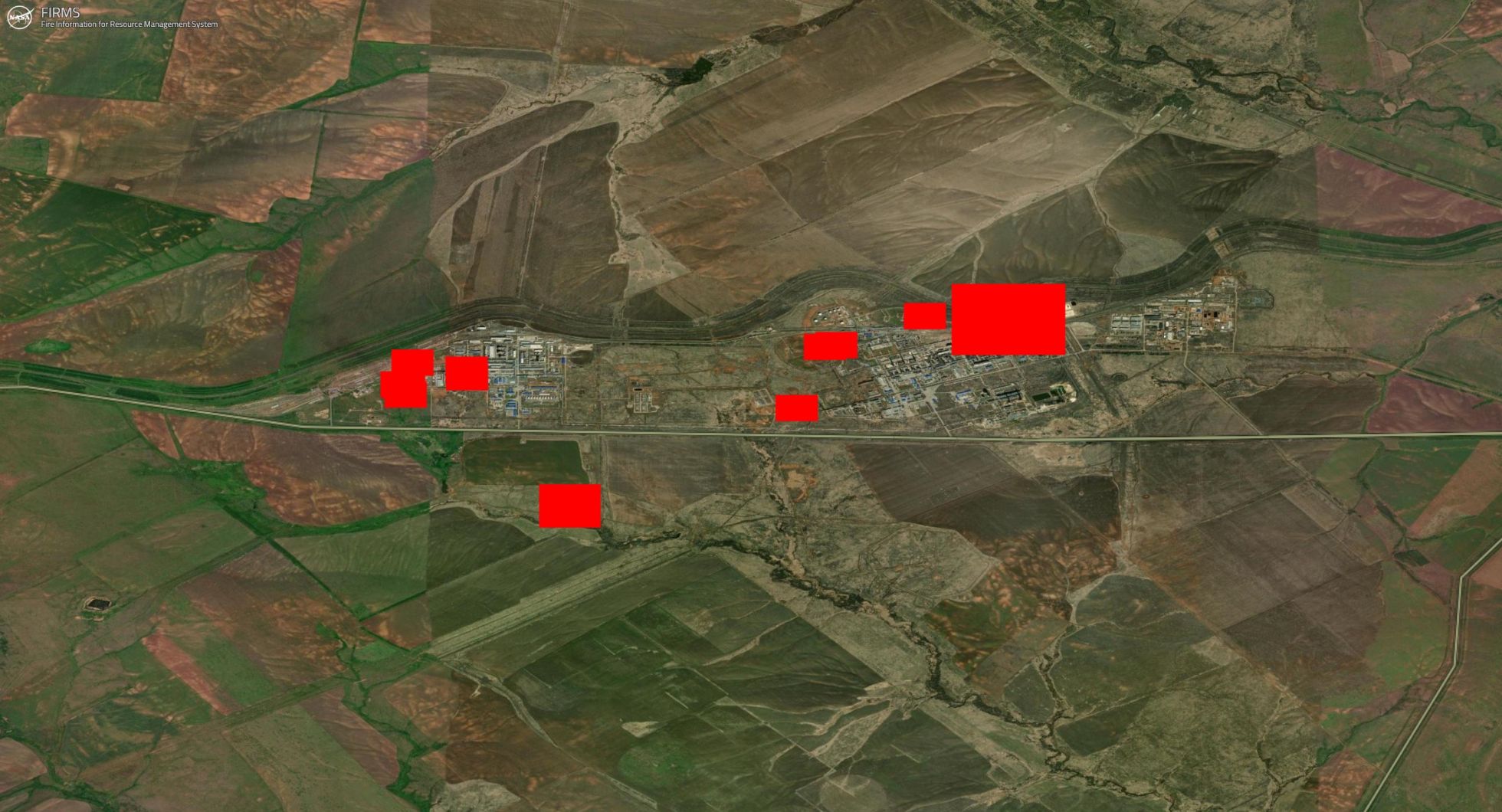
The press service of the Ukrainian Special Operations Forces stated that the attack on the GPP took place “in cooperation with the underground rebel movement in Russia “Black Spark”.”
What “Black Spark” is is not entirely clear. On its website, it describes itself as a “rebel movement” that aims to “forcefully resist dictatorship, end the war and collapse the empire.”
The only public face of the Black Spark is the former vice-president of Gazprombank Igor Volobuev, who now serves in the Armed Forces of Ukraine. The group claimed that it was involved in joint planning with Ukraine of attacks on the Kirishinefteorgsintez oil refinery in the Leningrad region, on the Ilsky oil refinery in the Krasnodar region and on Russian tankers in the Caspian Sea.
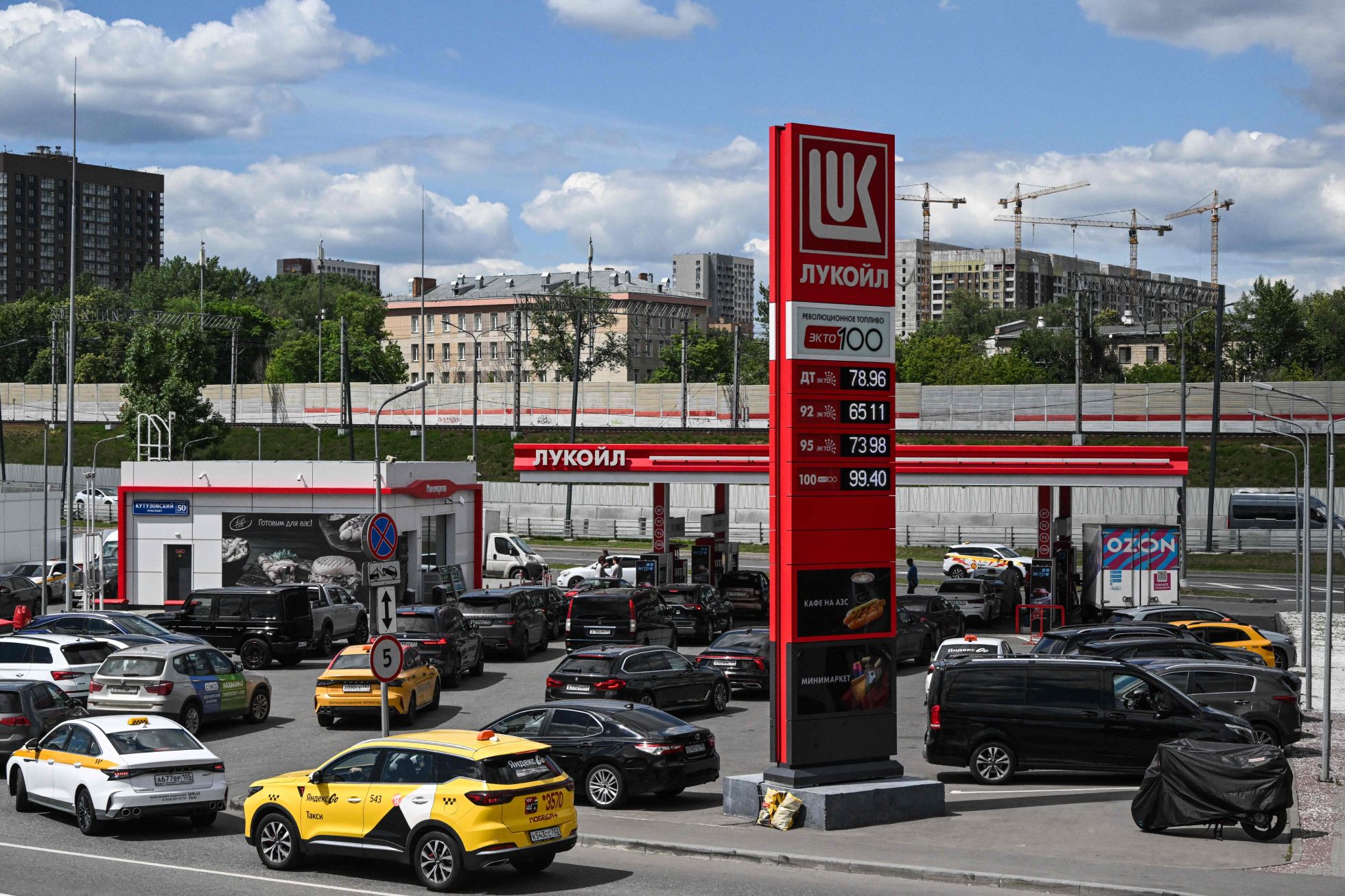
War in photographs. Queue at a gas station in Moscow
War through the eyes of Meduza readers
How we choose letters
Meduza's readers live in different countries and have different attitudes towards the war. We publish your letters to see this event through your eyes. Our editors try to present all points of view, even if they do not coincide with the editorial position. However, in accordance with the Meduza code, we do not publish messages that contain “hate speech,” justify the murder of civilians, or express direct support for an aggressive war.
Gordey (Manganets, Ukraine) . […] Our city, Marganets, is located in the Nikopol region, which today is notorious for constant shelling from the left bank. The first months after the seizure of the Zaporizhia NPP, life in the city remained relatively peaceful. But on June 9, 2022, everything changed: that evening, Russian Grad MLRS fired at Chervonogrigorovka, a village a couple of kilometers from us. From that moment on, cannon artillery and rocket systems began to hit Manganets regularly […].
All my life I spoke Russian. I liked Russian culture, I went to Belgorod and the region, I liked these cities. Even after the full-scale invasion, I did not stop speaking Russian. From year to year, I remained a naive optimist: I believed that the war would end quickly, that they simply did not have enough missiles to fire at us every day. How wrong I was.
By 2023, Russian reconnaissance drones began to constantly hover over Nikopol and Marganets. Because of this, the artillery began to hit even more accurately, not only at residential buildings, but also at factories. But people get used to everything, shelling has become a terrible routine. People simply lived and waited for Energodar to be liberated. I continued to study remotely, walked with friends and gradually seemed to stop noticing the war around me, although I understood that the front was passing right along the water - several kilometers away.
On June 6, 2023, the Kakhovskaya hydroelectric power station was destroyed […] The city was left without water supply, as previously it came from pumping stations on the Dnieper. The water immediately disappeared from the stores; there was no time to deliver it. For a whole year we lived in a cycle of endless trips: we collected tons of water from local springs for ourselves and our loved ones. And even to this we were able to adapt […].
In 2025, I left to study in Poltava, but returned home in winter. By May 2026, the situation in Marganets became critical. The reservoir no longer exists, the distance has shortened, and now Russian FPV drones are hitting the city en masse. They attack anything that moves. Local authorities have not yet covered dangerous areas with anti-drone nets, although the war has been going on for several years. This is a huge shame, money goes to waste, and people are left alone with death.
Now many friends and acquaintances advise me to quit my studies and go abroad or switch to distance learning. But even after the recent missile attacks on Poltava, I remain in Ukraine. I have become a realist and understand that the situation in Marganets and other front-line cities is unlikely to improve in the near future.
I still speak Russian and communicate with friends from Russia, Belarus, Kazakhstan and Kyrgyzstan. They understand what is happening in my country, but they cannot help in any way, especially those who are in the Russian Federation, and I understand them perfectly. But the truth is that while the Russians are silent, this war is returning like a boomerang to them - attacks continue not only on Belgorod, but also on cities in the depths of Russia. I refuse to believe that ordinary people like this and that they are really ready to continue this senseless war for the sake of square kilometers of scorched earth.
Share your thoughts about the war
"Jellyfish"