
Translated material
Elon Musk collapsed the Korean market. But he didn't do it on purpose
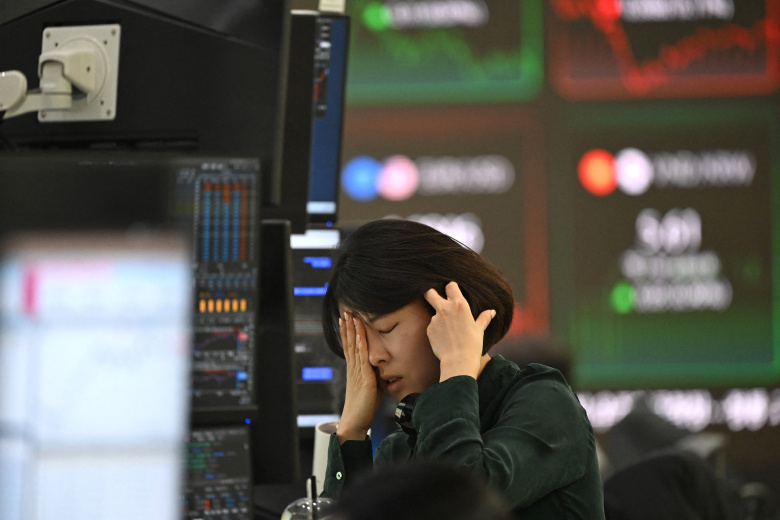
A drop of 9.9% per day is a record for 2026. Korean indices fell in March and June, but those falls were more modest.
Photo by JUNG YEON-JE/AFP
On June 23, the South Korean KOSPI fell by almost 10%. Trading had to be stopped twice in one day. Samsung and SK Hynix lost more than 12%. Indices also fell in other Asian countries, and this process was started by Elon Musk’s unrestrained plans, which the market could not digest. What is going on in general, where is the money going and why is Russia living in this whole story as if in a parallel universe, Roman Perl* looked into it.
On Tuesday morning, something happened at the Seoul Stock Exchange that had never happened during the entire last year. The country's main index, KOSPI , broke through one level after another - 9000, 8900, 8800 - and did not stop. Twice a day the management stopped trading, the market was going down too quickly, it was necessary to cool down the alarmists. It didn't help. By closing, the index fell by 9.99% and stood at 8203. Moreover, the day before, on Monday, the same index closed at a historical high.
The two companies that suffered the most were the ones on which, in fact, the entire Korean market now rests. Memory chip makers Samsung and SK Hynix fell in price by more than 12% each. Foreigners took more than $2.5 billion out of Korean stocks in one day. The fear index, which measures market nervousness, jumped to almost 90.
Subscribe to read in full
Subscribe to Redefine.Media to read Republic
Subscribe [You can pay with a Russian or foreign card. The subscription is renewed automatically. You can unsubscribe at any time.]
Where does the subscribers' money go?