Translated material
SPBILF in troubled waters
6,200 participants of the legal forum scattered across the country to adjust their practice to the new ideology

XIV St. Petersburg International Legal Forum. Photo: Petr Kovalev / TASS
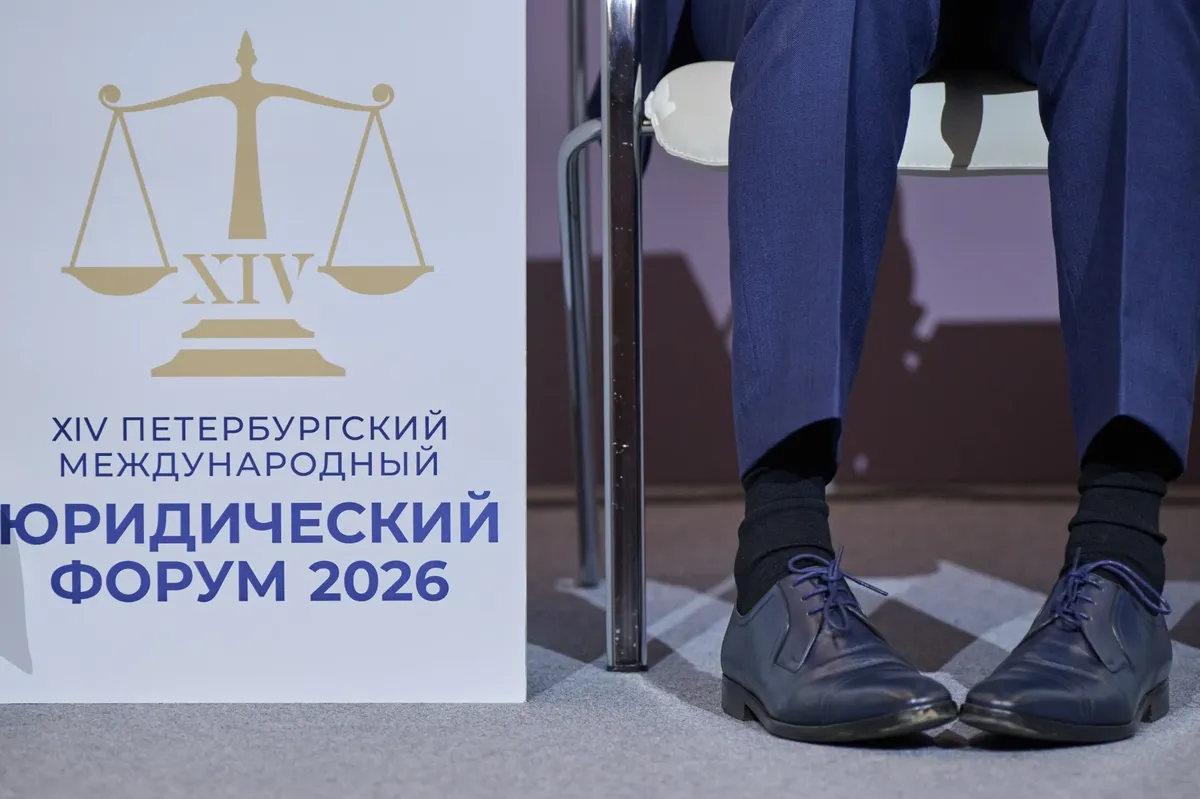
The St. Petersburg International Legal Forum (SPBILF), held this year on June 24–26, actually represents two alternative series of events held in parallel. Young corporate lawyers prefer specialized round tables on legal issues proper, and in the halls next door, venerable professors discuss moral values, eternal problems of good and evil, that is, questions of ideology. General views on the state and law depend on beliefs about the ontological nature of man. According to the forum participants, Russian people are by nature kind, courageous, fair, peace-loving and prefer the spiritual to the material. This refers to “Russians” in general, but the internal differences between them are not spelled out. And on the contrary, the generalized “Anglo-Saxon” is self-interested, envious, insidious, since ancient times he has been coveting something like this in Russia and trying to seize it through deception. A childishly naive Russian cannot do without a “strong state.” Such a system of beliefs—whether sincere or not—is a kind of entrance ticket to the St. Petersburg International Law Forum and further along the ladder of a legal career. And those who could argue with this are simply not invited here. Here no one proves anything to anyone, SPBILF is not a place for discussion. Thanks to the well-organized broadcast of the forum, we will be able to go over the main sessions of the “ontological” series. I hope that I will be able to at least partially convey to the readers the sense of unshakable rightness from the heights of which the jurists and those who joined them spoke here.
***
The first session “Legislation and National Legal Traditions” was opened by Presidential Assistant Vladimir Medinsky and Minister of Education Sergei Kravtsov, at the same time presenting a new school textbook on social studies. Deputy Irina Yarovaya, as if on a school exam, listed traditional Russian values: “sacrificial labor, mercy, family and faith in God.” Everyone agreed, without bothering themselves with any sociological calculations or other evidence.
Attention to the second session “Law as a factor in ensuring Russian national-cultural identity, protecting sovereignty and historical truth” was attracted by the speech of Konstantin Malofeev, presented here as a leading researcher at the Institute of State and Law of the Russian Academy of Sciences. He repeated the idea he had expressed three weeks earlier at the St. Petersburg Economic Forum (SPIEF): it is necessary to convene a constitutional assembly, the country needs a new constitution. In the current one, even after the 2020 amendments, priority is given to “thoroughly liberal” rights, rather than the responsibilities of citizens, and the role of the state, which must be “glorified and sacralized,” is not sufficiently spelled out.
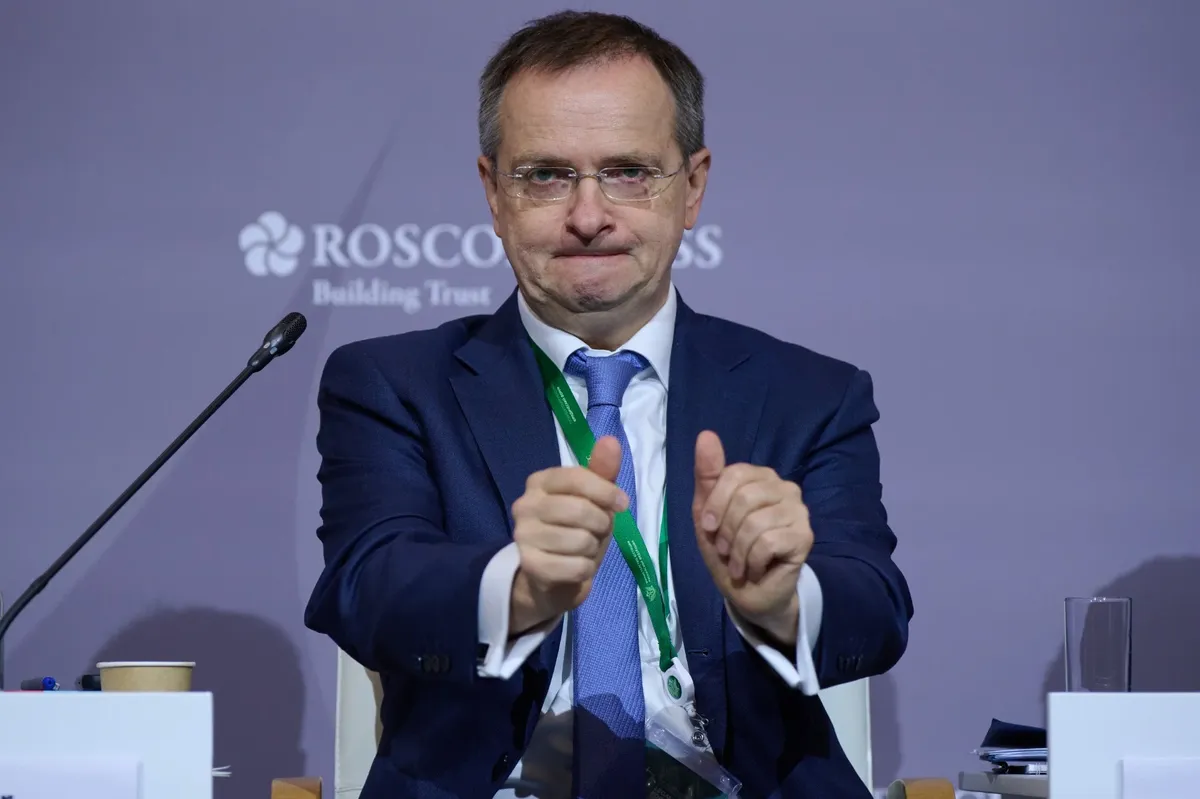
This session, perhaps the most characteristic of the current forum, was moderated by the director of the Institute of State and Law of the Russian Academy of Sciences, academician Alexander Savenkov, who gave it a statist direction: “We will talk about the state,” in relation to which human rights are “not primary.” Savenkov also remembered Andrei Vyshinsky as one of his predecessors as director of the institute, paying tribute to him “as a scientist” (remember that Vyshinsky rejected the presumption of innocence). “We never sinned with the Inquisition,” said the former chief military prosecutor (and Vyshinsky?), but “a state without ideology has no purpose.”
At the session “1905: revolution and reforms. Lessons of History,” the deputy head of the Russian People’s Council, Malofeev, praised the “Union of the Russian People” and argued that the reforms of 1907 and the creation of the State Duma were a mistake: from its rostrum, various demagogues were able to fearlessly criticize the tsarist government. He was supported by Russian Justice Minister Konstantin Chuychenko, who pointed to the “Western trace” in an effort to weaken power. He also repeated the idea expressed here a year earlier: it is necessary to reconsider the constitutional balance between respect for human rights and strengthening the state.
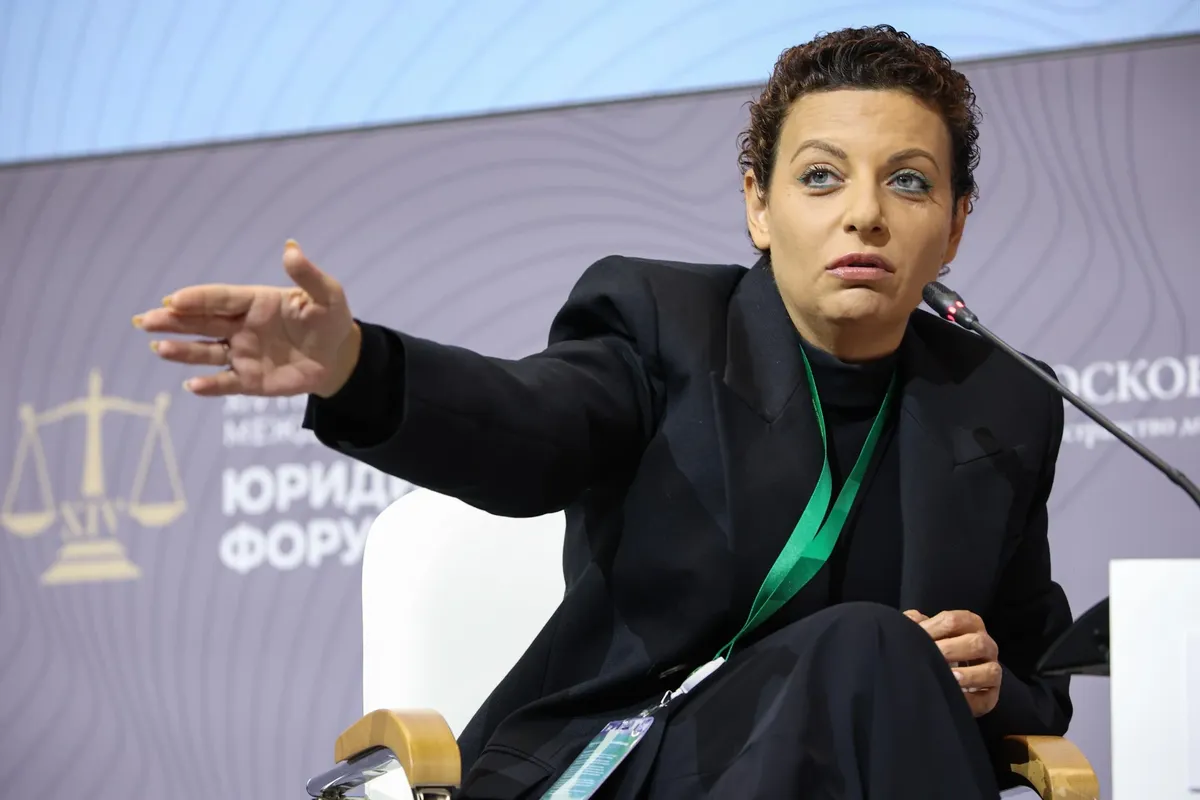
The session “Historical Amnesia of Europe” was conducted by the editor-in-chief of the Rossiya Segodnya media group, Margarita Simonyan. They talked about “Ukrainian neo-Nazism,” and Simonyan drew the line, noting that “they hate everyone, including themselves, but that’s good: we will watch and push.” Former Deputy Prosecutor General, writer Alexander Zvyagintsev, saw behind the SVO a “metaphysical struggle of light and darkness,” Yarovaya returned to spiritual values, and the newly appointed Commissioner for Human Rights in the Russian Federation, Yana Lantratova, promised that her office would collect dossiers of crimes against humanity committed by the Ukrainian side of the conflict.
The first day of the forum was concluded by Dmitry Medvedev at the plenary session “International law - the privilege of the first or the right of equals?” He spoke even harsher about the “so-called Ukraine,” calling it a “agonizing state” deprived of sovereignty that has no place in a multipolar world. “There is no point in dialogue with a vassal,” he said about the prospect of peace negotiations.
But Russia is ready to support, if any, the demands of the former colonies to the Western metropolises for reparations and compensation,” said the deputy head of the Security Council of the Russian Federation. This would be a strong move to destabilize the existing world order, but so far there is not even a body in sight in which such demands could be presented.
***
The second day of the forum, in a vein that interests us, was opened by the first deputy chairman of the Duma Committee on Security and Anti-Corruption, Andrei Lugovoi, with a session “Law and Practice: Secrets of a Foreign Agent.” The former Russian agent did not reveal any special secrets, only complaining that “those who have fallen under foreign influence” resort to various tricks to circumvent the financial blockade erected for them by the Duma. Unfortunately, Lugovoi said, in our naivety, we became concerned about foreign influence too late and allowed numerous internal enemies to grow up with foreign money back in the 90s and 2000s.
Oleg Sviridenko, the former deputy chairman of the Supreme Court, and now the deputy minister of justice, in charge of the register of “foreign agents,” also did not share the “secret” of the Ministry of Justice’s choice of its victims. But he said that “500 or more” foreign agents who fled abroad (in total there are more than 1,200 individuals and legal entities in the register) are trying to circumvent effectively existing property restrictions by concluding gift agreements. But this loophole will soon be eliminated by improving legislation and issuing appropriate instructions to notaries.
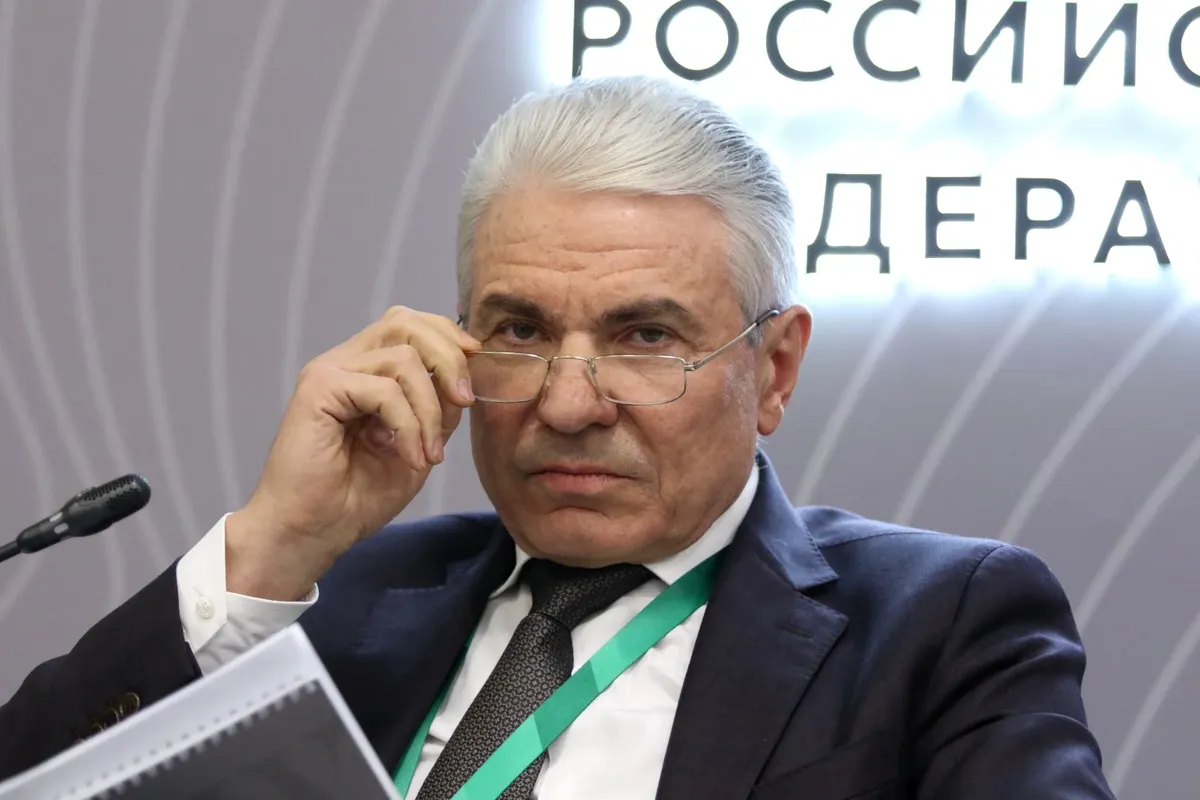
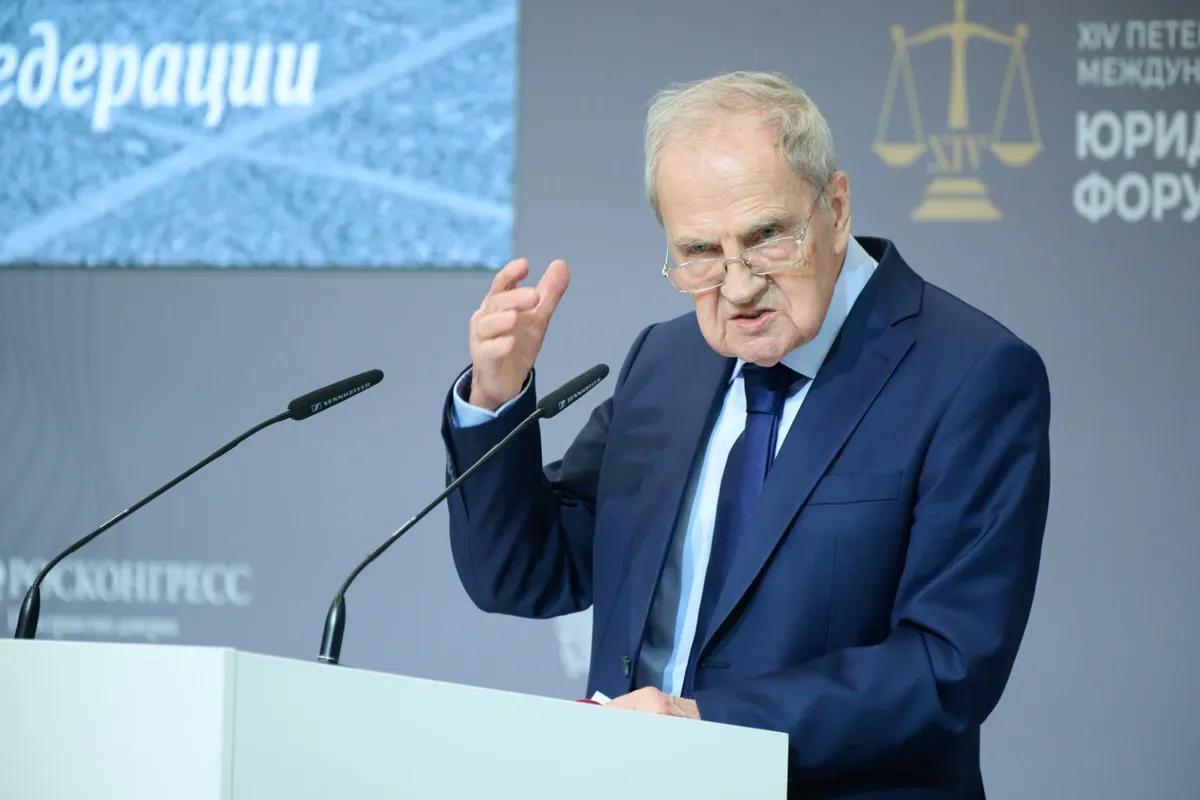
The highlight of the second day of the forum was promised to be the traditional lecture by Professor Valery Zorkin. This time, the Chairman of the Constitutional Court focused on the concept of “sociotrauma”, which he invented - a traumatic historical event that leaves an imprint on the legal consciousness and the very law of the people who survived it and the consequences of which can affect hundreds of years. The professor included among Russian sociotraumas, in particular: the Mongol yoke, oprichnina, serfdom, the 1917 revolution, collectivization, the Great Terror and the collapse of the USSR.
These traumas explain such features of Russian legal consciousness (and here Zorkin did not completely coincide with Yarovaya and others) as the weakness of the legal tradition, paternalism, and rejection of parliamentarism and constitutionalism. Such a traumatized country constantly threatens to collapse into chaos, dragging the rest of the world with it. The “brace” or “katechon” (“holding”) remains the law as the basis of civilization.
Zorkin remains a theorist head and shoulders above other forum speakers, he is not afraid to go against the general trend and even contradict himself (for example, he once called serfdom, on the contrary, a “brace”).
The hall was packed, but the professor lectured with his eyes down on the piece of paper, often confusing words and endings. At the lecture desk, Valery Dmitrievich looked noticeably older and lonely.
As last year, the forum was closed by Nikita Mikhalkov with a lecture “Besogon and Law 3.0”. Not a word was said about the right, but the director fit in best with the general trend of unshakable rightness. He put forward a number of conspiracy theories, listed foreign funds that cunningly impeded the development of Russia, mentioned Dzerzhinsky, citing his letter about bureaucratic red tape, and in conclusion again treated several hundred of those gathered to “moonshine-besogon” with pickles. When asked what amendment he would propose to the basic law, the master answered briefly: “religious education.” However, even without correction, Mikhalkov called the Russian man who “wants to see a brother in everyone” “evangelical.”
***
The cost of the “participant” package for three days of the forum increased by 60 thousand compared to last year and amounted to 350 thousand rubles, not counting the hotel and buffet. From these fees, Roscongress, which organized the event together with the Ministry of Justice, probably paid for the participation of key speakers and VIPs. But it was important for corporate lawyers to make acquaintances, and at their practical round tables a lot of useful things were said.
The distortions and shortcomings of the judicial system, the arbitrariness of law enforcement agencies, the diminishment of the role of the legal profession or, God forbid, the political repressions of recent years - these topics were not discussed at the lawyers’ forum.
Against this background, what is the role of the ideological sessions through which we have skimmed? Are they disconnected from practice? No, on the contrary.
Firstly, these are guidelines for the legislator. Secondly, against the backdrop of repressive practices and the vagueness of the legislation on them (this topic was also not discussed), “law enforcement agencies” and judges are guided by official rhetoric and directly apply ideology instead of law. In the name of the forum: SPBILF, the last letter “f” can also be deciphered as “factory”, this is a factory of ideology, which is based on the priority of the interests of the “state” over individual rights.
The forum ended, 6 thousand 200 participants went home. They returned to a country inhabited by completely different “Russians” than the SPBILF speakers presented them. In order to combine these two pictures - there is nowhere to go - it is necessary to implement the proposals of the head of the Investigative Committee, Alexander Bastrykin, expressed at the forum: lower the bar for criminal liability to 12 years and return the death penalty to Russia.