
Translated material
Saint Sebastian - Christian martyr who has inspired artists for centuries
He was depicted as young, scantily clad and struck by arrows. It turned him into a gay icon
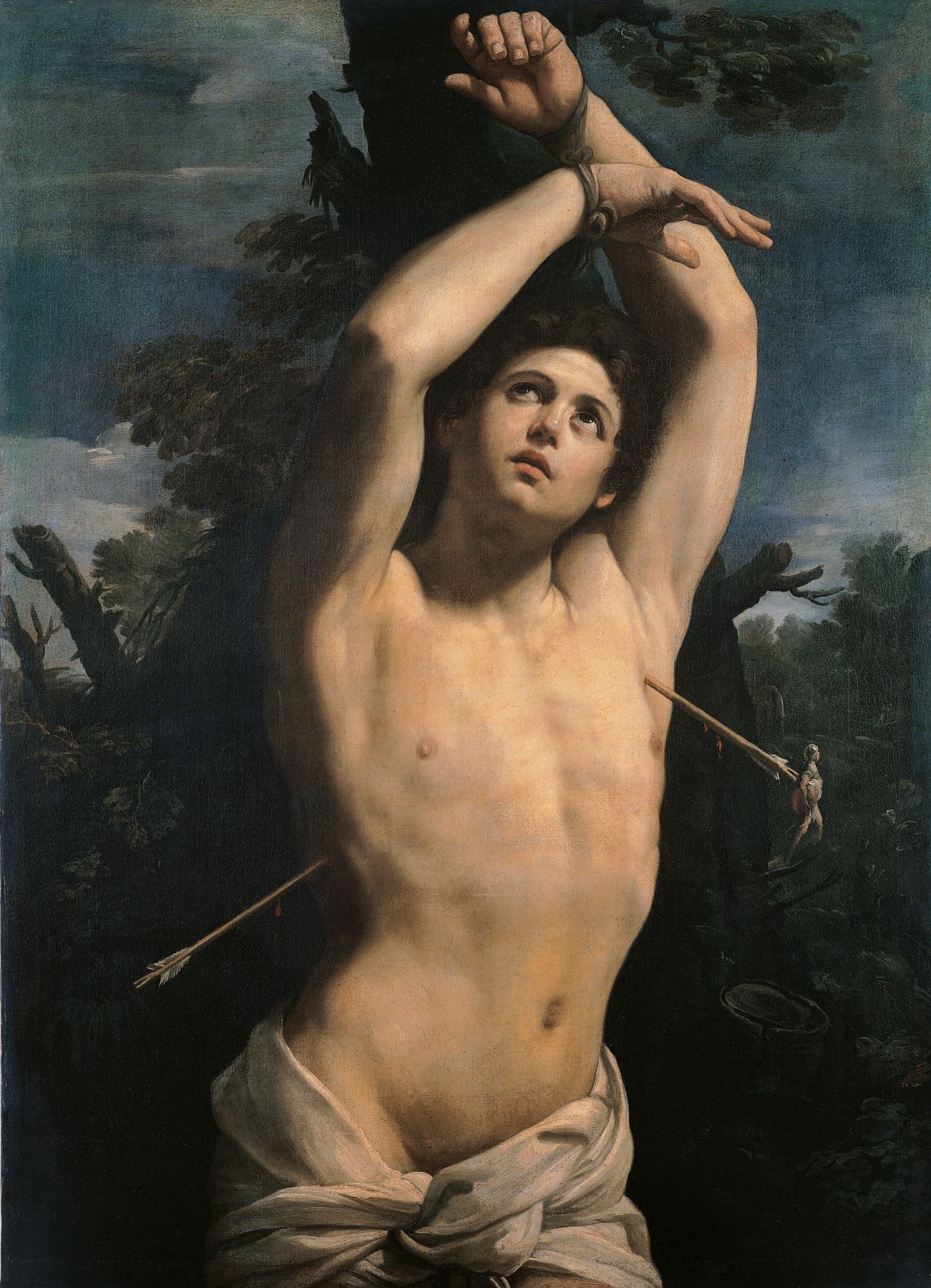
If you've ever seen an image of a naked young man tied to a stake and pierced with arrows in a movie, painting or photograph, chances are it was inspired by Saint Sebastian. This is a Christian martyr who suffered for his faith in late antique Rome. At first he was depicted as a mature man in a Roman toga, but since the Renaissance, artists began to undress and rejuvenate Saint Sebastian. By the end of the 19th century, he had become an unspoken gay icon among Western intellectuals, and by the end of the 20th century, his image began to penetrate popular culture. The BBC publication investigated how this happened. "Medusa" retells this material with minor additions.
Saint Sebastian is a Christian martyr, revered by both the Catholic and Orthodox churches. According to biographies, he lived in Rome in the 3rd century AD, served as head of the imperial guard and secretly professed Christianity. When this became known, Emperor Diocletian ordered his execution. Sebastian was tied to a stake and pierced with arrows through his body, leaving him to die from his wounds. However, he survived and appeared before Diocletian, accusing him of persecuting Christians. Then the emperor again ordered Sebastian to be executed. The saint was beaten with sticks and thrown into a gutter. Christians later found his body and buried him in the Roman catacombs.
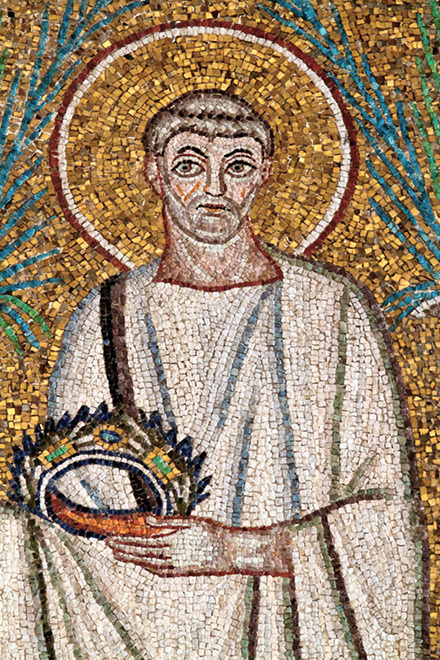
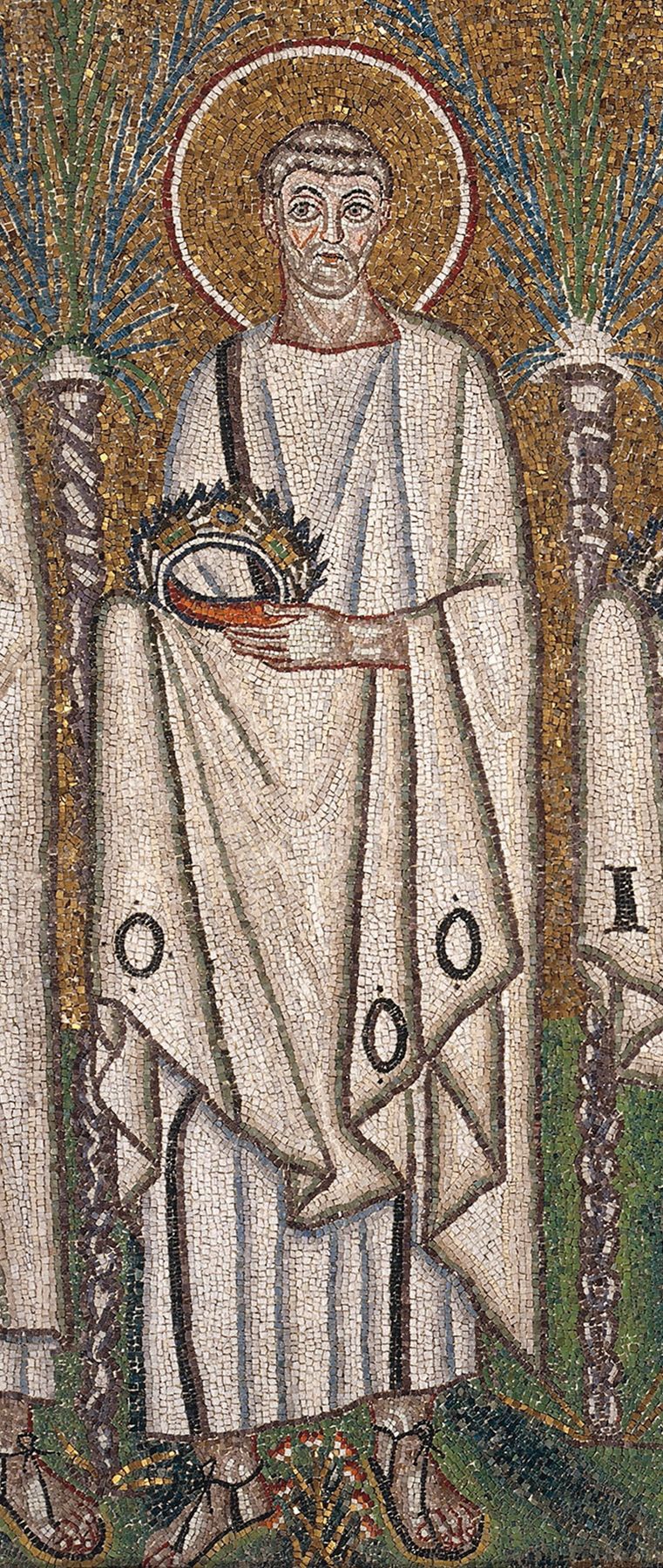
The earliest known image of Saint Sebastian is a fragment of a mosaic on the wall of a temple in the Italian city of Ravenna, dated to the 6th century AD. It depicts Sebastian as a bearded, middle-aged man wearing a Roman toga and wearing a crown of thorns.
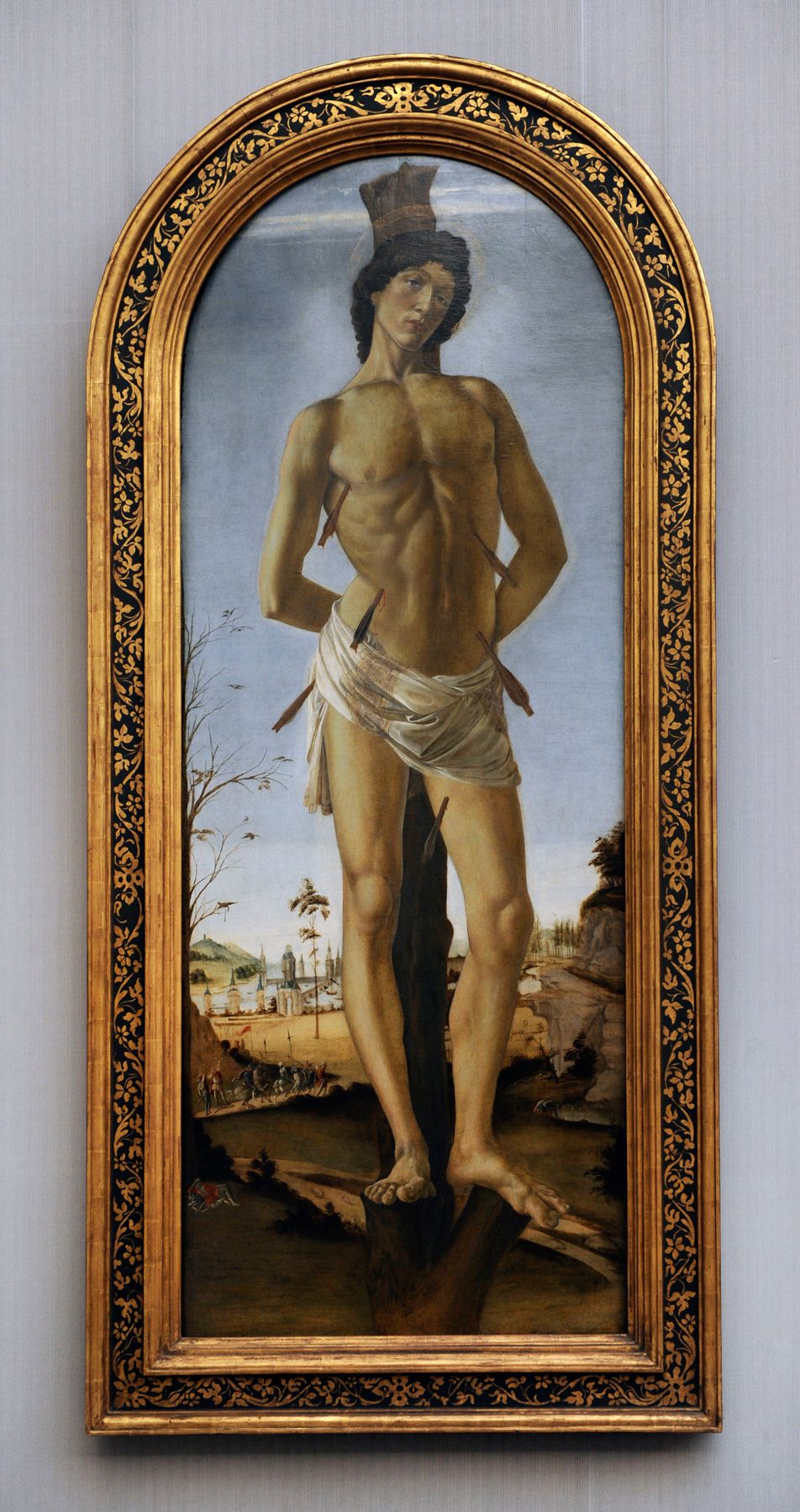
But since the Renaissance, artists began to often paint him in a different image - a young man with an athletic body, which is covered only by a loincloth and is bleeding from the arrows that pierced him (their number decreased over time, probably so as not to distract attention from the beauty of the hero). Images of Saint Sebastian have become popular—and controversial at the same time. The Italian painter Giorgio Vasari wrote that the image of the saint was even removed from the Florentine temple because he allegedly pushed women to sin.
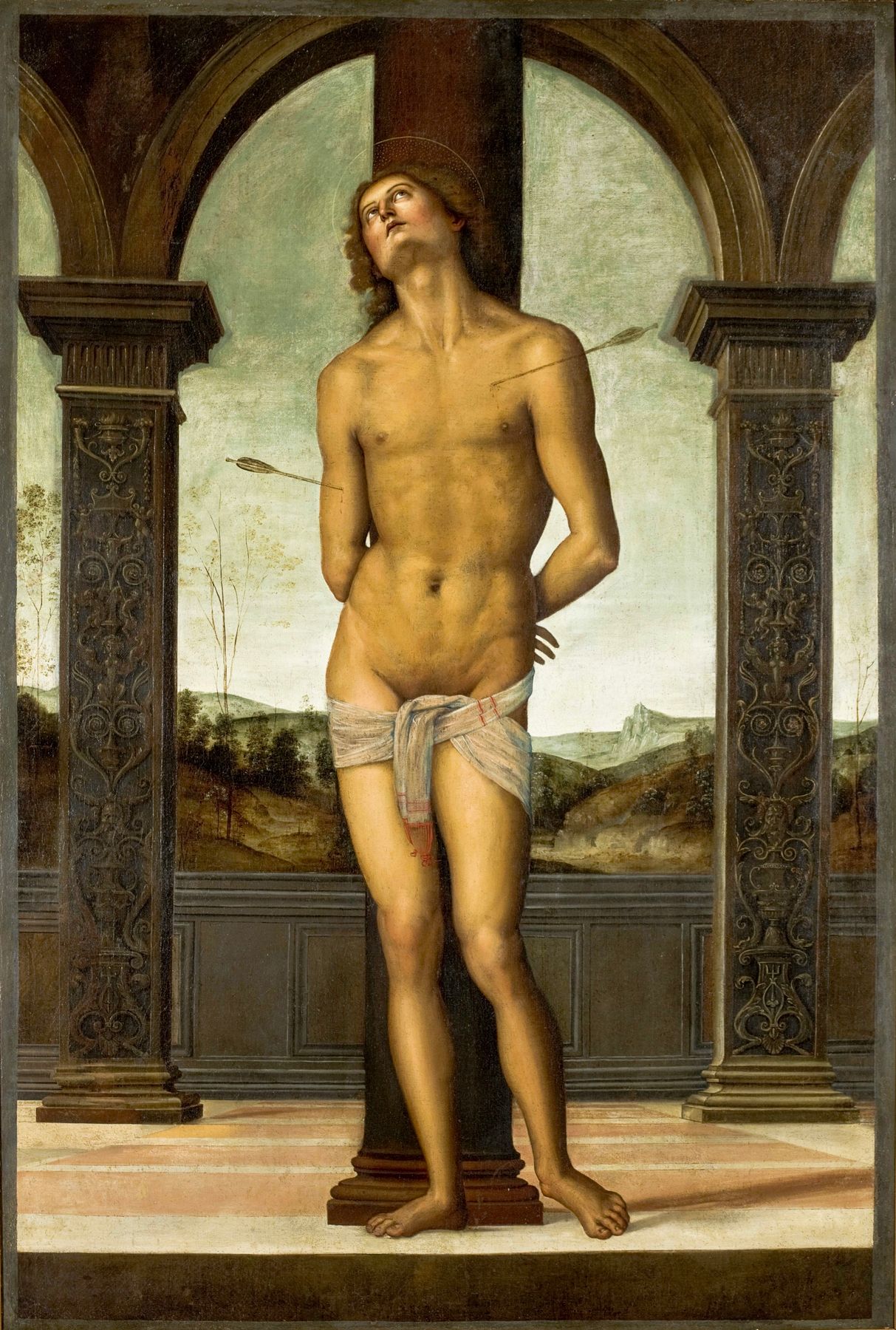
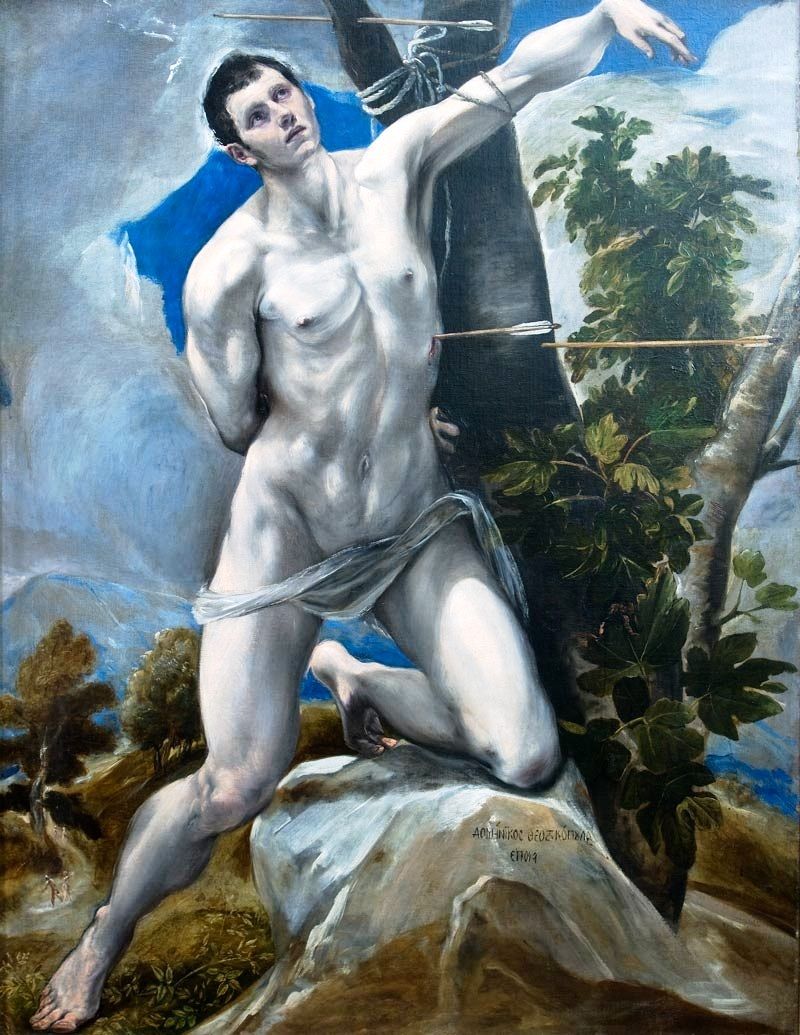
However, ultimately, the image of Saint Sebastian turned out to be associated not with heterosexual, but with homosexual eroticism. It became a safe way to talk about homosexual desire in an era when it was impossible to talk about it directly. This reading was facilitated not only by the youth and beauty of the saint in the paintings, but also by the image of arrows piercing his body. It took on “tremendous psychosexual significance” regardless of whether artists included homoerotic overtones in their work , Claire Barlow, director of the People's History Museum in Manchester, who was putting together an exhibition on 19th- and 20th-century British queer art for London's Tate Gallery, told the BBC.
By the end of the 19th century, Saint Sebastian had become an unspoken symbol of the gay community among Western European intellectuals. English writer and playwright Oscar Wilde took the pseudonym Sebastian Melmoth after he was convicted of same-sex relations. French writer Marc Andre Raffalovich, who published essays on homosexuality and later joined the Dominican Order, chose the ecclesiastical name Sebastian.
“By that time, Sebastian had become part of a kind of queer code. For educated men, his image was a way to express desires that could not be spoken about openly: the saint was immediately recognizable to other people who read this code,” the writer and artist Holly James Johnston, who dedicated a performance dedicated to Saint Sebastian at the Wallace Collection in London, explained to the BBC.
In the 20th century, the image of Saint Sebastian as a gay icon not only solidified, but also entered popular culture. In the 1970s and 1980s, it was used by Japanese writer Yukio Mishima , whose texts contain homoerotic motifs, and by American artists Keith Haring and David Wojnarowicz , who were openly gay. The tradition of eroticizing the saint was continued by the French photographers Pierre and Gilles , as well as the British avant-garde director Derek Jarman . The article “Male Homoeroticism” in the Russian version of Wikipedia today is illustrated precisely by the image of Saint Sebastian.
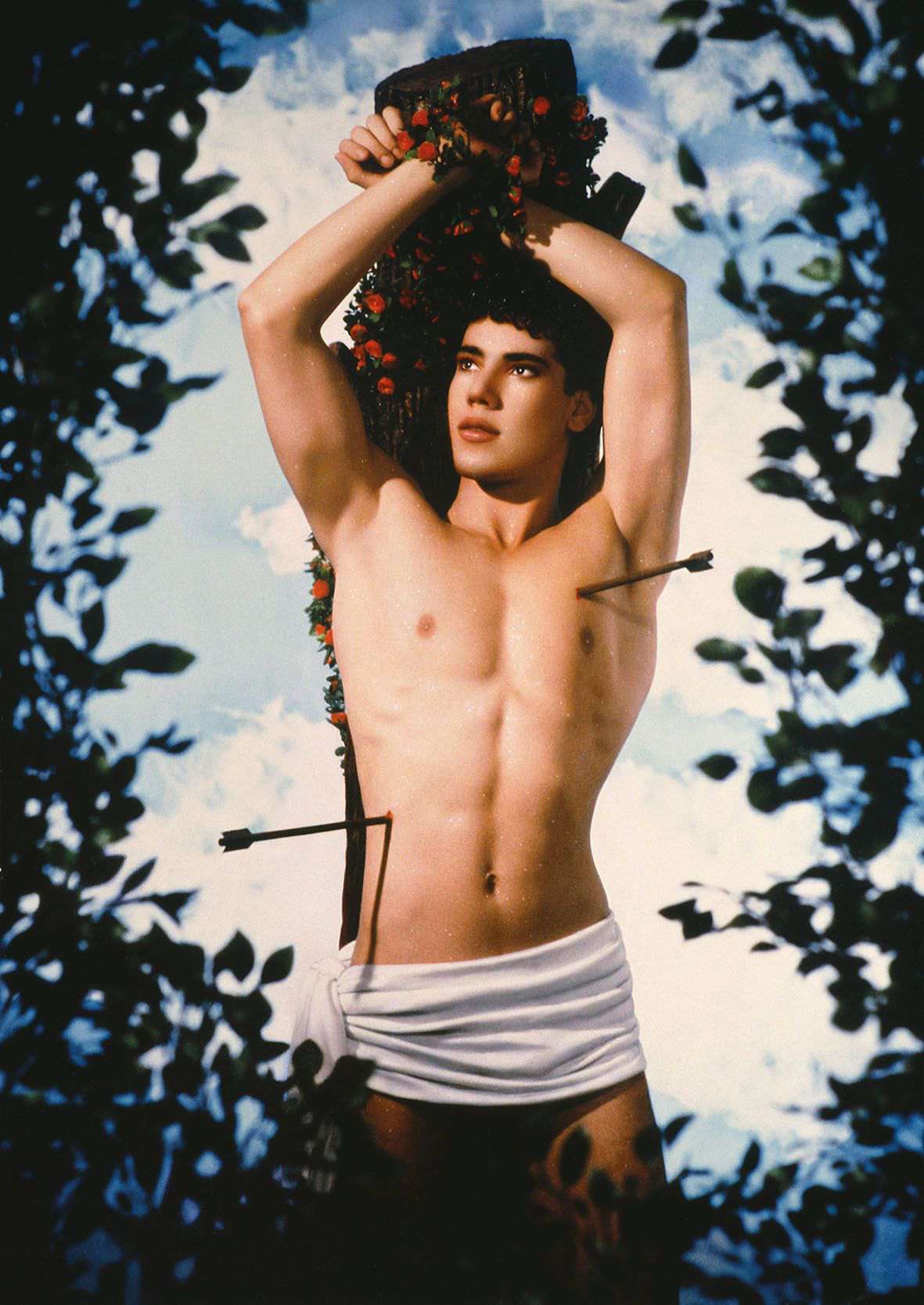
Soviet and Russian sexologist Igor Kon wrote in his book “The Male Body in the History of Culture” that for centuries two ideals of male beauty have been traced in art - the “courageous warrior” and the “graceful youth.” Saint Sebastian reflected the second ideal, symbolizing sensitivity. Cohn even used the word “sebastianize,” which refers to the desire to show a man “defenseless, vulnerable and relaxed.” “The artists of the Renaissance were able to imagine the naked and bound male body not so much suffering as passive and enjoying its helplessness, and to discern beauty in this situation,” he concluded.
But St Sebastian's appeal to the queer community goes beyond appearance, Daniel Fontaine, a lecturer in art history and visual culture at the University of Exeter, told the BBC. He drew an analogy between being a Christian martyr and the experience of queer people who have to hide their identity. “He [St. Sebastian] tried to hide who he was—a Christian—and then was rejected by society and persecuted for his beliefs. Many queer artists saw this as consonant with their own experiences,” Fontaine said.