
Translated material
Doing good
The series “Pretense” and “Sharp Objects”, the book “The Poison of Mother’s Love” - stories about mothers who spend years convincing others that their children are seriously ill, have long gone beyond the scope of fiction. Behind them is a real mental disorder - delegated Munchausen syndrome
People with this diagnosis invent illnesses for their children, subject them to unnecessary examinations and treatments, but at the same time sincerely believe that they care about them and do everything possible for their well-being.
Why does a person with delegated Munchausen syndrome almost never admit his problem? How do children who grew up next to such a parent live? And can this form of violence be stopped if it disguises itself as love and care?
Such Things spoke to experts and people who lived through this experience.
"You're not breathing right"
Late summer 2002, St. Petersburg. 14-year-old Olya and her mother leave the Park Pobedy metro station - they are going to visit relatives. The woman suddenly becomes alert, looks at Olya suspiciously, listens to her breathing - and suddenly stops. “Somehow you’re not breathing right!” This is an arrhythmia,” the woman concludes. “You need to go to the hospital urgently.”
Visits to relatives are cancelled. The mother calls an ambulance and tells the doctors for a long time what is wrong with her daughter, citing her medical education. The doctors listen to their colleague, and they are also alarmed by the child’s thick medical record - it seems that the girl is really unwell. On September 1, Olya will not go to school: another hospitalization and numerous medical procedures await her.
Olya is used to it - she has been living like this since she was five years old. At that time, her mother, a therapist in a military medical unit, was forced to stop working and decided to devote herself to the “sick” and “weak” child. Even before school, the girl was diagnosed with pancreatitis and a stomach ulcer; she was constantly poisoned by something and suffered from abdominal pain. And the older Olya got, the more problems she discovered. After all, the girl had to tell her mother about any, even the slightest, ailment - and she immediately “unfolded vigorous activity.”
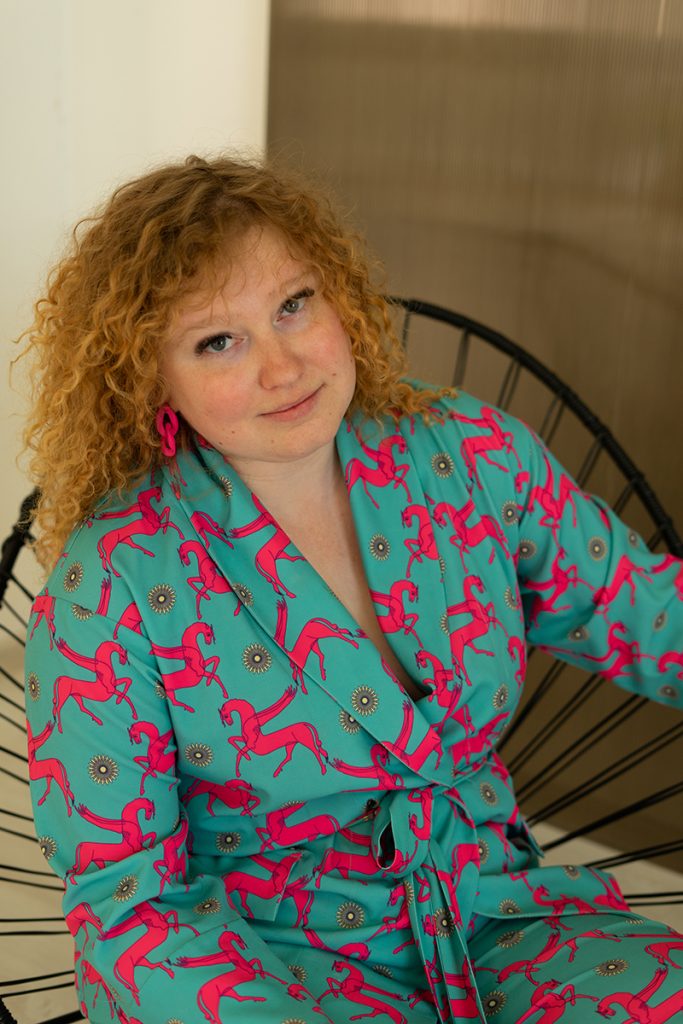 Olga YarmolovichPhoto: from personal archive
“I was taken in an ambulance fifteen times with suspected appendicitis, they did a gastroscopy, an MRI of the brain to check if there was a tumor in it, they performed numerous heart tests - including a sadistic TEE , they constantly injected me with something (once they caused an abscess , and I became wildly afraid of injections),” recalls 38-year-old Olga Yarmolovich now. “I was in, it seems, all the departments of all the children’s hospitals in the city.” I spent most of the year there and hardly went to school. My classmates didn’t accept me because of this, there was specific bullying.” Olga clarifies that this was not just ridicule - for example, once the boys from school hit her in the stomach.
Most likely, Olga’s mother has Munchausen syndrome . People with it imitate the symptoms of various diseases in themselves (“normal” syndrome) or in their loved ones (delegated syndrome), says psychiatrist Nikita Petrov. The term “Munchausen syndrome” was coined in 1951 by British physician Richard Usher. The diagnosis later appeared in ICD-10 , but under a more neutral name - “factitious disorder”.
A person with Munchausen syndrome does not invent diagnoses on purpose, pursuing a selfish goal - to avoid conscription into the army or take sick leave and not go to work, notes psychologist and psychoanalyst Elena Nechaeva. As a rule, such a person “produces” all the symptoms of illness unconsciously - in order to receive the attention, care and the right to be “special” in the eyes of others.
But in some cases, especially with delegated syndrome, the patient acts more consciously and understands what he is doing, but cannot control and change his behavior, adds Nikita Petrov.
“I don’t remember six years of my life”
Munchausen syndrome usually manifests itself in youth, the average age of patients is 34.2 years, says Victoria Trofimenko, a clinical psychologist and expert at the Equilibrium Foundation. It occurs more often in women than in men (two cases to one). Perhaps because the former more actively seek medical help and society allows them to show weakness, including experiencing illness. Another possible factor is that women are more likely to receive custody of children, who are typically targeted by delegated syndrome.
As with all mental disorders, it is impossible to name the exact causes of Munchausen syndrome. Often people with hysterical or borderline traits are prone to it - it is difficult for them to cope with their emotions and it is very important to feel needed, explains clinical psychologist Victoria. People with high anxiety, low self-esteem, and those prone to hypochondria are also at risk, says Elena Nechaeva.
“Often it comes down to childhood trauma. People with Munchausen syndrome may have lacked emotional warmth from loved ones in childhood, and they received care and attention only when they were unwell. This is the basis for the formation of destructive thoughts and beliefs: “I’m only needed when I’m sick,” says the clinical psychologist. — And sometimes the syndrome, on the contrary, is a consequence of overprotection in childhood. For a child with suffocating control at home, at some point, medical institutions become an island of stability and safety, and in adulthood he again strives to be there as often as possible.”
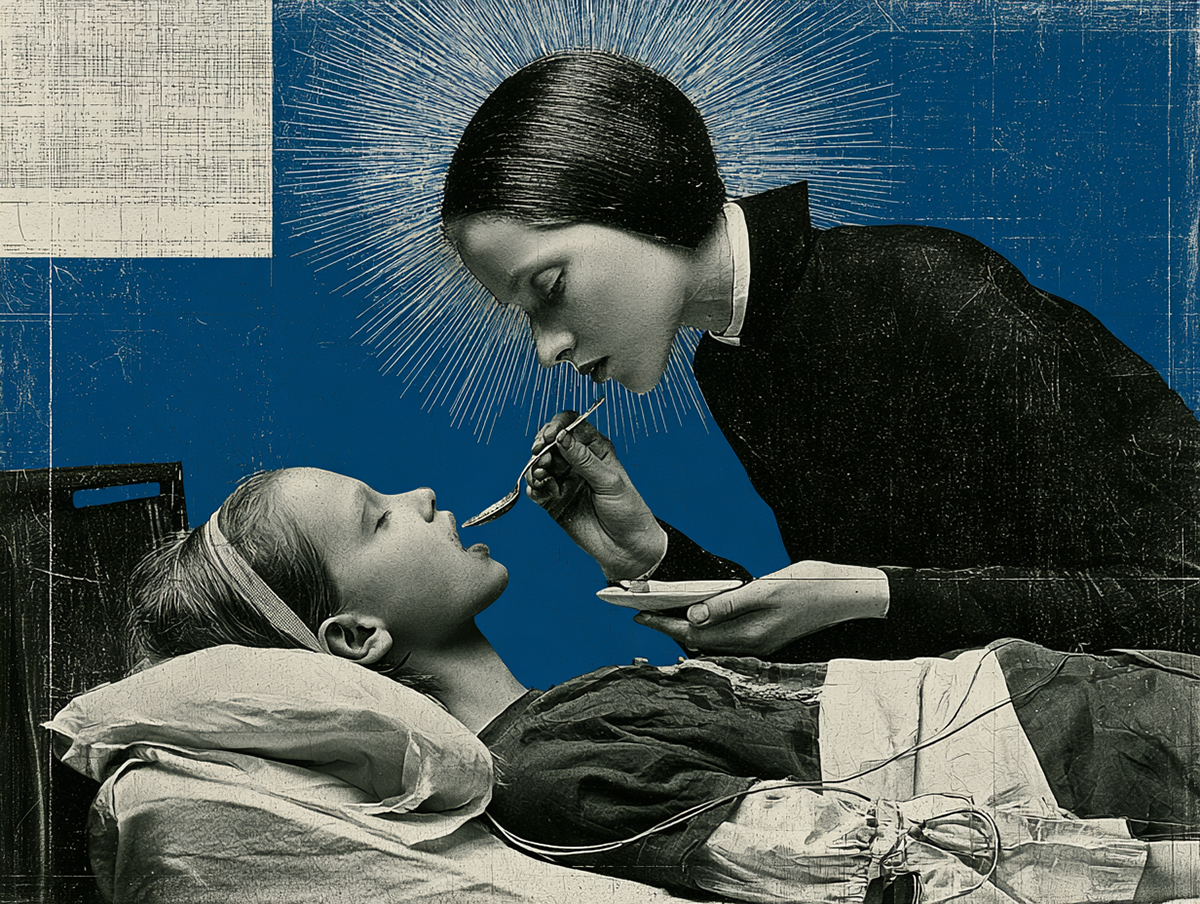 Illustration created using a neural network
Sometimes Munchausen syndrome in a person prone to it is provoked by injuries that he received as an adult. 46-year-old Yulia (she asks that her last name not be used), who considers herself a victim of delegated Munchausen syndrome, recalls that it all started with her prolonged fainting at the age of six. The mother began to show the girl to the best specialists in different cities, suspecting childhood epilepsy, and eventually agreed that the child should be prescribed phenobarbital . But at the age of eight, Yulia was not canceled. During this time, her mother suffered a late pregnancy loss. This tragedy became the trigger that launched her delegated Munchausen syndrome
The woman began to be haunted by the fear of losing her only daughter. She gave up a leadership position at work and went part-time to pick Yulia up from school. She forbade her to go for walks and go to classes, or bring friends home. And most importantly, the woman insisted that the doctors renew the prescription for a potent medicine, and specifically for this purpose provoked a life-threatening situation, Yulia believes.
“One day at this age I experienced cardiac and respiratory arrest. Now that I have received my education as a medical psychologist, I am sure that it was from an overdose,” the woman says. “But my mother told the doctors that, on the contrary, she had reduced my dosage and supposedly the withdrawal syndrome provoked a second attack in me. The doctors believed her and prescribed me the drug again, this time for a long time.”
Julia continued to be treated for epilepsy - which in the end not a single doctor confirmed. She barely remembers the next six years. Under the influence of the drug, from an active and capable child, Yulia turned into an outcast with whom no one wanted to communicate, it became very difficult for her to study, she was “inhibited” all the time.
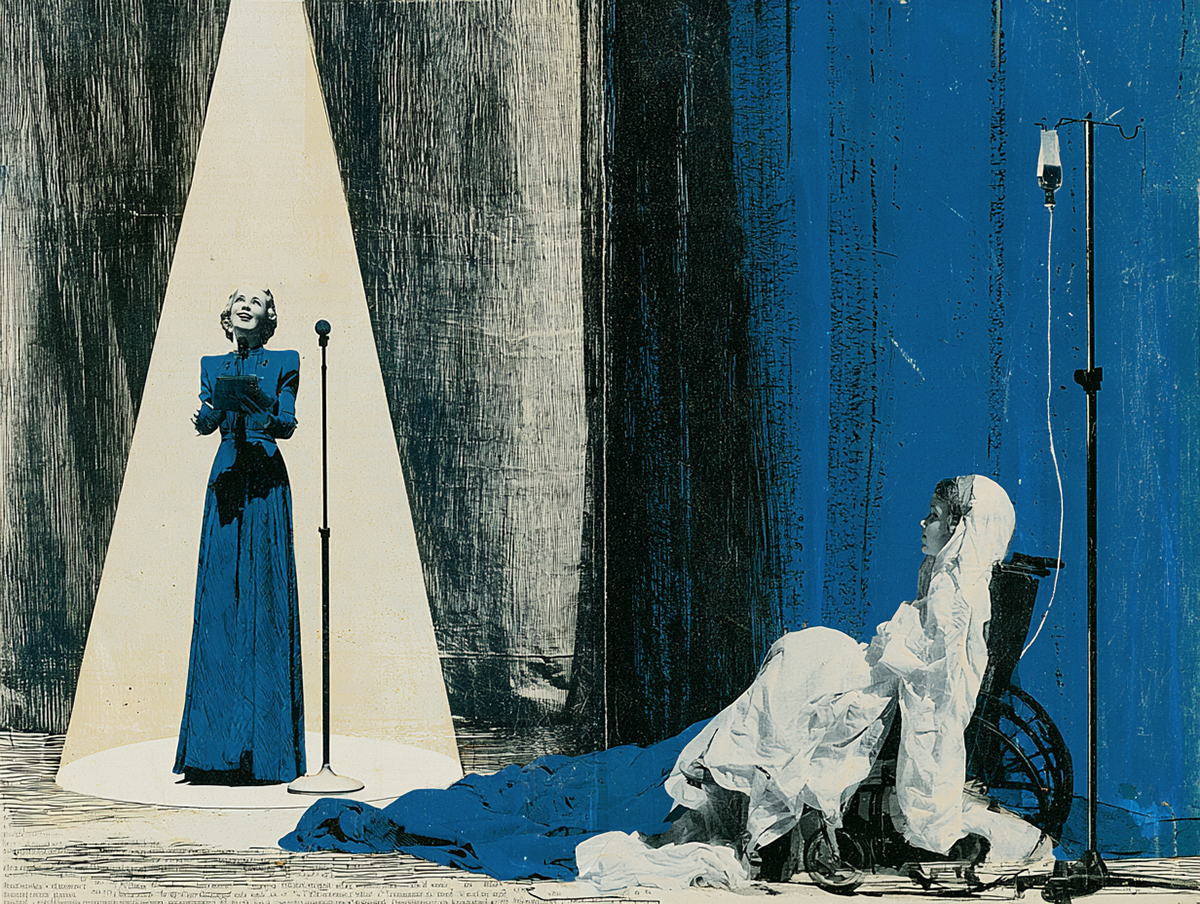 Illustration created using a neural network
Typically, this syndrome debuts when a person has someone dependent on him (usually a child, less often an elderly relative or partner), explains Elena Nechaeva: “The psyche is always looking for a shortcut to relieve internal tension. Why go through the difficult route of working through your own traumas, setting boundaries, or learning new ways to ask for intimacy when you can play out internal conflicts on those who cannot defend themselves? There are children, which means there is an accessible screen for projection.”
Olga believes that this was exactly the case in her mother’s case. After the collapse of the USSR and the forced move from Latvia to Russia, the woman was unable to get a job as a doctor and had a hard time experiencing her professional collapse. “In such a situation, my healing became for her an opportunity to realize herself as a physician - she always diagnosed me herself and emphasized her medical education in conversations with doctors, and an excuse for why she did not work: she was responsible for caring for me,” Olga recalls.
Rare help
Patients with factitious disorder almost never admit their problem and do not seek help, says clinical psychologist Victoria Trofimenko. Most often, they come to the attention of psychiatrists only when they are prescribed compulsory treatment. Usually this happens precisely in people with delegated Munchausen syndrome, directed at the child: noticing the strange behavior of the parent, others turn to the guardianship authorities or the police.
In some cases, a patient with Munchausen syndrome is referred to a psychiatrist by other doctors - if they do not detect any of the numerous diseases that the person complains about. And sometimes patients turn up to a psychologist with other requests, but in their work the specialist notices this syndrome and tries to help, says Elena Nechaeva.
There is no drug treatment for people with Munchausen syndrome, says psychiatrist Nikita Petrov. The doctor can prescribe only symptomatic treatment - for example, if there is a concomitant depressive condition. And the main method of helping patients with the syndrome is psychotherapy, which can be carried out by a consulting psychologist or clinical psychologist.
During psychotherapy, it is important for a specialist, first of all, to establish an alliance with such a client, to gain his trust - any doubts about the diagnoses of a person with Munchausen syndrome or his child will cause denial or aggression in him. Instead of “exposing”, the specialist carefully expresses a critical assessment of the beliefs of a person with Munchausen syndrome (for example, “I am needed when I am sick / when my child is sick”) and then helps to overcome them, explains Victoria Trofimenko.
* * * Psychologist Elena Nechaeva:
Work with a person with Munchausen syndrome is based on the following scheme:
- detection of a pattern (internal tension - child’s illness - temporary relief and feeling of need - return of tension);
- searching for its source and function (until we realize what exactly causes the tension that has to be “resolved” in this way, the symptom will return again and again);
- replacing the “crooked” path with a “normal” one (we teach the psyche to relieve stress in a different way - for example, through rest without guilt, intimacy not “bought” at the cost of illness)”
But most people with Munchausen syndrome receive no help and are unable to break the vicious cycle of treatment and testing for years. Olga’s mother did not realize that it was not her daughter who was wrong, but she herself, and she stopped making numerous diagnoses for her daughter only after she came of age. Olga entered the university, began to support herself, and her mother, realizing that she had lost her previous control, switched her attention to her own career - for the first time in many years she went to work. But if Olga fell ill, there were again attempts to intervene - the mother immediately ran to her daughter with a first aid kit. And having learned that Olga and her husband were unable to conceive a child, the woman again began taking her daughter to doctors.
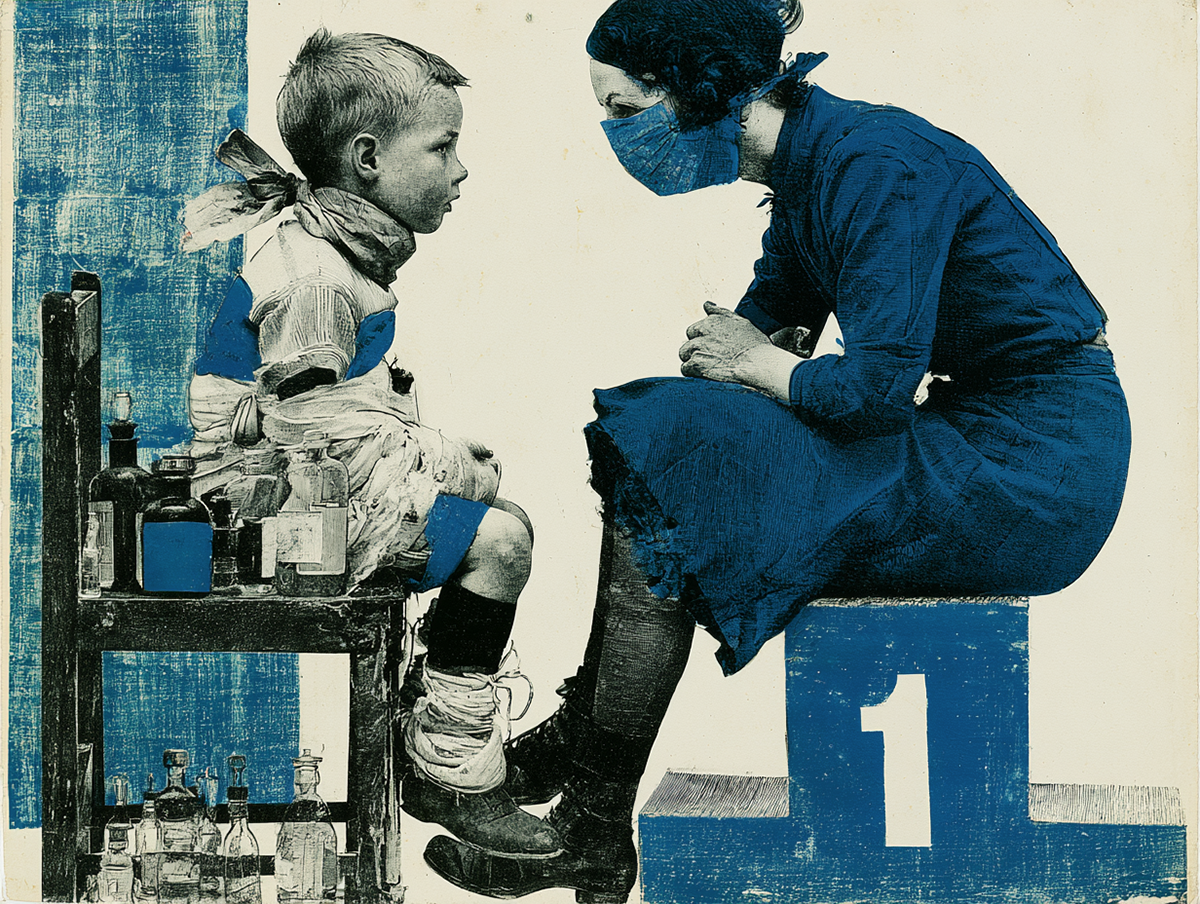 Illustration created using a neural network
Yulia was taken off psychotropic medication at the age of 13, and since then everything that was “under pressure” has been “unpacked” in her: she began to study well, entered the physics and mathematics lyceum, and then the university. After coming of age, her mother also realized that she could not control her daughter and moved away, but then began to try to treat her children.
“She wanted to transfer the control she had over me to my daughters. One day she put her granddaughter’s cap so tightly that she literally turned blue. And the worst thing is that when one of my daughters, at the age of six, had the same attack as I had at that age, my mother began to insist on the same treatment for my child,” recalls Yulia.
“You got it all wrong”
Olga tried to separate herself from her mother: from the age of 18, the girl realized that life is not only around hospitals, she began to travel and lead an active lifestyle. At first, it was difficult for Olga not to run to her mother in case of any ailment, but she held on, increasingly realizing that she did not have any serious illnesses and nothing threatened her life.
But it was still possible to finally break this dependence only at the age of 30. A few years earlier, she was divorcing her husband and began working with a psychologist. Olga says that it was then that she first chose to live for herself, and not for her mother or partner. And in 2021, Olga came up with the idea to write a book, “The Poison of Mother’s Love,” in which she talked about her childhood. The writer says that this was also a therapeutic experience: Olga remembered and experienced everything again and thereby “put a final point in this story.”
Olga didn’t tell her mother about the book: she didn’t see the point in it. Before this, she had tried more than once to have a frank conversation with her mother, but a constructive dialogue did not work out. “I spoke to her several times, wrote letters to her so that she would not interrupt me, but there was never any special reaction. She answered: “You came up with everything,” “You understood everything wrong,” and “I love you and always wanted the best,” recalls Olga.
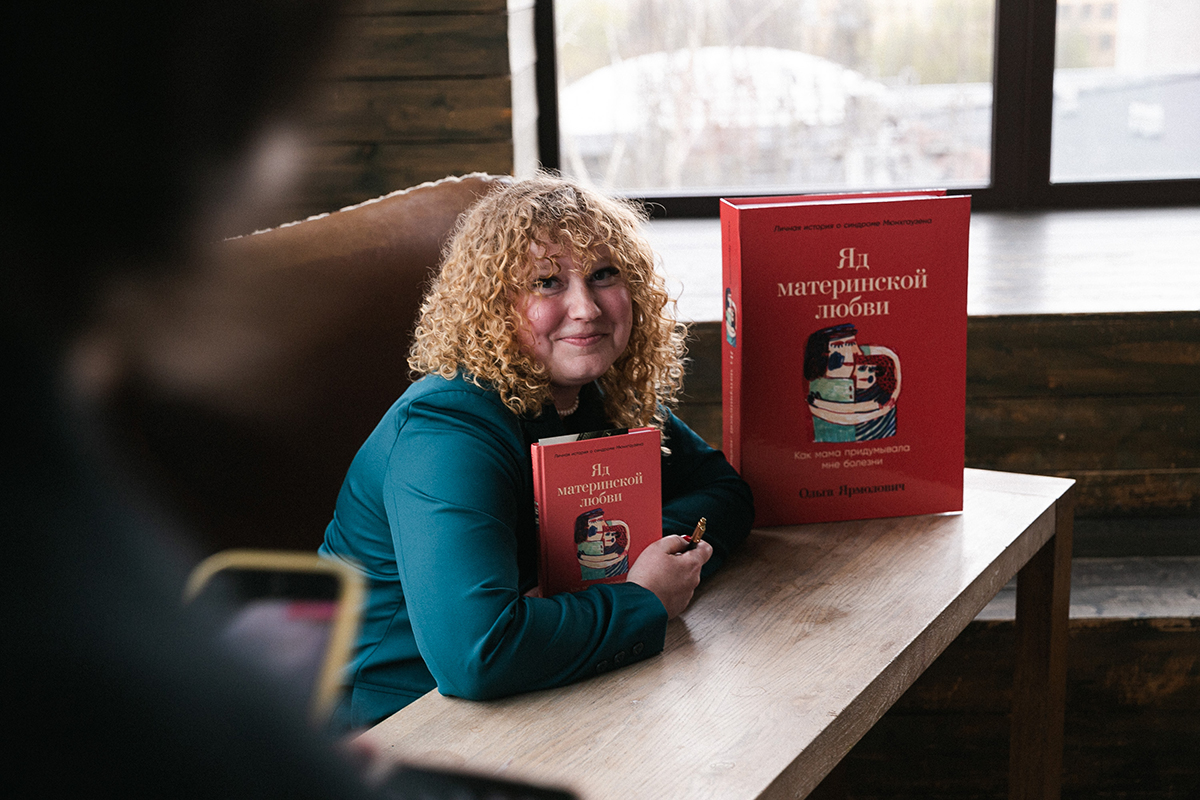 Olga YarmolovichPhoto: from personal archive
In March 2023, a month after Olga’s book was published, her mother passed away. Two years earlier, the woman was diagnosed with breast cancer, but she refused treatment. She explained this by saying that she has Parkinson’s disease and because of this she will not survive anesthesia, and she will not go to the hospital: “She will not endure the humiliation of enemas and ducks.”
Yulia also underwent psychotherapy for a long time, but believes that she never returned to normal: “I was able to compensate for a number of functions that were suppressed by the drug, but some cannot be restored. There is no need to say that I am normal compared to what I could be,” says Yulia. — It’s still not easy for me to live, I have type 2 BAD. I don’t know how to communicate with other people, make friends, I don’t know how to choose people - to determine whether they are good or bad. “It’s all laid down in childhood, and I, in fact, didn’t have it.”
Now Julia does not communicate with her mother at all. The woman never admitted her guilt or apologized. To any attempts to talk about healing, she answered her daughter: “I did everything for your health and only as the doctors said.”