
Translated material
Death by mail
Since 2020, law enforcement agencies in dozens of countries have recorded mysterious suicides linked to a small network of online stores. At first glance, their pages looked normal: they sold food supplements, chemicals and accessories. However, behind the network was a man who deliberately sought out people with suicidal thoughts and helped them commit suicide. It was not the police who were able to uncover it, but the father who lost his son and the journalists who believed him. "Cold" tells how a former chef turned a common meat preservative into a weapon of death.
He sent 1209 parcels containing poison. And they didn’t touch it until the father of one of the victims discovered it himself and made it public 
“He was such a happy, truly kind person, always willing to stand up for the most vulnerable, for the children who were bullied,” said his mother, Kim Prosser.
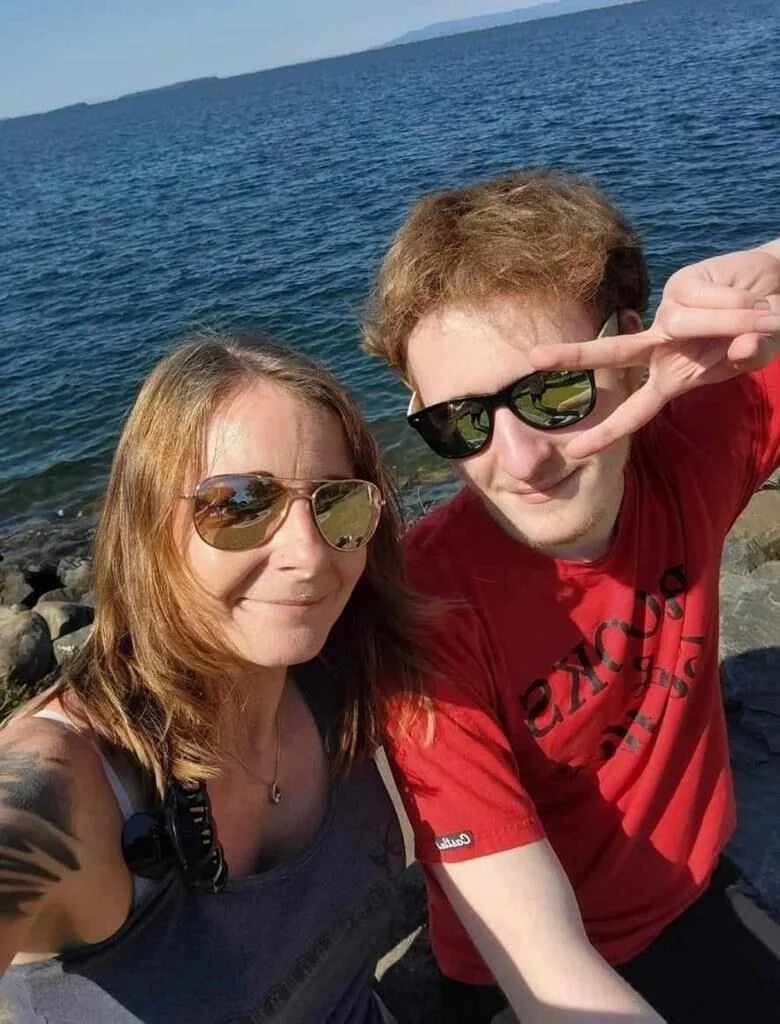
However, after the pandemic, the young man’s mental health deteriorated. Ashtyn studied for only a year at the University of Toronto, after which he dropped out and returned to the city of Thunder Bay, where he had previously lived. Ashtin was one of hundreds who died from an overdose of sodium nitrite, a food additive used in meat products.
Death delivered to your home
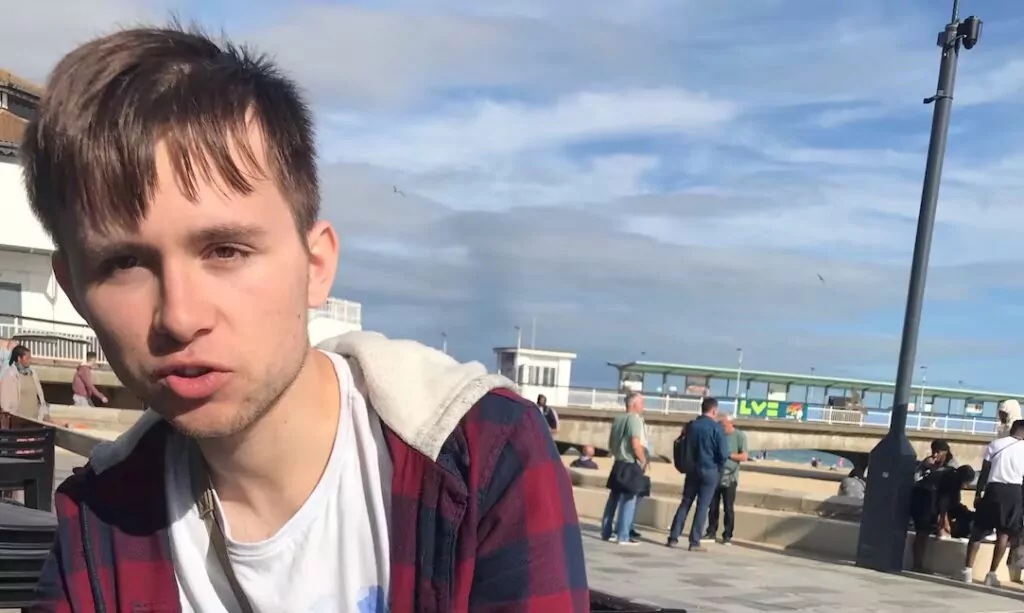
In October 2021, 22-year-old Tom Parfett committed suicide in a hotel in the British city of Sunbury-on-Thames. He bought the deadly substance online for just £50. At first glance, the assortment of the online store where Tom ordered the poison looked harmless, although a little specific: the site offered customers hot sauces and nutritional supplements.
But it was a screen. The owner was not interested in ordinary culinary specialists, and he looked for his real audience on shadow forums. There, under the pseudonym Greenberg, a man, sometimes posing as a retired medical examiner, responded to messages from people contemplating suicide. Having won their favor, he provided links to his online stores and provided victims with detailed instructions on exactly how to use his products to commit suicide.
He sold more than just nutritional supplements: his other sites sold nitrogen pressure regulators, gas masks and smoke hoods. With their help, a person could cause fatal hypoxia.
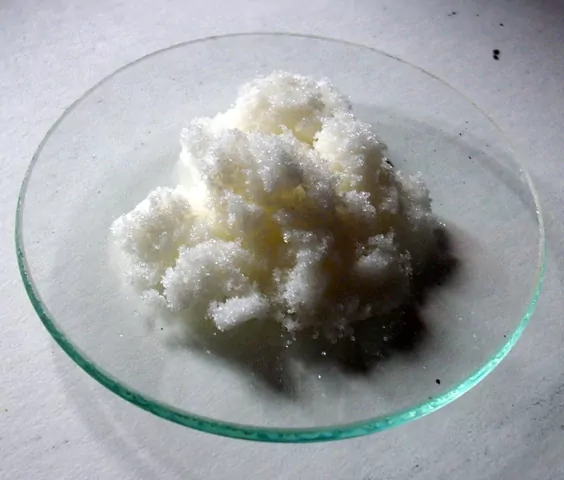
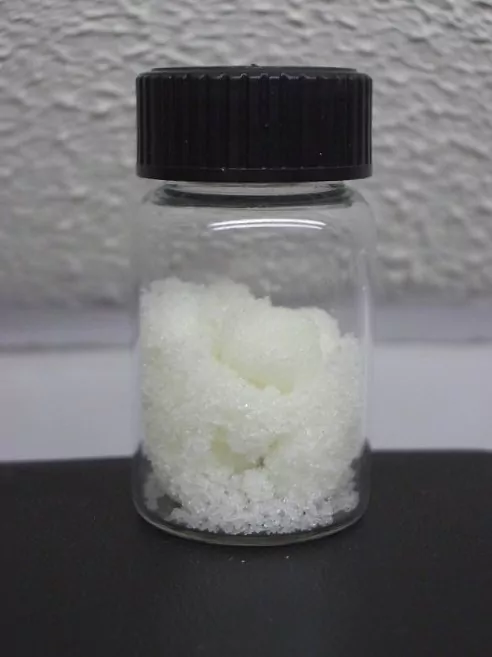
But the main product of his product line was the food additive E250, sodium nitrite - a substance that in small doses acts as a common preservative for sausages and other meat products, and in large doses (for this you would have to eat more than 100 kilograms of sausage with E250 per day) - causes severe poisoning and is fatal.
Greenberg sent 1,209 parcels of poison around the world. For a long time, this chemical could be ordered on Amazon. However, when the platform limited the free sale of dangerous powder in high concentrations, Greenberg filled this niche. His business was so popular that one of the Australian pro-euthanasia organizations, led by Dr Philip Nitschke, nicknamed Dr Death, added his website contacts to their guide, urging people to buy poison from him.
Greenberg’s websites even held promotions for regular customers, and on third-party resources anyone could find promotional codes for a 10% discount. Reviews about the store and its products were mostly positive, for example, in one of them, a buyer thanked the seller and wrote that purchasing from the site would probably be the last time he spent money in his life.
From January 2021 to April 2023, Greenberg sent more than 1,200 packages to 41 countries. The deadly kits went to the UK, Australia, China, Brazil and other countries. During the operation of his online stores, payment systems Shopify and PayPal credited almost 300 thousand Canadian dollars (about 15.5 million rubles) to the owner’s accounts.
Behind this impressive sum were hidden many victims. Some customers suffered from violent vomiting, fainted in their parents' arms, or died in their beds, hotel rooms or cars after taking the substance.
"I want to live"
One of those who received such a package was 21-year-old British woman Aimee Walton. Shortly before the tragedy, doctors forcibly admitted the girl to a clinic for a psychiatric examination. From her hospital room, Aimee sat on a forum for people who want to commit suicide. There she learned how to place an order for deadly poison.
Talking about this, her older sister Adele came to disappointing conclusions. According to her, doctors are completely untrained to recognize Internet threats and do not understand how to protect patients from the influence of destructive forums. If the vulnerable girl’s access to the Internet had been controlled during her hospitalization, she would not have known how to buy this chemical, Adele believes. The lack of control allowed site users to put pressure on Aimee: the girl was systematically persuaded to commit suicide.

On October 14, 2022, Aimee was found dead in a hotel room near London Heathrow Airport. In the last minutes of her life, next to her was an American who specially flew to the UK after meeting Aimee on that very resource. The man was arrested on suspicion of assisting suicide, but was soon released.
He constantly repeated: “I’m going to die soon.” Similar blindness of the system cost the life of another British resident, 25-year-old Imogen Nunn. Being deaf, the girl shared the story of her struggle with mental problems on TikTok, where almost a million subscribers followed her life. Her mother Louise fought desperately for her daughter’s health for 11 years and constantly took her to hospitals. However, secretly from her family, Immi went to a resource for people interested in suicide, and in mid-November 2022, she ordered the chemical.
Nunn received the deadly package a week later and she herself admitted it to the social worker who helped her. The girl's mother is sure that this act was a desperate cry for help in the hope that someone would come and take her.
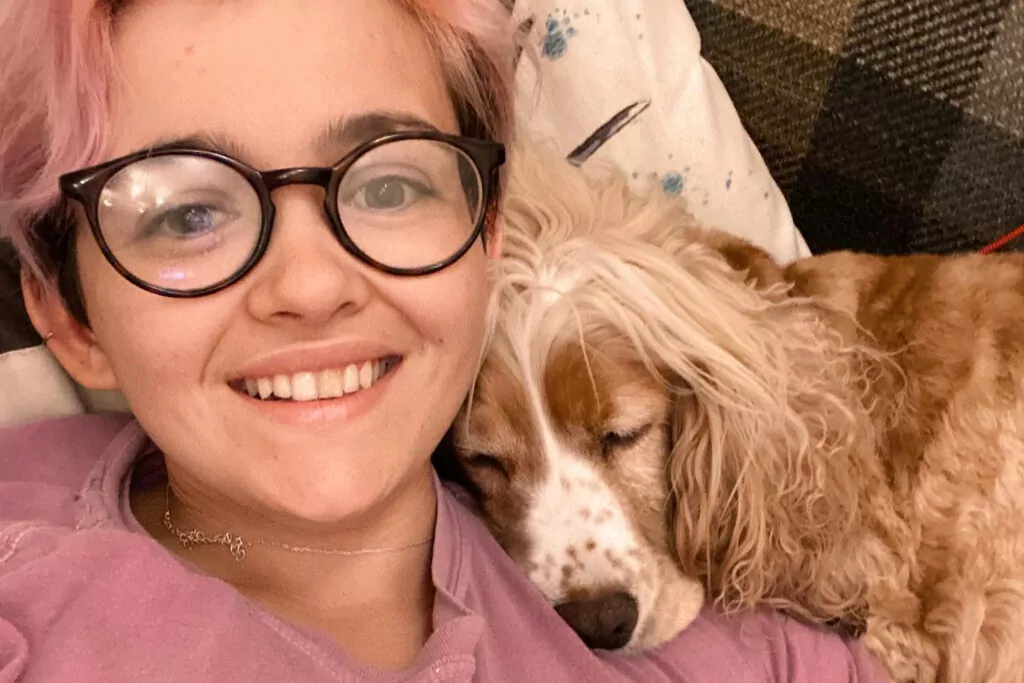
However, no one did anything. Three days before her death, Immi sent a message to the mental health care coordinator, and later wrote directly to the psychologist who supervised her. In this message, the girl asked to be admitted back to the clinic and admitted that she was unable to take care of herself and control suicidal thoughts. On January 1, 2023, the girl committed suicide.
Only five months later did the grief-stricken family learn of the existence of the forum, where in her dying message her daughter confessed her love for her dog and wrote that she understood that her death would break the hearts of her parents. Not a single forum user tried to dissuade the girl.
Some buyers realized the mistake in their last moments. 29-year-old Canadian Robert Hu took the poison, but then changed his mind and called emergency services.
“He kept repeating, ‘Please, please,’ and ‘I’m going to die,’ and then he started crying,” prosecutor Cindy Nadler revealed details of his conversation with the ambulance. When doctors arrived at Robert, he was already unconscious and having difficulty breathing. It was not possible to save him - he died in the hospital.

A similar story happened in the family of 17-year-old Anthony Jones from Detroit. The quiet and kind teenager loved anime, books and fast food, his mother Tonia said. During the pandemic, his mental health deteriorated and his family tried to find help for him.
One night, Anthony ran into his mother's room and admitted that he had "taken something." When she called an ambulance, he continued to scream: “I want to live! I want to live! Doctors were unable to save him. Three and a half hours after the poisoning, the teenager died.
Deadly ignore
The deaths of Aimee, Ashtyn, Imogen and dozens of others could have been prevented if authorities had caught the problem early. British coroners (the service that deals with suspicious deaths. - Note from Kholod * )* began recording deaths from sodium nitrite back in 2019.
Over the course of several years, they produced more than 30 reports on the need to prevent future deaths and demanded greater control over the spread of the chemical. Experts regularly sent documents to government departments warning that sodium nitrite poses a threat to young people with mental problems.
The trace of the distributor was traced back in the fall of 2020, when the circumstances surrounding the suicide of a local resident were investigated in the British county of Surrey. Then the coroner indicated in the report a post office box in the Canadian city of Mississauga and the name of the seller’s website. The victims' families tried for years to get an investigation started, but police and government officials ignored them, explaining that E250 was a legal food additive.
“At some point the question becomes: How many more coroner’s reports are needed to prove that something needs to be done?” - David Parfett, who lost his son, said in an interview.
Having received no answers from the authorities and police, Tom Parfett's father began his own investigation. It was he who managed to infiltrate the online community of people with suicidal thoughts. In just a few months, he had achieved such a level of trust within that community that he received suicide instructions and ordered the same chemical his son used.
“In less than three months, I discovered the site and gained enough trust there that someone told me about this poison. I was given instructions on how to kill myself. I received a package containing the same poison that my son used. It was too easy,” said David Parfett.
In 2022, he handed over all the collected materials to The Times newspaper.
Caught with live bait
In 2023, after checking this evidence, the publication's journalist James Beal contacted the seller under the guise of a potential buyer. During a telephone conversation, the seller boasted about the effectiveness of his products.
“They often say that I am doing God’s work, but this is too much. I’m much more modest and reserved,” the man boasted about his clients’ reviews.
The owner of the online store said that in the two years the business has been open, “many, many, many” people have successfully used its products to end their lives. “Our civilization is not advanced enough to openly accept death,” he told Beal, who was posing as a potential buyer. “I hope I'm just being a little more understanding.”
Having completed the investigation, the journalist himself came to the Canadian city of Mississauga. He waited for the seller at the post office, turned on the recorder and accused him of involvement in the deaths of seven people.
“They are the ones committing suicide. “I’m not doing anything,” the site owner answered him.
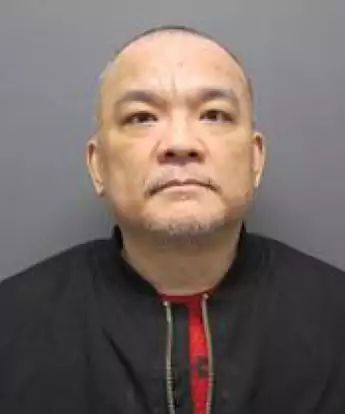
The man who had been hiding behind the screen of a legal business and nicknames for several years turned out to be 57-year-old Mississauga resident Kenneth Lowe. According to him, in the past he worked as an aerospace engineer, but after his 50th birthday he unexpectedly got a job as a cook in a hotel. Due to Covid, he lost his job and declared bankruptcy.
At the end of 2020, Lowe decided to use his skills to create a network of online stores selling death. In total, he launched at least five such platforms: Imtime Cuisine, AmbuCA, ACademic, Escape Mode and ICemac. The business expanded internationally, and investigators linked Lowe's activities to at least 147 deaths worldwide.
“I honestly thought I was helping people alleviate their suffering while making a modest profit,” Lowe said .
On May 2, 2023, Canadian police arrested him. During searches, investigators found a draft will at Lowe's home, where he wrote that he did not consider himself guilty of anything.
The Collapsed Prosecution
Initially, Canadian investigators accused Lowe only of assisting and inducing suicide, but as new victims were identified , they recognized all 14 such cases in Ontario as second-degree murders, which were then completely reclassified as first-degree murders - that is, intentional or with aggravating circumstances. However, the prosecution's initial strategy was undermined by a judicial precedent in another case.
In the fall of 2024, Lowe's lawyers cited a decision by the Ontario Court of Appeal, which had previously ruled that a court could only find a person guilty of murder by assisted suicide if the accused not only provided the lethal substance, but also "overwhelmed the free will of the victim" in making the decision to take his own life.
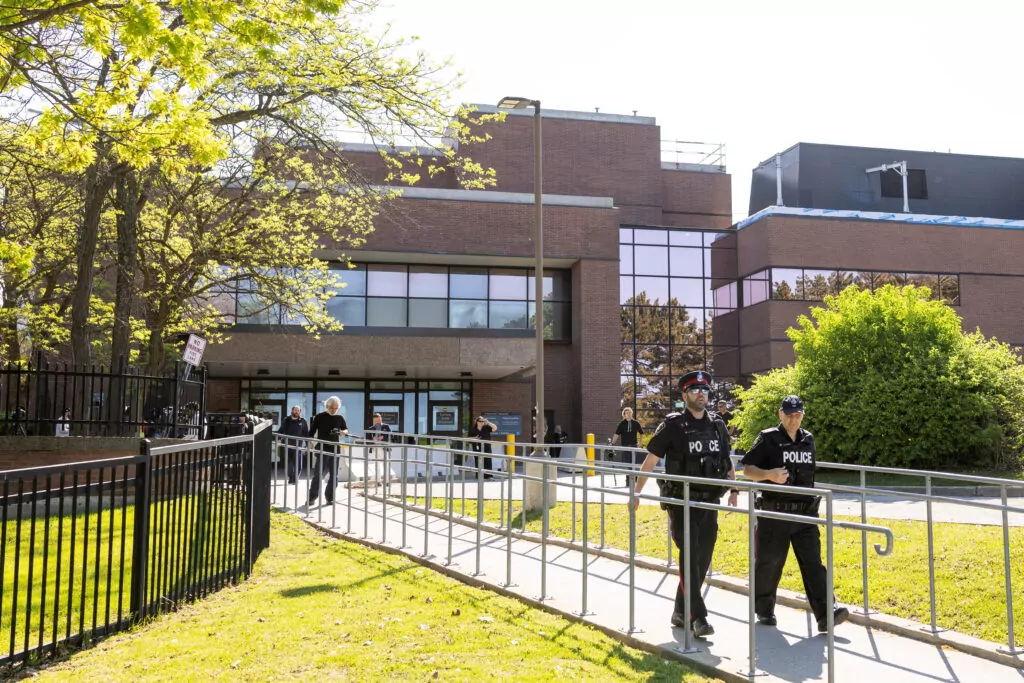
Prosecutors have asked the Supreme Court of Canada to urgently review the controversial verdict. Because of this, judges twice postponed hearings in Lowe's case until the spring of 2026. But on December 5, 2025, the Supreme Court refused to rule on this issue. Thus, the lower court's decision remained in force and acquired the status of a binding precedent for the entire province.
As a result, prosecutors officially declared it impossible to further prosecute Lowe for the murders. Investigators had no evidence that the seller “overpowered the will” of his customers. The parties reached a deal: the prosecutor's office dropped all 14 murder charges against Lowe, and he responded by pleading guilty to the lesser charge of assisting suicide.
Lowe's victims in Ontario ranged in age from 16 to 36. For each proven assisted suicide, the Canadian Criminal Code provides for a penalty of up to 14 years in prison.
Face to face with relatives
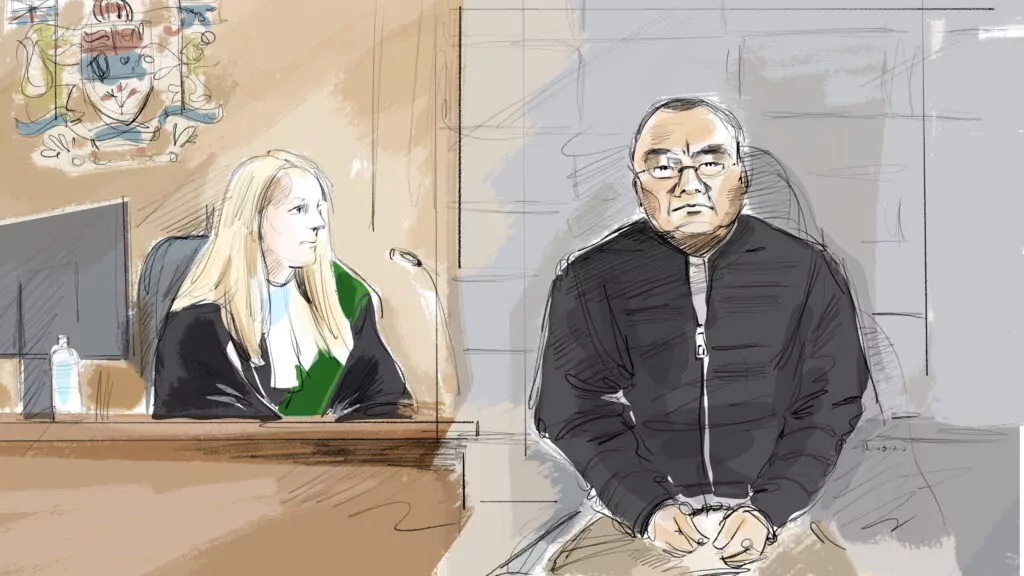
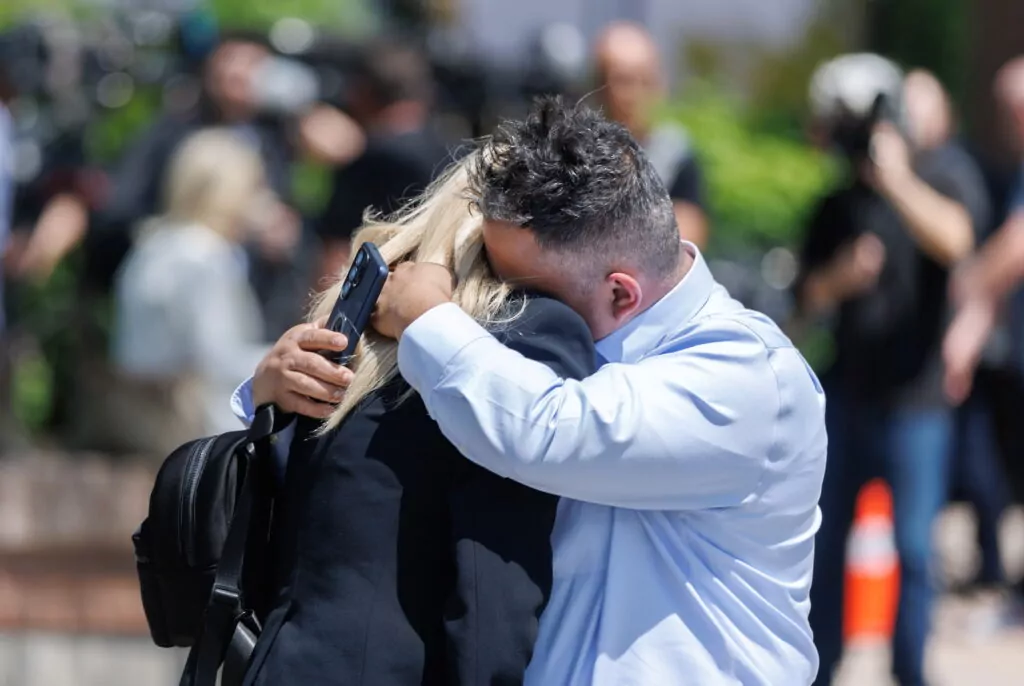
During the hearing, Lowe sat virtually motionless and did not even look towards the families of his former customers. The meeting lasted several hours, during which prosecutors read out a more than 60-page document. It described in detail what suffering the dead suffered after taking the poison. Many relatives could not stand it and cried in the courtroom, some left the hearing.
In addition to the Ontario cases for which Lowe is being tried, products from the Canadian's sites have led to the deaths of at least 79 people in the UK. This country accounted for the largest number of victims, but local authorities decided not to demand Lowe's extradition. The Crown Prosecution Service explained in a statement that the procedure would have taken years, given that the trial in the UK carries significant risks due to the principle that double punishment for the same crime is not possible.
Despite Lowe's admission of guilt, the families of the dead Britons are demanding a public investigation and tighter controls over the sale of dangerous substances over the Internet. They want to understand why the authorities ignored the free sale of a dangerous additive for years and why pro-suicidal forums, where people are deliberately pushed to death, continue to operate.
“The scale of Kenneth Law's crimes in Britain would make him one of the worst mass murderers in modern British history. It's crazy that no one really talks about this. Few people in the general public have heard of him,” said the victim’s sister, Aimee Walton.
In March 2026, UK authorities rejected the relatives' request for a public inquiry. All they can do is appear online at a September court hearing in Ontario to describe the pain Lowe has caused them. It is then that the court will hear new testimony from the victims and make a final verdict.
However, Lowe’s case did not stop the spread of sodium nitrite, which can still be freely purchased on other sites - in Canada, at least 28 people died from poisoning with this chemical in 2024–2025.
“Kenneth Lowe was probably the most active seller... But it was quite obvious to me that he was not the only one selling this poison,” said David Parfett.
In 2024, Parfett was able to buy the same substance from another person and again shared his find with journalists. So the BBC managed to find another seller of the powder: journalists claim that this is a resident of Kiev, Leonid Zakutenko. He advertised his services for a time on the same forum for people wishing to commit suicide as Lowe. He sent his parcels, including to Britain and Canada.
Like Lowe, he refuses to admit responsibility for the deaths. “If we follow your principles, any seller can be held accountable for selling a suit, because a potential buyer could hang himself with a tie,” Zakutenko told reporters.
Author: Nikita Chernyshov
Photo: Peel Regional Police / ZUMA Press Wire / Reuters (image enhanced by Gemini)