
Translated material
Eight books about the housing issue (and not a single one by Bulgakov)
How Russian-language writers have been talking about the relationship between a person and the place where he lives for the last hundred years. Critic Lisa Birger's Pick
The Meduza publishing house has published an updated version of “People Behind the Fence” by Maxim Trudolyubov - a study of how the relationship between a person and his home has developed (and collapsed) over the centuries in Russia and why private property has always been hostage to the authorities. Chekhov, Bulgakov, Zoshchenko, Trifonov, Petrushevskaya - for more than a century, Russian literature talked about how everyday life and meters become a way to measure the moral state of the world. At the request of Meduza, literary critic Lisa Birger recalled seven more literary works related to the “housing issue.” These are texts about crowding and proximity, about queues and about finding your own place, about rooms that you can’t enter, and about a space that you don’t want to leave.
Sigismund Krzhizhanovsky, “Kvadraturin”
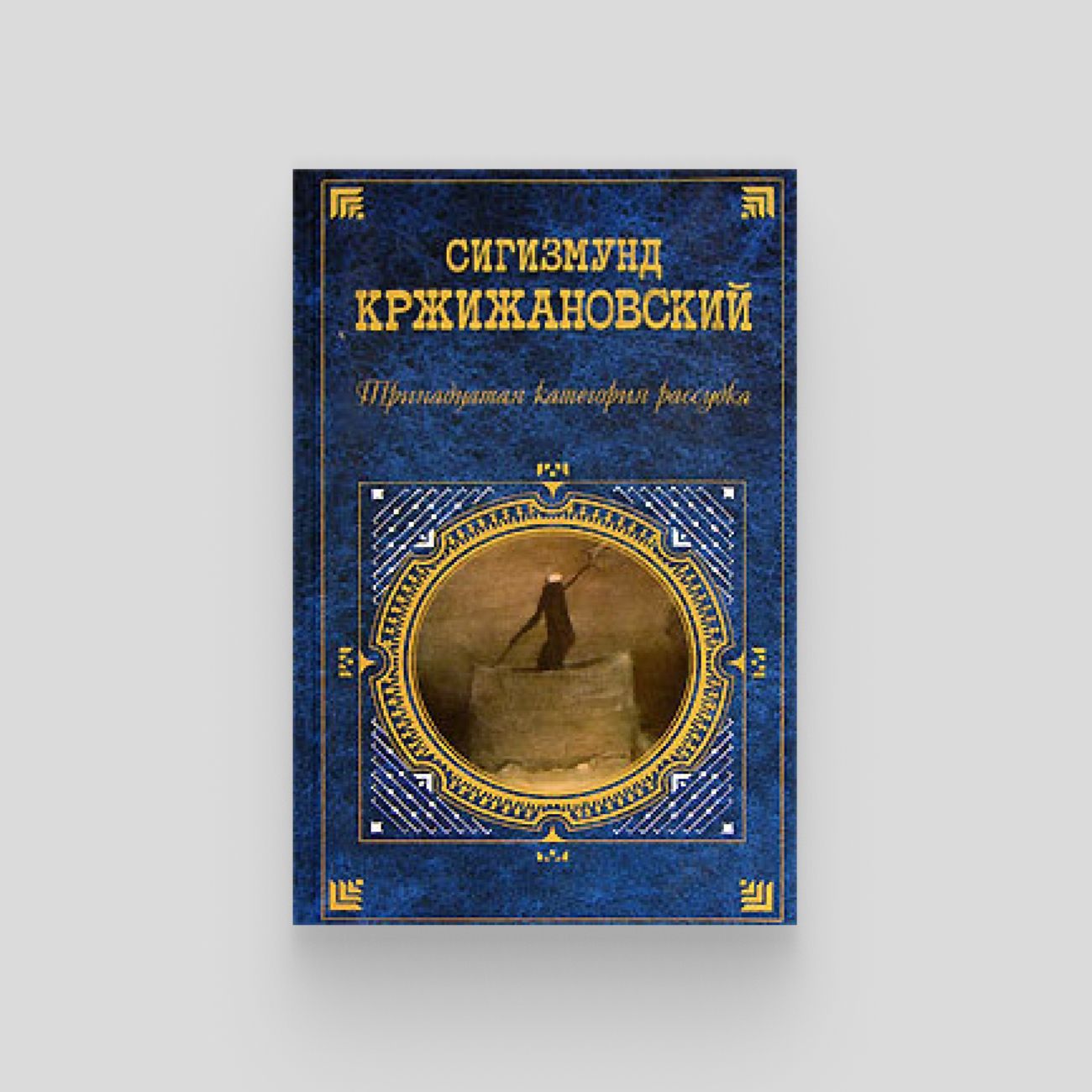
The fate of Sigismund Krzhizhanovsky is slightly less sad and surprising than the fate of his heroes. The author of numerous articles on literary theory, opera librettos, and disturbing Kafkaesque short stories, he was a prominent figure in the literary movement of the 1920s and 1930s, but did not see any of his texts published during his lifetime. Krzhizhanovsky began to be actively published after 1989. He wrote the short story “Kvadraturin” in 1926, at the height of the severe post-revolutionary housing crisis in Moscow. At that time, the writer himself had been huddled in a tiny room on Arbat for years and knew firsthand what the life of a “squeezed-in” person was like. The hero, living in a small cell, is offered to test the “Kvadraturin” product, which pushes the walls apart from the inside. The room grows uncontrollably, turning into a frightening maze.
All the things were the same: the rug, worn out and short, crawling somewhere forward after the table, and the photographs, and the stool, and the yellow patterns on the wallpaper - but all this was placed unusually wide inside the sprawling indoor cube.
“Kvadraturin,” thought Sutulin, “this is strength.”
Valentin Kataev, “Squaring the Circle”
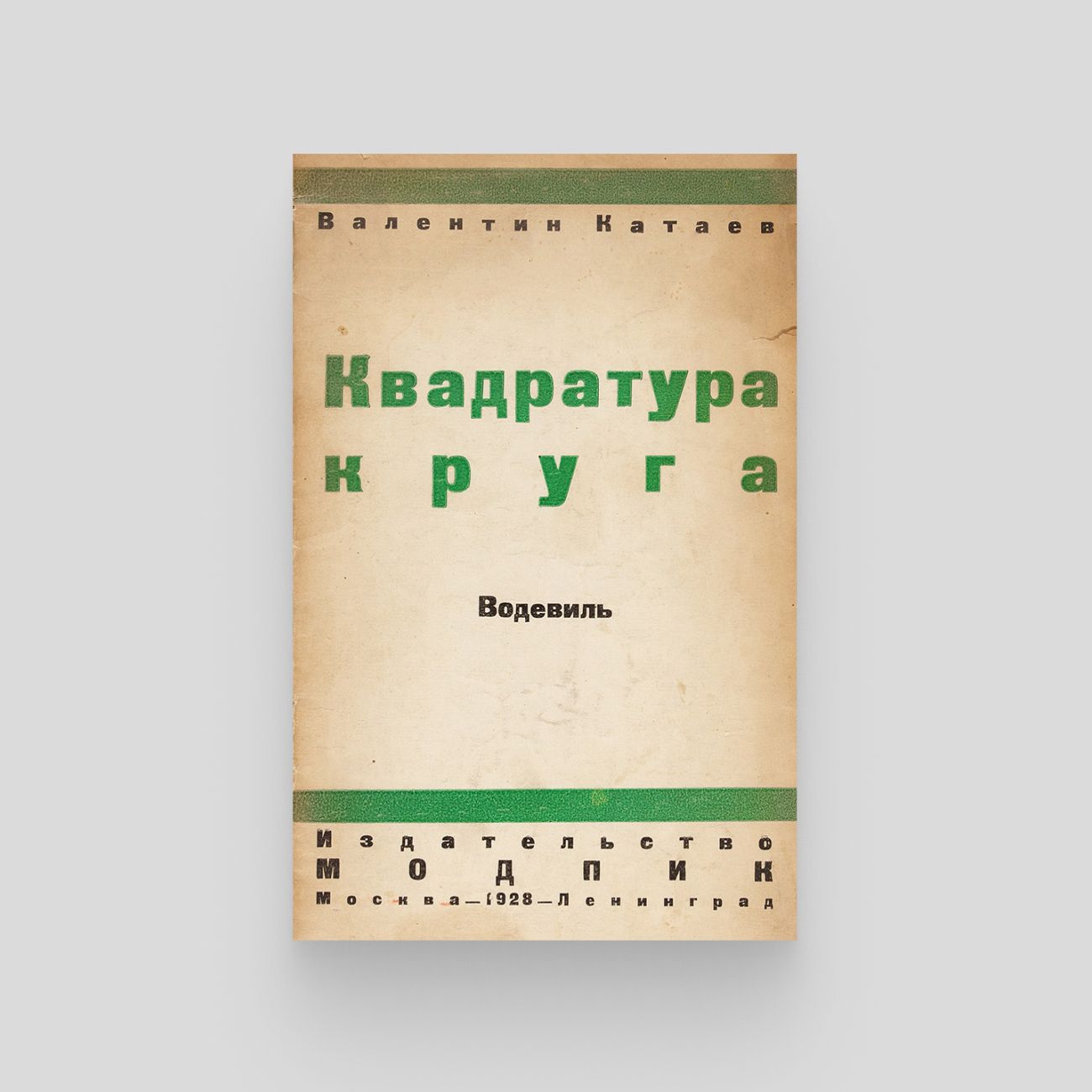
Perhaps the most successful Soviet play is a 1928 vaudeville about two newlywed couples trying to share a room for four in a municipal house . Kataev's comedy, about which Stanislavsky said that it “brings people joy, which is not so much in life,” went through hundreds of performances, was a success on Broadway, and is still being performed in many Russian theaters. It’s interesting that her stage success happened almost simultaneously with the defeat of Bulgakov’s “Zoyka’s Apartment.” But if Bulgakov’s Zoyka struggles to hold on to the old world, Kataev’s heroes are joyfully building a new one, “only without philistinism.”
Lyudmila. Your head is on cotton wool! My eyes wouldn't see it! “Lyudmilochka, Lyudmilochka!” - and the two of them have one pillow. The kind that is scary to hold in your hands... How do you and your friend sleep?
Vasya. That's how we sleep. One by one. One day I’m on the pillow, and he’s on “Political Economy”.
Sergey Bondarenko, Yura Boguslavsky, “Freedom of Dreams. The story of one closed room"
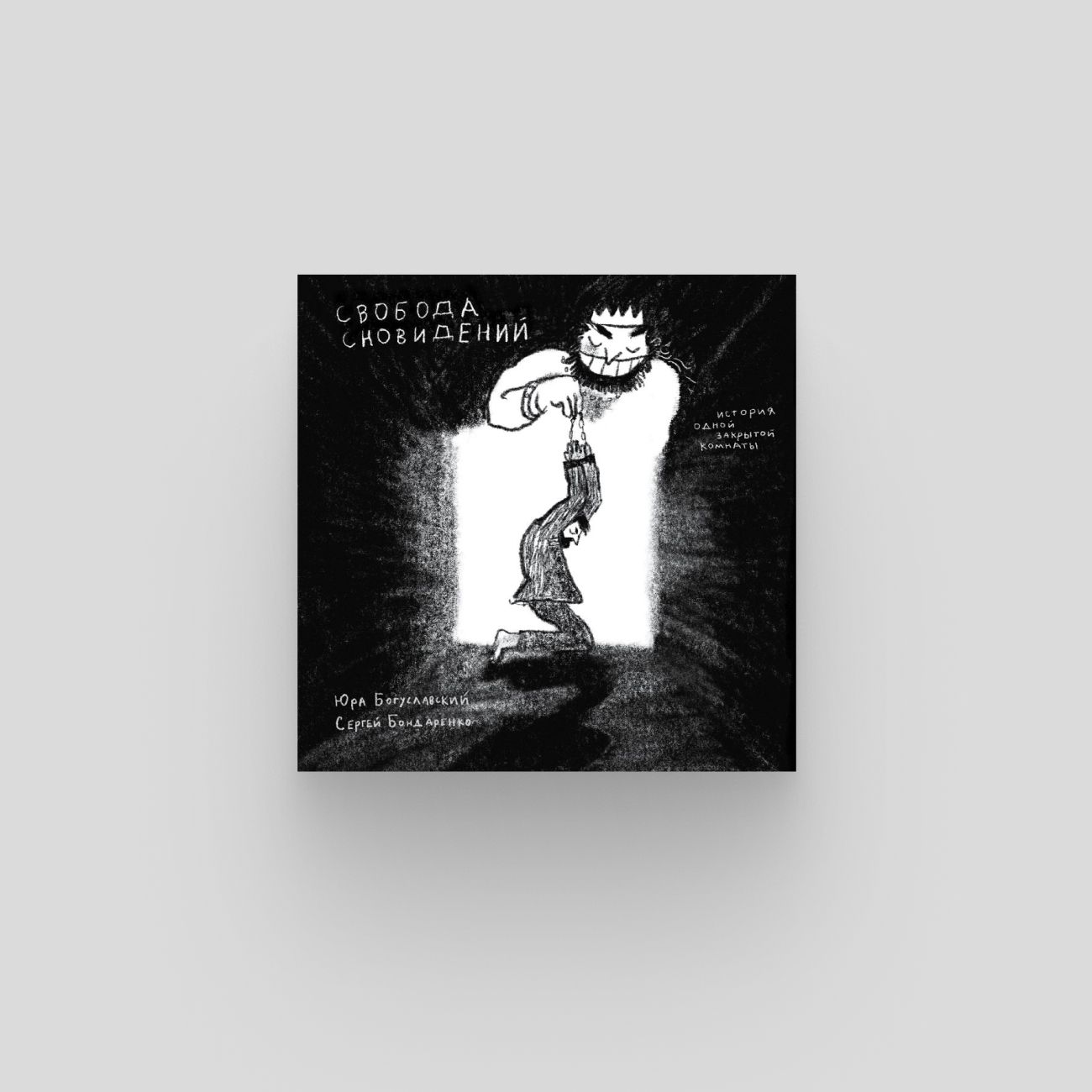
The graphic novel, which was published this year by Individuum, tells what secrets can be discovered in old apartments and rooms. The book has two authors: Sergei Bondarenko told the story of his family, and Yura Boguslavsky drew it. At the beginning of 2020, simultaneously with the pandemic, the narrator inherits an apartment on Leontyevsky Lane and finds in it papers and photographs of his grandfather and great-grandfather, an ethnographer, photographer and researcher of nativity play . When my great-grandfather was arrested, my grandfather lived for two years next to the sealed door of his room. In the same way, inside this small graphic book there seem to be many doors to completely different stories: into nativity plays about King Herod, family memory and the world of dreams.
I love my grandfather, but I don't agree with him. We have other freedoms too. Freedom to sit in front of a closed door. Freedom to open the door.
Yuri Trifonov, “Exchange”
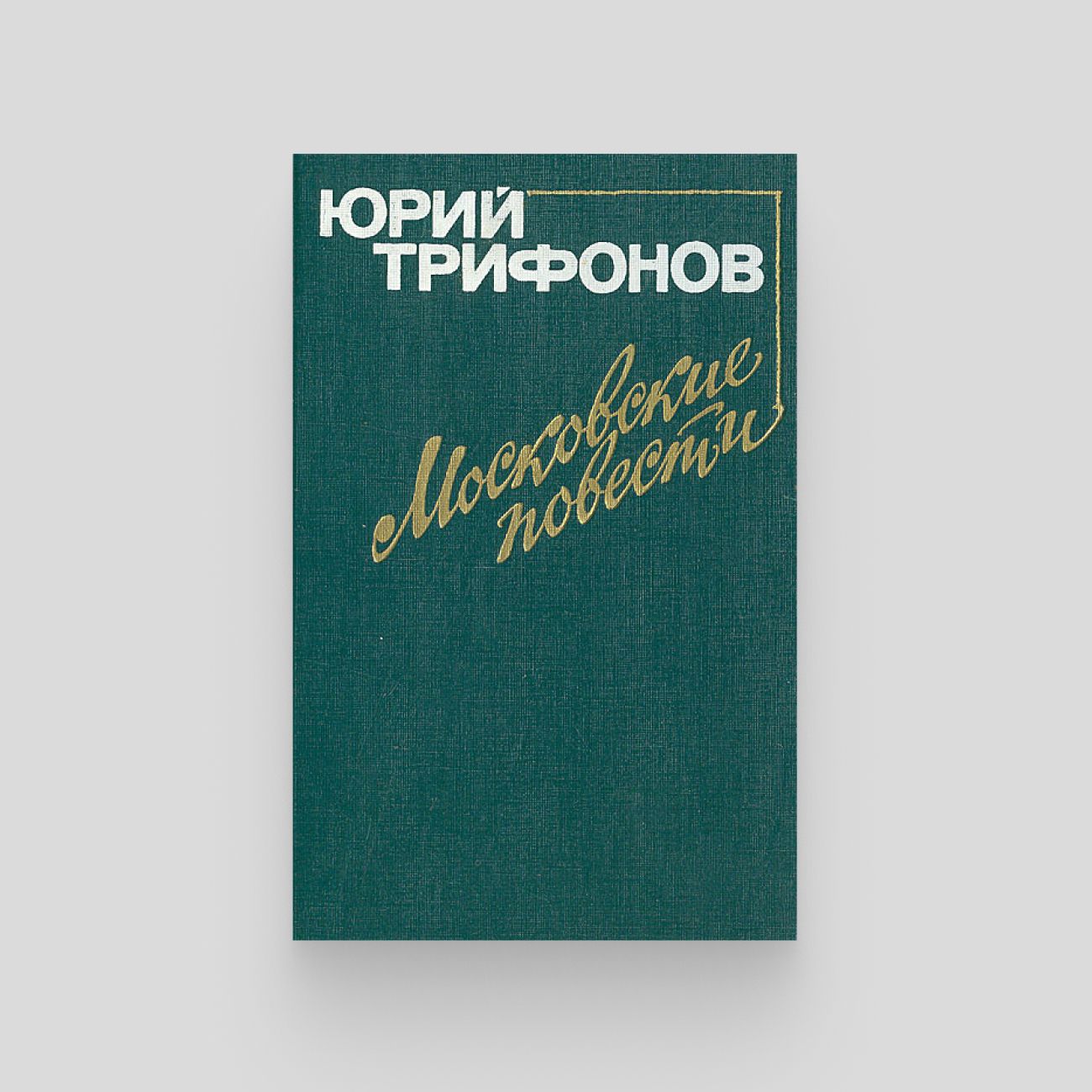
The story of 1969, with which the writer Yuri Trifonov began his Moscow cycle dedicated to the moral state of the intelligentsia. The main character, engineer Dmitriev, under the influence of his wife, decides to move in with his dying mother, exchanging two rooms in communal apartments for a two-room apartment. The short story reveals whole layers of moral decay - a man who “calmed down on the truth that there is nothing more wise and valuable in life than peace, and it must be protected with all one’s might,” makes one monstrous compromise after another. Trifonov himself was very indignant at the fact that he was considered a writer of everyday life: “I write about love, about death... but they tell me - everyday life. Yes, everyday life is our whole life!” This very everyday life becomes for him the beginning of internal decay, its invisible catalyst.
“You’ve already exchanged, Vitya.” The exchange took place... - Silence fell again. With her eyes closed, she muttered incoherently: “It was a long time ago.” And it always happens, every day, so don’t be surprised, Vitya. And don't be angry. It's just so unnoticeable...
Dasha Pochekueva, “Apartment”
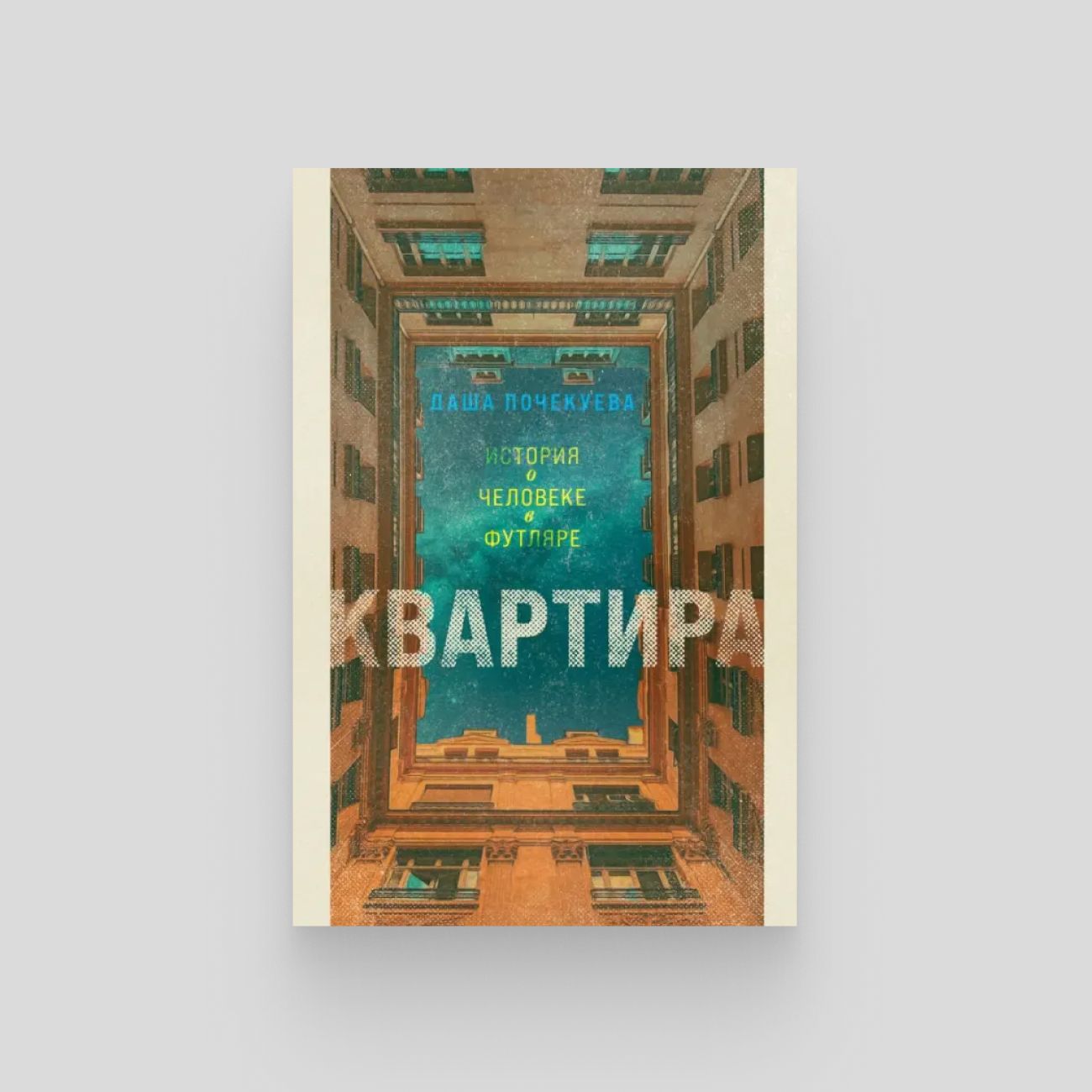
In Dasha Pochekueva’s debut novel, time moves to the early seventies, and at first the book seems to be a variation on the theme of Trifonov’s “Exchange.” The main character Frolov lives, “diligently observing decency, fearing condemnation and unnecessary speculation,” and as if he himself does not understand where his desire to hide and not stand out comes from. The apartment remains a common dream here, a goal beckoning from afar that holds an unhappy marriage together and gives direction to an unhappy life. At the same time, the question of whether you are a good person, if the housing problem spoils you, fades into the background for Pochekueva. The main thing becomes something else: how people are killed by lack of freedom, the inability to accept themselves and go beyond their own limitations. A Soviet province, a small town, is just an ideal backdrop for this lack of freedom. The result is a youthfully life-affirming novel-an awakening about how living space may turn out to be something not at all the main thing in human existence.
Frolov already noticed then that they did not coincide in anything - neither in aspirations, nor in dreams, nor in the idea of what happiness is. But there was one general life plan - an apartment.
Anton Sekisov, “Vaginova’s Room”
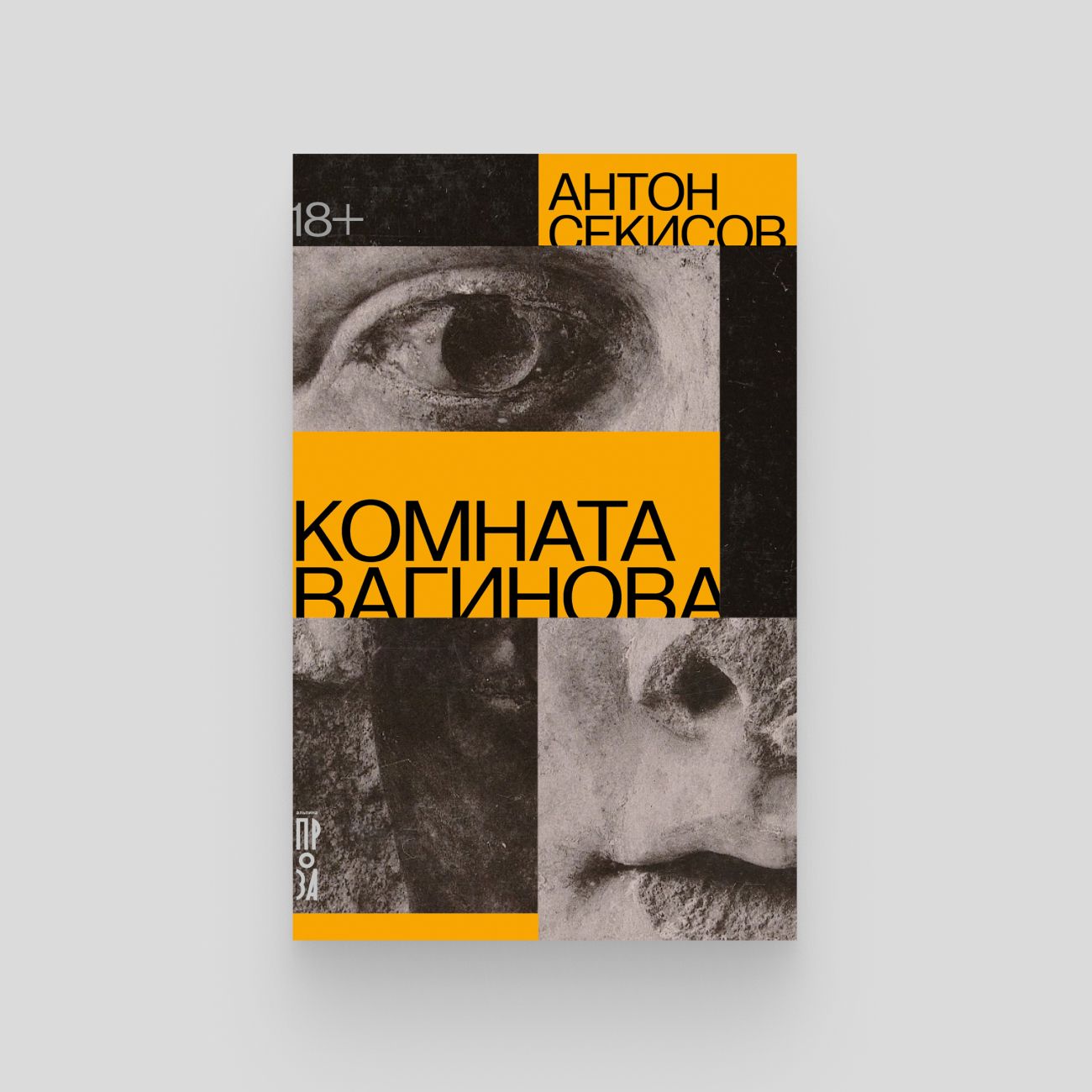
Anton Sekisov is one of the brightest representatives of the “thirty-year-old prose”, a writer for whom St. Petersburg and its text became both the background of the action and the object of study. “Vaginova’s Room” was originally written as an audio series for Bookmate (which has since become Yandex Books). The young philologist Arseny settles in a communal apartment on the embankment of the Griboyedov Canal, where the writer Konstantin Vaginov once rented a room. He hopes to continue his research here, but discovers something completely different: a sea of secrets behind closed doors, strange neighbors and an even stranger owner. For Sekisov, communal rooms are something of a comic device: doors that can be swung open endlessly and each time revealing the unexpected behind them. But his book also turns out to be about the impossibility of going beyond the boundaries of community and completely closing ourselves off from each other.
- Yes, yes, of course, but I wouldn’t really like you to bother your neighbors for such strange reasons. I understand that you live in a communal apartment, but personal space and the inviolability of the home have the same value in a communal apartment as in ordinary housing - and perhaps even greater. Forgive me, but the peaceful life of my tenants worries me much more than the ZhZL series.
Vladimir Makanin, “Underground, or Hero of Our Time”
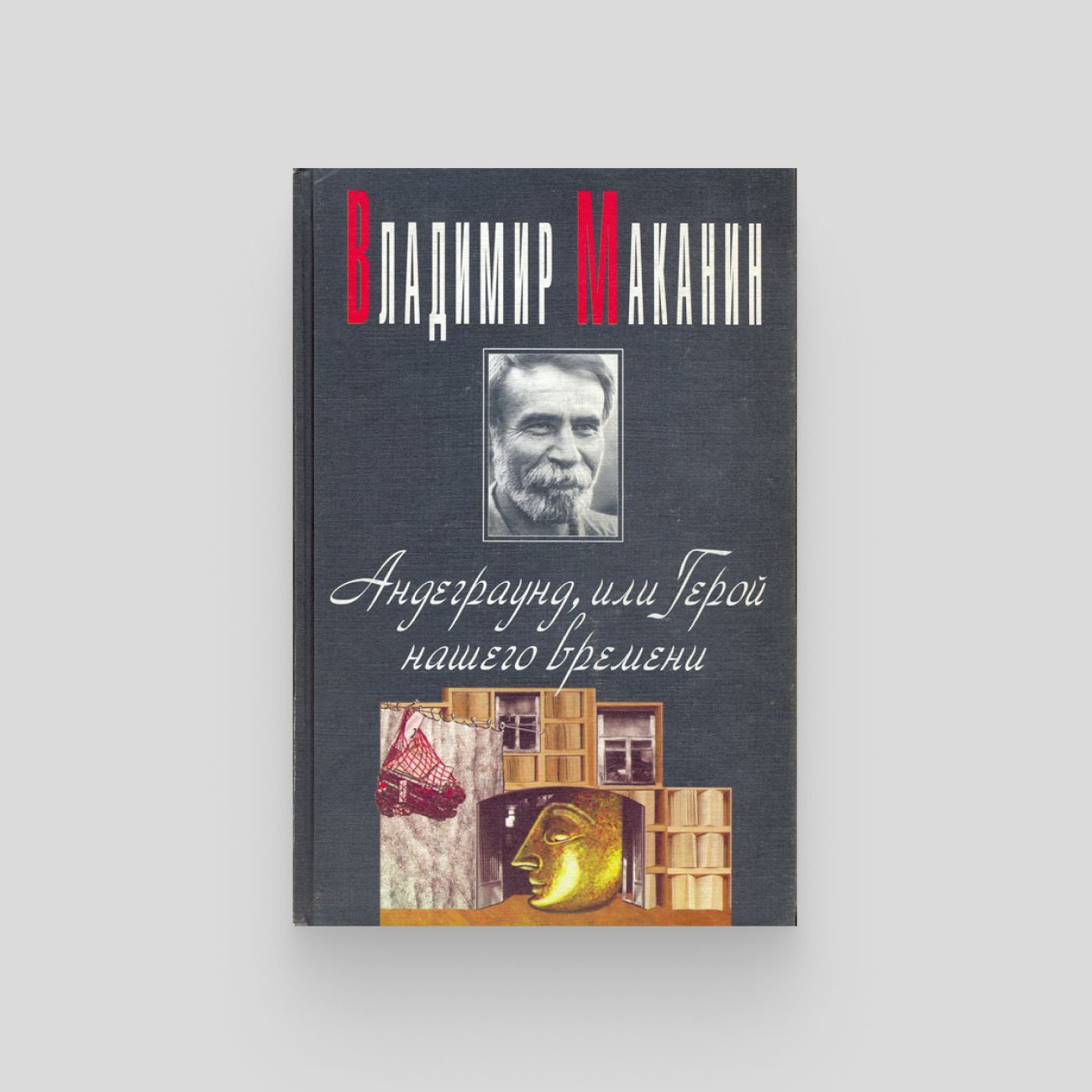
Vladimir Makanin is one of the most notable and at the same time underrated authors of his time. His literary debut, the story "Direct Line", was published in the magazine "Moscow" in 1965. Since then, Makanin remained one of the most recognized writers of his generation: he wrote urban everyday prose in a deliberately uneven language, received state prizes for it, and led a seminar at the Literary Institute. It is all the more important that the space of his, perhaps, main novel was the underground - the eternal underground, in which those for whom there was no place under any government were lost. The main character, the writer Petrovich, consciously chooses homelessness as the only form of freedom in a world where everyone is obsessed with privatization and meters. A man without his own corner and without a registration, he makes his living by guarding other people’s empty apartments in a huge multi-storey dorm. Makanin’s dorm is imperceptibly growing to the size of a country: all of post-Soviet Russia is one long corridor with foreign doors. Makanin himself later said that the novel became a dedication to those who consciously chose not to leave the underground and preserved themselves - even at the cost of their lives.
In those days I was given the opportunity to feel the unoccupiedness of the world: thereby the future was suggested. Within a month or two, life brought me and installed me in an apartment building, in this former dorm, where there are corridors and where there is an eternal crowd of people, a crowd of their square meters - planks, parquet, residential, with centuries-old smells.
Bonus: Maxim Trudolyubov, “People Behind the Fence”
Lisa Birger