
Translated material
Massacre accompanied by jazz
Saxophonist Andrei Shabanov is being persecuted in a Samara colony

Andrey Shabanov. Photo: telegram channel freeAndreyShabanov
Saxophonist musician Andrei Shabanov, sentenced to six years in prison under articles of “calls for terrorism” and “activities against state security,” found himself at the center of persecution in penal colony No. 10 in the Samara region. According to his mother, the conflict did not start because of a fight, not because of a violation of the regime, or even because of a conflict with the administration. The reason was that Andrei sat down to listen to his favorite radio program about jazz, but did it “in the wrong place.”
Shabanov was transferred to the colony in early April. For the first two months, his mother Olga Medvedeva tells Novaya, no problems arose. Everything looked almost fine. After a two-week quarantine, Andrei regularly called home and assured that there were no serious problems.
“At first there were only good reviews from Andrey. He said: “Everything is fine, everything is fine.” There were no problems from the management or from the convicts,” says Olga. In early June, she came to her son for a long visit. Andrei was glad that he seemed to be lucky: they gave out medications, didn’t press him, and had a calm attitude. “I even thought that he had pulled out a “lucky ticket,” the mother recalls.
Due to group II disability, ankylosing spondylitis and progressive psoriasis, Shabanov was released from work. Heavy physical labor is contraindicated for him. Instead of watching television, on Sunday evenings he invariably listened to a program about jazz - music without which he could not imagine his life even before his arrest, when he played the saxophone.
“Every week he listened to the same program. This has already become a habit. Until June 21, no one had any questions,” says the mother. Everything changed in one day.
According to Olga, a group of prisoners told Andrei that he had violated informal prison rules and was now automatically classified as a “lower caste.” After that he was kicked out of the barracks. “He was kicked out of the bedroom with all his things. They are not allowed to use the kitchen or refrigerator. They said that it was already “a waste,” she added.
According to Shabanov’s support group,
At first the musician was forced to sleep on benches. Later he was given a separate bed, but not in the living quarters, but in the common room. For a person with ankylosing spondylitis, in which the spine gradually loses mobility and any uncomfortable positions cause severe pain, even such a “concession” does not solve the problem.
“He is now sleeping on a cot in some hall. This is already considered an achievement,” Olga admitted.
The psychological pressure turned out to be even worse. According to Medvedeva, the son refused to even drink tea and coffee, just so as not to accept the status imposed on him: “He said: “I don’t drink tea or coffee. I don’t want to agree with this attitude towards me.” Only water."
At the same time, the bullying continues every day. “Swearing, insults, hints of physical violence. He says: “Mom, that’s it, I can’t tell you anymore.”
Andrei, according to his relatives, has already received a direct threat: “We are no longer responsible for your fate.”
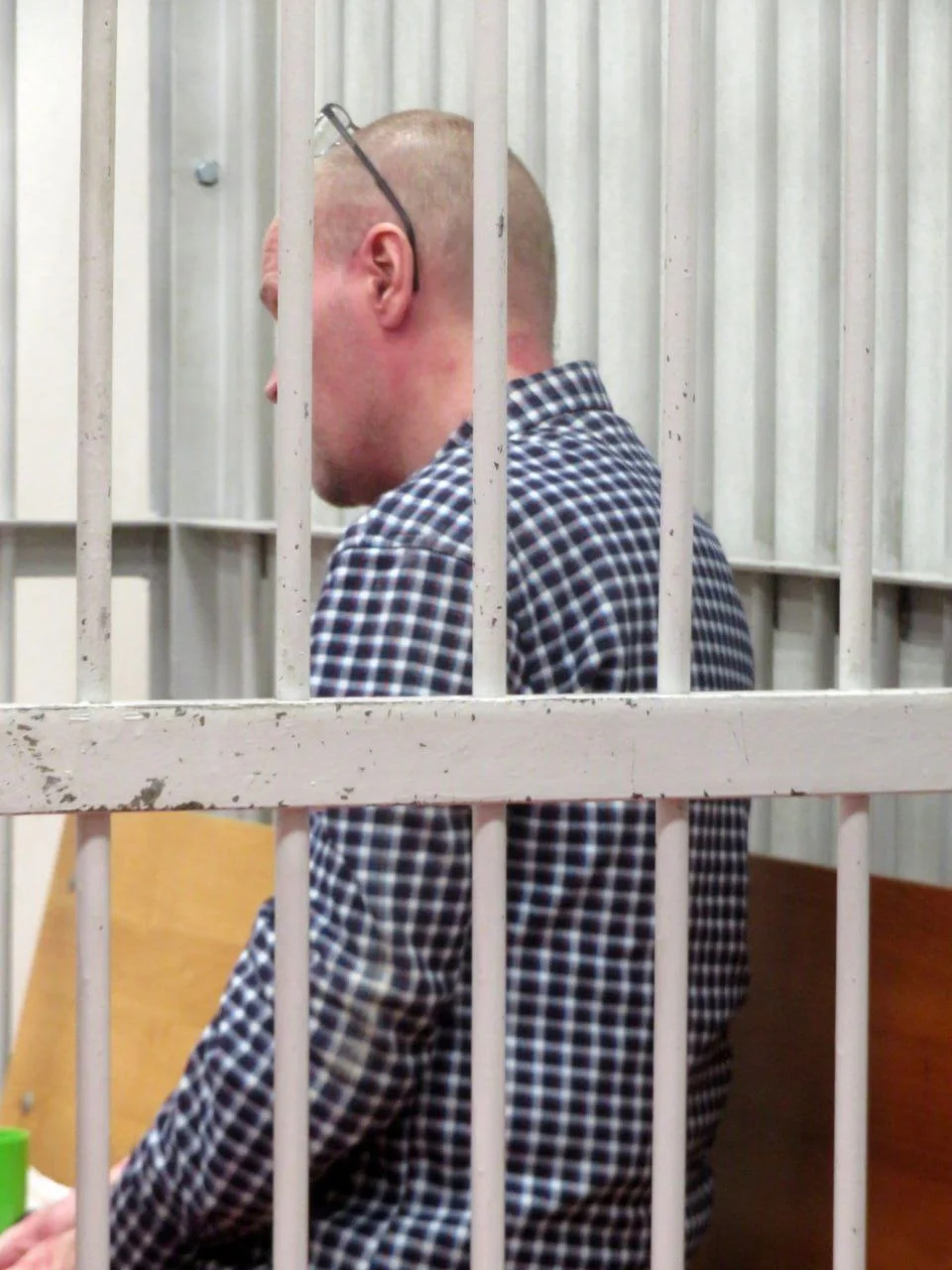
His health is of particular concern. Ankylosing spondylitis cannot be cured, but is only controlled by medications. The mother believes that her son does not receive adequate medical care. “What I give him only muffles the symptoms. The disease is progressing. There is no proper nutrition, no normal movement,” Olga noted.
She fears that even minor violence can result in dire consequences. “You don’t need to beat him for long. Two or three good kicks - and he will fall in pain. He has osteoporosis, a deformed spine. “He has never been a person who knows how to fight,” says the mother.
According to her, Andrei tried to contact the colony staff, but did not see any reaction. "He said, 'They're all in this together.'
Olga herself calls the colony every day, but receives the same answers. “They say to me: “What are you talking about, mother? Everything is fine. He has a bed. No one will kill him, no one will beat him.”
A few weeks before the conflict, Shabanov’s support group publicly announced that the colony administration had stopped sending him letters. Then Andrei recorded a voice message in which he thanked people for their support and explained that he could not answer letters because he simply did not receive them.
“I think this happened after we raised the topic of letters. “If I received letters, I would answer everyone,” Andrei said then. After any request, an inspection begins, and management doesn’t like it. Perhaps they, through their associates, decided to teach him a lesson,” the mother suggested.
According to her, even before the conflict, the colony staff made it clear that Andrei’s correspondence would be limited. “I was told in plain text that letters would only be given to him from relatives. And he has only one relative - me. He will not receive all other letters, including from abroad,” Medvedeva claims.
The family has no evidence of a connection between complaints about censorship of letters and the subsequent harassment. However, Shabanov’s mother is convinced that after the story of the letters became public, the attitude towards her son in the colony changed.
Now Andrey’s support group is sending appeals to the Federal Penitentiary Service, the prosecutor’s office and various supervisory authorities demanding to ensure his safety. However, the mother herself admits that every new appeal causes her fear.
“We are trapped. If you remain silent, Andrei remains without protection. If you complain, I’m afraid that after the checks he will only get worse,” Olga fears.
For Andrey himself, this story began with a Sunday program about jazz. Today it has turned into a fight for the right to sleep on a bed, use a refrigerator, receive letters and not become another victim of the prison hierarchy with the silent inaction of those who are responsible for his safety.