Я/Мы: Победа журналистики. Тексты, которые смогли изменить реальность
Расследования, статьи и репортажи, которые стали поводом для действий — судебных дел, санкций, спасения людей, восстановления справедливости. Это истории о том, что журналистика способна не только фиксировать, но и менять происходящее.
В подборке 8 материалов
Дело Ивана Голунова — уголовное дело 2019 года против журналиста «Медузы». Иван Голунов занимался расследованиями коррупции в структурах московской власти. В июне 2019 года он был задержан и обвинён в попытке сбыта наркотиков. Позже было установлено, что при задержании и следствии допущены нарушения, а представленные доказательства были сфальсифицированы.
Информация о деле вызвала общественную реакцию и кампанию поддержки со стороны СМИ, журналистов и правозащитников. Через пять дней после ареста обвинения с Ивана Голунова сняли за отсутствием доказательств. Пятеро сотрудников полиции, участвовавших в фабрикации дела, были осуждены за превышение полномочий и фальсификацию доказательств.
 Медуза
·
8 июн. 2019 г.Мы призываем всех перепечатывать полные тексты расследований Ивана Голунова
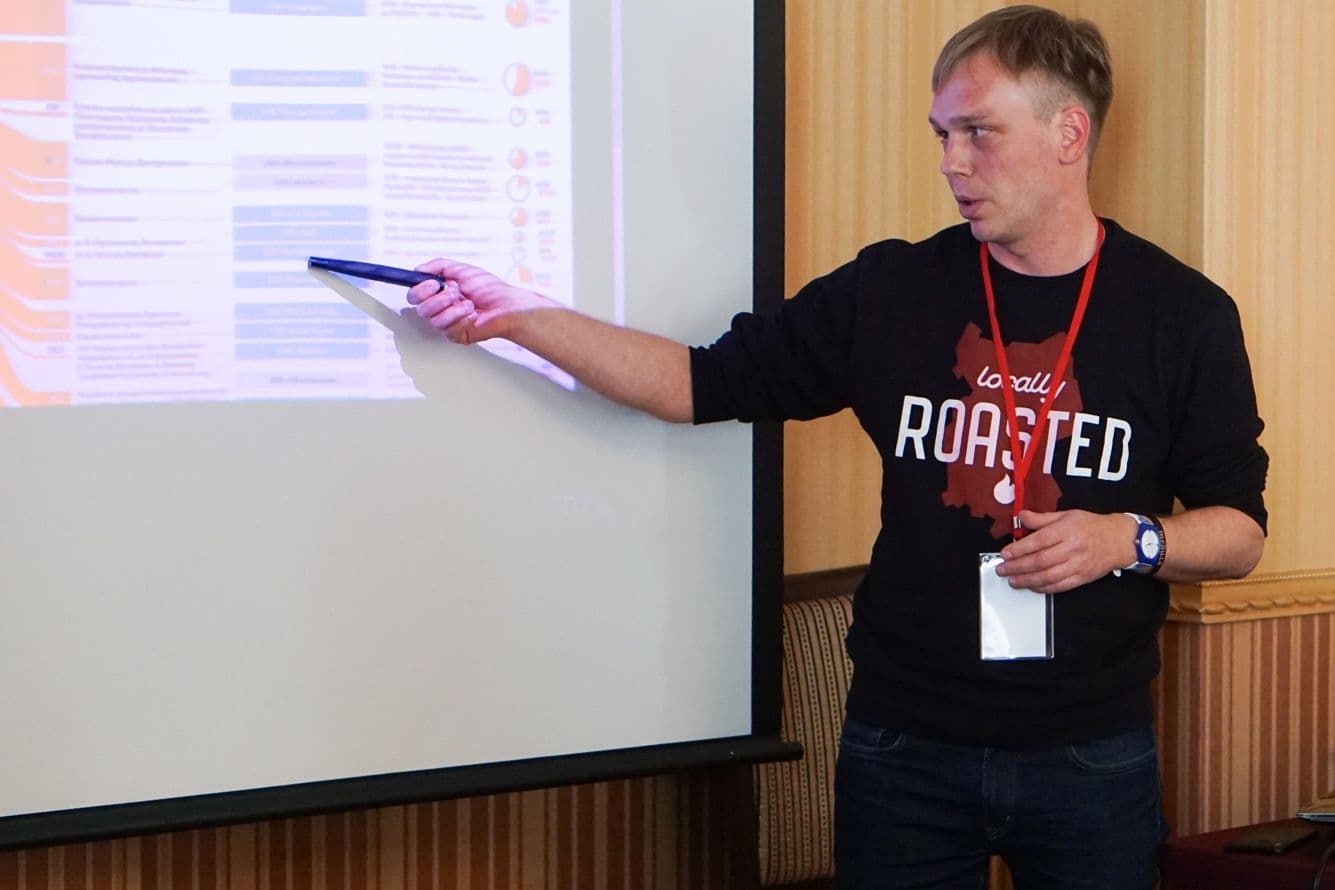
Все его материалы на «Медузе» открыты для распространения по лицензии Creative Commons vmestemedia.ru / Reuters / Scanpix / LETAКорреспондент отдела расследований «Медузы» Иван Голунов Корреспондент «Медузы» Иван Голунов был задержан 6 июня 2019 года в центре Москвы. Его обвиняют в попытке распространения наркотиков. Редакция «Медузы», представители российского и международного журналистского сообщества считают, что Голунова преследуют в связи с его профессиональной деятельностью.
«Новая газета» опубликовала материалы о пытках в исправительных колониях, в том числе в колонии № 1 Ярославской области (ИК-1). Издание получило и разместило видео, на которых сотрудники ФСИН избивают заключённых. Эти записи, сделанные на видеорегистраторы самих охранников, стали основанием для уголовных дел против работников колонии. После публикаций начались аресты, следствие и судебные процессы, на которых нескольким сотрудникам предъявили обвинения. Прокурор запросил для них до трёх лет лишения свободы.
Материалы «Новой газеты» показали масштаб насилия и нарушений в системе ФСИН. После публикаций последовали проверки во многих колониях и создание комиссий по расследованию подобных случаев. Представители ФСИН и Генпрокуратуры подтвердили факты избиений и пыток. Проверки привели к выводам о необходимости срочных изменений в работе исправительных учреждений.
 Новая Газета
·
23 февр. 2021 г.«Тут, конечно, крыть уже нечем» (18+)
Так руководство ФСИН комментирует видео пыток в ярославской колонии. И — начальники остаются на свободе. Публикуем новые страшные видео В распоряжении фонда «Общественный вердикт»* оказались новые видеозаписи с пытками заключенных в ярославской ИК-1. Эти до оторопи жуткие видео, которые мы публикуем сегодня, возможно, дадут следователям и суду дополнительный повод для размышлений о степени вины руководства как колонии, так и областного УФСИН.
Ольга Боброва
The Insider и Bellingcat провели совместное расследование, в котором установили, что за Алексеем Навальным в течение нескольких лет следила группа сотрудников ФСБ. По данным журналистов, эти же сотрудники участвовали в его отравлении.
Команды проанализировали метаданные телефонных соединений, базы авиаперелетов и другие открытые источники. Они выяснили, что к операции были причастны как минимум восемь сотрудников ФСБ, связанных с Институтом криминалистики и центром «Сигнал», который разрабатывает химическое оружие, включая вещество «Новичок».
После публикации расследования Европейский союз и США ввели санкции против названных сотрудников ФСБ и связанных с ними структур.
 The Insider
·
14 дек. 2020 г.Лаборатория. Как сотрудники НИИ-2 ФСБ пытались отравить Алексея Навального
Политика Лаборатория. Как сотрудники НИИ-2 ФСБ пытались отравить Алексея Навального The Insider 14 декабря 2020 Совместное расследование The Insider, Bellingcat и CNN при участии Der Spiegel установило имена и звания сотрудников ФСБ, отравивших Алексея Навального «Новичком». Как выяснилось, отравление в Томске было уже второй попыткой, за два месяца до этого те же ФСБшники совершили покушение на оппозиционера в Калининграде и едва не убили при этом Юлию Навальную.
Расследование Елены Милашиной и «Новой газеты» о преследованиях ЛГБТ в Чечне
Елена Милашина и «Новая газета» первыми сообщили о массовых задержаниях, пытках и убийствах мужчин, которых чеченские силовики считали гомосексуальными. Публикации вышли весной 2017 года и стали первыми доказательствами организованных преследований по признаку сексуальной ориентации. Власти Чечни отрицали сам факт репрессий и существование ЛГБТ-людей в регионе.
После публикации расследования начались масштабные эвакуации и спасательные операции по вывезению пострадавших из Чечни, проведённые правозащитниками и ЛГБТ организациями. ЕСПЧ стал фиксировать факты нарушений прав человека в Чечне, связанных с преследованиями ЛГБТ.
Новая Газета·
1 апр. 2017 г.Убийство чести

Как амбиции известного ЛГБТ-активиста разбудили в Чечне страшный древний обычай Фото: РИА Новости «Новой газете» стало известно о массовых задержаниях жителей Чечни в связи с их нетрадиционной сексуальной ориентацией — или подозрением в таковой. На данный момент поступили сведения о задержании уже более сотни мужчин. «Новой газете» известны имена уже троих погибших, однако наши источники утверждают: жертв намного больше.
Новая Газета·
16 окт. 2017 г.«Максим первый, но не единственный, кто осмелится подать заявление в СК»

Елена Милашина — с продолжением расследования о нарушении прав человека в Чечне. Первый свидетель, открывший свое имя, уже есть Максим Лапунов. Фото: Анна Артемьева / «Новая газета» В апреле «Новая газета» опубликовала статью «Убийство чести» — о массовом организованном преследовании геев в Чечне. С точки зрения жанра это было классическое журналистское расследование. С одним лишь исключением: в этой статье не было имен и фамилий жертв.
Протесты против строительства мусорного полигона на станции Шиес начались в 2018 году в Архангельской области и затем распространились на Вологодскую область и Республику Коми. Полигон предназначался для складирования твёрдых бытовых и промышленных отходов из Москвы и других регионов, но вызвал массовое недовольство из-за опасений загрязнения природы и водных ресурсов, что могло привести к экологической катастрофе с попаданием загрязнений в Белое море и мировой океан.
Активисты и местные жители устроили многотысячные митинги, перекрывали дороги и создали палаточные лагеря в районе строительства. Протест поддерживали и жители других регионов России, выразившие солидарность с требованием закрыть проект. Протесты получили широкое освещение в СМИ и международное внимание, а общественное давление возросло благодаря активности медиа и общественности.
В результате давления протестантов и резонанса в медиа власти в 2019 году отказались от строительства полигона, а контракт с компанией-разработчиком ООО «Технопарк» был расторгнут. Кроме того, главы двух регионов — губернатор Архангельской области Игорь Орлов и глава Республики Коми Сергей Гапликов — подали в отставку в знак ответственности за ситуацию и протесты.
Новая Газета·
2 сент. 2019 г.Шиес в горле
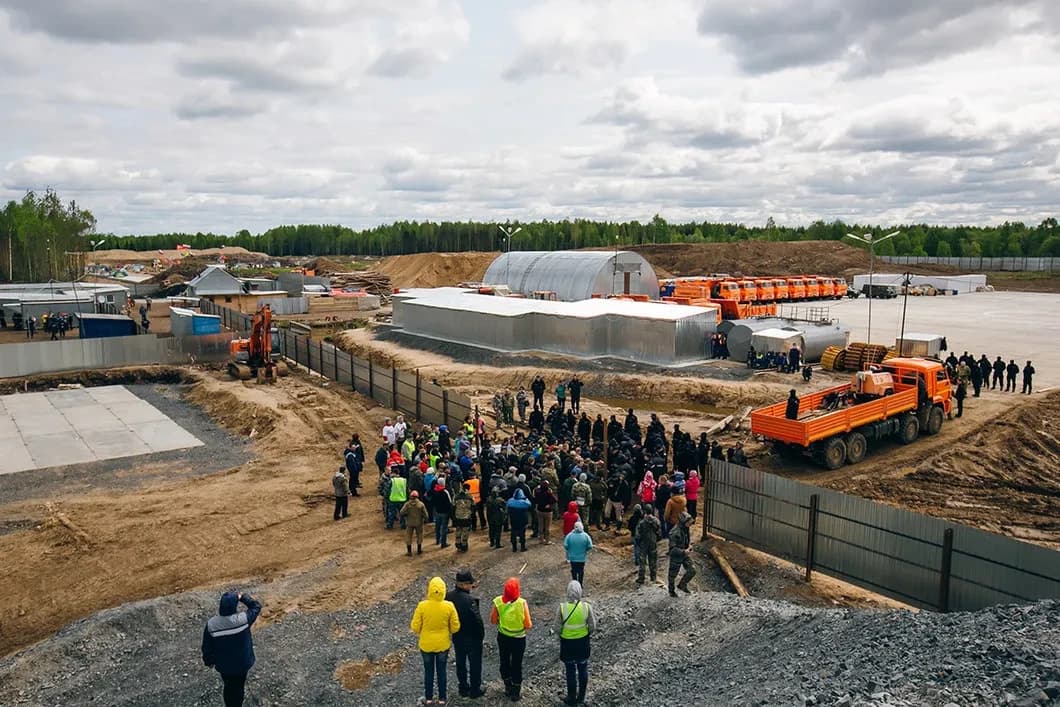
95% жителей Поморья против строительства мусорного полигона. Что ответит федеральная власть? Фото: Татьяна Брицкая / «Новая газета» 1 сентября истек срок, данный президентом губернатору Архангельской области Игорю Орлову и столичному мэру Сергею Собянину на изучение мнения населения региона о строительстве свалки для московского мусора на станции Шиес. Никаких опросов власть за это время не провела, а референдум по проблеме Шиеса запрещен.
Татьяна Брицкая
 7x7 | Горизонтальная Россия
·
6 апр. 2019 г.Полный Шиес