
Оригинал материала
The Real Russia. Today.
Meduza reports from Lviv
Tuesday, March 8, 2022
Dear readers, Meduza’s newsletter has been missing in action since Russia launched a full-scale invasion of Ukraine. We have maintained around-the-clock coverage of the war on our website (find our live transmission here), and yesterday we resumed this missive. Please note that the authorities are now blocking our website in Russia, and we’re turning to you, our global audience, for financial support.
🛡️ Meduza reports from Lviv: How western Ukraine is preparing to defend itself (11-minute read)
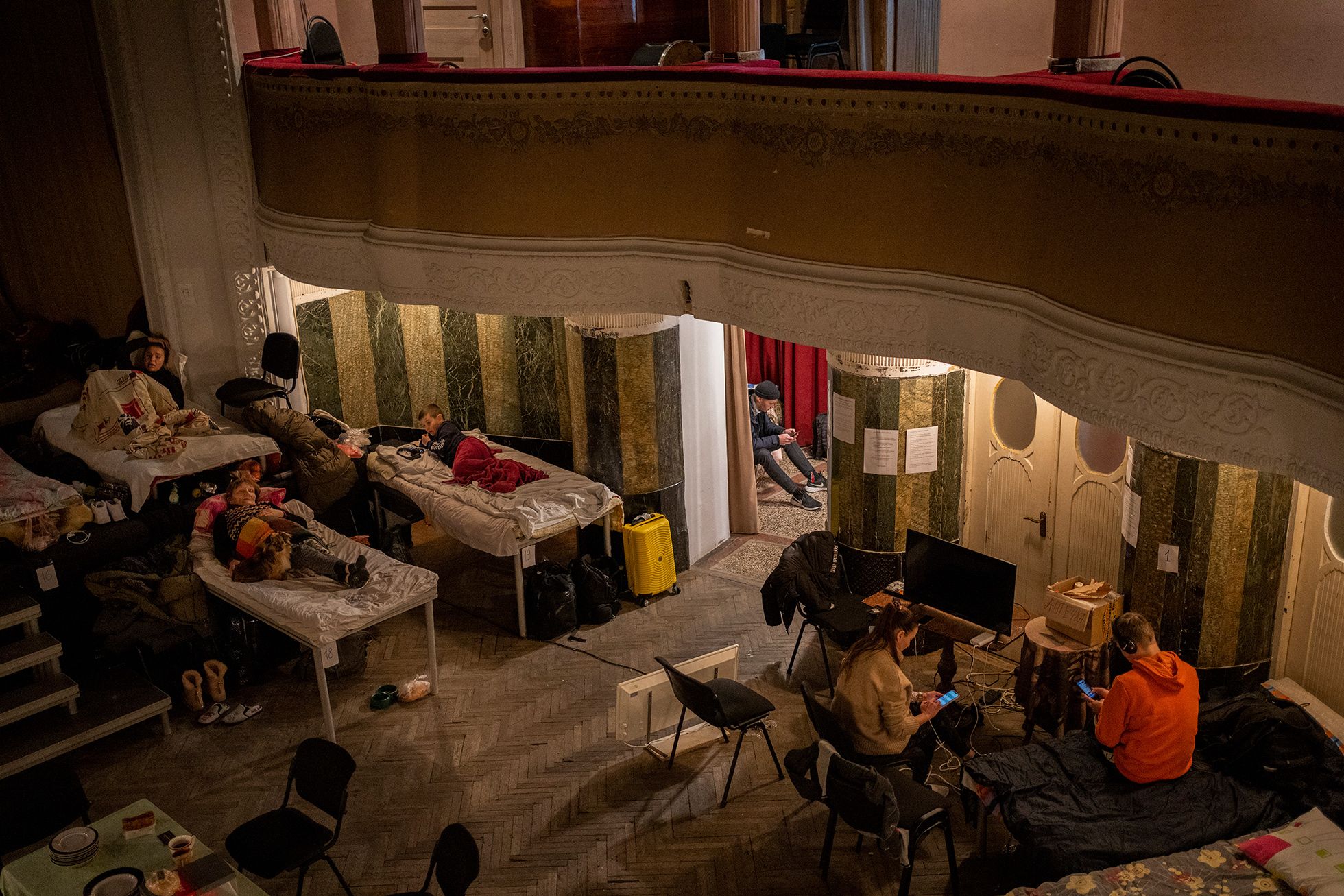
The war in Ukraine has been raging for almost two weeks now. In that time, Lviv has become the main transit point for Ukrainian refugees on their way to Europe, most of whom are going to Poland (according to the UN, the migration crisis caused by Russia’s invasion of Ukraine is “the fastest growing refugee crisis in Europe since World War II”; 2 million people have already left the country). Meanwhile, residents of Lviv, which has yet to see any combat activity, are preparing to protect their city from Russian invaders. Meduza special correspondent Lilia Yapparova crossed the border from Poland to Ukraine — read her dispatch here.
⚖️ Vladimir Putin’s invasion of Ukraine was unlawful even by Russian standards (4-minute read)
When Vladimir Putin declared war on Ukraine on February 24, he cited the Russian Federation’s “obligations” as an ally of the self-proclaimed Donetsk and Luhansk “People’s Republics.” As it turns out, no such alliance existed at that time. The agreements regarding mutual cooperation did not come into force until a day later, on February 25. In other words, according to both international and Russian law, Moscow couldn’t possibly have had any legal basis for invading Ukraine. Meduza breaks down the details here.
📢 Meduza is granting open access to all its coverage of the war in Ukraine
Russia has attacked Ukraine. This is a war. Inside Russia, the authorities have imposed a new level of censorship, blocking all independent media agencies — including TV Rain and Ekho Moskvy. Throughout the country, anti-war demonstrations have been brutally suppressed, their participants arrested. Prominent figures who have spoken out against the war have been threatened. The authorities and the Kremlin-controlled media (especially the state-owned television networks) have been lying about the war, manipulating public opinion.
We believe people should be allowed to make their own judgements about what’s happening — on the basis of accurate information. To help make that possible, we’re granting open access to all of Meduza’s content about the war in Ukraine for free distribution under a Creative Commons license. To put it simply, you can reprint our articles about the conflict in full — anywhere you like.
Yours, Meduza